
A warehouse does not become secure when the last employee locks the office door. Roll-up doors, perimeter gates, storage containers, equipment cages, and shared access points remain exposed after hours, often across a large site with multiple people and competing access needs. Browse industrial-grade storage and cargo locks designed for warehouse applications.
Why Warehouse Security Locks Matter More Than Ever
Warehouse security locks create a physical layer that stays in place around the clock, but the right system starts with a risk assessment. CISA recommends evaluating threats, vulnerabilities, and potential consequences before selecting protection levels, then combining measures that prevent, deter, detect, and respond to threats. That makes each lock part of a deliberate security plan rather than an isolated hardware purchase.
Industrial-grade hardware should match the access point, operating environment, and theft risk. The stronger strategy uses purpose-built locks across doors, gates, containers, and outdoor storage areas, while keeping authorized access manageable for staff, tenants, drivers, and contractors.
The cost of theft extends beyond the missing item
The direct loss gets attention first: stolen inventory, tools, equipment, or materials. The larger bill often follows. Operations may lose productive hours while staff document the incident, replace equipment, investigate access records, and secure the damaged entry point. Delayed shipments and missed work compound the original loss. Prevention costs money, but it creates a controlled expense. Theft creates an uncontrolled chain of costs after the fact.
Warehouse security locks provide a constant physical defense at the access point. They do not replace cameras, lighting, alarms, or access policies. They strengthen the barrier those systems support, giving personnel and monitoring tools more time to detect and respond to an intrusion.
Outdoor yards and shared facilities create more weak points
Outdoor storage yards face weather, poor sightlines, perimeter gates, trailers, shipping containers, and equipment that cannot fit inside a building. Each item may require a different locking approach, and a single unsecured gate can undermine otherwise strong building security.
Multi-tenant facilities add another challenge. Several companies may share entrances, loading areas, storage zones, or utility spaces. Managers need clear boundaries between authorized access and general site access. A lock system must withstand frequent use while supporting disciplined key control. Standardizing protection across the facility reduces the chance that one neglected door, cage, or container becomes the easiest route in.
Layered protection starts with a risk assessment
The Interagency Security Committee approach treats security as layered protection, not a single product choice. CISA guidance describes physical security measures that prevent or deter threats, detect and assess activity, and support response and recovery. Its risk-management process also calls for assessing threats, vulnerabilities, and consequences before selecting the appropriate protection level.
Apply that framework to every access point. Identify what each area contains, who needs access, how visible it is, and what happens if someone breaches it. Then match the lock, gate, lighting, monitoring, and response plan to that risk. This approach puts high-security hardware where it delivers the most value and prevents a low-cost weak point from defeating the rest of the system. Review the ISC risk-management standards when building a layered protection plan.
Types of Warehouse Security Locks for Every Access Point
A warehouse rarely has one security problem. Personnel doors, perimeter gates, tool cages, and on-site storage containers each expose a different access point. The right hardware fits the opening, the traffic pattern, and the threat. A lock that works well on a pedestrian door may leave a shipping container exposed, while a gate lock may not suit a high-traffic employee entrance.
Warehouse security locks provide a permanent line of defense, working around the clock rather than only during staffed hours. Choose each lock as part of a deliberate access-control plan, not as a generic replacement for every hasp or latch.
| Lock type | Best application | Key features to prioritize |
|---|---|---|
| Heavy-duty padlocks | Tool cages, equipment sheds, service gates, and secondary storage areas | Rugged body, protected shackle, weather-resistant construction, and a locking system suited to frequent authorized access |
| Container locks | Shipping containers, conex boxes, cargo containers, and temporary on-site storage | Purpose-built fit for container doors, resistance to exposure and tampering, and coverage that protects the locking hardware itself |
| Door locks | Personnel doors, maintenance entrances, and interior rooms holding inventory or sensitive equipment | Controlled employee access, compatibility with the existing door hardware, durable operation, and a key plan that supports turnover |
| Gate locks | Vehicle gates and pedestrian gates around warehouse yards and loading areas | Hardware that fits the gate geometry, withstands weather and dirt, and remains practical for drivers, managers, and security staff |
Start with the access point, then consider exposure, traffic, and the value of what sits behind it. A yard gate needs a lock that remains usable in rain, dust, and repeated daily cycles. A storage container needs specialized protection because its external locking hardware faces direct tampering and harsh conditions. A personnel door needs controlled access without creating a bottleneck for authorized workers.
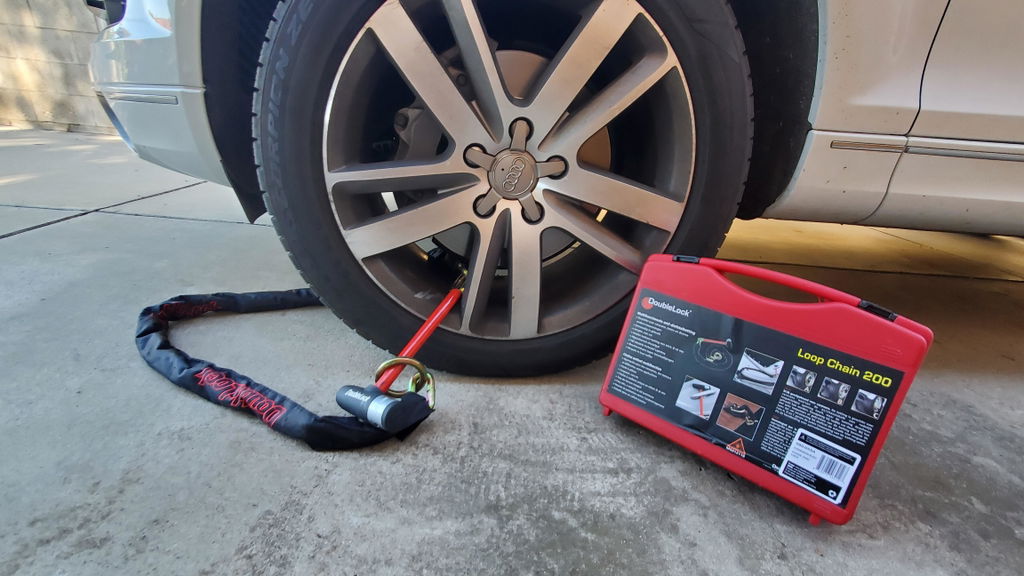
Use the same discipline for surrounding equipment and open lots. Our guide to industrial security locks covers physical locking strategies for equipment-focused risks. For a warehouse, keep the main focus on stationary infrastructure: secure the door, gate, cage, and container with hardware designed for that specific job. Browse container lock options for on-site storage units.
Container Locks for On-Site Storage Units
Shipping containers, conex boxes, and storage containers create valuable enclosed space, but their placement in a yard or warehouse perimeter also creates a clear target. A standard latch or exposed padlock leaves the locking point open to weather, tampering, and forced-entry attempts. The right container lock covers the vulnerable hardware and puts a purpose-built barrier between stored equipment and unauthorized access.
Protect the locking point, not just the door
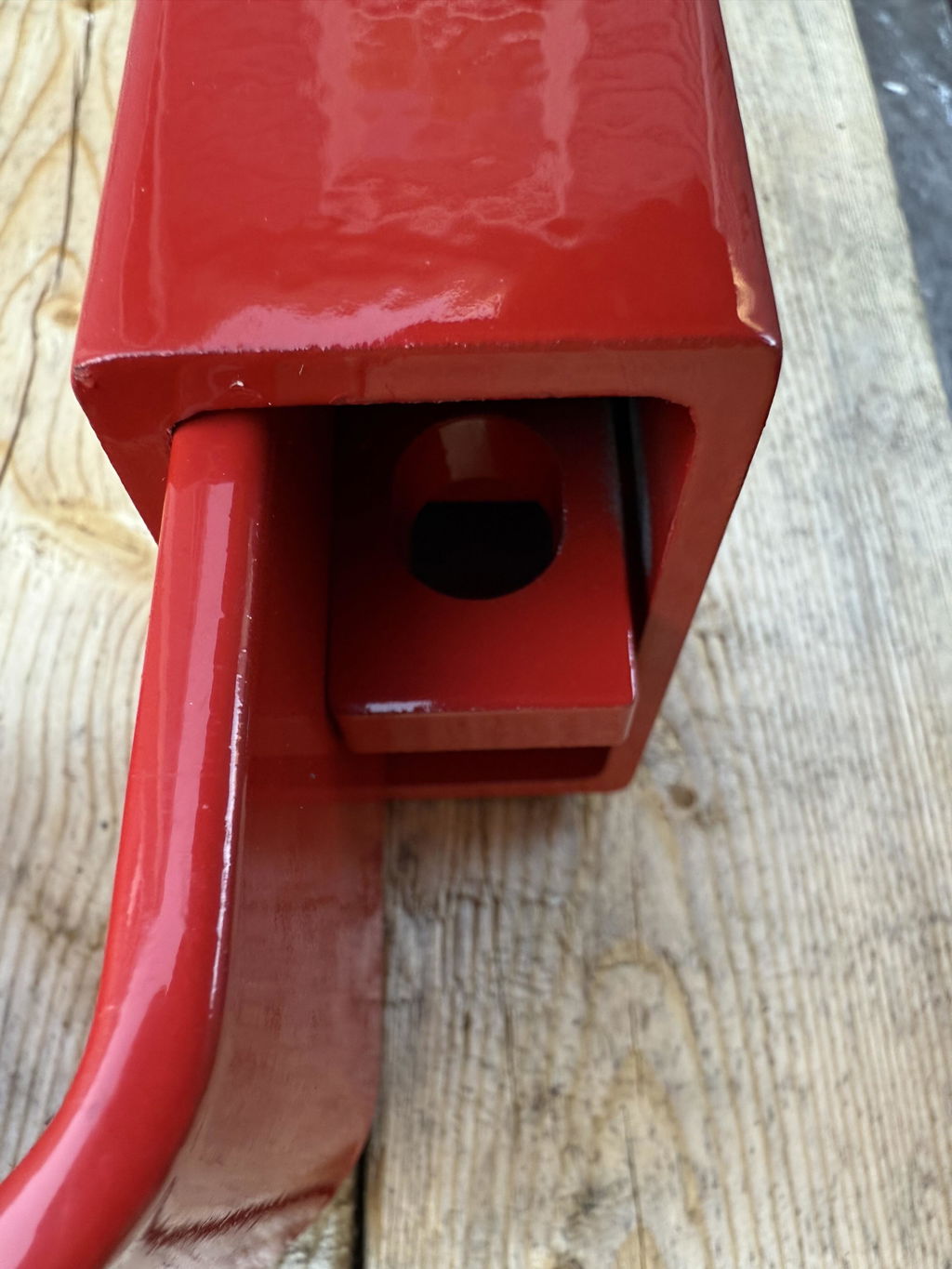
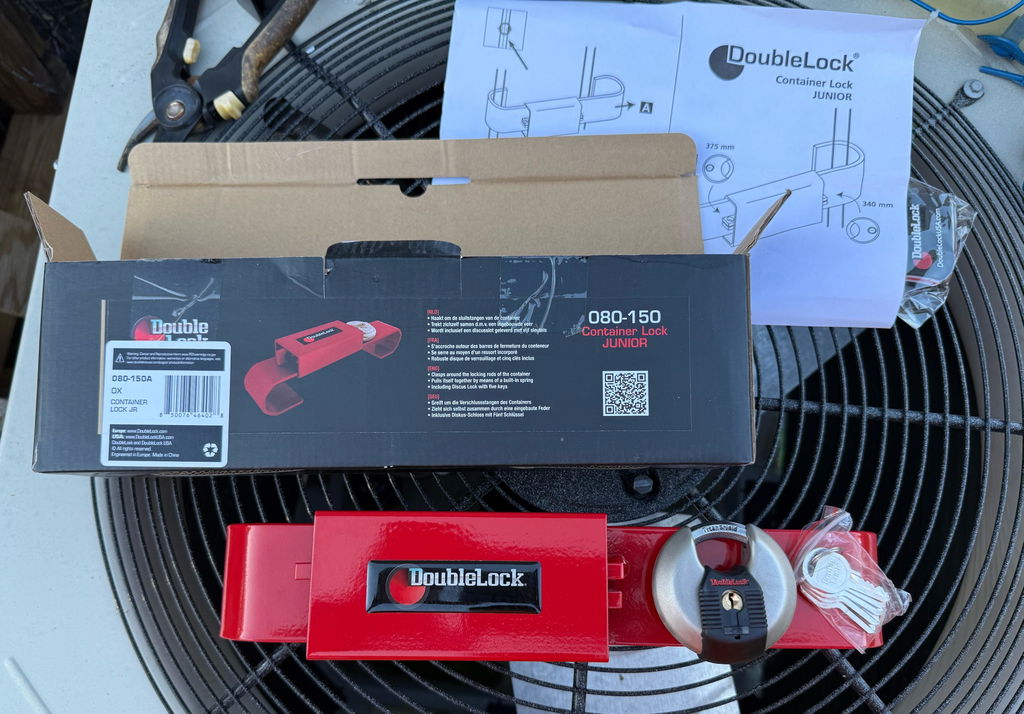
Container locks work by enclosing the door handles and latch area, which removes the easiest access path from view and limits direct access to the shackle. That design matters for containers holding tools, building materials, machinery parts, cargo, or seasonal inventory. Install the lock whenever the unit sits unattended, including inside a larger warehouse or behind a controlled gate. An access-controlled property still needs protection at each storage unit because a thief only needs one weak container to create a loss.
Choose a model that matches the demands of the site. Outdoor storage yards expose hardware to rain, dirt, temperature swings, and daily handling. Weather-resistant construction keeps the lock working through those conditions, while a hardened steel shackle adds a stronger physical barrier at the connection point. No lock makes a container undefeatable, but a purpose-built enclosure raises the effort, time, and tools required to attack it.
BULL and RHINO container locks
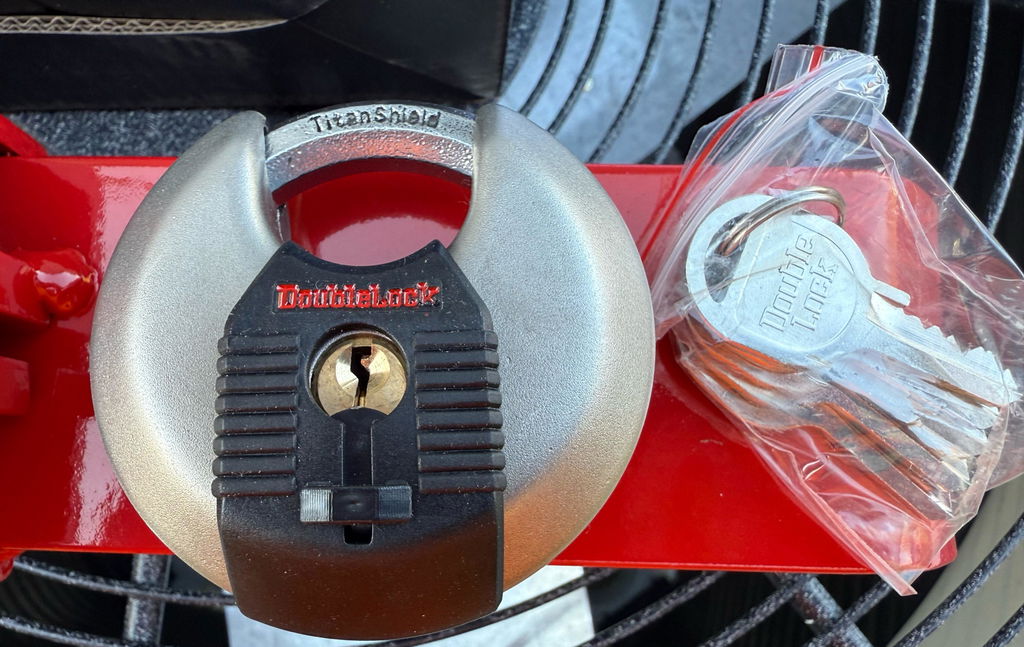
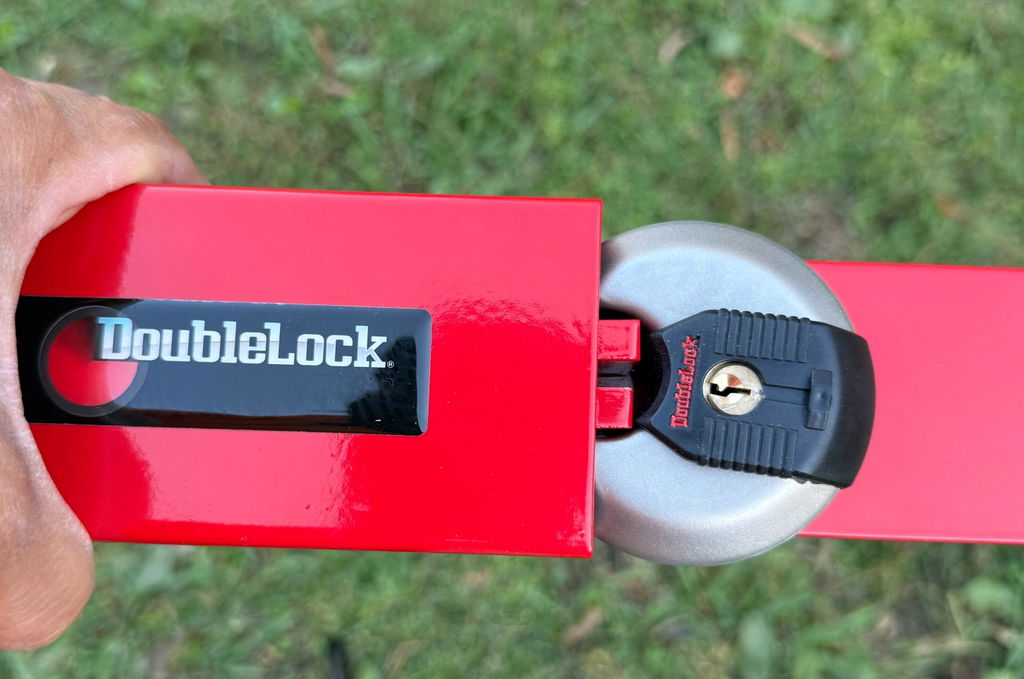
DoubleLock builds the BULL and RHINO container locks for industrial storage vulnerabilities. Both products reflect the company's European engineering heritage and focus on rugged, practical theft deterrence rather than decorative hardware. Their container-specific design shields the locking area, while hardened steel shackles reinforce the part exposed to attack. Weather-resistant construction supports continued use in storage yards, logistics environments, construction sites, and other demanding locations.
Use the BULL or RHINO when a shipping container functions as a permanent or semi-permanent storage unit. Review the container's door configuration, the available clearance around the latch, and the site's access routine before selecting a model. A fleet manager may prioritize consistent hardware across multiple units. A contractor may need a lock that stands up to dust, rain, and repeated daily access. A warehouse operator should also document who controls keys and inspect the lock after moves, impacts, or attempted tampering.
For a closer look at selection criteria and installation considerations, review this warehouse security locks buyer guide. Pair container locks with perimeter, lighting, camera, and access-control measures to build layered protection around the entire storage area. Shop container locks for on-site cargo protection.
Heavy-Duty Padlocks for Gates, Tool Cages, and Equipment Sheds
Warehouse gates, tool cages, and equipment sheds create different access points, but each one needs a lock that stands up to repeated handling and exposed conditions. The DoubleLock RED HAWK padlock gives crews a practical way to secure perimeter gates and enclosed storage without relying on light-duty hardware. Its rugged construction supports a layered security plan that deters opportunistic theft and raises the effort required to reach tools, machinery, and materials.
Edge-to-edge locking holds the shackle securely
Most padlocks depend on a small engagement point inside the lock body. The RED HAWK uses an edge-to-edge locking mechanism that engages the shackle across its full locking area. This design gives the lock body a stronger mechanical hold and limits the exposed movement an attacker can exploit. The result is a more secure connection between the padlock and the hasp, chain, or gate hardware.
Install the RED HAWK with a properly fitted hasp that keeps the lock body close to the protected surface. A tight fit reduces leverage and prevents the shackle from hanging where cutting tools or pry bars have more room to work. The lock provides the strongest deterrent when the surrounding gate and mounting hardware match its level of physical security.
Built for exposed warehouse yards
Outdoor storage yards expose locks to rain, dust, temperature swings, and daily contact with dirty gloves and equipment. The RED HAWK features a weather-sealed design that protects the locking mechanism during outdoor use. Its hardened boron steel shackle adds a tough barrier at the point where thieves commonly attack a padlock. Choose a shackle length that clears the hasp without leaving unnecessary space around the lock.
Use heavy-duty padlocks at vehicle gates, fenced material yards, rolling gate hasps, tool cages, and equipment sheds. Secure every opening at the end of the shift, then inspect the hasp, hinges, chain, and gate frame as part of the same routine. A strong padlock cannot compensate for a weak mounting point or a gate that leaves a wide pry gap. For a broader site plan, review this industrial-grade security for warehouse lots checklist and apply the same inspection discipline across each perimeter access point. Browse RED HAWK and other heavy-duty padlocks.
Keyed-Alike Solutions for Fleet and Multi-Tenant Facilities
Managing a warehouse or storage yard gets harder when every gate, container, shed, and tool cage uses a different key. Keyed-alike systems solve that access problem by allowing one authorized key to operate multiple locks across designated access points. Facility managers reduce the number of keys in circulation while keeping physical security consistent across the property.
Standardize access across the facility
A fleet driver may need to open a yard gate and reach a secured equipment area during the same route. A night crew may need access to a tool cage, storage shed, or container without carrying a ring of unrelated keys. A keyed-alike setup gives each approved user the right physical key for the locks assigned to their role.
Managers can also organize access by building, yard, tenant, or operating team. One key may open shared perimeter locks, while separate keys control private storage areas. That structure supports practical access control without forcing every user to carry keys for every tenant or department.
Reduce key-management friction
Fewer key types simplify daily operations. Managers spend less time identifying the correct key, replacing mismatched sets, and distributing duplicates across drivers and crews. Standardization also makes onboarding easier when a new employee joins a fleet or a tenant takes possession of a storage area.
Keyed-alike locks work especially well in multi-tenant facilities because they support both shared and restricted access. A property manager can establish a consistent lock plan for common gates and service areas, then assign separate keyed-alike groups to private containers or tenant storage. The result is a cleaner access system that keeps responsibility clear.
Build a practical commercial lock plan
Start by listing every access point and grouping locks by the people who need to use them. Follow these steps:
- Keep high-traffic gates, shared equipment areas, and fleet service points in the same access group when the operational need justifies it.
- Keep private tenant spaces and higher-risk storage in separate access groups.
- Document authorized users, spare-key custody, and issue-and-return procedures for each group.
- Review access assignments after staffing changes, tenant turnover, or security incidents.
DoubleLock's keyed-alike capability gives commercial operators a practical way to standardize warehouse security locks across multiple locations and access points. Combine the system with rugged, purpose-built hardware and a documented key register. For a broader plan, review this guide to commercial warehouse security before assigning access groups. Browse the full DoubleLock product line for keyed-alike compatible hardware.
How to Choose the Right Warehouse Security Lock System
The right system starts with the facility, not a product catalog. A warehouse may include loading doors, perimeter gates, storage containers, tool cages, and detached sheds, and each access point may face a different threat. Use this process to build practical protection that raises the effort required for theft.
- Assess the threat level and theft history. Review reported thefts, attempted break-ins, vandalism, unauthorized access, operating hours, and the value of exposed goods. CISA's physical security risk assessment framework considers threats, vulnerabilities, and consequences when determining the appropriate level of protection. Use that assessment to identify which locations demand the strongest hardware and the most frequent review.
- Inventory every access point. Walk the entire property and record warehouse doors, dock doors, vehicle gates, pedestrian gates, shipping containers, equipment cages, sheds, and secondary entrances. Note the door or gate material, hasp condition, exposure to weather, and who needs access. A lock cannot compensate for a weak hasp, damaged gate, or unprotected gap beside the opening.
- Match the lock rating to the risk. Assign each access point a protection priority based on the value inside, visibility, traffic, and likely attack path. Use purpose-built hardware for the application rather than placing the same general-purpose padlock everywhere. Containers, gates, cages, and doors may require different lock bodies, shackles, mounting methods, or weather protection. For related planning guidance, review these industrial security locks recommendations.
- Plan key management before ordering. Decide whether the facility needs keyed-alike locks for controlled convenience or keyed-different locks for tighter separation between teams, tenants, or zones. Document authorized users, spare-key custody, issue and return procedures, and what happens when an employee or contractor leaves. The best key plan supports accountability without creating daily workarounds.
- Procure and install as a system. Confirm quantities, compatible hasps and mounting points, environmental exposure, and access requirements before purchase. Install each lock so the body and shackle sit correctly, the door or gate closes fully, and surrounding hardware does not create an easy bypass. Photograph completed installations and record the location, key assignment, and responsible owner.
- Establish inspection and maintenance intervals. Inspect locks, shackles, hinges, hasps, gates, and mounting hardware on a defined schedule and after severe weather, attempted entry, or construction changes. Remove damaged hardware promptly, maintain moving parts according to the manufacturer's guidance, and update the access inventory as the facility changes. No lock is undefeatable. The objective is layered deterrence, reliable control, and enough resistance to make theft harder, riskier, and less attractive.
Frequently Asked Questions
How do you lock a warehouse door securely?
Start with the door's construction, hinge layout, hasp, and surrounding frame. Use a lock designed for commercial exposure, then protect the hasp and mounting points from prying. Confirm that the door closes fully and that employees can control keys or access credentials. A lock cannot compensate for a weak frame, damaged hardware, or an unprotected secondary entrance.
What type of lock is most secure for industrial use?
The right choice depends on the access point and threat level. A heavy-duty padlock suits gates, cages, and equipment sheds, while a purpose-built container lock fits shipping containers and similar cargo doors. Choose rugged construction, weather resistance, and a locking design that limits exposed shackle or hardware when the application demands stronger theft deterrence.
What are the main types of warehouse security locks?
Common categories include commercial door locks, gate locks, container locks, and heavy-duty padlocks. Each category addresses a different physical opening. Review every entrance, storage cage, yard gate, trailer, and container instead of selecting one lock for the entire property. Layered physical security works best when the lock, hasp, door, and frame match the risk.
Why use industrial-grade locks for storage facilities?
Storage facilities face repeated daily access, outdoor exposure, multiple users, and valuable equipment or cargo. Industrial-grade hardware gives those openings a purpose-built defense rather than relying on light residential hardware. Select weather-resistant locks that support the facility's access routine, then inspect them regularly for wear, corrosion, or compromised mounting hardware.
How should commercial lots choose security locks?
Map every access point, assess the value and exposure of what it protects, and identify likely attack methods. Match each opening with a suitable lock type, then plan key control for employees, contractors, tenants, and managers. Standardized or keyed-alike solutions may simplify large facilities, but keep access permissions limited and review them when staffing or tenancy changes.
Ready to Secure Your Commercial Property?
A well-matched lock system gives warehouse teams, storage operators, and fleet managers a practical way to protect containers, gates, and other access points. Shop the storage and cargo collection to find industrial-grade security hardware for your facility, then contact DoubleLock USA to request a wholesale quote for commercial or fleet orders.