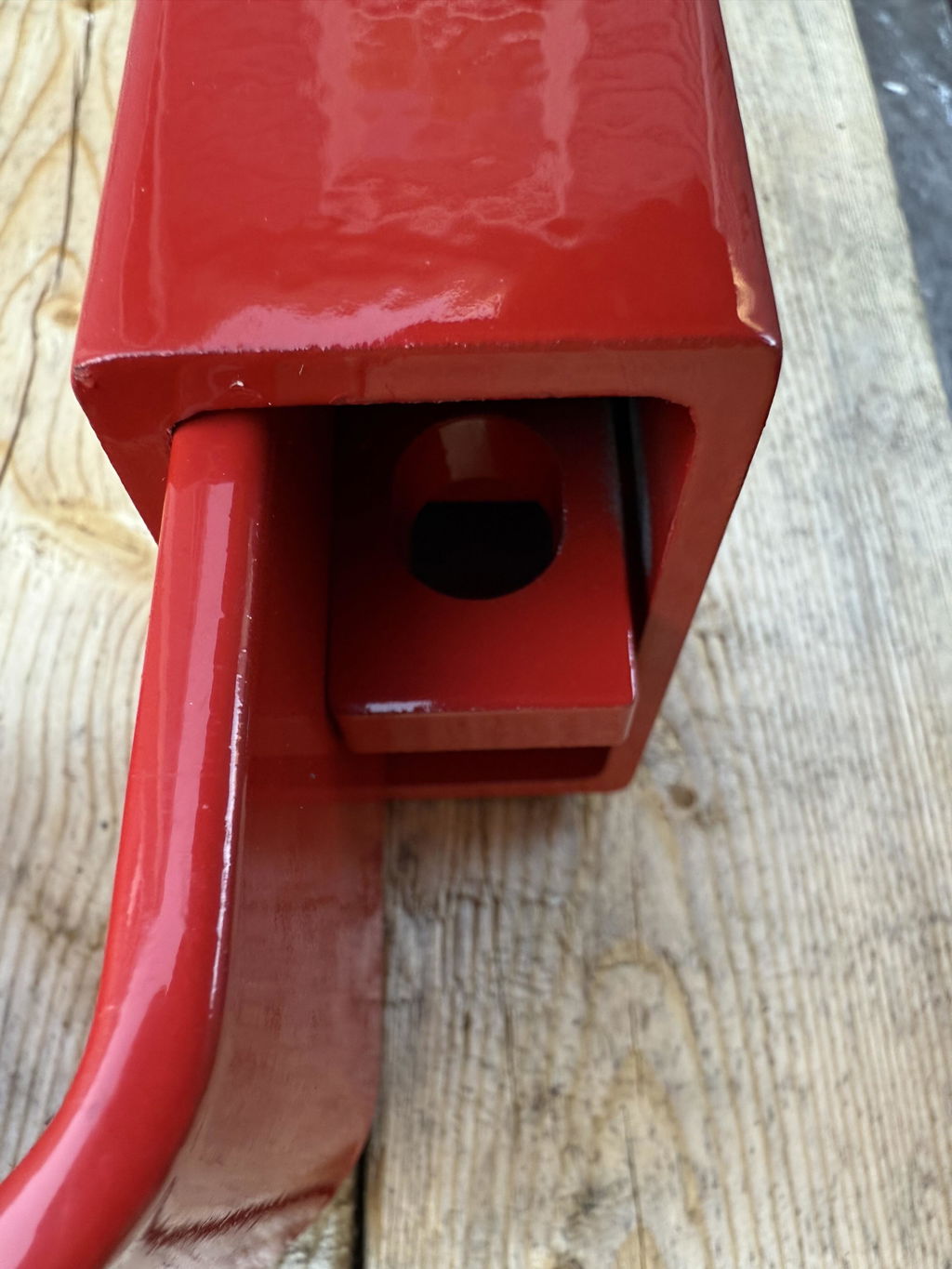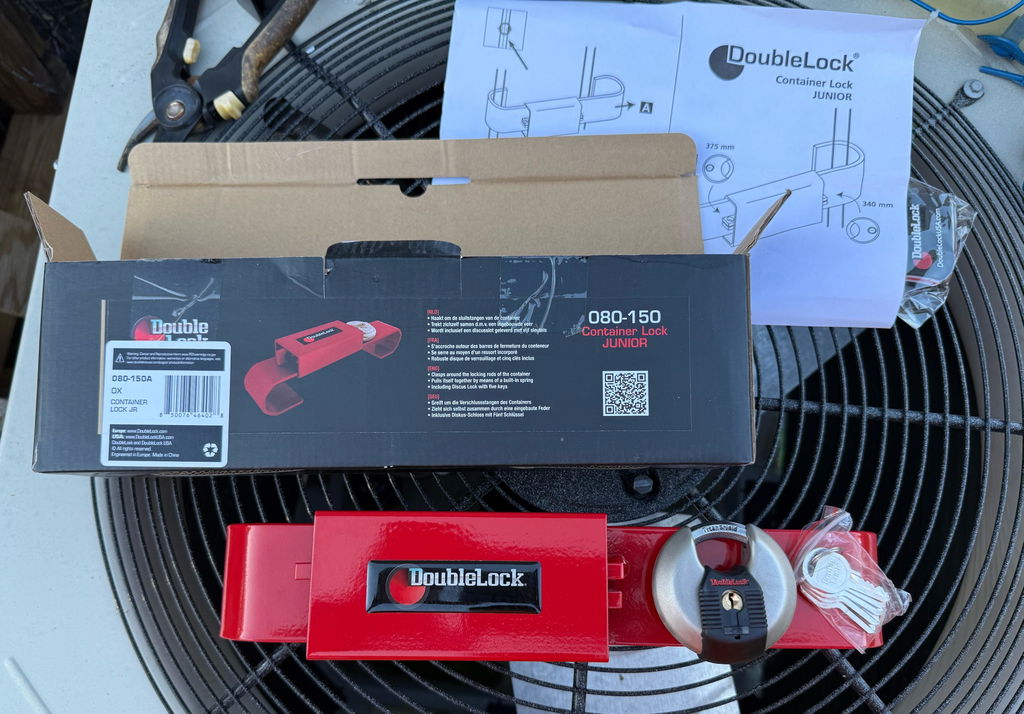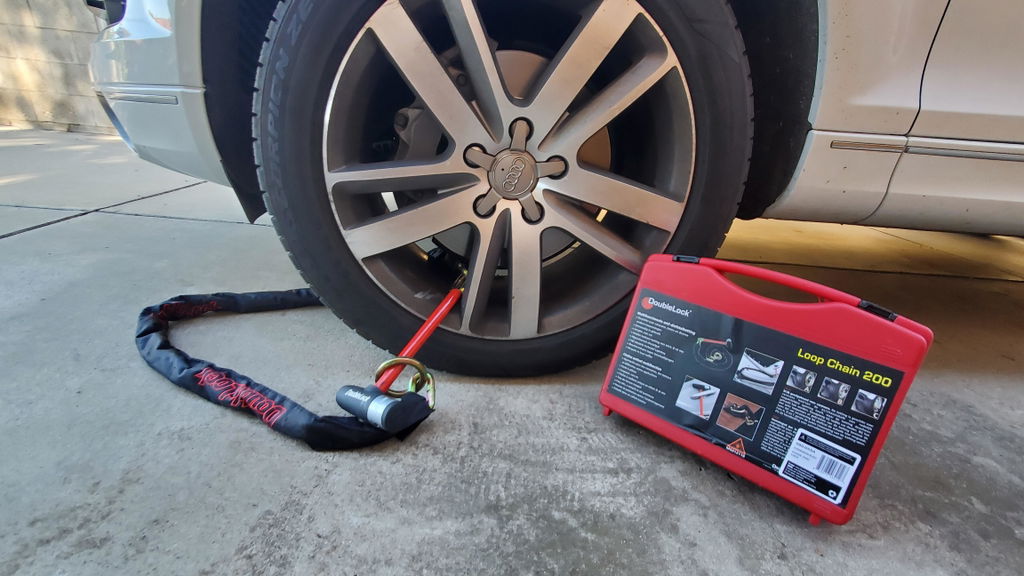

A single cut on basic hardware can expose an entire container of tools or inventory. A purpose-built shipping container lock helps turn the door bars into a tougher target, giving a thief less working room and your crew more time to respond.
Shop DoubleLock container security hardware
A shipping container lock is purpose-built hardware that secures cargo door bars or shields the locking point against prying, cutting, and drilling. The right choice fits tightly, uses durable steel, handles outdoor exposure, and works as one layer in a broader jobsite or storage-yard security plan.
Start by evaluating construction, fit, and the attack surfaces a device leaves exposed.
What makes a shipping container lock secure?
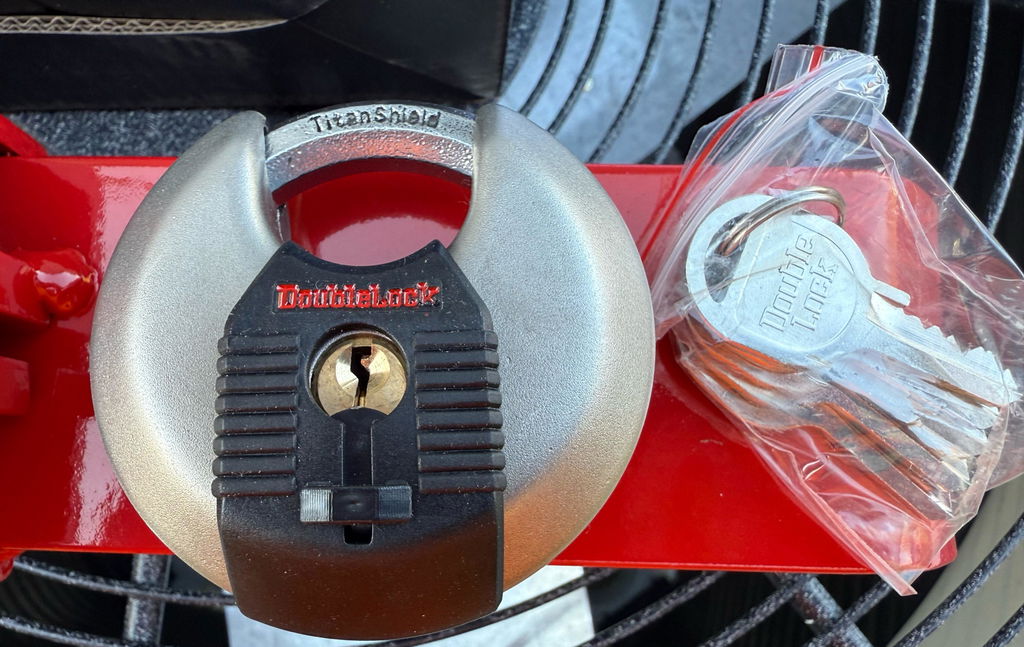
A good shipping container lock must do more than just hang on a door. It needs to stop thieves who use tools like bolt cutters or drills. Most high-grade locks use powder-coated steel to stay strong against force and bad weather. This type of steel helps the lock last in wet or salty air. When you pick a tool like the BULL max-duty container lock, you get a device built for these tough spots.
Hardened steel and weather resistance
Hardened steel is much harder to cut than soft metal. Many heavy-duty locks use this material so that a thief cannot just snip the shackle with a hand tool. Toughness is also a big part of security. If a lock rusts or jams from rain, it may fail when you need it most. Our locks handle harsh areas so the parts stay smooth and the shell stays tough. This keeps your goods safe from both people and nature.
Good locks also have a thick powder coat. This layer keeps moisture away from the metal to stop rust. For construction sites, this is a must-have feature. Without it, the salt and dirt from the site will break down the metal over time. A rusty lock is often a weak lock. By choosing the right materials, you make sure your site stays safe year after year.
Shielding from physical attacks
Thieves look for easy spots to hit. One way to stop them is to use a lock box. These boxes bolt onto the door and hide the lock from view. This makes it very hard to get a saw or a pry bar near the shackle. Using a bolt-on lock box adds a layer of metal that a thief must get through first. This extra step is often enough to make them give up and move on to a new target.
The lock should also have features to stop drills. Some locks use anti-drill cylinders. These have hard discs inside that spin when a drill bit hits them. This stops the bit from biting into the lock. Proper physical security requirements for secure rooms often list these features as a base need for asset safety. These steps make it much harder for a thief to win.
Key control and use limits
Most locks use either a key or a code. Keys are often better for fleet managers who need to control who has a copy. But no matter what you choose, the fit must be right. High-grade locks often need a specific shackle clearance to fit the door bars. If the fit is loose, a thief has more room to use a tool. It is also vital to know that no lock is proof against all tools.
A lock is a way to slow down a thief and make the risk too high for them. A trained crew can secure container doors efficiently with compatible hardware. Using a shipping container lock as part of a full site plan is the best way to stay safe. When you mix a strong lock with good rules, you create a real wall against theft.
Should you choose a lock box or crossbar lock?
A lock box permanently shields a compatible padlock, while a crossbar device creates a portable barrier across the cargo door bars. The better option depends on whether the container stays fixed, whether modifications are allowed, and how often your team moves security hardware between units.
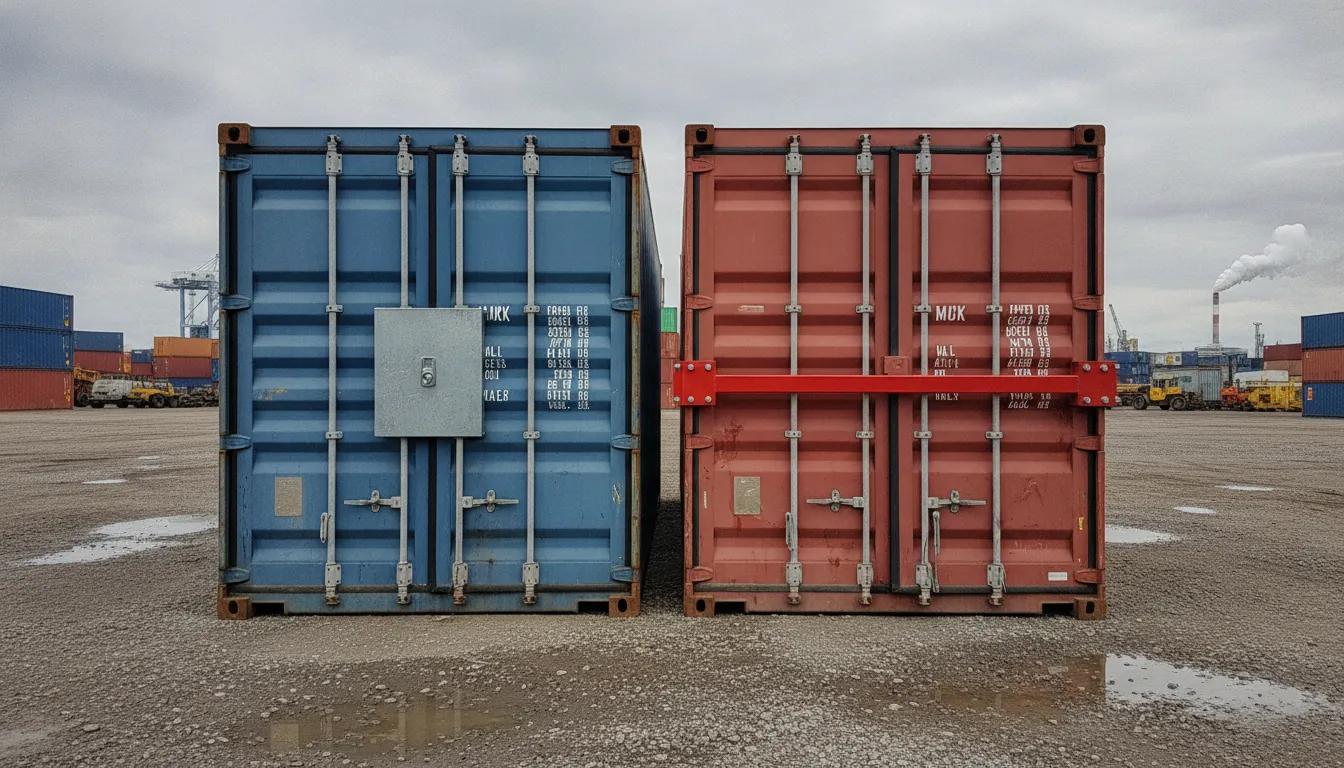
Choosing the right security for your site depends on how you use your storage. Two common ways to protect a shipping container lock setup are lock boxes and crossbar locks. Each has clear perks for job sites and storage yards.
Lock boxes for fixed sites
A lock box is a steel hood welded or bolted to the container doors. It acts as a shield for a hidden padlock. This design prevents thieves from using bolt cutters or saws on the lock. Because it stays on the door, it is best for fixed storage at a home or a shop. Installation time depends on the container and whether drilling or welding is required for this type of lock box security on your doors.
While lock boxes are strong, they are not easy to move. They often need drilling or welding to set up. This makes them a part of the unit. If you rent your unit, you might not be allowed to add one. For these cases, a portable tool like the BULL max-duty container lock is often a better choice.
Crossbar locks for mobile fleets
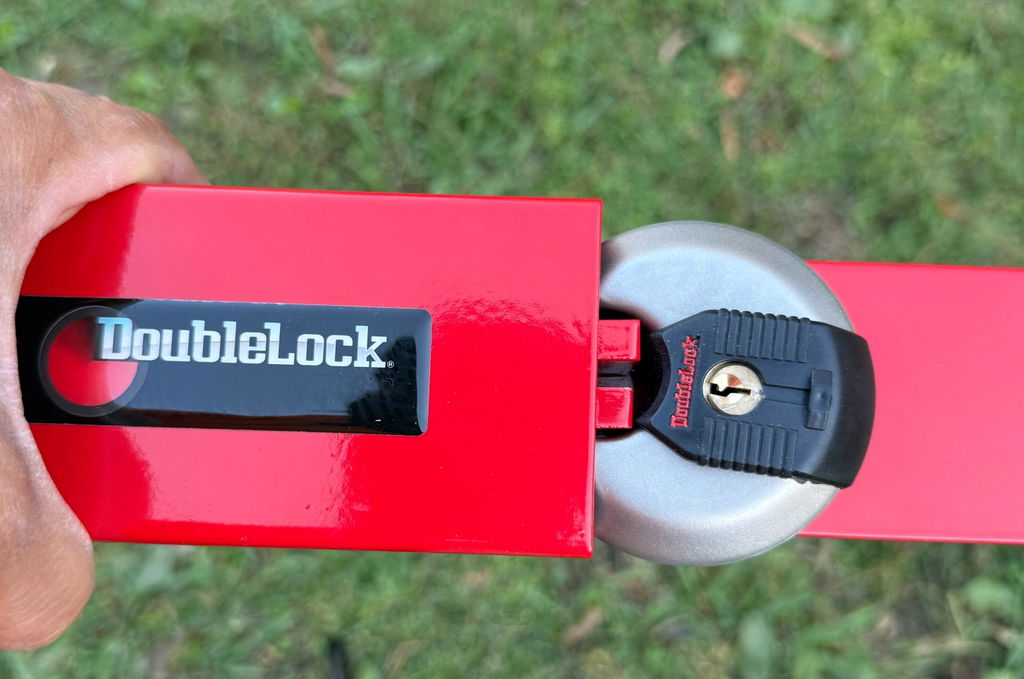
Crossbar locks wrap around the vertical bars of the container. These tools are portable and do not need any drilling. You can move them from one unit to another in seconds. They use tough materials like powder-coated steel to resist rust and wear in outdoor yards.
The RHINO ultra-duty cargo container lock is built for industrial, fleet, and jobsite settings. Its visible red finish helps signal that the doors are protected, while its adjustable crossbar design gives operators a portable option for compatible door bars. Fleet managers should still measure each container and confirm fit before standardizing a model.
Choosing your security setup
Think about your daily work before you buy. A lock box offers great shielding but lacks flexibility. A crossbar lock gives you high security that you can take with you. This table compares the two options to help you decide which fits your needs.
| Feature | Lock Box | Crossbar Lock |
|---|---|---|
| Install Style. | Fixed, bolt or weld. | Portable, no tools. |
| Main Strength. | Shields hardware from tools. | Creates a visible deterrent. |
| Ease of Use. | Best for one spot. | Best for rental units. |
| Durability. | Steel shield. | Powder-coated steel. |
How to choose the right lock for your container
Choosing the best shipping container lock starts with knowing your unit. Most standard Conex boxes use similar door bars, but wear can change how they fit. You need a lock that fits tight to stop pry bars from finding a gap. Whether you have a standard box or a high cube unit, the goal is the same. You want to make it too hard and too loud for a thief to get inside.
Check your door bars and lock box
Before you buy, look at the cams and keepers on your container doors. These are the parts that grip the bars to keep the doors shut. A heavy duty lock must wrap around these bars without any slack. If your container has a factory lock box, you must check the space inside. Some large locks will not fit inside the steel cover of a standard box.
- Measure the bars. Measure the space between the two locking bars on your door. Most lock models fit standard widths, but older units may be bent or out of shape. You want a lock that sits flush against the metal to stop tools from getting behind it.
- Inspect the shield. Check if you have a bolt-on lock box or a welded steel shield. These parts guard your padlock from hits but limit the size of the lock shackle you can use. Make sure the lock you pick can turn freely inside the box.
- Check exposure. Inspect the yard for rust or grit that could block a tight fit. For harsh sites near the ocean or in the rain, look for steel locks that resist rust. A lock that is stuck due to salt does you no good.
- Confirm clearance. Pick a lock with enough shackle room if you use a shield. High-security locks often need specific shackle clearance to meet DOD safety rules for asset storage.
- Test alignment. Test the door seal to ensure the bars line up straight. A door that does not fit right can put stress on the lock. This stress makes it easier for a thief to use a sledge on the hardware.
Match the lock to your site risk
Your choice should depend on where the container sits. A storage yard with a fence needs a different tool than a far job site. If you have high-value tools on a site, use a BULL max-duty container lock to stop theft. This model uses thick steel to block access to the door bars. It is built for sites where you cannot watch the box at night.
For lower-risk storage, a quality padlock may work when a compatible lock box fully shields the shackle. Higher-risk jobsites often need a purpose-built crossbar device plus a broader plan to secure a construction site. Whatever the risk level, avoid hardware that is too small, loose, or easy to access with cutting tools.
Pick the right shackle style
Look for locks with anti-drill parts and hidden bolts. These features stop the main ways thieves break into boxes. A good shipping container lock gives you peace of mind because it stops crime. You should also think about how many keys you need. If you have a fleet, look for locks that use the same key for every box. Remember our brand motto: Strong Locks, No Bull. We build tools that work when you are not there to watch your gear.
How do you prevent shipping container lock rust?
Prevent rust by choosing weather-resistant hardware, keeping the mechanism clean, applying a suitable dry lubricant, and fixing drainage problems around the container doors. Regular inspections help crews catch damaged coatings or corrosion before either problem affects operation.
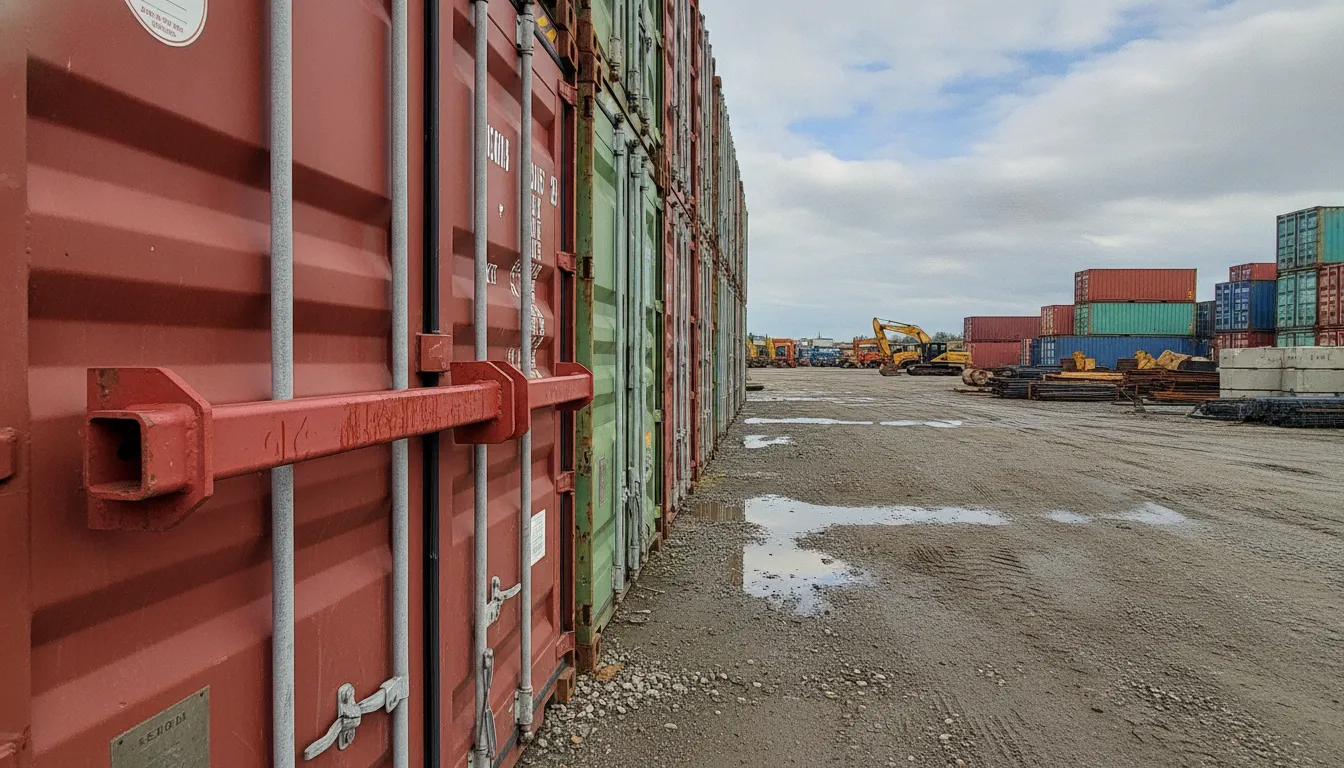
A good shipping container lock must work well in the real world. Rain, snow, and dirt will test your gear every day. If you do not plan for these risks, even the best lock might fail when you need it most. You must think about how the weather affects your tools and how you use them on a busy job site.
Manage weather wear and dirt
Outdoor storage yards are harsh. Your locks face wet air, mud, and dust. Over time, these things can cause rust or grit to build up inside the lock. To stop this, look for a shipping container lock made of powder-coated steel. This special coating helps the metal stay strong and clean against the rain. Heavy-duty locks often use this finish to last for years in the sun.
Dirt and ice can also jam the key path or the internal pins. Clean your locks once a month with a dry spray to keep them smooth. Avoid using oily greases that can trap dust. Make sure your container sits on level ground with good drainage. If water pools around the doors, it can speed up rust on the frame and the lock. A sturdy lock box can also help. It keeps the padlock dry and out of the direct wind and rain.
Practice strict key and access control
Even the strongest lock is useless if you lose the keys or if too many people have them. You should have a clear plan for who can touch the gear. Keep a log of every key and which person has it. If a key goes missing, you must change the lock right away to stay safe. Some sites use a RHINO ultra duty container lock system that works with a master key. This makes it easier for your team to move fast without holding a huge ring of loose keys.
Lighting is one more big part of how you use your space. A thief will not want to work in a bright spot where they can be seen. Put up tall lights near your storage units to kill dark corners. You can also use signs to show that you watch the yard. When people know they are on camera, they are much less likely to try a crime. A consistent process matters more than rushing the final check.
Build a layered security plan
You must know that no lock can stop a thief every time. To keep your items safe, you need to think in layers. Start with a strong fence around the whole yard. Then, use bright lights and cameras to watch the area at night. Your BULL max-duty container lock is the last layer of this plan. If a thief gets past the fence, a tough lock will still stop them from getting inside the box.
Good physical security depends on repeatable site rules. Check container locks during scheduled yard walks and look for scratches, bent hardware, looseness, corrosion, or tool marks. Record irregularities and replace compromised hardware promptly. Pair these inspections with lighting, access control, cameras, fencing, and an inventory process so a lock is never the site's only line of defense.
Compare DoubleLock container security options
Which DoubleLock model is right for your site?
BULL and RHINO serve demanding container-security applications, but the right model depends on door-bar fit, site exposure, operating risk, and how your team manages keys. Measure first, then compare verified product specifications or ask DoubleLock USA for help with fleet and bulk requirements.
Picking a shipping container lock is a vital step for any job site. Shipping containers hold high-value gear and tools. They need heavy-duty locks to stop theft and keep people out. Most standard locks are not strong enough for these big steel boxes. Custom locks work best because they fit the door bars and lock boxes found on most containers.
Security for site storage
For site storage, the BULL max-duty container lock is a top choice. It provides heavy-duty security for units kept in one place. These locks are made from tough steel. This metal helps them last in harsh outdoor yards and rain. Good security for storage units is key for asset safety. Purpose-built hardware helps site managers secure container doors efficiently. This quick setup helps site managers save time while keeping tools safe.
Security needs change with the value of what you store, how isolated the yard is, and how quickly someone would notice unauthorized access. A remote container holding critical equipment calls for more layers than a visible unit holding low-value supplies. The BULL lock is DoubleLock USA's max-duty container option for operators who want a substantial, purpose-built barrier on compatible cargo door bars.
Protection for heavy cargo
If you move goods by truck or ship, you need the RHINO ultra duty container lock. This model is built for the stress of travel. It is SCM certified for demanding cargo security applications. Shipping teams use these locks to protect cargo from theft during long hauls. These locks use anti-drill parts to stop thieves who use power tools. They also resist rust and salt when used in sea settings.
Large fleet owners often buy locks in bulk. It is common for lock stock to run low when big orders come in. Plan your needs early if you manage a fleet. Our team can help with bulk quotes for large groups of containers. This ensures your whole fleet has the same high level of safety.
Choosing the right fit
Before you buy, check the fit of your lock. High-security locks often need exact shackle gaps. You should measure your container door bars first. Make sure the bolt is thick enough to stop cutting but fits through the hole. If your container has a lock box, use a bolt-on part to add more safety. These boxes shield the lock from bolt cutters and pry bars.
Use the site's risk level and measured door-bar spacing to choose between DoubleLock USA options. You should always confirm fit with the DoubleLock USA team when you are unsure. A loose or incompatible lock will not protect your gear as intended. Buyers can compare the available hardware and purchase directly from DoubleLock USA, while fleet and bulk buyers can request a wholesale quote.
Standardize container security across a yard
Use same hardware for fleet management
Managing a large yard with many shipping containers is a big job. If every box uses a different lock, your team will face delays and problems. Choosing one high-quality shipping container lock for your whole fleet makes work much faster. It ensures that every lock fits the same way and resists the same tools. This move helps your crew spot signs of break-ins more easily.
When you buy locks for a fleet, you must check the shackle clearance for a proper fit on all units. Using standard hardware also makes it simpler to stock spare parts. You will not need to keep many types of bolts or pins in your shop. For large yards, we suggest looking into wholesale security hardware to get better pricing. This allows you to secure every unit with the same strong locks without breaking your budget.
Set up access control and key management
Security is not just about the lock itself. It is also about who has the keys. In a busy logistics yard, too many keys can lead to lost assets or theft. A good security plan uses a strict key control system. This means only a few trusted people hold the master keys. You should also keep a log of who uses which key and when they return it.
Asset protection rules for secure sites often focus on strict access rules to keep items safe. You can use the same ideas in your yard. Label every key and match it to a specific lock ID. This step helps you find out what happened if a container is open when it should be shut. It also keeps your site running smoothly because people always know where to find the right tool for the job.
Run check logs and replacement plans
Regular checks are the best way to keep your security system strong. You should set up a weekly or monthly schedule to check every shipping container lock in your yard. Look for signs of rust, wear, or someone trying to break in. Keeping a detailed check log shows that you are serious about protecting your goods. This record can be very helpful if you ever need to file a claim for loss.
Planning for the future is just as important as daily checks. Security hardware will not last forever, mostly in harsh outdoor settings. You should have a plan to replace old or worn locks before they fail. This prevents sudden security gaps and keeps your fleet protected at all times. By tracking the age and state of your hardware, you can buy new units in bulk. This helps you avoid high costs and keeps your security level high across the whole yard.
Request a wholesale quote for fleet and bulk security needs
Frequently Asked Questions
What is the best lock for a shipping container?
The best lock for a shipping container depends on the door setup. Most yards use a heavy-duty cargo door lock like the DoubleLock BULL or RHINO. These units bridge the distance between door handles to block entry. According to Amazon listings for top-rated security gear, powder-coated steel locks offer the best mix of strength and weather protection for long-term outdoor use on jobsites.
How do I lock up a shipping container?
To lock a container, start by closing the cam bars on the doors. You can then add a lock box or a crossbar lock. Properly securing these doors can be done in about 15 minutes to keep your gear safe. The Container Lock Box team says that shielded lock boxes are great because they hide the padlock. This makes it much harder for a thief to cut the bolt with large tools.
Can a shipping container lock be used on a trailer?
Yes, many container locks are built to fit the rear doors of semi-trailers too. These locks use hard steel to stay tough against drills and saws. Some models come with key-based or combination dials to fit your fleet needs. These tools help protect cargo while it sits in a yard or at a site. Using industrial gear on a trailer gives you the same level of security as a storage unit.
How do I keep shipping container locks from rusting?
Outdoor locks need care to stay smooth and strong in the rain. Most high-grade locks use a powder coating to stop rust. You should spray the key hole with a dry lube every few months to clear out dirt. This helps the internal parts move without sticking. Proper care ensures your locks last for years on a jobsite and stay ready to block thieves at any time.
Are shipping container locks easy to cut?
Standard padlocks are easy to cut with bolt cutters, but heavy-duty locks are much harder to break. Locks with thick steel bodies or hidden shackles resist most manual tools. A shielded lock box or an armoured padlock provides an extra layer of protection. These designs make it hard for a thief to get a good grip on the lock. Most criminals will move on if they see a lock that looks too tough to cut.
Ready to find the right shipping container locks for your job site stock?
Leaving heavy shipping containers without the right locks is a big risk to your gear since one theft can stop your work for many weeks. You lose time and miss key dates while your crew sits idle which costs more than the price of the tools you have to replace. Getting a strong site defense now ensures your gear is safe in remote yards so you can finish your project on time and on budget. Do not wait until a break-in occurs to upgrade your lock because a small buy today prevents a huge loss of money and time later.
Shop container security hardware or request a wholesale quote.