
Construction sites lose over 11,000 equipment pieces each year while recovery rates stay below 25 percent. These losses drive up insurance costs and cause expensive project delays that eat into profit margins. A strong security plan is the only way to protect your assets and keep your crew working.
Construction site theft prevention needs a mix of physical barriers, gear locks, and clear site rules to stop criminals. High-value tools and materials should stay in strong steel containers with heavy-duty locks until they are ready for use. You can also reduce risk by putting up perimeter fences and bright lights that cover every dark corner of the jobsite at night. Marking your machines with unique IDs and using tracking tools helps with recovery, but stopping the theft before it happens is much more useful. According to the Canton Township security guide, you should also lock all gates outside of work hours and keep an updated inventory list. Following a strict security checklist ensures that your site stays safe and stays on schedule.
Protecting a jobsite needs a plan that guards everything from the outer fence to the smallest hand tool. You will find that construction site theft prevention starts with layers of physical and digital defense. To build a site that thieves avoid, you must understand how.
Construction Site Theft Prevention: Secure the perimeter and control every entry point
A strong border is the first step in construction site theft prevention. Most thieves look for sites that are easy to enter and leave. If your jobsite is open, you are at risk. A clear fence line stops people from walking in and taking small tools. It also makes it much harder for someone to drive off with big gear. You should use a full plan to keep your assets safe from the start of the job.
Install strong fencing and gates
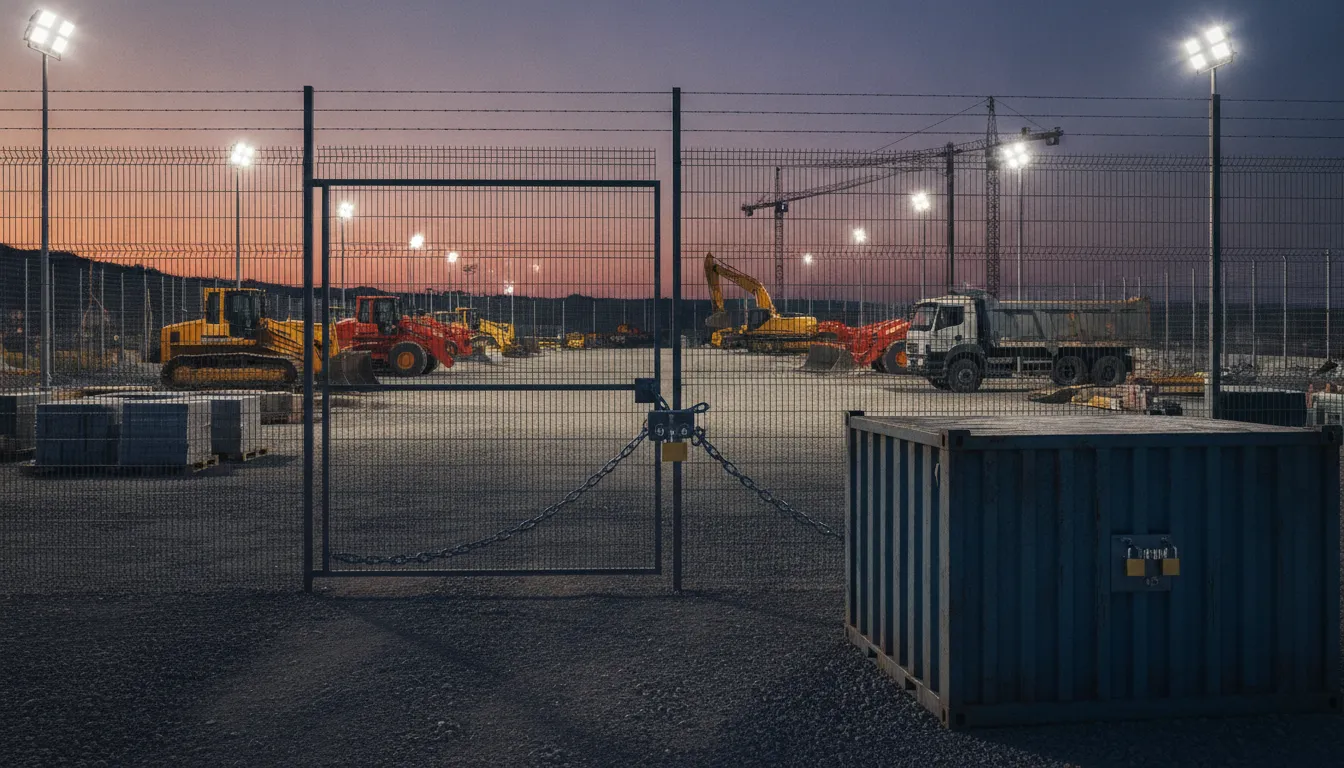
Use tall chain-link fence to wrap around your work area. Make sure the fence is tight to the ground so no one can crawl under it. You should check the whole line each day to find any damage or holes. Gates are the most common entry points for thieves. They need to be as strong as the fence itself. Use strong locks that can handle mud and ice without jamming. If you have many gates, use locks that all work with one key. This makes it easy for your team to lock up fast at the end of the shift.
Use light and signs to stop theft
Bright lights are a top tool for site safety. Crime often happens in the dark where no one can see. Put lights at all gates and near areas where you keep high-value items. Motion lights are great because they save power but turn on when someone is near. You should also use clear signs to warn people away. Signs that say "Private Land" or "Security Cameras in Use" can stop a thief before they try to enter. Good signs show that you take site security to heart. They are a low-cost way to lower your risk.
How can you control site access?
It is best to have only one way in and out for all trucks and staff. This makes it easy to track who is on the site at any time. You should use a log to write down all people who enter. If you have a large site, you may need a guard or a card-reader at the main gate. Regular security checks can help you find weak spots in your plan. When you fix these spots, you make the site a hard target. You should also think about securing your onsite storage containers inside the fence for extra safety.
Follow these steps to build a safe border for your jobsite. A good plan will help you stop theft and keep your project on track. Start with the basics and then add more tools as the job grows.
- Build a tall fence around the whole site to mark your land and block easy access.
- Set up one entry point for all trucks and staff to help you track who comes and goes.
- Hang clear signs that warn about security and show that the site is private land.
- Install bright lights in dark spots and at gates to make sure the site is in clear sight all night.
- Use strong locks on all gates and check them every night before you leave the site.
- Walk the fence line each morning to look for signs of damage or new weak spots in the border.
Lock down containers, trailers, and tool storage
Safe storage is the core of construction site theft prevention. Leaving tools in the open makes them easy targets for quick theft. You must use strong locks to keep gear safe after work ends. Locking your gear is vital. High-value items like power tools and small machines need extra care. Proper storage keeps these assets out of sight and behind heavy steel.
Secure storage containers and gang boxes
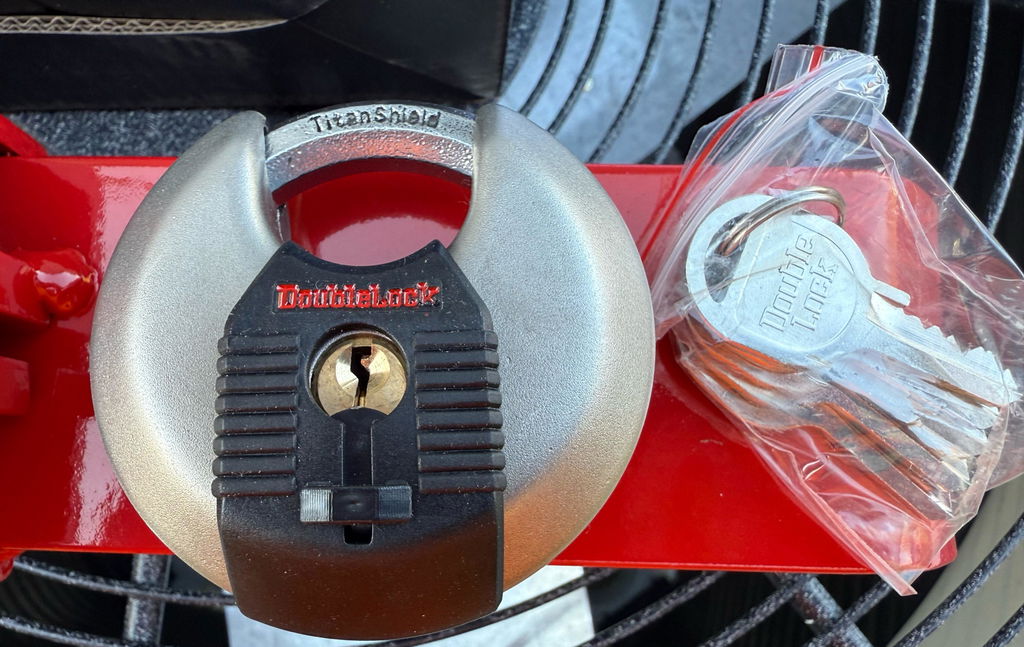
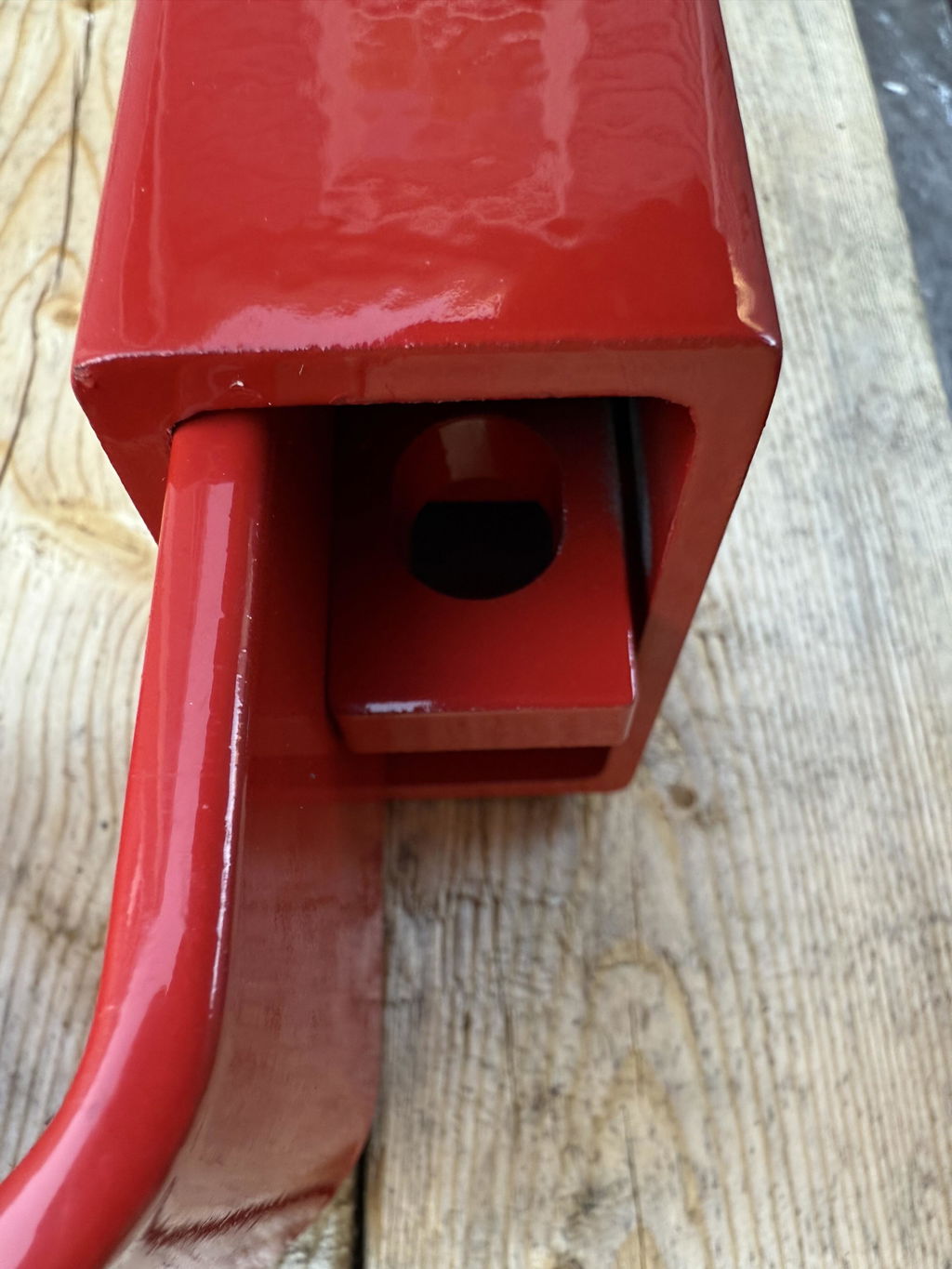
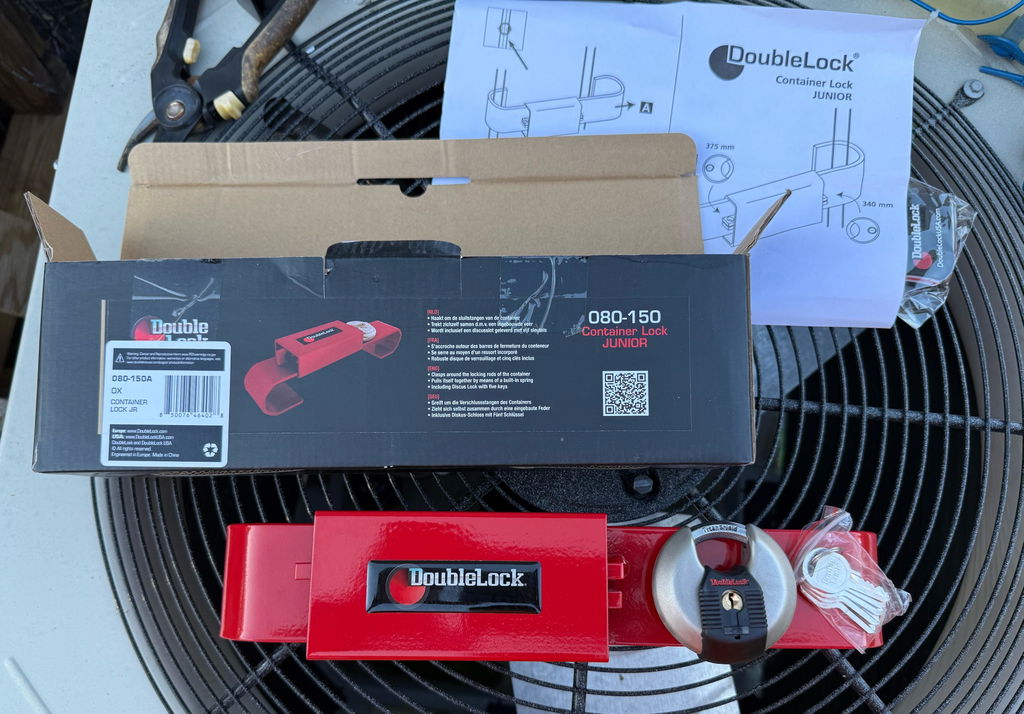
Steel containers are standard for jobsite storage. But a container is only as safe as its lock. Many crews use standard padlocks that bolt cutters can snap in seconds. You should use a hidden shackle lock or a lock box to stop this. DoubleLock BULL and RHINO locks are built for these needs. Compare purpose-built options in the container and shipping security collection. Their heavy steel construction creates a visible physical barrier around container locking points. Learning about securing your onsite storage containers is a smart first step.
Gang boxes also need strong safety measures. These boxes often hold the most costly hand tools on the site. Research shows that secure storage containers for tools are vital at night. If a box is easy to move, thieves may take the whole unit. Bolt gang boxes to the floor or chain them to heavy gear. This makes them much harder to steal.
Protect trailers and mobile storage units
Trailers are high-risk items because they are built to move. Thieves can hitch up a trailer and drive off in minutes. To stop this, you must use hitch locks and wheel boots. These tools make it very hard to move the unit without a key. You can also use kingpin locks for larger trailers. These locks stop a truck from hooking onto the trailer pin.
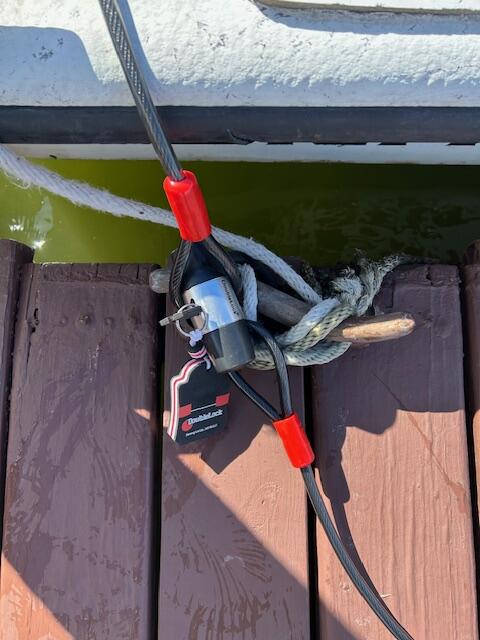
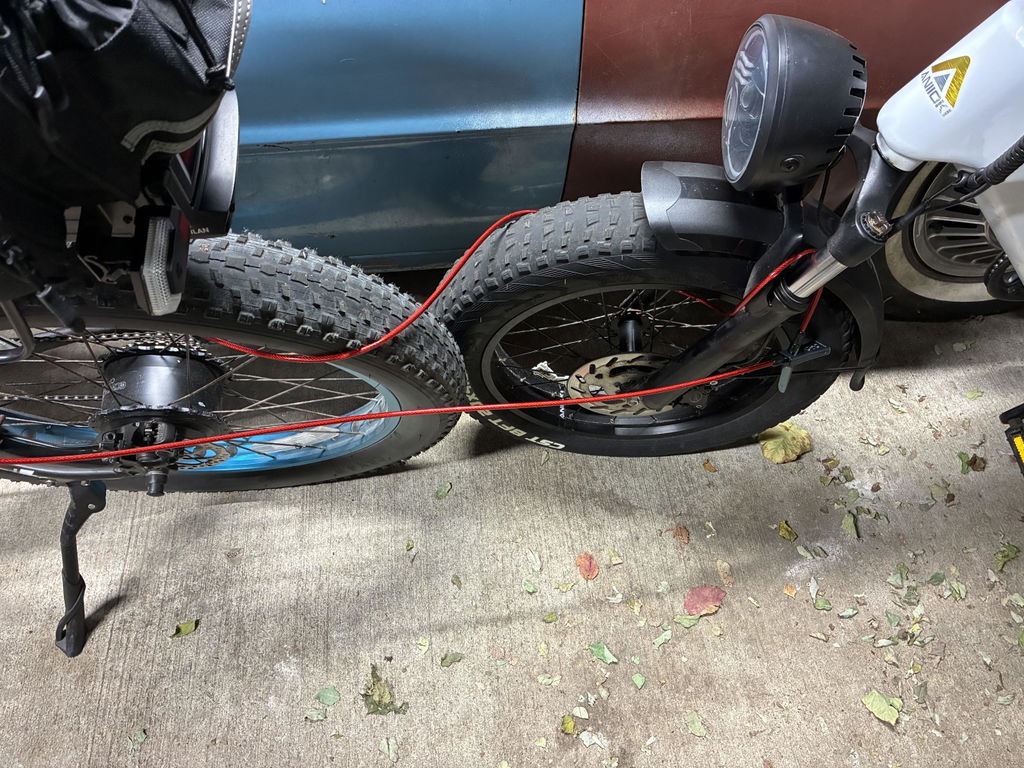
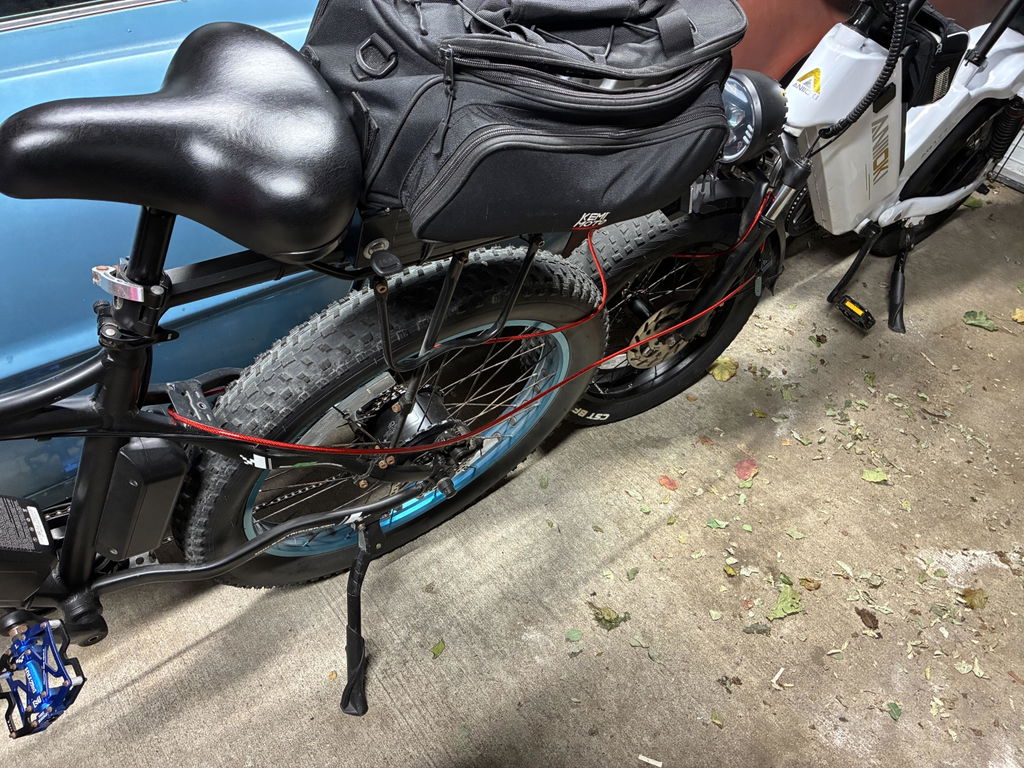
Mobile storage units also need help. You should use a cable lock to tie down loose gear. The DoubleLock BEAST cable lock works well for immobilizing heavy equipment and tools on site. Crews can also compare other purpose-built options in the rental and construction security collection. It uses thick steel that resists cuts. For extra safety, park trailers in well-lit areas. Data from the Office of Justice Programs shows that taking away targets is the best way to stop crime. Keeping trailers locked and blocked by other gear helps remove those targets.
Remove exposed attack points
Thieves look for the weak link in your security. They will check for old locks, thin chains, or gaps in gates. You should walk your site once a week to find these weak spots. Look for any lock that shows signs of rust or wear. Replace these with industrial-grade hardware. It is also wise to mark your gear. Marking tools in two hidden spots can help recover stolen gear if a theft does occur.
Do not leave keys in machines or boxes. This seems simple, but it is a common error. Even a locked box is at risk if the key is nearby. Keep all keys in a secure box away from the main site. This small step reduces the chance of a "smash and grab" theft. Focus on making every part of your storage tough to beat. This keeps your project on track and your costs low.
Immobilize equipment and tighten key control
Large machines are hard to hide. But thieves still find ways to move them. Good construction site theft prevention starts by making sure your machines stay in place. This layer of safety relies on strong tools and strict rules for your crew.
Lock your machines in place
Leaving a machine parked is not enough. Thieves can hotwire or tow away big gear. You should use strong locks to keep them still.
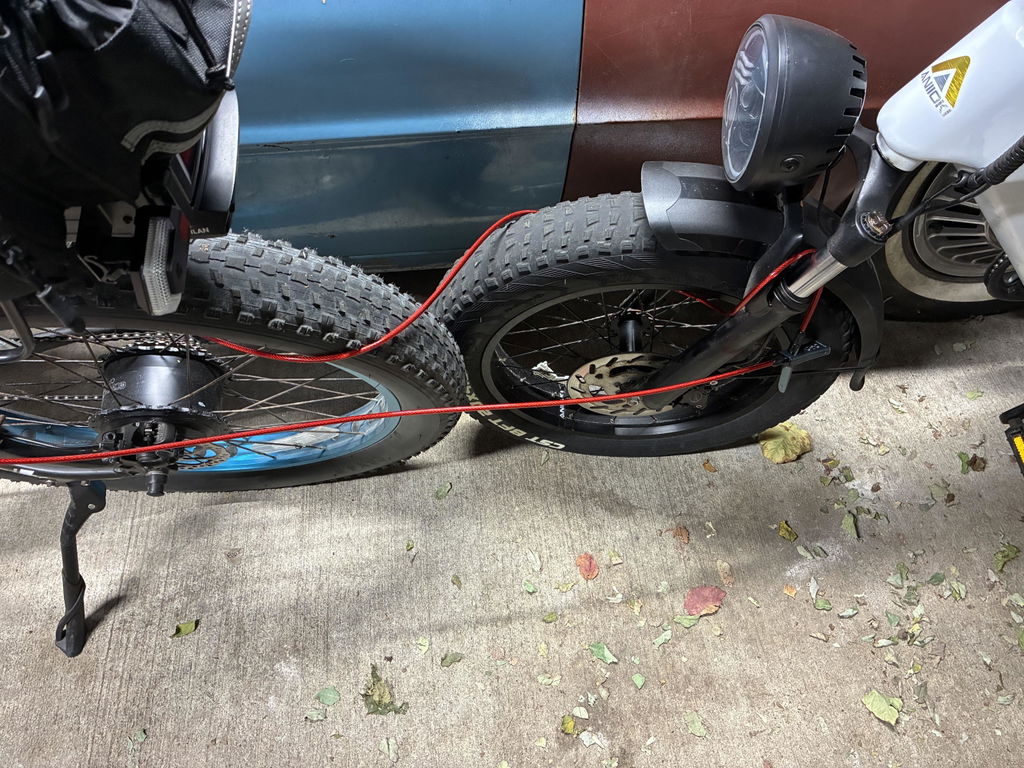
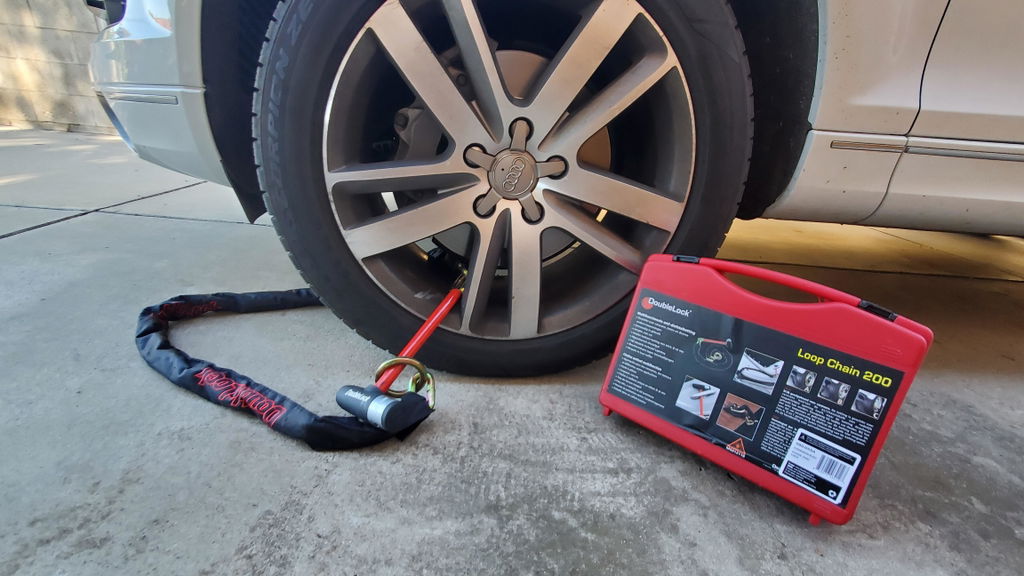
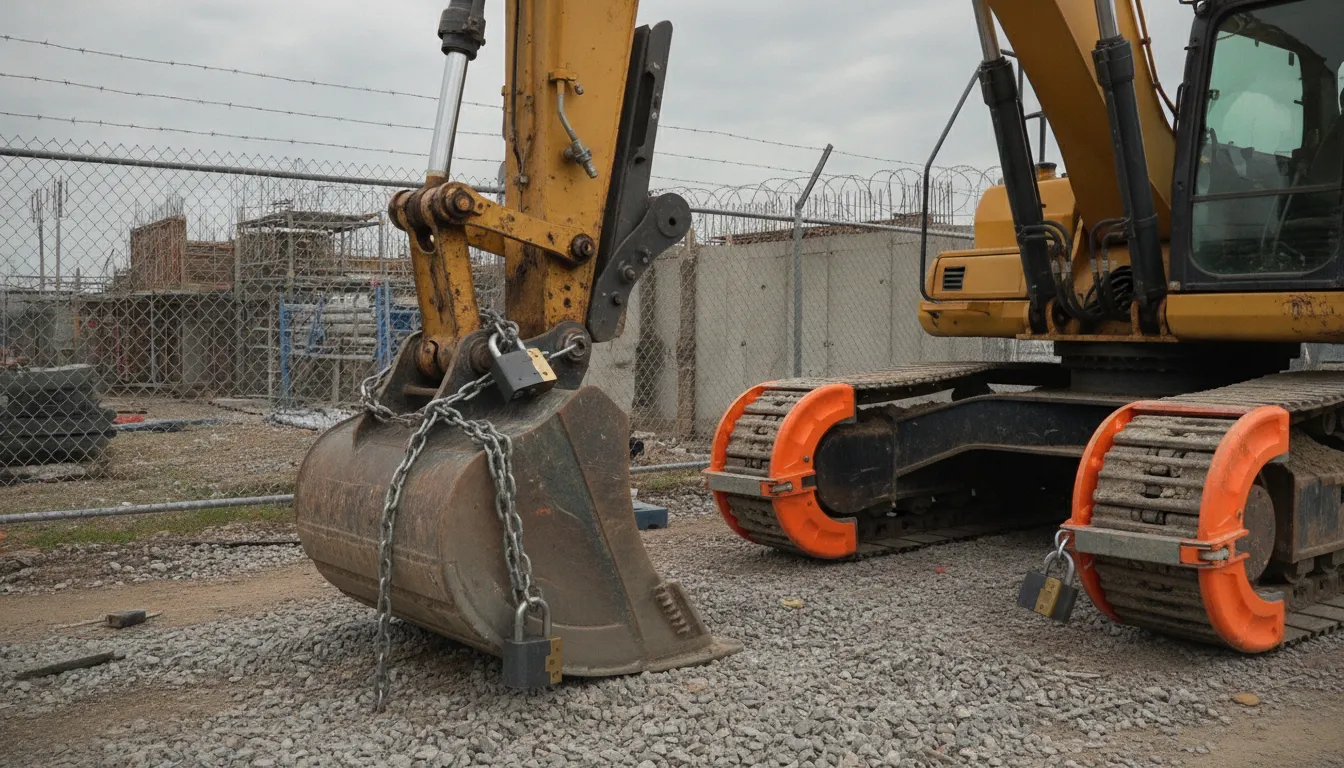
Large cable locks can wrap around wheels or frames to stop them from rolling. For example, immobilizing heavy equipment and tools with a thick steel chain makes the job too hard for most thieves.
You can also use the machine itself to stay safe. Lower all blades, buckets, or booms to the ground. This makes it much harder to move the gear without starting the engine.
If you have many machines, park them in a circle. Face the cabs inward to block the doors. This simple trick makes it much harder to reach the locks or the controls.
Control keys and codes
Many site thefts happen because keys are easy to find. Never leave a key inside a cab or hidden on a tire. Thieves know all the usual spots.
Instead, keep all keys in one locked box at the end of the day. A lead staff member should check that every key is back before they leave. This simple step keeps your construction site theft prevention plan strong over time.
If your gear uses codes, change them often. Do not use simple codes like "1234" or the year of the job. When a worker leaves the team, update the codes right away.
Follow firm shift-end steps
The last ten minutes of the day are vital for site safety. Your team should have a clear list of steps to follow. First, move all small gear into a locked box or shop.
For larger items, look into securing your onsite storage containers to keep them safe overnight. Then, check the fuel and power cells.
If you can, take the battery or the main fuse with you. This stops a thief from starting the engine at night. It also helps to park heavy machines in front of storage doors to block them.
You should also mark your gear so you can find it if it is lost. Stamp your firm name in hidden spots on the frame. This helps police track your property if someone takes it. Experts from Canton Township suggest marking gear in two or more spots to make it easier to find.
Finally, think about using GPS tags on your most costly machines. These tools send a signal if the gear moves after hours. If a theft does occur, you can see the location of the machine on a map. While no tool is perfect, a mix of physical locks and digital tracking gives you the best odds of keeping your gear safe.
How should lighting, cameras, and tracking work together?
Stopping construction site theft takes more than a fence. Fences are a start, but tech and lights fill the gaps. By mixing bright lights, smart cameras, and GPS tracking, you make a site that is hard to hit and easy to watch. This layered plan helps keep your gear safe from theft.
Lighting for site safety
Bright site lighting is your first line of defense at night. Dark areas give thieves a place to hide while they work on locks. Use motion lights near gates and storage bins. This draws eyes to any movement after hours and saves power during the night.
Floodlights should cover your most costly gear. If you use portable lights, make sure they are high enough so they cannot be easily reached or covered. Well-lit sites are less likely to be targets because the risk of being seen is much higher for any intruder.
Cameras and active monitoring
Video tools are a strong deterrent and a key way to get proof. Modern cameras can send alerts to your phone if they see motion. This lets you see what is happening in real time. For the best results, put cameras at every entry point and near securing your onsite storage containers.
Signs that say "under video watch" can stop some thieves before they try. If a crime does happen, clear footage helps the police. The Department of Justice notes that site safety grows when you make theft hard. Active watching makes a site a high-risk target for any criminal.
Asset tracking and recovery
If a thief gets past your lights and cameras, tracking is your last hope. GPS units hidden on heavy machinery can show where your gear is in real time. This is key for recovery because most stolen site gear is never found. Hidden tracking tags are small enough to fit inside tool boxes or engine bays.
Keep a full list of all tools and their serial numbers. This data helps when you file a report. Using hidden markings on your gear makes it easier for the police to return it to you. A mix of physical locks and digital tracking gives you the best chance to keep your gear safe.
| Security Tool | What It Deters | Best Use | Main Limitation |
|---|---|---|---|
| Site Lighting | Loitering and scouting | Gates and dark areas | Needs steady power |
| Security Cameras | Planned theft | Entry points and bins | Can be blocked or cut |
| GPS Tracking | Resale of stolen gear | Heavy machinery | Does not stop the theft |
| Physical Locks | Quick grab-and-go | Containers and trailers | Needs a solid anchor |
| On-site Guards | Unlawful entry | High-value large sites | High daily cost |
Build inventory control into the daily routine
Good habits are the best defense against tool loss. To improve your construction site theft prevention, you must make security a part of every workday. A simple morning and evening routine helps your team spot missing items fast. When everyone knows the plan, it is much harder for thieves to find an easy target. Clear habits also make it easy for new workers to follow your rules.
Track and mark every asset
You cannot protect what you do not track. Start by making a full list of every tool and machine on the site. Each item should have a unique ID number that you keep in a main file. You should also mark your gear in hidden spots. Use marked equipment so it is easier to find if a thief takes it. A logo or name that is hard to remove makes the gear worth less to a crook.
Keep a daily log of who is using which tool. This creates a clear trail of custody and makes workers more careful. Use a digital app or a simple paper sheet to sign tools in and out. If a drill goes missing, you will know exactly who had it last. When people know you are watching the gear, they are more likely to put it back where it belongs. This also helps you see when a tool is worn out or needs a repair.
Tighten delivery and storage timing
Thieves love new, high-value items sitting in the open. One smart move is to delay appliance delivery until the building is ready for owners to move in. Keeping expensive goods off the site for as long as possible removes the top targets for many burglars. If you must have items on site, put them in a secure box right away. Do not leave new boxes sitting on the curb where anyone can see them.
Always store your small tools in a steel bin when the shift ends. Use a heavy lock like the RHINO or BULL to keep these bins shut. Correct habits for securing your onsite storage containers ensure that your most portable assets stay safe overnight. Never leave tools in plain sight where they might tempt a passerby. A clean site with no loose gear is a much less inviting target for a thief.
Run end-of-shift security checks
The last few minutes of the day are the most vital for site safety. Walk around the full edge of the site to check every gate and door. Make sure all gates have heavy locks that can stand up to a pry bar or bolt cutter. A quick check of the fences can reveal holes or weak spots that need a fix before the crew goes home. You should also make sure all site lights are on and facing the right way.
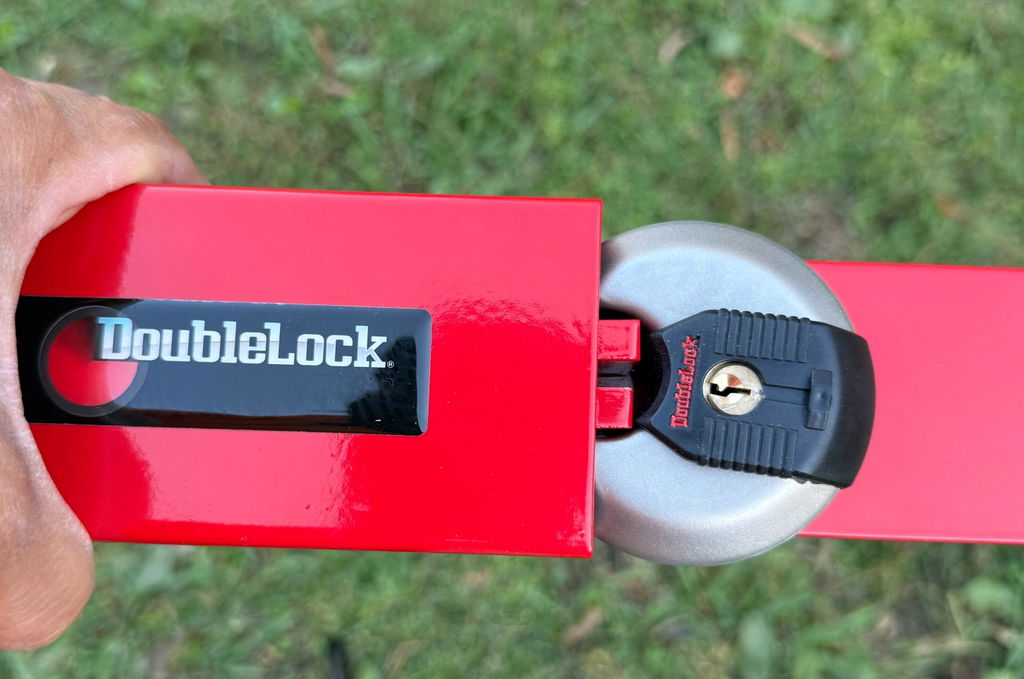
You should also focus on immobilizing heavy equipment and tools before you leave. Use a BEAST cable lock to group smaller items together. Use a HAMMERHEAD lock to stop machines from moving. When a thief sees that your gear is tied down, they will likely move on to an easier job. A clean, locked site sends a clear message that you take security seriously.
If a theft does happen, have a plan ready. Report the loss to the police right away and share your asset ID numbers. Check your daily logs to see when the item was last seen. Talk to your crew to see if they saw anyone strange near the site. Fast action helps the police find your gear and might stop the next theft from happening on your site. Keep your records updated so you can show the loss to your insurance firm if you need to.
How do you evaluate jobsite lock quality?
A good lock is the first line of defense for construction site theft prevention. You should start with a full audit of your gear. Regular checks help you find weak spots before a thief does. While no lock can stop every pro, top grade hardware makes your site a hard target. This delay often makes thieves look for easier jobs elsewhere. A smart audit looks at the lock type, the fit, and how the lock handles the local area. You want tools that feel heavy and solid in your hand.
Audit shackle exposure and fit
One of the biggest risks on a jobsite is an exposed shackle. Bolt cutters can snap a thin or long shackle in seconds. When you are securing your onsite storage containers, look for locks with hidden shackles. A "puck" lock or a lock with a thick guard block is best. This fit makes it hard for tools to reach the steel. You want a lock that sits tight against the hasp so there is no room to pry it open. DoubleLock BULL and RHINO locks are designed to shield container locking points with heavy steel construction. Match the lock carefully to the container hardware so exposed working space is minimized.
Check weather strength and toughness
Jobsites are dusty, wet, and muddy. A cheap lock will rust or jam after one big storm. You need locks made of hardened steel with a solid finish. Look for a "Bull Rating" to see how well a lock resists force and rust. If a lock has too many small moving parts, it might fail in the cold. When locking down heavy equipment and tools, use gear that can take a beating from the sun and rain. A jammed lock slows down your crew and costs you money in the long run. Pro locks use brass or stainless steel parts that do not rust.
Use layered security placement
Security is more than just one good lock. You should use a mix of locks and chains to protect your fleet. For example, a kingpin lock on a trailer works well with a cable lock on the wheels. This layered plan makes theft much harder because a thief needs many tools to win. Regular security audits help you see which assets need more layers. You can also use a "Key Alike" system to manage many locks with one key. This helps your team lock up fast at the end of every shift. A clean site with locked gates and bright lights tells thieves that you are watching and that you care about your gear.
Frequently Asked Questions
What equipment is most often stolen from construction sites?
High value and portable items are the main targets for thieves. According to the Office of Justice Programs, kitchen appliances are often stolen from houses that are still under construction. Thieves also target small power tools and heavy machinery. These items are easy to sell and hard to track. Keeping these assets in secure storage containers helps stop theft and keeps your project on schedule.
What is the most effective way to prevent construction site theft?
The best way to stop theft is to use several layers of security. This includes physical locks, site lighting, and clear signs. Research from Arizona State University shows that matching how you stop crime to local data can lead to a large drop in theft. You should combine strong locks with good site rules. Waiting to deliver high value items like appliances until a building is occupied also removes common targets for criminals.
Should construction site gates be locked during working hours?
Gates should stay locked when the site is not in use to stop people who do not belong there. During work hours, you should use entry control to track who comes and goes. Keeping gates shut helps keep the site edge secure. According to ABC Supply, you should use heavy duty locks that are hard for thieves to break. Proper gate security is a key part of any site theft plan.
How does inventory management help with construction site theft prevention?
Good tool tracking helps you watch all your gear and find missing items fast. Keeping a clean site and putting tools away makes it easier to spot if something is gone. Industry experts at ABC Supply suggest that tracking systems help stop site theft. Marking your gear with unique marks in hidden spots also helps the police find stolen goods. A clear list of tools helps you run your site and lowers the chance of loss.
Ready to protect your jobsite with a pro security checklist?
The high cost of lost tools and stolen gear adds up very fast when you leave your site open to easy theft and long job delays. You can save time and keep your crew on task by securing your onsite storage containers and all of your other gear. A safe site means you stop the high price of buying new tools while also keeping your job on its tight and set timeline for the crew.
Ready to request a wholesale security quote? Call +1 (561) 289-4865 to talk to a team member or shop the DoubleLock USA lock catalog. We help you find the best gear to keep your tools safe from theft today. Do not wait for a loss to act.