

High-tech cameras and heavy-duty padlocks are a great start, but they can't stop a simple mistake like an unlatched gate. The truth is, your security plan is only as strong as the people who follow it. Everyone on your crew, from subcontractors to laborers, is part of your defense system. When you build a culture of awareness and train your team properly, they become your most valuable security asset. We'll show you how to secure a construction site by empowering your people to be vigilant, responsible, and proactive—turning your whole team into a security force.
Key Takeaways
- Layer your defenses for maximum effect: Combine physical barriers like strong fencing and quality padlocks with technology such as surveillance cameras and motion-activated lights. This creates multiple obstacles for potential intruders, making your site a much harder target.
- Integrate security into your daily workflow: Make security a team-wide responsibility through consistent habits. Implement daily tool inventories, enforce a strict visitor check-in process, and schedule material deliveries strategically to reduce exposure and build accountability.
- Regularly review and maintain your security plan: A construction site is always changing, so your security plan must adapt. Conduct routine site walks to identify new vulnerabilities and perform regular checks on all equipment, from locks to cameras, to ensure everything is working correctly.
What Are the Biggest Security Risks on a Job Site?
A construction site is a hub of activity and valuable assets. From heavy machinery to raw materials, your job site is full of items that are essential to your project’s success. Unfortunately, this also makes it a target for a range of security threats that can disrupt your timeline and budget. Understanding these specific risks is the first step toward building an effective security plan that protects your property, people, and profits.
The most common threats include theft, vandalism, and unauthorized access, each carrying its own set of consequences. A stolen piece of equipment doesn't just mean the cost of replacement; it means downtime for your crew and potential project delays that can have a ripple effect on your entire schedule. Similarly, an act of vandalism can damage weeks of hard work overnight. Beyond the financial impact, security breaches can also create significant safety hazards for both your team and the public. An unsecured site can lead to accidents and liability issues that no project manager wants to face. Let's look at the top threats you should be prepared for so you can build a defense that works.
The Financial Impact of Job Site Theft
Theft on a job site isn't just a minor inconvenience; it's a significant financial drain on the entire industry. Annually, construction site theft costs companies over $1 billion, a figure that highlights a widespread and costly problem. For an individual business, the impact is more direct, with the average incident setting a company back around $6,000. These losses aren't limited to the replacement cost of stolen tools or materials like copper piping. They create a domino effect, leading to project delays, increased insurance premiums, and unexpected labor costs. When equipment goes missing, especially after hours when most thefts occur, your entire project timeline can be thrown off schedule, affecting your bottom line and your reputation.
Protecting Your Equipment and Materials from Theft
One of the most significant financial threats to any construction project is the theft of equipment and materials. Job sites are often stocked with expensive, heavy machinery like backhoes and skid steers, along with valuable materials like copper and lumber. These assets are frequently left unattended after hours, creating an open invitation for thieves. This type of equipment theft is not just a minor inconvenience; it can lead to major financial losses, project delays, and increased insurance costs. The problem often worsens between November and March, when longer nights provide more cover for criminal activity.
Guarding Against Vandalism and Property Damage
Beyond outright theft, vandalism poses a serious threat to job site security and progress. Malicious damage to property, equipment, or completed work can halt a project in its tracks. The costs associated with vandalism extend far beyond simple repairs. These incidents can cause significant delays in your project timeline, lead to disputes, and create unsafe working conditions for your crew. According to industry reports, theft and vandalism cost construction companies billions of dollars every year, making it a critical issue to address. A proactive security strategy helps deter vandals and protects your hard work.
How to Prevent Unauthorized Site Access
Many security problems begin with a simple failure to control who enters your job site. Construction sites often start as open areas, making it challenging to establish a secure perimeter from day one. When unauthorized individuals can freely walk onto your property, the risk of theft, vandalism, and liability increases dramatically. This is why establishing a secure perimeter is a foundational element of site security. Without controlling access points, other security measures are far less effective. Every person on-site, from employees to delivery drivers, should be accounted for.
Identifying and Securing Vulnerable Areas
Construction sites are constantly changing. As a project progresses, perimeters shift, new structures are built, and access points change. This dynamic environment can easily lead to unsecured areas and blind spots in your security coverage. A gate left open or a temporary fence panel that has been moved can create an opportunity for intruders. These gaps pose more than just a theft risk; they are also serious safety hazards. An unauthorized person, especially a curious teenager or child, could wander into a dangerous area and suffer an injury, creating a significant liability for your company. Addressing these construction security challenges requires regular site audits to identify and secure new vulnerabilities as they appear.
Using Physical Barriers to Secure Your Construction Site
Physical barriers are your first and most effective line of defense against unauthorized access. By creating a controlled environment, you make it significantly harder for thieves and vandals to target your assets. A strong physical security strategy involves multiple layers, from defining the site's boundary to securing every toolbox within it. These measures not only protect your equipment and materials but also create a safer work environment for your crew. The goal is to make your construction site a difficult target, encouraging potential intruders to move on to an easier one. Let's walk through the essential physical barriers you can put in place.
Set Up Strong Perimeter Fencing and Gates
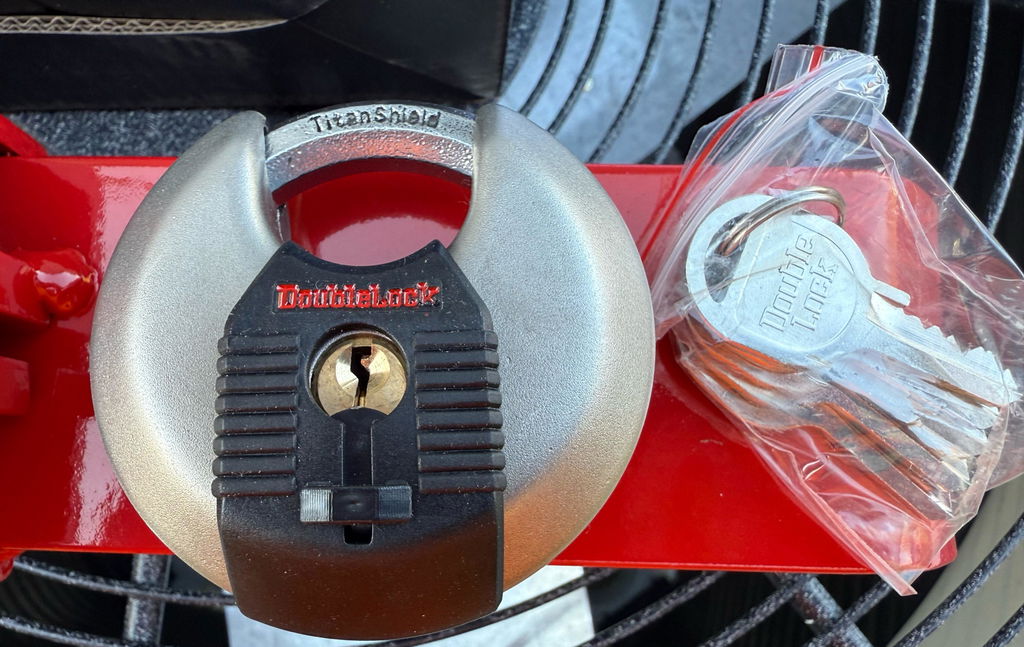
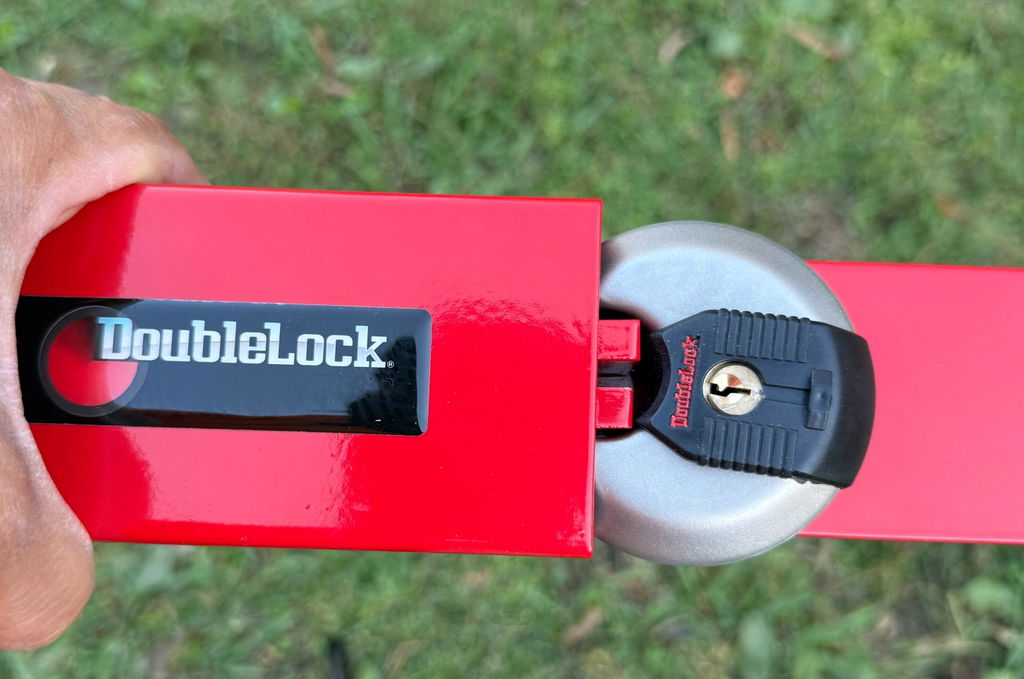
Establishing a clear perimeter is the foundational step in securing your job site. Fencing acts as a powerful visual and physical deterrent, clearly marking private property and restricting casual entry. Chain-link fencing is a popular choice because it’s durable, cost-effective, and allows for clear visibility across the site. However, a fence is only as strong as its weakest point, which is often the gate. Ensure all entry points are fortified with high-quality, heavy-duty locks that can withstand tampering. Securing your gates with reliable construction padlocks is a simple action that protects your entire perimeter.
Incorporate Advanced Fencing Features
While standard chain-link fencing establishes a boundary, you can significantly improve its effectiveness with a few upgrades. Consider adding privacy screens or slats to your fence. These not only shield your site from prying eyes, making it difficult for potential thieves to inventory your assets, but they also help control dust and debris. For an even greater deterrent, you can install anti-climb toppings that make scaling the fence nearly impossible. These additions transform a simple barrier into a formidable layer of perimeter security. It's also wise to reinforce your gates with heavy-duty hardware and a robust fastening system designed to resist tampering, as these are often the most targeted entry points.
Use Strategic Lighting to Deter Intruders
A well-lit construction site is an uninviting target for criminals, who rely on darkness to conceal their activities. Proper lighting eliminates shadows and blind spots where intruders could hide, making it seem as though the site is actively monitored around the clock. Illuminate the entire perimeter, storage areas, and office trailers. For an added layer of security and energy efficiency, consider installing motion-activated floodlights. The sudden brightness can startle a potential thief and alert anyone nearby to their presence. A good lighting plan is a critical component of any site security strategy.
How to Properly Store Tools and Containers
Your tools, equipment, and materials are some of the most valuable assets on site, making them prime targets for theft. Don't leave them exposed overnight. Instead, implement a strict policy for securing all portable items in designated storage units. Steel job boxes, shipping containers, and secure sheds are excellent options for protecting your inventory. Each storage unit should be fastened with a robust, weather-resistant padlock designed to resist cutting and picking. By making it a habit to secure your equipment at the end of each day, you drastically reduce the opportunity for theft.
Deter Trespassers with Clear Warning Signs
Never underestimate the power of a well-placed sign. Clear and direct signage communicates that your site is protected and that you take security seriously. Posting signs like "No Trespassing," "Private Property," and "Area Under Surveillance" can be enough to deter casual trespassers and opportunistic thieves. These warnings create a psychological barrier, making potential intruders aware that they are taking a significant risk. Signs are a low-cost, high-impact security measure that reinforces your fencing and lighting, adding another important layer to your site’s defense system.
What Technology Best Secures a Construction Site?
While physical barriers are your first line of defense, technology adds a critical layer of oversight. Integrating modern tech solutions allows you to monitor your site around the clock, respond to incidents faster, and protect your most valuable assets. These tools work alongside physical security measures to create a comprehensive defense against theft and vandalism.
Surveillance Camera Systems
Surveillance cameras are a powerful tool for job site security. Their visible presence alone can deter potential thieves who prefer not to be recorded. Modern camera systems provide real-time visibility, allowing you to check in on your site from anywhere using a smartphone or computer. This constant monitoring helps you keep an eye on activity during and after work hours. Should a theft or act of vandalism occur, the recorded footage provides crucial evidence for law enforcement and insurance claims. Investing in a quality surveillance system is a practical step toward protecting your project.
Utilize AI for Smarter Surveillance
AI-powered surveillance systems go a step further than traditional cameras by actively analyzing what they see. Instead of just recording footage, these smart systems can spot suspicious activity and send an immediate alert to your security team. This technology is sophisticated enough to distinguish between a person trying to climb a fence and a stray animal wandering by, which significantly cuts down on false alarms. By providing real-time intelligence, AI helps your team respond to genuine threats faster, making your surveillance system a proactive defense tool rather than just a passive recording device. This smarter monitoring helps protect your site 24/7, ensuring you're alerted to potential issues the moment they happen.
Leveraging Motion Sensors and Alarms
While cameras record what happens, motion sensors and alarms alert you the moment something is wrong. These systems act as a digital tripwire, detecting unauthorized movement in restricted areas, especially after hours. When a sensor is triggered, it can activate loud alarms, turn on bright lights, and send an instant notification to your phone or a monitoring service. This immediate alert allows for a rapid response, potentially stopping a crime in progress rather than just documenting it. Pairing motion sensors with your surveillance cameras creates a proactive security system that actively guards your site when you’re not there.
Track Your High-Value Equipment with GPS
Your heavy machinery, generators, and large tool containers are some of the most expensive and targeted items on a construction site. Attaching small GPS tracking devices to this high-value equipment is a smart way to protect your investment. If an asset is stolen, you can use the GPS signal to pinpoint its exact location, which significantly increases the chances of a quick recovery. This technology helps minimize the major financial losses and project delays that result from equipment theft. It’s a simple, cost-effective measure that provides invaluable peace of mind for any site manager.
Consider Mobile and Drone Surveillance
Construction sites are constantly evolving, which can make fixed camera placements less effective over time. Mobile surveillance units offer a flexible solution, allowing you to reposition cameras as the project develops. For covering large or complex areas, drones provide a valuable bird's-eye view, helping you spot vulnerabilities that might be missed from the ground. These modern systems often include real-time monitoring and AI-powered analytics that can distinguish between a person and a stray animal, reducing false alarms. This technology ensures you receive immediate and relevant alerts, allowing for a swift response when a genuine threat is detected on your property.
Should You Use a Remote Monitoring Service?
For the highest level of security, consider using a remote monitoring service. These services essentially provide a virtual security guard for your job site 24/7. A team of professionals watches your live camera feeds and responds immediately to any alerts from motion sensors or alarms. If they spot suspicious activity, they can use speakers to warn off intruders, notify you, and dispatch local law enforcement. This solution is ideal for large-scale projects or sites in high-risk areas where constant vigilance is necessary. It combines the best of security technology with human oversight for a truly comprehensive approach.
A Smart Plan for Managing Tools and Materials
Physical barriers and technology are essential, but your day-to-day operational habits are just as critical for site security. Tools and materials are often the primary targets for thieves because they are valuable and easy to move. Without solid management practices, even the best fences and cameras can fall short. Creating clear, consistent procedures for handling your assets can significantly reduce the risk of theft and loss.
These strategies focus on accountability, organization, and control. By implementing systems for tracking inventory, securing storage, timing deliveries, and identifying equipment, you create an environment where theft is much more difficult and less appealing. It’s about making security a routine part of your workflow, not just an afterthought. These proactive steps help protect your bottom line and keep your project on schedule by ensuring you have the tools and materials you need, right when you need them.
Why You Need a Daily Inventory System
Knowing exactly what you have on-site is the first step to keeping it secure. A daily inventory system provides a clear record of all tools and equipment. At the start and end of each day, a designated person should check items in and out. This process doesn't have to be complicated; a simple spreadsheet or a dedicated logbook can work well. Keeping an updated list helps you immediately spot if something is missing, which is crucial for filing timely police reports and insurance claims. This practice also fosters a culture of accountability, as everyone on the crew knows that equipment is being tracked.
Create and Enforce Secure Storage Rules
Your most valuable tools and equipment need a secure home when not in use. Designate a specific, reinforced area like a storage container or a locked room for overnight storage. The rule should be simple: at the end of the day, all valuable items are returned and locked up. This is where the quality of your locks truly matters. Our corrosion-resistant jobsite locks are built with hardened steel and premium components to withstand rain, dust, and constant abuse while delivering maximum security for your gear. Investing in a reliable lock ensures your storage rules are effective.
How to Schedule Deliveries for Better Security
Piles of valuable materials sitting unattended are an open invitation for thieves. To minimize this risk, coordinate your deliveries to align with your project schedule. Try to have materials arrive right when your team is ready to install them. This "just-in-time" approach reduces the amount of time assets are left exposed on the site. When a delivery is scheduled, make sure you have personnel ready to receive it, verify the contents, and move everything to a secure location immediately. This simple bit of planning can prevent significant losses from both theft and potential damage.
Mark Your Equipment to Deter Theft
Making your tools and equipment uniquely identifiable is a powerful theft deterrent. Thieves prefer items that are generic and easy to sell. By marking your assets, you make them less attractive targets. Use a distinct color of paint, engrave your company name, or affix durable asset tags with unique serial numbers in several places on each item. This practice not only discourages theft but also makes it much easier to prove ownership and recover your property if it is stolen and later found by law enforcement. It’s a simple, low-cost measure that adds a significant layer of protection.
Your Guide to Controlling Site Access
A strong perimeter is your first line of defense, but it’s just as important to manage who comes and goes through your gates. Controlling site access isn't just about preventing theft; it's about ensuring the safety of everyone on the job and maintaining a clear record of all activity. When you know exactly who is on your property at all times, you can quickly identify unauthorized individuals and respond effectively in an emergency. A well-structured access control plan creates an environment of accountability and makes your site a much harder target for criminals.
Set Up a Simple Visitor Check-In Process
Every construction site should have a formal visitor check-in process. This system ensures that every person who isn't a direct employee is accounted for from the moment they arrive until they leave. You can set up a designated check-in area at the main entrance where all visitors must sign in, present identification, and state their purpose for being on-site. Issuing temporary visitor badges makes them easily identifiable. Implementing a clear visitor management policy is essential for controlling access and preventing unauthorized individuals from gaining entry and wandering around your job site unnoticed.
The Role of Employee ID Badges
Providing employees with identification badges is a simple yet effective way to enhance site security. A photo ID system helps everyone on the crew easily distinguish between authorized personnel and visitors. When employees are required to wear their badges in a visible location at all times, it becomes much easier to spot someone who doesn't belong. This practice not only deters trespassers but also fosters a security-conscious culture among your team, empowering them to question unfamiliar faces. It’s a straightforward method to improve workplace safety and verify that only approved individuals are in work areas.
Implement Advanced Access Control Systems
For larger projects or sites with particularly valuable assets, you might need more than a simple sign-in sheet. This is where advanced access control systems come into play. These systems use technology like key cards, fobs, or keypad codes to manage entry points. Instead of relying on a manual log, you get a digital record of everyone who enters and exits the site, and at what time. This technology allows you to grant different levels of access, so you can restrict entry to sensitive areas—like tool storage or server rooms—to only authorized personnel. By automating your access management, you create a more secure and accountable environment, ensuring you always know who is on your property.
Why You Must Verify Every Contractor
Your site likely hosts various subcontractors, vendors, and delivery drivers every day. While they are there to do a job, their access should be managed just as carefully as any other visitor's. Before allowing any contractor on-site, it is crucial to verify their credentials and confirm they have the necessary permissions to be there. Establish a procedure to check work orders and company identification upon arrival. This step ensures that everyone entering your site is legitimate and authorized, closing a common loophole that criminals might otherwise exploit to gain access to your equipment and materials.
Maintain a Detailed Log of Who Comes and Goes
Maintaining a detailed log of everyone who enters and exits the site is vital for both security and safety. This record, whether digital or on paper, should include names, company affiliations, and times of arrival and departure. A comprehensive access log helps you track who is on-site at any given time, which is invaluable if an incident occurs. In the event of theft, you have a list of potential witnesses or suspects. In an emergency, you have an accurate headcount to ensure everyone is accounted for. This simple record-keeping is a foundational part of any effective security plan.
Why Your Team Is Your First Line of Defense
Your security plan is only as strong as the people who implement it. While fences, locks, and cameras are essential deterrents, a well-trained team acts as your first and most active line of defense. Every crew member, from the site manager to the newest hire, plays a role in maintaining a secure environment. When your team understands the security plan and their part in it, they can spot vulnerabilities, follow procedures correctly, and respond effectively to incidents. This shared understanding turns security from a management mandate into a team-wide responsibility.
A proactive construction site security plan does more than just protect your assets; it safeguards your people and keeps the project on track. Investing in training transforms your workforce from passive observers into active participants in site security. This collective responsibility creates a culture of awareness where everyone is committed to protecting the site, its equipment, and each other. It’s about building a human firewall that complements your physical and technological security measures. When everyone knows what to look for and what to do, small issues are less likely to become major problems, improving both site safety and operational efficiency.
Educate Your Crew on Security Awareness
The foundation of a secure team is awareness. Security education goes beyond a list of rules; it explains the "why" behind them. When your crew understands the common risks, like tool theft or vandalism, they are more likely to take preventative measures seriously. This training should cover how to identify suspicious activity, the importance of securing their work areas, and the value of reporting potential issues. It is crucial to educate the workforce on the importance of site security and their specific role in maintaining it. An informed team is a vigilant one, capable of spotting problems before they escalate.
Address the Risk of Internal Theft
It’s an uncomfortable topic, but a complete security strategy must address the possibility of internal theft. While the majority of theft comes from outside intruders, tools and materials can also be taken by employees. The same systems that deter outsiders also create a culture of accountability for your team. Daily inventory checks, secure storage rules, and visible surveillance cameras help protect everyone’s integrity by removing temptation and making it clear that all assets are tracked. A good security plan isn't about distrust; it's about creating a fair and secure environment that protects the project and keeps the entire team safe.
Consider On-Site Security Personnel
For larger projects or sites located in high-risk areas, technology alone may not be enough. In these cases, hiring on-site security personnel can be a worthwhile investment. The presence of visible security guards is one of the most effective deterrents available, signaling to potential criminals that your site is actively protected. Guards can patrol the perimeter, monitor access points, and provide an immediate response to any suspicious activity, offering a level of protection that remote systems cannot match. This hands-on approach provides maximum peace of mind by ensuring a trained professional is always watching over your valuable assets.
Teach Proper Access Control Procedures
A gate is only effective if it’s used correctly. Your team needs clear training on all access control procedures to prevent unauthorized entry. This includes knowing how to manage the visitor check-in process, verify identification for all personnel and contractors, and ensure entry and exit logs are accurately maintained. Empower your team to politely challenge anyone on-site without proper credentials. Consistent enforcement of these rules by every team member is what makes your access control system work, turning a simple process into a powerful security tool that protects your site from unwanted visitors.
Establish Clear Protocols for Reporting Incidents
When something goes wrong, your team needs to know exactly what to do. Establishing clear protocols for reporting incidents is essential. This means teaching employees how to recognize and report everything from a broken fence to a missing piece of equipment. A key part of any site safety training program is showing employees how to identify potential dangers in their workplace. The reporting process should be simple and straightforward, with designated points of contact. This encourages immediate action, allowing you to address security breaches or safety hazards before they lead to bigger problems.
Run Regular Emergency Response Drills
Knowing the plan is one thing; executing it under pressure is another. Regular emergency response drills are critical for preparing your team for real-life situations. Practice scenarios for fire, medical emergencies, or security breaches to build confidence and ensure everyone knows their role. When employees see managers participating in drills, they understand that safety is a team effort. These exercises help identify gaps in your plan and build muscle memory, so if an actual emergency occurs, your team can respond quickly, calmly, and effectively, minimizing risk and potential damage.
How to Secure Your Construction Site After Hours
Your construction site is most vulnerable after the crew clocks out for the day. When the site is empty and dark, it becomes an attractive target for theft and vandalism. A solid after-hours security plan combines active patrols, modern technology, and reliable physical barriers to protect your assets around the clock. By layering these strategies, you can create a secure environment that deters potential intruders and minimizes risk long after the workday has ended.
Develop an Effective Night Patrol Strategy
An active presence on-site is one of the most effective deterrents. You can achieve this by hiring a professional security guard service or by training and assigning trusted employees to conduct regular patrols. The key is to make these patrols visible and unpredictable. A person on the ground can spot vulnerabilities that a camera might miss, like a partially cut fence or a tool left out of place. It's also important to educate your entire team on security awareness, encouraging them to be vigilant and report anything unusual, even during closing procedures. This creates a culture of security that extends beyond a single guard.
Use Automated Systems for After-Hours Monitoring
Technology offers a powerful way to keep watch over your site when no one is there. Modern security systems have made remote monitoring an accessible and effective solution for construction sites. These systems can include alarms that alert you and the authorities to unauthorized activity, giving you a direct line of defense 24/7. Surveillance cameras connected to a monitoring service provide real-time oversight, allowing you to check in on your property from anywhere. This constant watchfulness ensures that any breach is detected and addressed immediately, reducing the window of opportunity for criminals.
Install Motion-Activated Lights and Alarms
Intruders rely on the cover of darkness to go unnoticed. Motion-activated lights eliminate this advantage by instantly illuminating any area where movement is detected. A sudden, bright light can be enough to startle a potential thief and send them running. When you pair these lights with loud alarms, the effect is even stronger. The combination of light and sound draws immediate attention to the site, making it a very uncomfortable place for anyone who isn't supposed to be there. This simple but effective setup is a great way to deter unauthorized access and protect your perimeter.
Double-Check Every Entry Point at Closing Time
Your high-tech systems need a strong physical foundation. Every gate, trailer, and storage container should be secured with locks designed to withstand the harsh conditions of a job site. Standard padlocks just won't cut it. You need heavy-duty construction padlocks built from hardened steel that can resist cutting, prying, and drilling. These locks are also designed to endure dust, mud, and extreme weather without failing. By securing every possible entry point with quality locks, you create a formidable barrier that protects your valuable tools, materials, and equipment from theft.
Creating Your Comprehensive Site Security Plan
Putting together a security plan might sound complicated, but it’s really about thinking through your risks and deciding on the right tools for the job. A solid plan acts as your roadmap, ensuring you cover all your bases without wasting resources. It helps protect your assets, keeps your team safe, and ensures your project stays on track. By being proactive, you can address potential issues before they become costly problems, giving you and your clients peace of mind. A well-thought-out strategy is the foundation of a secure and successful construction site.
Start with a Site-Specific Risk Assessment
Every construction site is unique, so your first step is to understand its specific vulnerabilities. Walk the perimeter and the interior of your site, looking for potential weak spots. Are there areas with poor lighting? Gaps in the fencing? Where are your most valuable materials and equipment stored? Consider the neighborhood and any past security incidents in the area. A thorough risk assessment helps you identify exactly what you need to protect and where your security efforts will have the most impact. This initial evaluation is crucial for building a plan that is both effective and efficient.
Assign Security Responsibilities and Analyze Data
A security plan needs clear ownership to be effective. Designate specific people for key security tasks, such as the end-of-day lock-up, managing the visitor log, or conducting the daily tool inventory. When everyone knows their role, accountability increases and fewer details slip through the cracks. This isn't about adding more work; it's about integrating security into your daily operations. The data you collect from these tasks—like visitor logs and clear protocols for reporting incidents—is incredibly valuable. Regularly review this information to spot patterns. Are tools going missing on certain days? Is there a recurring issue with an unsecured gate? Analyzing this data helps you adapt your strategy and strengthen your defenses where they're needed most.
Why a Multi-Layered Strategy Works Best
Relying on a single security measure is rarely enough. The most effective approach uses multiple layers of defense that work together. Think of it like securing a fortress; you need more than just a wall. Combine physical barriers like perimeter fencing and gates secured with heavy-duty construction padlocks with technological solutions like surveillance cameras and alarm systems. This multi-layered strategy creates a more formidable defense, as a potential intruder would need to bypass several different security measures. Using a mix of methods ensures you have the best possible protection for your job site.
How to Budget for Cost-Effective Security
Security is an investment in your project’s success, so it’s important to plan your budget accordingly. Based on your risk assessment, you can prioritize spending on the most critical areas. For example, securing high-value equipment and material storage might be your top priority. Look for durable, high-quality solutions that offer long-term value instead of opting for the cheapest fix that may fail under pressure. A well-planned budget allows you to implement a comprehensive security plan tailored to your site’s specific needs, ensuring both safety and operational efficiency without overspending.
Secure the Right Insurance Coverage
Even with the best security measures in place, incidents can still happen. That’s why the right insurance coverage is a non-negotiable part of your security plan. It acts as a financial safety net, protecting you from significant losses if theft or vandalism occurs. Look into policies specifically designed for construction, such as builder’s risk insurance, which covers the structure itself, and contractor’s equipment insurance for your machinery. Having a documented security plan, including details about your physical barriers and surveillance systems, can not only help you secure better coverage but also provides essential proof for any potential claims. This final layer of protection ensures that a single incident won't derail your entire project.
Make Time for Regular Security Reviews
A construction site is constantly changing, and your security plan needs to adapt along with it. What worked during the foundation phase might not be sufficient once the walls go up. Schedule regular security reviews, perhaps weekly, to walk the site and assess your measures. Check that padlocks are functioning, cameras have clear views, and lighting is adequate. These regular check-ins allow you to identify and address new vulnerabilities as the project evolves. Consistent reviews ensure your security plan remains effective from the first day on site to the very last.
Keeping Your Security Systems in Top Shape
Putting a security system in place is a great first step, but the work doesn’t stop there. To keep your construction site truly secure, you need to perform regular maintenance. A system that isn't properly maintained can develop blind spots or fail when you need it most. Consistent upkeep ensures your cameras, alarms, and physical barriers are always functioning as intended. Think of it as routine health care for your security plan. By creating a simple maintenance schedule, you can protect your investment in security technology and equipment, and ensure your site remains a hard target for thieves and vandals. This proactive approach is key to safeguarding your assets and keeping your project on track.
Why Routine Equipment Checks Are Essential
Set a recurring schedule, whether it's weekly or bi-weekly, to walk the site and perform a full security audit. This means physically checking every component of your system. Look at your surveillance cameras to ensure their views are unobstructed and they are recording correctly. Test your alarm systems and access control points to confirm they are operational. Don’t forget your physical barriers. Inspect your perimeter fencing for damage and check that all your heavy-duty construction padlocks are secure and free from rust or tampering. Creating a simple checklist can help you stay organized and ensure nothing gets missed during these crucial inspections.
How to Keep Your Systems Updated and Tested
Modern security technology relies on software to function, and that software needs to be kept current. Regularly check for and install updates for your surveillance systems, alarms, and any other connected devices. These updates often contain critical patches that protect against new vulnerabilities. Beyond software, you should also test the systems themselves. Don’t just assume an alarm will sound; conduct a controlled test to verify it works and that your team’s response protocol is effective. A security system that isn't regularly tested and updated is an unreliable security system, leaving your site exposed to potential threats.
Monitor System Performance and Make Smart Adjustments
Effective security maintenance involves more than just checking if things are turned on. It requires you to actively monitor how your systems are performing and make adjustments as needed. If an incident occurs, review the surveillance footage to understand what happened and identify any weaknesses in your setup. Perhaps a camera needs to be repositioned for a better angle, or maybe an area needs better lighting. A proactive security plan is a living document. As your construction project evolves and the site changes, your security measures should adapt right along with it to address new vulnerabilities.
Related Articles
- Construction Site Theft & How DoubleLock USA Protects Your Jobsite
- Maximizing Security on Job Sites: The Beast XL (500 ART) Cable Lock for Rental and Construction Pros
- Construction Locks | Jobsite Locks | Keyed alike padlocks
- Heavy-Duty Cable Locks for Rental Equipment: Exploring the Beast XL (300 ART) in Construction Sites
Frequently Asked Questions
What's the single most important first step to securing a new job site? Before you buy a single camera or lock, start with a site-specific risk assessment. Walk the entire property to identify your biggest vulnerabilities, like areas with poor lighting or easy access points, and note where your most valuable assets will be stored. This initial assessment acts as a blueprint, guiding all your other security decisions so you can focus your efforts and budget where they matter most.
Is it better to invest in high-tech solutions or strong physical barriers? The most effective approach is not about choosing one over the other; it's about layering them. Physical barriers are your essential first line of defense, making your site a harder target from the start. Technology like cameras and alarms then adds a crucial layer of monitoring and response. A strong fence and a quality padlock might stop an opportunistic thief, while a camera system helps you deal with a more determined one.
How can I get my crew to take security procedures seriously? The key is to build a culture of security, not just a list of rules. Start by explaining the "why" behind the procedures, connecting them to everyone's safety and the project's success. Lead by example by consistently following the rules yourself. Make security a regular topic in team meetings and empower everyone to speak up if they see a potential issue. When security becomes a shared responsibility, your team becomes your most valuable asset.
My project budget is tight. What are the most cost-effective security measures I can implement? You can make a significant impact without a huge budget. Start with the fundamentals: clear "No Trespassing" signage, a strict daily lock-up procedure for tools, and strategic lighting in key areas. Investing in high-quality, heavy-duty padlocks for gates and storage containers is also a low-cost, high-impact choice that provides a strong physical deterrent. These foundational steps create a strong baseline of security that discourages most casual threats.
My construction site changes constantly. How often should I be reviewing my security plan? A security plan should be a living document, not a file you create once and forget. It's a good practice to conduct a quick security walk-through at least once a week. As the project evolves, new vulnerabilities will appear. A new delivery gate, a temporary gap in the fence, or a new storage area all require attention. These regular check-ins ensure your security measures adapt to the changing layout of the site, keeping your plan effective from start to finish.