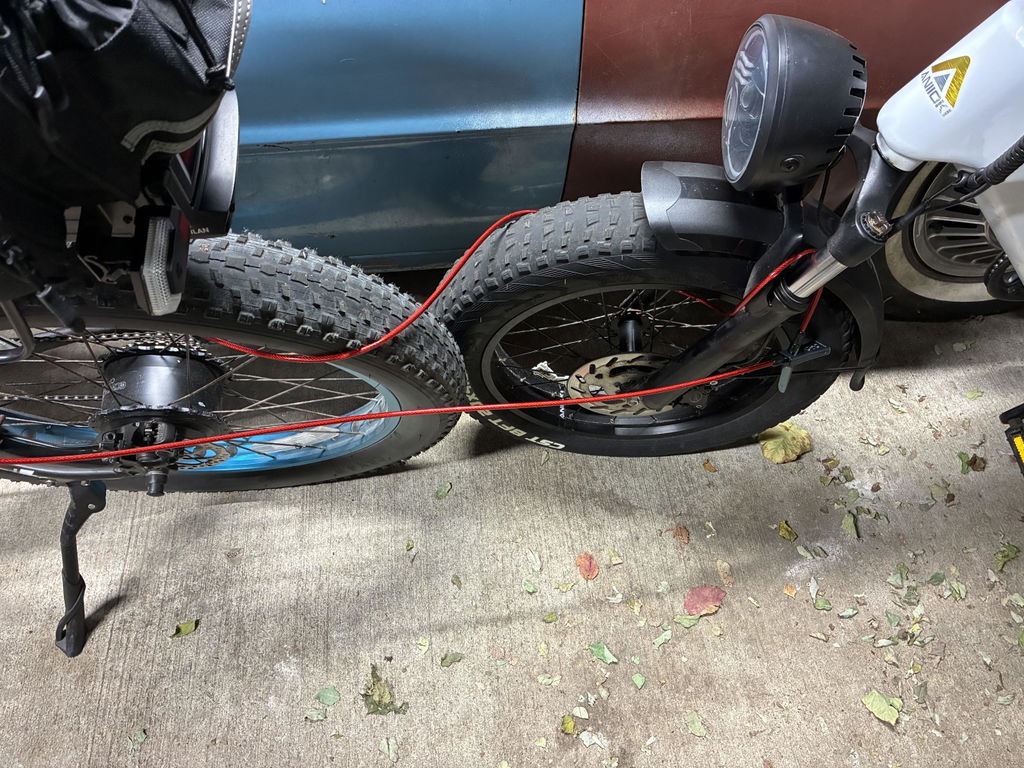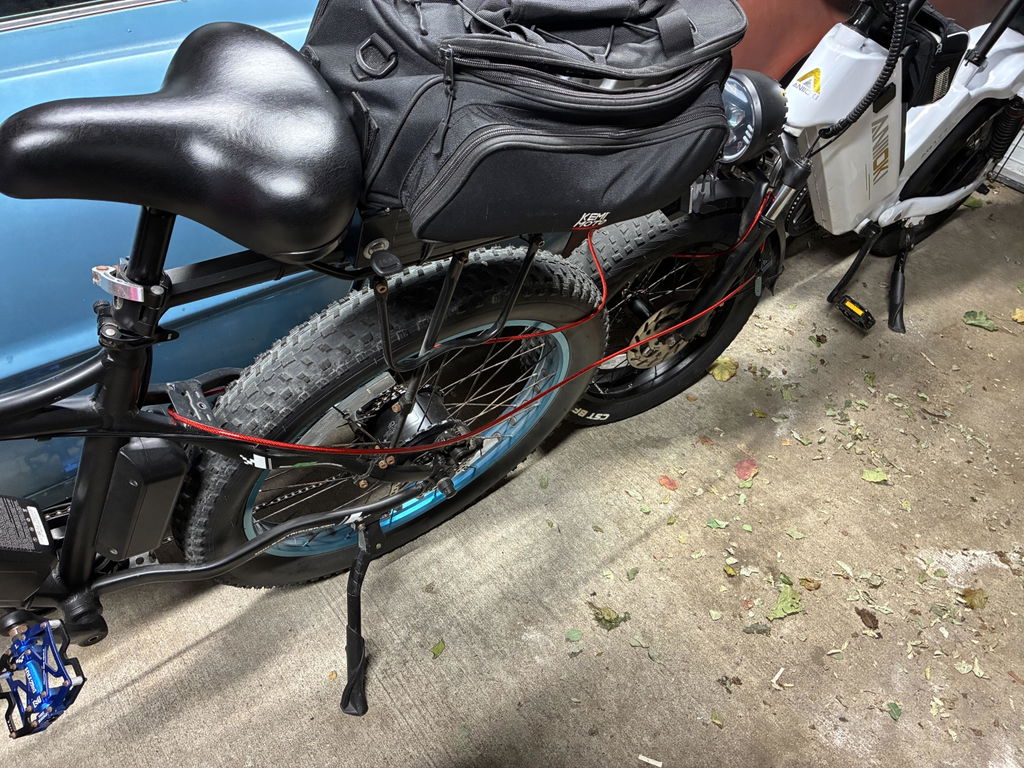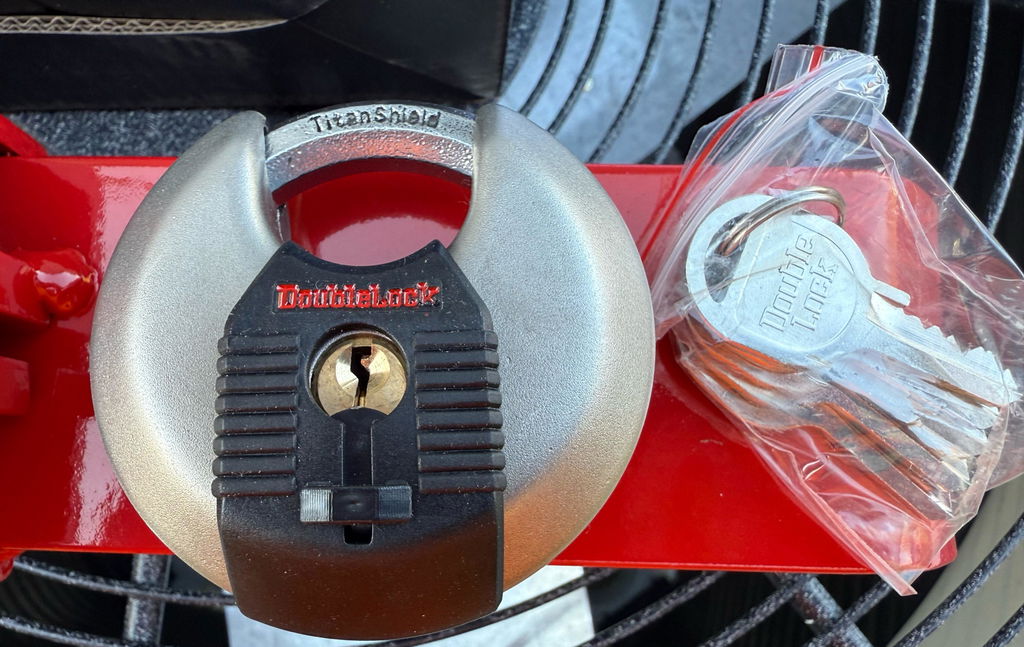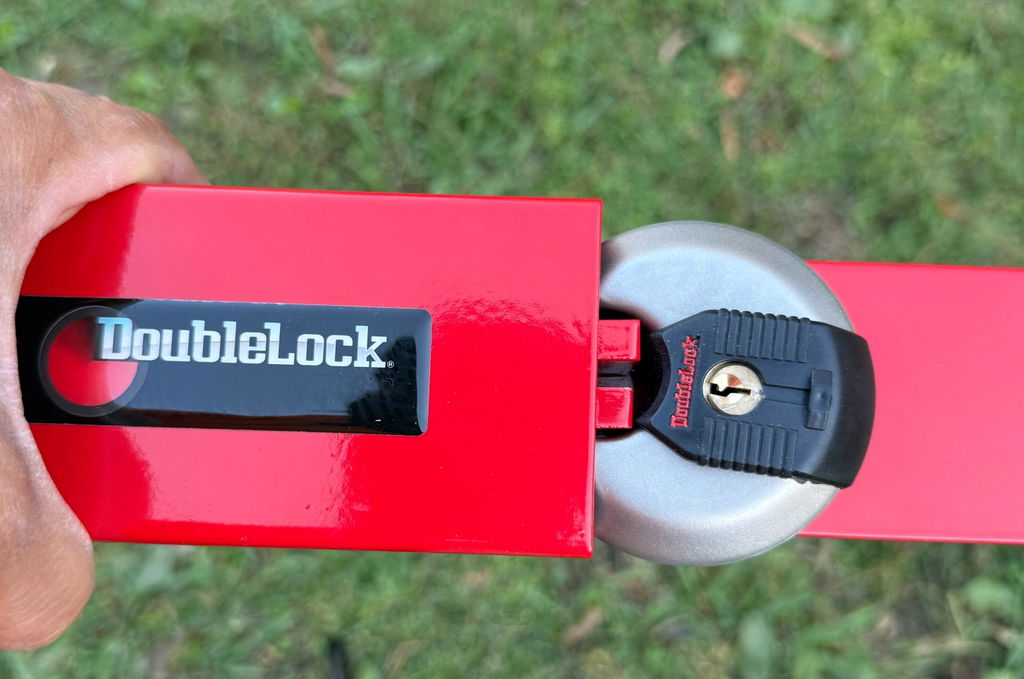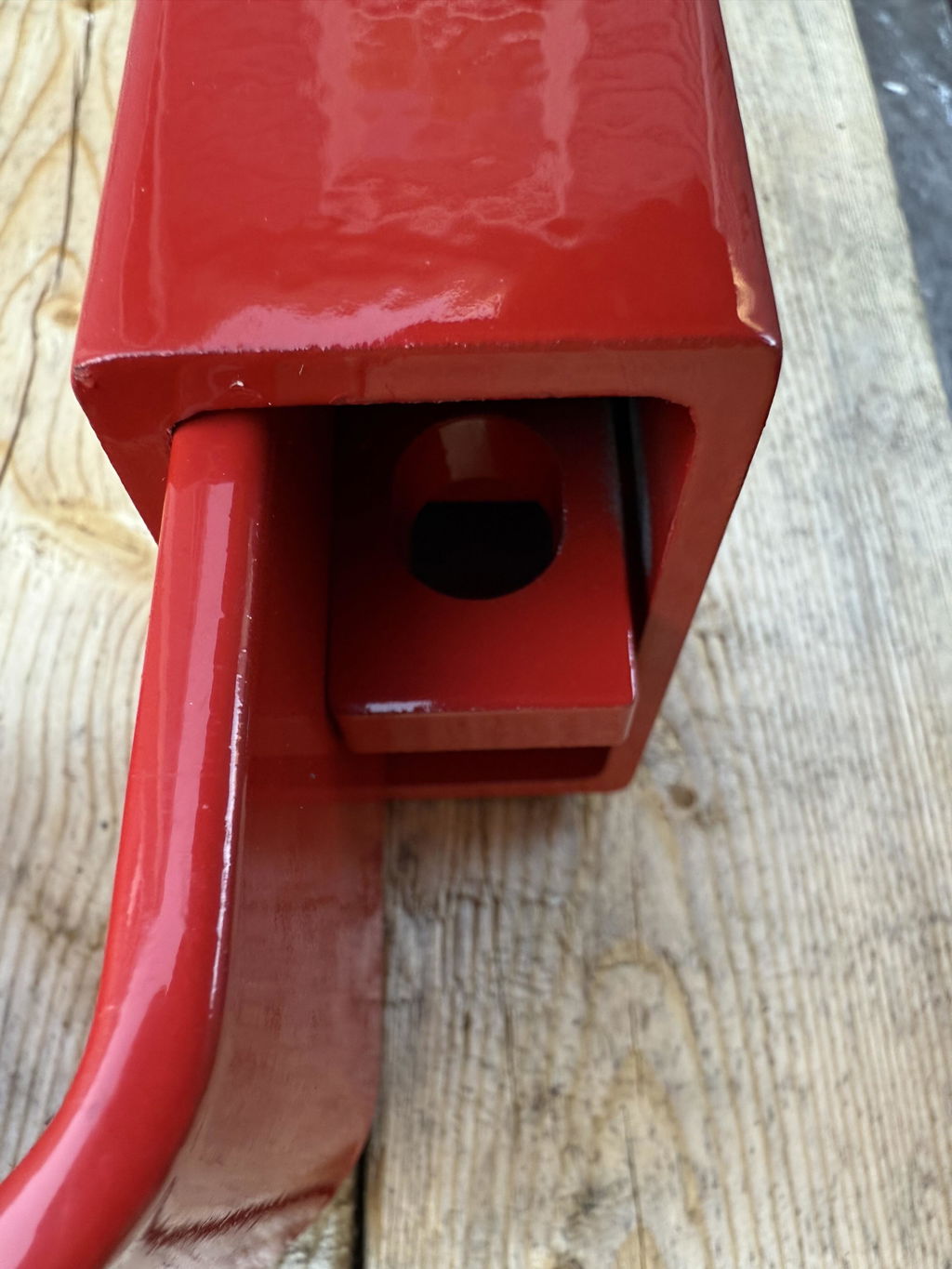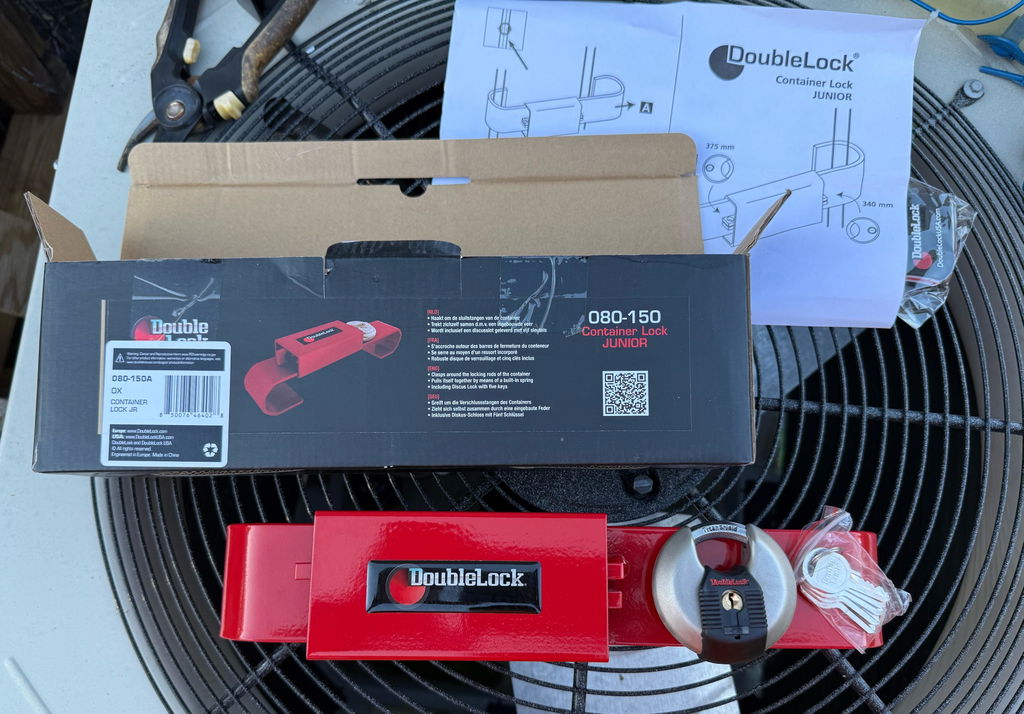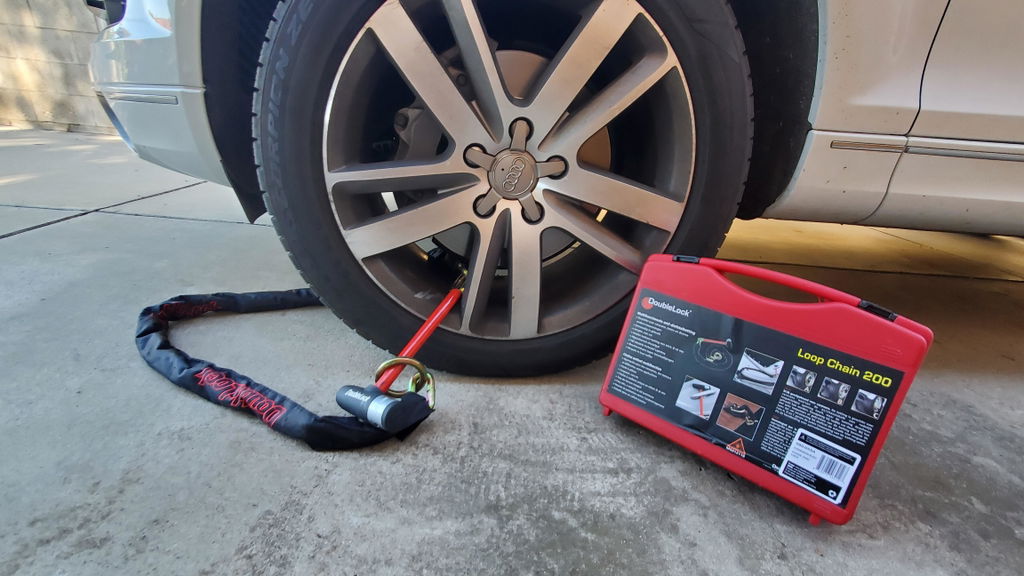

Construction site equipment theft is a major risk that requires a layered security plan to protect high-value assets. You can prevent these losses by using industrial-grade locks on containers, heavy machines, and gates. Expert thieves often target sites because standard locks are easy to cut or bypass. High-quality security hardware acts as a strong deterrent by making theft too hard and time-consuming. According to the Associated General Contractors of America, theft and vandalism losses have risen by 21 percent over the last few decades. To lower your risk, use purpose-built tools like container locks, cable bundles, and specialized equipment locks that resist physical attacks. While no lock is impossible to break, heavy-duty protection keeps your jobsite safe and ensures your project stays on schedule. These tools provide the needed risk reduction to stop expert theft before it starts.
Why Construction Sites Are Prime Targets for Equipment Theft
Construction sites are high-value targets for thieves. These jobsites often sit in open areas with little or no guard presence at night. Every year, construction site security equipment must face rising crime rates. Experts say that construction site equipment theft costs between $300 million and $1 billion each year in the United States. This huge loss affects project costs and timelines for everyone.
Valuable equipment in plain sight
Thieves look for jobsites because they hold a large amount of high-value gear. Items like backhoes and excavators are worth tens of thousands of dollars each. Small tools and raw materials are also common targets. Thieves often steal power tools, hand tools, and copper pipes from the site. These items are easy to grab and even easier to sell on the black market.
The open nature of many sites makes them easy to watch. A person can often see exactly what gear is on-site from a nearby road. This view helps thieves plan their moves in advance. Without a proper construction site theft prevention checklist, your site remains a magnet for local thieves. Most of these stolen assets are never found once they leave the site.
The problem with universal keys
One major weakness in heavy machines is the use of universal keys. Many makers use the same key for all machines in a set line. This means a single key can start many different pieces of equipment. Expert thieves know this and use it to their gain. They can walk up to a machine, start it, and drive it away in seconds.
Pro theft rings often target sites to steal gear for set orders. They may strip the machines for parts or ship them out of the country. These groups move fast and know how to avoid basic security steps. Because many machines lack unique keys, they are much easier to steal than a car or truck. Adding heavy-duty locks is a key part of stopping these quick attacks.
Tracking and registration hurdles
Law enforcement faces big hurdles when trying to find stolen gear. Unlike cars, off-road equipment often has no title or record rules. This lack of records makes it hard for police to prove a machine was stolen. It also makes it hard to track where the equipment goes after a crime. Standard ID numbers are often missing or easy for a thief to remove.
Most police officers are not experts on construction tools or machine words. They may not know what a fixed part or model looks like. This makes it hard for them to find stolen items during a stop. Without a central list for all machines, recovery rates stay low. These factors make construction sites a low-risk, high-reward target for pro crime rings.
The True Cost of Construction Site Equipment Theft
The money hit from construction site equipment theft goes far beyond the price of one stolen tool. This is a big problem. Each year, the U.S. building field loses more than $1 billion to these crimes. These losses include the cost of the gear itself plus the cost of site damage.
Most of these items are never seen again. The recovery rate for stolen jobsite gear is less than 25 percent. This low rate means most firms have to buy new tools at full price.
The rising price of jobsite crime
Theft and site damage are big threats to new jobsites. Data from the Associated General Contractors of America shows that losses to builders have risen by 21 percent since 1978. These losses force firms to spend cash on new gear they once owned. They hurt everyone.
Large firms may feel the hit less, but small crews can go out of work after one bad night. It is a major risk. Firms must also deal with higher insurance costs after a theft. When a crew files a claim for a stolen loader, their rates often go up.
Many crews use a construction site theft prevention checklist to stop these hits before they start. Using heavy locks is a simple way to keep rates low and gear safe.
Work delays and project dates
The loss of one key machine often leads to long job delays. If a crew cannot work because a backhoe is gone, the whole job stops. You may have to wait weeks for a new machine to arrive. These work delays can cause missed dates and high fees.
A late job can hurt a firm's name and cost them future work from big clients. Project delays also mean that staff stay on the site longer. You have to pay for work and fuel for more days than you planned. This makes the job cost more than the first bid.
If you have many jobs going at once, one theft can slow down your whole fleet. Keeping your tools on site and ready to work is the best way to stay on time. These costs do not just hurt the builder. Firms often pass these hits on to the people who hire them.
How theft hits the buyer
This means both builders and buyers pay more for new homes, shops, or roads. It hurts the field. High prices for new builds can slow down the whole market.
The true cost of crime on a site is a mix of many small hits. It adds up fast. From high insurance to late fees, the bill grows.
It is an easy step that saves money and time for years. By blocking thieves now, you protect your firm and your clients from big losses later.
Building a Layered Security Plan for Your Jobsite
Stopping construction site equipment theft takes more than a single lock or fence. You need a multi-layered plan that puts several hurdles in a thief's path. Each layer adds time and risk for the criminal. This often forces them to move on to an easier target. A strong plan joins physical hardware with smart site management and digital tools.
Physical access control and heavy-duty locks
Physical barriers are your first and most vital line of defense. High-quality heavy-duty equipment locks serve as a primary way to stop theft. For storage units, the BULL Container Lock and RHINO Cargo Lock give you industrial-grade security. These products are sold at major stores like Lowe's or Northern Tool. Using tough locks makes it much harder for people to move your gear or open your bins.
According to the Office of Justice Programs, stopping equipment theft needs a broad approach. This includes asset tracking, geofencing, and video monitoring. While tracking helps you find stolen items, heavy-duty locks stop the crime before it starts. You should also set up a secure, defined area on your site to store gear and tools overnight.
Smart inventory and site management
Site management is just as vital as the locks you use. You should do frequent checks of all your site assets to catch missing items early. Keep a list of all serial numbers and unique marks for every tool and machine. This data is needed if you ever have to report a theft to the police or your insurance firm. Home building sites often lack fences, which makes regular checks and clear order even more key.
To keep your site safe, follow a construction site theft prevention checklist to ensure no gaps exist in your plan. Managing your site well means knowing what gear you have and where it is at all times. If you have high-value machines, think about using anti-theft devices for excavators. These tools work with your locks to create a full security shield for your jobsite.
Protecting all types of site assets
A good security plan covers everything from big trucks to small hand tools. Heavy machines are a top target because they are worth a lot and often use universal keys. Using locks like the HAMMERHEAD can secure these machines and stop them from being moved. You must also protect raw goods like copper and site appliances. Thieves often steal these to sell for quick cash. Layering your security keeps every part of your jobsite safe from crime.
Choosing the Right Heavy Duty Locks for Construction Equipment
Picking the right locks is a key part of a construction site theft prevention checklist. Site managers must match the lock to the asset to build a strong defense. Since pro thieves often steal items for export, using tough hardware is a primary step. Good locks act as a clear sign that your gear is not an easy target.
Industrial Security Standards
DoubleLock USA gear uses 30 years of European engineering to give you high-level safety. Many top products have EU SCM certification. This is a high standard for security that helps lower the risk of construction site equipment theft and damage. These locks use heavy steel to stand up to jobsite tools. While no lock can stop every thief, high-grade gear keeps your site much safer.
Comparing Lock Options for Jobsite Assets
You should use different locks for containers, heavy machines, and gates. The Bull Rating system helps you pick the right level of safety for each task. For example, the BULL lock is best for high-risk storage. The RED HAWK works well for perimeter fences. The table below shows the best heavy-duty equipment locks for common needs.
| Product Name | Primary Use | Security Grade | Weight | MSRP |
|---|---|---|---|---|
| BULL Container Lock | Storage Units | EU SCM Heavy | 26.5 lbs | $319.99 |
| RHINO Cargo Lock | Cargo and Freight | EU SCM Standard | 16.7 lbs | $269.99 |
| HAMMERHEAD Lock | Heavy Machines | Industrial Grade | Solid Steel | $199.99 |
| SPIDER Lock | Tool Storage | Jobsite Grade | Compact | $189.99 |
| BEAST Bundle | Excavators | Flexible Security | Heavy Duty | $109.99+ |
| RED HAWK Padlock | Gates and Fences | Perimeter Grade | Solid Steel | $59.99 |
Risk Reduction and Deterrence
The main goal of site safety is to make theft too hard for most crooks. Heavy locks serve as a visual sign that your assets are well-guarded. Most thieves look for an easy mark. Adding a thick steel lock can cause them to move on to a different site. Using a mix of specialized locks ensures that every part of your jobsite has a strong layer of defense.
Securing Specific Equipment Types on the Jobsite
Safety needs vary based on the items you want to keep safe. Keeping a large backhoe safe is not the same as securing a pile of copper pipes. To stop construction site equipment theft, you must use a layered plan that covers every asset. This includes all items from heavy earth movers to the smallest hand tools and raw goods. Each type of gear needs a specific kind of lock to reduce the risk of loss.
Hardening Heavy Machinery
Heavy gear like excavators and backhoes is a top target for thieves on any site. These machines often use universal keys, which means one key can start many different models. This makes it easy for thieves to drive high-value gear right off the site at night. A study from the Office of Justice Programs warns that these thefts cause big project delays and high costs for the owner.
You can stop this by using strong locks that block movement and steering. The HAMMERHEAD equipment lock fits over steering arms to keep a machine from moving in a straight line. You should also look for the best anti-theft devices for excavators like the BEAST cable bundle. This strong cable lets you chain large machines to fixed posts or other gear to stop them from being towed away by a truck.
Securing Tools and Containers
Small tools are easy for thieves to grab and sell very fast. Hand tools and power tools are stolen more often than large gear because they are hard to track later. Keep these items in a strong storage unit or job box when they are not in use by your crew. The SPIDER container lock is built to secure these units and block bolt cutters from reaching the lock shackle inside the box.
Do not forget to lock the edges of your site with strong chains. Use the RED HAWK padlock on all gates and fence chains to keep people out. This lock uses a thick steel body to resist saws and drills from a thief. If a thief cannot get through the main gate, they may not try to reach the gear stored deep inside the site.
Guarding Raw Goods and Appliances
Copper and lumber are high-value targets that are hard to find once they leave the site. Thieves also look for new appliances during the late stages of a home build. Store these goods in a secure area with a clear fence line. If you need to buy gear for these tasks, check with a dealer like Northern Tool. They can show you what works best for safe storage of bulk goods.
Check your stock often to find missing items as soon as they go missing. Tracking serial numbers and keeping a log of all gear can help the police find your stolen goods. While no lock is perfect, using strong gear makes your site a much harder target for any thief. By using these tools, you help protect your project from the high costs of theft.
Daily and Weekly Jobsite Security Checklist
A set routine is the best way to lower the risk of construction site equipment theft. High-value gear is most at risk during nights and weekends when the site is empty. By using a clear process, you make the site a hard target for thieves who look for easy wins.
Set up secure storage zones
Pick one central spot for all tools and machines at the end of each day. Storing gear in a secure, clear area makes it easy to watch assets and find missing items fast. Use strong locks like the BULL or SPIDER to protect your best gear from break-ins.
You should also have your team do daily tool counts. Checking your stock each day helps you spot any loss before the trail goes cold. This work helps you keep a clear record of all site assets. For more tips, see our construction site theft prevention checklist.
Follow the security steps
- Count all tools each day to make sure everything is there before the crew leaves the site.
- Lock all big machines at night with the HAMMERHEAD lock to stop anyone from moving or using them.
- Write down all serial and ID numbers for every tool and give this list to your insurance firm.
- Keep small tools and gear inside steel bins locked with strong padlocks or cargo locks.
- Set up bright lights that turn on when they see motion to take away the cover of dark.
- Have site security meetings with the team and builders to talk about how to stop crime.
- Tell the police right away if you see any odd activity or strange cars near the site.
Keep good records for recovery
If a theft happens, having good data is a must for the police. Owners help their chances of getting gear back by recording all serial and ID numbers for their fleet. This info lets the police add the items to national search lists fast.
Quick action is the key to getting your gear back. You must tell the police about any theft right away and keep in touch with them. This helps make sure your tools stay on the active search list. Using heavy-duty equipment locks is a vital part of this plan.
What to Do If Equipment Is Stolen: Reporting and Recovery
Discovering that assets have been taken from a job site is a major blow to any project. Because less than 25% of stolen assets are ever recovered, the first few hours after a crime are the most important. You must act fast to give law enforcement the best chance to find your property before it is moved or sold.
Immediate Reporting Steps
Call the police as soon as you find that a theft occurred. Provide a clear and precise list of what is missing, including the make, model, and year of each machine. You should report the theft immediately and accurately to ensure the local police can enter the details into the National Crime Information Center (NCIC) system. This database helps officers across the country spot stolen goods during routine checks.
Stay in close contact with the lead investigator on your case. You need to make sure your items stay on the NCIC active list until they are found. It is also wise to follow a construction site theft prevention checklist to review how the breach happened. This review helps you fix weak spots so you can stop more losses from happening while the site is still active.
ID Numbers and Recovery Odds
The lack of title or registration rules for off-road machines often makes it hard for police to prove who owns a piece of gear. You can improve your recovery chances by keeping a full log of every serial and ID number on your site. If you have these records, you can give them to both the police and your insurance agent right away to speed up the claim process.
Police often face a hard task because many officers do not know construction terms or machine models well. Using permanent, clear ID marks on your gear helps bridge this gap. If you use heavy-duty equipment locks, you can also show that you took steps to stop the crime. This proof of care is helpful when you talk to your insurance company about the loss and can help with future rate talks.
Frequently Asked Questions
Does insurance cover stolen construction equipment?
Most business policies do cover the theft of site gear and tools. However, you must show you took steps to protect the items before the crime. As shown by the Office of Justice Programs, theft leads to higher costs that builders often pass to their clients. To keep your coverage, you should record all ID numbers and use heavy-duty locks. These steps prove you worked to lower the risk of loss on your site.
How do I secure a jobsite that does not have a fence?
Home building sites often lack fences. This makes them easy targets for theft. You can protect these areas by using high-quality locks on all bins and machines. It also helps to hold a site meeting with your team to plan for safety. You should store small tools in locked bins like the BULL or SPIDER overnight. Setting up a watch group and adding bright lights can also help keep thieves away from your site after work hours.
What information do the police need to find stolen gear?
To help the police find your gear, you must have the serial and ID numbers ready. Most offroad machines do not have titles. These numbers are the only way to prove you own them. Legal experts say you should report the theft as soon as you find it. Ask the police to put the items on the NCIC list. This helps officers across the country spot your stolen gear during regular checks.
Are most stolen construction tools ever recovered?
No, recovery rates for site gear are very low. Data from DoubleLock USA shows that less than 25 percent of stolen items are ever found. Expert thieves often steal to order. They move items quickly to other states or countries. This makes it hard for the police to track the gear once it leaves the site. Since recovery is rare, using heavy-duty locks to stop the theft from happening is the best way to protect your business.
Ready to protect your construction assets?
Gear theft on a jobsite causes more than just a loss of tools. It creates a chain of delays that can put your whole project at risk. When crews sit idle, your costs go up and your profit goes down. You can take control of your site security right now with locks that are built to last. Starting today means you avoid the high cost of a theft next week. Strong locks act as a clear sign that your site is a hard target. This simple step keeps your project on track and saves you from the stress of a big loss.
Ready to secure your gear? Explore the full catalog of jobsite security solutions to contact our sales team today.