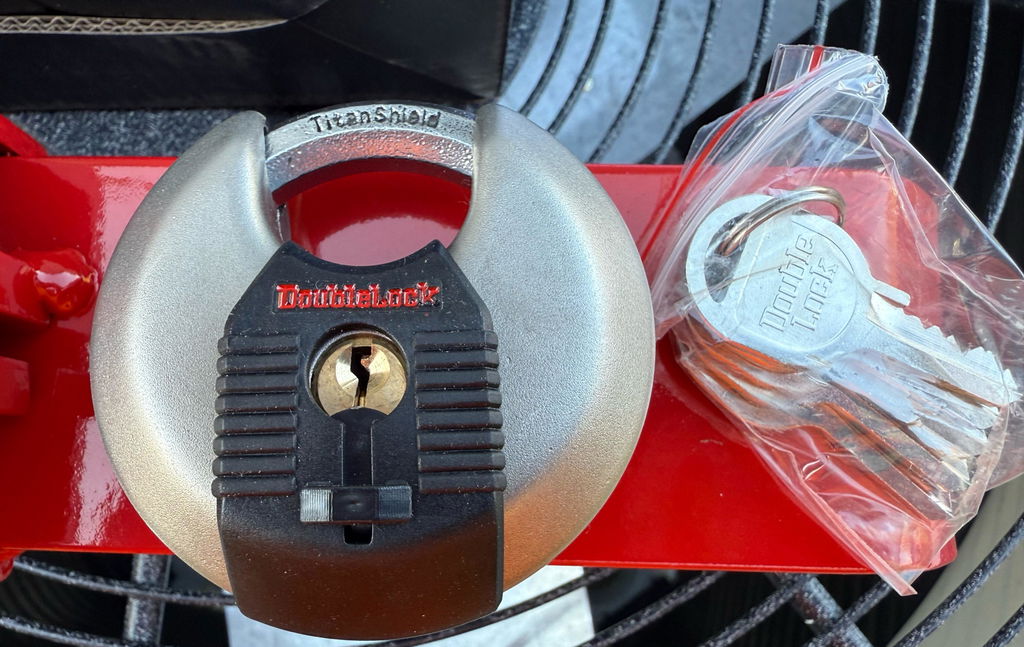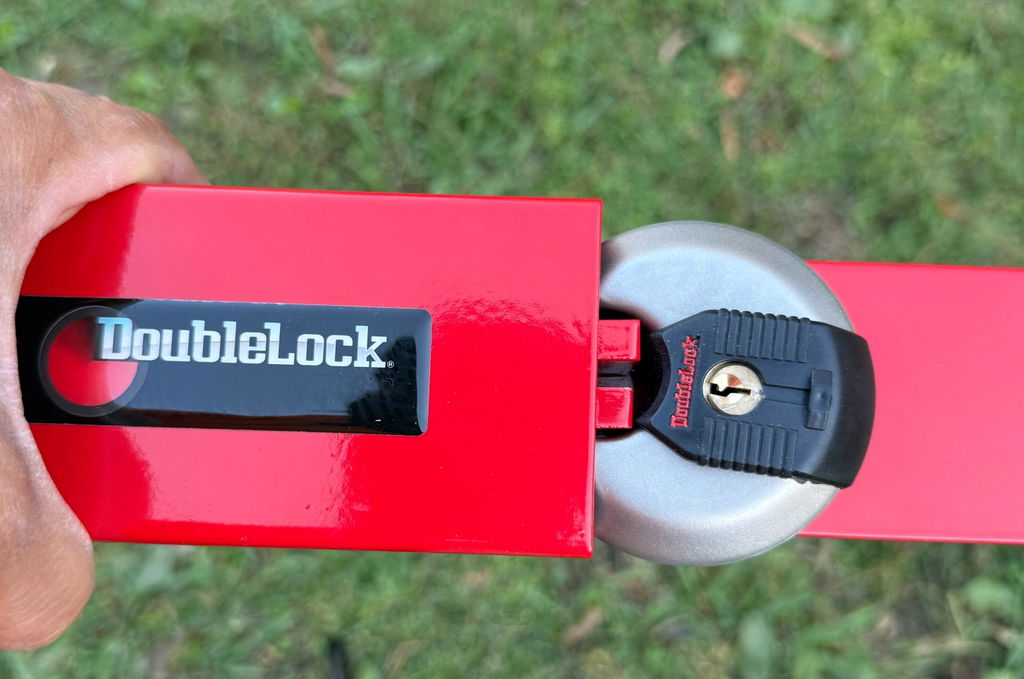

Your towing setup is only as secure as its weakest link. For many, that weak point is the small clip holding the hitch pin in place. It’s a simple piece of metal that anyone can remove in seconds, leaving your expensive ball mount or other hitch accessories vulnerable. This is where a locking hitch pin becomes an essential piece of equipment. It replaces that basic clip with a robust, keyed mechanism, creating a solid barrier against theft. This guide will walk you through everything you need to know about this fundamental security device, from choosing the right size to understanding its role in a complete security plan.
Key Takeaways
- Measure twice, buy once: Before purchasing, measure your hitch receiver opening and pinhole diameter, and confirm the pin’s weight rating can handle your fully loaded trailer to ensure a safe and secure fit.
- Layer your security for complete protection: A locking hitch pin secures your ball mount to your vehicle, but you also need a coupler lock to protect your trailer from theft when it is unhitched and parked.
- Invest in durability and maintenance: Choose a pin made from hardened, corrosion-resistant steel and keep it working smoothly by regularly cleaning and lubricating the mechanism to prevent rust and jamming.
What Is a Locking Hitch Pin?
A locking hitch pin is a fundamental security device for anyone who tows. It’s designed to secure a ball mount or other hitch accessory into your vehicle's receiver. While a standard hitch pin uses a simple clip to stay in place, a locking pin adds a crucial layer of protection with an integrated locking mechanism on one end. This means the pin cannot be removed without the correct key or combination, keeping your equipment firmly attached to your vehicle.
How Its Parts Work Together
At its core, a locking hitch pin consists of two main parts: the pin itself and the locking mechanism. The pin is a solid steel rod that slides through the holes in your hitch receiver and the accessory you want to attach. Once it's through, the locking head attaches to the end of the pin. This mechanism prevents the pin from backing out during transit or being pulled out by a thief. The effectiveness of the entire system relies on its construction, which is why finding a durable pin made from high-strength, corrosion-resistant materials is so important for long-term performance and peace of mind.
How It Deters Trailer Theft
The primary purpose of a locking hitch pin is to stop theft. It specifically protects the hitch-mounted accessory, such as an expensive drop hitch or bike rack, from being stolen right off your vehicle. By securing the pin in place, you create a strong deterrent against opportunistic thieves looking for an easy target. It is important to know its specific function, however. While a locking hitch pin secures the connection to your vehicle, it does not prevent the theft of an entire unhitched trailer. Think of it as the essential first component of a solid towing security plan, working alongside other devices to protect all your assets.
A Guide to Locking Hitch Pin Types
Not all locking hitch pins are created equal. The right one for you depends on what you’re towing, how often you tow, and the level of security you need. Understanding the main categories will help you narrow down your options and find a pin that fits your setup perfectly. From basic designs for daily use to specialized locks for commercial rigs, each type offers a unique set of features designed to protect your gear. Let's look at the most common types you'll find on the market.
Standard Pins for Everyday Towing
For most people, a standard locking hitch pin is the go-to choice. These are designed to securely attach your trailer or other towing equipment to your vehicle's hitch receiver. The primary job of these locking hitch pins is to replace the standard, non-locking clip that comes with most hitches. By adding a lock, you prevent someone from simply pulling out the pin, unhooking your trailer, and driving away with it. It’s a straightforward and effective way to keep your equipment safe during routine towing jobs, like hauling a boat to the lake or a small trailer for a weekend project.
Pins with Integrated Coupler Protection
A coupler lock serves a different but equally important purpose. While a hitch pin secures your trailer to your vehicle, a coupler lock protects your trailer when it’s unhitched and parked. This type of lock fits over the trailer's coupler, blocking the opening where the tow ball would normally connect. This makes it impossible for a thief to hook up your trailer to their own vehicle and take off with it. Think of it as essential security for when your trailer is stored in a driveway, at a job site, or in a storage lot.
Important Safety Note on Coupler Use
It’s crucial to understand that these two security devices address different security risks. A locking hitch pin is essential for securing your ball mount and other accessories to your vehicle, but it provides no protection once your trailer is unhitched. An unattended trailer with an open coupler is a prime target, as thieves look for easy opportunities. For complete protection, you need both. The locking pin secures your equipment while you're connected, and a coupler lock protects the entire trailer when it's parked. Using them together creates a layered defense that is the foundation of a truly theft-proof trailer setup, giving you confidence whether you're on the road or parked at a job site.
Anti-Rattle Pins for a Quieter Ride
If you’ve ever been annoyed by the clanking and rattling of your trailer hitch while driving, an anti-rattle pin is the solution. These pins are designed to create a snug, quiet connection between the hitch and the receiver. Many accomplish this with features like rubber O-rings that fill the extra space and absorb vibrations, stopping the hitch from making noise as you drive. This small feature makes a big difference in your driving experience, providing a smoother and more peaceful ride without sacrificing any of the security you expect from a quality locking pin.
Methods for Reducing Rattle
If your pin doesn't have anti-rattle features, you can still quiet a noisy hitch with an external device. One of the most effective options is a hitch tightener. This is a small bracket that clamps your ball mount and receiver together, using pressure to eliminate the space that causes rattling. For a quick and inexpensive fix, a simple muffler clamp can work in a similar way. Another approach is a cushion hitch, which uses a built-in buffer to absorb vibrations and soften the connection between your vehicle and trailer. All of these methods help create a more stable and peaceful towing experience, letting you focus on the road ahead.
Heavy-Duty Pins for Commercial Demands
When you’re hauling heavy equipment for commercial purposes, you need security that can stand up to demanding conditions. Heavy-duty hitch locking products are built with industrial-strength materials and robust locking mechanisms to keep your valuable assets safe. These locks are designed to secure everything from large trailers to heavy-duty hitches, including specialized equipment like Pintle Coupler Locks. For construction, landscaping, or any other professional application, investing in a heavy-duty pin provides the peace of mind that your gear is protected on the job site and on the road.
How to Choose the Right Locking Hitch Pin
Selecting the right locking hitch pin is about more than just grabbing the first one you see on the shelf. The best choice for you depends entirely on your specific towing setup. A pin that’s too small won’t be secure, while one that can’t handle your trailer’s weight is a serious safety hazard. To make a confident choice, you need to consider a few key factors: the size of your hitch, the weight you’ll be towing, the material of the pin, and the type of fastening mechanism that works best for you.
Think of this as a checklist to find the perfect match for your gear. Walking through these steps ensures you get a device that not only prevents theft but also provides a secure connection between your vehicle and trailer for every trip. Taking a few minutes to assess your needs will give you peace of mind on the road, knowing your investment is protected by a reliable and properly fitted hitch pin. It’s a simple process that makes a world of difference in both security and safety.
Start by Measuring Your Hitch Receiver
The first and most important step is to measure your equipment. A locking hitch pin will only work if it fits correctly. As towing experts note, the security device must fit these measurements exactly. Start by measuring your vehicle's hitch receiver opening, which is typically 1-1/4, 2, or 2-1/2 inches. Next, measure the diameter of the pinhole on the receiver. Most are either 1/2-inch or 5/8-inch. Finally, determine the required span, which is the total length the pin needs to cover to pass through both sides of the receiver and your ball mount. Grab a ruler or tape measure to get precise numbers. Writing these down before you shop will save you time and prevent the frustration of returning a pin that doesn’t fit.
Common Pin Dimensions
Once you have your measurements, you can see how they fit together. As a general rule, your receiver opening size will point you to the right pin diameter. For Class I and II hitches with a 1-1/4-inch receiver, a 1/2-inch diameter pin is usually the correct fit. If you have a larger Class III, IV, or V hitch with a 2-inch or 2-1/2-inch opening, you’ll almost always need a 5/8-inch diameter pin. Even with these standards, always trust your own measurements above all else. The pin's span is equally important; it needs to be long enough to go through the receiver and your hitch accessory, leaving enough space to attach the lock. This is why it's a good idea to review your full setup before you buy anything.
Match the Pin to Your Towing Weight
Every component in your towing system has a weight rating, and your hitch pin is no exception. It’s crucial to choose a pin that can handle the load you plan to pull. As one towing guide explains, "Understanding your hitch's load capacity is essential for safe towing." Check the Gross Trailer Weight (GTW) of your trailer, which is its total weight when fully loaded. Your locking hitch pin should have a weight rating that meets or exceeds this number. Using an underrated pin can cause it to bend or break under stress, creating a dangerous situation on the road. Always prioritize safety by matching the pin’s capacity to your towing needs.
Understanding Hitch Classes and Weight Ratings
Hitch classes are a standardized system that helps you quickly identify the towing capacity of your equipment. You'll see them labeled as Class I through Class V. Each class corresponds to a specific receiver opening size and has a maximum Gross Trailer Weight (GTW) it can safely handle. For example, a Class III hitch, common on many trucks and SUVs, typically has a 2-inch receiver and is rated for trailers up to 8,000 pounds. It's important to remember that your towing system is only as strong as its weakest component. Even if your truck and hitch are rated for a heavy load, using a pin with a lower weight capacity creates a critical failure point. Always check the ratings on all your gear to ensure every piece, including your security pin, can manage the weight.
Check the Material and Build Quality
The material of your hitch pin is one of the most important factors for its longevity and performance. Look for pins made from high-strength metals like hardened or stainless steel. Hardened steel offers excellent resistance to cutting and shearing, making it a formidable barrier against theft. Stainless steel provides superior protection against rust and corrosion, which is especially important if you frequently tow in wet or salty environments. Many quality pins also feature a durable coating and a weatherproof cap to protect the fastening mechanism from dust, water, and grime. A well-made pin from a trusted brand will stand up to both thieves and the elements.
Keyed vs. Combination: Which is for You?
You’ll generally find two types of fastening mechanisms: keyed and combination. Keyed mechanisms are a classic, reliable option, but they require you to keep track of a physical key. Combination mechanisms offer keyless convenience, which many people prefer. A great feature to look for with keyed pins is a "keyed-alike" system. This means if you purchase multiple security devices from the same brand, they can all be operated with a single key. This is incredibly convenient if you have more than one trailer or need to secure other equipment. Consider your personal preference and how you plan to use the pin to decide which style is the right fit for you.
Consider Keyed-Alike and Bundle Options
Juggling a heavy keychain is the last thing you need when you’re managing multiple trailers or securing various pieces of equipment. This is where keyed-alike systems offer a major convenience. Many brands provide options where several security devices can be operated with a single key, which simplifies your daily routine. You can often purchase these as part of a bundle, giving you a comprehensive solution for your entire towing setup. This approach ensures all your connection points are secured with the same high-quality standard. And if you're concerned about losing your only key, many manufacturers offer replacement options. Just remember to keep a record of your key number in a safe place after you buy your security devices.
What Makes a Great Locking Hitch Pin?
When you’re looking for a locking hitch pin, it’s easy to assume they’re all the same. But the small details are what separate a reliable security device from one that might fail when you need it most. A quality pin isn't just about a single feature; it’s about how several key components work together to protect your trailer and your gear. From the metal it’s made of to the coating that protects it from the elements, every aspect matters. Let’s walk through the essential features you should look for to ensure you get a lock that offers real security and lasts for years.
Why Hardened Steel Construction Matters
The material of your hitch lock pin is one of the most important factors for its longevity and performance. For locks that will be exposed to the elements, choosing a hardened steel construction is essential to ensure durability and resistance to cutting or tampering. Hardened steel is heat-treated to make it significantly tougher than standard steel, which means it can stand up to bolt cutters, saws, and drills. This process creates a pin that won’t easily bend or break under stress. When you’re securing a valuable trailer, you need a lock made from a material that presents a real challenge to would-be thieves, and hardened steel is the industry standard for a reason.
A Fastening System You Can Trust
A strong pin is only half the equation; it needs an equally robust locking mechanism. A reliable locking mechanism is crucial for preventing theft and ensuring that your trailer remains securely attached. The lock itself should be resistant to picking and jamming. Look for designs that protect against common vulnerabilities. For example, some locks feature tubular or disc detainer mechanisms, which are more complex for thieves to manipulate. The key should turn smoothly, and the lock should engage with a solid, confident click. Our commitment to security means focusing on these details, because a lock that fails or seizes up is a liability, not an asset.
Advanced Internal Locking Mechanisms
The real strength of a locking pin lies inside the mechanism itself. While a tough exterior is important, the internal components are what stop a thief in their tracks. Advanced designs move beyond simple pin-tumbler systems, which can be vulnerable to common picking techniques. Instead, look for locks that use more complex systems like disc detainer mechanisms. These are significantly harder for thieves to pick or manipulate because they use a series of rotating discs instead of traditional pins. This design makes it much more difficult to bypass the lock, providing a higher level of security. When you invest in a pin with an advanced internal mechanism, you're getting a system designed to resist the most common methods of attack, ensuring your equipment stays right where you left it.
The Importance of a Weatherproof Finish
Your hitch is constantly exposed to rain, mud, road salt, and humidity, all of which can lead to rust. A corrosion-resistant coating is vital for protecting the locking pin from the elements, ensuring it remains functional and visually appealing over time. Without a proper finish, like chrome plating or a durable powder coat, the steel can corrode, weakening the pin and causing the locking mechanism to jam. This not only compromises security but can also make it incredibly difficult to remove the pin when you need to. A quality coating is a sign of a well-made product designed with the heritage of durability in mind, built to withstand harsh conditions without failing.
Look for Easy Installation and Removal
Security shouldn’t be complicated. A locking hitch pin should allow for simple installation and removal, making it easy to secure or detach your trailer without hassle. The design should be intuitive, letting you slide the pin through the receiver, attach the lock, and turn the key in a matter of seconds. A straight-pin design is often easier to align than a bent or angled one. The lock should also be easy to grip, even if you’re wearing gloves. If a lock is difficult to use, you might be tempted to skip it for short trips, which is often when theft occurs. A user-friendly design ensures you’ll use it every time, making security a seamless part of your routine.
Evaluate the Key Design
The design of the key and its mechanism is a critical factor for both security and ease of use. You'll typically choose between keyed and combination styles. While combination mechanisms offer keyless convenience, traditional keyed systems are known for their reliability. If you opt for a keyed pin, look for a brand that offers a "keyed-alike" system. This feature allows you to use a single key for multiple security devices, which is incredibly helpful if you're securing more than just your hitch. Beyond the type, the internal mechanism itself should be robust and resistant to picking. High-quality security hardware often uses more complex designs, like disc detainers, to thwart tampering. A well-made fastening mechanism will engage with a solid click, giving you confidence that your gear is secure.
Common Mistakes When Choosing a Locking Hitch Pin
Selecting the right locking hitch pin is a critical step in securing your trailer and towing equipment. While it might seem like a simple purchase, a few common missteps can leave your property vulnerable. Making an informed choice means understanding not just the features of the pin itself, but also how it fits into your specific setup. From getting the measurements wrong to overlooking the need for weather resistance, small errors can lead to big problems. By avoiding these frequent mistakes, you can ensure your hitch pin provides the reliable security you depend on. Let's walk through what to watch out for so you can choose your equipment with confidence.
Avoiding the Wrong Size Pin
One of the most common and easily avoidable mistakes is choosing the wrong size hitch pin. A pin that doesn't fit correctly is not just an inconvenience; it's a security risk. A pin that is too loose can rattle, wear down, and even shear under the stress of towing. To get it right, you need to measure your equipment before you buy. Always measure your vehicle's hitch receiver opening and the pin hole diameter. The pin must fit these measurements exactly to provide a secure connection. Taking a few moments to measure will save you from the headache of a return trip to the store and give you peace of mind on the road.
Choosing a Mechanism That Rusts or Jams
Your hitch pin lives outside, constantly exposed to rain, road salt, and dirt. A pin that isn't built to withstand these conditions will quickly fail. Rust can seize the locking mechanism, making it impossible to remove the pin when you need to unhitch your trailer. To prevent this, look for pins made from corrosion-resistant materials like stainless steel or those with a protective coating. Features like a cap over the keyhole also provide an essential barrier against moisture and debris. All of our DoubleLock USA hitch pins are designed for durability, but regular lubrication will also extend the life of any pin and keep it operating smoothly.
Relying Only on the Hitch Pin for Protection
A locking hitch pin is excellent at its job, which is to prevent someone from stealing your ball mount. However, it's important to understand its limitations. A hitch pin lock secures the hitch to your vehicle, but it won't stop a thief from hooking up your unhitched trailer and driving away. For complete protection, you need a layered approach to trailer security. This means using a coupler lock to secure the trailer itself when it's not attached to your vehicle. Combining a high-quality hitch pin with a coupler lock creates a much stronger defense against theft, protecting both your trailer and your valuable towing accessories.
Forgetting to Check for Multi-Trailer Use
If you own more than one trailer or use different vehicles for towing, compatibility can become a real challenge. It’s easy to end up with a collection of different pins and keys for each setup, which is both costly and inconvenient. Before you buy, think about all the equipment you use. If you have trailers with different coupler sizes or vehicles with different hitch receivers, look for a versatile solution. Some brands offer keyed-alike sets that allow you to use a single key for multiple pins. Planning for your current and future needs helps you invest in a smart, streamlined security system that works for everything you tow.
What to Look for in a Trusted Brand
When you’re protecting valuable equipment like a trailer, boat, or camper, the brand you choose matters. You’re not just buying a piece of hardware; you’re investing in peace of mind. A trustworthy brand builds its reputation on reliability and stands behind its products long after you’ve made the purchase. They are transparent about their manufacturing process, use quality components, and are committed to helping you keep your assets safe. A good brand doesn't just sell you a lock; it provides a security solution.
One of the clearest signs of a quality brand is its focus on materials. A reputable company will be upfront about what goes into its locks. They’ll use high-grade, hardened steel for strength and add a corrosion-resistant coating to protect against the elements. The material of your hitch lock pin is one of the most important factors in its performance, so a brand that prioritizes quality components is one you can depend on. They understand that a lock is only as strong as its weakest part.
Beyond the product itself, look for a brand that educates its customers. A company that truly cares about your security will provide clear guidance on how to use and maintain their locks. This includes encouraging regular inspections for wear and tear and offering tips on cleaning and lubrication to prevent rust and jamming. This kind of support shows a long-term commitment to your safety and the product's effectiveness. It demonstrates that the company sees you as a partner in security, not just a one-time customer.
Look for a Limited Lifetime Warranty
A warranty is more than just a formal document; it’s a direct reflection of a manufacturer's confidence in their product. When a company offers a limited lifetime warranty, it’s telling you they’ve built their equipment to last. They’ve used durable materials and solid construction, and they are willing to stand behind that quality. A good brand doesn't just sell you a piece of equipment; it provides a security solution you can rely on for the long haul. This kind of guarantee offers peace of mind, ensuring that your investment is protected against defects in materials or workmanship over time, which is a core part of our brand promise.
Check for Key Replacement Policies
Losing a key is frustrating, but it shouldn't mean your security is compromised or that you have to buy a whole new device. A brand that truly cares about your security will have a clear and simple process for replacing lost or damaged keys. Before you buy, take a moment to see what the company’s policy is. A reliable brand will offer a straightforward way to get a replacement, ensuring you can maintain the security of your towing setup without unnecessary hassle. This commitment to customer service is a hallmark of a trustworthy company, showing they are dedicated to supporting you long after your initial purchase. If you ever need assistance, a clear path to get in touch is essential.
The DoubleLock USA Commitment to Your Trailer's Safety
At DoubleLock USA, our entire approach is centered on providing unbeatable security. We begin with superior materials and thoughtful engineering to create products that stand up to real-world conditions. Our locking hitch pins are designed not only to prevent theft but also to give you confidence whether you’re on the road or parked. We understand that true security comes from a product you can rely on without a second thought.
Our commitment doesn’t end when you buy our product. We believe a well-maintained lock is a secure lock, which is why we design our hitch pins for durability and ease of care. We aim to be your trusted partner in security, providing the quality equipment and support you need to protect your investments for years to come.
How to Install and Maintain Your Locking Hitch Pin
Once you’ve chosen the right locking hitch pin, using it correctly is the next step to securing your trailer. Proper installation and consistent maintenance ensure your lock performs reliably for years, giving you peace of mind on and off the road. Taking a few moments to care for your hitch pin will protect your investment and keep your trailer safe from theft.
Your Step-by-Step Installation Guide
Installing your locking hitch pin is a straightforward process that only takes a minute. Before you start, confirm you have the correct size and type for your receiver and towing needs.
First, align the hole on your hitch receiver with the hole on your ball mount or trailer hitch. Slide the pin all the way through both holes until it comes out the other side. Next, attach the lock head to the end of the pin. If you have a keyed model, insert the key and turn it to secure the lock. For combination models, simply click the lock into place. Finally, give the pin a firm pull to confirm it’s securely fastened. A snug fit means it’s ready for the road.
How to Keep Your Hitch Pin in Top Shape
A little upkeep goes a long way in extending the life of your locking hitch pin. Make it a habit to inspect your pin before each use. Look for any signs of wear, such as bending, deep scratches, or corrosion. Regular inspections are the foundation of proper towing hitch maintenance and help you catch potential issues early.
After towing, especially in wet or muddy conditions, take a moment to wipe down the pin and the lock. This prevents dirt and grime from building up inside the locking mechanism, which can cause it to jam. Every few months, test the lock to make sure the key turns smoothly and the components move freely. This simple check ensures your lock will work when you need it most.
How to Protect Your Pin from the Elements
Protecting your locking hitch pin from moisture and debris is crucial for its longevity. Proper lubrication is vital for smooth operation, so apply a graphite or silicone-based lubricant to the locking mechanism a few times a year. This prevents rust and keeps internal parts from seizing up, especially in colder climates.
The material of your hitch pin is also a major factor. Our locking hitch pins are made with corrosion-resistant materials designed to withstand harsh weather. If your lock includes a dust cap, always use it. This small cover provides a powerful barrier against water, salt, and road grit, protecting the keyhole and internal mechanism from damage and ensuring reliable performance every time you tow.
Why Should You Use a Locking Hitch Pin?
A standard hitch pin connects your trailer to your vehicle, but it offers zero security. Anyone can pull it out and walk away with your trailer or hitch accessories. A locking hitch pin performs the same function but adds a vital layer of security, giving you confidence whether you're on the road or parked for the night. It’s a small investment that protects your much larger one.
The Main Benefit: Deterring Theft
The most straightforward reason to use a locking hitch pin is to prevent theft. It secures your ball mount to your vehicle's hitch receiver, making it impossible for a thief to simply unhook your trailer and attach it to their own vehicle. Think of it as the first line of defense for your entire towing setup. Without a key or combination, that connection is solid. This simple device is an incredibly effective deterrent, stopping opportunistic thieves who are looking for an easy target. Investing in a quality lock is a fundamental step in protecting your valuable equipment.
Adding a Crucial Layer of Protection
While a locking hitch pin is essential, true security often requires a layered approach. A determined thief might look for other weak points in your setup. For comprehensive protection, consider pairing your hitch pin with a coupler lock. Each lock serves a distinct purpose, and using them together creates a much stronger defense. This strategy addresses different types of theft, ensuring that you have multiple safeguards in place. Our company heritage is built on creating robust security solutions, and we know that combining tools is the most effective way to keep your property safe.
Protecting More Than Just Your Trailer
It's important to understand what each type of lock protects. A locking hitch pin secures your ball mount and other hitch accessories to your vehicle. However, it doesn't stop someone from stealing your trailer when it's unhitched. That's where a coupler lock comes in; it covers the coupler to prevent anyone from hooking up your unhitched trailer. By using both, you protect your hitch accessories while you're towing and your trailer when it's parked. This two-part system ensures all your assets are covered, reflecting our commitment to security at every level.
Where to Buy a Quality Locking Hitch Pin
Once you know what to look for in a locking hitch pin, the final step is finding a reliable place to purchase one. The good news is that quality security products are more accessible than ever. Whether you prefer to inspect items in person at a major hardware store or need to purchase multiple units for your business, you have options. Making an informed choice about where you buy is just as important as choosing the right pin, ensuring you get an authentic, durable product backed by a reputable brand.
Find Us at Major Retailers
You can find dependable locking hitch pins on the shelves of the stores you already trust for your hardware and construction needs. Major retailers like The Lowe's, Lowe's, and Northern Tools carry a variety of security solutions, allowing you to see the product firsthand. This is a great way to get a feel for the weight, construction, and mechanism before you buy. At DoubleLock USA, we partner with these retailers to make our full range of products easily available to you. This means you can get the security you need without waiting for shipping, giving you immediate peace of mind for your trailer and equipment.
Understanding Shipping and Availability
If you prefer the convenience of online shopping or can't find a specific model in-store, buying directly from a brand's website is an excellent alternative. This is especially helpful if you need to purchase multiple locks for a fleet or want to explore a wider variety of options. Many companies offer free shipping on orders above a certain value, making it a cost-effective way to get exactly what you need delivered to your door. When you shop online, you can easily compare product specifications and ensure you’re choosing a pin that matches your hitch's load capacity and security requirements, confirming you get the right fit for your setup.
Interested in Wholesale Options?
If you manage a commercial fleet, run a construction business, or simply need to secure multiple trailers, buying in bulk is often the most practical approach. Purchasing directly through a wholesale program can provide access to a wider selection of specialized products and ensure you have a consistent supply of high-quality pins on hand. This route is ideal for businesses that depend on their equipment daily and cannot afford any downtime. It streamlines the purchasing process and helps you standardize the security across all your assets, making equipment management simpler and more effective.
Related Articles
- Stainless Steel Locking Hitch Pin: A Buyer's Guide
- The Ultimate Pintle Hitch Lock Buyer's Guide
- Choosing a Locking Hitch Pin for 2 Inch Receiver
- The Ultimate Trailer Hitch Lock Pin Guide
Frequently Asked Questions
What's the real difference between a locking hitch pin and a coupler lock? A locking hitch pin secures your ball mount or other accessory to your vehicle's receiver, preventing someone from stealing that specific piece of equipment. A coupler lock serves a different purpose: it protects your entire trailer when it’s unhitched by blocking the opening where a tow ball would connect. For complete security, it's best to use both, as they protect your assets in different situations.
How do I figure out the exact size pin I need for my hitch? To get a perfect fit, you need three measurements from your towing setup. First, measure the square opening of your vehicle's hitch receiver (it's usually 1-1/4, 2, or 2-1/2 inches). Next, find the diameter of the pinhole on the receiver, which is typically 1/2-inch or 5/8-inch. Finally, determine the span, or the total length the pin needs to cover to pass through the receiver and your accessory.
Can one key work for all my DoubleLock USA trailer locks? Yes, this is a feature known as a "keyed-alike" system. When you purchase multiple keyed-alike locks from the same brand, you can operate all of them with a single key. This is a great option if you own several trailers or need to secure other equipment, as it simplifies your keychain and makes managing your gear much easier.
My hitch makes a lot of noise when I tow. Will a locking pin fix that? A standard locking pin won't solve that problem, but a specific type called an anti-rattle pin will. These pins are designed to create a tighter connection inside the receiver, often using features like rubber O-rings to absorb vibrations and stop the clanking sound. This gives you a much quieter and smoother ride without sacrificing any security.
How can I keep my locking hitch pin from rusting and getting stuck? The best way to prevent issues is to choose a pin made from corrosion-resistant materials, like stainless steel or one with a durable protective coating. For maintenance, wipe the pin down after towing in wet or salty conditions and apply a graphite or silicone lubricant to the lock a few times a year. If your lock has a dust cap, always use it to keep water and debris out of the mechanism.