
Your trailer, boat, or camper is a serious investment. But that entire asset is secured by a single connection point that's often left completely unprotected. A standard hitch pin can be pulled in seconds, leaving your trailer vulnerable to anyone with a truck. It's a risk you don't have to take. The solution is a simple and effective upgrade: a Stainless Steel Locking Hitch Pin. This device replaces the basic pin with a key-operated system, giving you the confidence to leave your trailer unattended wherever you are.
Key Takeaways
- Choose stainless steel for security and durability: A locking hitch pin made from high-quality stainless steel provides essential theft protection and resists rust from harsh weather, making it a reliable upgrade over standard pins.
- Confirm your hitch size for a secure connection: A pin that is too loose can cause wear and may even fail under stress, so always match the pin's diameter and length to your specific receiver for a safe and stable tow.
- Perform simple maintenance for long-term reliability: Regularly cleaning your pin and applying a dry lubricant to the lock prevents it from jamming due to dirt and moisture, ensuring it works smoothly every time you need it.
What Is a Stainless Steel Locking Hitch Pin?
If you’ve ever towed a trailer, you know the standard hitch pin is what connects it to your vehicle. A stainless steel locking hitch pin takes that simple connection and adds a crucial layer of security. Think of it as a strong, purpose-built lock designed specifically to keep your trailer securely attached and deter theft. Instead of a simple clip, it uses a key-operated locking mechanism, giving you confidence that your trailer will stay put, whether you’re on the road or parked for the night. It’s a straightforward upgrade that provides significant protection for your valuable assets.
How Does a Locking Hitch Pin Work?
A locking hitch pin works by replacing the standard pin and clip you would normally use to secure your ball mount to the trailer hitch. Once you slide the pin through the receiver holes, you attach the lock to the end instead of a simple cotter pin. This lock can only be removed with a specific key, creating a solid, tamper-resistant connection. High-quality locking pins feature complex locking mechanisms that are designed to resist picking, cutting, and other common methods of forced removal. This simple but effective design is your first line of defense against someone trying to quickly unhitch and steal your trailer.
Why Is Stainless Steel the Best Choice?
The material of your locking hitch pin is just as important as the lock itself. Stainless steel is the ideal choice because of its natural resistance to rust and corrosion. Since your hitch is constantly exposed to rain, snow, and road salt, a standard metal pin can weaken over time. Stainless steel, however, maintains its strength and integrity even in harsh weather conditions. This durability means your lock won't seize up from rust, and the pin itself won't degrade. Choosing a high-quality lock made from stainless steel ensures it will function reliably for years to come, providing consistent security you can depend on.
When to Use a Locking Hitch Pin
You’ll use a locking hitch pin in any situation where you’re towing a trailer. They are designed to be versatile and fit a wide range of setups. Most pins are compatible with Class III, IV, and V hitches, which cover everything from small utility trailers to large campers and boat trailers. It’s important to match the pin to your receiver size, which is typically 2-inch, 2.5-inch, or 3-inch, to ensure a snug and secure fit. Whether you’re hauling equipment to a construction site, taking your boat to the lake, or moving across the country, a locking hitch pin provides essential security for your towable gear.
Securing Hitch-Mounted Accessories
Your hitch isn't just for trailers; it's also for valuable accessories like bike racks and cargo carriers. Protecting this gear is just as important. A high-quality security pin is the most direct way to safeguard this equipment. It replaces the standard pin and creates a secure connection that deters anyone from simply walking away with your items. Choosing a pin made from stainless steel is crucial, as it stands up to rust and corrosion from rain and road salt. This ensures the keyed mechanism functions properly when you need it most. This simple upgrade offers significant peace of mind, letting you leave your vehicle unattended with confidence that your accessories are protected.
Why Choose a Stainless Steel Locking Hitch Pin?
When you're towing, the small pin connecting your trailer plays a huge role in safety and security. A stainless steel locking hitch pin offers distinct advantages over a standard pin, providing reliability and peace of mind. Here’s why it's a smart choice for any towing setup.
It Resists Rust and Corrosion
Towing accessories are constantly exposed to the elements. Rain, humidity, and road salt can cause rust on standard steel, leading to a pin that’s difficult to use or structurally weak. Stainless steel, however, is naturally resistant to corrosion. This means your locking pin will function smoothly, season after season, without seizing up. A quality stainless steel locking hitch pin is built to withstand these harsh conditions, ensuring you can count on it to slide into place and lock securely every time you hitch up.
It Offers Superior Towing Security
A standard pin connects your trailer, but a locking pin protects your investment from theft. Stainless steel adds another layer to that protection. Its inherent strength makes it incredibly difficult for thieves to cut or break. When paired with a well-designed locking mechanism, it creates a formidable defense against anyone trying to steal your trailer or ball mount. Our commitment to security is built into every product we make, giving you the assurance that your property is safe when you're away from your vehicle.
It's Designed for Long-Term Use
Towing equipment endures a lot of stress, from road vibrations to heavy loads. A durable hitch pin is non-negotiable for safety. Stainless steel is known for its exceptional strength and resistance to wear, so it won't easily bend or shear under pressure. This long-term durability makes it a reliable choice you won't have to replace often. Investing in a well-made pin from our collection of products means you're getting a component designed to handle the rigors of everyday use, providing consistent performance for years to come.
Match the Pin to Your Towing Needs
A locking hitch pin is only effective if it fits correctly. An ill-fitting pin can rattle, cause excessive wear, and compromise the security of your connection. Before you buy, it's essential to measure your vehicle's receiver hitch opening, which typically comes in standard sizes like 2 or 2.5 inches. Choosing a locking hitch pin designed for your specific receiver size ensures a snug, secure fit. This simple step prevents potential issues down the road and allows the pin to perform exactly as it was designed, keeping your tow setup safe and stable.
What to Look for When Buying a Locking Hitch Pin
Choosing the right locking hitch pin is about more than just finding one that fits. It’s an investment in the security of your trailer, boat, or camper. With so many options available, it helps to know what separates a reliable lock from one that might fail when you need it most. Key factors like the materials used, the design of the locking mechanism, and its ability to withstand the elements all play a role in its performance. Taking a moment to evaluate these features will help you find a hitch pin that gives you confidence every time you tow. A little attention to detail now can prevent major headaches down the road.
Prioritize High-Quality Construction
The material and construction of a locking hitch pin are the foundation of its strength. While stainless steel is excellent for resisting rust, it’s important to understand its properties. In some applications, "stainless steel cannot be heat treated for strength," which is why many heavy-duty towing components are made from other materials. Look for pins made from high-strength, hardened steel, often with a chrome plating or durable finish to provide corrosion resistance. A well-built pin feels solid and substantial, without flimsy parts that could easily break. The quality of the steel directly impacts its ability to withstand cutting, prying, and the simple stress of towing.
Understand the Locking Mechanism
The locking mechanism is the heart of the hitch pin. A strong pin is useless if the lock itself is easy to defeat or prone to jamming. When comparing options, look for designs that protect the internal components from the elements. Many high-quality locks include a rubber cap or cover, which is a simple but effective way to "keep dirt and water out of the keyhole." This small feature can significantly extend the life of your lock by preventing rust and debris from seizing the mechanism. A reliable lock should operate smoothly and engage securely every time you use it.
Find the Right Fit for Your Hitch
Compatibility is a critical safety factor that you can’t afford to overlook. Using the wrong size pin can be dangerous, as it may not properly secure your trailer. As towing experts often note, "Hitch pins must match your receiver size and hitch class—using the wrong one can lead to safety issues." Before you buy, check the specifications for your trailer hitch receiver to determine the correct pin diameter and length. Most receivers are Class I/II (requiring a 1/2-inch pin) or Class III/IV/V (requiring a 5/8-inch pin). A snug, proper fit ensures the pin can handle the towing forces without shearing or failing.
Check Pin Diameter and Span
A secure fit is non-negotiable, and it all comes down to two simple measurements: diameter and span. The diameter is the thickness of the pin, which must match the holes on your receiver. The span refers to the usable length, which needs to be long enough to pass through the receiver and ball mount with enough room to attach the lock. A locking hitch pin is only effective if it fits correctly; an ill-fitting one can rattle, cause excessive wear, and compromise your connection. Before you buy, measure your vehicle's receiver hitch opening, which typically comes in standard sizes like 2 or 2.5 inches. This ensures you choose a pin that provides a snug, secure fit for a safer tow.
Confirm the Weight Rating
Every part of your towing setup has a weight rating, and the hitch pin is no exception. This rating tells you the maximum gross trailer weight the pin can safely handle. Using an underrated pin is a major risk, as the stress of towing can cause it to fail under load. It's critical to match the pin to your towing needs and hitch class to prevent serious safety issues. Before you purchase a pin, check the weight rating of your hitch, which is usually stamped directly on it. The locking pin you choose should have a rating that meets or exceeds that number. This isn't a place to compromise; the safety of your load and others on the road depends on it.
Look for All-Weather Protection
Your locking hitch pin will be exposed to rain, sun, road salt, and dirt, so it needs to be built to last. Look for features designed to seal out moisture and grime, such as rubber O-rings and tight-fitting dust caps. Beyond the initial purchase, proper care is essential for longevity. To keep your lock in top condition, you should "regularly remove and clean your Lock pins, apply a thin coating of white lithium grease." This simple maintenance routine helps prevent wear from metal-on-metal contact and ensures the locking mechanism continues to function correctly, no matter the weather conditions.
Protective Features like Rubber Caps
When you're evaluating a hitch pin, the smaller details often reveal its overall quality. A great example is the inclusion of a protective rubber cap, a simple feature that serves a vital role by shielding the keyhole from dirt, moisture, and road grime. By creating a tight seal, it keeps the internal components clean and dry, which is the first step in preventing corrosion. The benefit becomes clear over time, as preventing rust and debris buildup ensures the key turns smoothly every time you need to attach or remove your trailer. This consistent, reliable performance is what you should expect from all well-designed security products, as it extends the life of your hitch pin and provides confidence that it will work correctly when you need it most.
How to Balance Price and Quality
While it can be tempting to choose the least expensive option, a locking hitch pin is not the place to cut corners. A cheap lock often means lower-quality materials and a less secure design, putting your valuable trailer and its contents at risk. Think of a quality hitch pin as an investment. As one manufacturer puts it, a slightly higher price point often means you get "dependable security and a tough product for your hitch." By prioritizing durability and proven security features, you are buying peace of mind. You can find a range of high-quality security products that provide the right balance of value and reliability.
Understanding Typical Price Ranges
When you start shopping for a locking hitch pin, you'll notice prices can vary quite a bit. This range usually reflects the quality of materials and the complexity of the lock design. For example, you might find basic options on sites like eBay for under $15, while more robust models can be over $35. Other retailers offer mid-range choices, like a Master Lock pin for around $24.99 at RVupgrades.com. On the higher end, specialized pins from brands like PACLOCK can cost over $125. This variation shows that you have options, allowing you to find a pin that fits your budget while still meeting your security needs.
Where to Purchase Your Hitch Pin
You can find a wide selection of locking hitch pins at specialized online retailers like etrailer.com, which carry various brands and models to fit different towing setups. For those who prefer to see products in person, you can also find reliable options at major hardware and tool stores. We've made sure our DoubleLock USA products are available where you already shop, including The Northern Tool, Lowe's, and Northern Tools. This makes it easy to pick up a high-quality locking pin while you're getting other supplies for your project or trip, so you can feel confident in your purchase right away.
Key Features and Accessories to Consider
Once you've settled on the right material and size for your locking hitch pin, it's worth looking at a few extra features that can enhance both security and convenience. The right accessories can streamline your towing process and provide additional layers of protection for your equipment. From simplifying your keychain to creating a complete security system, these considerations help you build a setup that is not only safe but also easy to manage.
Keyed-Alike Sets for Convenience
If you use multiple locks to secure your towing setup—one for the hitch, another for the coupler, and maybe one for your gear—juggling different keys can be a hassle. Keyed-alike sets solve this problem by allowing you to operate several locks with a single key. This feature is incredibly convenient, saving you time and frustration when you're hitching or unhitching your trailer. It streamlines your security system, ensuring you always have the right key on hand. It’s a simple upgrade that makes managing your equipment much easier.
Complete Lock Set Bundles
For a truly comprehensive security solution, consider purchasing a complete lock set bundle. These kits often include a locking hitch pin, a coupler lock, and sometimes other security devices, all keyed to work together. Buying a bundle is not only convenient but can also be more economical than purchasing each piece separately. It ensures all your security components are from the same manufacturer, designed to offer a consistent level of protection across your entire towing system. You can explore our shop to see how different products can be combined for total asset protection.
Helpful Add-Ons like Safety R-Clips
While a locking mechanism provides theft protection, a safety R-clip offers an extra layer of security against accidental detachment. This simple metal clip slides through a small hole at the end of the hitch pin, acting as a redundant fastener. Even if the lock were to somehow fail or not be engaged properly, the R-clip ensures the pin cannot back out of the receiver while you're on the road. It’s a small, inexpensive add-on that provides significant peace of mind, serving as a visual confirmation that your connection is secure before you start driving.
How to Find a Brand You Can Trust
When you’re towing valuable equipment, the security of your hitch pin is not something you can leave to chance. The market is filled with options, but not all locks are created equal. Choosing a brand you can rely on means looking beyond the price tag and considering the company’s commitment to quality, design, and materials. A trustworthy brand is transparent about its manufacturing process and stands behind its products, giving you confidence that your trailer, boat, or camper is secure. This peace of mind comes from knowing your equipment is protected by a lock engineered for strength and durability.
What a Commitment to Security Looks Like
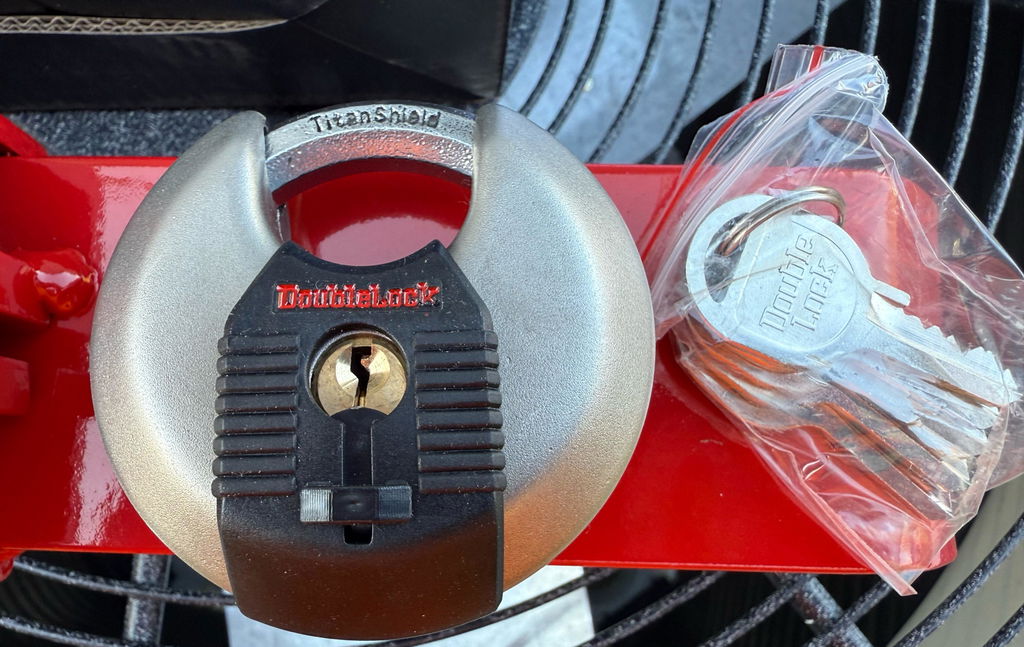
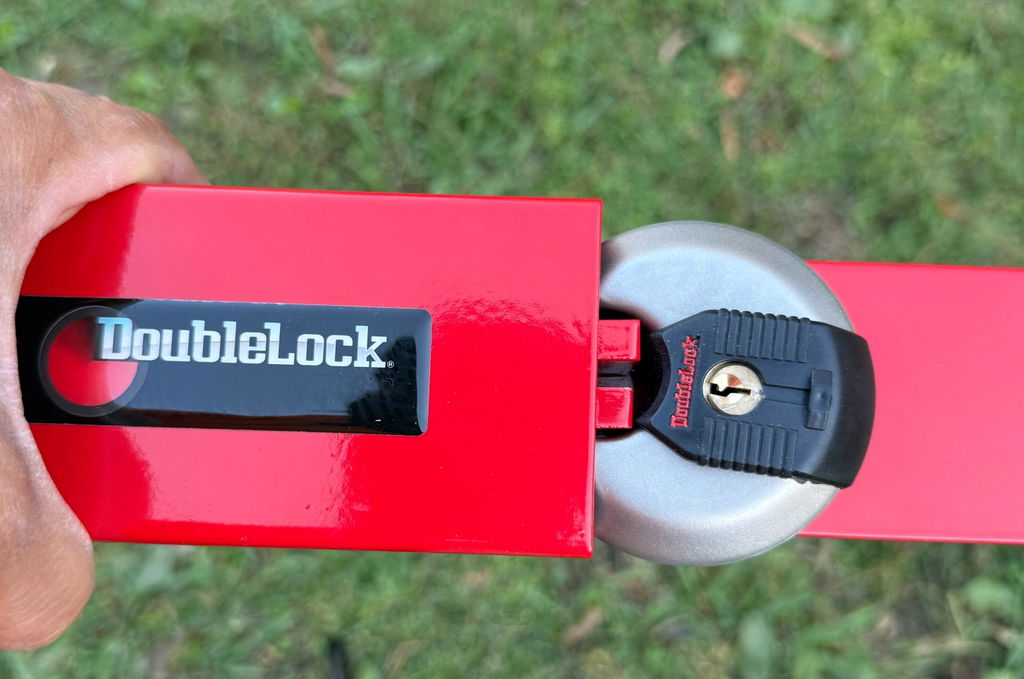
At DoubleLock USA, our entire focus is on providing unbeatable security. We believe that true protection starts with exceptional design and high-quality materials. Our locking hitch pins are crafted with 100% stainless steel, ensuring they can withstand harsh weather and resist corrosion, season after season. This dedication to quality is at the core of our story and reflects our promise to deliver products that offer real security for your towing needs. When you choose DoubleLock, you’re choosing a product designed and built to protect what matters most to you.
Look for Proven Industry Experience
A company's history often tells you a lot about the quality of its products. An experienced brand understands the real-world challenges your towing equipment will face, from corrosive road salt to the constant stress of the road. This knowledge is reflected in their product design and material choices. A brand with a strong heritage in security knows that durability is non-negotiable, which is why they choose materials like high-grade stainless steel to ensure their products function reliably for years. Choosing a brand with proven experience means you're not just buying a piece of hardware; you're investing in a solution that has been refined over time to offer dependable protection for your valuable assets.
What to Look for in a Premium Hitch Pin
A premium hitch pin is more than just a piece of metal; it’s an engineered security component. One of the most common mistakes is assuming any pin will do the job. It’s critical that your hitch pin matches your receiver size and hitch class, as using the wrong one can lead to rattling, excessive wear, and even dangerous towing failures. A reputable brand provides clear specifications and offers a range of hitch pins to ensure a perfect fit. Look for a snug, secure connection that minimizes movement and provides confidence on the road.
Why Quality Materials Matter
The material of your locking hitch pin directly impacts its strength, longevity, and resistance to tampering. While some steel is heat-treated for hardness, high-grade stainless steel provides an ideal balance of toughness and exceptional corrosion resistance, which is essential for marine and outdoor applications. A lower-quality pin might rust or corrode, weakening the metal and making it vulnerable to breaking under stress. Investing in a pin made from premium stainless steel ensures it will hold up against the elements and maintain its structural integrity for years of reliable use.
Are You Making These Common Hitch Pin Mistakes?
A locking hitch pin is a simple but essential piece of equipment. Its job is to keep your trailer securely connected to your vehicle, so getting it right is important. While it’s a straightforward tool, a few common missteps can compromise its effectiveness and even lead to unsafe towing conditions. From picking the wrong size to letting maintenance slide, these errors are easy to make but also easy to avoid. Taking a moment to understand how to properly select, use, and care for your hitch pin ensures it will perform reliably for years. Let’s walk through some of the most frequent mistakes so you can keep your trailer and your cargo safe on the road.
Picking the Wrong Size
It’s tempting to think any hitch pin will work in a pinch, but size is critical for a secure connection. A pin that’s too small for the receiver hole will have too much play, causing it to rattle and wear down. More importantly, it won't have the strength to handle the towing load and could shear off under stress. On the other hand, a pin that’s too large simply won’t fit. Before you buy, make sure you know your receiver’s size and your hitch class. The pin should fit snugly with just enough room to insert and remove it without a struggle. Matching the pin to your specific setup is the first and most important step toward safe towing.
Skipping Basic Maintenance
Even durable materials like stainless steel benefit from a little upkeep. Over time, road grime, dust, and moisture can work their way into the locking mechanism, causing it to stick or seize. A common mistake is to use the pin for years without ever cleaning or checking it. Every few months, take a moment to wipe the pin clean and test the lock with its key. If you feel any resistance, apply a small amount of a dry lubricant like graphite powder. This helps the internal components move smoothly without attracting the dirt that oil-based lubricants do. Regular care keeps your lock functioning correctly and prevents you from getting stuck with a trailer you can't unhitch.
Ignoring Its Security Features
Not all metals are created equal, and that’s especially true for towing equipment. While stainless steel is prized for its incredible resistance to rust and corrosion, its strength depends entirely on the quality of the alloy and the manufacturing process. A frequent misunderstanding is assuming any stainless steel pin offers the same level of security. Lower-grade steel might not provide the shear strength needed for heavy loads. That’s why it’s so important to choose a pin from a brand that prioritizes quality materials. At DoubleLock, our commitment to security means we use high-grade stainless steel engineered specifically for the demands of towing, giving you confidence in its performance.
Installing and Storing It Incorrectly
Proper installation is more than just sliding the pin through the hole. Always make sure the pin is fully inserted and that the locking mechanism clicks securely into place. Give it a quick tug to confirm it’s engaged before you hit the road. When you’re not using the pin, avoid tossing it in the back of your truck bed where it can collect dirt and moisture. Store it in a clean, dry place like a toolbox or glove compartment. This simple habit prevents debris from jamming the lock over time. Following these basic towing safety practices ensures your equipment is always ready to perform when you need it.
How to Maintain Your Stainless Steel Locking Hitch Pin
A stainless steel locking hitch pin is built for resilience, but a little routine care ensures it performs flawlessly for years. Just like any other essential piece of towing equipment, your hitch pin benefits from regular attention. Taking a few minutes for maintenance not only protects your investment but also gives you confidence that your connection is secure every time you hit the road. These simple steps will keep your hitch pin in top working condition, ready for any job or adventure.
Create a Cleaning and Lubrication Routine
Keeping your hitch pin clean and lubricated is the single best thing you can do for its longevity. Periodically remove the pin and wipe it down to get rid of any road grime or dirt. After cleaning, apply a thin coat of white lithium grease to the pin itself. This simple step helps prevent wear from metal-on-metal contact. For the locking mechanism, check that the key turns smoothly. If you feel any resistance, apply a small amount of dry lubricant to keep the tumblers moving freely without attracting dirt.
Know How to Store It Properly
If you know you won’t be towing for an extended period, it’s a good practice to remove the locking pin from your hitch receiver. Storing it in a dry place like a toolbox or garage cabinet protects it from constant exposure to moisture and road salt. This also prevents potential theft or tampering when your vehicle is unattended. Proper storage keeps the locking mechanism clean and reduces the chances of corrosion, ensuring it’s ready to go the next time you need it.
Inspect It Before Every Tow
Make a quick inspection part of your pre-towing routine. Before you hitch up, take a moment to look over the pin and lock. Check for any visible signs of bending, excessive wear, or damage. Insert the key and give it a turn to confirm the locking mechanism engages and disengages correctly. This simple check is a crucial step in any towing safety checklist and confirms that all your components are secure and functioning as they should before you start driving.
How to Troubleshoot Common Problems
Even with great care, you might eventually find the lock feels a bit sticky, especially if it’s exposed to harsh weather. If this happens, you can often solve the problem by pushing a small amount of clear silicone grease into the cylinder with the key. Work the key back and forth a few times to spread the grease. Always remember to replace the weather cap after locking or unlocking your pin. The cap is your first line of defense, sealing out the water and debris that cause these issues in the first place.
Related Articles
- The Ultimate Pintle Hitch Lock Buyer's Guide
- 5th Wheel Lock for Semi Trailer: The Ultimate Guide
- Kingpin Trailer Lock
Frequently Asked Questions
How do I know which size locking hitch pin to buy for my vehicle? The best way to find the right size is to check the specifications for your vehicle's trailer hitch receiver. Most receivers have a standard opening, typically 2 or 2.5 inches, which corresponds to a specific pin diameter. A proper fit is snug, preventing rattling and excessive wear on both the pin and your receiver. Taking a quick measurement or looking up your hitch class ensures you get a secure connection for safe towing.
Is stainless steel really strong enough for heavy towing? Absolutely, when it's the right kind of stainless steel. High-grade stainless steel, like the kind we use, is engineered specifically for the stress of towing. While some other steels are heat-treated for hardness, their weakness is a susceptibility to rust. The primary advantage of stainless steel is its exceptional resistance to corrosion, which means it maintains its structural integrity and strength over time, even when constantly exposed to rain and road salt.
What should I do if my lock starts to feel sticky or gets hard to turn? If your lock becomes difficult to operate, it's usually due to dirt or moisture inside the mechanism. The first step is to try cleaning it and applying a dry lubricant like graphite powder, which won't attract more grime. You can also work a small amount of clear silicone grease into the keyhole with the key. To prevent this, always make sure the weather cap is securely in place after each use to seal out debris.
How often should I be cleaning and lubricating my hitch pin? A good rule of thumb is to inspect and clean your hitch pin every few months, or at the beginning of each towing season. If you frequently tow in wet or salty conditions, you might want to check it more often. A quick wipe-down and a fresh application of lubricant takes only a few minutes and goes a long way in keeping the lock mechanism working smoothly and reliably.
Besides theft, what are the other benefits of using a locking pin over a standard one? While theft prevention is a major benefit, a locking hitch pin also provides a more secure and stable connection than a standard pin and clip. The locking mechanism ensures the pin cannot accidentally work its way out due to road vibrations, which adds an important layer of safety. This secure fit also helps reduce the rattling and movement between the ball mount and the receiver, leading to a quieter and smoother towing experience.