
You use heavy-duty tools for heavy-duty jobs. Your pintle hitch is a perfect example, built to handle massive loads a standard ball hitch can't. So, why would you secure it with a flimsy, generic lock? That's like trying to guard a bank vault with a simple bedroom door lock—it just doesn't make sense. To truly protect your valuable equipment, you need a pintle hitch lock designed to match the strength of your entire towing system. This guide will walk you through the options to help you find the right tool for the job.
Key Takeaways
- Prioritize a snug fit and hardened steel construction: A lock is only effective if it fits your hitch correctly, and high-quality materials are your best defense against brute-force attacks like cutting or prying.
- Create a layered security system for the best protection: A single lock can be a deterrent, but combining your pintle lock with other devices like a wheel clamp makes your trailer a significantly more difficult target for thieves.
- Invest in a lock designed for long-term durability: Look for weather-resistant features and a strong warranty, as these are key indicators of a quality product from a brand that stands behind its security promises.
What Is a Pintle Hitch Security Device?
If you’re hauling heavy equipment for construction, agriculture, or other demanding jobs, you probably rely on a pintle hitch. This robust system is built for strength and reliability, but that strength also makes your trailer a tempting target for thieves. A pintle hitch lock is a specialized security device designed to prevent your trailer from being stolen, whether it’s attached to your vehicle or parked on its own.
Unlike a standard padlock, a pintle hitch lock is engineered to fit the unique mechanism of a pintle hook and lunette ring. It acts as a physical barrier, making it impossible for someone to simply hook up your trailer and drive off. Investing in the right lock gives you peace of mind, knowing your valuable assets are protected. Before you can choose the best one, let’s break down exactly what a pintle hitch system is and how a lock keeps it secure.
First, What Is a Pintle Hitch System?
A pintle hitch is a heavy-duty towing setup designed for rough conditions and substantial weight. It consists of two main parts: a pintle hook, which looks like a claw or beak, mounted on the tow vehicle, and a lunette ring, a simple circular ring, on the trailer's tongue. The hook closes around the ring, creating a secure and flexible connection that can handle more movement and stress than a standard ball hitch.
This design is why you often see pintle hitches on commercial trucks, military vehicles, and construction equipment. They offer superior strength and articulation, making them ideal for towing on uneven job sites or off-road terrain where reliability is non-negotiable.
Common Drawbacks to Consider
While pintle hitches are incredibly strong, they do have a few trade-offs. For one, the ride can be noticeably rougher and noisier compared to a ball hitch. The loose coupling that allows for great articulation on uneven ground also creates more clatter during transport. Additionally, most pintle hitches are not compatible with weight distribution systems, which can affect towing stability when you're hauling particularly heavy or unbalanced loads. These are practical considerations for your day-to-day operations, but there's a more significant risk to think about.
The very design that makes a pintle hitch quick to connect also makes it a prime target for theft. Thieves often use “hook-and-go” methods, and an unsecured lunette ring is an open invitation. This vulnerability is a serious concern when your trailer and the equipment on it are worth thousands of dollars. Relying on the hitch's latch alone is not enough to protect your assets. A dedicated security device is essential to prevent someone from simply backing up, connecting to your trailer, and driving away with it in a matter of seconds.
How a Pintle Hitch Device Secures Your Trailer
A pintle hitch lock is designed to stop theft by physically obstructing the hitch mechanism. It prevents a thief from either connecting your trailer to their vehicle or disconnecting it from yours. When your trailer is unhitched, the lock fits into the lunette ring, making it impossible for a pintle hook to latch on. When your trailer is hitched, the lock secures the pintle hook's latch, so it can't be opened.
While a single high-quality lock is a powerful deterrent, the most effective way to protect your trailer is with layered security. This means using multiple security devices, like a coupler lock, a wheel clamp, and a GPS tracker, to create several obstacles for a potential thief.
Hitch Security vs. Coupler Security: What's the Difference?
It's common to mix up the terms, but hitch security and coupler security are designed for two distinct parts of your towing setup. Think of it like this: hitch security fastens the towing assembly to your truck, while coupler security protects the towable equipment itself. A hitch pin mechanism keeps your ball mount or pintle hook attached to your vehicle's receiver, so no one can remove it. A coupler guard, on the other hand, is made to cover your equipment's coupler, which stops a thief from connecting your hauler to their vehicle. A good coupler security device offers versatility and can be used whether your equipment is connected to your truck or parked by itself. For total protection, you really need both. They work in tandem to safeguard the entire connection, minimizing vulnerabilities for a potential thief to exploit.
Is a Pintle Hitch Security Device Really Necessary?
If you're towing heavy loads, you already know the value of a strong pintle hitch. But the hitch itself is only half the equation. A pintle hitch lock is what stands between your valuable trailer and a potential thief. It’s not just an accessory; it’s an essential tool for securing your assets and giving you peace of mind, whether your trailer is attached to your truck or parked for the night. Investing in a quality lock is a straightforward way to protect your property.
The Real Risk of Trailer Theft
It’s an unfortunate truth: trailer theft happens, and it happens fast. Many standard hitch locks can be broken in minutes by a determined thief who knows what they're doing. Understanding their methods, from using simple bolt cutters to more sophisticated attacks, is the first step in outsmarting them. A high-quality pintle hitch lock acts as a powerful visual and physical deterrent, signaling that your trailer is not an easy target. Investing in a lock designed to withstand common break-in techniques is one of the smartest moves you can make to protect your property.
Protect Your Valuable Equipment
Your trailer is valuable, but what it’s carrying is often worth far more. Whether it’s a full load of construction materials, expensive landscaping equipment, or a boat for a weekend on the lake, that cargo is your investment. A pintle hitch is designed for strength and reliability when towing heavy loads, and your lock should match that standard. A flimsy lock creates a weak point in your security chain. By choosing a robust pintle hitch lock, you’re not just securing the trailer; you’re safeguarding the tools and equipment that are vital to your business or your recreation. It’s about protecting your livelihood with a brand you can trust.
How a Security Device Impacts Insurance
Think of security in layers. A single lock might not be enough to stop a highly motivated thief, which is why a comprehensive strategy is so important. A tough pintle hitch lock is a critical layer in that defense system. While every insurance policy is different, taking proactive steps to secure your assets is always a good idea. Demonstrating that you’ve invested in top-tier security can be beneficial if you ever need to file a claim. More importantly, it reduces the chances you’ll ever have to. Building a complete security setup with multiple high-quality locks is the best way to protect your trailer from every angle.
Innovations in Modern Pintle Hitch Systems
Pintle hitch systems have long been the standard for heavy-duty towing because of their incredible strength and reliability. But even the most trusted tools can be improved, and modern engineering is bringing significant advancements to these workhorses. The focus of these innovations is on making the systems not only stronger but also safer and much more user-friendly. They address common pain points, like the difficulty of hooking up alone or the constant rattling on the highway. The latest designs incorporate features that reduce the potential for human error, stand up to harsh weather, and make the entire towing process smoother from start to finish. For professionals in construction or agriculture who connect and disconnect heavy equipment daily, these improvements save valuable time and add a layer of confidence. These modern systems are built for longevity and performance, ensuring your investment is protected for the long haul. As the technology in hitches advances, it's just as important to match it with security that can keep up, protecting your high-tech equipment with equally robust solutions.
Auto-Latching for Reduced Error
One of the most practical innovations in pintle hitches is the auto-latching mechanism. This feature simplifies the hookup process by automatically securing the latch once the lunette ring is correctly positioned. It provides clear auditory and visual cues to confirm a secure connection, which significantly reduces the chances of human error. For anyone who has ever second-guessed whether their trailer was properly attached, this technology offers valuable peace of mind. It’s especially useful for operators who frequently switch between trailers throughout the day, as it makes the process faster and more reliable every single time. This simple but effective design enhancement is a major step forward in towing safety.
Built-in Weatherproofing
Pintle hitches are constantly exposed to the elements, from rain and snow to road salt and mud. To combat this, manufacturers are now using advanced materials and finishes to create weather-resistant features. These hitches are designed to resist rust and corrosion, ensuring the moving parts of the mechanism continue to function smoothly over time. This focus on durability is crucial for anyone working in marine environments or in regions with harsh winters. Investing in a pintle hitch with built-in weatherproofing means you get a more reliable and longer-lasting piece of equipment. It’s a smart choice that protects your investment and ensures your hitch is ready to perform when you need it, no matter the conditions.
Features for Easier Hookup
Beyond automatic latching, modern pintle hitches include several design elements aimed at making the connection process as straightforward as possible. Many new models feature a wider funnel or opening, which helps guide the lunette ring into place, requiring less precise maneuvering of the tow vehicle. This is a huge help when you’re working alone or on uneven ground. Some systems are also designed to be more forgiving, allowing for a secure connection even if the alignment isn't perfect. These user-friendly features make the trailer hookup process less of a chore and more of a simple, repeatable task. They reduce physical strain and frustration, allowing you to get on the road faster.
Designs for a Quieter Ride
A common drawback of traditional pintle hitches has always been the noise. The rattling and clanking from the connection point can be distracting and suggest wear and tear. Recent advancements in pintle hitch technology directly address this issue by focusing on a tighter, more secure fit between the hook and the lunette ring. By minimizing the space between components, these new designs significantly reduce rattling and vibrations during transport. This not only creates a quieter and more pleasant driving experience but also lessens the constant stress on the towing equipment. A quieter ride is a sign of a more efficient and stable connection, which contributes to the overall longevity of your entire towing setup.
A Guide to Pintle Hitch Security Types
Once you know you need a lock, the next step is figuring out which type is right for your setup. Pintle hitch locks aren't one-size-fits-all. They come in a few key designs, each offering a different approach to securing your trailer. Getting familiar with these options will help you find the perfect match for your equipment and your peace of mind. Let's look at the most common types you'll find.
Understanding Pin-Style Security
The pin-style lock is one of the most common and straightforward options available. It works by replacing the standard hitch pin with a locking version. You simply slide the hardened steel pin through the receiver and the hitch, then secure it with the lock mechanism on the end. This prevents the pintle hook from being removed from your vehicle's receiver. While simple, a high-quality pin lock is an effective first line of defense. It’s an essential piece of towing security that is both easy to use and highly visible, deterring opportunistic thieves.
Securing the Coupler Mechanism
Coupler locks offer a more specialized layer of protection by securing the trailer's coupler mechanism itself. Instead of just securing the hitch to the truck, this type of lock fits over the coupler to prevent anyone from hooking up your trailer to their vehicle. Many are designed to be incredibly tough, with features that make them resistant to bolt cutters, prying, and drilling. This makes them a fantastic choice for trailers that are left unattended for longer periods. When you need robust protection for valuable cargo, a strong coupler lock is an excellent investment in security.
Securing the Lunette Ring on the Trailer
When your trailer is parked and unhitched, the lunette ring becomes an open invitation for theft. A security device designed specifically for this component is crucial for complete protection. This type of mechanism fits directly into the ring, creating a solid obstruction that prevents a thief from attaching their pintle hook. It’s a straightforward yet highly effective way to stop a theft before it can even begin. This approach is a key part of a layered defense, making sure your trailer stays right where you left it. To find the right fit for your equipment, you can explore a range of pintle security solutions that offer this specialized protection.
Should You Choose a Universal or Specific Fit?
Fit is everything when it comes to security. Pintle hitch locks come in two main fit types: universal and specific-fit. Universal locks are designed to work with a range of hitch sizes, which offers convenience if you use multiple trailers. However, a specific-fit lock is made to match your exact hitch dimensions, leaving no extra space for a thief to exploit. A snug fit is crucial for preventing tampering. Always make sure any lock you choose is rated for your trailer's towing weight. A lock that’s too small or weak can fail under pressure, compromising your entire towing setup.
Key Security Features to Look For
When you start comparing pintle hitch locks, you’ll notice they aren’t all built the same. The right lock is more than just a piece of metal; it’s a carefully designed security device. To make a smart choice, you need to know what to look for. Think of it like an inspection: you want to check the materials, the design, how it fits, its internal mechanics, and how well it holds up to the elements.
A lock’s strength starts with its foundation, so the quality of the metal is non-negotiable. But brute strength isn’t everything. A truly secure lock also has clever design features that anticipate how a thief might try to break it. Getting the right fit is just as important, as a loose lock can be easily defeated. You’ll also want to consider the lock cylinder itself, since a determined thief might try to pick or drill it. Finally, since your equipment is often exposed to the outdoors, your lock needs to be tough enough to handle any weather without seizing up. Let’s walk through each of these features so you know exactly what to look for.
Why Do Quality Materials Matter?
The foundation of a reliable lock is the material it’s made from. Look for locks constructed from heavy-duty, hardened steel. This isn't the place to compromise. A high-quality steel lock is your first line of defense, providing the raw strength needed to resist cutting, hammering, and prying. When a thief sees a solid steel lock, they know it will take significant time and effort to break, which is often enough to deter them completely. Investing in a lock made from superior materials ensures it can withstand brute-force attacks and protect your valuable trailer and equipment.
Beyond Steel: Aircraft-Grade Aluminum and Nodular Iron
While hardened steel is the industry standard for a reason, some of the most innovative security devices incorporate other high-performance materials. For example, you might find products made from aircraft-grade aluminum. This material offers an impressive strength-to-weight ratio and excellent corrosion resistance, making it ideal for equipment that needs to be both tough and durable in outdoor settings. Other designs use nodular iron, which provides the strength of steel with superior resistance to wear and impact. These advanced materials aren't just marketing buzzwords; they are chosen specifically to create a security device that is harder to defeat and built to last through years of demanding use on the job site.
Specialized Treatments for Longevity
The raw material of a security device is critical, but how it’s finished is just as important for long-term performance. The best products often feature specialized treatments to enhance their durability. This can include advanced lubricants that reduce friction and prevent internal components from seizing up over time. You’ll also see protective features like rubber caps or weather seals designed to protect equipment from dirt, moisture, and road grime. These details are what separate a reliable, long-lasting device from one that fails after a season of bad weather. A security product that resists corrosion and operates smoothly year after year is one you can count on when you need it most.
Designs That Deter Theft
Beyond strong materials, the best locks incorporate intelligent designs meant to outsmart thieves. Some of the most effective pintle hitch locks are specifically engineered to be bolt cutter and crowbar-proof. These designs often feature recessed pins, overlapping components, or unique shapes that prevent a thief from getting the leverage needed to break the lock. These features are critical because they address the most common tools used in trailer theft. A smart design doesn't just resist force; it makes applying that force nearly impossible, adding a crucial layer of protection.
Plate-Style and Disk-Style Designs
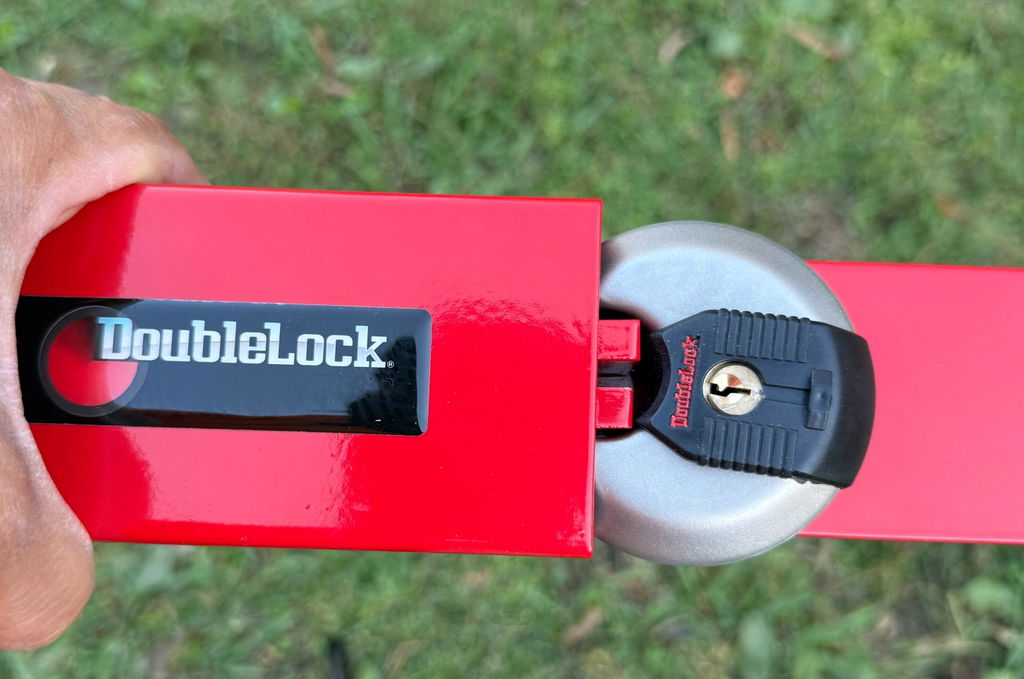
Plate and disk-style security devices are engineered specifically for the unique shape of a pintle hitch system. When your trailer is unhitched, this type of device fits securely into the lunette ring, creating a solid barrier that makes it impossible for a thief’s pintle hook to latch on. This design physically obstructs the connection point, which is a far more effective strategy than using a generic mechanism that wasn't made for the job. These devices are built to fit snugly, leaving no room for tools to gain leverage. Choosing a purpose-built security device ensures every component works together to create a formidable defense against theft.
Shielded and Hardened Shackles
The shackle is often the first part of a security device a thief will attack, so its construction is critical. The foundation of a reliable device is the material it’s made from, which is why you should always look for options built from heavy-duty, hardened steel. This provides the raw strength needed to resist cutting and prying. Beyond the material, look for a shielded design. This means the shackle is recessed or covered by the device's body, making it extremely difficult for bolt cutters to get a grip. A shielded, hardened shackle is a clear sign of a high-quality security mechanism designed to anticipate and defeat a thief’s methods.
Why a Perfect Fit Is So Important
A pintle hitch lock is only effective if it fits snugly. A lock that’s too loose can be jiggled, pried, or even smashed off with a hammer. Before you buy, double-check that the lock is compatible with your specific lunette eye size. The 2-1/2 to 3-inch size is very common, but it’s always best to measure yours to be certain. A proper fit leaves no room for a thief to insert a crowbar or other tools, ensuring the lock and hitch work together as a solid, unified system. This simple step is one of the most important for effective security.
Understanding Pick-Resistant Mechanisms
While some thieves rely on force, others use skill. That’s why a pick-resistant lock mechanism is so important. Look for locks that feature complex key designs and internal workings that are extremely difficult to pick or drill. High-security cylinders often use specialized pins and tumblers that won't yield to standard lock-picking tools. This feature provides peace of mind, knowing your trailer is protected not just from opportunistic smash-and-grab attempts but also from more calculated, sophisticated attacks. It’s a key detail that separates a basic deterrent from a truly secure lock.
Weather Resistance and Durability
Your trailer and hitch are constantly exposed to the elements, and your lock should be too. A great lock is built to last, with features that protect it from rain, snow, dust, and road salt. Look for locks with a durable coating to prevent rust and corrosion. Many top-tier locks also include a strong rubber cap to shield the keyhole from debris and moisture. Some are even treated with special lubricants to ensure smooth operation for years. This focus on our heritage of durability means your lock will function reliably when you need it, no matter the conditions.
Convenience and Usability Features
Security is the main goal, but if a device is a pain to use, you might be tempted to skip it. The best protective devices are the ones you use consistently, and that’s where convenience comes in. Features that make a device easier and faster to operate aren’t just nice to have; they’re a crucial part of an effective security routine. They remove friction from the process, ensuring that protecting your equipment becomes a simple, thoughtless step rather than a frustrating chore you might put off. When a security device is designed with the user in mind, it integrates seamlessly into your workflow.
Push-to-Secure Mechanisms
A push-to-secure mechanism is a simple feature that makes a big difference in daily use. Instead of fumbling with a key to engage the device, you just push the cylinder into place until it clicks. It’s a quick, one-handed operation that secures your trailer in seconds. This is especially helpful when you’re working in bad weather or tight spaces. This design streamlines the process of securing your hitch, making it less of a hassle and more of a habit. When security is this straightforward, you’re more likely to use your device every single time, which is the whole point.
Key-Retaining Safety Features
A key-retaining feature is another small detail with a major impact on usability and safety. This design prevents you from removing the key until the device is fully and correctly engaged. It’s a clever way to avoid a common mistake: walking away thinking your trailer is secure when it isn't properly closed. It also eliminates the risk of accidentally leaving your key behind. Since the key stays with the device until it's secured, you always know where it is. This feature adds an extra layer of certainty to your security routine, ensuring the job is done right every time.
Included Padlocks and Keys
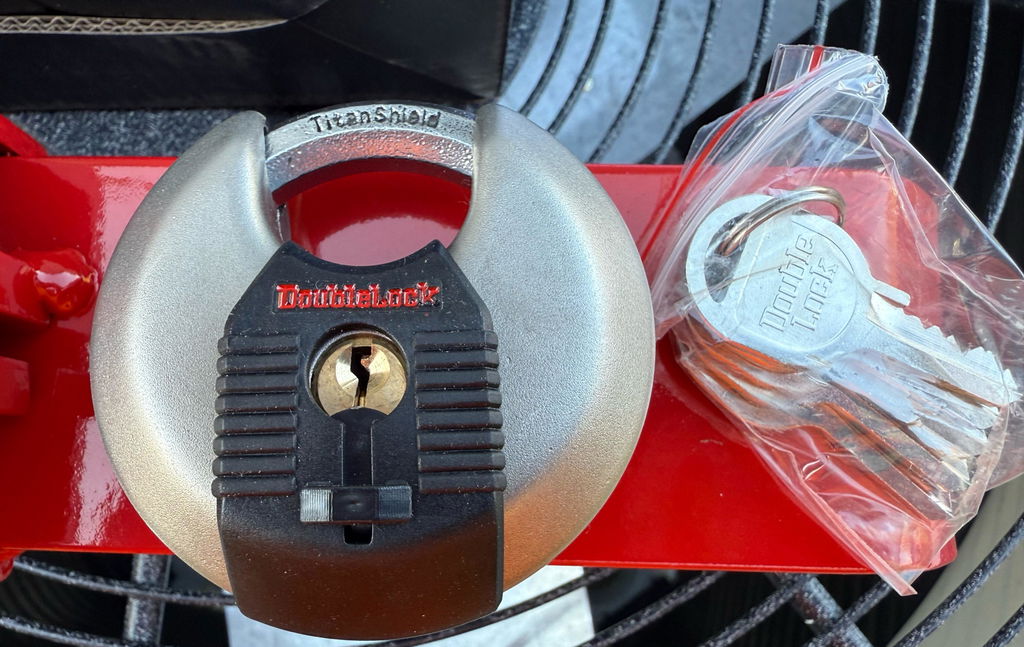
When you invest in a pintle hitch security device, you want a complete solution. Some of the best systems come as a full kit, with a high-quality accompanying security piece and keys included, ensuring every component is designed to work together perfectly. This saves you the time and guesswork of finding a separate item that fits correctly and offers a comparable level of security. Getting everything you need in one package means you can protect your trailer right out of the box. It’s a sign of a brand that understands the importance of a seamless, integrated security system and stands behind its promise of total protection.
What Makes a Pintle Hitch Security Brand Trustworthy?
When you’re securing thousands of pounds of equipment, you need more than just a piece of metal; you need confidence. Choosing a pintle hitch lock from a trustworthy brand gives you peace of mind, knowing your investment is protected by a company that stands behind its products. But what exactly makes a brand worthy of your trust? It comes down to a few key things: the quality of their materials, a proven track record of reliability, and the support they offer you long after you’ve made a purchase.
A brand's reputation is built on its commitment to excellence in these areas. Think of it this way: a great lock is a promise that your trailer and its contents will be safe. A trustworthy brand is one that consistently keeps that promise. They don’t cut corners on materials or design, and they are there for you if you ever run into an issue. Looking for these signs of a reputable company helps you find a lock that provides real security, not just the appearance of it. This is about finding a partner in protection for your valuable assets.
A Commitment to Quality Materials
The foundation of any reliable lock is the material it’s made from. A trustworthy brand will always be transparent about its use of high-quality materials because they know that’s what provides real strength. Look for locks constructed from heavy-duty, hardened steel, which is designed to resist cutting, drilling, and tampering. A brand that invests in premium materials is a brand that invests in your security. They understand that a lock is only as strong as its weakest point, so they ensure every component is built for durability and long-term performance, standing up to both determined thieves and harsh weather conditions.
Proven Security and Reliability
A great brand doesn’t just talk about security; they prove it. Pintle hitches are designed to tow immense loads, sometimes exceeding 60,000 pounds, so the lock you choose must be incredibly reliable. Trustworthy brands have a track record of proven security backed by rigorous testing and positive customer feedback. Their products are designed to perform flawlessly every time you use them. This reliability ensures your trailer stays securely hitched, whether you’re driving down the highway or leaving it parked at a job site. A brand with a solid reputation gives you confidence that your lock won’t fail when you need it most.
Excellent Customer Support and Warranty
A company’s commitment to you shouldn’t end once you’ve bought their product. A trustworthy brand stands behind its locks with a strong warranty and accessible customer support. A limited lifetime warranty, for example, shows that the company is confident in its product's quality and durability. It’s a clear signal that they’ve built their locks to last. Furthermore, if you have questions about installation or encounter a problem, you want to know that a helpful support team is ready to assist. This level of service builds lasting trust and shows that the company truly cares about your security and satisfaction.
What Determines the Price of a Pintle Hitch Device?
When you’re shopping for a pintle hitch lock, you’ll notice a wide range of prices. It can be tempting to just grab the cheapest one, but the price tag often tells a story about the lock’s quality and its ability to protect your assets. A higher price usually points to better materials, smarter security features, and a more durable design that can withstand determined thieves and harsh weather. Think of it as an investment in security. Paying a little more for a reliable lock can prevent the massive cost and headache of dealing with a stolen trailer and its valuable contents. A cheap lock that fails isn't a bargain; it's a liability.
Understanding what goes into the cost helps you make a smart decision that fits your needs and budget. The main factors that influence the price are the quality of the materials used, the sophistication of the security features, the overall product design, and the warranty that backs it all up. Knowing the difference between a budget lock and a premium one can save you from making a costly mistake. Let’s break down what each of these means for you and your wallet, so you can choose a lock with confidence.
Quality of Materials
The single biggest factor affecting a lock's price is what it’s made of. Most high-quality locks are constructed from heavy-duty steel, which gives them the strength to stand up to serious abuse. This isn't the place to cut corners. A lock made from a weaker metal might be cheaper, but it can also be easily broken, cut, or drilled by a determined thief. When you pay for a lock made from hardened or heavy-duty steel, you’re paying for resilience. It’s built to last through rough weather and resist brute-force attacks, giving you confidence that your trailer is secure.
Advanced Security Features
Beyond the material itself, the lock’s specific security mechanisms play a huge role in its price. Basic locks might deter a casual thief, but more sophisticated designs are needed to stop experienced ones. Look for locks that are specifically marketed as anti-theft or resistant to tools like bolt cutters and crowbars. These advanced security products often feature unique shapes that are difficult to grip with tools, internal mechanisms that are pick-resistant, and construction that leaves no weak points exposed. This level of engineering requires more research and development, which is reflected in the final cost.
Design and Warranty Coverage
A lock’s design goes beyond its security features. Small details can make a big difference in its longevity and performance. For example, many top-tier locks have a protective finish, like a zinc primer with an epoxy powder coat. This coating helps prevent rust and corrosion, which is essential for a piece of equipment that’s constantly exposed to the elements. Additionally, a strong warranty is a sign that the manufacturer believes in its product. A company offering a limited lifetime warranty is confident that its lock will perform as promised for years to come, which adds significant value to your purchase.
Understanding Common Price Points
Pintle hitch locks are available at several price levels, and what you pay often directly relates to the security you get. Budget-friendly options might seem appealing, but they typically offer basic deterrence and can be vulnerable to a determined attack. Moving into the mid-range, you’ll find locks made from hardened steel with better designs that offer a solid balance of cost and protection. This is often the best value for most users. At the premium end, you are investing in maximum security—locks with advanced, tool-resistant designs, superior weatherproofing, and comprehensive warranties. Choosing the right one means matching the lock’s value to the value of what you’re protecting; a cheap lock is no bargain if it fails to protect your assets.
How to Get the Best Value
Getting the best value doesn’t mean finding the lowest price. It means finding the right balance of security, durability, and cost. To make a smart purchase, always prioritize a lock made from heavy-duty steel. This is the foundation of strong security. Next, consider the value of your trailer and its typical contents. A more valuable load justifies a lock with more advanced anti-theft features. Finally, keep an eye out for deals. Sometimes you can find discounts or coupons, especially if you’re buying more than one lock. Investing in a quality lock from a brand with a proven commitment to security is always the best value in the long run.
Common Mistakes When Choosing a Security Device
Choosing the right pintle hitch lock seems straightforward, but a few common missteps can leave your trailer vulnerable. Taking a moment to think through your purchase will save you a lot of headaches and potential loss down the road. By avoiding these frequent errors, you can ensure your equipment is protected by a lock that’s truly up to the task. Let’s walk through what to watch out for so you can make a confident and secure choice.
Getting the Wrong Size or Fit
One of the most common mistakes is buying a lock that doesn’t fit your pintle hitch correctly. A lock that’s too loose is an open invitation for thieves, as it leaves gaps where they can insert a crowbar or other tools to pry it open. Before you buy, measure your hitch and coupler to ensure you get a snug fit. An ill-fitting lock isn't just a security risk; it can also rattle and potentially damage your equipment over time. Always check the manufacturer's specifications to confirm the lock is compatible with your specific hitch model. A secure fit is your first line of defense.
Overlooking Material Quality
The strength of your lock is only as good as the materials it’s made from. It’s tempting to grab the cheapest option, but a low-quality lock is a weak link in your security chain. Look for locks made from hardened steel or other durable alloys that can resist cutting, drilling, and brute-force attacks. Consider what you’re hauling; the security you need for a trailer full of expensive construction equipment is different from what you need for a small utility trailer. Investing in a lock made with high-quality materials ensures it can handle both the job and any potential threats.
Forgetting About Weather Resistance
Your pintle hitch lock lives outside, exposed to everything from rain and snow to road salt and mud. Without proper protection, its internal mechanism can rust and seize, leaving you unable to unlock it when you need to. Always look for locks with weather-resistant features. This could be a chrome-plated finish, a stainless steel body, or a rubber cap that protects the keyhole from dirt and moisture. A lock that can withstand the elements will operate smoothly for years, providing reliable security no matter the weather conditions. This small detail makes a huge difference in the lock’s long-term performance.
Depending on a Single Layer of Security
While a high-quality pintle hitch lock is essential, relying on it as your only security measure can be a mistake. Determined thieves often look for easy targets, and a single lock might not be enough to stop them. The best way to protect your trailer is to use a "layered security" approach, which means using several different types of locks and deterrents. You can combine your pintle hitch lock with a coupler lock, a wheel chock lock, or even a GPS tracker. Making your trailer a more difficult target will encourage thieves to move on to an easier one.
How to Install and Maintain Your Pintle Hitch Device
Choosing a great pintle hitch lock is the first step. The next is making sure you install and maintain it correctly so it can do its job for years to come. A lock is only as effective as its application, so taking a few extra minutes to get it right can save you a lot of headaches down the road. Proper care ensures your lock withstands weather, wear, and any attempts at tampering. Think of it as simple upkeep for your peace of mind.
A Simple Guide to Installation
Getting your pintle hitch lock set up correctly is straightforward. Before you even attach the hitch, it’s a good idea to check your vehicle’s manual for its specific towing capacity. This ensures your entire setup is rated for the load you’re hauling. Once your hitch is in place, securing it is the most important part. Always use a high-quality hitch pin or lock to connect the hitch to your vehicle's receiver. For your trailer, slide the pintle hitch lock through the coupler and secure it. Give it a firm tug to confirm it’s locked tight. Make sure the key mechanism is working smoothly before you hit the road.
Tips for Long-Lasting Performance
A little maintenance goes a long way in extending the life of your pintle hitch lock. Every few months, give it a quick inspection. Look for any signs of wear, cracks, or damage that could compromise its strength. It’s also smart to apply grease to the moving parts to keep them operating smoothly and reduce friction. Check that the mounting bolts on your hitch are tight, as vibrations from the road can sometimes loosen them over time. If you notice any parts are worn out, it's best to replace them right away. These simple habits will keep your lock in top condition and ready to protect your trailer.
How to Troubleshoot Common Issues
Even with a solid lock, it’s good to be aware of potential weak points. Some thieves might try to bypass a tough lock by unbolting the entire hitch assembly from the vehicle. You can counter this by using locking nuts or even tack welding the bolts. Another common issue is an improperly closed pintle hook. Always double-check that the hook is fully closed and latched before adding your lock. Many pintle hooks also have a spot for a safety pin, which adds another layer of security. If your lock ever feels stiff or difficult to open, a quick spray of lubricant can usually solve the problem.
How to Choose the Right Pintle Hitch Security Device
You're ready to pick a lock. With so many options out there, finding the right one comes down to a few key considerations. Think about what you're protecting, the specific setup of your hitch, and how you'll use the lock day-to-day. Let's break down how to choose a pintle hitch lock that gives you confidence every time you unhitch your trailer.
Matching the Device to Your Trailer's Value
Think of your pintle hitch lock as an investment that protects a much larger one: your trailer and its cargo. The level of security you need should match the value of what you're hauling. For high-value equipment or a custom trailer, a basic lock just won't cut it. You'll want to look for a heavy-duty lock made from hardened steel. This type of material is incredibly tough to cut or break, providing a serious defense against theft. A visibly robust lock also acts as a powerful deterrent, signaling to potential thieves that your trailer is not an easy target. Explore our full range of security solutions to find a lock with the strength you need.
Check for Size and Compatibility
A pintle hitch lock is only effective if it fits correctly. An ill-fitting lock can be easily broken or bypassed, leaving your trailer vulnerable. Before you buy, take a moment to measure your equipment. You need to know the diameter of the hole in your pintle hook and the size of your lunette ring. For example, a 5/8-inch hitch pin won't work if your receiver has a 1/2-inch hole. Always double-check the lock's specifications against your measurements to ensure a snug, secure fit. This simple step prevents the headache of returns and guarantees your lock can do its job properly. For more details on different setups, you can learn more about towing security.
Matching the Device to Your Pintle Eye Size
The effectiveness of your security device comes down to its fit, particularly with your trailer's lunette ring, also known as the pintle eye. A device that’s too loose creates a dangerous vulnerability, giving a thief just enough space to use a crowbar or other tools to pry or even smash it off. While many pintle eyes are a standard 2-1/2 to 3 inches, you should always measure your own to be certain. A snug fit is your first line of defense, leaving no room for tampering and ensuring your security device and hitch work together as a solid, unified system. This simple check is one of the most important steps in creating a truly secure connection.
Find the Right Balance of Convenience and Security
Security shouldn't make your life difficult. It's important to find a lock that is both tough on thieves and easy for you to use. If you manage multiple trailers or use several locks, consider a keyed-alike system. This allows you to open all your locks with a single key, which saves time and hassle. At the same time, remember that a single lock might not be enough to stop a truly determined thief. The best defense is a layered approach. Combining your pintle hitch lock with other security measures, like a wheel clamp or a GPS tracker, creates multiple obstacles that make your trailer a much harder target to steal.
Related Articles
- Kingpin Trailer Lock
- LION Trailer Lock | Kingpin Trailer Lock
- SCORPION Tow Hitch Lock | Pintle Hitch Lock
Frequently Asked Questions
Can I just use a regular padlock on my pintle hitch? While it might seem like a quick fix, a standard padlock isn't designed for the specific stresses and security needs of a pintle hitch. Pintle hitch locks are engineered to fit the lunette ring or pintle hook mechanism perfectly, leaving no gaps for a thief to exploit with a crowbar. They are also built from much stronger materials, like hardened steel, to resist bolt cutters and other tools that would make short work of a regular padlock.
What's the single most important feature to look for in a lock? If you have to prioritize one thing, make it the material. A lock made from heavy-duty, hardened steel is the foundation of good security. This is what provides the brute strength to resist cutting, drilling, and hammering. While features like pick-resistant cylinders and weather-proof coatings are also very important, they won't matter much if the body of the lock can be easily broken.
How do I make sure I buy the right size lock? Getting the fit right is critical, and it's simpler than it sounds. Before you shop, take a moment to measure the diameter of your lunette ring and the pinhole on your pintle hook. Most locks will list the specific sizes they are compatible with, such as a 2-1/2 to 3-inch lunette eye. Comparing your measurements to the product specifications ensures you get a snug fit that leaves no room for tampering.
Is one lock really enough to protect my trailer? A high-quality pintle hitch lock is an excellent and necessary deterrent, but the most secure trailers use a layered approach. Think of it as creating multiple problems for a potential thief. By combining your pintle hitch lock with another device, like a wheel clamp or a coupler lock, you make your trailer a much more difficult and time-consuming target. This often convinces thieves to move on to an easier score.
My lock is starting to stick. Can I fix it or do I need a new one? A sticking lock is usually a sign that it needs a little maintenance, especially if it's been exposed to a lot of rain or road grime. Before replacing it, try cleaning out the keyhole and applying a spray lubricant designed for locks. If the lock has a protective rubber cap, make sure you use it to keep debris out. Regular cleaning and lubrication can keep your lock working smoothly for years.