
You’ve invested in a trailer, but what about the small parts that keep it safe? While you might focus on the trailer itself, the components holding it together are just as critical. A trailer hitch lock pin is a perfect example. This small, affordable accessory provides an enormous return by protecting your much larger investment from theft or a dangerous disconnection. It’s the difference between leaving your trailer with confidence and worrying every time it’s out of sight. Choosing the right one is simple when you know what to look for, from materials and brands to the right fit for your specific hitch receiver.
Key Takeaways
- Understand its dual purpose: A hitch lock pin is essential for both safety and security. It ensures your trailer stays connected to your vehicle on the road while also preventing thieves from stealing your hitch-mounted accessories.
- Get the right fit for safety: Using the correct size pin is crucial for safe towing. Match the pin's diameter and length to your vehicle's hitch receiver to prevent dangerous movement and potential equipment failure while driving.
- Choose features for long-term use: A quality lock is a smart investment. Opt for durable, weather-resistant materials like stainless steel and check that the lock's weight capacity is rated for your trailer to ensure it performs reliably for years.
What Is a Securing Hitch Pin and Why Is It a Must-Have?
If you use your vehicle for towing, a trailer hitch lock pin is one of the most important accessories you can own. It’s a small but mighty piece of hardware that serves two critical functions: it keeps your trailer safely connected to your vehicle and protects your equipment from theft. Understanding its role is the first step in choosing the right one for your setup. Let's look at exactly what it does and why it's an essential part of any towing system.
How a Securing Hitch Pin Works
At its core, a hitch pin is a metal rod that holds your trailer accessory, like a ball mount or a bike rack, securely inside your vehicle's hitch receiver. Think of it as the linchpin that holds your entire towing setup together. Without it, there is nothing to stop your ball mount from sliding out of the receiver tube. A simple pin and clip will do the job of holding things in place, but a trailer hitch lock goes a step further by adding a locking mechanism. This ensures the connection is not only stable but also secure from anyone who might try to tamper with it.
How It Makes Your Towing Safer
Using the correct hitch pin is fundamental for safe towing. A pin that is too small or short for your receiver can allow for excessive movement, which leads to premature wear on both your hitch and your accessory. More importantly, an improper fit can cause the pin to fail under stress, potentially allowing your trailer to detach while you are on the road. This is an incredibly dangerous situation for you and other drivers. A properly sized and rated hitch pin ensures a snug, secure connection, minimizing rattle and strain on your equipment. This gives you the confidence that your load is safely attached for the entire journey.
Keeping Your Trailer Protected
Beyond safety, a major reason to use a locking hitch pin is to prevent theft. Your ball mount, bike rack, or cargo carrier can be a tempting target for thieves, and a standard, non-locking pin can be removed in seconds. A locking hitch pin replaces the simple clip with a keyed or combination lock, creating a strong deterrent. This simple upgrade secures your investment and prevents the headache of arriving at your vehicle to find your expensive towing accessory missing. For anyone who leaves their vehicle unattended with a trailer or accessory attached, a robust locking pin is an essential layer of security.
What Are the Different Types of Hitch Pins?
Once you understand the basics of what a hitch lock pin does, you can explore the different types available. The right pin for you depends on your specific needs, from how often you tow to the level of security you require. Some pins are designed for pure convenience, while others are built to offer maximum protection against theft. Think about where you park your trailer and what you’re hauling. A simple pin might be fine for quick trips across town, but leaving valuable equipment at a construction site or a boat at a public ramp calls for a more secure solution.
Choosing the right type isn't just about security. It’s also about improving your towing experience. For example, some pins are specifically designed to reduce the annoying rattling and clanking that can happen with a loose-fitting hitch, making for a quieter and smoother ride. Others have features that make them easier to handle, which is a big plus if you’re frequently connecting and disconnecting your trailer. We’ll walk through the most common options so you can find the perfect match for your setup.
Understanding Basic Hitch Pins
A basic hitch pin is the simplest option for securing your trailer. It’s a strong metal rod that slides through the holes in your hitch receiver and ball mount, holding the two pieces together. A small cotter pin or clip then fastens to the end of the hitch pin to keep it from sliding out while you’re on the road. This type of pin does its job of keeping your trailer connected to your vehicle, but it offers no theft protection. Since it can be removed in seconds, it’s best used for situations where you can keep an eye on your trailer or when theft is not a major concern.
Exploring Securing Hitch Pins
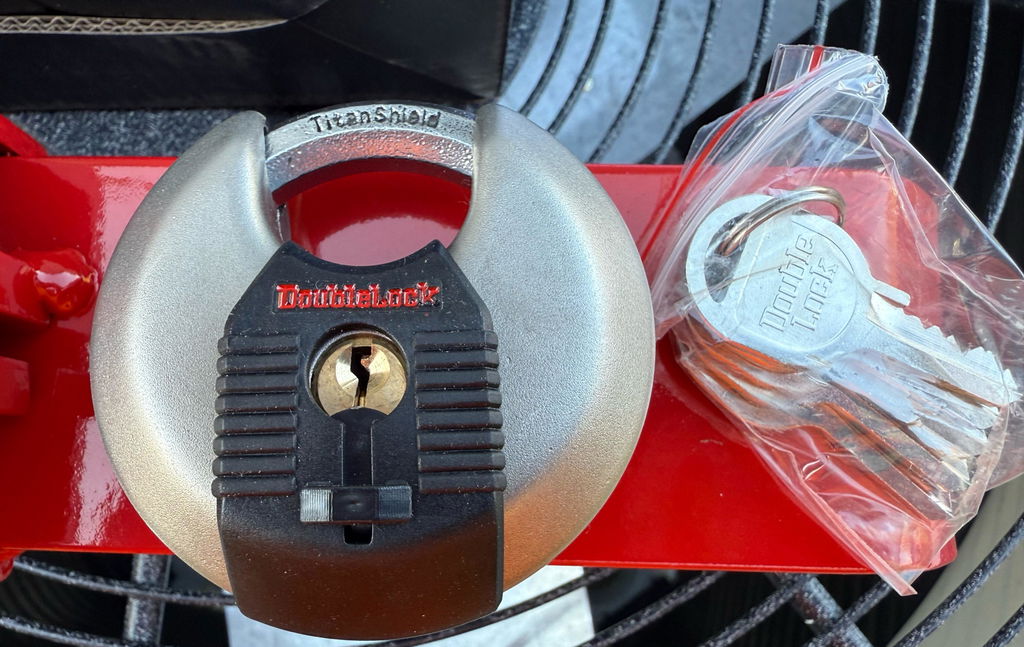
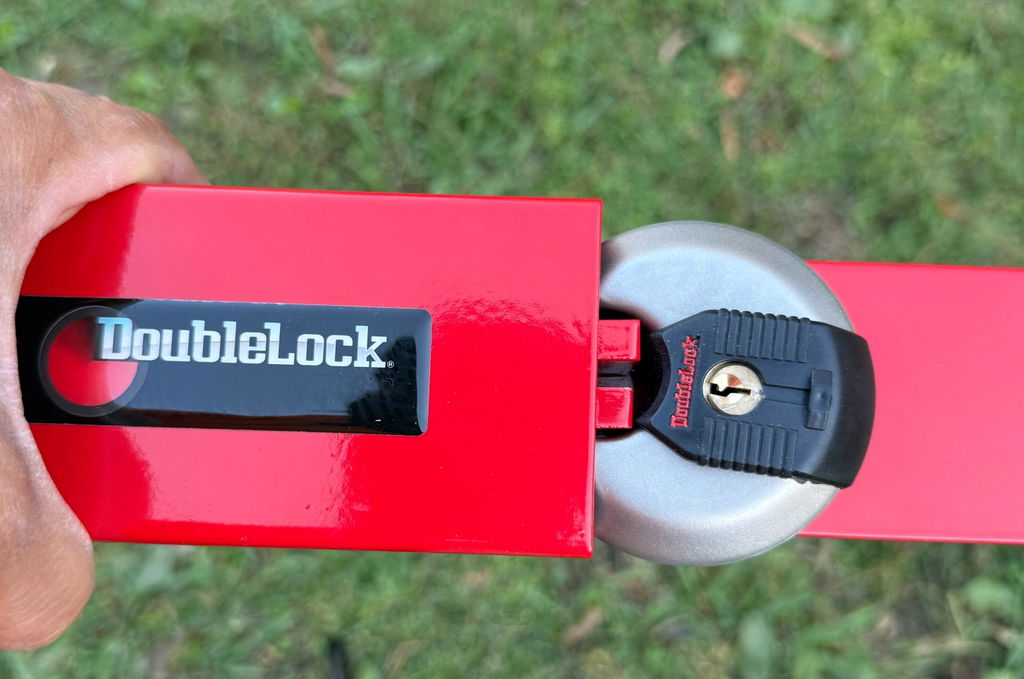
For a serious security upgrade, a locking hitch pin is the way to go. It functions just like a basic pin, but one end features a built-in lock that requires a key to open. This simple but effective design prevents a thief from pulling the pin and detaching your trailer or hitch-mounted accessory. Investing in one of our durable trailer locks provides the peace of mind you need when leaving your trailer at a job site, campground, or storage lot. It’s a small step that makes a huge difference in protecting your property.
How Anti-Rattle Pins Work
If you’ve ever been annoyed by the sound of your hitch connection shaking and clanking as you drive, an anti-rattle hitch pin is the solution. These pins are designed to create a tight, secure fit inside the receiver, which significantly reduces movement and noise. They work by applying constant pressure to stabilize the connection, resulting in a much quieter and more pleasant towing experience. Many anti-rattle models also include a locking mechanism, so you get the dual benefits of a peaceful ride and solid theft protection.
The Role of Rubber O-Rings
You might notice small rubber O-rings on some hitch locks, and they serve a very practical purpose. These rings create a tight seal around the lock mechanism, which is your first line of defense against the elements. By keeping moisture, dirt, and road grime from getting inside the lock, they help prevent the internal components from rusting or seizing up. This is especially important if you frequently tow in rainy or dusty conditions. A lock with well-placed O-rings is more likely to function smoothly and reliably for years, saving you from the frustration of a lock that won’t open when you need it to.
In addition to protecting the lock's internals, O-rings also help to reduce noise and vibration. They provide a bit of cushion between the lock and the pin, which minimizes rattling as you drive. This not only makes for a quieter ride but also reduces the wear and tear that can occur when metal parts are constantly vibrating against each other. It’s a small detail, but it contributes to a more secure connection and a better overall towing experience. When you're choosing a lock, looking for features like O-rings shows that the manufacturer has considered both durability and user comfort.
The Benefits of Swivel Head Pins
A swivel hitch pin is all about convenience. This design features a built-in clip that pivots and stays permanently attached to the pin itself. The main advantage is that you never have to worry about misplacing the small cotter pin that standard hitch pins use. This makes them incredibly easy and fast to use, which is ideal if you are connecting and disconnecting your trailer frequently. While they are very practical, most swivel pins are a type of basic, non-locking pin, so they are best suited for low-risk situations where security isn't the top priority.
Clevis and Adapter Pins
While most trailers you see on the road use a ball mount, you might run into different connection styles, especially with agricultural or heavy-duty equipment. This is where clevis and adapter pins come into play. A clevis pin is a straightforward, heavy-duty fastener used to connect a tow vehicle to an implement with a drawbar or clevis-style hitch. Instead of sliding into a square receiver tube, it passes through the loops of the clevis and drawbar and is held in place with a simple clip. Their main appeal is rugged simplicity. Adapter pins offer even more versatility, letting you bridge the gap between different hitch systems. For instance, an adapter can allow you to connect a standard ball mount to a tractor’s clevis hitch, making your equipment more flexible. These pins are all about function and compatibility for specific towing jobs.
Premium vs. Standard Pin Materials
The material your hitch pin is made from will determine its durability and resistance to the elements. For locks that will be constantly exposed to rain, snow, and road salt, stainless steel is the best choice because it effectively prevents rust and corrosion. If your trailer is usually parked in a garage and used in milder conditions, a chrome-plated steel lock is a reliable and more budget-friendly option. Our commitment to quality ensures that our locks are made from materials that can handle tough environments, so your connection stays strong and secure for years to come.
How to Find the Right Hitch Pin Size
Selecting the right hitch lock pin is about more than just security; it’s a critical part of safe towing. A pin that’s too small or too short can create a dangerous situation on the road. The good news is that finding the perfect fit for your setup is straightforward. It all comes down to taking a few simple measurements and understanding what they mean. Let’s walk through the steps to make sure you choose a hitch lock pin that keeps your trailer accessory securely attached, giving you peace of mind on every trip.
Start by Measuring Your Hitch Receiver
Before you can choose a pin, you need to know the size of your hitch receiver. The receiver is the square tube on your vehicle where you insert your ball mount or other towing accessory. The opening size is the key measurement you need. Most receivers have their size printed on them, but if not, you can easily measure the inside height and width with a tape measure. The most common sizes are 1-1/4 inches, 2 inches, and 2-1/2 inches. This single measurement is the starting point for determining both the diameter and length of the pin you’ll need.
Confirm the Correct Pin Diameter
Hitch lock pins generally come in two standard diameters: 1/2-inch and 5/8-inch. The one you need depends entirely on your receiver’s opening size. A 1/2-inch pin is designed for smaller, Class 1 and 2 hitches, which have a 1-1/4 inch receiver opening. For larger hitches, like Class 3, 4, and 5, you’ll need a 5/8-inch pin. These hitches typically have a 2-inch or 2-1/2 inch receiver opening. Using the correct diameter ensures a snug fit, which minimizes rattling and wear on both the pin and your receiver. You can learn more about the different trailer hitch classes to better understand your setup.
Understanding Actual vs. Stated Diameter
When shopping for a hitch pin, you might notice its actual measurement is slightly smaller than its advertised size. For example, a pin sold as a 5/8-inch model will measure just under that. This is not a manufacturing error; it is an intentional design choice. This minor clearance ensures the pin can slide smoothly through the receiver holes without getting stuck, which is helpful if there is any dirt or minor corrosion. A pin that was the exact same size as the hole would be very difficult to insert and remove. This design provides a secure connection that is still practical for everyday use, and a proper fit is key to minimizing wear on your equipment. The main takeaway is to trust the label; if your receiver requires a 5/8-inch pin, buy one that is marketed as such.
How to Determine the Right Pin Length
The next measurement to consider is the pin’s usable length. This refers to the part of the pin that actually passes through the receiver and your accessory, not including the handle or lock head. The pin needs to be long enough to go all the way through both sides of the receiver tube and the shank of your accessory, with enough room to secure the lock on the other end. For a 1-1/4 inch receiver, you’ll want a pin with at least 2 inches of usable length. For a 2-inch or 2-1/2 inch receiver, look for a pin with at least 3 inches of usable length.
Sizing for Larger Receivers
When you're working with a larger hitch, like a Class 3, 4, or 5, getting the pin size right is especially important. These hitches typically have a 2-inch or 2-1/2 inch receiver opening, which requires a 5/8-inch diameter pin. This specific size isn't just a suggestion; it's key to creating a secure, snug fit that minimizes rattling and reduces wear on your equipment over time. In addition to the diameter, you also need to check the pin's usable length. For these larger receivers, you should look for a pin with at least 3 inches of usable length. This ensures it can pass completely through the receiver and your accessory's shank, leaving enough space to attach the locking end. Choosing the right hitch pin is a simple step that makes a big difference in towing safely.
Common Sizing Mistakes to Avoid
Never use a pin that is too small for your receiver. For example, using a 1/2-inch pin in a hitch that requires a 5/8-inch pin is extremely dangerous. The smaller pin will allow for too much movement, which can cause the pinhole on your receiver to become elongated and worn over time. More importantly, this excessive play can lead to stress on the pin, causing it to shear off and your trailer to detach while you're driving. Always match the pin to your receiver’s requirements to ensure a secure connection. Investing in a properly sized, high-quality hitch lock is a small step that makes a huge difference in towing safety.
What Makes a Great Hitch Pin?
Once you know the right size, you can focus on the features that separate a good hitch lock pin from a great one. The right choice comes down to more than just fit. It’s about finding a lock that can handle your specific needs, from the weather it will face to how often you’ll use it. Let's walk through the key factors to consider so you can choose a lock with confidence.
Look for Durability and Corrosion Resistance
The material of your hitch lock pin determines its strength and lifespan. A pin made from low-quality metal can bend under pressure or rust quickly, compromising its ability to keep your trailer secure. Stainless steel is an excellent choice because it stands up to rust and wear, making it a reliable option for long-term outdoor use. Investing in a pin made from high-grade materials means you get a product that lasts, giving you peace of mind on every trip. All our hitch locks are crafted from premium metals to ensure they can handle tough conditions without failing.
A Reliable Fastening Mechanism
A strong pin is only half the equation; the locking mechanism is what truly secures your trailer. Look for mechanisms that are resistant to picking and drilling. Some of the most secure options feature complex keyways or deadbolt-style designs that are difficult to tamper with. For total protection, you might consider a lock set that secures both the receiver and the coupler. This approach leaves no weak points, protecting your trailer whether it's attached to your vehicle or parked. A well-designed lock is a powerful deterrent, signaling to potential thieves that your setup is not an easy target.
Why Weather Resistance Is Important
Your hitch lock will be exposed to everything from rain and road salt to intense sun. Without proper protection, these elements can cause a lock to rust and seize, making it difficult or impossible to open. When choosing a lock that will face the elements, it's best to opt for stainless steel to prevent corrosion from weakening the components. A quality weather-resistant lock will also have seals or O-rings to protect the keyhole from water and debris. This small feature makes a big difference in the lock's reliability and ease of use over time, especially in wet or snowy climates.
Check the Weight and Load Capacity
Your hitch lock pin does more than prevent theft; it plays a critical role in keeping your trailer safely connected to your vehicle. It's essential to use a pin that is rated for the weight of your trailer. Using an undersized pin can lead to excessive movement and wear, which could cause it to fail while you're on the road. Always check the manufacturer's specifications for the pin's weight and load capacity and make sure it exceeds your trailer's gross vehicle weight rating (GVWR). This isn't a place to compromise, as choosing the right capacity is fundamental to safe towing.
Don't Forget Ease of Use
Security shouldn't be complicated. The best hitch lock is one you'll use consistently, and a user-friendly design makes that much easier. If you tow often, look for features that simplify the process, like a right-angle lock or a key that only requires a quarter turn. These designs are quick to secure and release. Also, consider how easy the key is to handle, especially if you might be wearing gloves in cold or wet weather. A lock with a comfortable grip and a smooth mechanism will save you time and frustration every time you hitch or unhitch your trailer.
Convenience Features to Look For
Beyond the core job of securing your equipment, certain features can make a hitch pin much easier to use in your daily routine. These thoughtful design elements are what separate a basic pin from one that truly improves your towing experience. When you’re frequently connecting and disconnecting a trailer, sometimes in bad weather or low light, these small conveniences make a big difference. They save you time, reduce frustration, and help ensure you use your securing pin correctly every single time. Looking for these details can help you find a product that is not only secure but also a pleasure to use.
Keyed-Alike Sets
If you manage multiple trailers or use several securing devices on your setup, keyed-alike sets are a game-changer. This simply means that one key works for all the components in the set. Instead of fumbling through a heavy keychain to find the right key for your receiver pin and another for your coupler, you can use a single key for both. This is incredibly practical for anyone who values efficiency, especially on a busy job site or when you’re trying to get your boat in the water quickly. Many brands offer keyed-alike options, so you can streamline your security without sacrificing protection.
Adapter Sleeves for Versatility
An adapter sleeve is a simple but brilliant feature that allows one hitch pin to work with multiple receiver sizes. For example, some pins come with a sleeve that lets them fit both 1/2-inch and 5/8-inch holes. This is especially useful if you own more than one vehicle with different hitch classes or if you might upgrade your tow vehicle in the future. Instead of buying separate pins for each setup, you can use one versatile pin for everything. This not only saves you money but also cuts down on the amount of gear you need to keep track of.
Considering Sustainable Options
When you choose a product, you're also choosing to support the company that makes it. If making environmentally conscious decisions is important to you, you can extend that practice to your towing accessories. Look for products made with recycled materials or from companies that are transparent about their manufacturing processes. Some brands are certified for using safer chemicals and ensuring worker well-being, which reflects a commitment to quality that goes beyond the product itself. Choosing a company that aligns with your values, such as one with a strong focus on community impact, adds another layer of confidence to your purchase.
Choosing the Right Hitch Pin Brand
When you start looking for a hitch lock pin, you’ll find a lot of options out there. It can be tempting to just grab the first one you see, but taking a moment to compare brands can save you a lot of trouble down the road. A reliable hitch lock pin is a small but crucial piece of equipment that protects your trailer and everything on it. The right brand will offer a product that fits correctly, withstands the elements, and provides real security against theft.
Think of it as an investment. You’re not just buying a piece of metal; you’re buying peace of mind. Different brands prioritize different things. Some focus on basic functionality, while others, like us at DoubleLock USA, are committed to providing top-tier, unbeatable security. As you compare your options, look beyond the price. Consider the materials used, the design of the locking mechanism, and the company’s reputation. A well-made lock from a trusted brand will give you confidence every time you tow. Our full range of security solutions is designed with this principle in mind, ensuring your equipment stays safe and secure.
Why Choose DoubleLock USA
At DoubleLock USA, our entire focus is on creating robust security solutions you can depend on. We understand that you’re not just protecting a trailer; you’re protecting your property, your business, and your peace of mind. Our hitch lock pins are engineered with high-quality materials and advanced locking mechanisms to stand up to tough conditions and deter theft. We draw on a deep company heritage of security expertise to build products that offer real-world protection. When you choose DoubleLock USA, you’re choosing a brand that is unwavering in its commitment to keeping your assets safe, whether you’re on the job site or on the road.
What Key Features Should You Compare?
Choosing the right lock comes down to your specific towing needs. Before you buy, think about a few key factors. First, consider how often you tow. If you’re constantly hitching and unhitching, you’ll want a lock that is quick and easy to use. Also, think about where you’ll be leaving your trailer. If it will be left unattended in public areas, a high-security lock is essential. The number of trailers and vehicles you own might also influence your choice, as you may want a versatile lock that fits multiple setups. Finally, consider the weather conditions your lock will face.
How to Compare Material Quality
The material of your hitch lock pin is one of the most important factors for its longevity and performance. For locks that will be exposed to rain, snow, or coastal air, stainless steel is an excellent choice because it naturally resists rust and corrosion. This ensures the lock continues to function smoothly over time. If your trailer is usually parked in a garage or protected from the elements, a chrome-plated lock can be a suitable and cost-effective option. Always check the product specifications to understand what materials are used. A quality lock made from durable materials is a smarter, more reliable investment for securing your trailer.
Balancing Price and Overall Value
Hitch lock pin prices can vary quite a bit, but it’s important to think about value, not just cost. A cheaper lock might seem like a good deal initially, but if it fails or is easily defeated, the cost of a stolen trailer is far greater. A higher price point often reflects superior materials, a more complex locking mechanism, and better overall construction. Think of a quality hitch lock as insurance for your trailer. Investing a little more in a dependable lock from a reputable brand provides security and confidence that your property is protected. For businesses needing multiple locks, exploring wholesale options can offer great value.
Typical Price Range for Securing Pins
As you begin shopping for a securing hitch pin, you’ll notice that prices can vary quite a bit. You can find basic, functional pins for around $20, while high-security models with more advanced features can go up to $90 or more. With thousands of different options on the market, it’s a good idea to set a budget before you start your search. This price gap typically comes down to the quality of the materials and the design of the fastening mechanism. As you compare different hitch securing products, keep in mind that a higher initial cost often means you’re getting a more durable and reliable pin that will better protect your trailer in the long run.
Installing and Maintaining Your Hitch Pin
Once you’ve chosen the right hitch lock pin, using it correctly is the key to keeping your trailer secure. Proper installation and a little routine care will ensure your lock performs reliably for years. Think of it as a small investment of time that protects your much larger investment. Taking these simple steps will give you confidence every time you hit the road.
A Step-by-Step Installation Guide
Getting your hitch lock pin set up correctly is a straightforward process. First, line up the hole on your trailer hitch with the hole on the receiver. Slide the pin all the way through both holes until it’s fully seated. It should fit snugly without too much play. Once the pin is in place, attach the locking mechanism. For locking pins, this usually means pushing the lock onto the end of the pin until it clicks. If you're using a basic pin, secure it with the spring clip. Always give the pin a firm tug to confirm it’s locked securely before you start towing. A quick visual inspection before each trip is a great habit to get into.
Proper Pin Insertion Direction
You might be surprised to learn that the direction you insert your hitch pin actually matters. While inserting it from either side will create a secure connection, one direction offers a few practical advantages for both convenience and the longevity of your equipment. For the best results, it’s recommended to slide the pin through from the driver's side of your vehicle toward the passenger's side. This simple habit places the locking mechanism on the passenger side, away from the flow of traffic. This makes it easier to access with your key, especially when parked on the street, and helps protect the lock from road grime and salt spray. Paying attention to small details like this is part of a comprehensive approach to towing safety and ensures your gear stays in great condition.
Simple Tips for Regular Maintenance
A little maintenance goes a long way in extending the life of your hitch lock pin. Make it a habit to inspect the pin regularly for any signs of wear, such as deep scratches, bending, or rust. After towing, especially in wet or salty conditions, it’s a good idea to wipe the pin and the inside of the receiver clean and dry. This simple step helps prevent corrosion. Also, always be mindful of your pin’s load capacity. Make sure it’s rated for the weight you’re towing to avoid putting unnecessary stress on the equipment. Following these towing hitch maintenance tips will keep your setup safe and functional.
When to Replace Your Hitch Pin
Even the most durable hitch pin will eventually need to be replaced. Regular inspections are the best way to catch problems before they become dangerous. Look for any signs of damage, like deep gouges or scrapes where the pin makes contact with the receiver. Any visible bending is an immediate red flag, as a bent pin has been structurally compromised and is no longer safe to use. While you can clean off minor surface rust, significant corrosion can weaken the metal from the inside out. The pin is the critical component holding your trailer to your vehicle, so if you have any doubt about its integrity, it's always best to get a replacement. It’s a small investment for continued safety on the road.
How to Properly Store and Lubricate Your Pin
To keep your hitch lock pin working smoothly, lubrication is essential. Applying a quality lubricant to the pin and inside the locking mechanism helps prevent rust and ensures the parts move freely. This makes inserting and removing the pin much easier, especially in colder weather. When you’re not using your hitch lock, store it in a clean, dry place like a toolbox or a garage cabinet. Keeping it in a small case or bag will protect it from moisture and dirt, preventing corrosion and damage. Proper weight distribution hitch lubrication can make a significant difference in performance and longevity.
How to Troubleshoot Common Issues
Even with good care, you might run into a couple of common issues. If your pin becomes difficult to insert or remove, it’s likely due to a buildup of rust or debris inside the receiver. Try spraying a penetrating lubricant on the pin and in the receiver holes to loosen things up. If the pin feels loose or rattles after being installed, you may have the wrong size. Double-check that the pin’s diameter and length are compatible with your hitch receiver. Using an incorrectly sized pin is a safety risk, so it’s important to get the right fit. For more guidance, you can find great tips on how to maintain your trailer hitch.
Where Can You Buy a Quality Hitch Pin?
Once you know what you’re looking for, the next step is finding where to buy it. A quality hitch lock pin is an investment in security, so it’s important to purchase from a reputable source. Whether you prefer to shop in person or online, you have plenty of options for finding the right lock to protect your trailer and cargo.
Find DoubleLock USA at Major Retailers
We’ve made it easy to find our products by partnering with retailers you already know and trust. You can find a variety of our secure towing locks and locking hitch pins at major stores across the country, including The Northern Tool, Lowe's, and Northern Tool. Shopping at these retailers means you can see the quality of our locks for yourself and get advice from knowledgeable staff. It’s a convenient way to pick up the security you need while you’re already out getting supplies for your next project or trip.
Should You Shop Online or In-Store?
Deciding between shopping online or in a store often comes down to personal preference. Buying online from retailers like Lowe's allows you to easily compare products, read customer reviews, and check detailed specifications, like the features of our DoubleLock TITAN hitch pin lock. This can be incredibly helpful for making an informed choice from home. On the other hand, shopping in-store lets you hold the product, feel its weight and durability, and confirm it’s the right fit for your hitch receiver before you buy. Both are great options for securing a reliable lock.
Understanding the Market Variety
As you compare your options, you’ll find a few types of hitch pins designed for different purposes. The most straightforward is a basic pin, which is a simple metal rod secured by a clip. While it effectively connects your trailer, it offers no protection against theft. For genuine security, you’ll need a locking hitch pin. This type functions similarly but integrates a keyed mechanism, making it a simple and powerful deterrent. You’ll also want to consider the material. Stainless steel is ideal for its ability to resist rust in harsh weather, while chrome-plated steel is a solid, budget-friendly choice for milder conditions. Don't overlook other features like anti-rattle pins for a quieter ride or swivel pins with an attached clip for convenience. Matching these features to your needs is the key to finding the right fit.
Tips for Finding the Best Deals
Everyone appreciates a good deal, especially when you’re buying high-quality equipment. To find the best price on a hitch lock pin, it’s a good idea to compare a few different retailers. Keep an eye out for seasonal sales or promotions at stores like Tractor Supply Co., which often feature discounts on locking pins for trailer hitches. Signing up for email newsletters from your favorite hardware or auto parts stores can also alert you to upcoming sales, helping you get the best value for your money without compromising on security.
Always Check the Warranty and Return Policy
Before you finalize your purchase, take a moment to look over the warranty and return policy. A solid warranty is a sign that the manufacturer stands behind its product’s quality and durability. Reputable retailers provide clear information on their return policies, giving you peace of mind in case the pin doesn’t fit or meet your expectations. Knowing you have options if something goes wrong makes the buying process much smoother and ensures you end up with a product you can rely on for years to come.
Understanding Common Warranty Terms
When you invest in a hitch lock pin, understanding the warranty is just as important as checking the material. The duration of coverage can vary quite a bit between manufacturers. Some companies provide a five-year warranty against defects, while others may offer a shorter one-year term. It’s also important to know the limitations. Most warranties will cover the repair or replacement of a defective product but often won't include labor costs for installation or removal. This is why it's always a good idea to read the fine print for any specific conditions that could affect your coverage. Some brands even offer a limited lifetime warranty, which shows a strong belief in their product’s durability and gives you extra assurance in your purchase.
Related Articles
Frequently Asked Questions
Do I really need a locking pin, or is a basic one enough? A basic pin with a clip will keep your trailer connected to your vehicle, which is its primary job. However, it offers no protection against theft. If you ever leave your trailer or hitch accessory unattended, even for a short time, a locking pin is a smart investment. It’s a simple upgrade that provides significant security and peace of mind, especially at job sites, boat ramps, or campgrounds.
What's the most common mistake people make when choosing a hitch pin? The most critical and frequent mistake is using a pin with the wrong diameter for the hitch receiver. Using a smaller 1/2-inch pin in a receiver that requires a 5/8-inch pin is incredibly dangerous. This creates too much space, causing stress and wear that can eventually shear the pin and lead to your trailer detaching on the road. Always match the pin diameter to your receiver's specifications for a safe and secure connection.
Can I use the same hitch lock for different trailers and vehicles? Yes, you often can, as long as the hitch receivers are the same size. For example, if both your truck and SUV have a 2-inch receiver (which typically requires a 5/8-inch diameter pin), you can use the same lock for both. Just make sure the pin's usable length is sufficient for both setups. It’s a good idea to measure both receivers to confirm they have similar dimensions before relying on a single lock.
My hitch lock is getting hard to open. Can I fix it or do I need a new one? Before replacing it, you can often solve this with some simple maintenance. The locking mechanism can get stiff from exposure to dirt, road salt, and moisture. Try cleaning the lock and the keyhole thoroughly, then apply a quality spray lubricant inside the lock. Work the key in and out a few times to distribute the lubricant. If it still doesn't operate smoothly after a good cleaning and lubrication, it may be time for a replacement.
What should I do if I lose the keys to my hitch lock? Losing your keys can be frustrating, but you have a couple of options. First, many high-quality locks come with a key code number, often on a small metal tag or in the original packaging. If you recorded this number, you can contact the manufacturer to order a replacement key. If you don't have the code, your only remaining option is to have the lock professionally removed by a locksmith.