
Every standard padlock on a storage unit door shares a dangerous weakness: the exposed arc of steel at the top that invites quick theft with a pair of bolt cutters. Choosing the right lock is the single most important decision for securing your valuables.
What Is a Discus Lock? The Shrouded Shackle Design Explained
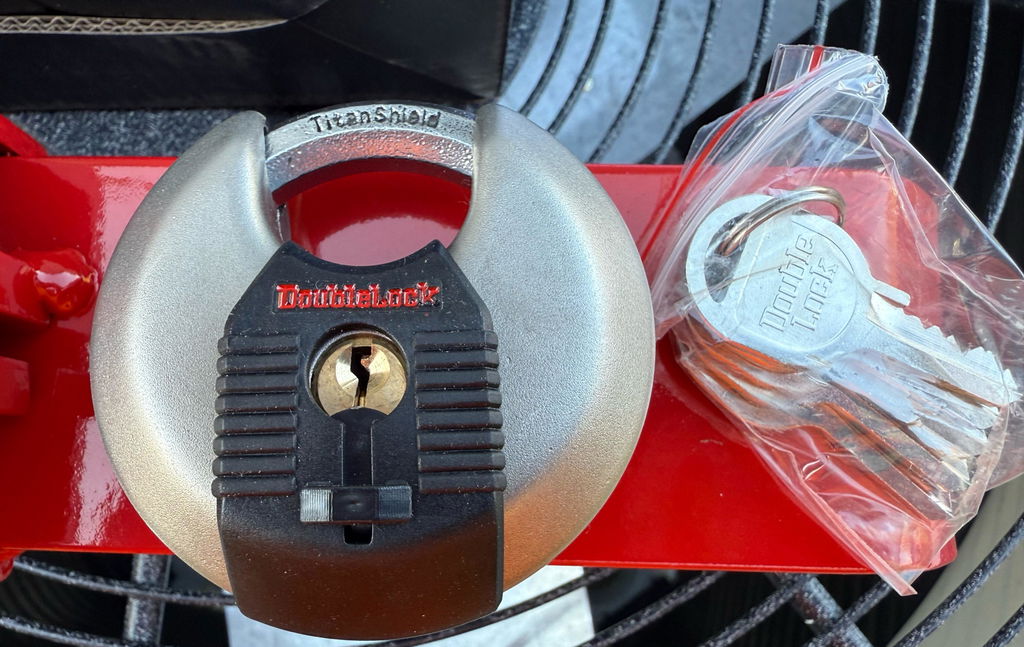
A discus lock is a circular-shaped padlock that features a shrouded shackle to limit exposure to cutting tools, making it the industry standard for storage unit security. By enclosing the shackle within a heavy-duty stainless steel body, this round design eliminates the gap that thieves need to insert bolt cutters or saws. Federal protection documents from the National Institute of Standards and Technology classify shrouded shackle locks as high-security devices. This physical barrier stops brute-force attacks and keeps your property safe under lock and key.
When you look at a standard padlock, you see a rectangular body with a large exposed U-shaped loop at the top. That loop is the shackle, and its exposure is the main weakness. A discus lock changes this with three key design features:
- Circular steel shell — The outer body forms a solid disc that wraps around the locking mechanism.
- Recessed shackle — The shackle sits inside the body instead of protruding from the top.
- Minimal tool clearance — Only a tiny portion of steel remains visible, leaving no room for cutting tools.
This geometry makes the discus lock effective at protecting property. Technical documents from the National Institute of Standards and Technology (NIST) categorize shrouded shackle padlocks as high-security devices designed to meet strict protection standards for essential facilities and national resources. They provide a level of physical defense that standard open-shackle padlocks simply cannot match.
Why Do Standard Padlocks Fail Against Bolt Cutters?
To understand why standard padlocks fail, you must look at how thieves attack them. The classic open-loop design has a fundamental flaw that makes theft easy. The long metal bar at the top, called the shackle, stands fully exposed. This open space gives hand tools the exact room they need to grip, cut, and break the lock in seconds.
Standard padlocks fail for three main reasons:
- Exposed shackle geometry — The long arc of steel gives bolt cutters a clean target. Longer exposure equals easier cutting.
- Weak internal locking dog — As defined by NIST technical standards, the locking dog is the component that engages the shackle and holds it locked. In cheap locks, this part is small and made of soft metal. A crowbar or hammer blow to the exposed shackle transfers force straight to this component, snapping it open without a key.
- No security rating — Standard padlocks with long thin shackles do not meet high-security safety standards. NIST high-security padlock standards focus on shrouded shackle designs because limiting tool access is the only reliable defense.
When you leave a shackle open, you rely only on the raw strength of the metal. If a thief has bolt cutters from Lowe's or Northern Tool, even hardened steel can fail when the tool can get a full grip and apply maximum leverage.
How Does a Discus Lock Block Physical Attacks?
A discus lock solves the shackle exposure problem through physics and geometry. Its circular body covers almost the entire shackle, eliminating the gap that makes standard padlocks vulnerable.
The discus lock stops attacks through three mechanisms:
- Eliminates tool clearance — Bolt cutters need space to work. The tool uses two long arms to generate mechanical leverage, and the cutting jaws must squeeze around the metal bar. The discus body leaves almost no open metal exposed, so the thick jaws of a bolt cutter cannot slip behind the lock.
- Deflects prying and striking forces — Standard locks have flat sides and sharp corners that offer easy leverage points. A discus lock features a curved circular outer shell with no flat edges. When a thief strikes the lock with a hammer or wedges a pry bar against it. The force slides off the curved surface instead of transferring to the internal locking dog.
- Meets federal high-security standards — The protective design is recognized by engineering experts and federal agencies. NIST technical documents categorize these shrouded shackle devices as high-security locks built to meet strict federal guidelines for protecting national resources and facilities.
Because the design limits shackle exposure, traditional bolt cutting becomes extremely difficult. The round casing protects the internal locking dog. Which is the part of a padlock mechanism that engages the shackle and holds it in the locked position, as defined by NIST technical standards. This makes the discus lock an ideal choice for storage unit security.
Discus Lock vs Standard Padlock: Key Differences at a Glance
Choosing the right shape of lock matters as much as choosing the right material. A standard padlock has a longer exposed shackle vulnerable to cutting, while a discus lock uses a circular design that shrouds the shackle. This changes how the lock handles physical force and tool attacks.
| Feature | Standard Padlock | Discus Lock |
|---|---|---|
| Shackle Exposure | Fully exposed arc of steel | Recessed and shrouded within the body |
| Tool Resistance | Low defense against bolt cutters and saws | High defense; blocks cutter jaws and blades |
| Weather Resistance | Varies; brass or steel can rust quickly | Excellent; usually made of stainless steel |
| Theft Deterrence | Moderate; common target for opportunistic theft | Maximum; purpose-built to deter heavy tools |
| Best Use Cases | General purpose, indoor gates, light toolboxes | Outdoor storage units, trailer doors, fleet security |
Shackle Exposure and Security Differences
The biggest difference is shackle exposure. A standard padlock exposes a wide U-shaped bar that provides enough space for a thief to slide in heavy bolt cutters or a hacksaw blade. The discus lock is a circular-shaped padlock that features a shrouded shackle to limit exposure to cutting tools. By encasing the steel shackle inside the round body. You leave no room for a thief to grip the metal with cutters or force it open with a pry bar.
Application and Weather Performance
Standard padlocks often use laminated steel or brass that corrodes when exposed to rain, snow, and salt air. Discus locks are specifically recommended for securing storage units where shackle access must be minimized to thwart unauthorized entry. Standard designs work for low-risk indoor tasks like lockers or cabinets, but for outdoor gates. Shipping containers, or self-storage units, the circular shape offers superior protection against both tools and harsh weather. For a deeper look at matching lock to hasp type, read our discus lock comparison guide.
Hardened Steel and All-Weather Construction
Outdoor storage units face constant exposure to rain, heavy humidity, salt air, and shifting temperatures. Cheap locks deteriorate quickly under these conditions. Moisture seeps into internal parts, causing rust, corrosion, and jammed keys. Physical security demands a lock that can withstand both brute force and the elements year after year.
Top-tier discus locks use hardened stainless steel for their outer shells and internal parts. This material choice provides excellent resistance against rust and corrosion. Hardened steel also stops hand tools like hacksaws and hammers from breaching the lock casing.
Weather resistance is not just about stopping rust — a rusted lock becomes structurally weak and easier to break. Rain and road salt corrode internal springs and locking pins. If those parts fail, the lock can jam open or become easy to bypass. National standards from the National Institute of Standards and Technology show that high-security padlocks must pass strict environmental tests. Choosing a premium stainless steel discus lock protects your valuables from both theft and moisture year after year.
The CRAB Discus Lock: DoubleLock USA's Storage Solution
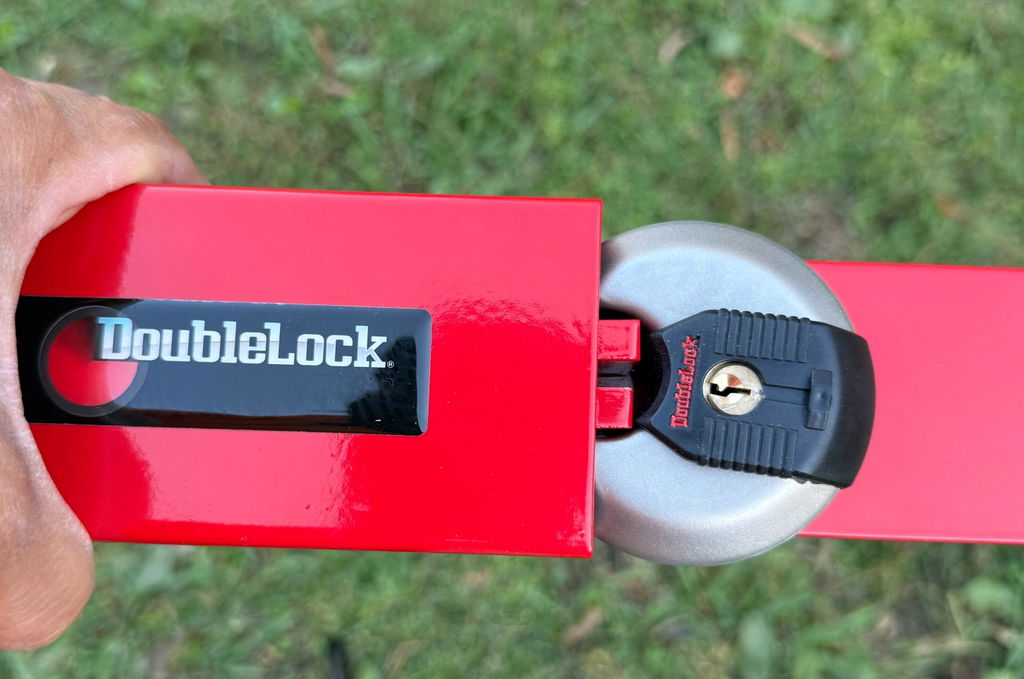
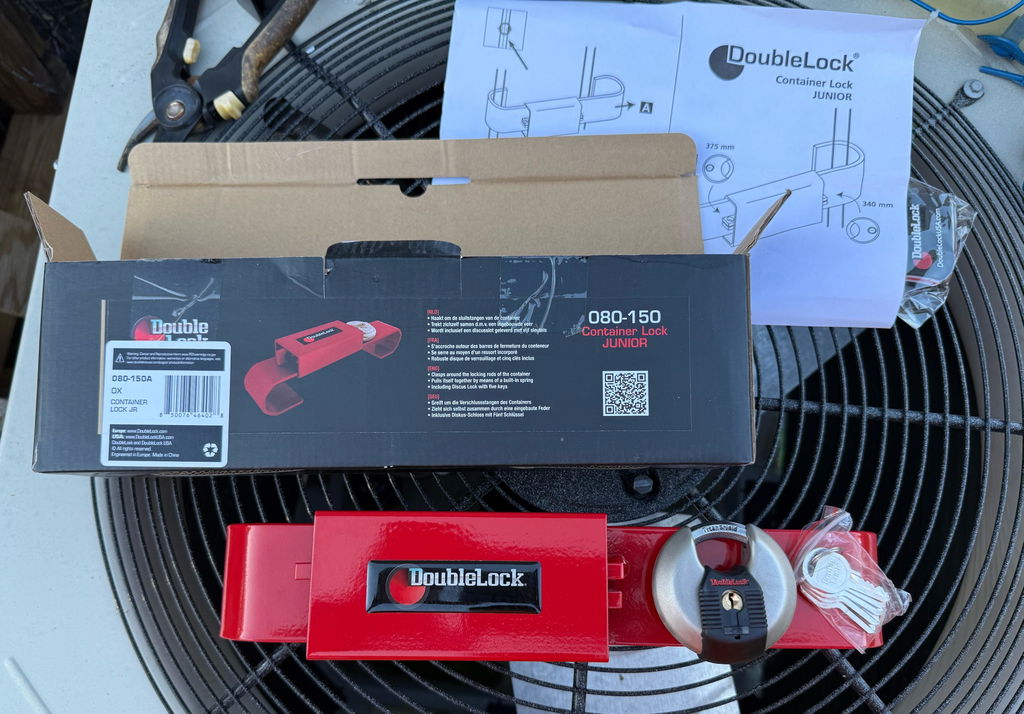
Every security principle points to the same conclusion: shield the shackle to stop the cut. The CRAB discus lock applies this engineering rule with precision. It wraps the shackle in a tough stainless steel body to keep cutting tools out, stopping thieves from getting any grip on the lock.
The CRAB lock delivers three critical benefits:
- Shielded shackle design — The solid circular shell uses high-grade stainless steel that resists rust and stops hand tools. Because the shackle stays inside the body, bolt cutters cannot find an edge to grip.
- Compact fit for tight spaces — Many locks do not fit standard container doors. The CRAB lock is designed to fit standard container latches and storage unit hasps. The round body sits flush against the latch, leaving no room for crowbars or pry tools to wedge inside.
- All-weather durability — The CRAB discus lock uses stainless steel to stop rust and a weather-resistant keyway cover that blocks dirt and moisture. You can use it on boat trailers, jobsite gates, or long-term storage units. At $15.99 to $19.99, it delivers heavy-duty security at an accessible price.
How to Choose a Discus Lock for Your Storage Unit
Selecting the right security hardware requires matching the lock to your specific setup. A discus lock is a circular-shaped padlock that features a shrouded shackle to limit exposure to cutting tools. Follow these three steps to choose the right lock for your property:
- Check hasp and latch clearance. Your lock must fit tightly against the hasp of your storage unit door or trailer latch. Measure the hasp hole before you buy to ensure the shackle slides through easily but leaves no gap when locked. A tight fit is the main defense against physical attacks.
- Verify stainless steel construction. Storage units and trailers face harsh outdoor conditions including rain, snow, and high humidity. Choosing a lock made from hardened stainless steel ensures internal locking dogs and springs do not rust, bind, or seize over time. National physical protection guidelines recognize shrouded shackle padlocks as meeting federal standards for protecting assets.
- Review key options and body size. If you manage multiple storage spaces or a fleet of trailers, look for keyed-alike options that let you use a single key for several locks. Verify that the circular body clearance works on your storage door, as some units have recessed latches that require a compact lock body. Review our guide on how to choose a discus lock for more detail on sizing and fit.
Frequently Asked Questions
What is a discus lock?
A discus lock is a circular padlock designed with a fully shielded shackle. This round shape leaves only a tiny portion of the shackle exposed. By enclosing the lock mechanism inside a heavy stainless steel shell, this device blocks standard entry tools. According to DoubleLock USA, this design shields the shackle to limit physical access from common cutting and prying tools.
How do discus locks stop bolt cutters?
Standard padlocks have long exposed steel loops that let thieves slide bolt cutter jaws right onto the shackle. A discus lock eliminates this gap. The curved body wraps tight around the lock shackle, leaving no room for a tool jaw to gain leverage. Without clearance, hand tools cannot grip the hardened metal to cut through it.
Are discus locks safe for outdoor storage?
Yes. Premium discus locks use marine-grade stainless steel that resists harsh outdoor elements. The dense metal prevents rust and corrosion from rain, snow, and salt air. These locks protect outdoor storage units, trailers, and shipping containers for years. The physical layout also shields the keyway from water, keeping the internal locking mechanism from freezing in winter weather.
Can a thief cut or pick a discus lock?
No lock is completely immune to a skilled attack, but discus locks provide elite protection. The tight shape blocks bolt cutters and makes saw attacks difficult. According to NIST technical studies, high-security padlocks with shielded shackles resist forced entry far better than standard designs. The combination of hardened stainless steel and recessed shackle geometry makes these locks exceptionally difficult to compromise with hand tools.
What is the difference between a discus lock and a standard padlock?
The main difference is shackle exposure. A standard padlock has an exposed U-shaped shackle that is vulnerable to bolt cutters and saws. A discus lock uses a circular body that shrouds the shackle, eliminating the clearance needed for cutting tools. Discus locks also use hardened stainless steel for better weather resistance, while standard padlocks often use brass or laminated steel that corrodes outdoors.
Ready to Secure Your Storage Unit?
Get the CRAB Discus Lock today — engineered with a fully shrouded shackle to block bolt cutters, built from hardened stainless steel, and priced for every budget. Whether you need to secure a storage unit, trailer, or jobsite gate, the CRAB lock delivers industrial-grade protection that standard padlocks cannot match.