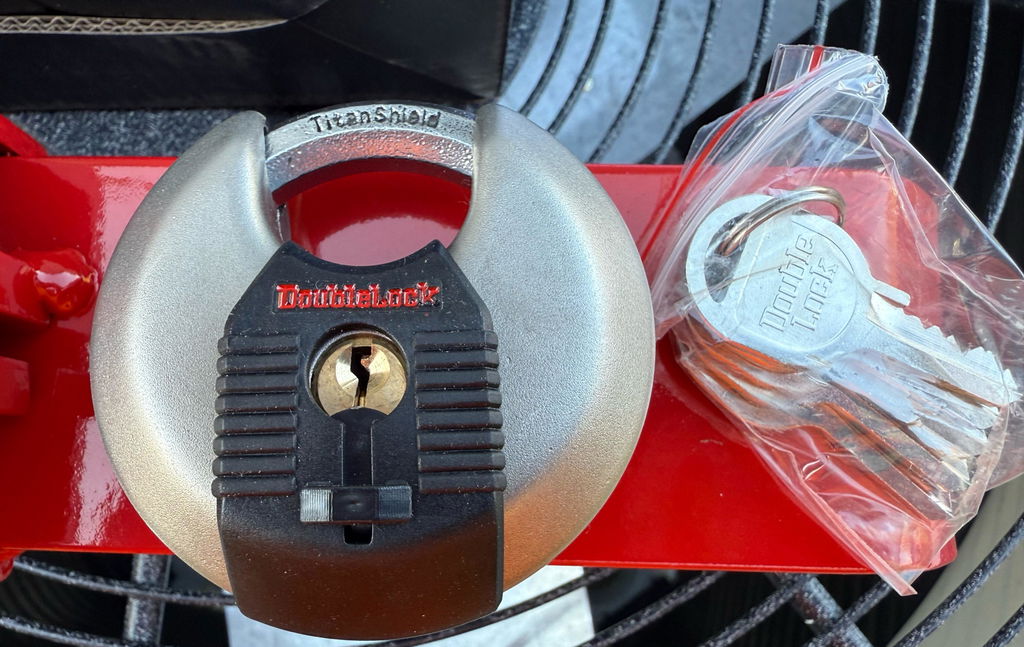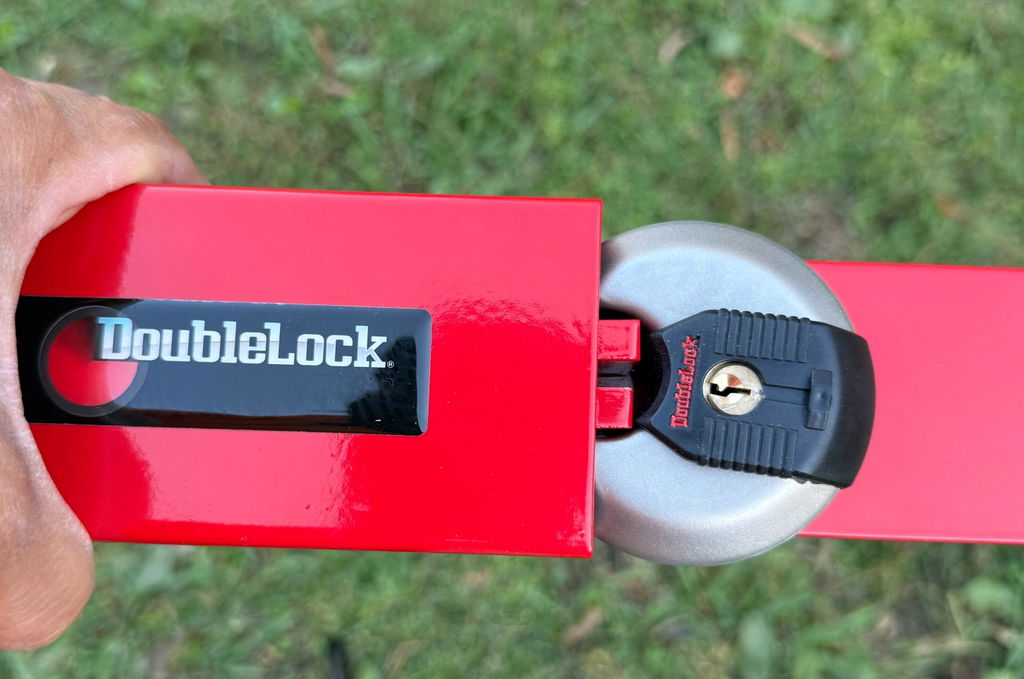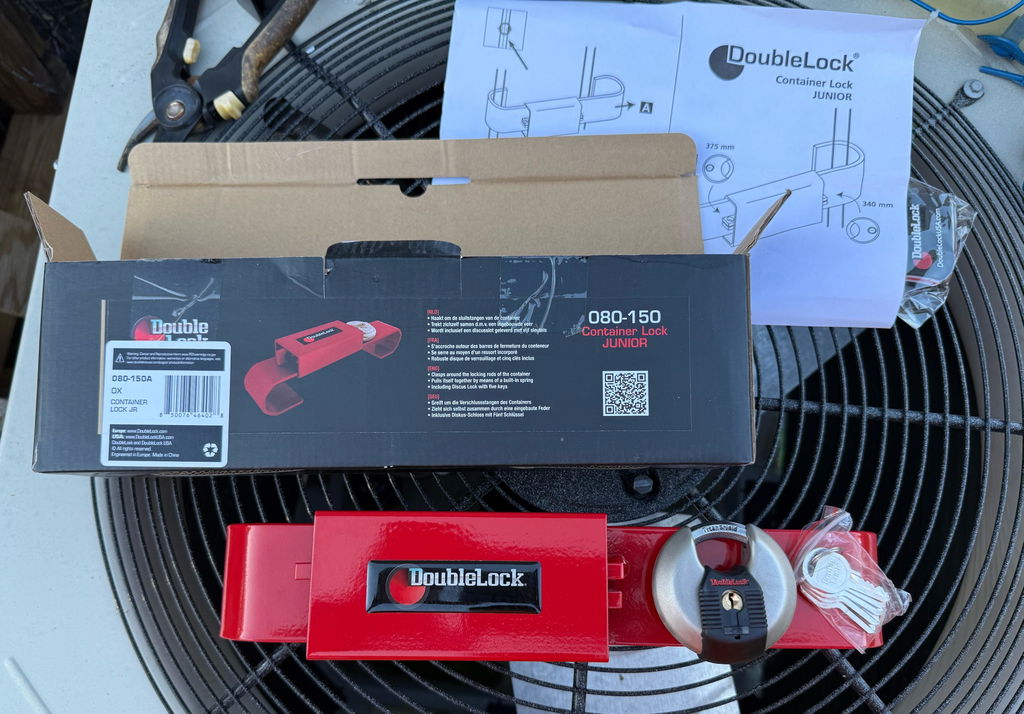


You've likely seen those distinct, saucer-shaped devices on self-storage units or job site gates. Their unique appearance isn't just for show—it's clever engineering. Unlike conventional security, the discus design keeps its shackle almost completely hidden from bolt cutters. This simple yet brilliant feature makes it one of the most reliable options for protecting your property. If you've ever wondered what makes them so tough, we can help. This guide explains how they work and gives you a clear path to choose a discus lock for your specific needs.
Key Takeaways
- Prioritize the shrouded shackle design: A discus lock's main advantage is its circular body that shields the shackle, leaving minimal space for tools like bolt cutters to get a grip.
- Pair your lock with an equally strong hasp: Your security is only as strong as its weakest point, so always attach your lock to a heavy-duty, hardened steel hasp that fits snugly.
- Perform simple maintenance for long-term reliability: Keep your lock operating smoothly by periodically cleaning it and applying a dry lubricant, such as graphite powder, to prevent rust and internal jamming.
What Is a Discus-Style Security Device?
When you need serious security, a standard padlock might not be enough. That’s where the discus lock comes in. You’ve probably seen these round, heavy-duty locks on storage units, shipping containers, or commercial gates. Their unique, circular shape isn’t just for show; it’s a core part of what makes them so effective at preventing theft.
A discus lock, sometimes called a disc lock, is designed to offer superior protection against common break-in methods. Unlike traditional padlocks with long, exposed shackles, a discus lock keeps most of its shackle protected within its steel body. This clever design leaves very little room for thieves to use tools like bolt cutters or pry bars. It’s a simple yet powerful concept that provides a significant security advantage for your valuable property.
Understanding Its Signature Round Shape
The most noticeable feature of a discus lock is its circular, saucer-like shape. This design is intentional and highly functional. The round body is typically made from stainless steel, which makes it tough and resistant to corrosion. More importantly, the shape allows the shackle, the U-shaped part that fastens, to remain almost entirely shielded.
This minimal shackle exposure is the lock's greatest strength. It makes it incredibly difficult for anyone to get a grip with bolt cutters, which are a common tool for thieves. The curved edges also make it tough to strike with a hammer or apply leverage with a pry bar. This design inherently deters theft by presenting a much harder target than a conventional padlock.
A Modern Invention for Enhanced Security
The discus device wasn't just a new idea; it was a direct answer to the flaws in older security hardware. The main goal was to create something that could stand up to brute-force attacks. By tucking the shackle inside a tough, hardened steel body, designers left almost no room for tools like bolt cutters or saws to get a grip. This focus on smart, practical engineering reflects a deep commitment to security that goes beyond just looking tough. It’s a modern solution built for anyone who needs dependable protection for their property, offering real peace of mind.
Closed-Shackle vs. Open-Shackle Designs
As you shop for security hardware, you’ll encounter "open-shackle" and "closed-shackle" designs. An open-shackle is what you typically see on a standard security device, with a long, exposed U-shaped bar. This exposure is its biggest weakness, creating an easy target for cutting. The discus device, however, is a perfect example of a closed-shackle design. Its shackle is short and almost completely hidden by the device's body, making it much harder for a thief to attack. This simple difference provides a major increase in protection, and it's a core feature you'll find in our discus security devices.
How the Internal System Keeps Things Secure
Inside that tough steel casing is a locking mechanism built for resilience. Discus locks are constructed from hardened steel, making them difficult to cut, drill, or otherwise force open. The internal components are designed to resist picking, a technique where thieves manipulate the lock's pins to open it without a key. The keyway itself is often designed to be complex, further frustrating any picking attempts.
When you turn the key, a series of pins and tumblers align, allowing the shackle to release. The real security comes from the combination of this robust mechanism and the protective outer shell. Together, they create a formidable barrier. Many high-quality discus locks are also weather-resistant, so they can stand up to rain, snow, and ice without rusting or seizing up, ensuring reliable performance year-round.
Wafer Cores vs. Security Pins
While the steel body provides brute-force protection, the internal mechanism is what stops a more subtle attack. Cheaper devices often use a wafer core, which consists of flat, stamped metal plates. This simpler design is more vulnerable to manipulation and can often be forced open with minimal skill. For dependable security, you need a mechanism with security pins. These are a key feature in more advanced pin tumbler systems. Unlike standard pins, security pins have unique shapes designed to catch and bind if a picking tool is inserted, making it extremely difficult for a thief to feel the mechanism and open it. This added complexity is a critical defense layer, ensuring that only the correct key will grant access. When you choose a security device, always look for one with a pin tumbler system to get that essential internal resilience.
What Are the Benefits of a Discus Design?
When you need to secure valuable equipment or property, the lock you choose makes all the difference. While many padlocks offer basic protection, the discus lock provides a significant step up in security. Its round, saucer-like shape isn’t just for looks; it’s a deliberate design that makes it one of the toughest locks to defeat. From its resistance to brute-force attacks to its ability to withstand harsh environmental conditions, the discus lock offers comprehensive protection that brings real peace of mind. Let’s look at the specific advantages that make it a top choice for securing your assets.
Built to Resist Cutting and Prying
The most common way thieves try to break a padlock is with bolt cutters. This is where the discus lock’s design truly shines. The shackle, which is the U-shaped part of the lock, is almost entirely shielded by the lock’s steel body. This leaves very little of the shackle exposed, making it incredibly difficult for bolt cutters to get a grip. Without leverage, these tools are practically useless. Most discus locks are also constructed from hardened steel, which adds another layer of defense against cutting, sawing, or grinding. This robust construction is a powerful deterrent against forceful entry attempts.
How It Defends Against Picking and Drilling
Beyond resisting brute force, a quality discus lock also holds its own against more subtle attacks. The internal mechanisms are designed to be complex, making them a real challenge for lock pickers. The circular body also makes it difficult to drill into the locking cylinder with any accuracy. Because of these features, discus locks have become an industry standard for applications where security is critical, such as self-storage units. Their design offers superior security compared to traditional padlocks, protecting your belongings from a wider range of threats and giving you confidence that your property is safe.
Understanding Raking Vulnerabilities in Cheaper Models
While the discus shape is a strong deterrent, not all of these security devices are created equal. The quality of the internal mechanism is what separates a truly secure device from one that just looks the part. Cheaper models often contain simpler internal components, making them vulnerable to a low-skill attack called "raking." This technique uses a special tool to manipulate all the pins at once, and some low-quality models can be raked open in seconds. This vulnerability highlights the importance of choosing a device with a more robust design. A high-quality discus lock is built with complex internal parts and precision-engineered pins that create a real challenge for pickers, rendering simple raking attacks ineffective.
Designed to Withstand Harsh Weather
If you need a lock for outdoor use, especially in marine or construction environments, weather resistance is essential. Discus locks are built to endure the elements. Many are made from stainless steel, a material known for its excellent strength and high resistance to corrosion and rust. This ensures the lock won’t seize up or degrade when exposed to rain, humidity, or salty air. The enclosed design also helps protect the internal locking mechanism from dust, dirt, and moisture, ensuring smooth operation for years. This commitment to durable, weather-resistant materials means your lock will remain reliable when you need it most.
How to Choose the Right Discus for Your Needs
When you’re standing in the hardware aisle, it’s easy to assume all discus locks offer the same level of protection. Their similar shape can be deceiving, but the small details are what separate a good lock from a great one. Choosing the right discus lock comes down to understanding a few key features that directly impact its strength and durability. By focusing on the right materials, internal mechanism, and design, you can find a lock that provides genuine peace of mind.
Why Your Choice Matters in a Crowded Market
In a crowded market, it’s easy to assume all discus-style devices are the same, but the quality of your choice truly matters. The entire purpose of this design is to provide a significant step up in security by shielding the shackle from attack. A well-made discus lock uses its round, steel body to leave almost no room for bolt cutters or pry bars to find purchase. This is the feature that provides a significant security advantage over conventional padlocks. Opting for a cheaply made version might give you the look, but it won't deliver the robust protection that the design promises, leaving your property vulnerable when you can least afford it.
What to Look for in Body and Shackle Materials
The first thing to inspect is what the lock is made of. A secure discus lock should have a body and shackle constructed from hardened steel. This isn’t just regular steel; it’s been heat-treated to become incredibly tough and resistant to brute-force attacks. Most quality disc locks are made from hardened steel or similar robust materials, which adds to their resistance against cutting with tools like bolt cutters. When you’re choosing a lock, look for stainless or hardened steel on the packaging. This ensures your lock can withstand direct physical attacks and serves as your primary line of defense.
Assess the Quality of the Internal Cylinder
While a tough exterior is crucial, the internal locking mechanism is just as important. A strong body won’t do much good if the core is easily compromised. High-quality discus locks feature complex pin tumbler systems that are designed to resist picking and drilling. The internal components should be made from durable, corrosion-resistant materials to ensure they function smoothly over time, even in outdoor conditions. A lock that combines a hardened steel body with a sophisticated, well-made core provides a comprehensive security solution that protects against both force and finesse.
Considering Keyed vs. Combination Models
One of the first decisions you’ll make is whether to go with a model that uses a physical opener or one that operates with a code. Traditional discus models are a popular choice, operating with a specific metal opener that many people find straightforward and reliable. The main consideration here is managing that opener; you need to keep track of it and have a plan if it gets lost. On the other hand, combination models offer convenience without a physical component. You can set a numeric or even an alphabetic code, which is ideal if you need to grant access to multiple people without duplicating items. The best option depends on your personal preference and how you plan to use the security device.
Exploring Advanced Features
Beyond the basic mechanism, many discus security devices come with features that improve their strength and usability. As mentioned, the material is critical. High-quality models are made from stainless steel, making them strong and resistant to rust. Other important features to look for are hardened steel construction and specific weather-resistant properties, which are essential for outdoor applications. The discus design itself is an advanced feature, as it’s generally considered more secure than many conventional security mechanisms because the rounded, shielded shackle is harder to cut. For added convenience, some code-based models offer resettable combinations, allowing you to change the code whenever you need.
Why a Protected Shackle Is So Important
One of the biggest advantages of a discus lock is its signature circular design, which creates a built-in shrouded shackle. This means very little of the shackle is exposed, making it incredibly difficult for bolt cutters to get a grip. The less metal a thief can access, the harder their job becomes. When selecting a lock, pay attention to how much of the shackle is visible. The most secure models leave only a tiny portion exposed when locked. This simple design feature is one of the most effective deterrents against cutting, which is one of the most common ways padlocks are defeated.
Don't Forget to Check for Weatherproofing
If you plan to use your discus lock outdoors on a gate, storage unit, or trailer, its ability to withstand the elements is non-negotiable. Look for locks made from stainless steel, as it naturally resists rust and corrosion. Many top-tier discus locks are specifically designed for all-weather use. Some even include a covered keyway to protect the locking mechanism from dust, dirt, and moisture, which helps prevent jamming and extends the life of the lock. A lock with proven weather resistance ensures it will remain reliable and secure, no matter the conditions.
Finding the Perfect Fit and Security Grade
Choosing the right discus lock involves more than just picking the heaviest one off the shelf. A lock’s real strength comes from a combination of its materials, its design, and, most importantly, how well it fits your specific needs. A lock that’s too big or too small for your hasp can create a weak point for potential thieves to exploit. Similarly, the security level you need for a simple garden shed is different from what you’d want for a construction site trailer holding expensive equipment. Let’s walk through how to find the perfect balance of size and security for your situation.
How to Measure Your Clasp for a Snug Fit
A snug fit is your first line of defense. When a discus lock fits the hasp perfectly, it leaves very little of the shackle exposed, making it incredibly difficult for bolt cutters to get a grip. This is why they are so popular for storage units. Before you shop for a lock, take a moment to measure the hasp you’ll be using. You need to know the diameter of the hole the shackle will pass through and the maximum clearance you have. A lock that fits tightly on the latch is always more secure than a larger, heavier lock that hangs loosely with a visible shackle.
Match the Security Grade to What You're Protecting
Not all security needs are the same, so think about what you are protecting. A high-quality discus lock is designed to resist common break-in methods like cutting, prying, and picking. For assets that are high-value or stored in a vulnerable location, you should look for locks that have been tested and rated by independent organizations. These ratings, like the CEN (Central European Norm) scale, indicate how well a lock withstands a series of aggressive attacks. Our commitment to unbeatable security means we focus on creating products that meet tough standards, giving you confidence that your property is well-protected.
Shopping Smart: Single, Multi-Packs, and Matched Sets
Once you start shopping, you’ll notice discus-style devices are sold in a few different configurations. You can buy them individually, which is perfect if you only need to safeguard one item. However, if you have multiple points to protect, like several tool chests on a job site or a few rental spaces, look for multi-packs. You can often find sets of two, four, or more. An even more convenient option is a matched set where one unique opener operates every device. This saves you the hassle of fumbling with a heavy ring of openers and is especially useful for businesses or individuals who need streamlined access to multiple protected assets. If you need to outfit a whole fleet or facility, buying in these larger quantities can be a smart move.
Tips for Evaluating Quality When Shopping Online
Judging a device’s quality through a screen can feel like a guessing game, but there are specific details to look for. Pay close attention to the product description and specifications. The most important feature to verify is the material. A truly robust discus device will be made from hardened or stainless steel. This detail should be clearly stated by the manufacturer. This type of steel is specially treated to resist cutting, drilling, and other forms of physical attack. It’s the foundation of a reliable mechanism and your first indicator of quality. A brand’s commitment to using premium, durable materials is often a reflection of its overall dedication to protection and product longevity.
Reading Customer Reviews and Ratings
Customer reviews are an invaluable resource, but it’s important to read them strategically. Instead of just looking at the star rating, take a moment to read a mix of positive and negative feedback. Look for patterns. Are multiple people praising its weather resistance? Are others mentioning that it didn’t fit their specific fastening plate? This information is more useful than a single glowing or critical review. Filtering results to show only products with four stars and up is a good starting point. Pay special attention to reviews from people who are using the device for the same purpose you intend to, whether it’s for a hauler, a rental space, or an entryway barrier.
Identifying Popular and Well-Regarded Brands
When you’re investing in protection for your assets, the brand behind the product matters. Reputable brands are typically specialists in the safeguarding field, not generalists who happen to sell fastening devices. Look for companies that are transparent about their manufacturing process and the materials they use. A well-regarded brand will have a professional online presence and provide clear information about its products. They stand by their quality and often have a history rooted in providing dependable protective solutions. Exploring a company’s story and mission can give you a sense of their commitment and expertise, helping you choose a device from a brand you can trust.
Simple Steps for Maintaining Your Discus Device
A high-quality discus lock is built to last, but a little routine care goes a long way in ensuring it functions perfectly for years. Just like any other piece of hardworking equipment, your lock performs best when it's clean and properly lubricated. Taking a few minutes for simple maintenance can prevent common issues and keep your lock operating smoothly, no matter the conditions. This is especially important for locks used outdoors, where they face constant exposure to moisture, dust, and temperature changes that can lead to rust and internal buildup.
By following a straightforward maintenance schedule, you can prevent stiffness in the keyway, stop corrosion before it starts, and make sure the shackle opens and closes with ease. Neglecting maintenance can lead to a lock that's difficult to open, or in worst-case scenarios, one that seizes up completely when you need it most. A well-maintained lock not only provides better security but also saves you the frustration and potential cost of having to replace it prematurely. These simple steps will help you protect your investment and ensure your property remains secure. Think of it as simple preventative care that keeps your security in top shape, allowing your lock to do its job effectively day in and day out.
Your Quick Guide to Cleaning and Inspection
The first step in lock care is keeping it clean. Over time, dust, grime, and other particles can build up on the surface and inside the keyway, making the lock stiff or difficult to open. To clean it, simply use fresh water and a mild detergent. Gently wash the lock’s surface and be sure to rinse it thoroughly. It's important to avoid harsh chemicals or abrasive cleaners, as they can damage the lock's protective coating and compromise its integrity. A regular cleaning is one of the easiest ways to extend the life of your lock and keep it ready for action.
When and How to Lubricate for Smooth Use
To keep the internal mechanism working correctly, it’s a good idea to lubricate your lock once or twice a year. A dry lubricant like graphite powder is an excellent choice because it won't attract dust and dirt the way oil-based lubricants can. A small puff of graphite into the keyway and shackle openings is all you need. Then, insert your key and turn it a few times to distribute the lubricant evenly. This simple step helps prevent rust and corrosion while ensuring the parts move without friction, keeping your lock reliable when you need it most.
Common Mistakes to Avoid When Using a Discus
Choosing a high-quality discus lock is a great first step, but how you use and care for it matters just as much. Even the most secure lock can fall short if it’s not used correctly. By avoiding a few common missteps, you can ensure your lock provides the protection you expect. Thinking through the entire security setup, from the lock’s fit to its upkeep, will help you get the most out of your investment and keep your property safe.
Choosing a Size That's Too Big or Too Small
The size of your discus lock is critical to its effectiveness. A lock that is too large for your hasp will leave its shackle exposed. This gap creates a perfect opening for bolt cutters, defeating the lock's cut-resistant design. Discus locks are made of hardened steel specifically to be difficult to cut, but that feature only works when the shackle is shielded. On the other hand, a lock that’s too small simply won’t fit. Before you shop for a lock, take a moment to measure the hasp you’ll be using. This ensures you get a snug, secure fit with minimal shackle exposure.
Pairing It With a Flimsy Clasp or Chain
Your discus lock is only as strong as the hasp it’s attached to. Securing a top-tier lock onto a flimsy or poorly installed hasp is like putting a bank vault door on a cardboard box. A weak hasp can be easily pried, bent, or cut, making the strength of your lock irrelevant. To create a truly secure point, you need to pair your lock with an equally robust hasp. Look for a heavy-duty hasp made from hardened steel that can stand up to force. This ensures your entire locking system, not just the lock itself, provides reliable protection.
Forgetting About Simple Upkeep
Like any mechanical device, your discus lock needs a little care to function properly over time. Dust, dirt, and grime can work their way into the locking mechanism, causing it to become stiff and difficult to operate. This is especially true for locks used outdoors, where they are exposed to the elements. To prevent issues, periodically wipe down your lock to remove debris. You should also apply a lubricant, like graphite or a silicone-based spray, a couple of times a year. These simple lock maintenance tips keep the internal components moving smoothly, ensuring your lock opens easily when you need it and lasts for years.
Related Articles
Frequently Asked Questions
What really makes a discus lock more secure than a standard padlock? The main advantage comes down to its unique circular design. A standard padlock has a long, U-shaped shackle that is exposed and vulnerable to bolt cutters. A discus lock, however, keeps almost the entire shackle protected within its steel body. This leaves almost no room for a thief to get a grip with cutting tools, making it a much harder target for brute-force attacks.
Does the material of the lock actually matter that much? Yes, it matters a great deal. The most secure discus locks are made from hardened steel, which has been treated to be incredibly resistant to cutting, drilling, and sawing. While other locks might look similar, they could be made from softer metals that can be defeated more easily. Always check the packaging for materials like hardened or stainless steel to ensure you're getting real protection.
How do I make sure I buy the right size lock for my storage unit or gate? The best way to get a perfect fit is to measure before you buy. You need to know the diameter of the hole in the hasp (the metal latch on the door). A lock that fits snugly leaves very little of its shackle exposed, which is key to its security. A loose-fitting lock, even a heavy one, can create a weak point that thieves can exploit.
My lock will be outside all year. What should I look for? For outdoor use, weather resistance is essential. Look for a discus lock made from stainless steel, as it naturally holds up against rust and corrosion from rain and humidity. Some models also have a covered keyway, which is a great feature for protecting the internal mechanism from dust, ice, and grime, ensuring it continues to work smoothly.
My lock is getting stiff. Is it broken or can I fix it? Stiffness is usually a sign that the lock needs a little maintenance, not that it's broken. Dust and grime can build up inside over time. Before replacing it, try cleaning the lock and then applying a dry lubricant like graphite powder into the keyway. This usually solves the problem by clearing out debris and allowing the internal pins to move freely again.