
A weak padlock on a storage unit is an open door for thieves with basic bolt cutters. Even high-end storage sites cannot prevent a break-in if your unit door uses weak hardware. You must invest in heavy-duty gear to ensure your property stays safe during storage or transit.
A storage unit lock acts as the main wall between your gear and a thief. You need to pick hardware that is tough enough to stop common attacks like prying, picking, and cutting. Research from Arizona State University shows that disc locks are one of the best ways to lower theft at storage sites. These locks have a hidden bar that leaves no room for bolt cutters to grab the steel. For the best safety, look for locks made from hardened steel with parts that will not rust in the rain. Even though no lock can stop every thief, a strong one makes a break-in take much longer. This extra work usually forces a crook to find a weaker target instead.
Shop our heavy-duty padlocks now to secure your storage unit before your next visit.
Many renters assume that any lock from a shop will keep their goods safe. However, most standard locks have flaws that pros know how to exploit. Understanding why standard storage unit locks fall short is the first step toward building a security plan.
Why Standard Storage Unit Locks Fall Short
Most storage sites offer basic locks to new users. These locks are common but often fail to give real security. While they keep the door shut, they do little to stop a thief with basic tools. Knowing the gaps in standard locks is the first step toward better storage unit lock safety.
Weakness against bolt cutters
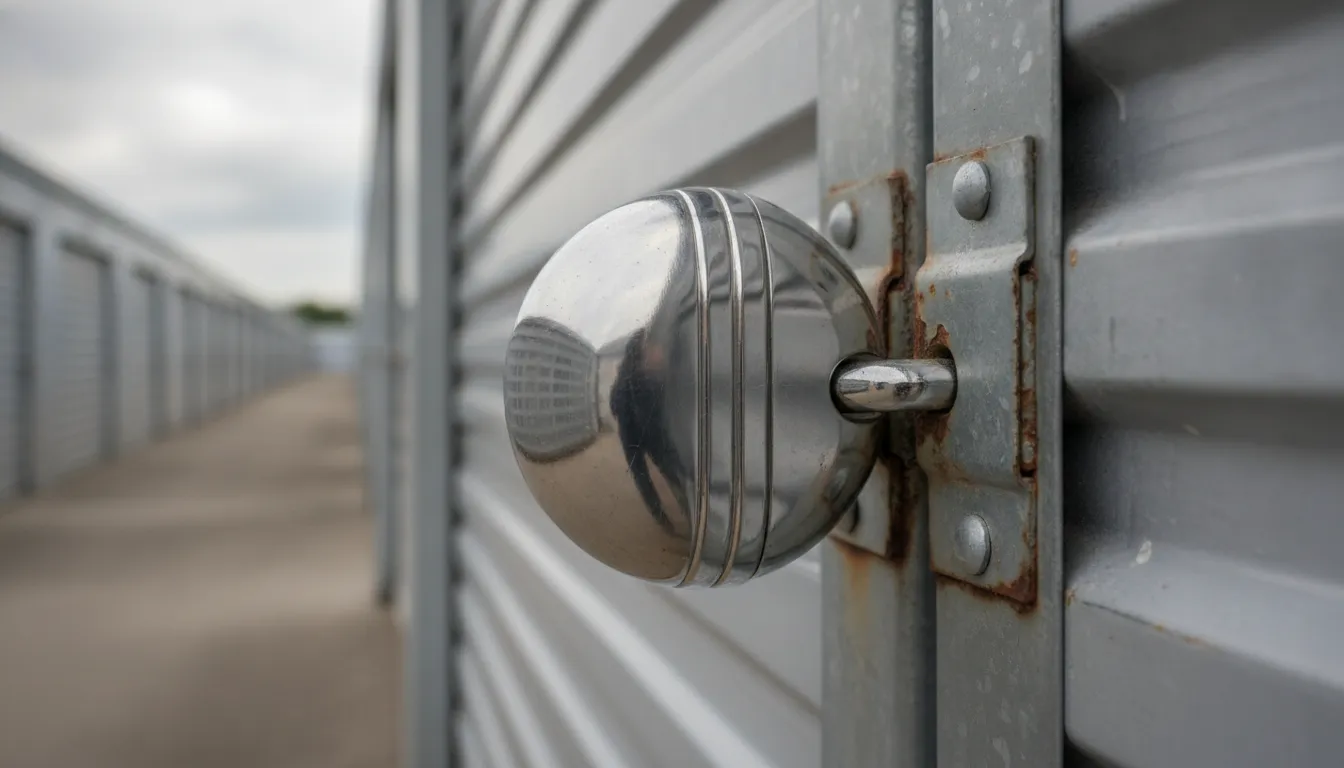
Standard padlocks have long, open bars called shackles. This shape makes them easy targets for bolt cutters. A thief can place the tool around the bar and snap the metal in seconds. Many people think a thick lock is safe. But if the bar is open, it is easy to cut. High-quality stainless steel discus locks solve this by hiding the bar inside the lock body. This makes it much harder for tools to reach the metal.
Fact-based tests show that disc-style locks are a top choice to stop theft. According to city security guides, these locks limit the space for bolt cutters. By shrinking the gap where a blade can fit, you remove the main way thieves break into units. This simple change in lock shape can stop a crime before it starts.
The risk of shimming and picking
Many basic locks sold at stores like Lowe's use simple parts. These cheap parts are easy to pick with basic kits. Some locks also fail against shims. A shim is a thin piece of metal that a thief slides into the lock to bypass the spring. This lets them open the unit without a key. They leave no signs of a break-in. This lack of proof can make it hard to work with your insurance firm.
Using a lock with a dead-bolt part or a tough keyway is vital. These features stop common ways to get around a lock. Studies from the Center for Problem-Oriented Policing found that units with disc locks had fewer break-ins. The physical build and the internal design both help keep your goods safe.
Weather and rust damage
Storage units are often outdoors or in areas with no heat or air. Over time, rain and heat can damage a cheap lock. Rust can build up in the keyway or on the bar. This makes the lock hard to open for you, but it can also make the metal weak. A weak lock is easier to break with a hammer. Picking a lock built with rust-proof parts is a must for long-term use.
What Is the Best Storage Unit Lock: Discus or Padlock?
Choosing the right storage unit lock is a key step in keeping your gear safe. Many people use cheap locks, but self-storage needs a tougher tool. Two main styles lead the market: the discus lock and the heavy-duty padlock. Each has clear pros for different needs.
Discus locks and bolt cutter resistance
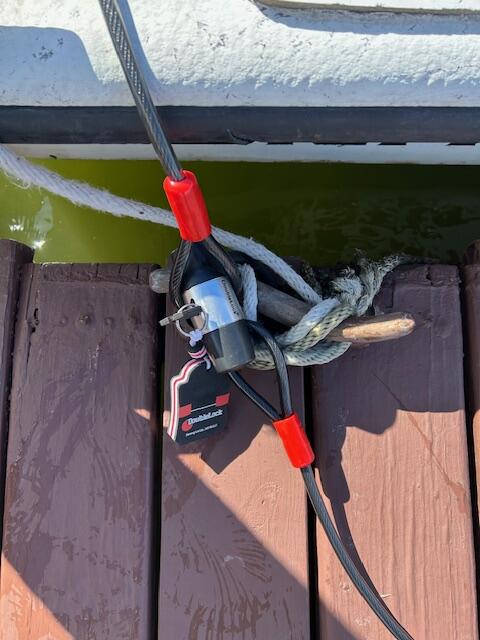
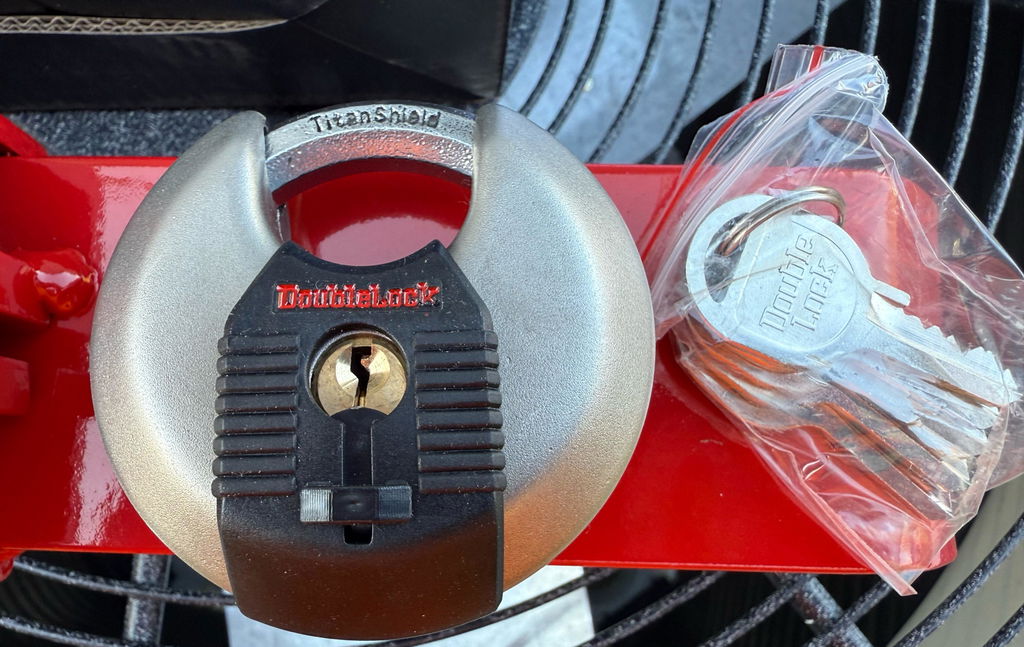
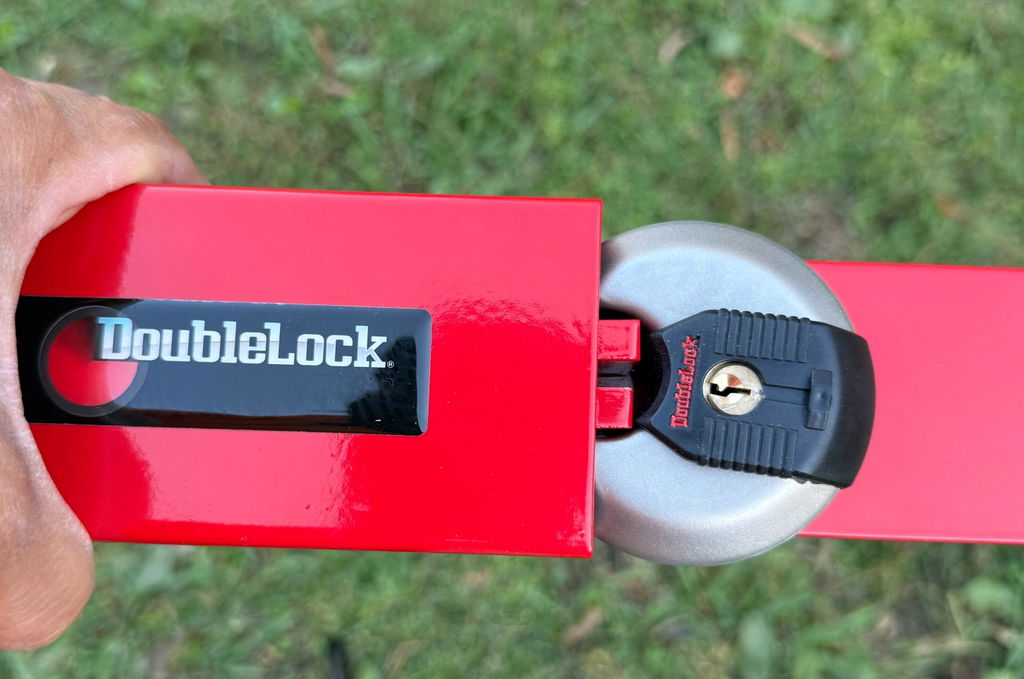
The discus lock, like the DoubleLock CRAB Discus Lock, uses a round shape to hide the shackle. This design leaves very little room for tools to grip the metal bar. Because of this small gap, disc-style padlocks are harder to cut with bolt cutters. Their shape makes them a top choice when security is the main goal.
A study of 75 facilities found that using disc locks on units is a great way to stop theft. These locks use hardened steel to resist prying and drills. They are built for outdoor use, so rain and dirt do not stop them from working. If you want a lock that stops common theft tools, the disc style is your best bet.
Heavy duty padlocks for better reach
Standard padlocks, such as the RED HAWK padlock, offer more ways to fit different doors. While a disc lock is round and tight, a padlock has a longer, U-shaped shackle. This extra space makes them easier to use on thick latches or gates that a disc lock cannot reach. You get a lot of use out of one lock across many units or containers.
DoubleLock heavy-duty padlocks use thick steel and strong inner parts to stay secure. They are great for users who need a lock that fits both a storage door and a trailer or gate. While the bar is more open than a disc lock, the thick metal still takes a long time to cut. This delay gives facility staff more time to spot a thief.
Which lock fits your unit best
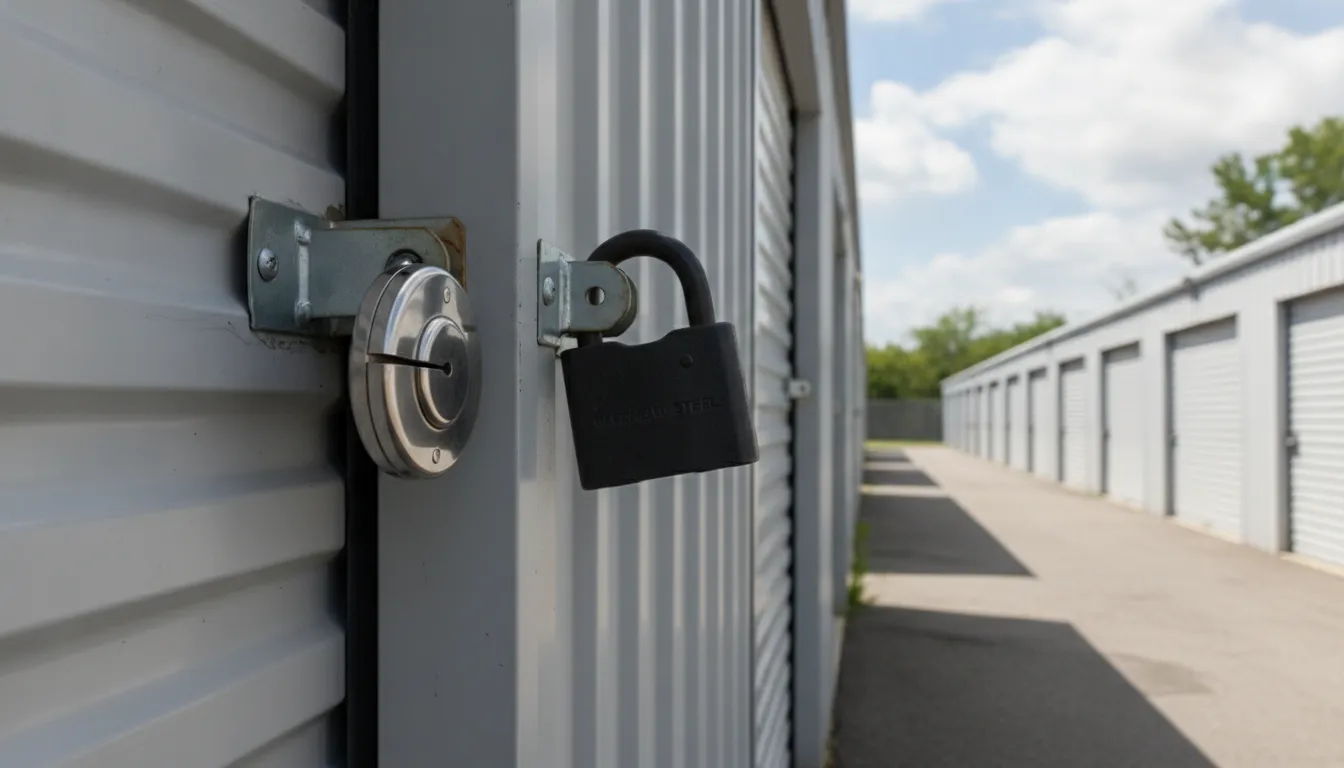
Picking between these two styles depends on your unit and door. If your unit has a small latch, the CRAB Discus Lock is the safest pick. It sits flat against the door and hides the shackle from view. This setup stops a thief from even trying to use a cutter.
If you have a non-standard door or a thick latch, a padlock is a better fit. Look for a lock with a high security rating to ensure it can handle a rough attack. Both styles are much better than the cheap locks found at a local shop. Heavy-duty security padlocks offer better protection for your most valuable items.
| Feature | CRAB Discus Lock | RED HAWK Padlock |
|---|---|---|
| Security Level | Highest for cutters | High for all uses |
| Shackle Style | Shrouded and round | Exposed U-shape |
| Best Use Case | Flush storage doors | Deep latches and gates |
| Weather Build | Very high | High |
| Ease of Fit | Tight on some latches | Fits almost all units |
How Do You Choose the Right Storage Unit Lock for Your Door?
Choosing the best storage unit lock starts with a look at your unit type and door style. You must also think about the value of your goods and how often you will visit. A lock that works for an indoor hall might not last in the wind and rain of an outdoor lot. To get the best security, you should use a step-by-step plan to pick the right tool for the job.
Check your door style
Before you buy, look at the door hardware. Most self-storage units use either a hasp or a latch plate. A hasp door has a loop that sticks out, which works well with heavy-duty padlocks like the RED HAWK. A latch plate often sits flat and may need a discus lock to fit the small gap. The right fit ensures there is no room for tools to pry the lock loose.
Think about the weather
Outdoor units face rust and grit. For these sites, stainless steel discus locks are a great choice because they resist rust. Look for models with hardened steel parts and weather seals. Research shows that laboratory-tested security locks offer a much higher delay factor in the field, so pick a lock built for tough conditions.
Use a decision plan
- Assess the unit type. Indoor units need basic physical strength, but outdoor units need weather seals and rust-proof parts like hardened steel.
- Find the door style. Measure the loop on your hasp or the gap in your latch to make sure the shackle will fit through without leaving too much room.
- Check the value of goods. If you store high-value gear or tools, look for a lock with a high security rating to make sure the lock can stop power tools.
- Compare lock designs. Choose a discus lock to stop bolt cutters or a thick-shackle padlock if you need a tool that fits many different latches.
- Verify site rules. Some storage sites need specific locks for insurance reasons, so check your lease before you make a final choice.
Focus on theft resistance
The best locks for storage units limit the space for attack. Disc-style locks are a top pick because their design leaves very little room for bolt cutters to reach the bar. By choosing a lock that resists cutting and prying, you make your unit a hard target. This delay is often enough to make a thief move on to a weaker door.
What Do Insurance and Facility Rules Mean for Your Lock Choice?
When you rent a space for your gear, you want it to be safe. But the lease you sign often says you are in charge of security. Most sites ask you to buy your own storage unit lock to keep your items safe. You must follow the terms of your insurance and the rules of the storage site.
Meeting insurance standards for coverage
If you have insurance for your items, read the rules. Many plans only pay for a loss if you use a lock that meets a set level of safety. Some firms say you must use a stainless steel discus lock to stay covered. If you use a weak lock, your claim might be denied. These rules help you pick a tool that works.
Picking a lock that goes beyond these basic rules is a smart move. High-grade locks are best found by checking how well they stop a physical attack. Studies show that tested gear gives the most reliable safety in real use. Using a tough lock keeps your insurance valid while it keeps your goods safe from thieves.
Learning site rules and access
Each storage site has its own set of rules. Some sites may ban locks that do not fit their door latches. Others might ask you to use a specific brand they sell. It is also common for sites to have limited facility access where you need a code to enter. This layer of safety is good, but you still need a strong lock on your door.
Ask about rules for lock removal too. If you lose your key, the site staff may need to watch while a pro cuts the lock. Always check if the site needs a spare key or if they have rules against heavy hardware. Knowing these facts can save you time and cash. It makes sure that your lock choice fits the door and the site rules.
Balancing rules with real security
Your goal is to find a lock that meets the rules of your insurance and the site. But do not just aim for the minimum. A basic lock might be enough for a lease, but it may not stop a thief with bolt cutters. Tools like the DoubleLock RED HAWK padlock offer the strong build needed for long-term storage.
Think of your lock as the first line of defense. Even if the site has cameras, a bad lock makes your unit an easy target. By picking a lock that meets codes and offers top strength, you gain peace of mind. Check your unit often to make sure your lock is still in good shape. Regular checks help you keep your gear safe.
What Other Security Measures Protect Your Storage Unit?
A strong storage unit lock is your first line of defense. But even the best lock works best as part of a layered security plan. Thieves often look for easy targets. Adding more layers of protection makes your unit a hard target. You can lower your risk by making smart choices about where you store your items and how you track them.
Choose a secure facility and unit location
The facility you choose should have tight access rules. Look for sites that need a unique code to enter both the main gate and your unit area. This limits who can reach your door. Places with bright lights and cameras also help stop crime. Experts at Newport News City say secure access is a key part of stopping theft. You should check that the facility locks down at night and keeps good logs of who comes and goes. A place that looks well-kept often shows that the staff cares about safety.
Unit location within the site also matters. Units near the front office or in busy areas are often safer. They are in plain sight, which keeps thieves away. Try to avoid units in dark spots or far ends of the site where a person could work on a lock without being seen. If you store tools for work, these tips also help with shipping container and jobsite security. Be aware that theft risk can go up during busy times like summer moves or the winter holidays when people store more gifts.
Document and inventory your items
If a theft does happen, having a full record of your goods is a must. You should keep a new list of every item in your unit. Take clear photos of your things and the way you packed them. This is very helpful for items like tech, tools, or bikes. Write down serial numbers so you can give them to the police or your insurance firm. Keeping these files outside of the storage unit is vital. This work is a critical part of security care and helps you get your items back after a loss.
Visit and check your unit often
Do not just lock your unit and forget about it for months. You should visit the site often to check your lock and door. Look for signs that someone tried to pry the latch or cut the hasp. If you see anything odd, tell the site manager or the police right away. Regular visits show that you watch your unit. This can keep thieves from picking your door for their next target. Research shows that teaching renters and limiting site access are good ways to stop crime. It is also a good idea to chat with the staff to stay informed on local trends.
For those who store gear in big bins, using heavy-duty container locks adds a final layer of strength. By mixing a tough lock with frequent visits and good records, you build a security plan that is hard to beat.
Frequently Asked Questions
What should I do if I lose the key to my storage unit lock?
If you lose your key, call the site manager right away. Do not try to cut the lock yourself. This often breaks your rental rules. Managers can check your ID and help you find a locksmith to remove the lock safely. According to the Newport News Police Department, you should also tell the police if you find signs of a break-in or unit damage. Check your unit for missing items.
Can I use my own storage unit lock at a facility?
Most storage sites let you use your own lock. This means you are the only one with a key to your goods. When you buy a lock, choose a strong model like the RED HAWK padlock to keep your items safe. Check your rental paper first. Some sites need a certain lock type to fit their doors or to meet insurance rules. A good lock keeps thieves away.
How do you use a storage unit lock on a roll-up door?
To lock a storage unit, slide the door down to the floor. Move the metal latch across the door frame until the hole is open. Put your lock through the hole and snap it shut. Make sure the lock is tight against the door. Pull on the handle to see if the door stays shut. Using a CRAB Discus Lock makes your unit more secure because it hides the main bar from bolt cutters.
Does weather affect how well a storage unit lock works?
Yes, rain and snow can make lock parts rust or freeze over time. This makes the lock hard to open or easy to break. You should pick a lock with parts that resist water and a body made of hard steel. A study from Edith Cowan University shows that tested gear works better in real life. Regular checks help make sure your lock still works well and has no rust.
How can I tell if my storage unit lock is secure?
A secure lock should feel heavy and fit tightly against the unit door. Check for a thick bar that is hard to reach with tools. The best locks use hard steel and have keys that are hard to copy. According to Arizona State University, using a disc lock is one of the best ways to stop theft at a storage site. Make sure your lock has a high security rating for the best defense.
Shop the DoubleLock USA catalog for heavy-duty storage unit locks
Low-quality locks often fail in seconds when thieves use bolt cutters or basic shims. Leaving your storage unit at risk can lead to the total loss of your tools, gear, or inventory. This loss far outweighs the small cost of a heavy-duty security upgrade. Secure your items now to prevent theft before your next trip to the facility. A stronger lock helps ensure your property stays safe while you are away. Our team builds these products for people who need real security and no bull. You can get the protection you need for any site or unit today.
Ready to shop the catalog? Shop our collection of heavy-duty padlocks to find the right fit for your storage needs.