
Leaving your trailer unattended, whether at a job site or a boat ramp, can be stressful. Your trailer and its contents are valuable, and theft is a real concern for any owner. While you might focus on locks for the trailer doors, the connection point to your vehicle is often the most vulnerable spot. A standard pin can be removed in seconds. This is where a secure trailer hitch pin set becomes essential. This article will walk you through the security features to look for, helping you choose a lock that protects your investment and gives you genuine peace of mind.
Key Takeaways
- Choose Security and Strength First: A standard pin connects your trailer, but a locking pin protects your investment from theft. For safety, always select a pin with a shear strength rating that is significantly higher than your trailer's fully loaded weight.
- Confirm the Correct Size for a Secure Fit: Your hitch pin's diameter must match your receiver's opening to prevent rattling and unnecessary wear. Before you buy, measure your receiver or check your vehicle's manual to ensure you get the right size for a snug, reliable connection.
- Invest in Durable Materials and Simple Maintenance: Opt for pins made from corrosion-resistant materials, such as stainless or hardened steel, to guarantee longevity. A simple routine of cleaning and lubricating your pin will keep the lock working smoothly and prevent it from seizing over time.
What Is a Trailer Hitch Pin?
If you’ve ever towed anything, you know that a lot of trust is placed in a few key pieces of equipment. A trailer hitch pin is one of those small but mighty components. Its job is simple yet critical: it’s a metal rod that slides through your trailer hitch and ball mount, holding them together. Think of it as the fastener that ensures your trailer and vehicle stay connected from point A to point B. Without a reliable pin, your entire towing setup is compromised.
The Essential Parts of a Hitch Pin Set
A basic hitch pin is just a pin and a clip. However, a high-quality hitch pin set offers much more, focusing on security. These sets typically include special locking pins designed to protect your hitch and other towing parts from theft. Instead of a simple clip, a locking pin uses a key or combination lock on one end. This makes it nearly impossible for someone to walk away with your expensive ball mount or the trailer itself. These pins are made to fit the most common receiver sizes, including 2-inch, 2-1/2-inch, and 3-inch receivers, so you can find one that fits your specific setup.
Why a Secure Hitch Pin Is Critical for Safe Towing
Using a secure, locking hitch pin is about more than just preventing theft; it’s a fundamental part of safe towing. The primary function of any hitch pin is to securely attach your ball mount to your trailer hitch, preventing accidental disconnection on the road. A locking pin adds a layer of certainty, ensuring the pin cannot vibrate loose or be tampered with. When you’re hauling a heavy load, the last thing you want to worry about is whether your connection is solid. A locking pin provides peace of mind, letting you focus on the road ahead knowing you’ve taken the right steps to secure your towing equipment properly.
Exploring Types of Hitch Pins
Choosing the right hitch pin isn't just about finding a piece of metal that fits. Different pins offer different levels of security and convenience, and understanding your options is the first step toward safe and confident towing. From basic pins for simple jobs to high-security locks for valuable cargo, the type you choose depends on your specific needs. Let's walk through the most common types so you can find the perfect match for your setup.
Standard Hitch Pins
Think of the standard hitch pin as the foundational piece of your towing system. Its job is simple: to secure your ball mount to the trailer hitch. These pins are typically crafted from strong, durable steel to resist corrosion and wear, ensuring they hold up over time. They are secured with a separate cotter pin, a small clip that passes through a hole at the end of the pin to keep it from sliding out. A standard pin is a straightforward and reliable choice for basic towing tasks where you might not be leaving your trailer unattended for long periods. It’s an essential component that gets the job done without any extra frills.
Locking Hitch Pins
If you’re looking for an extra layer of security, a locking hitch pin is the way to go. These pins function like a standard pin but include a locking mechanism to prevent theft of your ball mount or hitch-mounted accessories. This is especially useful when you have to leave your trailer parked in a public area. You can find a variety of secure towing solutions that provide the peace of mind that your equipment will be right where you left it. Available in various sizes to fit different receiver hitches, they are a practical and necessary upgrade for anyone who tows frequently or invests in high-value hitch accessories.
Quick-Release Pins
For those who frequently attach and detach their towing equipment, a quick-release pin offers unmatched convenience. Often called swivel pins, they feature a built-in clip that’s permanently attached, so you never have to worry about misplacing a small cotter pin again. This design allows for fast and easy removal, saving you time and frustration when you’re switching between a ball mount and other hitch accessories. While they offer great convenience, they provide the same basic level of security as a standard pin. It’s a small feature that makes a big difference in your day-to-day towing experience, especially if you're in a hurry.
Heavy-Duty Hitch Pins
When you’re hauling heavy loads or working in demanding environments, you need a heavy-duty hitch pin. These are engineered to withstand extreme force, with some offering over 30,000 pounds of shear strength. Built from hardened materials with excellent rust resistance, they ensure your hitch connection remains solid under the most intense conditions. If your work involves construction, agriculture, or hauling substantial equipment, investing in a heavy-duty pin is critical for safety and reliability. Businesses needing these robust solutions can often find them through wholesale suppliers.
How to Find the Right Size Hitch Pin
Choosing the right hitch pin is one of the most important decisions you'll make for safe towing. A pin that is the wrong size or not strong enough can compromise the connection between your vehicle and trailer. Taking a few moments to confirm the details of your setup will give you peace of mind for every trip. It comes down to two key factors: matching the pin to your receiver and understanding its strength rating.
Match the Pin Diameter to Your Receiver
Getting the right size hitch pin starts with one simple rule: the pin diameter must match your trailer hitch receiver. The receiver is the square opening on your hitch where you insert the ball mount or other accessories. Most receivers come in standard sizes, including 2-inch, 2-1/2-inch, and 3-inch openings. A pin that is too small will allow for excessive movement, creating noise and placing stress on the pin and receiver. A pin that is too large will not fit at all. A snug fit is essential for a secure connection. If you are unsure of your receiver size, you can find it stamped on the hitch or check your vehicle’s manual. Once you know the size, you can select a corresponding hitch pin to ensure a solid link.
Understand Weight and Shear Strength Ratings
Beyond size, the most important factor for safety is the pin's strength. This is measured by its shear strength rating, which is the amount of force a pin can handle before it could break under the stress of towing. This number is critical, especially when you are hauling heavy loads. High-quality hitch pins can have shear strength ratings exceeding 20,000 pounds, providing a robust and secure connection for your trailer. Always check the pin’s rating to ensure it can handle your trailer's gross weight. This level of reliability comes from using superior materials and thoughtful engineering, a standard we have held to for generations as part of our heritage.
Key Security Features to Look For
When you’re ready to buy a locking hitch pin, it’s easy to assume they all do the same job. But the difference between a basic pin and a truly secure one lies in the details. The right features not only prevent theft but also ensure your pin functions correctly for years, no matter the weather. Understanding what to look for helps you move beyond the price tag and choose a pin that provides real peace of mind. From the type of locking mechanism to the quality of the steel, each component plays a role in protecting your trailer and your investment.
Keyed vs. Combination Locking Mechanisms
You’ll generally find two types of locking mechanisms for hitch pins: keyed and combination. While combination locks can seem convenient, keyed locks provide a significantly higher level of security. They require a specific, physical key to open, which makes them much more difficult for a potential thief to bypass or pick. A quality keyed mechanism is designed to resist tampering. When you secure your towing equipment, you want a lock that presents a real challenge to anyone trying to unhitch your trailer without permission. For this reason, a durable keyed lock is the preferred choice for anyone serious about trailer security.
The Importance of Hardened Materials
The material of your hitch pin is its first line of defense. Look for pins made from hardened steel, as this process dramatically increases the metal's strength and resistance to cutting, drilling, or shearing. A pin made from soft, untreated metal can be compromised quickly with simple tools. High-quality options often use premium stainless steel, which offers the dual benefit of exceptional strength and natural resistance to rust. A company's commitment to using superior materials is often a good indicator of the product's overall quality and reliability. Don’t overlook the material specs; they are fundamental to the pin’s ability to withstand a brute-force attack.
How to Check for Weather and Corrosion Resistance
Your towing setup is constantly exposed to the elements, from rain and humidity to road salt in the winter. Without proper protection, a hitch pin can rust, which not only looks bad but can also weaken the steel and cause the locking mechanism to seize. A high-quality pin should feature corrosion-resistant construction. This can be achieved through the use of materials like stainless steel or by applying a durable, weather-resistant coating over hardened steel. When inspecting a pin, look for a smooth, even finish that completely covers the metal. This small detail ensures your lock operates smoothly and remains strong, season after season.
The Role of Dust Caps and Protective Covers
One of the most practical yet overlooked features on a locking hitch pin is a protective dust cap. This small rubber or plastic cover fits over the keyhole to seal out dirt, water, and grime. Without it, debris can work its way into the locking mechanism, causing it to jam or become difficult to operate over time. A well-designed dust cap preserves the internal components of the lock, ensuring your key works effortlessly every time you need to unhitch your trailer. It’s a simple feature that speaks to a thoughtful design and contributes directly to the longevity and reliability of your hitch pin.
What Defines a High-Quality Hitch Pin Set?
When you’re towing valuable equipment, the small pin connecting your trailer to your vehicle plays a huge role in security and safety. Not all hitch pins are made the same, and settling for a basic model can leave your property vulnerable. A high-quality set is defined by its intelligent security features, robust materials, proven strength, and user-friendly design. Understanding these key characteristics will help you choose a hitch pin that provides genuine peace of mind on and off the road.
Superior Locking Technology
A top-tier hitch pin moves beyond a simple pin and clip. It incorporates an advanced locking mechanism designed specifically to prevent theft and accidental detachment. Instead of a standard clip that can be easily removed or can vibrate loose, a superior system uses a keyed lock to secure the pin in the receiver. This ensures that only you can unhitch your trailer or accessory. Look for internal designs, like cam-style or ball-bearing mechanisms, that resist picking and create a tight, secure connection. These integrated systems are a fundamental feature of any serious towing security setup, offering a reliable defense for your assets.
Durable, Corrosion-Resistant Construction
The best hitch pins are built to withstand the elements. Since they are constantly exposed to rain, road salt, and humidity, their material composition is critical. High-quality sets are often made from stainless steel or chrome-plated hardened steel, materials known for their exceptional resistance to rust and corrosion. A pin that rusts can become difficult to operate or, even worse, its structural integrity can be compromised over time. Investing in a corrosion-resistant pin means you get a product that not only lasts longer but also functions smoothly every time you use it, reflecting a commitment to enduring quality.
Tested Strength and Reliability
The strength of your hitch pin is non-negotiable. This is measured by its shear strength, which is the amount of force the pin can withstand before it breaks. A high-quality pin will have a shear strength rating that far exceeds the gross weight of your trailer, providing a crucial safety margin. For example, some of the most reliable pins on the market are tested to handle over 30,000 pounds of force. This level of tested reliability ensures the pin will hold up under the immense stress of towing, from sudden stops to rough terrain. It’s this proven strength that separates dependable gear from risky alternatives.
Thoughtful Design for Ease of Use
Beyond raw strength, a premium hitch pin set is designed with the user in mind. Features that seem small can make a big difference in day-to-day operation. A well-designed locking mechanism should turn smoothly without sticking. Many top models include a rubber dust cap that fits snugly over the keyhole, protecting the internal components from dirt, grime, and moisture that could cause seizing. An ergonomic grip on the head of the pin can also make it easier to handle, especially in cold or wet conditions. These thoughtful details demonstrate a product that is not only secure but also practical and convenient for regular use.
How to Choose Your Next Hitch Pin Set
Choosing the right hitch pin set is about more than just finding one that fits. It’s about ensuring the safety of your trailer, your cargo, and everyone else on the road. With several factors to consider, from material to locking mechanism, making an informed decision will give you peace of mind for every trip. These steps will help you select a hitch pin set that provides reliable security and durability for the long haul.
Assess Build Material and Durability
The material of your hitch pin directly impacts its strength and lifespan. For maximum security and longevity, look for pins made from high-quality, solid steel. Materials like premium 304-grade stainless steel are an excellent choice because they resist rust and corrosion, keeping your equipment in top shape for years. A durable pin not only secures your trailer but also gives you confidence on the road. When you shop for security hardware, always check the material specifications to ensure you’re getting a product built to withstand the elements and the stress of towing.
Prioritize Ease of Installation and Removal
A secure hitch pin shouldn't be complicated to use. The best designs allow for quick and simple installation. Typically, this involves sliding the pin through the aligned holes on the hitch receiver and the ball mount, then securing it with a clip. This straightforward process means you can hitch and unhitch your trailer without any fuss. When you're at the boat ramp or a job site, you'll appreciate a pin that works smoothly every time. A user-friendly design is a key feature of a quality towing accessory.
Confirm Compatibility with Your Hitch
Before you buy a hitch pin, you need to make sure it fits your setup. Hitch pins are not one-size-fits-all. The most important measurement is the pin's diameter, which must match the pinhole on your trailer hitch receiver. You also need to ensure the pin's usable length is sufficient for your receiver's width. Most trucks and SUVs use common receiver sizes like 2 inches or 2.5 inches, and the pin you choose must be compatible. Always check your vehicle’s specifications to find the right size and avoid a frustrating return trip to the store.
Look for an Anti-Rattle Design
That constant clanking sound from your trailer hitch can be more than just an annoyance. It often means there's movement between the ball mount and the receiver, which can contribute to wear over time. An anti-rattle design helps create a quieter and more stable towing experience. Some hitch pins achieve this with features like rubber O-rings that cushion the connection, while others use specialized clips or locking mechanisms to ensure a snug fit. This small feature can make a big difference in your comfort and the longevity of your towing equipment.
Check for Key Replacement Options
If you opt for a locking hitch pin, losing the key can be a major headache. Before you make a purchase, it’s a good idea to see what the manufacturer’s policy is on key replacements. Many reputable companies offer a way to get a new key if you have the key number. As soon as you get your new lock, take a picture of the key or write down its code and store it somewhere safe. If you ever need a replacement, you can contact the manufacturer with the necessary information, saving you from having to cut the lock off.
Understanding Hitch Pin Price Points
When you start shopping for a hitch pin, you'll notice a wide range of prices. The cost often reflects the pin's material, design, and security features. Knowing what to expect at each price point helps you find the best balance between your budget and your towing security needs. Let's break down the common tiers you'll find on the market.
Budget-Friendly Options
For basic towing tasks where high security isn't the primary concern, budget-friendly options get the job done. These are typically standard, non-locking pins made from zinc-plated steel. They are designed to simply hold the ball mount in the receiver tube. You can find simple and affordable hitch pins and clips that are perfect for light-duty use or when you're working with a tight budget. While they provide the necessary connection for towing, remember that they offer minimal theft protection since they can be removed easily.
Mid-Range Choices
If you're looking for a bit more security without a significant price jump, mid-range locking pins are an excellent choice. This category introduces mechanisms that require a key to remove the pin, offering a solid deterrent against theft. These pins often feature more durable construction and might include basic weather protection like a dust cap. This tier provides a good mix of security and value, making it a popular choice for many trailer owners who want peace of mind without investing in a top-tier system.
Premium Security Sets
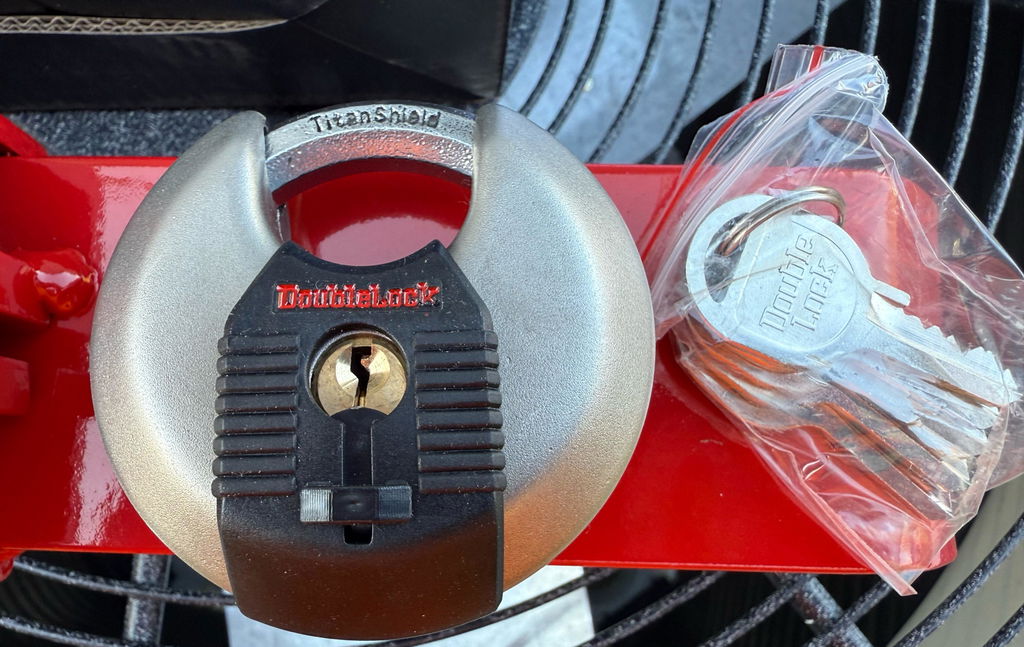
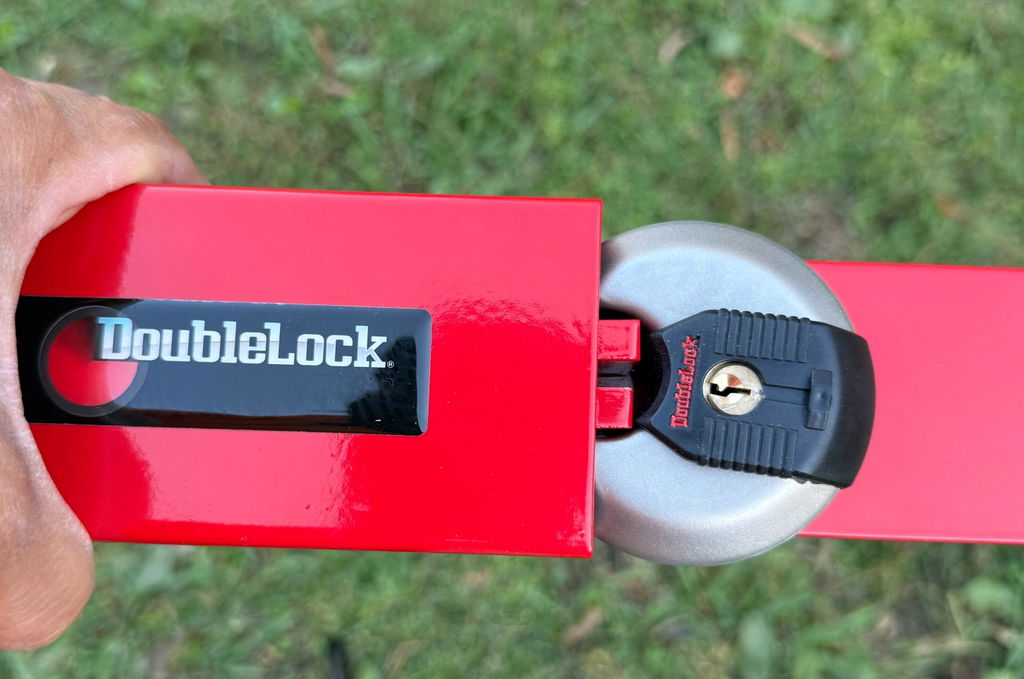
For those who won't compromise on security, premium sets are the way to go. This is where you'll find the most robust materials, like hardened or stainless steel, and advanced security technology. These pins are engineered to resist cutting, drilling, and picking. A premium DoubleLock USA hitch pin is built for maximum protection, featuring corrosion-resistant finishes and complex keyways that make unauthorized removal extremely difficult. Investing in a premium set is the best way to protect your trailer and hitch, especially if you frequently leave your trailer unattended or tow valuable cargo.
Where to Find Quality Hitch Pin Sets
You can find quality hitch pin sets at a variety of retailers. Major hardware and automotive stores like The Home Depot carry a selection of pins across all price points, making it easy to compare options in person. Online marketplaces also offer a vast selection. For the best quality and expertise, consider purchasing directly from a security-focused manufacturer. This ensures you get a genuine product backed by a warranty and customer support, giving you confidence that your towing setup is truly secure.
Common Hitch Pin Mistakes to Avoid
Using a hitch pin correctly is just as important as choosing the right one. A simple mistake can compromise the safety of your connection, putting your equipment and everyone on the road at risk. By learning to spot a few common errors, you can ensure your towing setup is as secure as possible for every trip. Let's go over the most frequent missteps so you can confidently attach your equipment and get on your way.
Picking the Wrong Size
One of the most common issues is using a hitch pin that isn't the right size for the receiver. A pin that's too small will move around, causing wear and creating a weak point in your connection. A pin that's too large simply won't fit. Before you shop for a new pin set, measure the opening on your receiver. Most receivers require a pin with a 1/2-inch or 5/8-inch diameter, but you should always confirm your specific requirements. Don't guess or settle for a "close enough" fit. The right size creates a snug, secure connection that you can depend on.
Ignoring Weight Limits
Every hitch pin has a specific weight rating, which indicates the maximum load it can safely handle. Overlooking this rating is a serious safety risk. Before you tow, you need to know the gross weight of your loaded equipment. Always choose a hitch pin with a capacity that exceeds this weight. This information, often called shear strength, should be clearly stated on the product's packaging or in its specifications. Using an underrated pin can lead to it bending or breaking under stress, which could have disastrous consequences on the road. Always prioritize a pin that is rated well above your needs.
Overlooking Important Security Features
A standard pin and clip will keep your hitch connected, but it won't stop a thief from detaching your entire rig. For true peace of mind, you need a pin with an integrated securing mechanism. These devices replace the simple clip with a keyed fastener, making it nearly impossible for someone to remove the pin without authorization. Investing in a high-quality anti-theft pin is a small price to pay for protecting your valuable equipment. It’s a reflection of a commitment to security, a principle that is part of our heritage at DoubleLock.
Skipping a Material Quality Check
The material of your hitch pin directly impacts its strength and lifespan. A pin made from low-quality metal can rust quickly, weakening it over time and making it difficult to use. Exposure to rain, road salt, and humidity will accelerate this process. When choosing a pin, look for durable, corrosion-resistant materials like hardened or stainless steel. These materials are designed to withstand the elements and the demands of heavy use. Taking a moment to check the material quality ensures your pin will remain reliable and easy to operate for years to come.
How to Install and Maintain Your Hitch Pin
Properly installing and maintaining your hitch pin is just as important as choosing the right one. A few simple steps can ensure your pin functions correctly and provides the security you depend on for every tow. Taking care of your equipment not only extends its life but also gives you confidence on the road. Think of it as routine upkeep that protects your investment in your trailer and your cargo. By following a consistent maintenance schedule, you can prevent common issues like rust and wear, making sure your hitch pin is always ready for the job.
This proactive approach is key to safe and stress-free towing, preventing potential failures before they happen. A well-maintained pin is a reliable pin, and reliability is everything when you have valuable assets in tow. It's a small time commitment that pays off in peace of mind and long-term performance. Neglecting this small but critical component can lead to corrosion that makes it difficult to remove or, in a worst-case scenario, cause a failure during transit. We'll walk through the essential steps for installation and care, so you can feel secure every time you hitch up and hit the road.
A Step-by-Step Installation Guide
Installing a hitch pin is a straightforward process that ensures a secure connection between your vehicle and trailer. First, carefully align the hitch receiver on your vehicle with the trailer's coupler. Once they are lined up, slide your ball mount into the receiver. Next, insert the hitch pin through the corresponding holes on the side of the receiver, passing it completely through the ball mount shank inside. The final step is to secure the pin. If you have a standard pin, attach the cotter pin or clip. For a locking pin, insert the lock at the end and turn the key to engage it, making sure it’s firmly in place before you start towing.
Simple Tips for Cleaning and Lubrication
Regular cleaning keeps your hitch pin in excellent working condition. Over time, road grime, salt, and moisture can lead to rust and make the pin difficult to use. To clean it, use a wire brush to scrub away any dirt, debris, or surface rust. This simple action prevents buildup that can interfere with the locking mechanism or prevent the pin from fitting smoothly. After cleaning, apply a light coat of lubricant or grease. This creates a protective barrier against moisture and corrosion. Following these basic hitch maintenance tips ensures your pin operates smoothly every time you need it.
Know When It's Time for a Replacement
Even the most durable hitch pin will eventually need to be replaced. It's important to inspect your hitch pin regularly for signs of significant wear and tear. Look closely for deep rust that compromises the metal's integrity, any bending or warping in the pin's shaft, or visible cracks. These are all indicators that the pin's strength has been compromised and it is no longer safe for towing. Using a damaged pin puts you, your cargo, and others on the road at risk. If you notice any of these issues, do not use the pin. Replace it immediately with a new, high-quality one to maintain a secure connection.
How to Store Your Hitch Pin Correctly
When your hitch pin isn't in use, how you store it can make a big difference in its longevity. The main goal is to keep it dry and clean to prevent rust and corrosion. Find a dedicated dry spot in your garage, workshop, or vehicle. Storing it in a small toolbox, a designated drawer, or even a simple cloth bag can protect it from moisture and dirt. This also keeps it from getting misplaced. If you want to go a step further, you can find a protective case. Properly learning how to store your trailer hitch and its components ensures they remain in top condition and are ready for your next haul.
Related Articles
- Your Complete Guide to the Locking Hitch Pin
- Stainless Steel Locking Hitch Pin: A Buyer's Guide
- The Ultimate Trailer Hitch Lock Pin Guide
- Choosing a Locking Hitch Pin for 2 Inch Receiver
Frequently Asked Questions
Is a locking hitch pin really worth the extra cost? Think of it this way: a standard pin keeps your trailer connected while you drive, but a locking pin protects your investment when you are not around. If you ever leave your trailer unattended, even for a short time, a locking pin prevents someone from simply pulling the pin and walking away with your ball mount or the trailer itself. It is a small price for significant peace of mind and security for your valuable equipment.
How do I find the right size hitch pin for my truck? Finding the right size is a two-step process. First, you need to match the pin's diameter to the hole in your hitch receiver, which is typically 1/2 inch or 5/8 inch. Second, you need to ensure the pin's length, often called the usable length, is long enough to pass completely through your receiver and ball mount shank. The best way to confirm the correct size is to check your vehicle's manual or look for markings on the hitch itself.
What's more important for security: the pin's material or the lock itself? You really cannot have one without the other; they work together as a security system. A pin made from soft metal can be cut or broken, even if it has a great lock. Likewise, a pin made from hardened steel is not secure if the lock can be easily picked or forced open. A truly high-quality set combines a pin made from strong, corrosion-resistant material with a durable, tamper-resistant locking mechanism.
Can't I just use a regular bolt and nut instead of a hitch pin? I strongly advise against using a standard bolt and nut. Bolts are designed to handle tension, which is a clamping force, not the shearing force created by towing. A hitch pin is specifically engineered from hardened steel to withstand the immense side-to-side stress that occurs during towing, braking, and turning. Using a bolt creates a serious safety risk, as it could snap under pressure without warning.
How often should I inspect my hitch pin, and when should I replace it? It is a good habit to give your hitch pin a quick visual check every time you tow. Look for any signs of trouble. It is time for a replacement if you see any significant bending, deep rust that flakes away, or cracks in the metal. For locking pins, if the key becomes difficult to turn or the protective cap is missing and the lock is full of grime, it might be time for a new one. Regular inspection is a simple step that ensures your connection is always secure.