

Standard container rods fail against simple hand tools in less than a minute. This massive security weakness leaves high-value cargo fully exposed in yards and on the road. Professional fleet operators cannot rely on thin factory steel to protect their cargo.
Shop heavy-duty container locks now to secure your cargo with hardened steel protection that stops thieves cold.
Shipping container security relies on a layered physical defense that combines heavy-duty locks with supply chain rules to protect high-value cargo. Standard metal customs seals only show break-ins after they happen, but they cannot stop quick thieves who target parked units. This leaves cargo in unwatched dark yards open to bolt cutters and pry bars. To stop these attacks, the U.S. Customs and Border Protection agency calls for a complete security setup instead of a single tool. Fleet managers must use heavy-duty steel locks to cover weak door points, secure locking bars, and block forced entry. Doing so protects valuable freight, keeps shipping schedules on time, maintains the chain of custody, and prevents costly cargo losses.
To build a secure storage or shipping system, owners must first know the real risks their cargo faces on the road and in the yard. To do this, we must first look at Why Shipping Containers Are Prime Targets for Theft. The path begins with
Shipping Container Security: Why Shipping Containers Are Prime Targets for Theft
Shipping containers move millions of tons of cargo daily. Because they hold valuable goods, they are top targets for organized rings and lone thieves. Protecting these steel boxes requires a strong focus on a fleet cargo theft prevention guide to avoid massive losses.
Most shipping container thefts involve quick, easy access when a box is left alone. Boxes left alone in yards or storage areas are easy marks. Thieves search for quick wins in quiet spaces, and a box left alone for even a few hours is at risk.
High-value cargo in isolated yards
Cargo theft often happens because containers sit in lonely spots with no guards. Storage yards, building sites, and dark depots rarely have strong gates. This quiet time gives thieves hours to do their work. They can cut seals and unload goods without being seen.
Construction sites and company yards are easy targets for night-time theft. Thieves know these sites are empty on weekends. This gives them hours to break into container units. If a container sits in one spot for months, it becomes a clear target for local thieves.
Weak factory door hardware
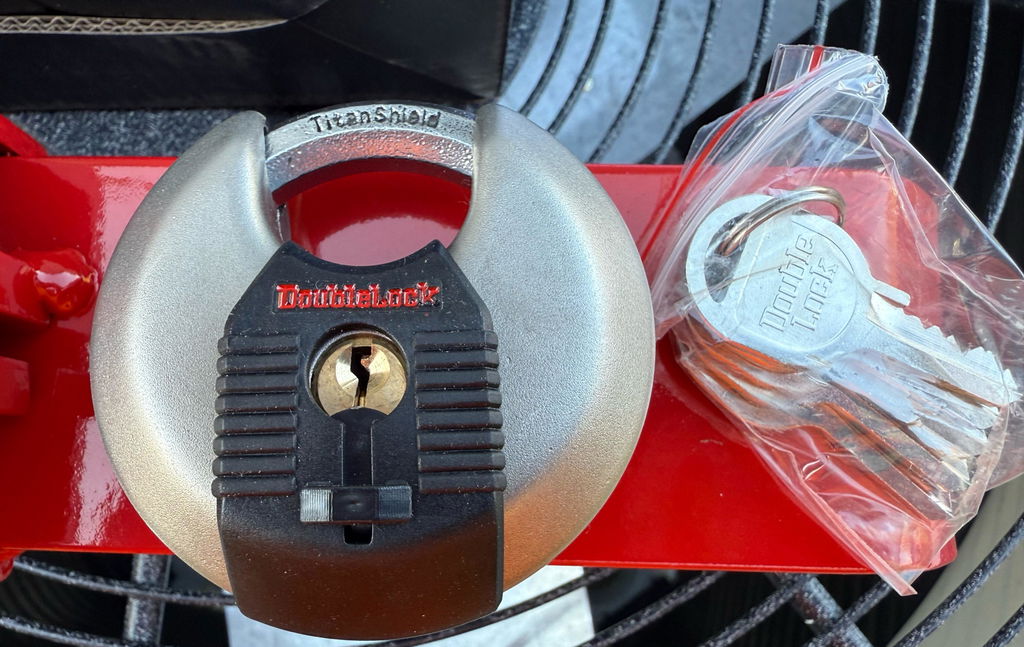
Many owners trust the standard hardware on a shipping container, but factory handles are not built to stop real attacks. Doors are the primary weak points because they provide direct access to the cargo. A thief with a common pry bar or bolt cutter can snap standard hasps in seconds. Without extra protection, standard container security is weak against forced entry.
Standard brass padlocks and thin steel latches offer little defense against hand tools. Bolt cutters and angle grinders can cut through factory locks in less than a minute. Metal wear and rust over time weaken these doors. When metal gets thin from rain and wind, prying open the doors becomes even easier for thieves.
Transit points as security gaps
The risk of theft grows when cargo moves through the supply chain. Cargo theft from containers is often enabled by inadequate physical security at intermediate transit points. Port yards, rail hubs, and truck stops are busy areas where boxes sit for hours. The constant flow of trucks and workers makes it easy for thieves to blend in and find weak spots.
To stop these threats, owners must look beyond single locks. Guidelines from the Container Security Initiative state that effective container security requires a layered approach. This combines physical locking with supply chain oversight. By securing both the yard and the container door, you create multiple barriers that turn away thieves before they can touch your cargo.
How Thieves Bypass Standard Container Lock Hardware
Standard shipping containers are tough, but their factory door latches are surprisingly weak. Experienced thieves know how to spot and exploit these vulnerabilities in minutes. They often use everyday tools to break thin metal and cheap padlocks on storage sites, jobsites, and container yards. Without upgraded locks, cargo is highly vulnerable to theft.
Common Tools Used in Cargo Theft
Some thieves rely on speed and force to open standard cargo containers. They carry tools that can bypass factory hardware in seconds:
- Bolt cutters — snap open padlocks with thin steel shackles in one clean motion. Standard locks have exposed steel loops that make them easy targets.
- Crowbars and pry bars — bend standard hasps and latches out of shape without cutting. A thief can lever a door open in seconds.
- Angle grinders — cut through standard container metal and weak lock bodies in under a minute. When noise is not a concern, this tool defeats most factory hardware.
- Lock picks — cheaper padlocks with simple pin tumblers fall to basic picking tools within seconds. Novice thieves can open them silently.
For tough latches, a long crowbar or pry bar can quickly bend standard hasps out of shape. When noise is not a concern, power angle grinders can cut through standard container metal and weak lock bodies in under a minute. Cheap locks also fall victim to quick lock picking. To stop these attacks, crews must use locking hardware made from thick, hardened steel.
The Weak Points of Factory Door Latches
Many crews believe that standard factory latches and customs seals are enough to protect their cargo. But these parts are built to keep doors closed and meet rules, not to stop a heavy tool attack. The U.S. Customs and Border Protection sets rules for container seals. These seals track cargo to meet official rules, but they do not replace strong physical locks. Other brands often suggest basic disc locks or puck locks on a welded lock box. While these can help, they still leave large parts of the locking rod exposed. Thieves can quickly bypass them by cutting the thin door metal around the box. If a lock does not cover the whole latch, thieves can still cut the steel rods to open the doors.
Deterring Theft with Upgraded Hardware
Upgraded container locks offer the best way to block forced entry. Heavy-duty locks wrap around the tall locking bars to block tool access completely. This full coverage reduces the target area where a thief can use a grinder or crowbar. Beyond steel strength, upgrading your hardware sends a clear message to cargo thieves. A visible, strong steel lock acts as a powerful warning to thieves. When thieves see a tough lock, they often move on to easy targets because the risk of getting caught is too high. This warning is just as helpful as the tough steel itself. For more details on choosing the right system, read our conex box security locks guide to keep your assets safe.
Hardened Steel and Lock Design: The Foundation of Container Security
Shipping containers sit outdoors in rain, salt, and snow. Standard steel rusts in these harsh climates, which makes the lock easy to break. Hardened steel locks are made to withstand extreme weather. They prevent the rust that weakens the physical barrier. For strong shipping container security, you need locks that survive the elements. Our conex box lock guide for contractors explains how to choose the right gear for outdoor sites.
Water inside a lock can freeze and jam the gears. Rust also ruins the inner springs. High-grade hardened steel keeps the lock working smoothly in any weather, saving you time and keeping your cargo secure.
Metallurgy and weather resistance
Physical locks are the base of cargo defense. According to the U.S. Customs and Border Protection, strong physical locks form a vital layer in a secure supply chain. DoubleLock USA designs products like the BULL and RHINO with heavy steel. These locks hold EU SCM certification, which proves they meet strict European standards.
This certification is not just a label. It means the locks went through tough, strict testing to prove they can resist brute attacks from hacksaws and drills. When you secure a container with certified hardware, you decrease your risk of costly cargo loss.
High-security lock cylinders
Thieves do not just use brute force. Some try to pick locks to slip inside without a sound. High-security lock cylinders are built to make picking extremely difficult. Key features of a high-security lock cylinder include:
- Complex pin layouts — rotating discs and security pins that need perfect alignment to open. Standard picking tools cannot mimic this pattern.
- Anti-drill plates — hardened steel inserts that stop drill bits from reaching the inner mechanism.
- Restricted keyways — key shapes that only the manufacturer can cut, preventing unauthorized key duplication.
Basic locks use simple pin systems that a novice can pick in seconds. Advanced cylinders use rotating discs and security pins that need perfect alignment to open. This design makes silent entry highly unlikely. It forces thieves to use heavy power tools, which makes loud noise and draws attention.
Edge-to-edge locking design
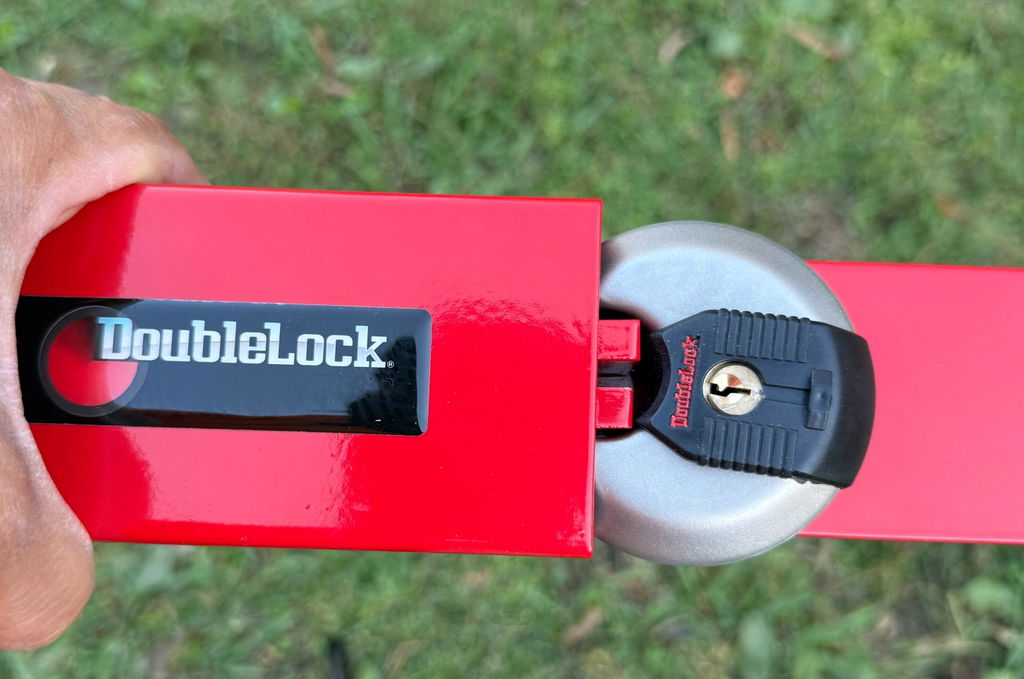
How a lock fits on the container matters. A loose fit gives thieves room to use pry bars and saw blades. For the best defense, look for an edge-to-edge design that wraps around the locking bar. This setup leaves zero room for tools. It blocks the leverage that thieves need to force a door open.
When a lock covers the entire bar, there is no exposed metal to cut. Thieves cannot find a gap to insert a wedge. This block protects the weakest parts of the shipping container door.
You can also use a heavy padlock with a tough container hasp for an extra layer of defense. This dual setup shields the lock shackle from direct cuts. Standard bolt cutters cannot reach the steel loop. By covering the typical weak points, you stop quick theft in its tracks.
The steel hasp acts as a shroud around the padlock. This setup forces tools away from the lock's core. Combining a sturdy hasp with a hardened padlock forms a double wall of defense.
BULL and RHINO Container Locks: European Engineering for Heavy-Duty Protection
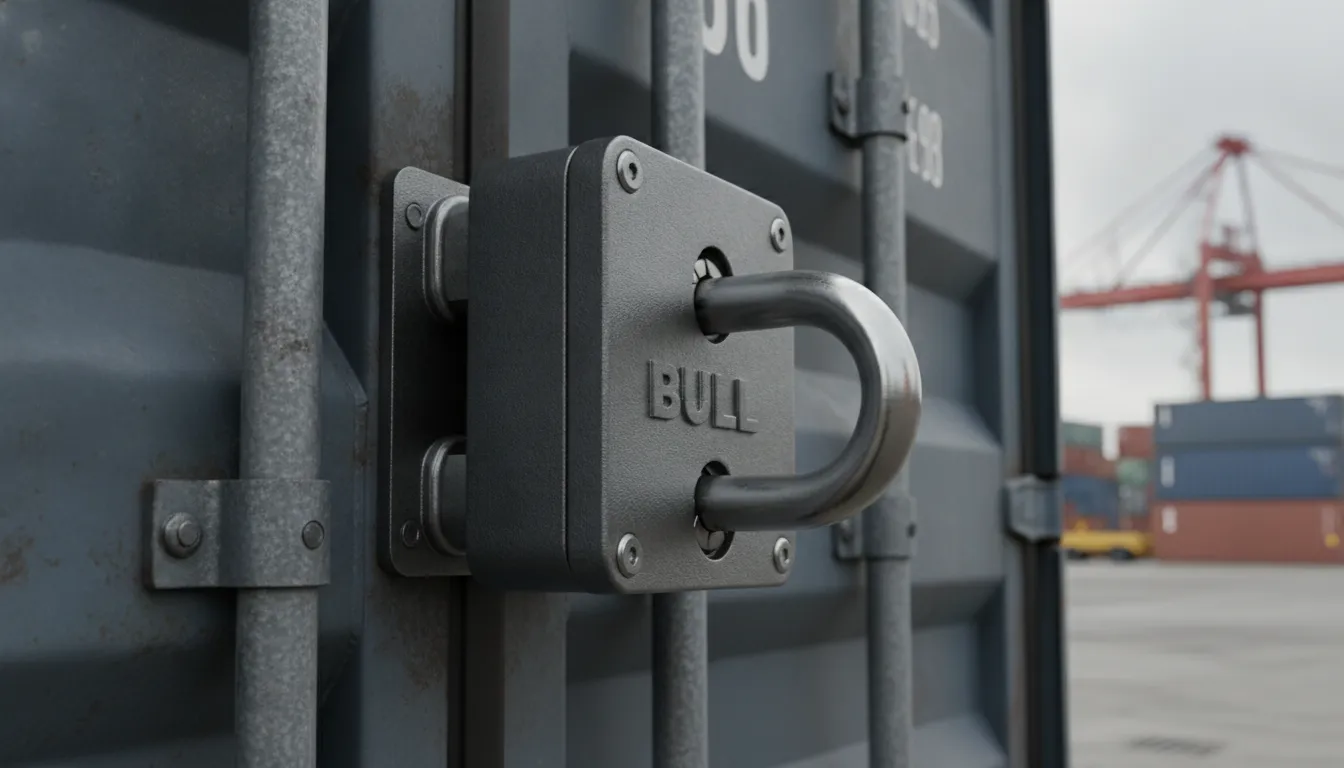
Flagship protection with the BULL lock
The BULL lock serves as our flagship option for heavy-duty defense. This device features a hardened steel body that stops common hand tools cold. It uses a unique edge-to-edge design that wraps around the container locking handle. Because of this, it reduces the target area for prying and cutting. This helps prevent break-ins when cargo is left alone in open yards.
This lock carries the highly trusted EU SCM security certification, which proves its strength under pressure. European labs test each of these lock designs against extreme brute force before they pass. To prevent rust, the lock has a thick, weather-resistant outer shell that keeps dirt and wetness out of the inner key cylinder. Fleet teams rely on these units to maintain high standards of shipping container security during long transit routes.
Maximum security with the RHINO design
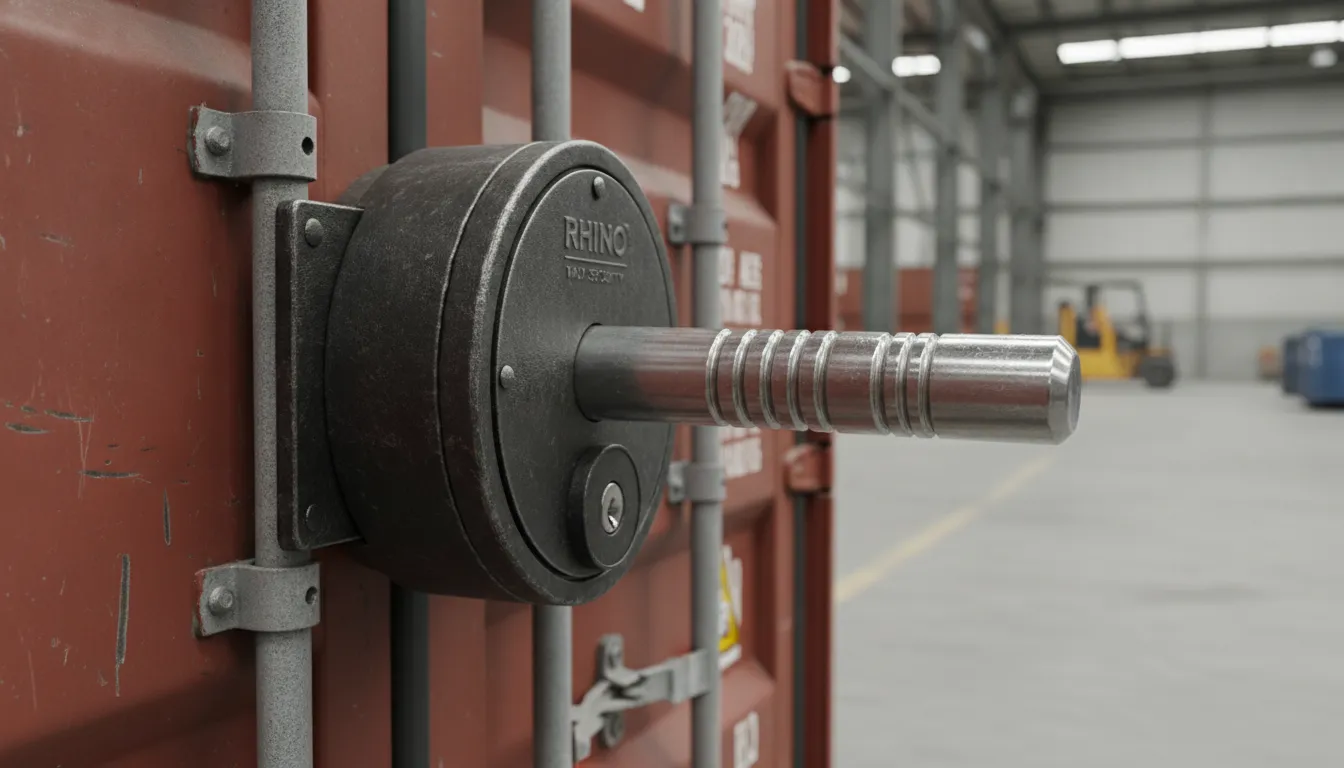
When your cargo needs the highest level of tough defense, the RHINO lock is the best choice. This heavy-duty model uses an ultra-thick hardened steel shell to resist severe attacks. Like the BULL lock, it has full EU SCM certification. It features an edge-to-edge body that shields the container rod from grinder disks and heavy pry bars. The tough design of this hardware makes prying attempts too hard for thieves.
This model is built for storage yards and high-risk cargo zones. Its heavy frame stands up to the harshest outdoor climates, making sure the locking system never fails. Rain, snow, and coastal salt spray will not damage the inner lock because of the strong rubber seals. It provides a clear barrier that deters thieves and stops cargo theft before it can start. To find the right fit for your yard, read our shipping container lock buyer guide.
Choosing the right container lock
Choosing the right hardware depends on your work and your risks. Both of these container locks are built to keep your goods safe, but they have different strengths. If you want the best lock for shipping container security, use the comparison below to match each lock with your needs.
| Product Model | Security Level | Materials Used | Best Application | Weather Resistance |
|---|---|---|---|---|
| BULL Lock | High security for active cargo | Hardened steel shell | Active freight shipping and transit | Sealed against rain and dirt |
| RHINO Lock | Maximum heavy-duty defense | Thicker hardened steel | Static storage yards and high-risk sites | Heavy seals for extreme weather |
Many standard containers have weak locking points that are easy to bypass. Adding strong aftermarket hardware to existing container bodies is a smart security strategy. Physical locks are most effective when you combine them with supply chain standards. Official guides explain these layers in the Container Security Initiative brief.
Beyond the Lock: Layered Security for Container Yards and Storage Sites
A heavy steel lock is only one part of a strong security plan. Good shipping container security needs a layered plan. This plan joins physical locks with supply chain oversight.
Government security programs show that true safety relies on a full system of screening, not just a single piece of hardware. When you blend tough physical barriers with smart yard management, you build a defense that stops cargo theft. Key layers of a comprehensive container security plan include:
- Heavy-duty physical locks — hardened steel locks like the BULL and RHINO that wrap around locking bars to block tool access.
- Perimeter controls — fencing, locked gates, and strategic container placement that blocks tool access.
- Surveillance and lighting — security cameras and bright floodlights that deter night-time theft.
- Access control and key management — restricted key distribution, key logs, and keyed-alike systems for fleet use.
- Real-time monitoring — GPS tracking and tamper alerts that notify you the moment a container is breached.
Physical Layout and Perimeter Controls
Securing the yard itself is a key step in total shipping container security. Yard security is just as important as the locks on the containers themselves. This makes sure that unwanted people cannot get close to your cargo. If thieves cannot easily reach your containers, they cannot try a break-in.
A smart yard layout acts as a physical barrier. You should park containers with their cargo doors facing each other or tight against a wall. This setup blocks the space that thieves need to use large tools. Fencing the yard and locking gates also force thieves to look for easier targets.
Surveillance, Access, and Key Protocols
Visibility and surveillance are key parts of an effective container storage plan. You should store high-value cargo in well-lit areas with active monitoring. Security cameras and bright floodlights deter thieves who rely on the cover of darkness. When yards are dark and silent, thieves have the time they need to work.
Restricting key access is another basic rule of container security. You need a clear process to manage keys so that only approved workers can open a container. Keeping logbooks and tracking keys reduces the risk of internal theft or copied keys. Planners can read a shipping container lock buyer guide to find hardware that fits their key control rules.
Real-Time Cargo Monitoring Technology
Physical locks and yard lighting work well, but you can also use technology. Cargo theft is a multi-billion dollar problem across the world. To fight this threat, modern fleet managers use container security devices to track cargo status in real time. These smart tools mount inside or on the container to monitor location, temperature, and light.
These electronic tracking devices do not replace heavy-duty locks. Instead, they work with physical locks to give you full coverage. If someone tampers with the lock or doors, the device sends a fast alert to your phone or computer. This fast notice lets you call local police before the thieves can drive away with your goods.
Fleet and Commercial Considerations for Container Security Investments
Fleet managers must look closely at the massive costs of cargo loss during transit. A single theft does much more than deplete your physical stock. The true cost of theft goes far beyond the value of the lost goods. It causes systemic operational disruption that halts your daily work and hurts client trust.
This disruption includes the time spent replacing broken containers and fixing damaged locks. Heavy-duty locks are essential for modern shipping container security in busy transit yards. Strong visual deterrents stop opportunistic crimes before they can even start. Fleet managers can use our fleet cargo theft prevention guide to build a safe plan for their assets.
Calculating the Real Return on Investment
Buying high-quality security hardware is a smart financial move for any logistics firm. The cost of a high-quality lock is small compared to the price of cargo loss and shipping delays. When a shipment is stolen, your business faces massive setbacks that are hard to overcome. Customers lose trust, deliveries fall behind, and your team must deal with insurance claims.
A visible physical barrier deters thieves from targeting your fleet in unsecured areas. This helps maintain your schedule and keeps your trucks moving on time. By investing in heavy-duty locks, you protect both your cargo and your daily operational efficiency. Sturdy locks reduce your overall risk and save your business money over time.
Demonstrating Due Diligence to Insurers
Securing your assets does much more than protect physical cargo from theft. It also strengthens your commercial relationships with partners and clients. Documenting your cargo security measures shows clear due diligence to insurance firms and stakeholders. This proof shows that you are a reliable partner in the global supply chain.
This robust proof helps resolve insurance claims quickly if a theft occurs. It also proves to your commercial clients that you take their cargo security seriously. The Container Security Initiative shows that keeping cargo safe needs a full security plan, combining physical locks with yard tracking. A fully documented plan makes your firm a preferred partner for shipping high-value cargo.
Key Management and Wholesale Procurement
Large transport fleets need a simple and reliable system to manage keys. Restricting key access is a basic rule of physical container security. Our locks offer keyed-alike options so team members can access multiple units with one key. This reduces key confusion and saves valuable time on active jobsites.
Commercial buyers can contact us for wholesale pricing to secure their entire fleet. We offer bulk rates and custom lock options that fit standard shipping container latch bars. Secure your logistics network and protect your bottom line with industrial-grade locks built to last. Our sales team can help you choose the best locks for your transport fleet today.
Frequently Asked Questions
How can I prevent shipping container theft?
According to the U.S. Customs and Border Protection, strong cargo security needs a layered setup that combines heavy physical locks with close site watch. First, lock the doors with hardened steel locks. Second, keep the units in bright, watched yards. Lastly, track containers on the road to find problems fast.
What is the most secure lock for a shipping container?
The most secure locks are heavy-duty models made from hardened steel that fit over the door handle. These blocks cover the lock rod from edge to edge to block cutters and pry bars. They should use a high-security key cylinder that is very hard to pick. For detailed choices, read our shipping container lock buyer guide.
Are standard padlocks safe for shipping containers?
No, standard padlocks are not safe for shipping container security. Thieves can cut them fast with bolt cutters or pry them open with steel bars. Standard padlocks lack the thick steel shield needed to block tool attacks. Instead, you need a heavy steel lock built to wrap around the locking rods.
Why does site placement matter for shipping container security?
Where you place a container affects its risk of cargo theft. Thieves often pick units parked in dark, hidden spots where they can work unseen. Storing your container in a bright yard with cameras makes break-ins much harder. Turning the doors face-to-face or close to a wall also blocks tool access.
Ready to Secure Your Shipping Containers?
Leaving your cargo with weak locks can cost you your business. One broken door latch can lead to lost goods, delayed shipments, and huge bills. When you do not protect your freight, you risk your good name and your profits.
Thieves look for easy targets, and an unlocked container is the easiest target of all. Do not wait for a major theft to happen before you upgrade your locks. You can stop cargo losses today by putting strong steel locks on your fleet. Strong physical locks protect your shipments from the moment they leave your yard until they reach their final stop.
Ready to secure your cargo? Call (561) 289-4865 to shop commercial-grade locks or browse the container locks collection online for fast shipping on all orders.