
A conex box lock is a heavy duty industrial security device. It protects tools and gear stored inside steel shipping containers on a jobsite. These locks use strong steel covers purpose built to block thieves. Contractors use them where standard locks are too weak to deter theft. High security also depends on clear chain-of-custody practices. The right lock reduces unauthorized access and signals that your storage unit is not an easy target.
What is a Conex box lock?
A conex box lock is a piece of security hardware that keeps shipping container doors shut. These locks are built to stop people from getting into your cargo or tools. Most conex containers come with basic door latches, but these are not enough to keep out thieves. To secure your assets, you need a heavy duty conex box lock that can stand up to bolt cutters and saws.
Locks for container doors
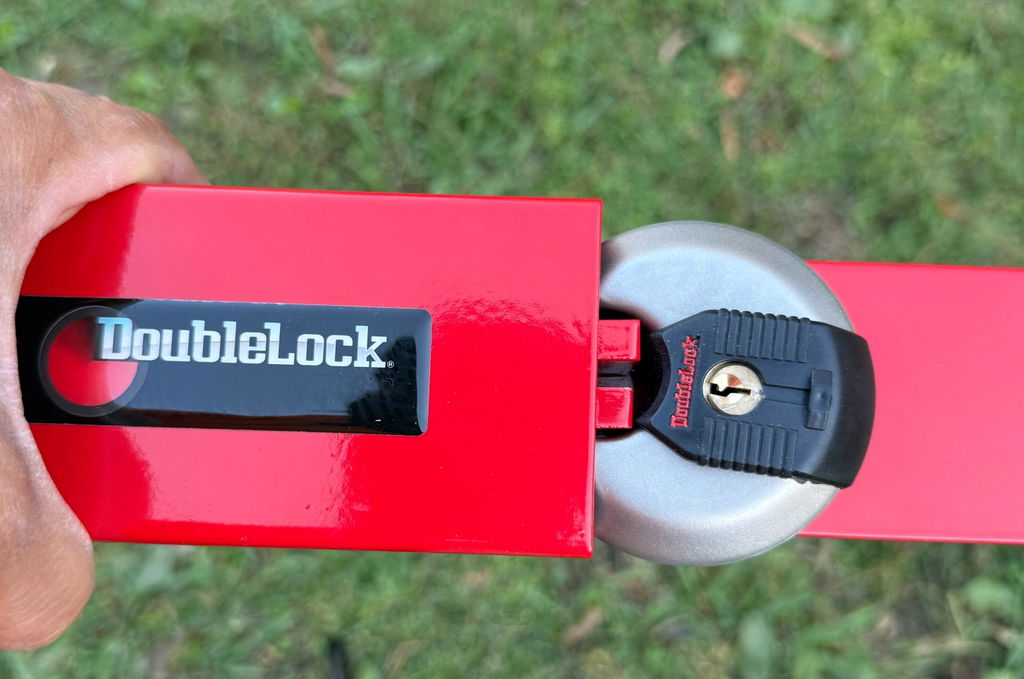
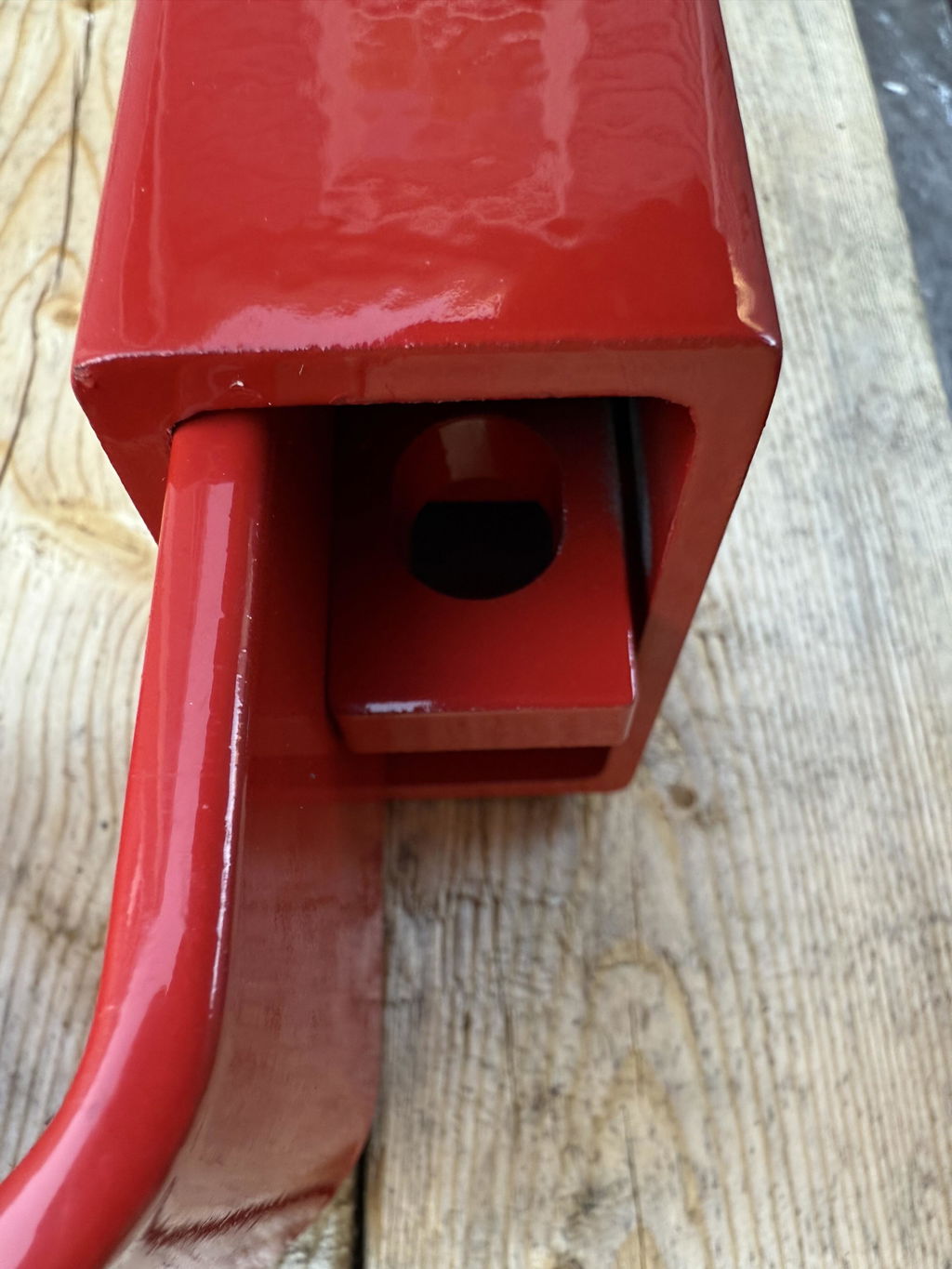
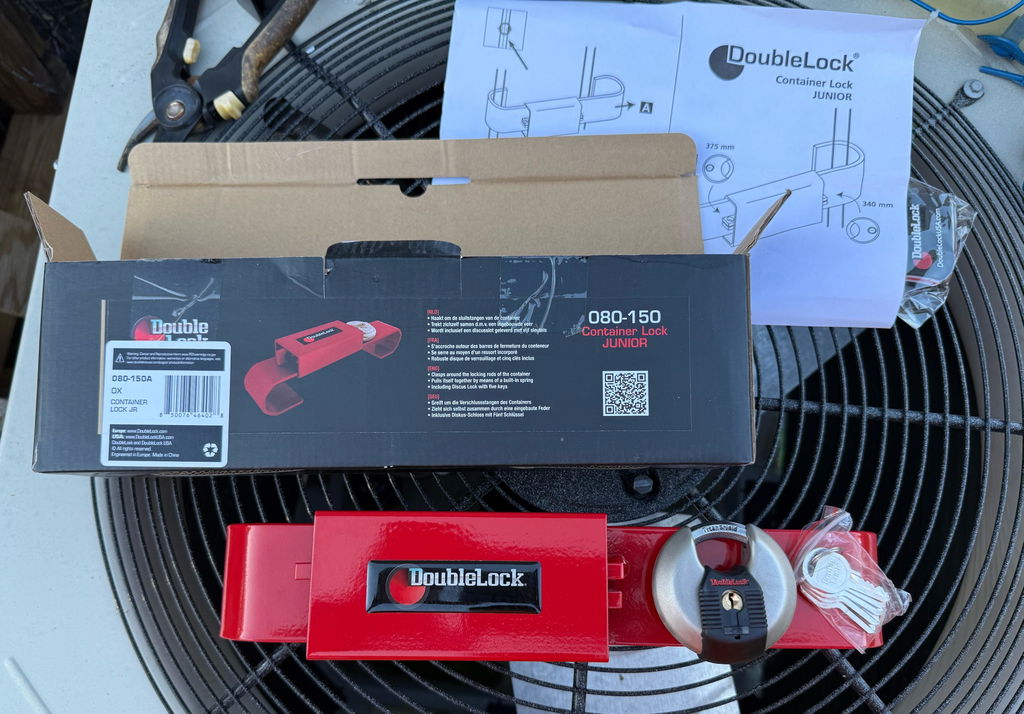
The main lock on a container is usually a padlock or a bar lock. A standard padlock hooks through the hole on the door handle. But a plain padlock is easy to cut if it is out in the open. For better security, many people use bar locks. These locks span across the two locking bars of the container. Our RHINO conex box lock is a good example. It grips both bars and holds them tight so the doors cannot move.
Security is vital for containers on active job sites. The NIST standards for container security show that good tools help keep the chain of custody safe. Using a lock that fits well will lower the risk of loss. For fleet managers, this means less money lost to stolen gear and cargo.
Protective lock boxes
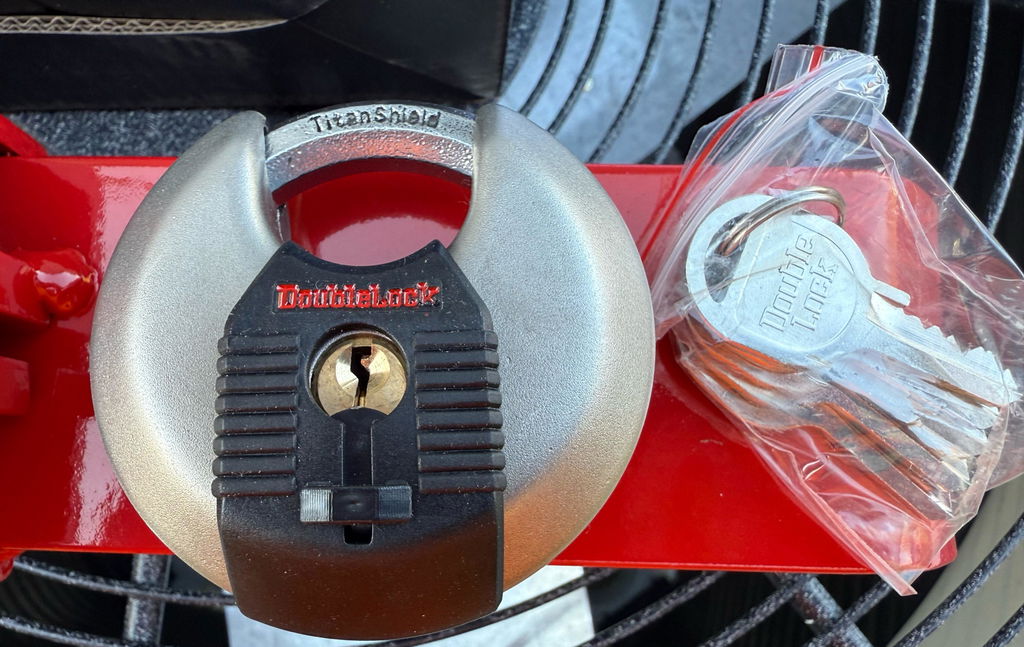
A lock box is a steel housing welded or bolted to the container doors. It acts as a shield for your lock. Its job is to hide the padlock shackle. When the shackle is inside the steel box, a thief cannot reach it with a tool. This makes the lock much harder to break. Most shipping container and conex box locks work best when they sit inside a box like this.
Lock boxes come in many sizes to fit different doors. A common size is about 5.5 inches wide. This size works for many containers, from small 8-foot units to large 53-foot intermodal vans. You can buy bolt-on kits that are easy to set up on a secure jobsite conex box. These kits often come with all the bolts and nuts you need for the job.
Locking bar hardware
Every conex box has vertical bars that rotate to lock the doors. These bars use cams at the top and bottom to grip the frame. A conex box lock works with this hardware to add a second layer of defense. While the cams keep the door from swinging, the lock keeps the bars from turning. This setup is key for heavy-duty freight. The ISO 1496-1 standard sets the rules for how these containers should work and be tested for safety.
Why jobsite containers need purpose-built security
Active job sites are prime targets for tool theft and vandalism. Large storage units often sit for long periods without a person on site. These units hold thousands of dollars in gear, but their standard door latches offer little protection. Real security for a conex box lock setup needs more than a simple store-bought padlock. You need a system that can stand up to the unique threats found in open, outdoor work areas.
Common threats to jobsite storage
Thieves look for easy ways to bypass security. A standard padlock shackle is thin and easy to reach with bolt cutters. Cutting and prying are the most common ways people try to get inside. Without a heavy-duty lock, a person with simple hand tools can break in in a few minutes. Purpose-built locks protect the shackle and make it hard for tools to get a grip on the metal. This reduces the risk of quick smash-and-grab jobs.
Weather also plays a role in how well your lock works. Rain, dust, and mud can clog a standard lock over time. A stuck lock can slow down your crew or force you to cut it off yourself. High-quality security gear uses metals that resist rust and dirt. This ensures that your BULL container lock stays easy to use even in harsh jobsite conditions.
Standards and theft prevention
Professional security tools help keep your gear safe. The NIST standards for cargo units show that strong testing is needed for safe storage. While no lock is a total guarantee, industrial-grade locks act as a strong deterrent. They force a thief to spend more time and make more noise. This often makes them move on to a target that is easier to hit. Good physical security is a key part of risk management for any construction firm.
Effective security also relies on clear work site rules. It is helpful to have timely and clear paths for security communication across your team. This helps track who has access to the keys and when the unit was last checked. Using purpose-built locks combined with a smart site plan helps lower the chance of major loss from theft.
Conex box lock options compared
Picking the right conex box lock hinges on your safety needs and what you store inside. While stock shipping containers are tough, their door latch points are often the weak spot. Most owners choose between basic padlocks, steel lock boxes, or heavy door bars to keep their gear safe. Each choice gives its own level of safety against theft and rain.
Padlocks and basic safety
Many people start with a basic padlock for their container. These locks are easy to find at stores like Lowe's and provide a quick way to close the doors. But stock padlocks have a major flaw. Their shackles are open and easy for thieves to cut with bolt cutters or saws. This makes them a poor choice for high-value items or remote sites where tools are common.
To improve safety, some users pick heavy padlocks with thick steel loops. A 10mm shackle is often used for strength. But even the best padlock is still prone to attack if it sits in the open. For better safety, you must shield the lock from direct access. You can find more about our BULL container lock which solves these issues by shielding the lock body.
The role of lock boxes
A lock box adds a thick layer of steel around your padlock. This box is a metal shield that you weld or bolt onto the container doors. It creates a wall that stops thieves from reaching the shackle with cutting tools. These boxes are common on rental units and storage bins because they are hard to break without big tools.
When you use a lock box, you ensure that only the key can reach the lock parts. This setup meets high standards for real safety. The ISO 1496-1 standards help define the testing and specs for cargo containers. Adding a lock box brings your container closer to these top safety levels. It is a smart move for anyone storing tools on a job site.
Heavy door locks and bars
For the best safety, heavy cargo door locks offer a better path than a single lock box. These systems secure the inner locking bars of the container. They do not rely on the small stock hasp. Instead, they clamp the bars together to prevent the doors from swinging open even if the main latches are cut.
These locks are built for heavy use and can withstand harsh wind and rain. They are best for fleet bosses who need to protect many units at once. If you need a large number of locks for your business, you can look into our wholesale and fleet options. These locks serve as a strong visual block that tells thieves to move on to an easier target.
| Lock Type | Best Use | Security Level | Ease of Use |
|---|---|---|---|
| Standard Padlock | Low-value storage | Basic | High |
| Padlock with Lock Box | Job site tools | High | Medium |
| Inner Bar Lock | High-value cargo | Very High | High |
| Cargo Door Bar | Fleet security | Heavy | Medium |
How do you choose a Conex box lock?
Picking the right lock for your storage unit starts with knowing your site. You need to look at what you store and how long it stays there. A high-value site needs a heavy duty conex box lock to stop theft. You should focus on locks that fit well and use strong steel.
Lock type and fit
Not all locks fit every box. Some units use a lock box that hides the padlock shackle. Others use a bar that goes across the door handles. You must check the size of your container doors before you buy. Most units follow ISO 1496-1 standards for build and testing. A good lock should work with these standard door layouts without a struggle.
You also need to think about how often you open the doors. If you need quick access, a lock that is easy to use with one hand is best. If the box stays shut for months, a more complex lock works well. You can find shipping container and conex box locks that fit both needs. Always make sure the lock does not leave big gaps for tools to fit through.
Material and build
The best locks use hardened steel or alloys that resist tools. You want a lock that can take a hit from a saw or a drill. Standard locks often fail because thieves can get to the shackle. A lock like the RHINO conex box lock uses a tough build to protect the key area. This keeps your goods safe even in rough areas.
Weather is one more big point to check. Outdoor sites deal with rain, snow, and salt. A lock that rusts will jam and fail when you need it most. Look for a lock with a cover or a special coat to stop rust. Proper security standards help you find gear that lasts in the real world. This is key for a secure jobsite conex box that sits out in the rain all year.
- Check your container door style. Make sure the lock fits the bars or the lock box on your own unit.
- Find the right shackle size. A shackle around 10mm or 3/8 inch is common for high safety needs.
- Pick a steel grade. Hardened steel resists cutting and keeps tools from getting through the lock body.
- Look at the weather rating. Choose a lock that can stand up to rust if your box stays outside.
- Think about key needs. If you have many boxes, you may want a set of locks that use the same key.
Choosing a lock is a smart move to lower your risk. It acts as a sign that your site is hard to hit. While no lock is perfect, a strong one makes thieves look for an easier job. Start with a plan that covers your top tools and build your safety from there.
Fit and maintain container security on the jobsite
Jobsite security starts with how well your gear fits. A loose lock is a weak point that thieves can use to gain entry. When you set up a conex box lock, you must make sure it fits the door just right. This step keeps your tools and cargo safe during long shifts and at night.
Proper fit stops tools from prying the lock off the door frame. A good lock creates a shield around the door latch. It should sit flush against the steel walls of the box. This prevents any gaps where a saw or bolt cutter could reach.
When your lock fits well, it shows thieves that your site is a hard target. This visual check is often enough to make them move on to an easier spot. High-grade gear acts as a strong sign that you take theft seriously.
Pick the right fit
Before you buy, check the specs of your container. Most steel units follow the ISO 1496-1 rule for freight containers. This rule sets the size and strength for doors and frames.
You can find a heavy duty conex box lock that fits units from 8 feet up to 53 feet in length. Measure the space around the lock rods and the door handle. A good lock should fit tight against the steel to stop prying tools.
If the lock is too small, it may leave the shackle open to a saw. If it is too large, it might not close at all. Proper fit is the first line of defense for your gear on a busy site.
Install and test
Follow the maker's guide to set up your new gear. Many modern systems use a bolt-on kit that you can put on in a few minutes. Once the lock is in place, test it many times. It should slide smooth and click shut without any force.
A lock that is hard to close may mean the door is not straight or the fit is wrong. Keep a log of all keys and who has them. If you use keyed-alike sets, it is easy to open a secure jobsite conex box with one tool.
But you must still track every key to prevent loss. If a key goes missing, change the lock right away to stay safe. Clear notes on who has access help you run your site better.
Check and clean
The jobsite is a harsh place with dust, mud, and rain. These things can jam a lock or cause rust over time. Check your security gear once a week to find any signs of wear. Look for scratches, dents, or loose bolts on the lock box.
Any damage shows that someone may have tried to get in while you were away. Clear any dirt out of the keyhole and the shackle path. If the lock feels stiff, use a dry spray to keep the parts moving well.
Fast and good talk among your crew about security helps stop theft before it starts. Proper care ensures your RHINO conex box lock works every time you need to close up for the day.
Build a layered container security plan
Good security is not just about one lock. While a strong conex box lock is vital, it is only one part of the job. You should think of security in layers. Each layer adds a new hurdle for a thief.
No lock is fully safe if a person has enough time and the right tools. Your goal is to make the theft take too much time and effort. When you stack different tools and habits, you lower the risk of loss for your fleet or job site.
Site layout and lighting
The first layer is where you put your container. Do not hide it in a back corner. It is best to place units in open spots where they are easy to see. High sight lines are a natural way to stop crime.
You should also add bright lights to the area. Motion lights are great because they startle people who do not belong there. Per NIST standards, clear site rules help keep cargo safe.
Face the doors toward each other or against a sturdy wall when you can. This blocks the space thieves need to use large tools like pry bars or saws. If they cannot get a good angle on the door, they will likely move on to an easier target.
Key and access control
The next layer is about who can get inside. You must have a strict plan for key control. Do not let keys pass from person to person without a log. If you lose track of even one key, your whole plan fails.
It is wise to use a heavy duty conex box lock that uses special keys. This prevents staff from making copies at a local shop. You should also keep a live list of all gear inside the box.
Check this gear list often. If something goes missing, you need to know right away. When you know what you have, you can tell if a lock was picked or if a door was left open by mistake. Handling these details is key to a secure jobsite conex box setup.
Daily security checks
The last layer is your daily routine. Habits are just as strong as steel. At the end of each shift, have a lead worker walk the site. They should pull on every lock to make sure it is shut.
They should also look for scratches or marks on the metal. These marks can show that someone tried to break in during the night. Steady checks keep the team alert. It shows everyone that security is your main goal.
Use a simple list so no unit is missed. This check makes sure that all gear stays where it belongs until the next day. Small wins in daily habits lead to long-term safety for your most prized gear.
DoubleLock container security for contractors
Jobsites hold many high-value tools and machines. Theft on these sites is a big problem for building firms. To protect your assets, a secure jobsite conex box is a must. Standard locks often fail because thieves can reach them easily with tools. A heavy duty conex box lock acts as a visual sign to stay away. It also builds a physical wall against theft.
Protecting tools with the BULL lock
The BULL lock is a top choice for storage on active sites. It fits standard containers and gives a rugged layer of safety. This conex box lock uses heavy steel to shield the locking points. Good security needs clear and fast talk across the chain of custody, as noted by NIST standards. Using industrial locks helps keep this safety by letting only the right people open the box.
Ultra duty security with the RHINO
For the most valuable gear, the RHINO conex box lock offers more protection. It is built to last in harsh outdoor work areas. High-security locks like the RHINO resist cutting, picking, and drilling. This makes them more reliable than basic locks from a store like Lowe's. Since theft is so costly, a high-grade lock is a smart buy for any fleet or crew manager.
Flexible options for every site
Each site has its own needs. DoubleLock provides many shipping container and conex box locks to fit different doors. You can buy single locks for small tasks or use wholesale paths for large fleets. Our locks balance ease of use with strong theft defense. If you need a simple fix or a full setup, choose hardware built for the job. It is the best way to keep your tools safe.
Frequently Asked Questions
What is the best lock for a shipping container lock box?
The best lock for a shipping container lock box is a heavy duty padlock with a thick shackle. You should use a lock made from hard steel to stop cutting and drilling. A lock box adds more safety by hiding the lock shackle. This prevents tools like bolt cutters from hitting the lock. High security locks must stop picking to keep your cargo safe. Experts at Proven Locks say this keeps items safe on a busy job site.
How do I lock up a shipping container?
To lock up a shipping container, you should use a steel lock box and a heavy padlock. First, close the container doors and lock the bars. Then, put the lock inside the box and click it shut. This hides the lock from view and protects it from rain and theft. The NIST notes that clear talks between people in the supply chain help keep cargo safe. This step is vital for keeping tools safe on a work site.
What types of shipping container locks are available?
Contractors can use many types of locks for a conex box. Common choices include bolt-on lock boxes, heavy padlocks, and door bars. Some kits use a thick shackle for more strength against theft. You can also find locks that fit the door handles of the box. These tools work as a visual sign to stop thieves. Good gear should be tough enough to handle outdoor work and bad weather. This keeps your tools safe and dry while you work.
Do shipping container locks work on all container sizes?
Most shipping container locks work on all standard box sizes. This includes small 8-foot units and large 53-foot containers. Most security kits fit the standard door frame of these boxes. Data from Container Modification World shows that bolt-on lock boxes fit containers from 8 feet to 53 feet long. This makes them a good choice for firms that use many types of storage units on a job site. It ensures all your gear stays safe.
Ready to shop or request a wholesale shipping lock quote?
Each night you leave your shipping boxes without strong locks is a night that thieves could steal your tools and stop your build work today. Losing your gear to theft costs much more than the price of the tools because it delays your work and hurts your final job profit. You can stop these risks and keep your project on track by setting up strong locks that stop thieves before they try to break in.
Ready to request a wholesale lock quote for your own jobsite today? Contact us for a quote to secure your jobsite conex box and find the right tough locks to keep your gear safe from theft today.