
Losing a single semi-trailer to theft costs a fleet an average of $273,990 per incident. This record high reflects a shift toward high-value targeting by organized criminal groups. Protecting your assets starts with industrial-grade security and rigorous work rules. Get a bulk wholesale quote for kingpin locks today to secure every trailer in your fleet.
Fleet cargo theft prevention requires a multi-layered plan that combines physical locks with strict operational rules and tracking technology. Managers should install rugged kingpin and container locks as visible deterrents while also using secure staging yards for unattended trailers. Combining physical solutions with GPS geo-fencing creates a total defense that protects high-value assets across the supply chain.
Understanding these growing risks is the first step toward securing your fleet. Recognizing how modern criminals target freight helps you deploy the right physical blocks. The path toward a total defense begins by examining the real scope of the problem.
The True Scale of Cargo Theft in the US
Cargo theft losses in the US and Canada reached nearly $725 million in 2025, a 60 percent increase from the prior year. The average loss per incident rose 36 percent to $273,990. Fleet managers face two primary threats: straight theft (physical taking of goods) and strategic theft (fraud-based hijacking). Both require targeted countermeasures.
Cargo theft is a growing threat to the US supply chain. The Federal Bureau of Investigation (FBI) tracks these crimes as they disrupt the flow of goods in commerce. For fleet managers, knowing the scale of this problem is the first step toward deploying effective security.
Rising financial losses
The cost of cargo theft reached new highs in 2025. Data from the FBI Internet Crime Complaint Center (IC3) shows that losses in the US and Canada surged to nearly $725 million, a 60 percent increase from 2024. These rising costs force fleets to evaluate their trailer security protocols and theft prevention measures more seriously.
The loss per incident is also climbing. The average value per theft rose 36 percent to $273,990 in 2025. This trend shows that thieves are now more selective, targeting high-value loads that yield larger payouts. According to the FBI IC3, this surge comes from more sophisticated targeting by organized criminal groups.
Common types of theft
Fleet managers must deal with two main types of cargo crime. The first is straight cargo theft, where goods are physically taken from truck stops, parking lots, or rail yards. The second is strategic cargo theft, where thieves use fraud to trick brokers or carriers into handing over a load through fake IDs or fictitious companies. Both types require different counter-strategies.
Why prevention matters
High theft rates lead to lost revenue, unhappy customers, and strained supply chains. Beyond the cost of stolen goods, fleets face increased insurance premiums, labor costs for investigations, and legal fees. Fleet managers who prioritize security reduce these risks and protect their bottom line.
How Do Cargo Thieves Target Fleets?
Modern cargo thieves use a mix of physical force and cyber fraud. Straight theft targets unattended trailers at truck stops and yards. Strategic theft uses identity fraud and phishing to hijack loads before they move. Insider threats and pilferage add additional layers of risk that fleet managers must address through layered security.
Modern cargo theft is more than a crime of opportunity. Thieves now combine force with high-tech fraud to steal goods. Fleet managers must understand these methods to build an effective defense. Most theft falls into a few main categories.
Straight theft and physical risks
The most common type is straight cargo theft, where thieves take goods from an unsecured location. They scout truck stops, rest areas, and drop lots to find trailers without locks. Per the FBI, these crews look for items they can move and sell quickly. They wait for drivers to leave the truck unattended before striking.
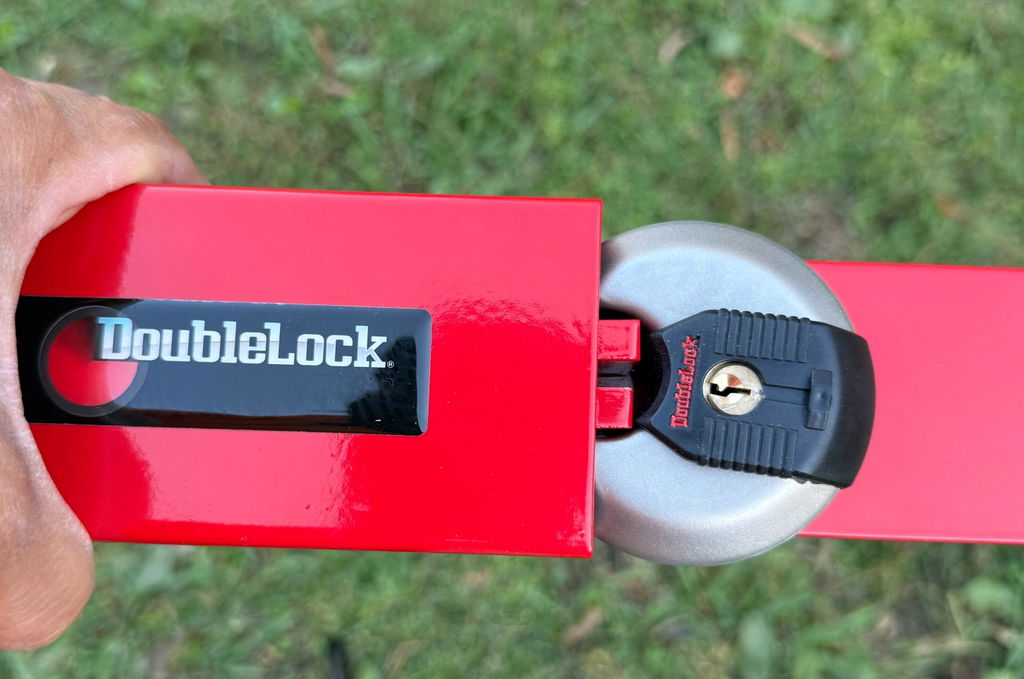
Without physical locks, a trailer is an easy target. The LION Kingpin Lock blocks access to the kingpin, preventing unauthorized trailer coupling. This visible deterrent makes thieves move on to an easier target.
Strategic theft and cyber fraud
Strategic theft uses fraud instead of force. Criminals use identity theft to pose as legitimate carriers or use double-brokering to hide their tracks. Many crews now use phishing emails to access company systems, steal shipping data, or alter bills of lading. This cyber-enabled cargo theft lets them reroute trucks to locations where they can steal the load without confrontation.
Pilferage and insider threats
Not every thief takes the whole trailer. Pilferage involves stealing small amounts of goods over time, often altering the bill of lading to hide losses. Inside jobs pose another significant risk. A worker with access to schedules or keys can enable a theft. Because of this, equipment theft prevention programs must include background checks and a strong security culture to counter insider threats.
Physical Security: The First Line of Defense Against Cargo Theft
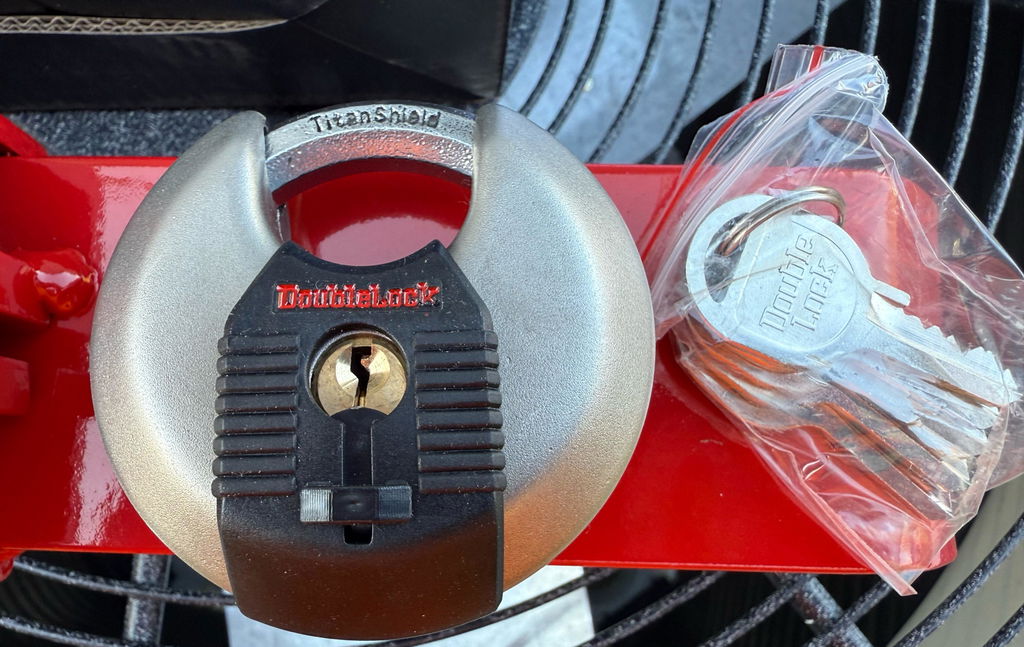
Physical locks are the foundation of any fleet cargo theft prevention plan. Visible, rugged locks deter thieves by making a trailer a high-risk target. Key tools include kingpin locks, rear door locks, air cuff locks, and container locks. DoubleLock USA offers industrial-grade solutions with European engineering heritage built for fleets and logistics operators.
Physical security is the base of any effective fleet cargo theft prevention plan. DoubleLock USA brings over 30 years of European engineering heritage to the market with heavy-duty tools designed for fleets and shipping firms. Our "Strong Locks, No Bull" philosophy means building locks that last and keep assets secure in real-world conditions.
Visible deterrents and trailer locks
A visible lock tells a thief that your load is a hard target. Fleet managers should use kingpin locks like the LION Kingpin Lock at $99.99, a cost-effective way to prevent unauthorized trailer coupling. For rear protection, high-security door locks and air cuff locks prevent thieves from releasing trailer brakes or accessing cargo. The FBI recommends these locks as a primary method for guarding freight.
Securing dropped loads and containers
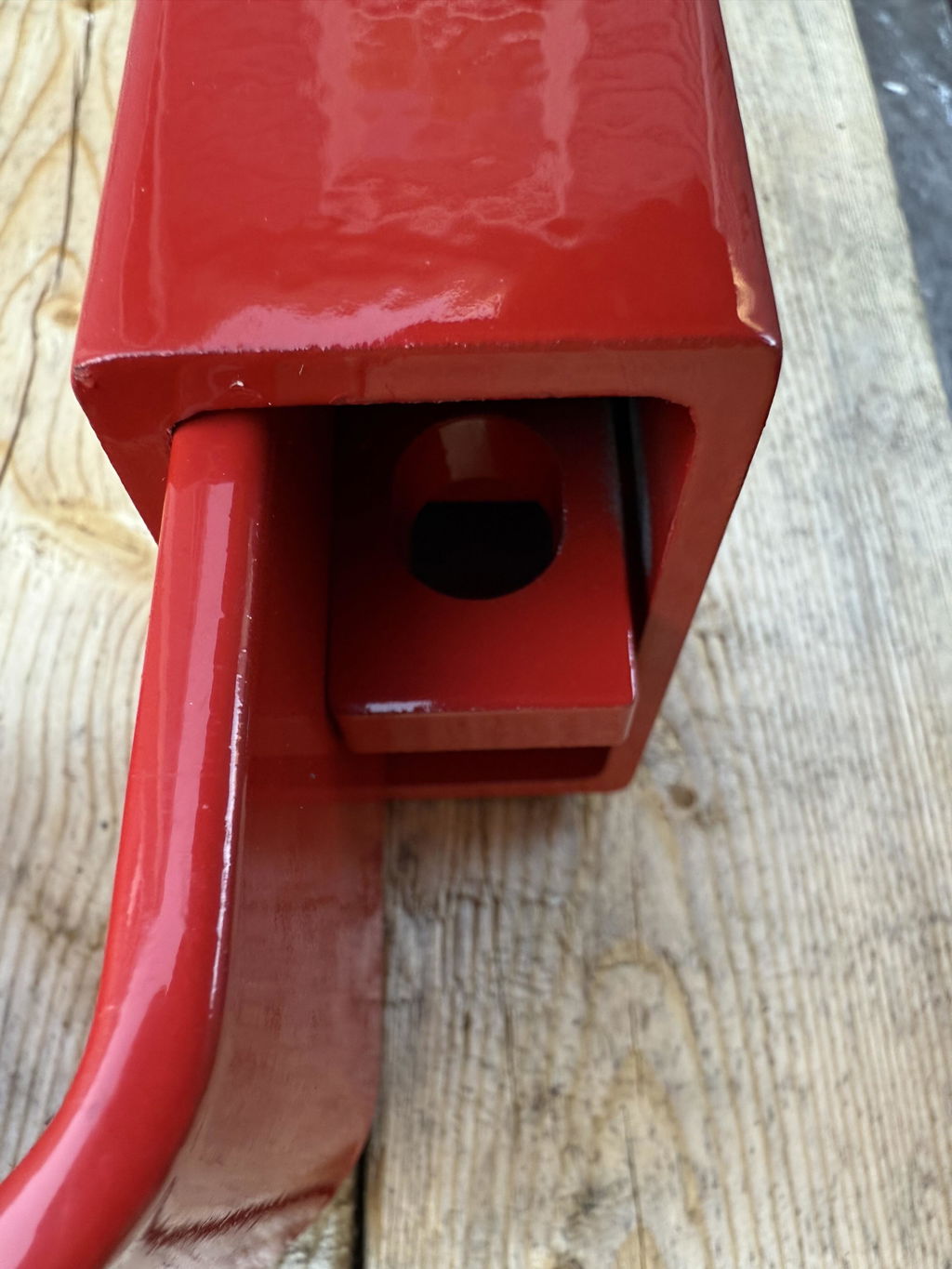
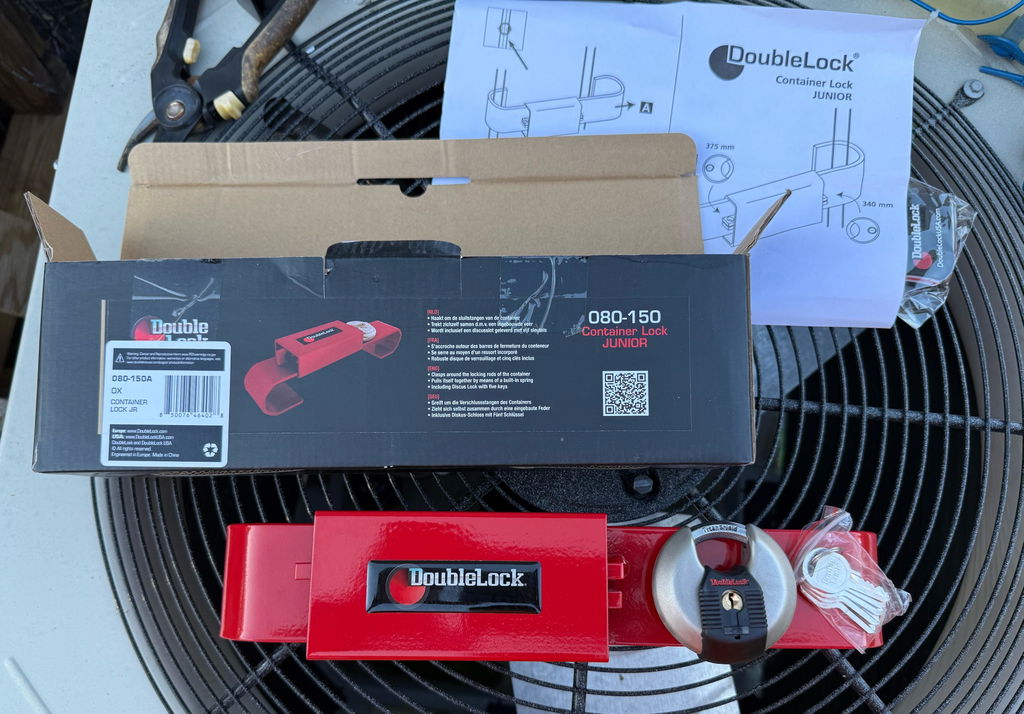
Dropped trailers face the highest risk in yards and truck stops. Landing gear locks prevent someone from moving the trailer. Shipping containers require heavy-duty protection as well. The BULL Container Lock at $319.99 is EU SCM HEAVY certified for maximum security, with an adjustable clamp that fits 9.5 to 16.5 inches.
| Feature | LION Kingpin Lock | BULL Container Lock |
|---|---|---|
| Primary Use | Prevents unauthorized trailer coupling | Secures cargo container doors |
| Price | $99.99 | $319.99 |
| Weight | Portable, easy to carry | 26.5 lbs, max-duty steel |
| Certification | Industrial grade | EU SCM HEAVY certified |
| Best For | Dropped trailers, yard parking | High-value intermodal cargo |
| Key Feature | Blocks kingpin access | Adjustable clamp 9.5-16.5 inches |
For more tips, see the shipping container security checklist for yard and transit safety.
Technology and Operational Security for Fleet Managers
Technology strengthens physical security by adding real-time visibility. GPS tracking, geo-fencing, digital seals, biometric driver verification, and cyber fraud countermeasures complement physical locks. A comprehensive security program combines hardware with data to close gaps that either approach alone would leave open.
Physical locks are the front line, but technology makes them even more effective. Fleet managers use digital tools to monitor assets in real time and detect threats before they become losses. A full security strategy must combine rugged hardware with smart data.
Real-Time Tracking and Cargo Alerts
Satellite tracking and geo-fencing give fleet managers visibility into every load. According to the FMCSA, these tools provide alerts when a truck deviates from its route or when a trailer is moved without authorization. Geo-fencing creates a digital boundary around safe zones, and any breach triggers an immediate alert so managers can dispatch security or contact law enforcement.
Secure Driver Verification and Training
Driver security is as important as the lock on the door. Modern fleets use biometrics and smart cards to verify who is operating each vehicle. The FMCSA notes that fingerprint logins help prevent unauthorized access to fleet assets.
- Conduct annual security training for all road staff.
- Use multi-factor authentication for dispatch and tracking software.
- Audit driver logs to identify gaps in security compliance.
Inside jobs remain a major risk for logistics firms. Fleet managers should run thorough background checks on all new hires alongside ongoing theft prevention training to build a security-conscious culture.
Combating Cyber-Enabled Strategic Theft
Many cargo thieves now use computers instead of crowbars. The FBI IC3 warns that cyber threat actors use phishing to infiltrate broker and carrier systems. Once inside, they can reroute deliveries and impersonate legitimate businesses. Fleet managers should verify every broker and carrier through a trusted phone call before releasing a load. Combining cyber awareness with physical locks creates a defense that addresses both digital and physical threats.
Building Your Fleet Cargo Theft Prevention Program
An effective fleet cargo theft prevention program combines risk assessment, layered physical security, carrier verification, tracking technology, driver training, and incident reporting. Each component reinforces the others, creating a comprehensive defense that addresses both physical theft and fraud-based threats.
A strong program is the best way to stop theft before it starts. Cargo theft can cause major financial losses, higher insurance costs, and supply chain disruptions. A comprehensive plan covers every part of fleet operations from warehouse to final delivery, combining physical locks with clear team protocols and smart technology.
Steps for a full security plan
- Conduct a risk assessment. Identify where trucks stop and find weak spots in routes. High-theft areas like port cities and busy truck stops need extra attention.
- Deploy layered physical security. Use rugged locks like the LION kingpin lock and BULL container lock on every load. Visible locks deter thieves by signaling that your loads are not easy targets.
- Verify all carriers and brokers. Fraud and double-brokering are common in strategic theft. Establish a clear verification process for every business partner.
- Deploy tracking technology. Use GPS and geo-fencing to monitor trucks in real time. Alert systems help you respond quickly if a theft occurs.
- Train your drivers. Teach your team about current theft trends and how to recognize threats. Run background checks on all staff to reduce insider risk.
- Establish reporting procedures. Report any theft to law enforcement and your insurer immediately. Fast reporting improves recovery odds and streamlines claims.
Request a bulk wholesale quote for your fleet today to equip every trailer with industrial-grade security.
Frequently Asked Questions
How do fleet managers prevent cargo theft?
Fleet managers can prevent cargo theft by combining physical locks, driver training, and carrier verification. Start by installing kingpin locks like the LION on every trailer and container locks like the BULL on high-value intermodal loads. Use GPS tracking to monitor assets in real time and verify all brokers through direct phone contact before releasing freight. The FBI recommends layered physical and operational security as the most effective approach.
What is the best lock for cargo theft prevention?
The best locks for fleet cargo theft prevention are industrial-grade kingpin locks and container locks that thieves can see and fear. The LION Kingpin Lock ($99.99) prevents unauthorized trailer coupling by blocking access to the kingpin. The BULL Container Lock ($319.99, EU SCM HEAVY certified) secures cargo container doors against bolt cutters and saws. Both are available through DoubleLock USA for direct purchase and wholesale, and through retailers like Northern Tool for specialty trailer and equipment needs.
How much does cargo theft cost the US economy?
According to the FBI IC3, cargo theft losses in the US and Canada reached nearly $725 million in 2025, a 60 percent increase from the prior year. The average loss per incident rose to $273,990. These figures only capture reported losses, so the actual economic impact is likely higher.
Can GPS tracking prevent cargo theft?
GPS tracking and geo-fencing help recover stolen cargo and alert managers to unauthorized movement, but they do not prevent the initial theft. Physical locks like kingpin and container locks are essential for prevention, while GPS serves as a recovery tool. The most effective approach combines both: locks stop the theft, and tracking enables recovery if it still occurs.
What is the difference between straight theft and strategic cargo theft?
Straight cargo theft involves physically taking goods from an unattended trailer, truck stop, or yard. Strategic cargo theft uses fraud, identity theft, and phishing to trick brokers or carriers into handing over a load. Both are growing threats, but they require different countermeasures: physical locks against straight theft, and verification protocols against strategic theft.
Ready to Secure Your Fleet Against Cargo Theft?
Every day without comprehensive cargo theft prevention puts your fleet at risk. The financial losses, supply chain disruptions, and reputational damage from a single theft can far exceed the cost of proper security equipment. DoubleLock USA offers industrial-grade kingpin locks, container locks, and heavy-duty security solutions built on 30-plus years of European engineering heritage.
Contact us for a bulk wholesale quote today and equip your entire fleet with locks that deliver real protection. Call (561) 289-4865 to speak with a security specialist about your fleet's specific needs.