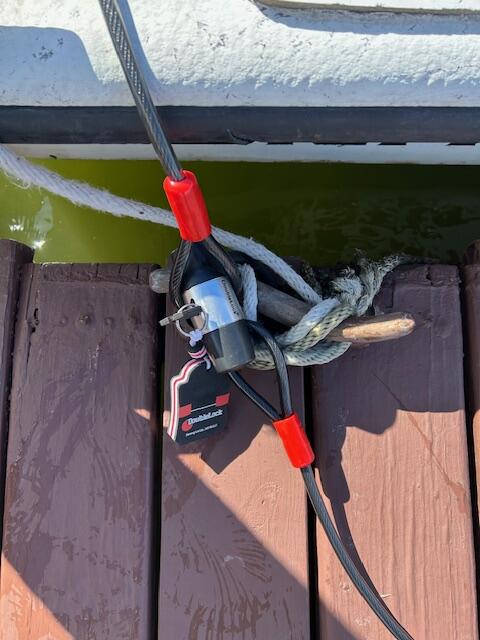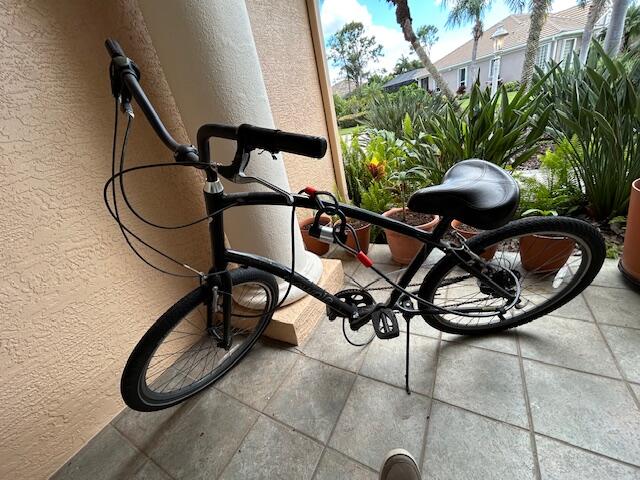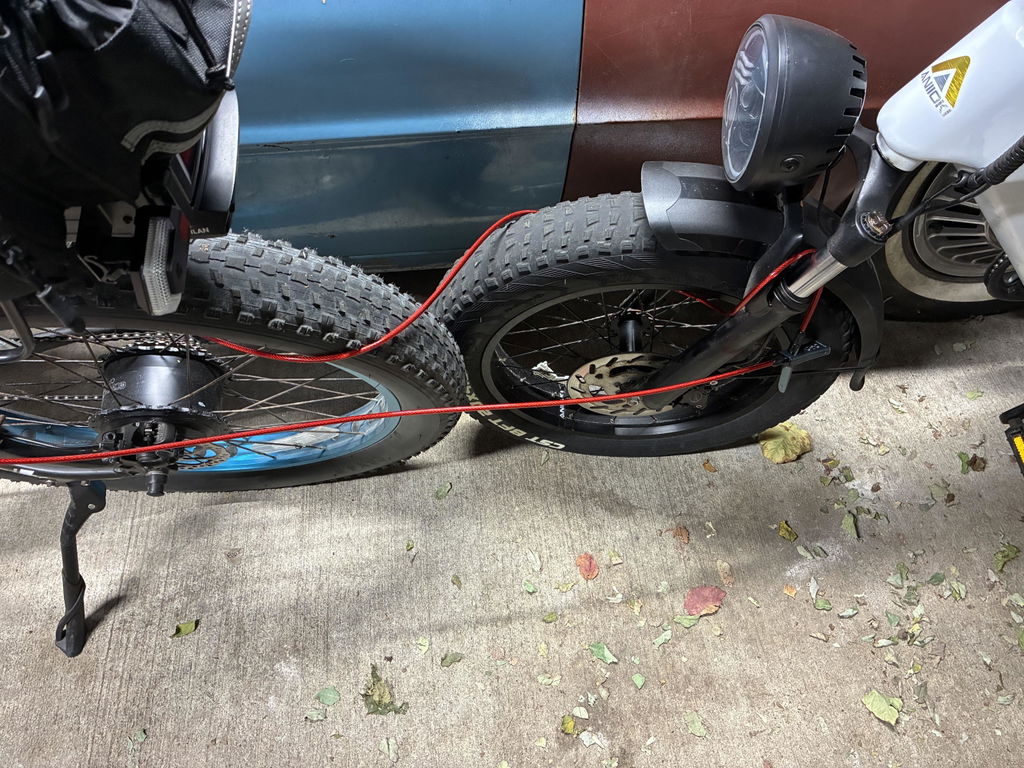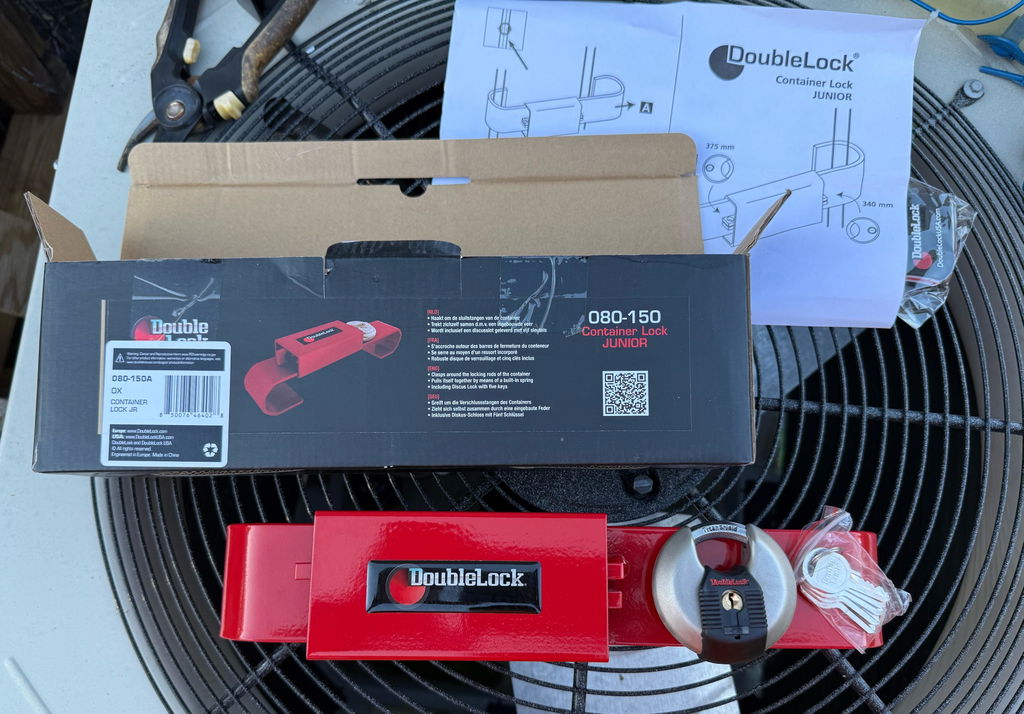


Most criminals are looking for an easy target. An excavator left on a remote or poorly lit job site can seem like an open invitation. Your goal is to change that perception entirely. A strong, visible security mechanism does more than just physically prevent the machine from being moved; it sends a clear message to anyone with bad intentions. It says that your equipment is protected, that attempting to steal it will be difficult, noisy, and time-consuming. This visual warning is often enough to make a thief reconsider and move on to an easier score. The best anti-theft device for excavators is one that acts as a powerful deterrent, stopping a crime before it even begins.
Key Takeaways
- Layer your security: Combine physical locks with electronic immobilizers and GPS trackers. This creates multiple barriers that make theft significantly more difficult and time-consuming for criminals.
- Prioritize fit and function: Select high-quality, tamper-resistant locks that are compatible with your specific excavator model. The best security devices are also the ones your team will find easy to use consistently.
- Secure the surrounding environment: Your security plan should extend beyond the machine itself. Use fencing, motion-activated lights, and strategic parking to make your entire job site a less attractive target.
Why Thieves Target Excavators
Excavators and other heavy equipment are valuable assets, which unfortunately makes them prime targets for theft. Unlike a personal vehicle, this machinery is often left on-site, sometimes in remote or poorly lit areas, creating an open invitation for criminals. Understanding the different motives behind equipment theft can help you build a more effective security strategy. Thieves don't just have one goal; their reasons for targeting your excavator generally fall into three categories: stealing the entire machine, stripping it for valuable parts, or simply taking it for unauthorized use. Each scenario presents a unique threat to your business's bottom line and operational timeline.
Stealing the Entire Machine
The most straightforward and often most costly form of equipment theft is when a criminal takes the entire machine. With a single excavator valued at tens or even hundreds of thousands of dollars, it’s a high-stakes crime. Each year, this type of theft costs businesses hundreds of millions of dollars in losses and recovery expenses. Thieves often target machines that can be quickly loaded onto a trailer and transported away from the site. These stolen excavators may be resold to unsuspecting buyers, shipped overseas to black markets, or put to work on other illicit job sites. The loss of a key piece of equipment can halt a project, leading to costly delays and penalties.
Stripping for Parts
Sometimes, thieves are more interested in the sum of an excavator's parts than the whole machine. They may leave the main body of the equipment behind but strip it of valuable and easy-to-sell components. Hydraulic pumps, buckets and other attachments, GPS units, and control panels are all common targets. These parts are difficult to trace and can be sold quickly online or to dishonest repair shops. While you may still have the excavator, it’s rendered useless until you can source and install expensive replacement parts. This not only costs money but also results in significant downtime while you wait for repairs, disrupting your entire project schedule.
Taking It for a Joyride
While it might sound less serious, unauthorized use of your excavator is a significant risk. This can range from simple vandalism or "joyriding" by trespassers to something more sinister, like using your equipment to commit another crime, such as ramming through a gate or tearing down a wall. Even if the machine is returned with minimal damage, the liability you face is substantial. If someone is injured or property is damaged while your equipment is being used without permission, you could be held responsible. This type of theft highlights the importance of securing access to the cab and disabling the ignition when the machine is not in use.
What to Look for in an Excavator Anti-Theft Device
Choosing the right anti-theft device for your excavator goes beyond simply picking one off the shelf. The most effective security solutions are a thoughtful combination of strength, visibility, and practicality. A lock that is difficult for a thief to defeat is essential, but it’s just as important that it’s easy for you and your team to use consistently. If a device is too cumbersome, it might get left in the toolbox, leaving your expensive equipment vulnerable.
When you start shopping, you’ll find many options, from heavy-duty padlocks to specialized hydraulic locks. To make the best choice for your needs, you need to know what to look for. Consider the material and design of the lock, how visible it is to potential thieves, whether it will fit your specific machine, the type of key system it uses, and how straightforward it is to install. Thinking through these factors will help you find a device that provides real security and peace of mind, not just a false sense of it.
Prioritize Strength and Tamper Resistance
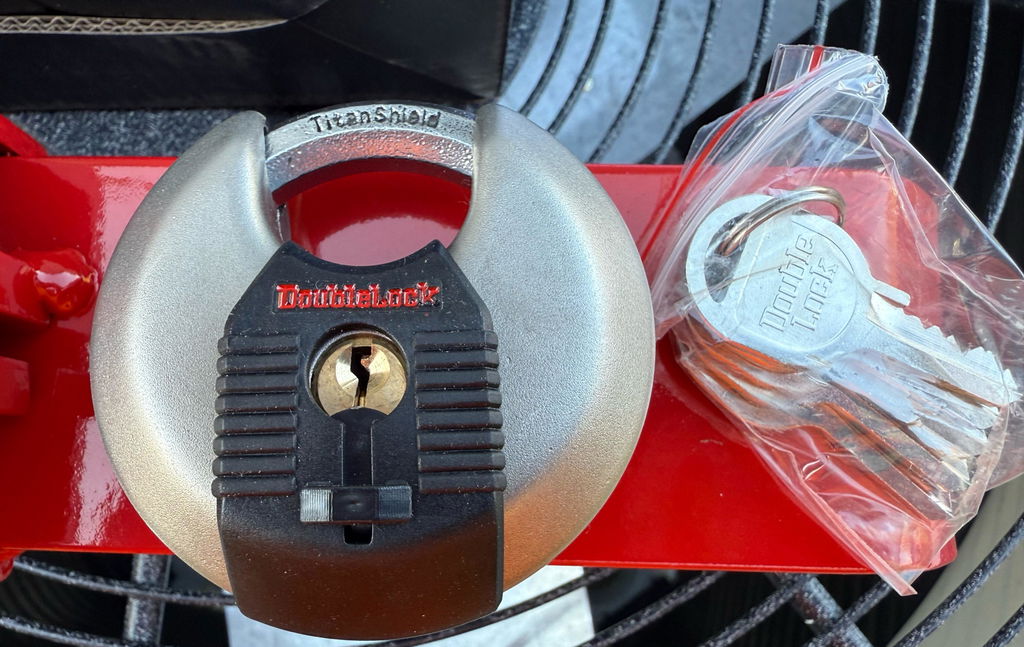
The foundation of any good lock is its ability to withstand a brute-force attack. When choosing your locks, look for high-security models made from hardened steel with features that resist picking, drilling, and cutting attempts. Hardened steel is heat-treated to make it exceptionally tough and durable, which is exactly what you need to protect valuable equipment. Thieves often come prepared with tools like bolt cutters and drills, so your first line of defense is a lock built from materials that can stand up to them. Our company heritage is built on a commitment to this kind of uncompromising strength.
Choose a Visible Deterrent
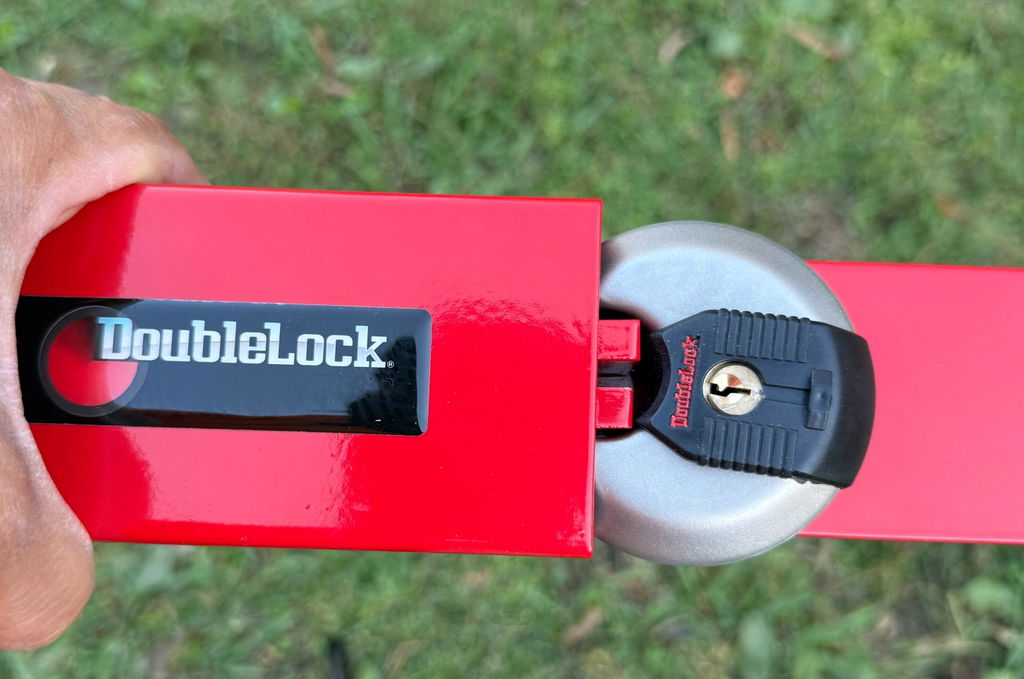
Sometimes, the best defense is a good offense. A brightly colored, heavy-duty lock is a clear visual warning to thieves that your equipment is protected. Most criminals are looking for an easy target, and the sight of a robust security device can persuade them to move on before they even try. For maximum effect, consider layering your security. The best way to secure your equipment is to use two or more locks to slow down even skilled thieves. Combining a visible coupler lock with a discreet ignition lock, for example, creates multiple barriers. You can explore a variety of security locks to find the right combination for your needs.
Ensure It Fits Your Equipment
An anti-theft device is only effective if it fits your excavator correctly. Before you buy, take the time to measure the specific parts of your machine you plan to secure, such as the drive control rods or coupler pins. Many locks are designed for specific makes and models. For example, a lock might be made to work on most excavators as long as their drive control rods are thinner than 15/16 of an inch. Always read the product specifications carefully to confirm compatibility. A lock that’s too loose can be easily bypassed, while one that’s too tight won’t work at all.
Evaluate the Key System
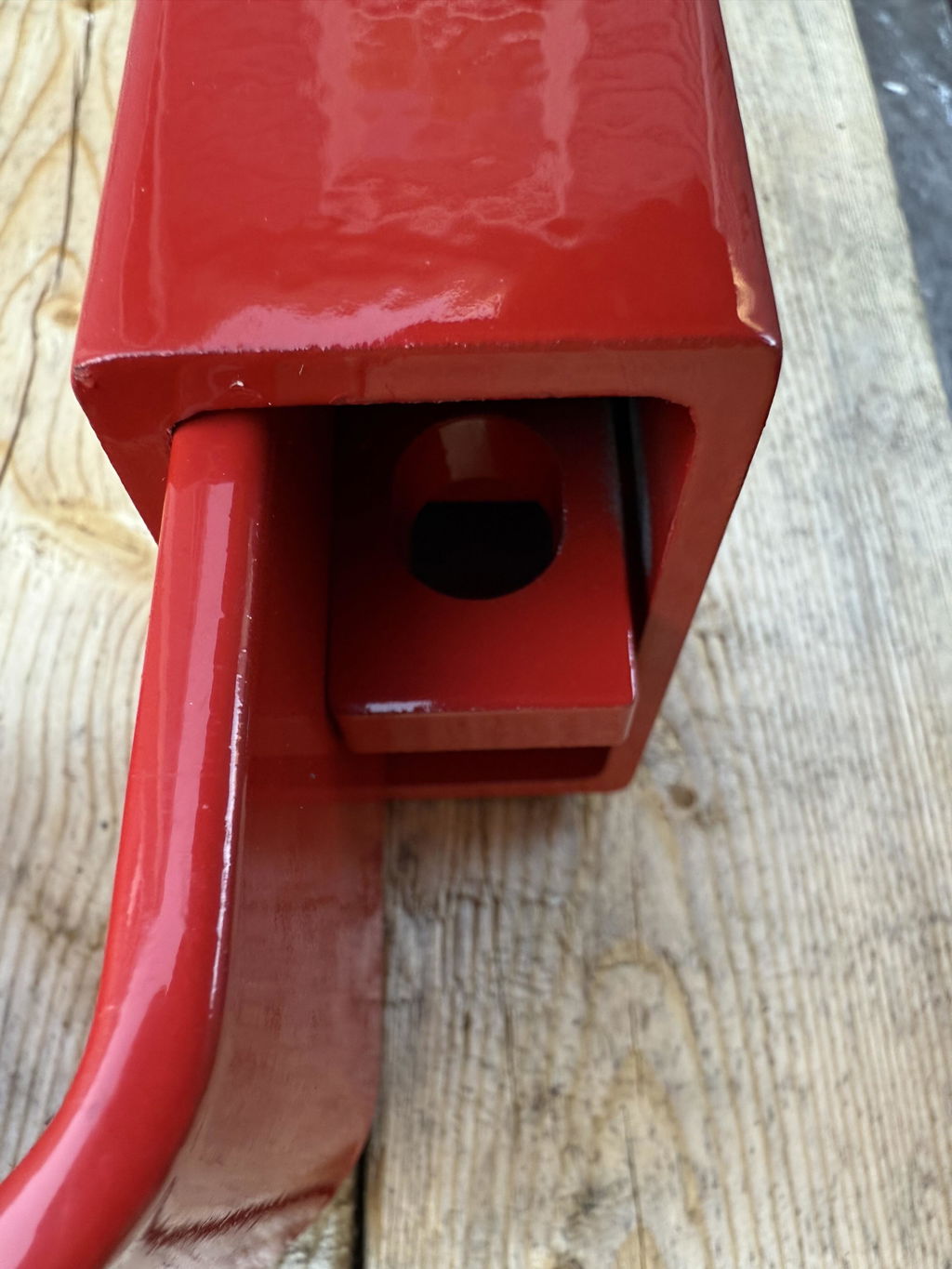
The lock itself is only half of the security equation; the key is the other half. Many high-security locks use a special barrel key lock system, which is more resistant to picking than conventional pin-tumbler locks. When you purchase a lock, you’ll typically get two keys. It’s also wise to think about key management, especially if you have a fleet of equipment. Some systems offer a keyed-alike option, allowing one key to open multiple locks, which can simplify operations for your team. If you're outfitting multiple machines, exploring wholesale options can help you get a consistent and manageable key system.
Consider How Easy It Is to Use
Security measures are only useful if they are consistently applied. The best locks are designed for quick and simple installation, allowing you to secure your property in seconds. If a device is complicated or takes too long to attach, your crew may be tempted to skip it at the end of a long workday, leaving your excavator unprotected. Look for a lock that is intuitive and doesn't require special tools or a lot of effort to use. A user-friendly design ensures that protecting your equipment becomes a simple, routine part of shutting down the job site for the day. If you have questions about a lock's installation, don't hesitate to contact us.
Comparing the Top Anti-Theft Devices for Excavators
When it comes to securing your excavator, there isn’t a single magic bullet. The most effective strategy involves layering different types of security devices to create a formidable defense against theft. Think of it like securing your home; you don’t just lock the front door. You might also have window locks, a security camera, and an alarm system. Each layer serves a different purpose, and together, they make your property a much harder target. The same principle applies to your heavy equipment. A layered approach is the industry standard for protecting high-value assets, making it significantly more difficult for criminals to succeed.
Some devices are designed to be highly visible physical deterrents that stop a thief before they even start. Others are hidden systems that prevent the engine from turning on or help you recover the machine if it’s stolen. These can be categorized into three main types: physical barriers, electronic immobilizers, and tracking systems. By combining a few different options from these categories, you can protect your investment from multiple angles. Understanding what each type of device does will help you build a security plan that fits your specific equipment and job site needs. Below, we compare some of the most common and effective anti-theft devices for excavators so you can make an informed choice.
Coupler Pin Locks
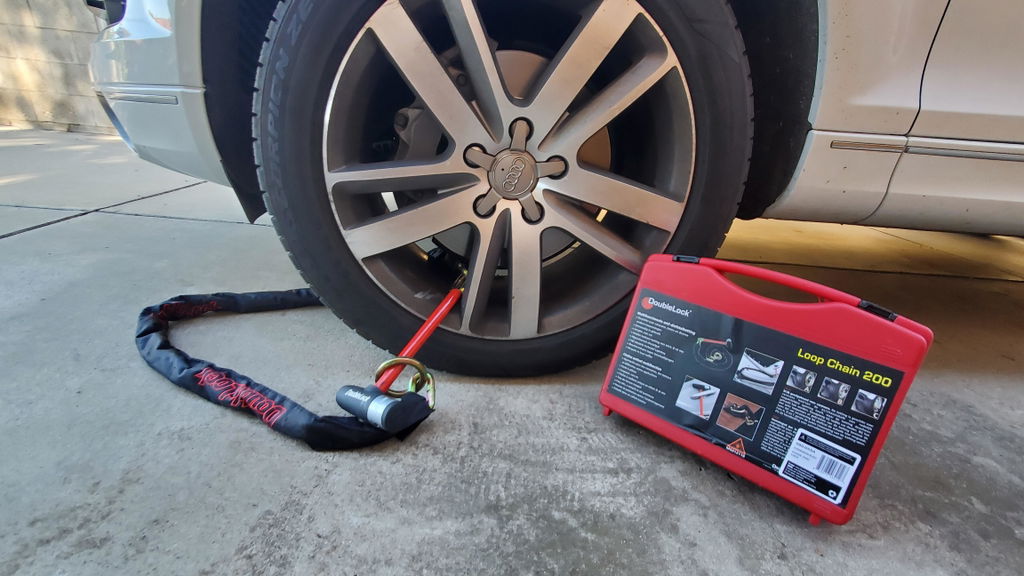
Coupler pin locks are a straightforward and effective way to physically immobilize your excavator. These devices are designed to lock the machine’s coupler, preventing attachments from being removed or, in some cases, locking the boom in a fixed position. For an even stronger defense, many operators run a heavy-duty chain through the tracks and secure it to a solid, unmovable object with a robust security mechanism. This simple action makes it incredibly difficult for a thief to move the excavator without significant time and noisy effort. While it may seem basic, this method is a powerful visual deterrent that signals your equipment is not an easy target.
Hydraulic Arm Locks
A hydraulic arm lock is another excellent physical deterrent that renders the excavator useless to a thief. This device clamps around the hydraulic cylinder on the excavator’s arm, preventing it from moving. Without the ability to operate the boom and bucket, a potential thief cannot use the machine for work or easily load it onto a trailer for transport. These devices are often brightly colored and highly visible, which immediately communicates that the equipment is secured. They offer a universal theft protection solution that can fit a wide range of earth-moving equipment, making them a versatile addition to your security toolkit.
Ignition and Key Switch Locks
Most excavators come with a standard key, but these can sometimes be duplicated or bypassed. Upgrading your ignition security adds an essential internal defense. This can include installing a heavy-duty cover over the key switch or replacing the factory ignition with a more complex, high-security version. Another option is to install a hidden kill switch, which is a discreetly placed switch that must be activated for the machine to start. These devices are designed to prevent a machine from being operated without the proper key or sequence, stopping a thief who manages to get inside the cab.
Battery Disconnects and Engine Immobilizers
Battery disconnects and engine immobilizers work by cutting off the power or fuel supply needed to start the excavator. A manual battery disconnect switch is a simple device that lets you sever the connection to the battery, making it impossible to start the engine. For a more advanced solution, an electronic engine immobilizer can be installed. These systems can be wired to the starter, ignition, or fuel pump and often come with a remote. If a theft is in progress, some systems allow you to remotely shut down the engine, stopping the thief in their tracks and making recovery much faster.
Heavy-Duty Padlocks for Access Points
While immobilizing the machine is critical, don’t overlook the importance of securing all access points. The cab, engine compartment, and toolboxes contain valuable components and controls that can be stolen or tampered with. A common mistake is leaving these areas unsecured. Using a set of high-quality padlocks on every access point creates a strong barrier against opportunistic thieves. Look for products made from hardened steel that are resistant to cutting, drilling, and picking. Securing these smaller points is a simple step that adds another important layer to your overall security plan and protects the valuable parts of your machine.
GPS Tracking Systems
Even with the best preventative measures, a determined thief might find a way to take your equipment. This is where a GPS tracking system becomes your most valuable asset. These devices are installed in a discreet location on the excavator and provide real-time location data. If your machine is stolen, you can track its movement and provide law enforcement with its exact coordinates, dramatically increasing the chances of a quick recovery. Many systems also allow you to monitor your equipment by setting up geofences, which send you an immediate alert if the machine moves outside of a designated area, like your job site.
How These Devices Actually Work
Anti-theft devices for excavators operate on a few core principles: physically stopping the machine from being moved or used, allowing for remote tracking and shutdown, and visually discouraging thieves from even trying. The most effective security plans often layer these methods, creating multiple obstacles for a potential thief. Understanding how each type of device functions will help you choose the right combination to protect your valuable equipment. By making your excavator a difficult and risky target, you significantly reduce the chances of it being stolen or vandalized.
Creating a Physical Barrier
The most direct way to prevent theft is to create a strong physical barrier. Devices like coupler pin restraints and hydraulic arm immobilizers are designed to render the machine immobile. A coupler restraint prevents a thief from attaching the excavator to a trailer, while a hydraulic immobilizer stops the arm from being used. These mechanisms serve as a formidable obstacle, making it nearly impossible to operate or transport the equipment without the correct access tool. The goal is to make the process so time-consuming and difficult that a thief gives up and looks for an easier target. Using heavy-duty security hardware on access points and storage compartments adds another layer of essential protection.
Enabling Remote Shutdown and Recovery
While physical restraints are your first line of defense, technology offers a powerful backup for recovery if a theft occurs. GPS tracking systems are a popular choice for heavy equipment. These devices allow you to see your excavator’s location in real time on a map. Some advanced systems also include a remote shutdown feature. If your machine is stolen, you can remotely immobilize the engine, preventing the thief from getting away. This technology dramatically increases the odds of recovering your equipment, often with help from law enforcement who can use the tracking data to find it quickly.
Deterring Thieves on Sight
Never underestimate the power of a visual deterrent. When a thief sees a bright, sturdy security mechanism on a piece of equipment, they know the job will be harder, noisier, and take longer. This alone can be enough to make them move on. Using multiple, highly visible devices sends an even stronger message. A determined thief might be able to defeat one mechanism, but dealing with two or three becomes a major challenge that increases their risk of getting caught. Combining different types of security hardware creates a layered defense that makes your equipment a much less appealing target. This simple strategy is one of the most effective ways to prevent equipment theft before it starts.
Will These Devices Fit Any Excavator?
Finding a security device that fits your specific machine is a common concern, and for good reason. The effectiveness of any lock depends on a snug and proper fit. While many anti-theft devices are designed with a universal fit in mind, the best security strategy often depends on the size of your excavator. A method that works perfectly for a compact mini excavator might not be the most practical solution for a 40-ton machine.
The key is to match the device to the equipment. For smaller machines, you have a bit more flexibility and can often use heavy-duty chains and locks. For larger, full-size excavators, you’ll want to look at specialized locks designed for heavy equipment components, like the hydraulic arm or coupler pins. These devices are engineered to withstand significant force and are tailored to the unique mechanics of large machinery. Before you purchase a lock, always double-check the manufacturer's specifications to confirm it's compatible with your excavator's make and model. This simple step can save you from the frustration of a poor fit and the vulnerability of an unsecured machine. Let’s break down the best approaches for securing both mini and full-size excavators to ensure you get the right fit and maximum protection.
Securing Mini Excavators
Mini excavators are smaller and lighter, which unfortunately makes them easier targets for theft. A highly effective and straightforward method for securing them is to loop a hardened steel chain through the tracks. Once threaded, you can secure the chain to a solid, immovable object like a concrete anchor, a structural column, or even another piece of heavy equipment. The final step is to fasten it with a high-quality, heavy-duty padlock designed to resist cutting and picking. This physical barrier makes it incredibly difficult for a thief to simply load the machine onto a trailer. Even with the best locks, it’s always a good idea to have your equipment insured as a final layer of financial protection.
Protecting Full-Size and Heavy Equipment
For larger excavators, specialized locks are your best bet. Devices like hydraulic arm locks or coupler pin locks are specifically engineered for the scale and mechanics of heavy equipment. Many of these are built to offer a universal fit for the most common makes and models, clamping directly onto critical components to render the machine useless. To take your security a step further, consider combining a robust physical lock with modern technology. GPS tracking systems allow you to monitor your equipment’s location in real time. Many of these systems also include a remote immobilization feature, which lets you shut down the engine from afar if the machine is moved without authorization, making recovery much more likely.
What Other Security Measures Should You Use?
A quality lock is your first line of defense, but true security comes from a layered strategy. Think of it as building multiple walls around your valuable assets. While a strong anti-theft device can stop a thief in their tracks, combining it with other measures makes your equipment an even less appealing target. By securing your entire job site, being strategic about where you park, training your team, and keeping your records straight, you create a comprehensive security plan that protects your investment from every angle. These extra steps can make all the difference between a close call and a major loss.
Secure Your Site with Fencing, Lights, and Cameras
Your job site itself is your first barrier. Surround the perimeter with sturdy fencing and lockable gates to control access. Securing gates with a heavy-duty padlock designed for outdoor use is a simple but critical step. At night, eliminate shadows where thieves can hide by installing bright, motion-activated lighting. Finally, place visible security cameras at key entry points and around your equipment. Cameras not only deter potential thieves but also provide crucial evidence for law enforcement if a break-in occurs. Together, these elements turn your site into a much harder target.
Park Your Equipment Strategically
How and where you park your excavator can be a powerful deterrent. At the end of the day, arrange your heavy equipment in a tight circle or line, almost like circling the wagons. Face the machines inward, with smaller, more vulnerable pieces placed in the center. This formation makes it physically difficult for a thief to single out and move a machine quickly. The goal is to create a time-consuming puzzle that will make most opportunistic criminals look for an easier score elsewhere.
Train Your Team and Audit Security Regularly
Your crew is one of your greatest security assets. Train every team member on the proper lockdown procedures for equipment at the end of each shift. They should also know how to identify and report suspicious activity on or near the site. Security is a shared responsibility, and an alert team can often spot trouble before it starts. Periodically, you should audit your own security measures. Walk the perimeter, check that all locks are functioning, test your cameras, and review your protocols to identify and fix any weak points.
Keep Your Paperwork and Insurance in Order
In a worst-case scenario, good record-keeping is essential. Document and photograph all of your equipment, making sure to capture serial numbers, PINs (Product Identification Numbers), and any unique markings. Store this information in a secure, easily accessible place. This data is vital for filing a police report and can significantly improve the chances of recovery. It's also wise to review your insurance policy to ensure you have adequate coverage for equipment theft. This paperwork provides a critical safety net that helps you manage the financial impact of a loss.
Create Your Excavator Security Plan
A solid security plan is your best defense against equipment theft. With thousands of machines stolen every year, leaving your excavator's safety to chance is not an option. A proactive approach involves layering different types of security to create a formidable barrier that deters thieves and aids in recovery if the worst happens. Think of it as building a custom security system for your specific needs and job site.
Start with the most direct deterrents: physical locks. The goal is to make stealing the machine as difficult and time-consuming as possible. Using multiple locking mechanisms is a proven strategy that can frustrate even determined criminals. Secure the coupler pin and use heavy-duty padlocks on any access points or toolboxes. High-quality, tamper-resistant locks are a non-negotiable first step in protecting your investment.
Next, add devices that prevent the excavator from being started or moved. This can include ignition locks, battery shut-off switches, or even removing fuses when the machine is left overnight. For an even higher level of protection, consider integrating technology. GPS trackers combined with a remote shutdown feature can make recovery much faster if a thief manages to bypass your physical security.
Finally, don't forget about the environment where your excavator is stored. Simple measures like installing motion-activated lights and surveillance cameras can discourage criminals from even approaching your equipment. Combining these site-level precautions with robust on-machine devices creates a comprehensive plan that covers all your bases.
Related Articles
- How to Secure a Construction Site: 9 Key Steps
- Construction Site Theft & How DoubleLock USA Protects Your Jobsite
- 5 Best Theft Proof Trailer Locks (Buyer's Guide)
Frequently Asked Questions
Why is using more than one lock so important? Think of it from a thief's perspective: time is the enemy. A single lock presents a single problem to solve. Using multiple locks, such as a coupler lock combined with a hydraulic arm lock, creates a series of obstacles. This forces a criminal to spend significantly more time on your equipment, which increases their risk of being caught. Most will simply give up and search for an easier, less protected machine.
Can a GPS tracker replace the need for physical locks? A GPS tracker is an excellent tool for recovery, but it should not replace physical locks. A lock's job is to prevent the theft from happening in the first place. A GPS tracker's job is to help you find your equipment after it is already gone. Your primary goal should always be prevention, which makes strong, physical locks your most important line of defense. A tracker is a valuable part of a layered plan, but it is a reactive measure, not a preventative one.
What is the single most important thing to consider when choosing a lock? Before you consider visibility, key systems, or ease of use, you must prioritize strength. The fundamental purpose of a lock is to resist a physical attack. Look for locks made from hardened steel with designs that specifically protect against common bypass methods like drilling, cutting, and picking. A lock that cannot withstand force is not a security device, so always start by evaluating its material and construction.
How can I get my crew to consistently use the locks? The best way to ensure security measures are used is to make them as simple as possible. Choose locks that are quick and intuitive to install at the end of a long workday. If a lock is complicated or difficult to handle, it is more likely to be skipped. It also helps to explain the "why" to your team, connecting the few seconds it takes to secure the machine to the prevention of costly downtime and project delays that affect everyone.
Are security needs different for a mini excavator? Yes, the strategy for a mini excavator should emphasize preventing it from being moved. Because of their smaller size, these machines can sometimes be loaded directly onto a trailer. A key security measure is to use a heavy-duty chain, threaded through the tracks, and secured with a robust padlock to an immovable object. This physically tethers the machine to your job site, addressing its primary vulnerability.