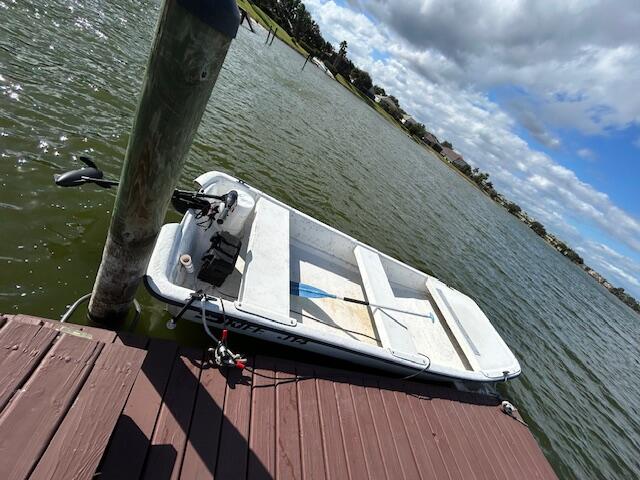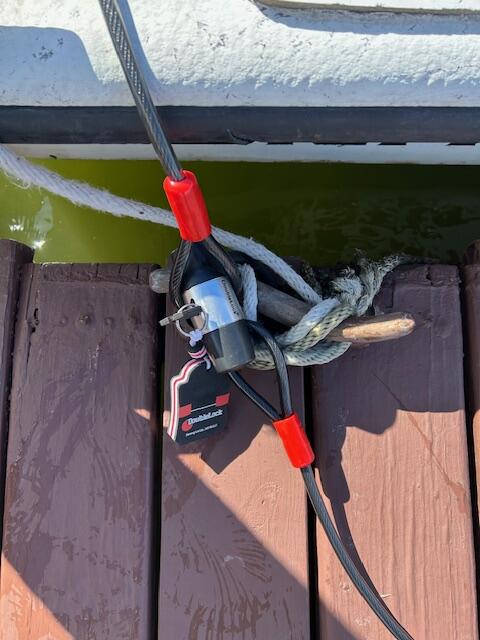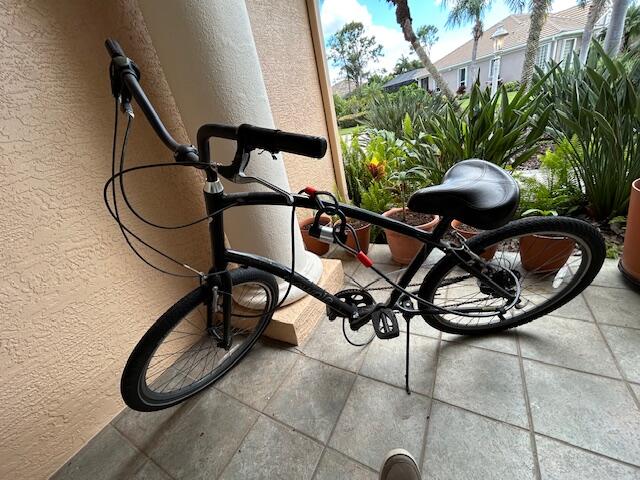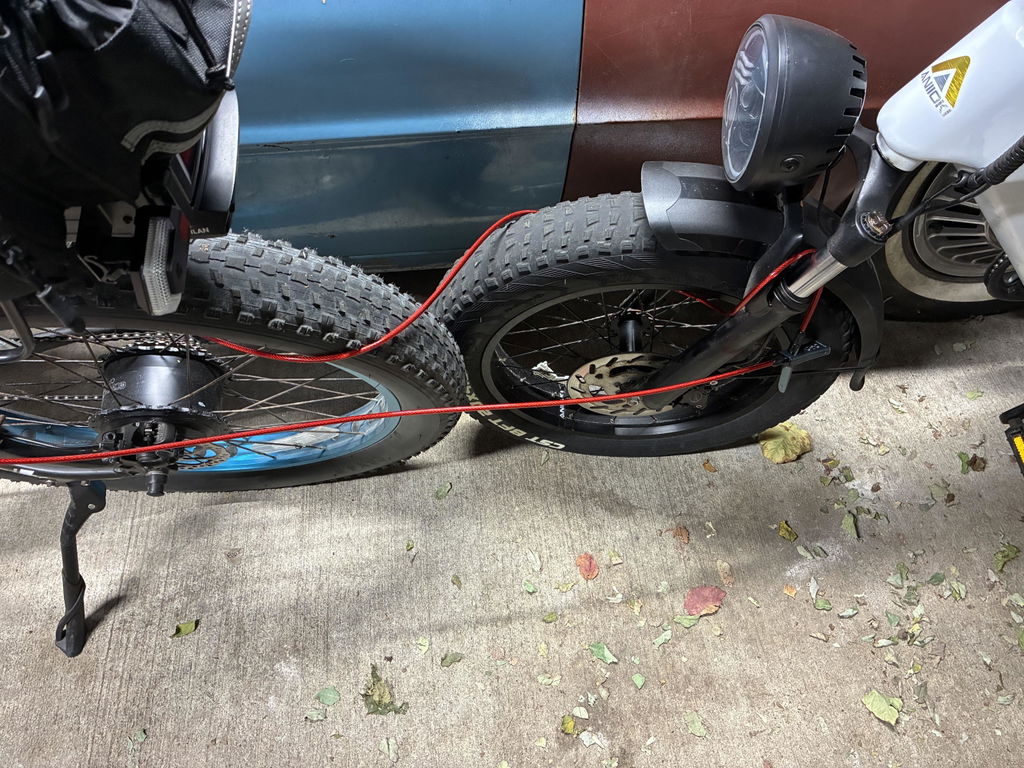

When a skid steer, utility trailer, or critical attachment disappears overnight, the next shift starts with delays instead of work. A purpose-built equipment lock helps contractors and rental fleets deter theft at the asset points thieves are most likely to attack.
Shop DoubleLock USA jobsite security hardware or request a fleet quote.
An equipment lock is a strong tool made to keep big machines and trailers safe from theft. These tough locks use thick steel to stop thieves from cutting or prying them open. Good site security needs special locks instead of cheap store-bought ones, as seen in Canton Michigan Public Safety research. By locking down parts like hitches and controls, owners can stop the loss of costly tools. High-quality locks also act as a clear sign that shows thieves your fleet is not an easy target. For rental fleets, using the right gear is the best way to avoid the high cost of losing a machine. Proper locks give your crew the peace of mind they need to start each shift without delays.
Every contractor knows that a single theft can derail a weekly plan. Start by identifying which parts of the fleet are most exposed, then match each vulnerable point with the right security hardware.
What does an equipment lock need to protect?
The right equipment lock protects the asset's easiest movement or access point, such as a trailer hitch, container door, control, gate, or attachment. DoubleLock USA recommends matching purpose-built security hardware to the way thieves could remove or operate each asset.
An equipment lock is a heavy-duty tool built to stop the theft of large machines and trailers. These locks use rugged materials and purpose-built shapes to shield common attack points from cutting and prying tools. For contractors and rental yards, these tools are not just about locking a gate. They are about keeping a business running by making sure every backhoe, skid steer, and utility trailer stays where it belongs.
High-risk assets on the jobsite
Thieves often target heavy equipment because these items are valuable and easy to move. Backhoes and utility trailers are some of the most common items stolen from construction sites. Losing just one machine can cause a long stop in work. It can also lead to higher insurance costs for the company (Canton Police Department).
To protect these assets, you must first know which ones are most at risk. Any machine that sits in an open area or lacks a fence is a target. This is true for machines like excavators and gear used in new housing areas. Using heavy-duty equipment locks helps create a shield around these high-value tools.
Common attack points for thieves
An expert thief looks for easy ways to take or start a machine. One of the biggest risks is leaving keys in the cab. You should always remove keys when a machine is not in use to stop someone from just driving it away. Thieves also look for weak, basic locks. These simple locks often lack the strong outer shell needed to stop cutting or prying tools.
Good security for a site works best with a layered plan. This means using locks that are made for a certain job rather than a basic lock. High-quality tools use materials like heavy steel or aircraft-grade aluminum. These metals do a better job of resisting saws and bars. They also stand up to rain and snow when left outside for a long time.
Choosing the right lock for a fleet
When you have many machines to track, how you manage your keys matters. For a large group of machines, keyed-alike systems can make work much faster for your crew. But for very high-value items, you may want a lock with its own unique key. These locks build on 30 years of European engineering heritage to keep each asset safe on its own.
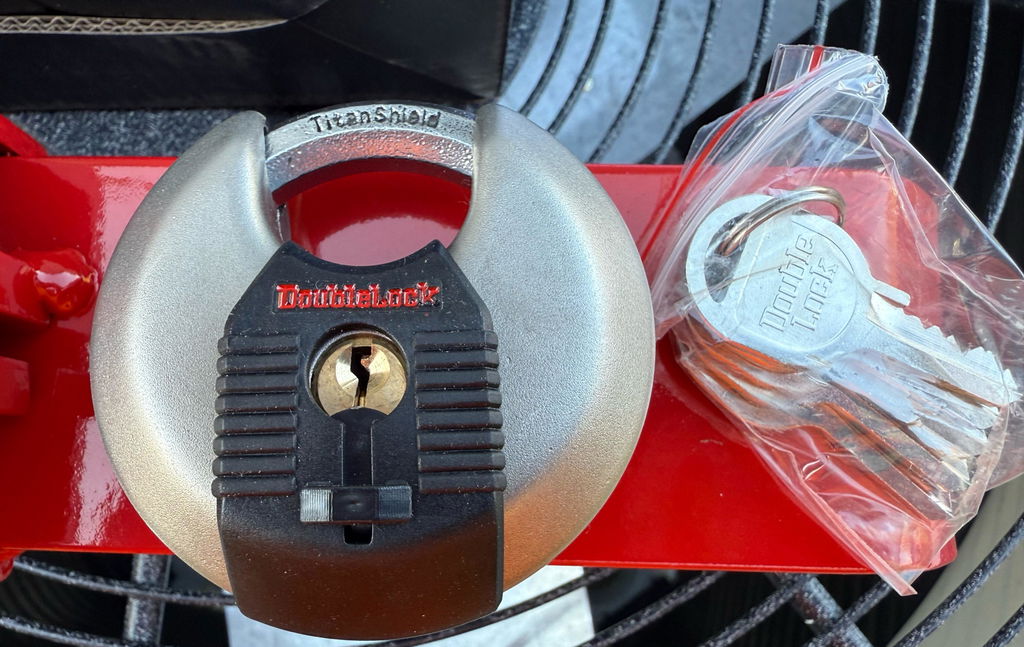
How easy a lock is to see is another key part of securing heavy equipment. A bright, bulky lock shows a thief that the machine is a hard target. This warning often makes them move on to an easier site. While no lock is truly unbreakable, these tools work as visible deterrents to lower your overall risk.
Which equipment lock fits each asset?
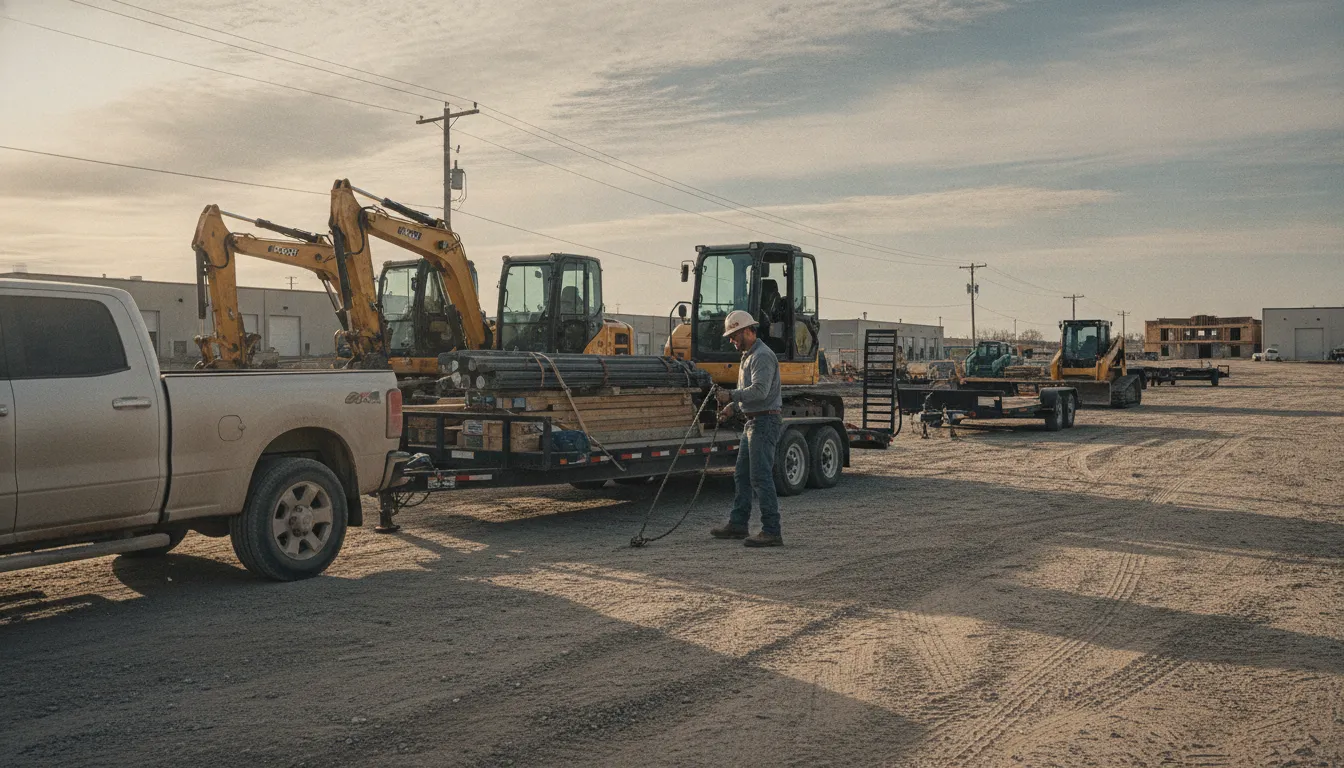
Choose an equipment lock by identifying the asset's vulnerable point first. Hitch locks protect towable equipment, container locks reinforce cargo doors, cable and chain systems secure irregular equipment, and commercial padlocks support gates and tool storage.
Picking the right lock starts with the asset. A cheap lock might work for a small shed. But big gear needs more. You must match the lock to the risk. This helps you build a strong defense for your business.
Industrial gear safety
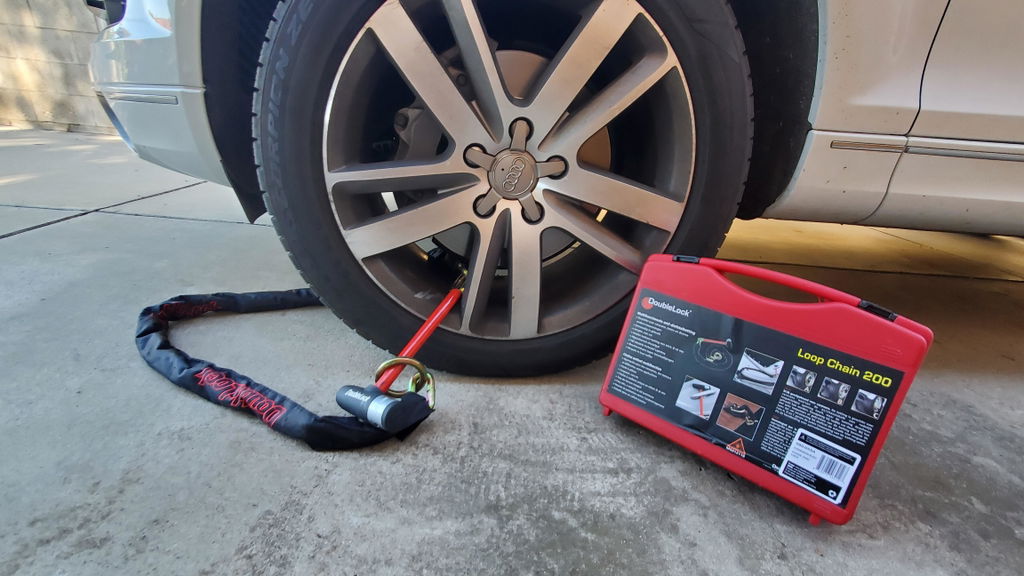
Heavy gear like backhoes are big targets for thieves. In fact, heavy equipment is often stolen from job sites. This loss leads to high costs and missed work. You need a tough equipment lock to keep these big tools safe. Their construction and fit help resist prying. Some wrap around wheels to keep the gear in place. Others block the controls so no one can drive the unit away. The best locks use heavy steel to resist saws and drills. You should also look for weather-resistant gear. Job sites are dusty and wet. A lock that rusts or jams is no help to your crew. Industrial-grade locks stay smooth in the rain and mud.
Trailer and box security
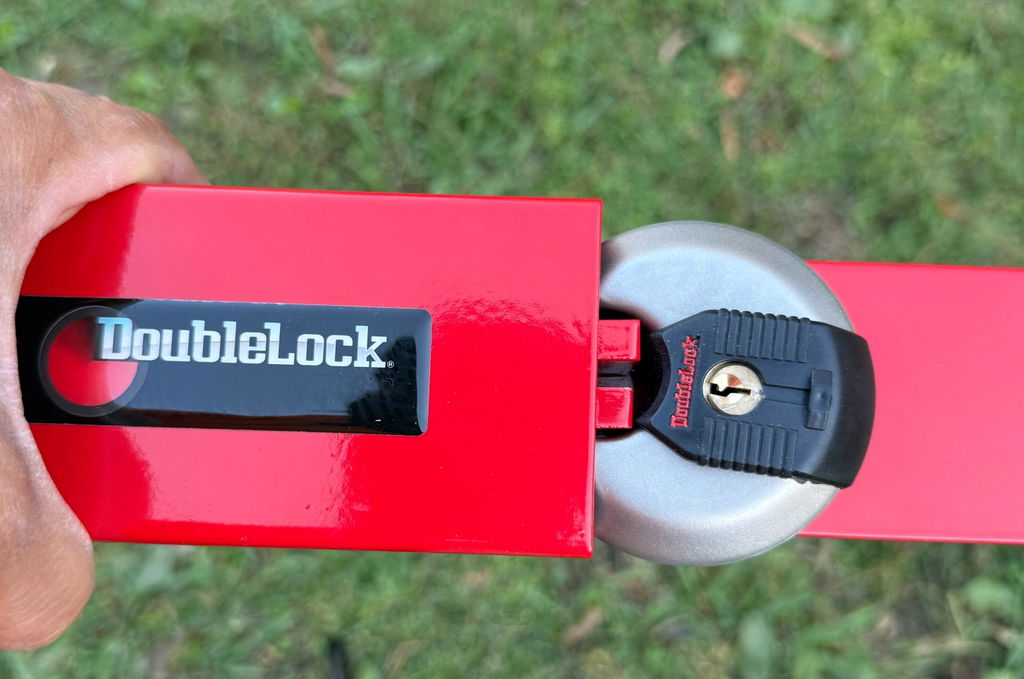
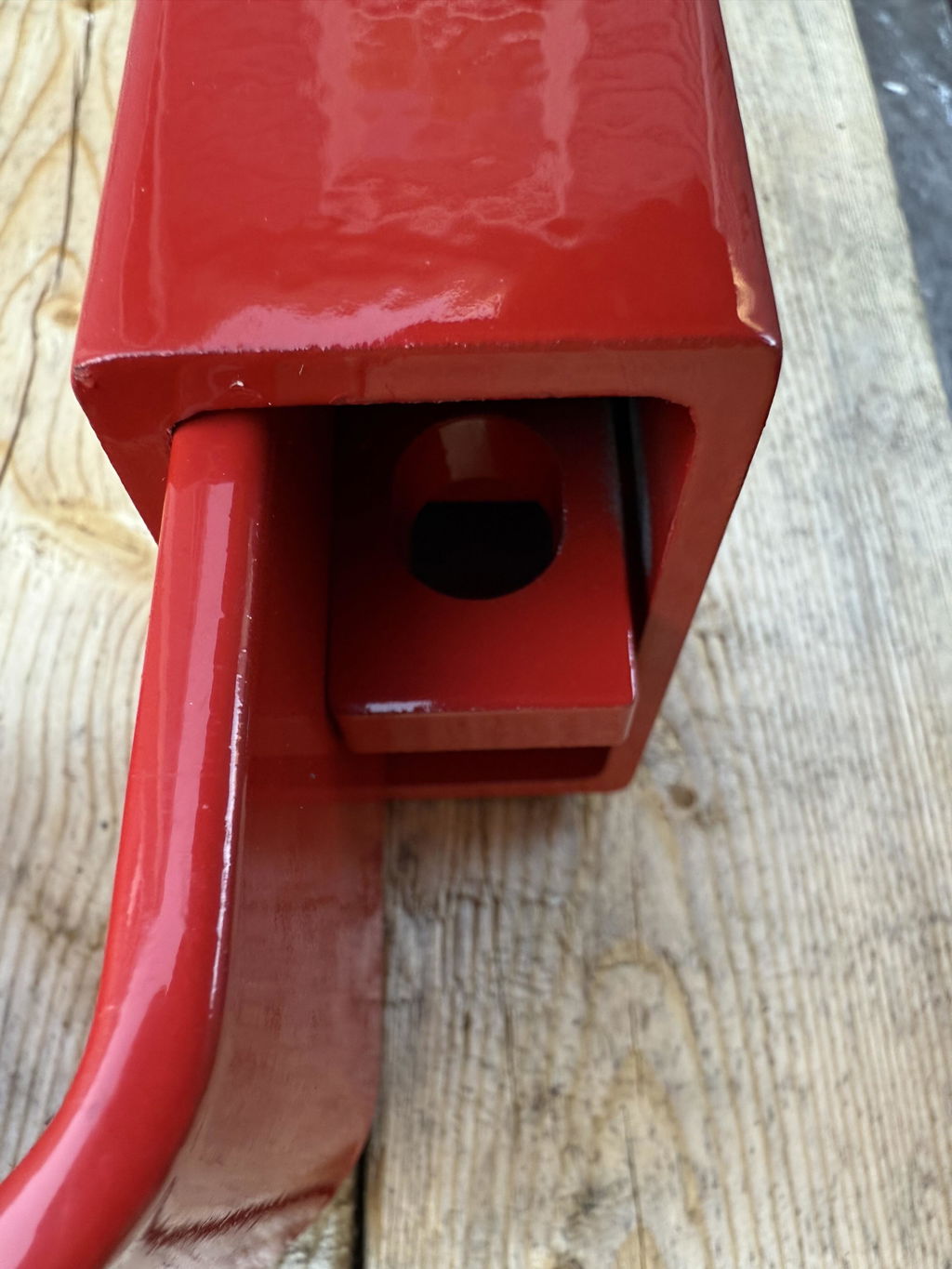
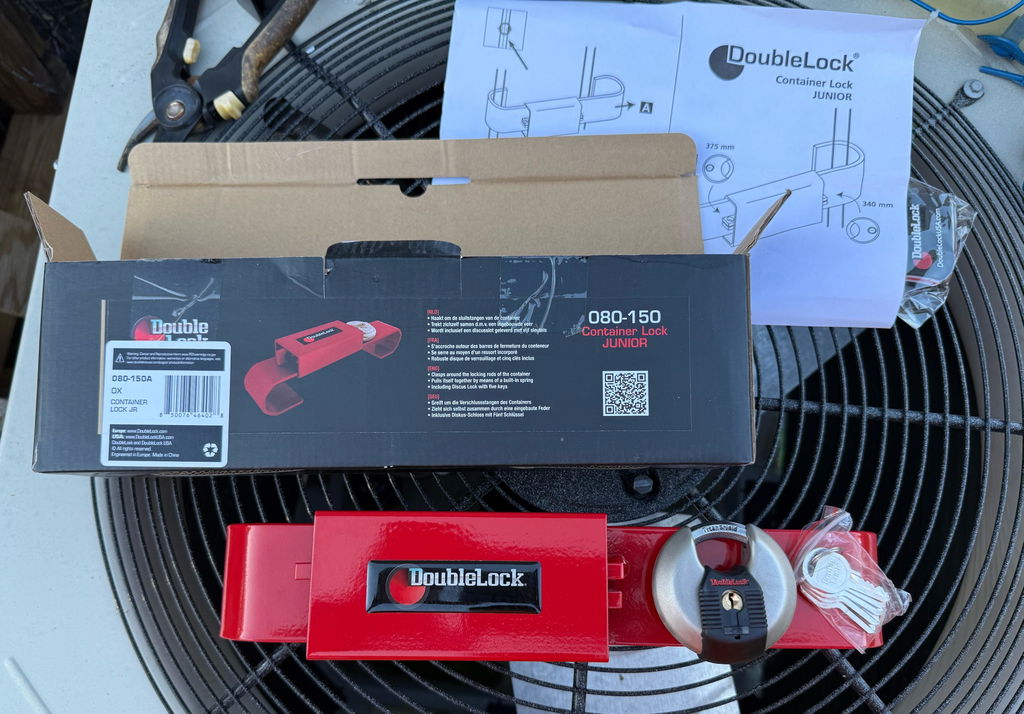
Trailers and boxes hold your most vital goods. They move easily, which makes them easy to steal. You need locks that shut the rear doors or the hitch coupler. Many heavy-duty equipment locks have bars that slide. This lets you use one lock on many sizes of gear. Steel tubes offer the best shield against theft tools. These locks stop thieves before they can touch your cargo. A strong lock on a trailer signals that the asset is not an easy mark. This keeps your logistics fleet moving without delay. Coupler locks are vital for utility trailers. They block the hitch so a thief cannot hook up their truck. For shipping boxes, use a bar lock that spans the door rods. This stops a thief from using a bolt cutter on the latch.
Match your lock to your asset
Check this table to find the right fit for your site needs.
| Lock Type | Target Asset | Best Use Case |
|---|---|---|
| Chain and Loop | Digging gear | Visible job site defense |
| Cargo Door Bar | Storage boxes | Fits most door widths |
| Kingpin Lock | Big trailers | Blocks towing hookups |
| Coupler Lock | Utility trailers | Locks the tow hitch |
| Padlock | Gate and box | General site access |
Build a DoubleLock USA wholesale quote for a mixed fleet security plan.
Gate and small tool safety
Don't miss the small items. Hand tools and open gates are the first things a thief sees. Use padlocks with thick bars to lock gates. For small gear, use heavy cables with steel shells. A layered plan is best for site safety. Use many types of locks to make theft hard. This forces a thief to move on to an easier mark. Bright locks also help. They show that your site is secure from a far distance. This "no bull" approach keeps your gear right where you left it.
How to evaluate equipment lock quality
Picking a high-quality equipment lock is a vital step for any job site. Theft of heavy machines can lead to high insurance costs for builders and slow down your work. You need tools that do more than just hang on a chain. Good locks act as a strong way to keep your assets safe. These tools help you avoid the high cost of replacing lost gear. A solid plan will keep your job site running on time.
Tough materials and design
The best locks use heavy-duty steel or strong aluminum to stop thieves. These metals resist cutting and prying better than the thin metal found in basic locks. A good lock should have a thick shell that covers the shackle. This choice leaves few spots for a tool to grip or cut. Using heavy-duty equipment locks helps you build a strong defense. You want a lock that feels heavy and looks tough. This sends a clear sign that your asset is not an easy mark.
You should also look at how the lock handles the weather. Jobsites are often dusty or wet. High-quality locks have seals to keep out rain and mud. This stops the lock from sticking or rusting over time. A lock that fails in the rain is no help to your team. Look for locks that are built for the outdoors. This means they will work for years without any issues. Weather-resistant seals are a small part that makes a big difference in the field.
How you see your fleet
Bright colors and large locks act as a visual shield for your gear. Many rental fleets use tools that are easy to see to show that an asset is locked down. This simple step can turn a thief away before they even touch your gear. A lock that stands out is a better choice for big sites. You want it to be seen from the road or a fence line. This type of theft safety keeps your gear where it belongs.
Managing keys is another big part of your plan. You can pick keyed-alike sets to make things simple for your crew. This means one key opens every lock in your fleet. It saves time and stops lost keys. But for very high-value items, you may want a unique key. This adds a layer of safety for your most expensive tools. A good key plan helps your team work faster. It also keeps your assets secure every night.
- Check the fit: confirm the lock fits your machine or trailer and adjusts to the required bar span or size.
- Inspect attack points: choose a quality lock that shields weak spots from cutting and prying tools.
- Verify the material: select steel or aluminum hardware designed to withstand heavy use and harsh jobsite conditions.
- Test weather operation: make sure the lock opens and closes reliably in rain, snow, and mud.
- Review key control: decide whether the fleet needs keyed-alike access or unique keys for high-value assets.
- Assess visible deterrence: use security hardware that makes protection clear before someone approaches the asset.
Caring for your locks is just as important as buying them. You should clean out any dirt or grit that gets into the keyway. A quick spray of oil can keep the parts moving well. Check your locks once a month for any signs of wear. If a lock looks damaged or bent, replace it right away. A worn lock is a weak link in your security. Taking care of your locks will help them last for many years of heavy use.
How do you manage equipment locks across a fleet?
A fleet-wide equipment lock program standardizes lock selection, keying, asset records, inspections, and crew training. Consistent procedures make security easier to follow across jobsites and rental returns while reducing avoidable key-control gaps.
Running many locks across a fleet takes work. A good system keeps your gear safe and your crews moving. You must choose the right tools and keep good logs to stop theft before it starts.
Fleet owners need more than just one lock. Good site safety uses an equipment lock as part of a layered plan. This means using many locks for trailers, bins, and big machines to make theft too hard for thieves.
Select the right keying system
You can use one key for many locks or a new key for each one. Heavy-duty equipment locks that are keyed alike make fleet work fast. Your crew only needs one key to open every lock on a job site.
But some big machines may need their own key. This gives each piece of gear its own layer of safety. Use singly keyed locks for costly tools that stay in one place for a long time to keep them extra safe.
- Keyed-alike: Best for many locks on one site.
- Unique keys: Best for costly or long-term gear.
- Master keys: Let bosses open all locks while crews use site keys.
Manage keys and logs
Keep a clear log of who has each key. Note when a key goes out and when it comes back. This helps you find where a key is if it goes missing. You should also keep spare keys in a locked box at your main office.
Always take keys out of machines when they are not in use. This stops people from moving equipment without your okay. It is a simple step that makes a big change in your site safety.
Mark your gear so people know who owns it. Use die-stamps or paint names in hidden spots on each machine. This makes it hard for a thief to sell your tools later on.
Maintain and train
Check your locks every few weeks for wear or rust. Use a heavy equipment lock made of steel to resist tools like saws or bars. If a lock feels stiff or has dirt inside, clean it or swap it for a new one right away.
Rental fleets gain from locks that are easy to see and feel very strong. Rugged locks send a clear sign to thieves that your asset is not an easy target. This helps reduce risk for your business over time.
Train your team on how to use the locks the right way. Make sure they know the rules for key control and site safety. A well-trained crew is your best way to stop theft and keep your projects on track.
Use equipment locks as part of layered security
No security tool can stop every threat on its own. While a strong equipment lock is a vital part of your plan, it works best when you use it with other tools. Layered security means building several walls of protection around your assets. This approach makes theft much harder and slower for any criminal who tries to target your jobsite.
Manage access and keys
Many thefts happen because a site was left open or easy to enter. You should always remove keys from every piece of gear when it is not in use. Leaving keys in the cab is an open invite to thieves. It only takes a few seconds to pull the key and lock the cab door. This simple habit is your first line of defense against unauthorized use.
Physical barriers also play a big role in your plan. Use tall fences with locked gates to keep people out of the yard. Good lighting is another great tool for any site. Bright lights make it very hard for thieves to hide. When a site is well-lit and fenced, most criminals will move on to find an easier target that offers more cover.
Mark and track your assets
Thieves want items they can sell for cash without being caught. If your gear is easy to track, they might leave it alone. You should die-stamp your company name into the metal in several hidden spots. This makes it much harder for a thief to hide the true owner. You can also use bright, weather-resistant seals on the outside of each machine to show it is logged in your system.
Keep a full list of all your tools and machines in a secure file. Write down every serial number and take clear photos of each item from many angles. This list is a big help to the police if something does go missing. Using visible deterrents shows thieves that you take security seriously. This "Bull Strong" attitude helps keep your fleet safe and your work on track.
Choose industrial-grade hardware
Not all locks are the same. Generic locks may look tough, but a poor fit or exposed attack point can undermine the security plan. Instead, choose heavy-duty equipment locks made from high-grade steel. These tools are built to resist cutting and prying from the heavy gear that thieves often use to break standard hardware.
Protecting your gear is about more than just peace of mind. Theft of large machines can disrupt schedules and force difficult replacement decisions. Using a purpose-built equipment lock is a smart way to lower your risk. DoubleLock hardware draws on more than 30 years of European engineering heritage to provide rugged theft deterrence.
For the best results, use a mix of chains, padlocks, and tools that stop movement. These layers work together to create a solid defense for your business. When you have a solid plan for securing heavy equipment, you can focus on your work instead of worrying about your tools. Follow these steps to build a layered plan:
- Remove all ignition keys every night.
- Lock all cab doors and windows.
- Keep the site well-lit after hours.
- Die-stamp your name into the metal.
- Use hardened steel chains and locks.
Frequently Asked Questions
What equipment is most often stolen from construction sites?
High value and portable items are the main targets for thieves. According to the Office of Justice Programs, kitchen appliances are often stolen from houses that are still under construction. Thieves also target small power tools and heavy machinery. These items are easy to sell and hard to track. Keeping these assets in secure storage containers helps stop theft and keeps your project on schedule.
What is the most effective way to prevent construction site theft?
The best way to stop theft is to use several layers of security. This includes physical locks, site lighting, and clear signs. Research from Arizona State University shows that matching how you stop crime to local data can lead to a large drop in theft. You should combine strong locks with good site rules. Waiting to deliver high value items like appliances until a building is occupied also removes common targets for criminals.
Should construction site gates be locked during working hours?
Gates should stay locked when the site is not in use to stop people who do not belong there. During work hours, you should use entry control to track who comes and goes. Keeping gates shut helps keep the site edge secure. According to ABC Supply, you should use heavy duty locks that are hard for thieves to break. Proper gate security is a key part of any site theft plan.
How does inventory management help with construction site theft prevention?
Good tool tracking helps you watch all your gear and find missing items fast. Keeping a clean site and putting tools away makes it easier to spot if something is gone. Industry experts at ABC Supply suggest that tracking systems help stop site theft. Marking your gear with unique marks in hidden spots also helps the police find stolen goods. A clear list of tools helps you run your site and lowers the chance of loss.
Ready to protect your jobsite with a pro security checklist?
The high cost of lost tools and stolen gear adds up very fast when you leave your site open to easy theft and long job delays. You can save time and keep your crew on task by securing your onsite storage containers and all of your other gear. A safe site means you stop the high price of buying new tools while also keeping your job on its tight and set timeline for the crew.
Ready to request a wholesale security quote? Call +1 (561) 289-4865 to talk to a team member and shop jobsite locks. We help you find the best gear to keep your tools safe from theft today. Do not wait for a loss to act.