
Not all trailer locks are created equal, and choosing the wrong one is a common and costly mistake. A lock that’s too loose can be pried off, while one made from cheap materials can be cut in an instant. Many people focus on price, only to find their lock failed when it mattered most. True security lies in the details—the quality of the steel, the design of the locking cylinder, and its resistance to tampering. We'll show you how to avoid the common pitfalls of buying a trailer hitch lock and identify one that provides genuine protection.
Key Takeaways
- Prioritize a snug fit and strong materials: A lock is only as good as its fit and the metal it's made from. Make sure your lock fits your specific coupler or receiver without any gaps, and always choose one made from hardened steel to resist cutting and prying.
- Choose the right lock for the job: Understand the difference between receiver locks, which secure the hitch to your vehicle, and coupler locks, which protect a detached trailer. Knowing what you need to secure is the first step in selecting the right tool.
- Install it correctly and keep it clean: Even the best lock won't work if it's loose or seized from neglect. Follow the installation instructions for a secure fit, and take a moment to clean and lubricate your lock occasionally to keep it working smoothly for years.
The Value of a Quality Trailer Security Device
Do Hitch Security Devices Actually Prevent Theft?
A high-quality security device is one of the most effective deterrents against trailer theft. While no solution is completely foolproof against a highly motivated thief, a well-made device makes your trailer a much harder target. The key is in the construction. True security comes from the details: the quality of the steel, the design of the security mechanism, and its ability to withstand both tampering and harsh weather. A device that fits your coupler precisely leaves no room for a thief to use a pry bar. This is why choosing a product made from hardened steel is so important; it resists cutting and drilling, sending would-be thieves looking for an easier score. It's this commitment to robust design that forms the foundation of reliable protection.
Are They a Worthwhile Investment?
When you consider the value of your trailer and its contents—whether it’s for work or recreation—the cost of a premium security device is a small price to pay for peace of mind. Investing in a tough, solid steel security product is an investment in protecting your property. Look for options that are specifically designed to resist rust and corrosion, ensuring they function reliably in all weather conditions. A dependable device secures your trailer whether it's parked at a job site or attached to your vehicle on the road. Ultimately, the goal is to prevent theft before it happens, and a quality device is a clear signal to thieves that your trailer is not an easy target. This allows you to walk away with confidence, knowing your assets are protected.
Finding the Right Heavy-Duty Trailer Hitch Security
Choosing the right heavy-duty hitch lock is about more than just picking one off the shelf. Your trailer is a valuable asset, and securing it properly requires a bit of know-how. A great lock is a physical deterrent that makes a potential thief’s job much harder, encouraging them to move on to an easier target. To make a smart purchase, you need to look at a few key areas: the quality of the materials, the specific security features of the lock mechanism, its ability to hold up in bad weather, and whether it actually fits your trailer’s hitch correctly. Thinking through these points will help you find a reliable lock that gives you confidence whether your trailer is attached to your vehicle or parked on its own.
Prioritize Strong Materials and Solid Construction
The foundation of any good lock is the material it’s made from. For a heavy-duty application like a trailer hitch, you should always look for products made from high-strength or hardened steel. This type of steel is specifically treated to resist common theft methods like cutting with bolt cutters, sawing, or drilling. A lock made from a lesser material can be defeated in seconds. For example, our SCM Approved Coupler Lock is built from specialty hardened steel to meet rigorous European testing standards. When you examine a lock, feel its weight and check for solid construction. A lock that feels substantial and has no flimsy parts is usually a better choice for serious security.
Pinpoint Key Anti-Theft Features
Beyond the strength of the steel, the design of the locking mechanism itself is critical. A thief might not try to break the lock if they can simply pick it. Look for locks that feature complex, pick-resistant keyways and cylinders. Many high-security locks also have features that protect against drilling out the core. One of the best indicators of a secure design is a third-party certification. An SCM certification, for instance, means the lock has passed a battery of professional attack tests designed to simulate real-world theft attempts. This independent verification provides an extra layer of assurance that you’re getting a truly secure product.
Look for Advanced Protection Features
Beyond a pick-resistant cylinder, a truly robust security device will have features that protect against brute-force attacks. For example, many high-security products are designed to prevent a thief from drilling out the core. While many brands claim to be tough, one of the best ways to verify this is by looking for a third-party certification. A rating like an SCM certification, for instance, is a clear indicator of a superior design. This means the product has survived a series of intense, professional attack tests that mimic real-world theft scenarios. Seeing that certification on the packaging gives you confidence that the product has been independently proven to withstand serious attempts at being compromised.
Consider Complete Security Kits
For total peace of mind, you might want to think beyond a single device and look at a complete security system. Some companies offer kits that bundle multiple security products together, such as a heavy-duty coupler device and a receiver pin, often keyed alike for convenience. This approach ensures all critical points on your trailer are protected with components designed to work together. These kits typically feature products made from tough, solid steel with a durable coating to resist rust and wear from the elements. Investing in a comprehensive kit from a trusted security specialist is a straightforward way to make sure you have all your bases covered for your trailer, boat, or RV.
Confirm Its Durability and Weather Resistance
Your trailer and its lock will spend their entire lives outdoors, exposed to rain, sun, snow, and road salt. A lock that isn’t built for these conditions will quickly rust, corrode, and fail. A seized lock is not only frustrating, but it also offers zero protection. Look for features that indicate good weather resistance, such as a durable powder coat or plated finish. Some locks include rubber caps to protect the keyhole from water and debris, while others use stainless steel components and special lubricants internally to prevent corrosion. A lock like the Compact Condor is designed with these harsh environments in mind, ensuring it operates smoothly for years.
Make Sure It's a Perfect Fit for Your Trailer
A trailer hitch lock is only effective if it fits correctly. A lock that is too loose on the coupler can be pried off or smashed with a hammer. Before you buy, you need to know your trailer’s coupler size and style. The most common size is 2-5/16 inches, but others like 2 inches and 1-7/8 inches are also prevalent. You can usually find the size stamped directly on the coupler itself. Taking a moment to measure your trailer coupler ensures you purchase a lock that fits snugly. A proper fit leaves no room for a thief to gain leverage, making your trailer a much more difficult target.
Our Top Picks for Heavy-Duty Hitch Protection
Finding the right heavy duty trailer hitch lock can feel overwhelming. To simplify your search, we’ve highlighted our top picks for different security needs. Whether you need maximum protection for valuable assets, a versatile lock for multiple trailers, or a way to secure chains and gates, there’s a solution for you. Let's look at some of the best trailer locks available.
For Maximum Protection: A Heavy-Duty Coupler Guard
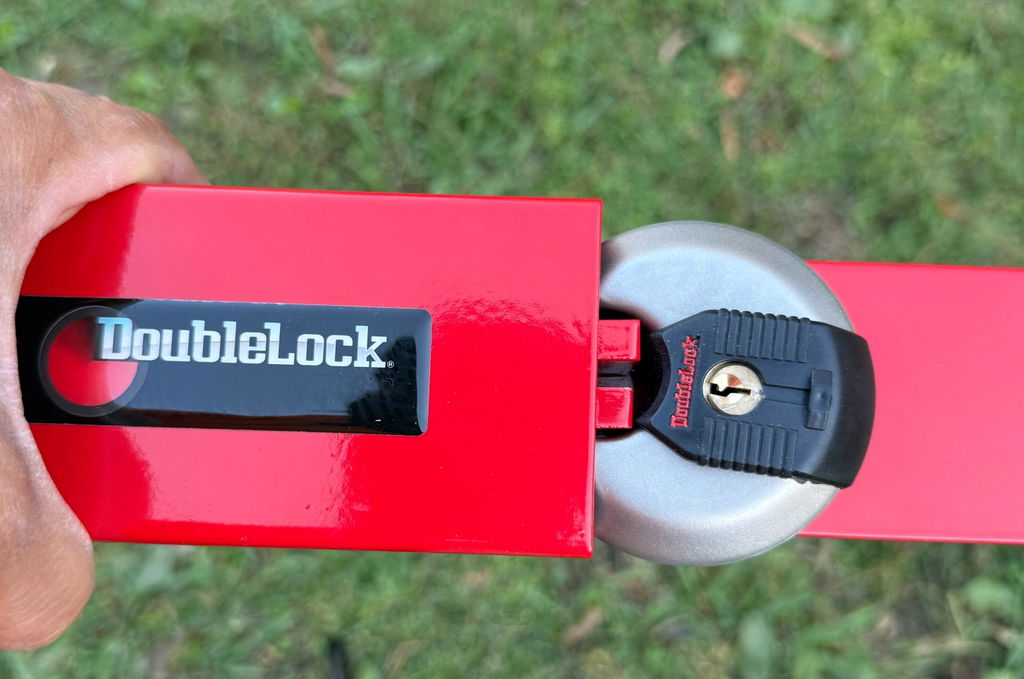
When your trailer is carrying valuable equipment for your business or a boat for a weekend getaway, you need a lock that offers the highest level of protection. A heavy-duty coupler lock is your best defense. These locks are typically made from a solid piece of hardened steel, making them extremely resistant to cutting, drilling, and picking attempts. The DoubleLock USA Coupler Lock, for example, is built to completely encase the coupler. This design makes it impossible for a thief to hook up your trailer and drive away. It’s the ideal choice for securing assets left unattended for long periods, giving you true peace of mind.
For Versatility: A Universal Hitch Pin Protector
If you manage a fleet of trailers or just have different setups for work and play, a versatile lock is a practical and cost-effective choice. A universal hitch lock is designed to fit a range of coupler sizes, usually from 1-7/8 inches to 2-5/16 inches. This adaptability saves you from buying a separate lock for every trailer you own. The DoubleLock USA Universal Coupler Lock features an adjustable, ratcheting design that provides a secure fit on most common couplers. It’s a convenient, all-in-one solution that offers robust security across your entire trailer collection without the hassle of juggling multiple keys and locks.
For Chains and Gates: A Long-Shackle Fastener
Comprehensive trailer security goes beyond just the hitch. Your safety chains, ramp gates, and onboard toolboxes are also potential targets for thieves. A long shackle padlock is the perfect tool for these jobs. The extended shackle gives you the extra clearance needed to fit around thick chains or secure hasps on storage compartments where a standard padlock just won’t reach. When choosing one, look for a weather-resistant padlock with a hardened steel shackle to stand up to both bolt cutters and harsh weather conditions. Using one of these to secure multiple points on your trailer is a simple step that adds a critical layer of defense against theft.
How to Choose the Right Hitch Security for Your Trailer
Selecting the right hitch lock is one of the most important steps you can take to protect your trailer. With so many options available, it can feel overwhelming to find the one that fits your needs perfectly. A great hitch lock does more than just deter theft; it gives you confidence that your investment is safe, whether it’s parked in your driveway or at a job site. To make the right choice, you’ll want to consider a few key factors, including the type of lock, the specific measurements of your equipment, and your unique security requirements. Let’s walk through how to pick the best lock for your trailer.
Explore Different Styles of Hitch Protection
First, it helps to know the basic types of locks available. The two most common are receiver locks and coupler locks. A receiver lock, also called a hitch pin lock, replaces the standard pin that holds your ball mount in the vehicle's receiver tube. It secures the ball mount to your vehicle, preventing a thief from simply pulling it out and attaching your trailer to their own. Coupler locks are designed to secure the trailer's coupler when it is unhitched from your vehicle. They fit over the coupler, making it impossible for someone to hook up your trailer and drive away. Some designs can even be used while the trailer is hitched for added protection. Understanding which part of your setup you need to secure will guide you to the right type of lock.
Hitch Pin Security Styles
Hitch pin locks are designed to secure your ball mount or other hitch-mounted accessories to your vehicle. They replace the standard pin and clip that you would normally use. By locking the pin in place, you prevent a thief from simply pulling out the entire ball mount and taking your trailer, or stealing an expensive accessory like a bike rack. These locks come in various styles, but their core function is the same: to create a secure connection point between your vehicle and your towing equipment. When you choose a hitch pin lock, make sure it matches the size of your receiver tube for a snug and secure fit.
Coupler Security Designs
Coupler locks are essential for protecting your trailer when it is detached from your vehicle. These devices are designed to fit over or into your trailer's coupler, making it impossible for someone to attach it to their own vehicle and drive off. There are many different designs available, from simple pin-style locks to heavy-duty guards that completely encase the coupler. Some models can even be used while the trailer is hitched up, providing an extra layer of security on the road or at a temporary stop. A quality coupler lock is a non-negotiable for anyone who parks their trailer unattended.
Specialty Security for Wheels and Spares
For truly comprehensive protection, it's wise to think beyond the hitch itself. Specialty security devices add another layer of defense that can stop a determined thief. For example, some devices immobilize one of the trailer's wheels, making it impossible to tow or roll away. This is an excellent deterrent for trailers parked for extended periods. Similarly, a security fastener for your spare tire prevents the theft of an easily removed and often expensive item. Combining these specialty devices with a high-quality hitch lock creates a formidable security system that protects your entire investment, not just the connection point.
Understanding Security Core Mechanisms
The external strength of a lock is only half the story; the internal locking mechanism is just as critical. A cheap cylinder can be picked or drilled in seconds, rendering the hardened steel body useless. When evaluating a lock, look for features like complex, pick-resistant keyways and drill-resistant cylinders made from hardened materials. These designs make it significantly more difficult for a thief to manipulate the lock open. Our commitment to security is built on a heritage of robust engineering, ensuring our lock cores are designed to withstand tampering attempts and provide reliable, long-term protection you can depend on.
Anti-Rattle and Adjustable Features
Beyond pure security, some locks offer features that improve your overall towing experience. Anti-rattle hitch locks, for instance, are designed to tighten the connection between the ball mount and the receiver, eliminating the annoying clanking and jarring that can occur with a loose fit. This not only makes for a quieter ride but also reduces wear on your towing components. Additionally, adjustable locks provide great versatility, allowing you to secure different trailers with various coupler sizes using a single device. These thoughtful features are often what separates a basic lock from a high-quality piece of security equipment.
Start by Measuring Your Hitch and Coupler
A lock is only effective if it fits correctly. A loose-fitting lock can be easily broken or pried off, leaving your trailer vulnerable. Before you buy, take a moment to measure your equipment. For a receiver lock, you’ll need to know the size of your receiver opening, which is typically between 1-1/4 inches and 3 inches. You also need the pin diameter that your hitch requires. For a coupler lock, you’ll need to know the size and style of your trailer’s coupler. This information is usually stamped on the coupler itself or can be found in your trailer’s manual. A snug, secure fit is non-negotiable for effective security, so taking accurate measurements is a critical step.
Determine Your Personal Security Needs
Your security needs depend on your specific situation. Think about where you typically park your trailer and for how long. Is it in a secure garage overnight or left at a construction site for weeks at a time? For high-risk environments or high-value trailers, you may want to layer your security. A heavy duty coupler lock is an excellent foundation, but you might also consider other deterrents. For the highest level of protection, look for locks that have been independently tested and certified, such as those with an SCM approval. These locks have undergone rigorous testing against theft attempts. Evaluating your risk level helps you decide how robust your security solution needs to be.
Match the Device to Your Trailer Type
The type of trailer you own plays a big role in the security device you should choose. A small utility trailer might have a 1-7/8 inch coupler, while a larger boat trailer or construction trailer often uses a 2-5/16 inch coupler. It’s not just about size; the shape and style of the coupler can also vary. A lock designed for a standard A-frame coupler might not work on a straight-tongue or gooseneck trailer. This is why simply grabbing any lock off the shelf is a risk. Taking the time to understand your trailer's specific setup is the most important part of choosing the right coupler lock. A snug fit specific to your trailer type eliminates gaps that a thief could use to pry or break the device, making your property a much less appealing target.
Think About the Day-to-Day Installation
The best lock in the world won’t do you any good if it’s too complicated to use. A security device should be straightforward to install and remove, otherwise, you might be tempted to skip using it. Look for locks with a simple, reliable key mechanism and a design that doesn’t require special tools or a lot of effort to secure. Many high-quality locks are designed for quick application, allowing you to secure your trailer in seconds. Reading customer reviews can often provide insight into how easy a lock is to operate in real-world conditions. A lock that is both highly secure and user-friendly is the ideal combination for consistent, hassle-free protection.
Always Check for Hitch Class Compatibility
Finally, make sure any lock you choose is compatible with your hitch class and towing capacity. Trailer hitches are categorized into classes (I through V) based on the weight they can handle. Your hitch lock should have a weight rating that meets or exceeds your trailer's gross trailer weight (GTW). Using an underrated lock can create a dangerous weak point in your towing setup, risking both safety and security. You can find your hitch class and towing capacity in your vehicle’s owner’s manual or on the hitch itself. Choosing a lock that is properly rated for your specific setup ensures it can withstand the forces of towing and resist tampering from thieves.
Consider the Overall Value and Cost
When you're shopping for a hitch security device, it's easy to focus on the price tag. While budget is always a factor, it’s more important to think about the overall value. A cheap, poorly made item might save you a few dollars upfront, but it could cost you your trailer in the long run. Conversely, the most expensive option isn't always necessary for your specific needs. The goal is to find a well-made, reliable product that offers the right level of protection for your assets without overspending. It’s about making a smart investment in security that aligns with the value of what you’re protecting.
Understanding Price Ranges
Most trailer hitch security devices fall into a reasonable price range, often between $20 and $40. While some premium models cost more, they may include advanced features or higher security ratings that are worth the investment for high-value trailers or high-risk situations. The key is to balance the cost of the device with the level of protection you actually need. A simple, sturdy unit might be perfectly adequate for a utility trailer parked in your driveway, while a boat or work trailer full of expensive equipment justifies a more robust and feature-rich security solution.
Look for Warranties and Shipping Policies
A manufacturer’s warranty is a strong indicator of their confidence in the product’s quality and durability. When a company stands behind its equipment with a multi-year warranty, it shows they’ve built it to last. This is more than just a promise; it’s an assurance that your investment is protected against defects in materials and workmanship for years to come. Before you make a purchase, check the warranty details. A company that is transparent about its policies and committed to customer satisfaction is one you can trust to provide a reliable security product that delivers long-term peace of mind.
Evaluate Product Origin and Support
Knowing where your security device comes from and how it was tested can tell you a lot about its reliability. Look for products that have been independently tested and certified by a third-party organization. For example, an SCM approval means the device has passed a series of intense, professional tests designed to mimic real-world theft attempts. This type of certification ensures the product isn't just marketed as tough—it's been proven to be tough. This commitment to quality is often part of a company's deep-rooted heritage in providing genuine security, giving you an extra layer of confidence in your choice.
Review Important Safety Information
Your hitch security device is not just a theft deterrent; it's a component of your overall towing system, and its integrity is crucial for safety. It is essential to choose a unit that is rated for your trailer's gross trailer weight (GTW). Using an underrated device can create a dangerous weak point that could fail under the stress of towing. Always check that the product's specifications meet or exceed your hitch class and towing capacity. You can find this information in your vehicle's owner's manual or on the hitch assembly itself. A proper match ensures your equipment is both secure from theft and safe on the road.
Common Myths About Heavy-Duty Hitch Security, Debunked
When you're investing in security for your trailer, you want to make the right choice. But with so much information out there, it's easy to fall for common myths about what makes a hitch lock effective. Let's clear up a few of these misconceptions so you can secure your property with confidence.
Myth: More Expensive Always Means More Secure
It’s a common belief that the more you spend, the more secure your lock will be. While price can sometimes reflect higher-quality materials or more complex engineering, it isn't the only factor you should consider. A hefty price tag doesn't automatically guarantee a lock is impenetrable. Instead of focusing solely on cost, inspect the lock's construction. Look for features like hardened steel and a build that feels solid and durable. A well-made lock from a reputable brand will provide real security and peace of mind, regardless of whether it's the most expensive option on the shelf.
Myth: All Security Ratings Are the Same
You might see various security ratings on lock packaging, but it's important to know that these aren't standardized across the industry. Some ratings are created by independent testing labs, while others are part of a company's internal marketing. A high rating can be a good starting point, but it doesn't tell the whole story. The most important thing is that a hitch lock is sturdy enough to do its job. Dig deeper and look for specific security features like pick-resistant cylinders, anti-drill plates, and designs that are difficult to cut or pry open. These tangible features are a much better indicator of a lock's strength than a simple number or grade.
Myth: You Can "Set It and Forget It"
Buying a top-of-the-line hitch lock is only the first step. If it isn't installed correctly, it can't provide the protection you need. Always follow the manufacturer's instructions to ensure a snug and proper fit. Beyond installation, regular maintenance is key to a lock's longevity and performance. Over time, exposure to dirt, dust, and moisture can cause the internal mechanism to jam or corrode. Periodically cleaning your lock and applying a lubricant will keep it functioning smoothly. This simple upkeep ensures your lock will be ready to protect your trailer for years to come.
Myth: "Weather-Resistant" and "Weatherproof" Mean the Same Thing
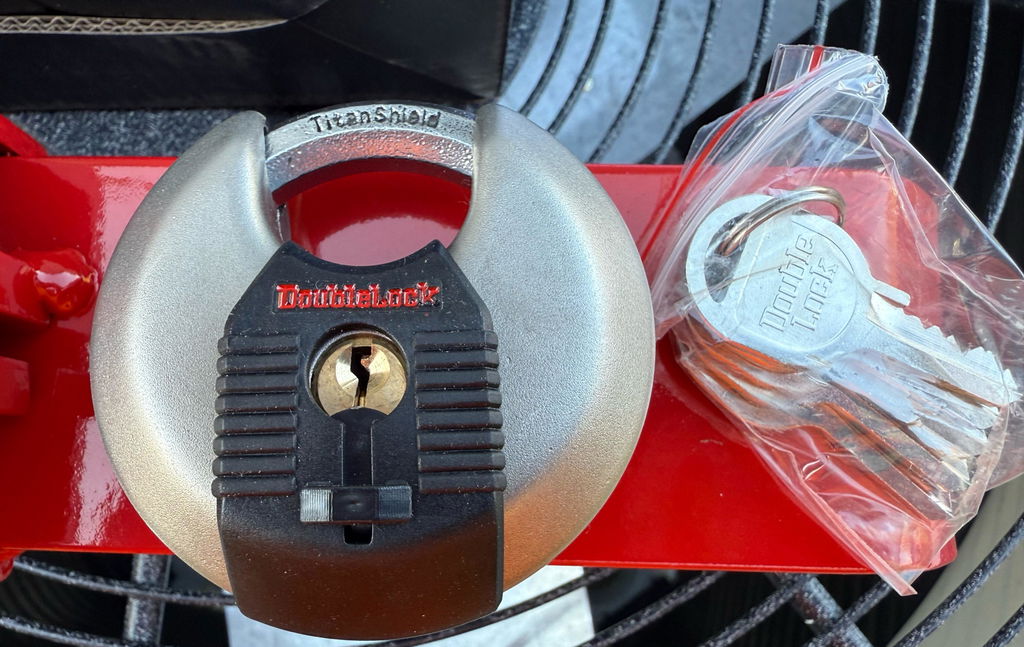
The terms "weather-resistant" and "weatherproof" are often used interchangeably, but they mean very different things. A weatherproof lock is designed to be completely sealed against the elements, which is rare and often unnecessary for most hitch locks. A weather-resistant lock, on the other hand, is built to withstand typical exposure to rain, snow, and dust without failing. For most trailer owners, a durable, weather-resistant lock is exactly what you need. Look for features like a rubber cap to cover the keyhole, such as the one on the DoubleLock TITAN, which helps keep debris and moisture out of the locking mechanism.
Related Articles
- The Best Pintle Hitch Lock at Tractor Supply
- 5 Best Theft Proof Trailer Locks (Buyer's Guide)
- 5th Wheel Lock for Semi Trailer: The Ultimate Guide
- What Is a Coupler Lock? A Complete Guide
- The Ultimate Trailer Hitch Lock Pin Guide
Frequently Asked Questions
What's the real difference between a receiver lock and a coupler lock? Think of it this way: a receiver lock secures the ball mount to your vehicle, preventing someone from stealing that part of your setup. A coupler lock protects the trailer itself, usually when it's unhitched. It covers the coupler so no one can hook your trailer up to their own vehicle and drive off. Both serve important, but distinct, security functions.
Is one hitch lock enough to fully protect my trailer? A high-quality coupler lock is your strongest line of defense and is essential for preventing a simple hook-up-and-go theft. However, for maximum security, especially in high-risk areas or for high-value trailers, it's wise to layer your protection. This could include using a long shackle padlock to secure safety chains or even adding a wheel boot to make your trailer an even less appealing target.
How do I find my trailer's coupler size if it's not stamped on? If the size isn't visible on the coupler, you can easily measure it yourself. Just use a tape measure or calipers to find the inside diameter of the opening where the hitch ball sits. The most common sizes are 1-7/8, 2, and 2-5/16 inches, so your measurement should be very close to one of those standard dimensions.
What should I do if my lock gets rusty and is hard to open? If your lock is stiff or stuck, the first step is to apply a quality penetrating oil into the keyway and around any moving parts. Let it sit for a while to work its way in before gently trying the key again. To prevent this, get into the habit of periodically cleaning your lock and applying a graphite lubricant to keep the internal mechanism operating smoothly.
You mentioned SCM certification. Why is that important? An SCM certification is a reliable indicator of a lock's strength because it comes from a respected, independent testing organization. To earn this approval, a lock must withstand a series of intense attacks from professionals using tools like drills, saws, and picking kits. A lock with this certification has proven it can hold up against a serious theft attempt, giving you a much higher degree of confidence in its performance.