
Protecting your trailer isn't just about securing metal; it's about safeguarding a major investment. The same goes for its cargo, from expensive tools to your weekend camper. A high-quality trailer coupler lock is your first line of defense, acting as both a strong visual deterrent and a formidable physical obstacle. But choosing the right one means looking beyond the price tag. You need to focus on durable materials and smart design. This guide breaks down the key features that separate a good lock from a great one, ensuring your investment stays secure.
Key Takeaways
- Prioritize a secure fit above all else: Before you shop, measure your trailer's coupler size and choose a lock that fits snugly, as a loose lock is a weak point that thieves can easily exploit.
- Invest in quality materials for real security: A lock made from hardened steel with weather-resistant and pick-resistant features is a small investment to protect your much more valuable trailer and its contents.
- Use the right lock for the right situation: A coupler lock protects your trailer when it is unhitched and parked; for complete security, use it in combination with a hitch lock to secure the trailer to your vehicle while towing.
What is a Trailer Coupler Lock and Why is it Essential?
A coupler lock is a powerful security device designed to stop someone from stealing your trailer. Whether you own an RV, a boat trailer, or a work trailer, this lock is an essential piece of equipment. It works by securing the trailer's coupler, the part that connects to a vehicle's hitch. By locking the coupler, you make it impossible for an unauthorized person to hook up their vehicle and drive away with your property. This added security is crucial for protecting your investment and giving you peace of mind when your trailer is parked and unattended.
How Does a Trailer Coupler Lock Actually Work?
The way a coupler lock functions is straightforward. It’s a specialized lock that attaches directly to your trailer's coupler, physically blocking the opening where a hitch ball would go. Once secured, this simple but effective mechanism prevents anyone from connecting their vehicle to your trailer, essentially immobilizing it. This is a critical tool for safeguarding your assets, particularly when you have to leave your trailer in a driveway, storage lot, or at a job site. The lock acts as a strong visual and physical deterrent to potential thieves.
How a Coupler Lock Deters Trailer Theft
Investing in a high-quality coupler lock is one of the most effective steps you can take to protect your trailer from theft. A well-made lock featuring a hardened solid steel bar and a pick-resistant design can withstand attempts to cut, drill, or pick it. Thieves often look for easy targets, and a visible, robust lock signals that your trailer is not one of them. By securing your trailer when it's not in use, you ensure your valuable boat, camper, or equipment remains exactly where you left it.
The Reality of Trailer Theft
It’s easy to underestimate how common trailer theft is, but it's a significant and costly problem for owners across the country. Trailers are often targeted because they can be hitched and driven away in minutes, especially when left unattended at a job site or in a storage area. This is where a reliable security measure becomes non-negotiable. Thieves are opportunistic; they search for the path of least resistance. A visible and robust coupler lock made from reinforced steel sends a clear message that your trailer is protected, encouraging potential thieves to move on. It’s a straightforward step that addresses the very real risk of losing your valuable equipment.
Debunking Common Coupler Lock Myths
A common myth is that a hitch lock alone is enough to secure your trailer. While a hitch lock is great for preventing theft when your trailer is attached to your vehicle, it offers no protection for an unhitched trailer. This is where a coupler lock becomes essential. For complete security, it’s best to use a layered approach. Combining a coupler lock with other security measures, like a wheel lock, creates a much tougher challenge for thieves. Relying on just one type of lock can leave your trailer vulnerable when it’s most at risk.
Which Type of Trailer Coupler Lock is Right for You?
When you start looking for a coupler lock, you’ll find a few different designs on the market. Choosing the right one comes down to your specific trailer, how you use it, and the level of security you need. Each type is designed to solve a particular problem, whether it’s fitting a unique coupler size or providing the highest possible protection against theft. Understanding the core differences will help you make a confident choice and ensure your trailer is properly secured.
The three main categories you will encounter are latch-style, universal, and heavy-duty reinforced locks. Latch-style locks are made for a specific fit, while universal locks offer flexibility for different trailers. Heavy-duty locks, on the other hand, focus purely on maximum strength and resistance against determined thieves. Let’s look at how each one works so you can decide which is the best fit for your equipment.
A Closer Look at Latch-Style Locks
Latch-style locks are designed to secure the latching mechanism on your trailer’s coupler. They fit over or through the latch, preventing anyone from lifting it and detaching the trailer from the tow vehicle or attaching it to their own. These locks provide solid, heavy-duty security because they are often built to fit a specific style of coupler, leaving little room for a thief to pry or tamper with them. Many models feature a fully enclosed design, which adds another layer of protection by shielding the latch from cutting tools. This type is an excellent choice if you have one primary trailer and want a snug, purpose-built security solution.
The Versatility of Universal Adjustable Locks
If you own more than one trailer or frequently rent equipment, a universal adjustable lock is an incredibly versatile option. These locks are designed to fit a variety of trailer coupler sizes, including the most common ones like 1 7/8 inch, 2 inch, and 2 5/16 inch. They typically use a multi-position locking pin or an adjustable body that can be set to fit snugly on couplers of different heights and shapes. This adaptability means you can use a single lock to secure different assets, making it a practical and cost-effective solution for anyone managing a small fleet or a collection of personal trailers.
For Maximum Security: Heavy-Duty Reinforced Locks
When your top priority is absolute security, a heavy-duty reinforced lock is the way to go. These locks are engineered from the ground up to defeat theft attempts. They are typically constructed from thick, hardened steel that resists cutting, drilling, and prying. Look for features like a solid steel locking bar, which makes it extremely difficult for a thief to get through with bolt cutters. Our coupler locks are built with this principle in mind, providing the robust protection needed for high-value assets left in vulnerable locations. For true peace of mind, choosing a lock made from reinforced materials is a worthwhile investment.
Exploring Ball-Style Locks
Ball-style coupler locks are designed to fit directly into the socket of your trailer’s coupler, taking up the space where a hitch ball would normally sit. This design creates a solid physical barrier, effectively blocking anyone from attaching their vehicle to your trailer. According to security experts at Weigh Safe, using materials like aircraft-grade aluminum and hardened steel ensures the device is both durable and highly resistant to tampering. The key benefit of this style is its snug fit, which leaves minimal space for a thief to try and pry the mechanism out, offering a straightforward and effective security solution.
Understanding Pin-Style Locks
Pin-style locks work by securing the coupler’s latching mechanism. Instead of blocking the hitch ball socket, these devices use a sturdy pin that passes through the latch, preventing it from being opened. This simple action makes it impossible to attach or detach the trailer from a tow vehicle. Some designs offer enhanced security and versatility, like the tri-ball universal coupler lock, which uses a unique insert to fit various coupler sizes. While effective on their own, pin-style mechanisms are also a great component of a layered security strategy, often used alongside other types of coupler protection to create an even more formidable defense against theft.
Must-Have Features for Any Trailer Coupler Lock
When you're ready to buy a coupler lock, the number of options can feel a bit overwhelming. They all promise security, but how do you know which one will actually deliver? The secret is to look past the packaging and focus on a few key features that separate a reliable lock from a weak one. A lock isn't just a piece of metal; it's a system designed to protect your valuable assets. Understanding what makes that system strong, durable, and convenient will help you make a confident choice.
From the metal it's made of to the type of key it uses, each detail plays a role in protecting your trailer. A lock made of cheap, brittle material can be broken with a single hammer blow, while one with a simple keyway can be picked in seconds. You also need to consider where you'll be using your trailer. A lock that works perfectly in a dry garage might seize up after a few weeks in a humid, coastal climate. By learning to spot the signs of quality, you can invest in a lock that provides lasting security. Let's walk through the most important features to look for so you can find the perfect lock for your needs.
Why Material and Construction Matter
The foundation of any good lock is the material it’s made from. A lock is only as strong as its weakest point, so you want one built with tough, resilient metals. Most high-quality coupler locks are made from reinforced steel, which is incredibly difficult to break or cut. You might also find options in stainless steel or aluminum, which offer great durability and corrosion resistance. When you’re shopping, pay close attention to the construction. Look for solid, heavy-feeling locks that don’t have flimsy parts. A well-built lock is your first line of defense, so it’s worth investing in one made from premium materials.
The Strength of Heat-Treated Steel
When you see a security device described as “heat-treated” or “hardened,” it means the steel has gone through a specific heating and cooling process to alter its physical properties. This treatment dramatically changes the metal's structure, making it significantly stronger and more resistant to impact and abrasion. For a coupler lock, this is a critical feature because it means the device can better withstand brute-force attacks like cutting with bolt cutters, drilling, or prying with a crowbar. A lock is only as strong as the material it’s made from, and hardened steel provides a formidable defense. Choosing a security device made from this reinforced material is a practical way to ensure your equipment is protected by a material engineered to defeat common theft attempts.
Does it Stand Up to the Elements?
Your trailer and its lock will spend a lot of time outdoors, exposed to everything from scorching sun to freezing rain. A lock that isn't designed to handle the elements can rust, corrode, and eventually fail, leaving your trailer vulnerable. That’s why weather resistance is a non-negotiable feature. Look for locks with protective coatings or seals that keep moisture and debris out of the locking mechanism. Some are specifically designed for harsh marine environments, while others are built for general all-weather use. A robust, weather-resistant design ensures your lock works smoothly and provides reliable security for years to come, reflecting a heritage of durability no matter what the forecast says.
How Pick-Resistant Technology Keeps Thieves Away
While a strong build can deter brute-force attacks, a truly secure lock also needs to stand up to more subtle threats. Pick-resistant technology is designed to stop thieves who try to manipulate the lock's internal mechanism. This feature is a critical layer of security that makes it much harder for someone to quietly disable your lock and drive away with your trailer. When you're comparing options, look for descriptions that mention anti-picking features or complex cylinder designs. While no lock is completely foolproof, choosing one that is intentionally difficult to pick gives you a significant advantage and greater peace of mind when your trailer is unattended.
Advanced Disc Detainer Cores
When you’re looking for the highest level of security, a device with an advanced disc detainer core is a feature to watch for. Unlike traditional pin tumbler mechanisms that many of us are used to, this system uses a series of rotating discs that must be perfectly aligned for it to open. This design is extremely resistant to picking and other forms of manipulation, making it a significant step up in protection. This complex internal mechanism is often paired with a hardened steel body, creating a formidable defense against both sophisticated and brute-force attacks. Investing in security hardware with this technology is a smart move to secure your trailer, as it provides a level of protection that standard security devices simply can't match.
Understanding Your Keying Options
Finally, think about how you’ll use the lock and what keying option makes the most sense for you. Most coupler locks offer a few different configurations. "Keyed Alike" means you can use a single key to open multiple locks, which is incredibly convenient if you need to secure several trailers or pieces of equipment. "Keyed Different" means each lock has its own unique key, offering maximum security if you're concerned about a key being compromised. This is a great choice for individual trailers. Considering your specific needs for convenience and security will help you choose the right keying system for your setup.
Convenience with Vehicle Key Compatibility
Juggling a hefty ring of keys is a hassle no one enjoys. Some innovative coupler security devices address this by offering compatibility with your vehicle's own key. This technology allows you to program the security mechanism to match your truck’s ignition key, meaning you only need one key for both your vehicle and your trailer. This streamlines your setup, reduces the number of keys you have to manage, and minimizes the chance of misplacing the one you need for your trailer. It’s a simple feature that adds a significant amount of convenience to your daily routine, especially when you’re trying to hitch up and get on the road quickly.
The Role of Adapter Sleeves
Adapter sleeves are a must-have feature if you need flexibility from your security equipment. These simple inserts allow a single coupler security device to fit multiple coupler sizes, providing a versatile and cost-effective solution. For instance, a single device can be adapted to secure trailers with 1 7/8-inch, 2-inch, or 2 5/16-inch couplers. This adaptability is especially useful for anyone who owns different trailers for work and recreation or frequently rents equipment. Instead of buying a separate security device for each trailer, you can use one with an adapter sleeve, ensuring a snug and secure fit every time.
How to Choose the Right Coupler Lock Size
Choosing the right size for your coupler lock is the most critical step in making sure your trailer is actually secure. It’s easy to focus on materials or key mechanisms, but none of that matters if the lock doesn’t fit correctly. A lock that’s too loose is an open invitation for thieves. It creates gaps they can exploit with tools like crowbars, or it might even be possible to smash it off with a hammer. Beyond theft, a loose lock can rattle during transport if left on, causing unnecessary wear on both the lock and your trailer’s coupler.
On the flip side, a lock that’s too tight is just as useless. If you can’t get it to latch properly, you can’t use it, period. This leaves your trailer completely exposed. A snug, proper fit is non-negotiable. It ensures there’s no wiggle room for a thief to gain leverage and provides a solid, immovable barrier. Taking a few minutes to get your measurements right before you buy will give you genuine peace of mind, knowing your equipment is protected by a lock that’s performing exactly as it was designed to. It’s a simple step that makes all the difference.
Start by Measuring Your Trailer's Coupler
Before you purchase a lock, you need to know the exact size of your trailer's coupler. This is the most critical piece of information for finding a lock that fits securely. Most trailer couplers come in one of three standard sizes: 1 7/8 inch, 2 inch, or 2 5/16 inch. You can usually find this measurement stamped directly on the coupler itself. If not, you can measure the inside diameter to determine its size. Getting this measurement right is the foundation for choosing an effective lock, so it’s worth taking the time to double-check.
How to Confirm Size Compatibility
Once you have your coupler’s measurement, you can start looking at specific locks. Always check the product specifications to confirm which coupler sizes it’s designed for. Reputable brands clearly list this information on the packaging and in online product descriptions. For example, many of our heavy-duty locks are built to fit the most common coupler sizes, ensuring a secure connection. Don’t just assume a lock will fit because it looks right. Verifying compatibility is a simple step that prevents you from buying the wrong product and ensures your trailer is properly secured from the start.
When to Consider an Adjustable Model
If you own multiple trailers or want a more versatile option, look for a coupler lock with adjustable features. Some locks are designed to fit a range of coupler sizes and heights, offering a snug fit across different equipment. These universal or adjustable locks often use a pin or a sliding bar with multiple locking positions. This flexibility can be a major advantage, allowing you to use a single, high-quality lock for various trailers. It also ensures a tighter fit, as you can set the lock to the position that leaves the least amount of room for tampering.
Coupler Lock vs. Hitch Lock: What's the Difference?
When it comes to securing your trailer, you’ll often hear about coupler locks and hitch locks. While they sound similar, they serve two very different and equally important functions. Understanding the distinction is the first step toward creating a solid security plan for your equipment. One protects your trailer when it’s parked on its own, while the other secures it when it’s attached to your vehicle. Let’s break down what each lock does, when to use it, and how they work together for complete protection.
Defining Coupler and Hitch Locks
A coupler lock is designed to prevent what’s known as "tow-away theft." This type of lock fits over your trailer's coupler, which is the part that connects to the tow vehicle's hitch ball. By covering or blocking the coupler, it makes it impossible for a thief to hook your trailer up to their own vehicle and drive away. Think of it as the primary line of defense for a trailer that is unhitched and stored. A hitch lock, on the other hand, is used when your trailer is already connected to your vehicle. It replaces the standard pin and clip that holds the ball mount in your vehicle’s hitch receiver. By locking the ball mount in place, it prevents a thief from simply removing it and taking your attached trailer.
Choosing the Right Lock for the Job
Knowing the right time to use each lock is crucial for effective security. A coupler lock is your go-to solution whenever your trailer is detached from your vehicle. Use it when your trailer is parked in your driveway, stored at a facility, or left unattended at a job site. It’s specifically designed to protect a stationary, unhitched trailer from being stolen. A hitch lock is for when your trailer is actively hitched to your tow vehicle. It’s perfect for securing your setup during temporary stops, like at a gas station, a rest area, or a restaurant. It ensures that while you are away from your vehicle, no one can quickly unpin your ball mount and take off with your trailer.
Why Using Both is Your Best Bet
For the most robust protection, the best strategy is to use both a coupler lock and a hitch lock as part of a layered security system. Relying on a single lock leaves a gap in your defense. A thief targeting an attached trailer won't be stopped by a coupler lock, and a hitch lock offers no protection once the trailer is unhooked. Using multiple security devices makes your trailer a much more difficult target, which often encourages thieves to move on. For added convenience, you can look for security products that are "Keyed Alike." This allows you to use a single key for multiple locks, simplifying your routine without sacrificing safety.
Exploring Different Hitch Lock Designs
Just as there are different types of trailers, there are also different designs for hitch locks. While they all share the same goal—to secure the ball mount to your vehicle’s receiver—they achieve it through slightly different mechanisms. The two most common designs you will find are deadbolt-style and right-angle locks. Each has a unique shape and approach to security, and understanding how they work will help you choose the one that best fits your needs and gives you the most confidence when you’re on the road or parked for a short stop.
Deadbolt-Style Locks
A deadbolt-style lock, sometimes called a barbell lock, is one of the most popular and straightforward designs. It features a straight pin that slides through the receiver holes, with the locking mechanism located on one end. These locks are often praised for being easy to use, sometimes featuring textured grips for easy turning and a reversible key that you can insert from either side. A flush-style design ensures a snug fit, leaving little room for a thief to pry it off. This simple yet effective mechanism provides a strong visual deterrent and reliable security for your hitch setup.
Right-Angle Locks
A right-angle lock uses a pin that goes through the receiver, but the locking mechanism attaches at a 90-degree angle, creating an "L" shape. This design is often favored for its robust security features. The best models are typically built from solid steel to resist cutting, drilling, and picking attempts. The right-angle shape can also make it more difficult for thieves to get a good grip with tools like bolt cutters or hammers. This design is an excellent choice if you are looking for a heavy-duty solution that offers maximum resistance against tampering.
Why Choose a DoubleLock USA Coupler Lock?
When you invest in a trailer, you’re also investing in the valuable assets it carries. Protecting that investment starts with a reliable lock. A high-quality coupler lock is your first line of defense against theft, providing the security needed to leave your trailer unattended with confidence. At DoubleLock USA, we build our products around three core principles: robust construction, innovative security, and user-friendly design. This approach ensures that when you choose one of our locks, you’re getting a tool that is both tough on criminals and easy for you to use every day.
Built to Last: Our Heavy-Duty Construction
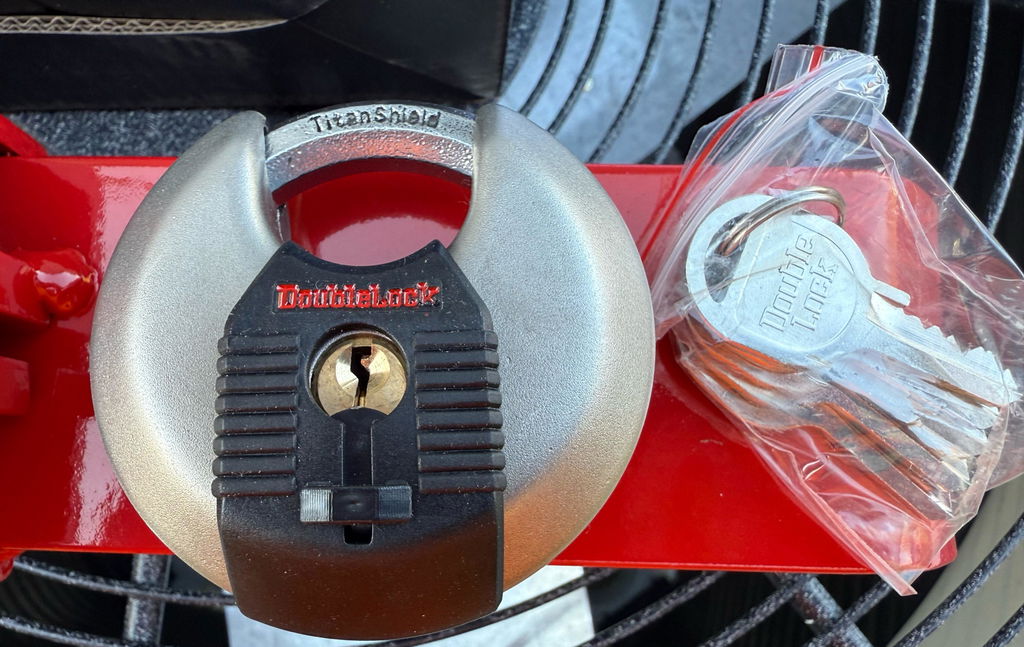
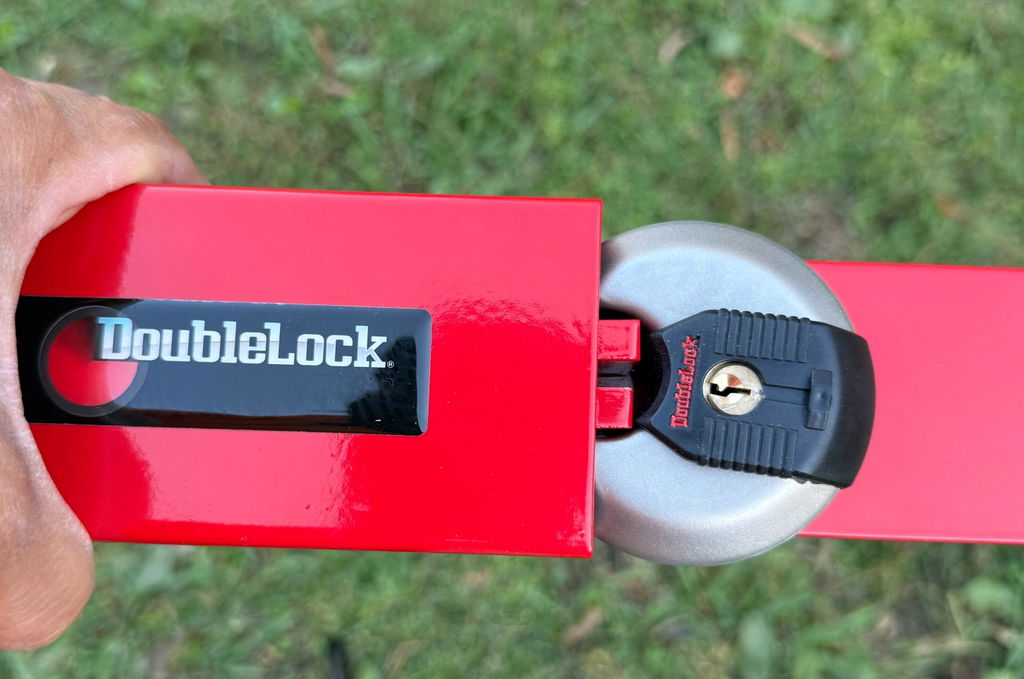
The foundation of any great lock is the material it’s made from. We build our coupler locks with reinforced, hardened steel to withstand forceful attacks like cutting, drilling, or hammering. This heavy-duty construction means our locks aren't just a visual deterrent; they are formidable physical barriers. Our commitment to using premium materials is a core part of our heritage, ensuring every product we make offers lasting durability and strength. By focusing on superior materials, we provide you with a lock that can handle harsh weather conditions and resist determined attempts at tampering, giving you consistent protection year after year.
Smarter Security, Better Protection
A strong body is only part of the equation. Our coupler locks also feature advanced internal mechanisms designed to be pick-resistant and pry-resistant. We understand the methods thieves use, and we engineer our locks to counter them effectively. Many of our designs fully enclose the coupler, leaving no weak points for a crowbar to exploit. This comprehensive approach to security means you can trust that your trailer is protected by more than just tough steel. You can explore our full range of security solutions to find a lock with the specific features you need for total peace of mind.
Easy to Install, Hard to Defeat
The best security is security you’ll actually use. We design our coupler locks for a simple and secure installation process that takes just a few moments. You shouldn’t have to struggle with a complicated mechanism when you’re trying to secure your trailer. Our locks are intuitive to put on and take off, yet once they are in place, they create a tight, secure fit that prevents anyone from hitching your trailer to their vehicle. This blend of convenience and strength means you can quickly secure your property and get on with your day, knowing your trailer is safe.
Beyond the Coupler: Creating a Layered Security Strategy
A high-quality coupler lock is an excellent foundation for your trailer's security, but it shouldn't be your only line of defense. The most effective way to protect your investment is to create a layered security strategy. This approach uses multiple security devices that work together to make your trailer an incredibly difficult target. Each layer forces a thief to spend more time and effort, increasing the chances they will give up and move on. By combining different security measures, you create a comprehensive system that protects your trailer from various theft methods.
Immobilizing with Wheel Locks
Think of a wheel lock as a parking boot for your trailer. This device clamps onto a wheel, physically stopping it from rolling. It’s a powerful second layer of security because even if a thief defeats your coupler lock, they still can't tow the trailer away. The visual presence of a wheel lock alone is often enough to deter criminals looking for a quick score. It sends a clear message that your trailer is well-protected and not worth the extra time and risk involved in trying to remove it.
Securing with Safety Chain Locks
Your trailer’s safety chains are a critical feature for towing, but they can also be a security weak point. A thief might try to bypass the coupler and simply drag your trailer away by its chains. A safety chain lock prevents this by securing the chains themselves, making them unusable. This simple device ensures that even if other locks are compromised, the trailer remains anchored. It’s an essential addition to your security toolkit, especially for trailers left unattended for extended periods in storage lots or at job sites where they are most vulnerable.
Recovery with GPS Trackers
While locks are designed to prevent theft, a GPS tracker is your backup plan for recovery. These small devices can be hidden on your trailer, allowing you to track its location in real-time. A GPS tracker won't stop a thief, but it dramatically increases your chances of getting your property back. This technology adds a final layer to your security strategy, providing peace of mind that comes from knowing you can locate your valuable assets quickly. It’s a modern solution that complements traditional physical security measures.
Common Mistakes to Avoid When Buying a Coupler Lock
Choosing the right coupler lock is one of the most important steps you can take to protect your trailer. A little bit of knowledge can go a long way in helping you select a lock that offers real security. By avoiding a few common errors, you can ensure your trailer is safe and your lock is a worthwhile investment for years to come. Let's walk through what to watch out for so you can make your purchase with confidence.
Getting the Sizing Wrong
A coupler lock is only effective if it fits correctly. A lock that is too loose can be easily pried off or smashed by a thief, while one that’s too tight simply won’t secure your trailer. Before you start shopping, take a moment to measure your trailer’s coupler. Many locks are designed with a "universal fit," meaning they can adjust to accommodate the most common trailer coupler sizes, like 1-7/8 inch, 2 inch, and 2-5/16 inch. Checking your coupler size first will help you narrow down your options and find a lock that provides a snug, secure fit for your specific trailer.
Why a Cheaper Lock Isn't Always Better
It can be tempting to choose the cheapest option on the shelf, but your trailer's security is not the place to cut corners. A low-price lock is often made from weaker materials, making it vulnerable to bolt cutters, drills, and even simple picking techniques. Instead, look for locks described as "Heavy Duty" and constructed from materials like reinforced solid steel. A well-made lock is an investment in protecting your much more valuable trailer and its contents. You can explore our full range of high-quality security solutions to see what a durable lock looks like.
Don't Forget About Weather Resistance
Your trailer and its lock will spend most of their time outdoors, exposed to everything from rain and humidity to snow and ice. Without proper protection, a lock’s internal mechanism can rust and corrode, eventually seizing up and failing. Some locks are merely weather-resistant, while others are specifically built to handle severe weather. Look for features like a weatherproof cap to protect the keyhole and corrosion-resistant finishes. This small detail ensures your lock will function smoothly when you need it and won't leave you stranded with a key that won't turn.
The Risk of Relying on a Single Lock
The best security strategy involves multiple layers of protection. While a coupler lock is essential for securing an unhitched trailer, it’s only one part of a complete system. For example, a hitch lock is great for when your trailer is attached to your vehicle, but it offers no protection when the trailer is parked on its own. For comprehensive security, consider combining your coupler lock with other devices, such as a wheel lock or a heavy-duty chain and padlock. The more obstacles you put in a thief’s way, the more likely they are to move on to an easier target.
How Much Should a Quality Coupler Lock Cost?
When you’re ready to buy a coupler lock, one of the first things you’ll consider is the price. The cost of a coupler lock can vary quite a bit, and it’s usually a direct reflection of the materials, design, and security features it includes. Think of it less as a simple purchase and more as an investment in protecting your trailer, which is a far more valuable asset. A higher price often points to stronger, more durable materials like hardened steel, more complex and pick-resistant locking mechanisms, and a design that can withstand brute force attacks from thieves. These premium features are what separate a basic deterrent from a serious security solution.
While it can be tempting to grab the cheapest option on the shelf, it’s important to remember what’s at stake. A flimsy lock might deter an opportunistic thief, but it won’t stand up to a determined one. On the other hand, you may not need the most expensive, highest-security lock if you only use your trailer occasionally for light-duty tasks in a low-risk area. The key is to understand what you’re paying for and find a lock that matches both your budget and your security needs. You can find a wide range of quality locks that provide excellent protection without requiring a huge financial outlay. Finding that sweet spot ensures you're not overspending on features you don't need, but you're also not leaving your valuable trailer vulnerable.
What You Get with Budget-Friendly Options
You don’t need to break the bank to secure your trailer. There are many affordable coupler locks on the market that offer a solid level of protection. Generally, you can find basic but effective locks in the $20 to $50 range. These options are typically made from durable metals and feature standard key mechanisms. While they may not have the advanced anti-pick technology of their premium counterparts, a well-made budget lock is far better than no lock at all. When shopping in this price range, focus on locks from reputable brands that feel solid and heavy in your hand, as this often indicates better construction.
Investing in Premium Security
If you’re hauling high-value cargo or frequently park your trailer in unsecured locations, investing in a premium coupler lock is a wise decision. These high-end locks can cost anywhere from $80 to over $200. For that price, you get superior materials like hardened or stainless steel, which are resistant to cutting, drilling, and corrosion. They also feature advanced security measures, such as complex disc detainer or pin tumbler systems that are extremely difficult to pick. A premium security investment gives you peace of mind, knowing your trailer is protected by top-of-the-line technology.
How to Find the Sweet Spot Between Price and Value
The best coupler lock for you is one that strikes the right balance between price and value. Instead of focusing solely on the price tag, consider the value of what you’re protecting. Spending $75 on a lock to protect a $5,000 trailer is a small price to pay for security. When comparing models, look for descriptions like "heavy-duty" and materials like "reinforced solid steel." These terms indicate a product built for durability and strength. A slightly higher upfront cost for a well-constructed, weather-resistant lock will save you from having to replace a cheaper, rusted-out lock down the road and provides more reliable protection against theft.
Smart Shopping Tips for Your Coupler Lock
Once you know what to look for in terms of materials and features, you can shop with more confidence. But a few extra tips can help you make sure you're not just buying a good security device, but the right one for your specific needs. Smart shopping goes beyond the initial purchase; it’s about choosing a product that will serve you well for years to come. Thinking about long-term value and ensuring a perfect fit from the start can save you a lot of hassle down the road. These final considerations will help you finalize your decision and invest in a security solution that truly delivers peace of mind.
Look for a Lifetime Warranty
A lifetime warranty is more than just a piece of paper; it’s a clear signal of a manufacturer's confidence in their product. When a company is willing to stand behind its security device for life, it tells you they’ve used quality materials and solid engineering designed to last. This kind of guarantee provides you with long-term peace of mind, knowing that your investment is protected against defects or failure. Choosing a product with a strong warranty reflects a commitment to durability and customer satisfaction, often backed by a company with a long heritage of quality. It’s a smart way to ensure the coupler lock you buy today will continue to protect your trailer for many years.
Using a Vehicle Finder for a Perfect Match
To eliminate any guesswork, some manufacturers offer online tools to help you find the perfect security device for your specific trailer. These vehicle or trailer finders allow you to input details like your equipment’s make and model to see a list of compatible security products. This is an incredibly useful feature that ensures you get a coupler lock with a snug, secure fit, which is essential for effective protection. Using a tool like this is especially helpful if you have a less common coupler size or if you want to be absolutely certain before you buy. It simplifies the process and helps you confidently select a security device that is perfectly matched to your needs.
Where Can I Buy the Best Trailer Coupler Locks?
Finding the right coupler lock is just as important as choosing one. You want a shopping experience that is convenient, reliable, and gives you confidence in your purchase. Whether you prefer to see a product in person or enjoy the ease of online shopping, there are excellent options available. The key is knowing where to look to find high-quality security for your trailer. You can find DoubleLock USA products through both major retailers and online, making it simple to get the protection you need.
Shopping for Our Locks in Stores
There’s a certain peace of mind that comes with buying in person. You can hold the coupler lock, feel its weight, and examine the construction up close. Shopping at a trusted national retailer means you can get expert advice from staff and walk out with your new lock the same day. We’ve partnered with stores across the country to make our products accessible. You can find a selection of DoubleLock USA security solutions at major retailers like The Northern Tool, Lowe's, and Northern Tool + Equipment. This allows you to easily pick up the gear you need while you’re already out shopping for other hardware or project supplies.
The Convenience of Buying Online
Shopping online offers its own set of advantages, primarily convenience and a wider selection. You can browse different models, compare features, and read reviews from other trailer owners from the comfort of your home. This helps you make a well-informed decision without any pressure. When you buy directly from our website, you can explore our full range of coupler locks and be certain you’re getting an authentic product. Online retailers also provide detailed specifications and compatibility guides, ensuring you find the perfect fit for your specific trailer coupler before you place your order.
How to Install and Maintain Your Coupler Lock
Once you have the right coupler lock, using it correctly is the key to keeping your trailer secure. Proper installation only takes a moment, and a little routine maintenance will ensure your lock functions smoothly for years to come. Following these simple steps will help you get the most out of your investment and give you confidence every time you hitch or unhitch your trailer.
Your Step-by-Step Installation Guide
Installing your coupler lock is a straightforward process that provides a powerful deterrent against theft. To secure your trailer when it’s unhitched, just follow these four steps.
- Unlock the lock: Use one of the provided keys to open the lock and separate the two main parts.
- Insert the ball: Place the ball portion of the lock up into your trailer's coupler, where the hitch ball would normally go.
- Attach the shackle: Latch the coupler down over the lock’s ball, then fit the U-shaped shackle over the top of the coupler and through the ball piece.
- Secure it: Push the key cylinder back onto the end of the shackle until it clicks into place. Give it a quick pull to confirm it’s locked.
Simple Tips for Regular Maintenance
High-quality coupler locks are built to withstand tough conditions, but a little care goes a long way. Many top-tier locks, including our heavy-duty models, come with features like internal lubricants and protective rubber caps to shield the key mechanism from weather. To keep your lock in prime condition, periodically wipe it down to remove any dirt or grime. Every few months, check that the key still turns smoothly. If you notice any resistance, you can apply a small amount of graphite lubricant to the keyhole. This simple routine helps ensure your lock is always ready to protect your property.
How to Properly Store and Care for Your Lock
Taking care of your lock and keys ensures they’ll be ready when you need them. Designate a specific, secure spot for your keys, like a hook in your garage or a small compartment in your vehicle. This simple habit can save you a lot of frustration. When your coupler lock isn't in use, store it in a clean, dry place like a toolbox or storage compartment. While our locks are designed with durable materials to resist the elements, keeping them out of constant rain or mud when not attached to the trailer will extend their life even further and keep the mechanism operating flawlessly.
Related Articles
- 5 Best Theft Proof Trailer Locks (Buyer's Guide)
- 5th Wheel Lock for Semi Trailer: The Ultimate Guide
Frequently Asked Questions
Do I really need both a coupler lock and a hitch lock? Yes, for complete protection, you do. They solve two different problems. A coupler lock protects your trailer when it's unhitched and parked, making it impossible for someone to hook it up to their own vehicle. A hitch lock secures the ball mount to your vehicle's receiver, preventing theft while your trailer is attached. Using only one leaves a significant security gap that a thief could easily exploit.
What's the best option if I own multiple trailers? If you have more than one trailer, an adjustable universal lock is your most practical choice. These locks are designed to fit the most common coupler sizes, so you can use a single lock for different pieces of equipment. For even more convenience, look for a "Keyed Alike" set. This allows you to use the same key for multiple locks, which simplifies your security routine without compromising on protection.
Is a more expensive coupler lock actually more secure? Generally, yes. The price of a lock often reflects the quality of its materials and the complexity of its design. Less expensive locks might use softer metals that are easier to cut or break. A premium lock is typically made from reinforced, hardened steel and features a more sophisticated, pick-resistant locking mechanism. Think of it as an investment in protecting your much more valuable trailer and its contents.
Can a thief just cut the lock off? While no lock is completely indestructible, a high-quality coupler lock makes a thief's job extremely difficult. Locks made from hardened steel are designed to resist attacks from bolt cutters and saws. The goal of a good lock is to be a strong deterrent. A criminal looking for an easy target will likely move on when they see a formidable, well-built lock that would require a lot of time, noise, and specialized tools to defeat.
My lock is getting difficult to turn. What should I do? If your key feels sticky or hard to turn, the lock probably just needs a little maintenance. It's likely not broken. First, try cleaning out the keyway with a blast of compressed air to remove any dust or debris. Then, apply a small amount of graphite lubricant directly into the keyhole. Avoid using oil-based lubricants like WD-40, as they can attract more dirt over time. This simple cleaning should get it working smoothly again.