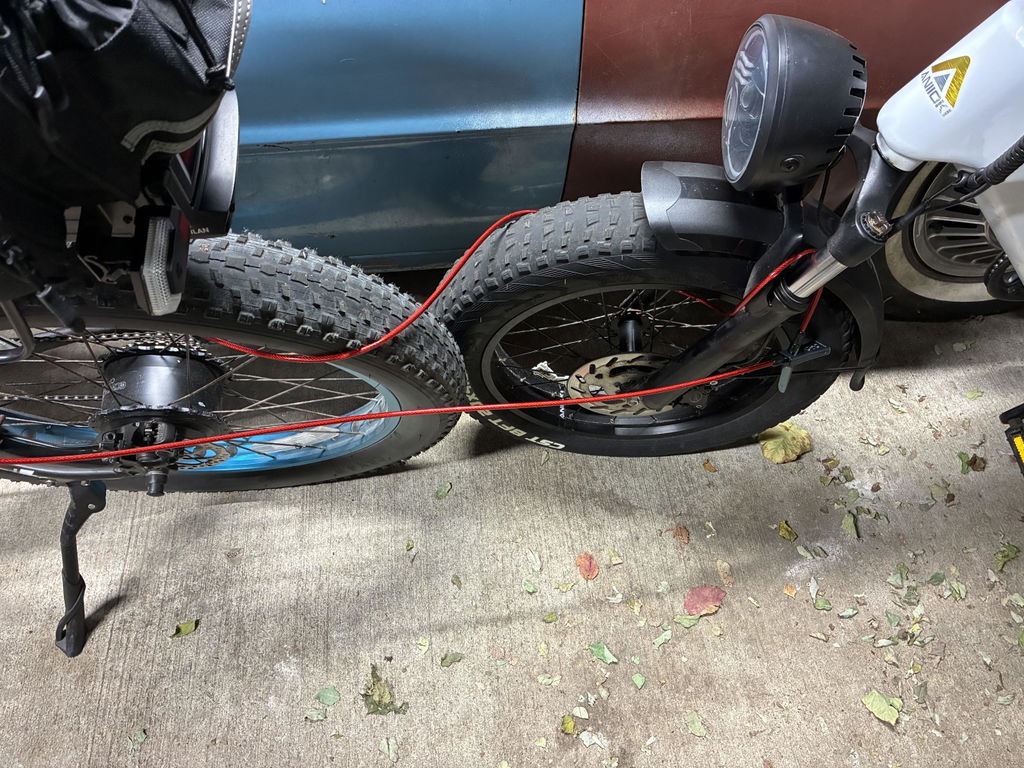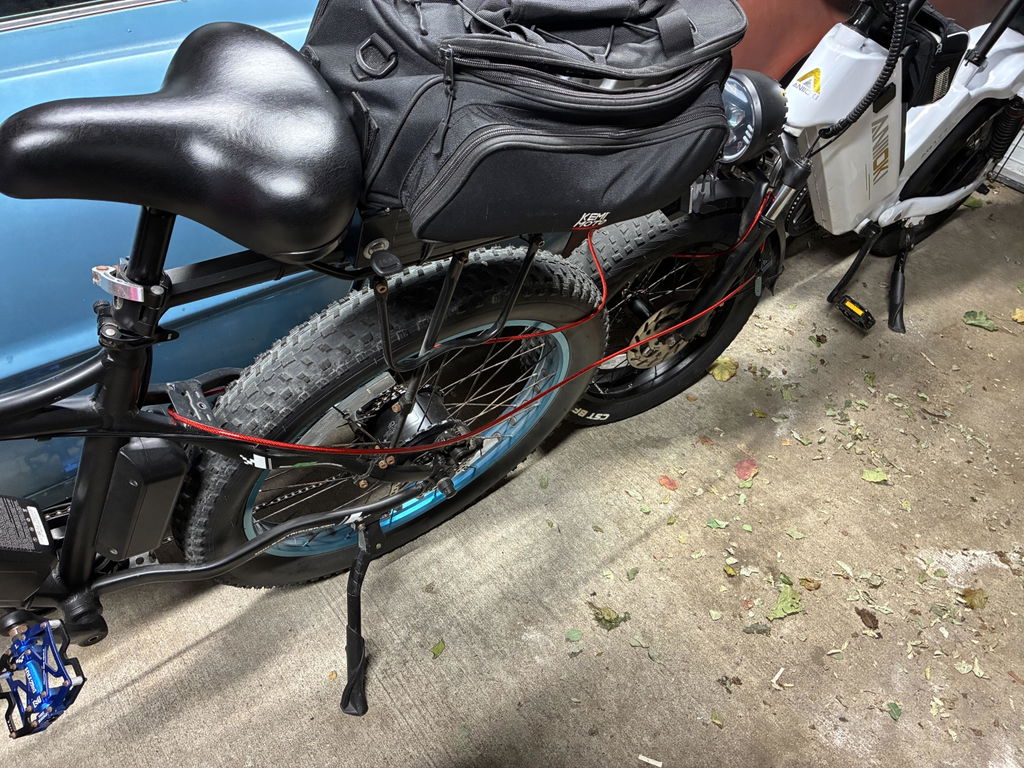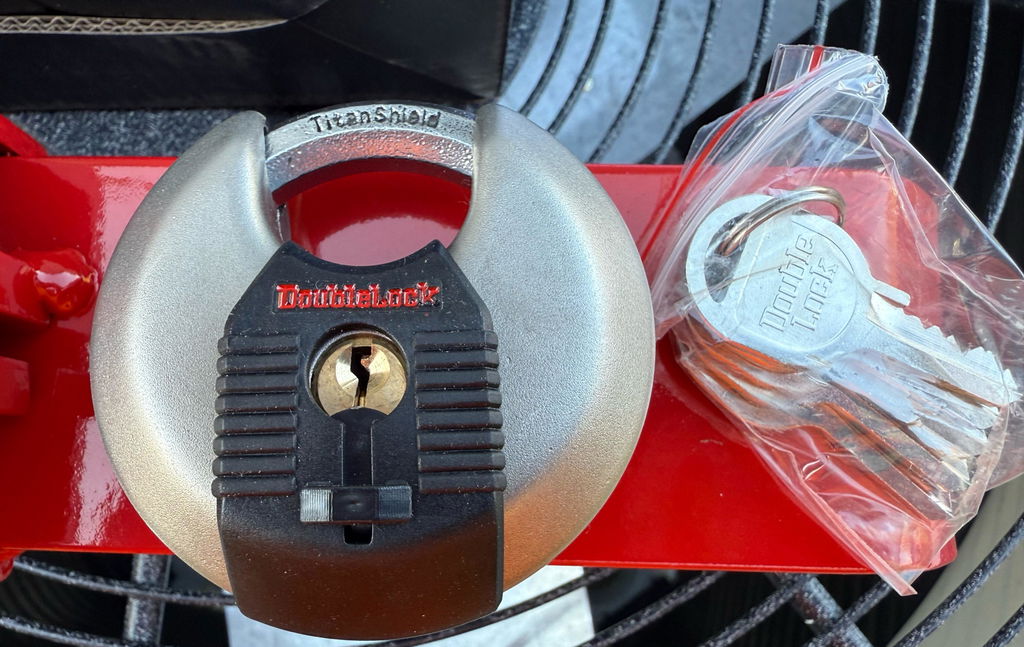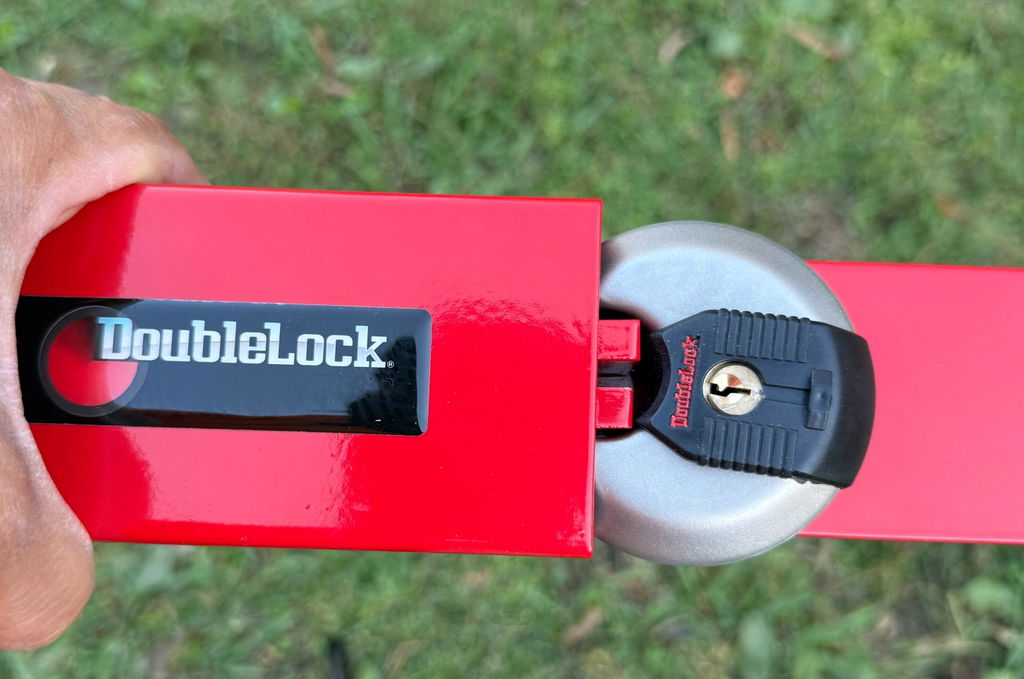

One weak container door can expose an entire high-value load. A motivated thief may arrive with cutting tools, inside information, or enough time to exploit a dark corner of the yard. Effective shipping container security closes those opportunities with fitted locking hardware, controlled access, clear records, strong lighting, and a repeatable inspection routine.
Request a fleet security quote for your container operation
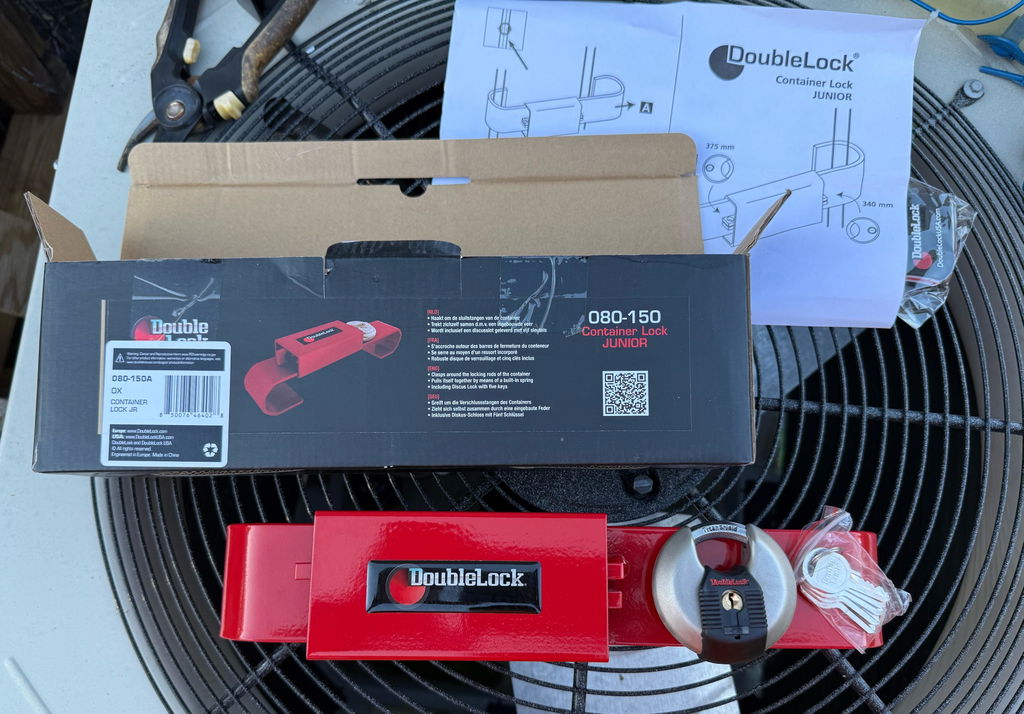
Shipping container security relies on a layered plan that combines robust locks with strict operating rules to protect high-value cargo from the dock to the yard. Purpose-built hardware such as the DoubleLock USA BULL container lock can support that plan alongside high-security seals, access logs, lighting, cameras, and scheduled inspections. A complete process covers the load's full custody cycle, from checking container condition to training staff on locking procedures.
Start by identifying weak points in the current operation, then assign a control and an owner to each one. Multiple lines of defense make cargo a harder target and help teams detect tampering sooner.
Shipping container security starts with a layered plan
Cargo theft is a real problem that affects the whole supply chain. It often goes unseen by most people but has a big impact on trade. In the U.S., these crimes are hard to track because there are no set ways to report them. To protect high-value goods, you must go beyond a single lock. True shipping container security needs a layered plan. This method combines strong physical tools with smart site rules. You can find more data on these risks in the 2024 FMC Cargo Theft Report.
The role of physical deterrents
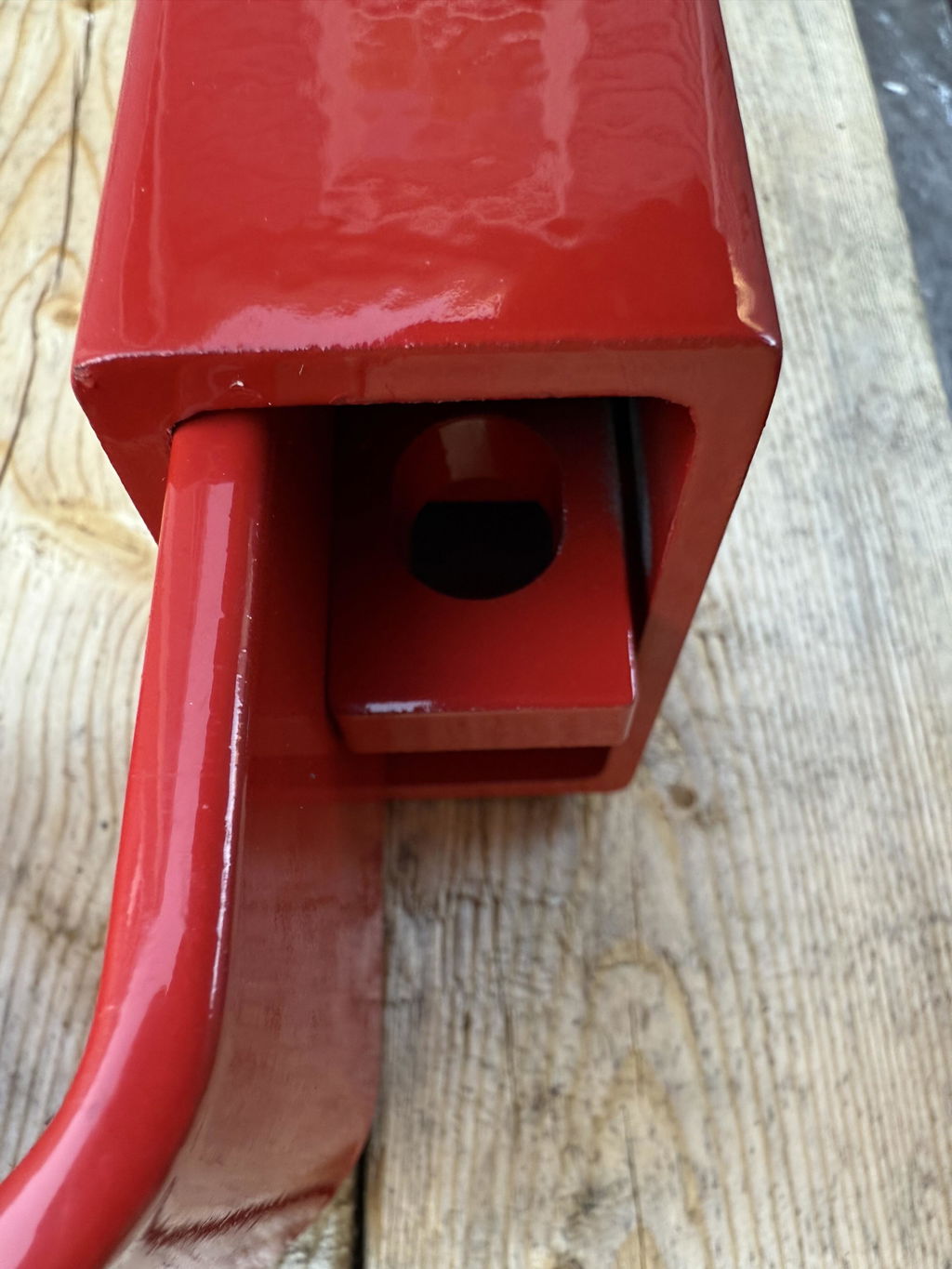
No lock is 100 percent proof against every thief. Most security products work as deterrents and tools to lower risk. A defense-in-depth plan means you do not rely on just one point of failure. If one layer fails, other layers still stand in the way. This starts with picking the right types of container locks for your exact needs. Adding a lock box is a key step because it shields the padlock from cutting tools. It keeps bolt cutters from reaching the most weak parts of the lock.
High-value cargo needs robust locking systems that prevent easy forced entry. When you buy hardware for a fleet, you should use dedicated paths for bulk orders. This ensures your tools are industrial-grade and real. For fleet owners, using the same high-security locks across all containers makes audits much simpler. A standard security kit for each unit should include:
- A high-security padlock with drill and cut resistance
- A steel lock box to protect the padlock shank
- A second door handle lock or cross-bar lock
Yard and site controls
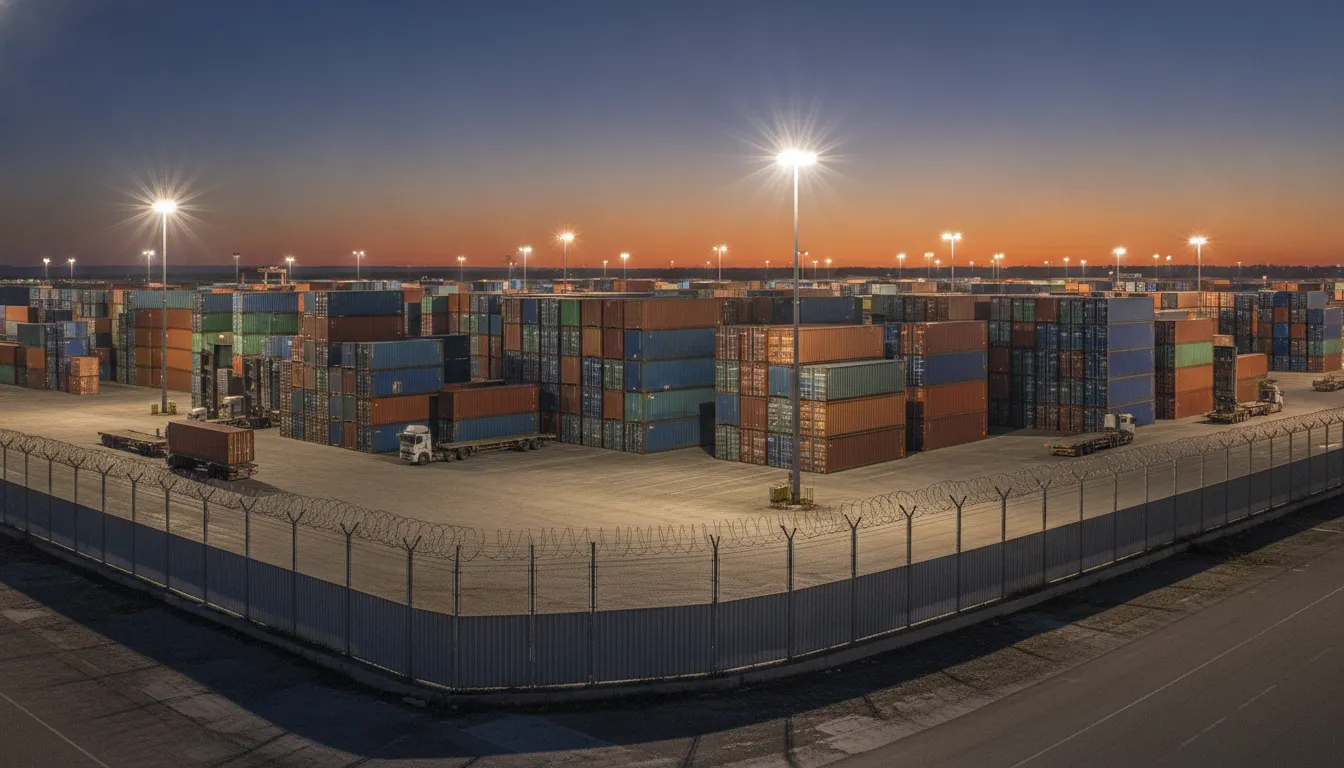
Your site setup is just as vital as your hardware. Proper yard lighting and layout make it much harder for thieves to hide. Keep containers in areas with clear sight lines and away from outer fences. High-security fences act as the first line of defense.
Combining mechanical locks with site controls creates a safer environment for cargo. Unit placement also matters. High-value goods kept in the center of the yard are harder to reach from the street.
Partner and rule checks
A good plan needs rules that stay the same across your whole fleet. Fleet managers should set up clear ways to screen business partners and service providers. This includes checking their security history and reviews before you sign a contract. The CBP security rules suggest doing a risk check at least once every three months. Frequent checks help you adjust your plan as thief tactics change. Keeping written logs of these checks ensures everyone stays responsible for the cargo.
Written rules for screening partners are key for supply chain safety. You should look at more than just their price. Check their professional ties and past security record. It is also wise to use contracts to ensure your partners follow your security needs. This keeps your whole supply chain strong from start to finish.
High-value cargo shipping container security checklist
A practical container security checklist should connect every major risk to a specific control, inspection frequency, and accountable person. Use the steps below to assess the site, secure the doors, confirm cargo integrity, and train the people responsible for each load.
Protecting high-value goods starts with a clear plan. Cargo theft is a major issue that affects the whole supply chain, often because of a lack of standard reporting. To keep your goods safe, you need to use physical locks and follow strict yard rules. This checklist helps you find and fix weak points before they become a loss.
Assess site risks
You should check your site for risks at least once every three months. This helps you stay ready for new threats and keep your security posture strong. Look at your yard layout and see where a thief might find a way in. Good lighting and yard tools are key parts of site security that help your locks work better.
Make sure you have a paper trail for all security checks. This includes vetting any business partners you work with. You need written processes to screen carriers and service providers to avoid internal risks. Keeping good logs makes everyone on your team stay focused on safety.
Secure the container
The lock is your last line of defense. For high-value goods, you need a high-security lock that can stand up to bad weather and hard use. It should fit tightly and resist tools like drills or saws. Using the right types of container locks across your whole fleet makes it much easier to track and check your assets.
A lock box is also a great tool to add. It covers your padlock so a thief cannot reach it with a bolt cutter. This small change adds a lot of protection to your shipping container security setup. No lock can stop every thief, but making it hard to get in is the best way to lower your risk.
- Check the physical site. Look for broken fences or dim lights in your yard. Fix these issues first to create a safe place for your containers.
- Pick the right lock. Use a lock made of hardened steel that fits your container door bars. Make sure it is rated for outdoor use to prevent rust or jams.
- Set up a lock box. Weld or bolt a steel box over the lock area. This keeps the lock shackle hidden and safe from cutting tools.
- Audit your stock. Count your cargo and check seals every day. This helps you find a breach fast and keeps your team honest.
- Train your team. Show every worker how to use the locks and how to spot a threat. Clear rules stop mistakes and help find gaps in your security.
- Watch the area. Use cameras and bright lights to track who comes and goes. This stops thieves and gives you proof if something goes wrong.
- Plan for a loss. Know what to do if a theft happens. Have a list of who to call and how to report the crime to help with recovery.
For fleet owners who need many locks, using a single system is best. You can get better results by using a bulk quote path to get the right gear for your whole yard. This helps you keep a high standard across all your high-value cargo.
How should you choose a shipping container lock?
Good shipping container security starts with the right hardware. You need a device that fits well and stops thieves from using simple tools. Since no lock is 100% undefeatable, your goal is to make theft as slow and loud as possible. Most cargo theft is a crime of chance. A strong physical barrier is your best tool to lower risk and keep your goods safe. You must think about how the lock works with your container and the place where you store it. Finding the right lock is a key step in why strong container locks are crucial for your cargo.
Check for a proper fit
A lock that does not fit right is easy to break. You must look at how the lock goes on the container door before you buy. Some locks wrap around the door bars. Others fit over the handle itself. You should check that the lock works with the door handle parts to keep the door tight. A loose fit gives a thief room to work. If the lock is too loose, a thief can use a pry bar to snap it.
If it is too tight, you may have trouble using it in cold or wet weather. Choose a lock that stays firm but lets you open and close the door without a struggle. High-value cargo needs a robust system that feels solid on the door and leaves no gaps for tools. A snug fit ensures the lock stays where it should during transport.
Review attack strength
Thieves often use drills, bolt cutters, or saws to get inside. You need a lock built to stop these tools. Look for hardware with high drill and cut strength. Hardened steel is a good choice because it is very tough to cut with a hand saw. The thicker the steel, the more time a thief needs to break it. This delay helps stop the theft before it starts.
Using a lock box is another way to keep your cargo safe. A lock box shields the padlock from direct access by tools. When you hide the lock inside a steel box, a thief cannot get a good angle to cut the shackle. For the best types of container locks, look at the DoubleLock BULL and RHINO models. They use heavy steel to block common attack points. These locks are built for industrial-grade safety.
Check weather safety
Shipping containers stay outside in rain, snow, and sun. A lock must work well in these harsh places. If a lock rusts, it can jam or become weak. You should choose a device with a coat that stops rust and wear. A lock that is hard to turn because of rust is a sign that the metal is breaking down. This can make your unit an easy target for theft.
The U.S. Customs and Border Protection suggests that carriers check their risk levels often. This includes checking how your hardware holds up to the local weather. A lock that fails in the rain leaves your goods at risk. Look for weather-resistant seals and parts that will not seize up over time. This helps ensure your unit stays secure for months or years.
| Verified specification | DoubleLock BULL | DoubleLock RHINO |
|---|---|---|
| Duty level | Max-duty container lock | Ultra-duty cargo container lock |
| Construction | Hardened steel | High-grade hardened thick steel |
| Weight | 26.5 pounds | 16.7 pounds |
| Adjustable clamping range | 9.5 to 16.5 inches | 10.25 to 18 inches |
| Included keys | Five dual-chamber laser-cut keys | Five precision laser-cut keys |
| EU SCM rating | HEAVY | Standard |
Your choice should match the value of your goods and how often you open the unit. A layered approach works best. This means using strong locks along with site lighting and yard fences. By choosing the right hardware, you build a strong defense that helps keep your cargo where it belongs.
Improve placement, lighting, and yard control
Yard controls determine how much time, privacy, and access a thief has before reaching the container doors. Place high-value units where teams and cameras can see them, illuminate gates and aisles, manage entry credentials, and correct blind spots before stronger locking hardware is expected to carry the full burden.
Shop industrial-grade security hardware for layered protection
A strong lock is the first line of defense, but yard control makes it more effective. High-quality types of container locks work best when they sit in a well-planned space. Yard managers must think about how the layout of the lot helps or hurts theft attempts. When you combine physical locks with smart site rules, you create a layered system that lowers risk.
Choose secure placement
Where you park a container changes how easy it is to break into. Avoid placing units in dark corners or against outer fences where thieves can hide. Instead, park containers in rows with doors facing each other or toward a main aisle. This "door-to-door" method keeps doors blocked so no one can reach the locking bars. It is a simple way to boost shipping container security without spending extra money.
Site layout should also focus on lines of sight. Clear any tall brush or debris from the edges of the lot. Thieves use these spots as cover while they work on a lock. Keep your high-value cargo in the center of the yard where traffic is highest. Constant movement and clear views act as a natural guard for your gear.
Use lighting and cameras
Good lighting is one of the best tools to stop crime before it starts. Bright LED lights should cover every gate, aisle, and loading area. When a yard is well-lit, criminals feel exposed and are less likely to stay. You should also set up cameras that cover the entire perimeter. These systems do not just record events; they show thieves that the site is under watch.
Pairing mechanical locks with yard lighting and cameras creates a full safety plan. While no lock is 100% undefeatable, as noted by DoubleLock USA, these tools serve as strong deterrents. They force thieves to spend more time in the light, which increases the chance of them getting caught. This mix of gear and site care keeps your cargo much safer.
Manage yard access
Controlling who enters and leaves the yard is vital for cargo safety. Use a single gate for all traffic to make tracking easier. Log every truck, driver, and container that moves through the site. This data helps find gaps if a theft does occur. According to U.S. Customs and Border Protection, companies should check their security risks at least once every three months. Quarterly checks help you find new weak spots and fix them fast.
Standard rules for the yard help keep everyone on the same page. Make sure all staff know how to spot and report odd behavior. When the whole team knows the plan, the yard becomes much harder to hit. For large lots, you can find bulk gear through a wholesale quote path to cover the whole fleet. Secure yards start with good habits and the right tools.
Control access and maintain inventory records
High-grade physical hardware is only one part of a strong defense. To keep goods safe, fleet managers must also use strict shipping container security protocols. These rules help you track who enters your yard and when they leave. Without these steps, even the best locks may not stop an inside threat or a slow leak of stock. You should set up a system that tracks every gate entry and exit to ensure only the right people get close to your freight.
Log gate access and key use
You must keep a clear list of every person who enters your site. This log should include names, dates, and times for every truck that pulls in. Good logs make it easier to find where a gap in security started if a theft occurs. You should also control who has keys to your units. Only a few trusted staff members should hold master keys or codes. If you use physical keys, keep them in a locked box and record when someone takes or returns them.
Verify seals and inventory
Checking your container seals is a vital daily task. Every time a load arrives or sits overnight, you should inspect the seal for signs of tampering. Standardized security rules are the best way to stop cargo theft across your supply chain. These protocols should include a full count of your stock at set times. According to federal security criteria, firms must raise their security habits to stop internal plots and criminal groups. This means you should match your physical counts with your digital logs every week.
Perform regular risk checks
Your security needs can change as your business grows or as local crime trends shift. You should look at your yard and its weak points often to see what needs to change. Fleet owners should check their risk levels at least four times a year to stay safe. This quarterly look helps you find new gaps in your lighting or fencing before a thief does. By combining industrial locks with these firm record-keeping steps, you create a shield that is much harder to break. If you manage a large fleet, you can get help with bulk hardware through our wholesale quote path for better site-wide protection.
How often should container security be inspected?
Regular checks are a vital part of a strong security plan. Fleet managers must set a clear schedule to find and fix weak points before a theft occurs. Since no lock can stop every thief, keeping eyes on your assets provides the best defense. Using shipping container security rules helps your team act fast and stay the same across all sites.
Daily visual checks
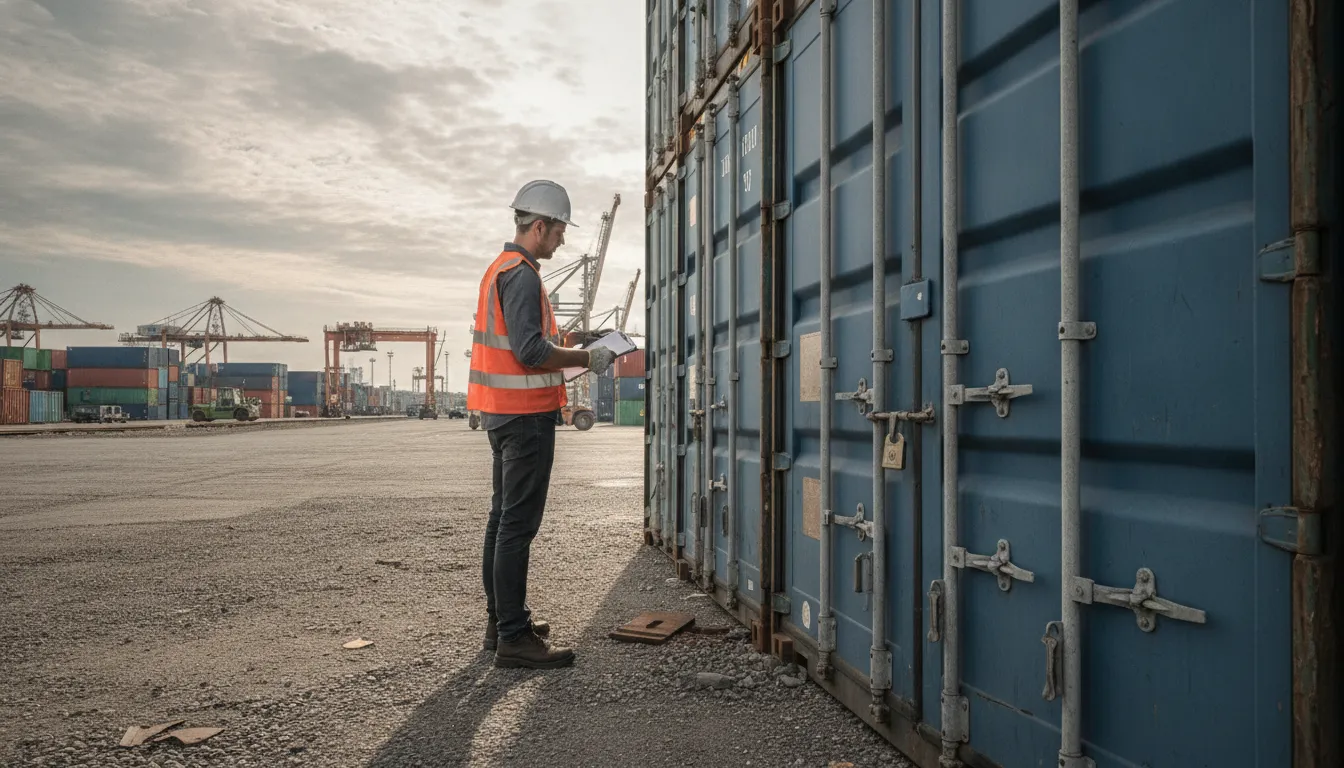
Your team should perform quick visual checks every day. These checks focus on the most common points of entry and signs of a break-in. Staff must look for broken seals or cut door handles during their morning rounds. They should also test that every lock is fully closed and tight against the door.
Inspect the hinges and lock bars on every door to ensure they are not loose. A thief may try to remove the hinges instead of the lock. If you see rust or wear on the metal, fix it right away to keep the unit strong. Daily rounds are the best way to spot a problem before it grows. Check the area around the unit for footprints or dropped tools. If you use types of container locks with a lock box, ensure the shield has not been pried or dented. These small signs often point to a thief testing how fast your guards respond.
Weekly full checks
A deeper review of the entire yard is needed once a week. This task goes beyond the locks to look at the site's area. Walk the edge to find holes in fences or tall plants that hide intruders. Test your site-level security tools, such as yard lighting and stock records, to ensure they work as planned.
During this time, check that your security cameras have a clear view of every door. Wipe the lenses and check that the video feed is saving well. Good yard lighting and clean camera views help lower the risk of theft by removing dark spots. High-value cargo needs this extra layer of care to stay safe during long stays. Site managers should also check that all locks are oiled and move easily in the cold or rain.
Turnover and high-alert rules
You must assess your risk at least four times a year to adjust to new threats. This deep audit should also happen during a change in staff or after a breach. Review your logs and check that all lock codes are new. It is also wise to screen your business partners and those who help you to keep your cargo safe.
This screening includes checking their business references and professional history. Highway carriers should use written contracts to make sure all partners follow the same safety rules. Solid records are key for trust and finding patterns in security lapses. If you spot a trend, you may need to strengthen your security to match smarter criminal tactics. Regular training for all staff ensures that everyone knows how to handle a tense event without panic.
Standardize security across a container fleet
Managing a large fleet of units brings big risks. Cargo theft is a major issue that hurts the whole supply chain. Many theft cases go unseen because there is no single way to report them. The Federal Maritime Commission says this crime can slow down the whole network. For fleet managers, the best way to fight this is with a clear plan. You need a set of rules that every driver and yard worker follows. This keeps your goods safe from the start of the trip to the final stop.
A good plan uses many layers of safety. You should combine strong locks with site rules like good lighting and fences. These layers work together as shipping container security tools. Each layer makes it harder for thieves to reach your cargo. Thieves often look for easy targets, so a strict plan acts as a strong block. You should check your security risks at least once every three months. This helps you fix weak spots before they lead to a loss.
Uniform security rules
The U.S. Customs and Border Protection suggests using a layered path for cargo safety. This means you do not rely on just one lock. Instead, you create a system where each part backs up the other. Start by writing down your rules for every yard. Train your staff to check locks at every stop. When everyone knows the plan, errors happen less often. Using the same gear and steps across your fleet makes it easier to spot when something is wrong.
Key and access control
Locks only work if you control the keys. You must have a way to track who can open each container. This includes your own staff and outside partners. It is smart to have written rules for checking everyone you work with. This includes drivers, yard teams, and service crews. When you know who has the keys, you can track every move. This reduces the risk of theft from the inside. It also keeps your records clean if you need to check a loss later.
Pilot testing for new hardware
Do not buy a full set of locks for your whole fleet at once. Start with a test phase to see how they work. Pick a small group of units and test the new gear in real work settings. Check if the locks are easy for your team to use in the rain or snow. High-quality locks must be tough and resist rust. Make sure the hardware fits the exact doors on your trucks. If the test goes well, you can move to the rest of your fleet with trust.
Custom fleet security quotes
If you manage many units, buying retail locks is not the best choice. You need a partner who knows how large fleets work. DoubleLock offers bulk options for large orders. You can get help picking the right types of container locks for your exact needs. Use our wholesale quote path to begin the conversation. Our team can help you identify a plan that fits your operating needs and keeps your cargo harder to target.
Build a quote for standardized fleet security hardware
Frequently Asked Questions
How do you burglar proof a shipping container?
A layered plan works best to keep a shipping container safe. You should combine strong locks with site tools like bright yard lights and tall fences. According to DoubleLock USA, locks act as tools that stop people from trying to break in. They help lower risk but no lock is impossible to open. Regular checks and placing units away from outer walls also help stop theft of high-value goods.
What is the best type of lock for a shipping container?
The best lock for a shipping container is a strong padlock built to stop drills and cutters. You should pick locks made from hard metals that can handle rain and snow during long-term use. Using the same high-quality lock for your whole fleet makes it easy to manage and check your gear. Fleet managers often use heavy-duty hardware to keep their goods safe on all transport routes.
Why is a lock box important for shipping container security?
A lock box is a steel cover that protects your padlock from direct hits. It stops thieves from using bolt cutters or power tools to reach the lock. This part is a key piece of a strong plan because it adds a second layer of safety. Using a lock box with a high-security lock adds much more time and work for anyone trying to force their way into the unit.
Can you use security cameras to monitor shipping containers?
Yes, security cameras are a good way to watch sites and stop thieves. They do not stop a theft on their own, but they do help you see what is happening. According to the CBP, firms should check their risks every few months. Using cameras with tracking and strong locks creates a complete safety plan for moving goods today.
Ready to strengthen shipping container security?
No lock is undefeatable, but a consistent layered plan can reduce exposure, slow forced-entry attempts, and help teams detect tampering sooner. Standardize the hardware, access rules, inspection cadence, and records used across the operation. Then review the plan whenever routes, yard layouts, cargo values, or assigned personnel change.
Ready to request a fleet security quote? Build a wholesale quote or call +1 561-289-4865 to talk to a security expert.