
Fleet trailer security is the main goal for fleet managers who must protect cargo. Security starts with strong locks that resist cutting and prying. You should use kingpin locks, coupler locks, and heavy padlocks to secure every part of the trailer. A key-alike system helps managers track keys and saves time for drivers. A layered approach is best because it creates many hurdles for thieves. According to the FBI, cargo theft includes the loss of goods or money during transit. By using the same hardware on all units, you reduce the risk of human error. This plan keeps your trailers safe and your work running without long and costly delays.
Build fleet trailer security around layered controls
Cargo theft often targets vehicles left alone at truck stops and drop lots. These crimes lead to big money losses for shipping teams. Per the FBI, thieves look for goods they can sell fast.
Fleet leads should not rely on one lock to protect their trucks. A smart plan uses many layers of defense to keep cargo safe. This way, you make theft too slow or too hard for most people to try.
No lock is perfect, but the right gear makes a big change. Fleet trailer security solutions start with the idea of risk lowering. When you set up layers, you create many hurdles for a thief.
These layers include visual signs, physical locks, and tracking tools. Each one buys you time. This time helps you act if someone tries to steal your goods.
Visual signs and mental barriers
The first layer of defense starts before a thief even touches a trailer. Visual signs tell a crook that your fleet is a hard target. Bright colors and heavy locks can make a thief move on to an easier mark.
Many cargo crimes happen because of a quick chance. If a trailer looks hard to take, most thieves will stay away.
Good lighting and clear site lines also help. Research on supply security best practices shows that lighting works well with locks. A well-lit lot makes it hard for someone to hide.
When a thief sees a strong lock in a bright area, the risk of getting caught goes up. This simple step can stop a crime before it ever starts.
Physical delay with heavy locks
If a thief tries to steal, your next layer is delay. This is where strong locks come in. Tools like kingpin locks and coupler locks are the main part of your defense.
They do not just stop the trailer from moving. They force a thief to spend more time and use loud tools to break them. Most crooks want to be in and out in just a few minutes.
For staged loads, use landing gear locks as well. These tools stop other people from moving the trailer. You should also use high-security rear door locks for all loads left alone.
When you mix different types of locks, you make the job much harder. A thief might have a tool for one lock but not for three. This delay is often enough to save your cargo.
Detection and response systems
The final layer is finding out when a theft is happening. High-tech tools like GPS trackers give you live data. These systems tell you the moment a trailer moves from its spot.
In a big fleet, you need to know where every asset is at all times. This layer does not stop the theft by itself, but it helps you get the goods back.
Response plans are just as vital as the tech. Your team needs to know who to call and what to do when an alarm goes off. Fast action can help police find a stolen trailer before it is empty.
When you combine these tools with strong locks and visual signs, you create a full shield. This layered plan keeps your fleet moving and protects your business.
Where is your trailer fleet most exposed?
Trailer theft can happen at any point in your shipping chain. It often targets loads left alone at truck stops and parking lots. Thieves look for goods they can move and sell fast. Your risk level changes based on where the trailer sits and if it is hooked to a truck. Knowing these weak spots is the first step in building fleet trailer security solutions that work.
Risks in the yard and during staging
Many fleet heads think the home yard is safe. But drop lots and rail yards are prime spots for theft. When you stage a load, the trailer often sits alone for hours or days. This gives thieves time to scout your lot and find a way in. A trailer that is not hooked up is easy to steal if the kingpin or coupler is open. Thieves can back their own rig up and be gone in seconds.
Staged loads need more than just a gate and a guard. You should use a layered plan with lights, locks, and clear rules. If you must drop a load, adding landing gear locks is a smart move. These tools stop thieves from moving the trailer even if they have their own truck. Strong locks act as a big stop. They help you avoid the high cost of a lost asset. "Strong Locks, No Bull" means your gear stays where you put it.
Think about the state of your fleet in the yard. Are the trailers empty or full? An empty trailer is still a high-value asset. Thieves can repaint and sell an empty trailer fast. A full trailer is a jackpot. Both need a kingpin lock or a coupler lock. These simple tools make it much harder for a thief to work. They see the lock and move to an easier target.
Exposure at customer sites and roadsides
The road is where your fleet is most open to attack. Truck stops and roadside parking are common spots for theft. Thieves wait for drivers to take a break or sleep. They can cut door locks or unhook the trailer in minutes. Both loaded and empty trailers are at risk. An empty trailer is still a big asset that is easy to flip for cash. It is a major loss for any fleet owner.
Customer sites can also be risky. If a driver must leave a trailer at a warehouse, it might sit in a spot with poor lights or no watch. Thieves often use fraud to trick people into giving them a load. This is called strategic theft. It is harder to stop than a simple break-in. You need business fleet security plans that cover both tough locks and how you handle data. Always check who is picking up your goods.
Remote jobsites are another weak link. Construction or marine sites often lack high walls or cameras. Equipment left out overnight is a magnet for thieves. Using a heavy-duty padlock or a cable bundle can save you from a big headache. These sites need locks that can handle rain, mud, and ice. Weather-resistant locks like the BULL or RHINO series are built for these harsh spots. They keep your assets safe in any storm.
How theft breaks your workflow
Losing a trailer costs more than just the price of the goods. It causes a big break in your shipping chain. Nearly half of all retail security heads have seen these shipping chain breaks from cargo theft. You lose time, trust, and future business. When a load does not show up, your customer suffers too. This can lead to lost contracts and a bad name in the field.
Strong locks are the best way to stop these issues before they start. Use high-security rear door locks for all loads left alone. Air cuff locks are also good for trucks that stay hooked to a trailer. By using a tough approach, you make it too hard for thieves to try. Most thieves want a quick win. They will skip a trailer that looks hard to beat. A good lock pays for itself the first time a thief walks away.
Match the lock to each trailer attack point
Thieves often look for the fastest path to your cargo. In a large fleet, one weak spot can lead to a big loss. To keep your assets safe, you must think like a thief.
They target the kingpin, the doors, and the landing gear. Good fleet trailer security solutions use a layered plan to stop these moves. You need to pick the right lock for each spot to make the theft too hard or too slow for a crook to try.
Stop towing theft
The kingpin is a prime target for thieves who want to tow your trailer away. A thief can back a truck up to an unhooked trailer and leave in minutes. The LION kingpin lock fits over the pin and locks it tight.
This prevents any fifth-wheel hitch from grabbing the trailer. For smaller trailers, the SCORPION hitch lock keeps the coupler safe. It blocks the ball from going in the socket.
These tools act as a strong visual and real wall. They show that your fleet is not an easy mark for a quick tow and help stop theft.
Block door and latch access
Your cargo is only as safe as the doors that hold it in. Rear swing doors and roll-up doors are common attack points. Thieves may try to cut the handle or the seal.
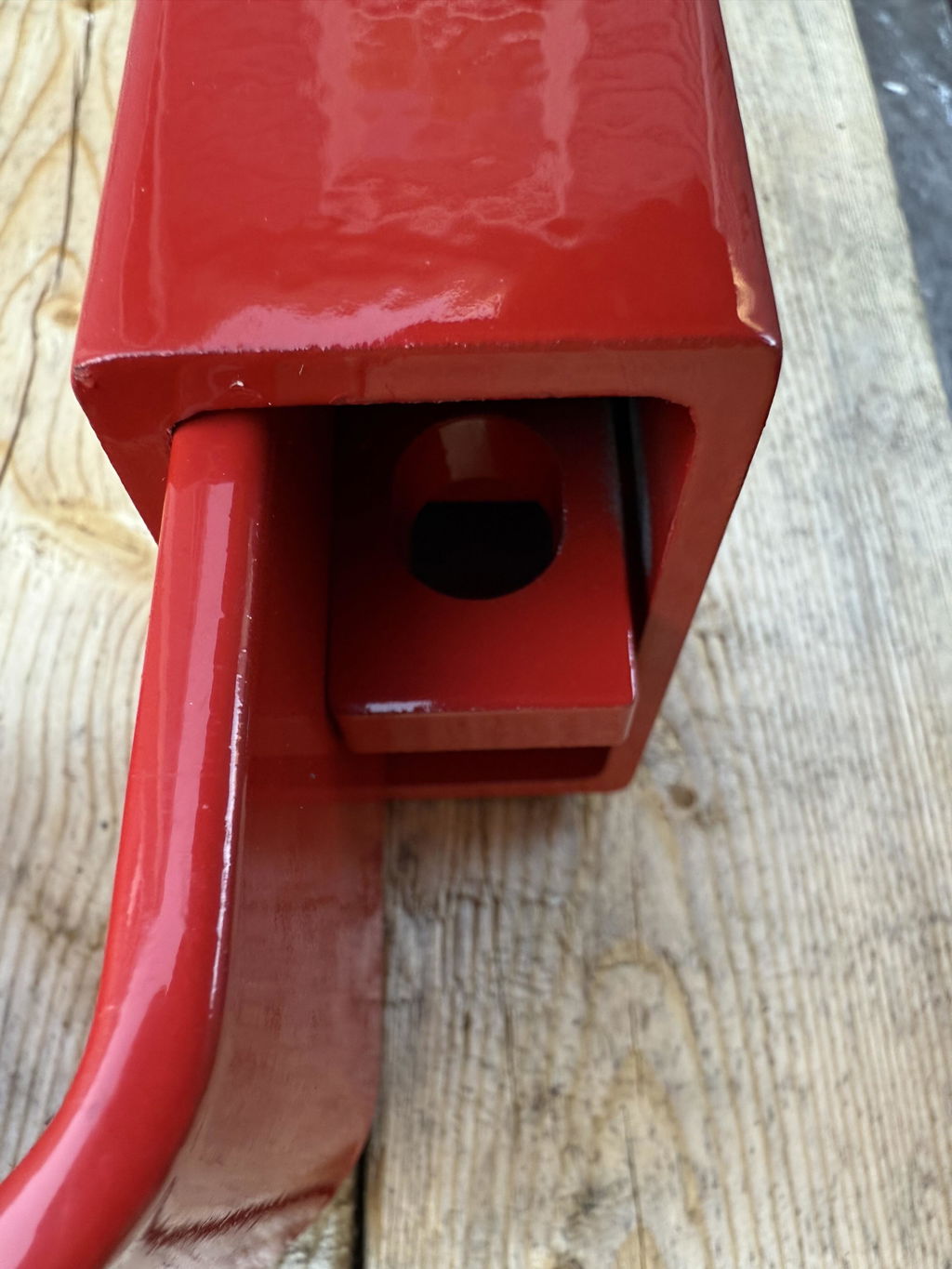
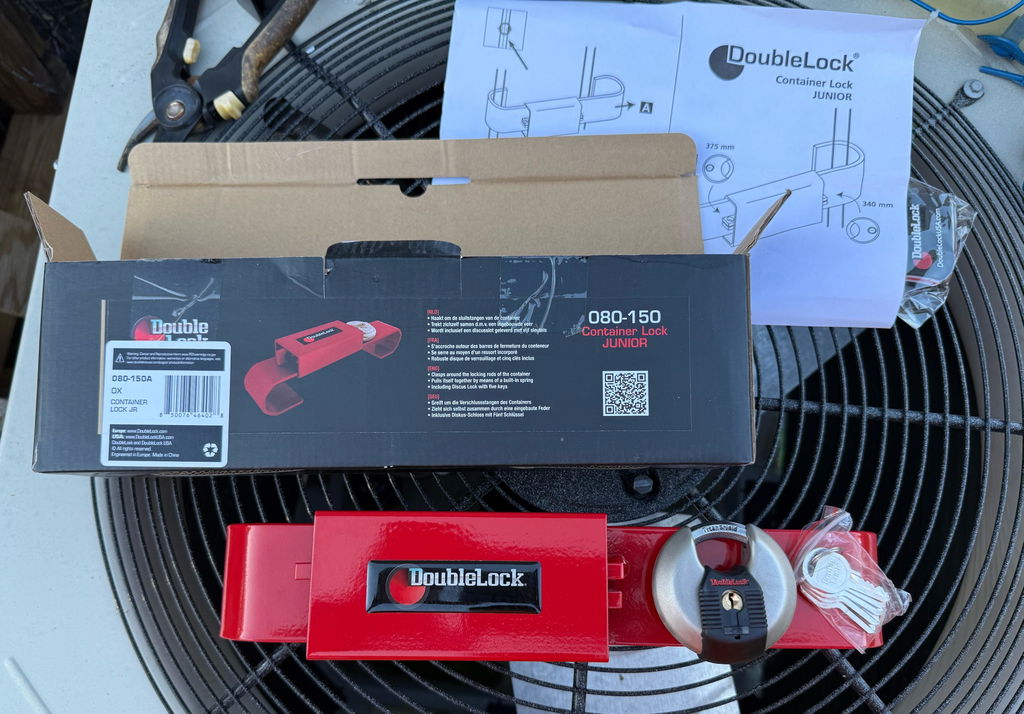
To stop this, use the BULL or RHINO container locks. These tough locks wrap around the lock rods to keep them shut. These locks use thick steel to resist saws and drills.
The FBI suggests that high security rear door locks are a key way to protect a load when it sits alone. By blocking the latch, you force the thief to find another way in. This takes more time than they have.
Shield landing gear and tools
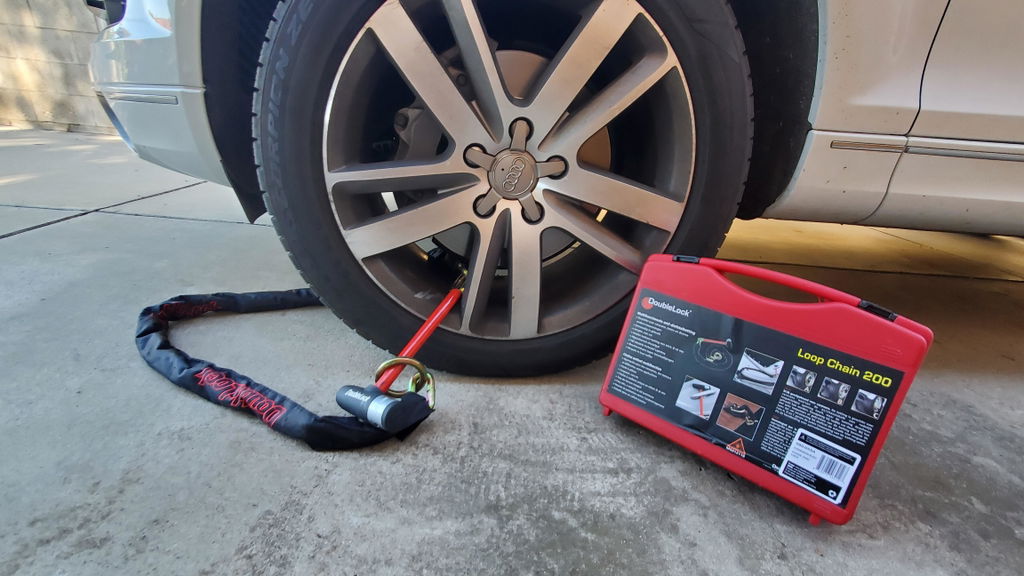
A dropped trailer is at risk if its landing gear is not locked. Some thieves use the landing gear to raise the trailer and move it. You can use the HAMMERHEAD lock to keep the landing gear in place.
This makes it much harder to hook up or shift the weight. Also, many fleets carry spare tools or gear on the trailer frame. The BEAST cable and lock bundle is a good way to tie these items down.
It uses a thick cable that resists cuts. Using these extra steps adds more layers to your plan. Each layer makes your fleet less of a target.
| Attack Point | Threat Type | Best Lock |
|---|---|---|
| Kingpin | Trailer theft by towing | LION Kingpin Lock |
| Coupler | Wrong hitching | SCORPION Hitch Lock |
| Cargo Doors | Theft of goods inside | BULL or RHINO Lock |
| Landing Gear | Moving or staging theft | HAMMERHEAD Lock |
| Spare Gear | Tool or gear theft | BEAST Cable and Lock |
Picking the right lock for each part of the trailer helps build a full shield. A fleet manager must look at every point where a thief could get in. By using a mix of kingpin, door, and equipment locks, you close the gaps.
This helps lower the risk of loss and keeps your business running. Our locks use European tech to give you the best defense. Use our wholesale quote request to get a plan for your whole fleet. This step ensures every trailer has the right guard for its exact job.
Should a fleet use keyed-alike locks?
Handling many assets at once requires a balance between speed and safety. For many teams, keyed-alike locks are a common choice for fleet trailer security. These systems allow one single key to open every lock on every trailer or container in the yard. While this makes daily work much faster, it also changes how you must think about your security plan. You need to weigh the ease of use against the chance of a total system breach.
The benefit of fleet standards
Standard locks help drivers and yard staff move more quickly. In a fast-moving shipping hub, searching for the right key for each single trailer can waste many hours each week. When every lock uses the same key, drivers can hook up and go without delay. If a lock is easy to use, staff are more likely to set it every time they drop a load. This is a key part of logistics security best practices for busy sites.
Daily ease also helps with lock care and upkeep. Fleet managers can check or replace locks across the yard without carrying a heavy ring of keys. This saves time during regular safety checks. Using one key type makes your gear list short and cuts the cost of making new sets for new hires. In many cases, you can find basic locks at shops like Lowe's, but fleet-wide safety needs a pro plan.
Managing the single key risk
The main risk of a keyed-alike system is that one lost key can put your entire fleet at risk. If a thief gets hold of a master key, they can open any trailer you own. This creates a single point of failure. Cargo theft often targets alone vehicles at truck stops and parking lots, as noted by the FBI. If your fleet uses one key, a single theft of that key could give a thief access to every load in your network.
To lower this risk, you must limit who can have a key. Only trusted staff should have access to the main key sets. A layered approach to security is always best. This means using locks along with lights and cameras to protect your goods. Strong locks and other tech make it hard for a thief to succeed. This extra layer of defense is vital for long-term safety.
Key control and fleet audits
Good key control is vital for any fleet. You should keep a strict log of every key you give out. This log must show who has a key and when they got it. When a worker leaves the company, you must get their key back right away. If a key goes missing, you may need to change the locks on the whole fleet to stay safe. This is why many fleets choose to use keyed-alike sets for small groups of trailers rather than the whole yard. This way, if a key is lost, only a few trailers are at risk.
- Keep a master list of all key holders.
- Perform a physical lock audit every month.
- Use unique serial numbers on every key.
- Have a clear plan for when a key is lost.
Regular audits help you find gaps in your security before a theft occurs. Fleet managers can use these audits to train staff on the best ways to keep the fleet safe. Using the right fleet trailer security solutions helps you build a strong defense that lasts for years. Tight key control lets you enjoy the speed of keyed-alike locks without the risks.
How to roll out a fleet trailer security standard
Setting a clear standard for your fleet trailer security helps stop theft and saves your team time. When every driver uses the same gear, the job gets much easier. You do not want to guess which lock fits which trailer in the middle of a busy shift. A solid plan keeps your cargo safe and your team on task. It removes the stress of choice and makes sure no unit is left open to risk. By picking one set of rules, you build a shield that protects your bottom line.
The case for a fleet security standard
Many fleet managers face big issues because of stolen loads. A study on retail security found that almost half of security bosses had work stopped by cargo theft. If you do not have a clear rule for locks, you leave gaps in your defense. A standard plan makes sure every asset has the same high level of care. It also helps you buy the right tools in bulk. You can find fleet trailer security solutions that work for all your units at once. This path keeps your yard safe and your costs low.
A six-step plan for fleet-wide protection
To start your rollout, you must know what you have and what you need. Most theft happens at truck stops and drop lots where trailers sit alone. Following a set path helps you cover these weak spots without missing a beat. You need a way to track your gear and train your people to use it. A layered approach is the best way to deter a thief from picking your units as a target.
- Count your assets. Make a full list of every trailer, chassis, and container in your yard. Note the hitch types and door styles so you know which locks will fit each unit. This list is the base for your whole security plan.
- Check the risk levels. Group your trailers by how much their cargo is worth or how often they sit in open lots. High-value loads need more layers of safety than empty units. This helps you spend your budget where it does the most good.
- Pick your gear. Choose one or two lock types for the whole fleet. Using BULL or LION locks across the board makes training and repairs much faster. It also means you can keep fewer spare parts on hand in the shop.
- Design a key plan. Use a key-alike system so one key opens a group of locks. This cuts down on the mess of lost keys and makes life easier for your drivers. A master key can also help managers get into units fast when they need to.
- Train your team. Show every driver and yard hand how to set and check the locks. A lock only works if someone snaps it shut and pulls on it to test the fit. Make this a part of their daily pre-trip check.
- Run a regular audit. Walk the yard once a week to see if teams are using the locks the right way. Check for wear and tear on the metal to stay ahead of rust or damage. A quick check can stop a small problem before it leads to a big loss.
Good security is more than just a piece of metal. It is a choice to be ready for any threat that comes your way. Planned theft often uses tricks to steal loads, so your team must be alert and follow the rules. Using high-quality locks on doors and kingpins is a smart way to stop quick theft. When you follow these steps, you build a wall that thieves do not want to climb. You save money on lost goods and keep your fleet moving on time. A strong standard is the best tool you have to keep your business safe from harm.
Keep the security standard working in the field
Buying heavy-duty locks is only the first step in a fleet trailer security plan. Real safety comes from how your team uses and cares for that gear every day. If a lock sits broken or a driver forgets to set it, the trailer stays at risk. Managing these tools well helps keep your cargo safe while it moves through the supply chain. You must treat your locks as vital parts of your fleet that need regular care to work right. This proactive mind set is what separates a secure fleet from a vulnerable one.
Build a check routine
Locks face a hard life on the road and can wear out over time. They deal with heavy rain, thick mud, and road salt during the winter months. Over time, dirt can build up inside the keyway or on the moving parts of the bolt. This grime can make a lock hard to open or even cause it to jam when you need it most. You should set a clear schedule to clean and oil your locks to keep them in top shape. Using a dry lube can help the parts move freely without catching more grit from the road.
Drivers should also check their gear for signs of tampering during every pre-trip walk around. Look for marks that show someone tried to force the lock open while it was parked. Finding these signs early lets you swap out a weak link before a thief can get through. A good logistics security best practices guide should include these gear checks as a standard task for all staff. This keeps the whole fleet on the same page when it comes to gear health and site safety.
Train your drivers
The best lock in the world cannot work if it is not locked by the person using it. Driver training is a big part of any theft safety plan that you set up. Most theft happens when a trailer is left alone at a truck stop or drop lot for a short time. Drivers need to know exactly when and where to use each piece of gear to stay safe. They should feel sure that their actions are the best way to stop a loss of cargo. Clear rules help remove the guesswork from their daily work and keep the focus on fleet safety.
Good loss safety programs often use a layered way to protect goods from theft. This includes using tools like cameras and lights along with physical locks and staff safety training. When your drivers know why security matters, they are more likely to follow the rules and set the locks. This team effort turns a simple lock into a strong wall against crime for your whole company. Make sure your team knows how to spot risk and act fast to lower it before a theft can happen.
Use data for better safety
Tracking how your gear works helps you find weak spots in your fleet trailer security setup. You can use simple logs to note which locks need the most care or which ones fail most often. This data lets you buy better tools in the future based on real facts. It also shows you if some routes or stops have more security issues than others in your network. Having clear facts makes it easier to plan for new fleet trailer security solutions. You can see which brands or types of locks hold up best in the real world.
You should also set clear goals for your security audits to measure how well you are doing. These goals might include how often locks are checked or how fast a lost key is replaced. Regular audits keep the team focused on the task at hand and the safety of the cargo. They help you stay ahead of thieves who look for easy targets that lack a clear plan or strong habits. Keeping a high standard in the field ensures your business stays strong and your cargo stays where it belongs. Proper audits prove that your security plan is working as it should every day.
What should you include in a fleet security quote request?
Buying locks for a large fleet is a big task. You want to get the best gear for the best price. A good quote request gives the vendor the facts they need to help you. It stops delays and keeps your costs down. When you plan for fleet trailer security, you must look at your whole yard. You should know how many trailers you have and how they move. This data helps the team find the right tools for your site. It also ensures that every lock you buy will fit the first time.
Audit your fleet assets
The first step is a full count of your gear. List every trailer and box in your fleet. Group them by the type of hitch or door they use. You need to know if you have kingpins, couplers, or box doors. Many brands of trailers may have small shifts in size. This can change which lock fits best. Giving a clear list of trailer models is helpful. It allows the security team to match the right BULL or LION locks to your fleet. You should also note if any units are non-standard. This helps you avoid the risk of buying gear that does not work. A full audit is the base of a strong security plan.
You should also count your spare units. Most fleets keep a few trailers in reserve. These units still need guard from theft. The FBI says that cargo theft often targets loads left alone in drop lots (fbi.gov). Guarding every asset, even the ones not in use, lowers your risk. It is better to have a few extra locks than to leave a trailer open to a thief. A full count makes sure you have enough fleet trailer security solutions for every asset you own.
Plan your keying and rollout needs
Managing keys for a large fleet can be hard. You need to plan how your drivers will open the locks. Many bosses use a "key-alike" system. This means one key can open all the locks in a specific group. It saves time for your team and reduces the number of keys they must carry. In your quote request, say if you need this setup. You should also think about who needs master keys. This allows a lead to open any lock in the yard. Clear rules for keys will make your commercial fleet security plan run much better.
Rollout timing is also a key fact. Do you want to set up all your locks in one week? Or do you want to move in phases? A phased plan can help you manage your cash flow. It also gives you time to train your staff on how to use the new gear. Tell the vendor if you need the locks sent to one site or many places. This helps them plan the shipping and gives you a more exact price. If you have drivers in many states, the shipping costs may change. Adding these facts to your request gets you a quote you can trust.
Detail attack points and threats
Not all security risks are the same. Your needs change based on where your trucks go and what they carry. High-value cargo needs more care than empty boxes. Experts say that a layered security plan is the best way to stop loss (wayne.edu). In your request, describe the threats you face. Are you worried about bolt cutters or power tools? Do your trailers sit in high-risk zones overnight? Sharing these facts helps the vendor suggest the right "Bull Rating" for your needs. This ensures you do not spend too much on gear you do not need, or too little on gear that is too weak.
Weather is another factor for your quote. If your fleet runs in wet or salty air, you need locks that can handle it. DoubleLock products use parts that resist rust and ice. Mention the site where the locks will spend most of their time. This helps the team pick the right finish and seal for your hardware. When you give these details, you get a quote that fits your real world. You can start your request today by using the Wholesale / Quote Request path. This link connects you with a team that knows how to protect your fleet from theft.
Frequently Asked Questions
What is the best theft deterrent for trailers?
Research from Purdue University shows that high-quality locks and GPS tools are top ways to stop theft. A good lock makes it hard for a thief to hook up and drive away. For a fleet, the best choice is a heavy-duty kingpin or coupler lock made of strong steel. These tools act as a clear sign that the trailer is not an easy target. Mixing physical locks with smart parking helps keep your assets safe.
What types of trailer locks should a logistics company use?
A firm should use locks that fit each part of the trailer and cargo. The FBI suggests using high-security rear door locks and air cuff locks for loads that sit alone. Landing gear locks are also a good idea for trailers left in yards. Fleet managers often pick key-alike systems to make work easier. This lets one key open every lock in the group. This saves time and keeps the fleet moving while staying safe.
Why are physical trailer locks essential for fleet security?
Physical locks are needed because thieves look for easy targets at truck stops and parking lots. A strong lock makes a thief work harder and take more time. The FBI says that cargo theft is a major risk for goods in transit. If a trailer is stolen, it costs a lot of money and stops the flow of business. Using locks helps stop these losses before they happen and protects your bottom line.
How to stop someone from stealing your trailer?
To stop trailer theft, you must use a layered security plan. Studies at Wayne State University show that mixing locks with bright lights and cameras is the best way to stop loss. You should also train staff to spot risks in yards and at stops. It is vital to use locks that can handle tough use and bad weather. A clear plan keeps the whole supply chain safe from theft.
Strengthen your fleet trailer security standard
Request a fleet security quote from DoubleLock USA to map purpose-built physical security hardware to your trailer types, operating risks, and key-control needs. Call +1 561-289-4865 or shop the DoubleLock USA catalog to start building a practical, standardized rollout.