
Equip prevent relies on physical barriers, strict yard procedures, and digital tracking. Rental fleets face higher risks than owned equipment because they move between jobsites and lack permanent security setups.
Effective prevention starts with high-quality locks for containers and kingpins to stop thieves from moving assets. Fleet managers must also use strict sign-in protocols and keep detailed records of serial numbers to aid in recovery.
According to the National Insurance Crime Bureau, heavy equipment theft results in thousands of incidents every year with very low recovery rates. By using industrial locks and following a structured checklist, rental companies can reduce their risk and protect their profit margins. This approach makes machines much harder to steal and less profitable for organized crime rings.
Equipment Rental Theft Prevention: The True Cost of Rental Equipment Theft
Theft of heavy gear is a big problem for building and rental firms. Each year, thieves steal thousands of machines across the land. These crimes lead to huge losses for firms of all sizes.
Gear for rent is at a higher risk than gear that a firm owns. About 30 percent of all building machines in the U.S. are rentals. These units are picked much more often by crooks.
High Financial Impact and Low Find Rates
The cost of a single theft is very high. On most jobs, a stolen piece of gear is worth about $30,000. For some firms, losing just one machine can cause a long wait for a project.
Total losses in the field are about $300 million to $1 billion every year. Data from the Warren CAT news page shows how big this bad market has become. These costs include more than just the price of the machine.
Firms also face higher costs for insurance and harm to their good name. Once a machine is gone, the chance of finding it is low. Data from the NER list shows that only 21 percent of stolen heavy gear is ever found.
This low rate makes equipment rental theft prevention a key part of the job for a fleet lead. Without a clear plan, the cost of new gear and higher fees can hurt a firm for years.
Why Rental Fleets Are Main Targets
Crooks pick rental gear because it moves between many jobs. This makes it harder to track than gear that stays in one spot. Data from the NICB shows that theft of heavy gear goes up by 1.2 percent each year.
For rental firms, the risk is even higher. In fact, theft rates for rental fleets have nearly doubled in just one year. This trend makes it hard for rental firms to keep their assets safe.
The high resale value of skid steers and trailers makes them easy to sell. Thieves can make a lot of money fast. They look for easy targets with weak locks.
A clear set of rules for safety is the best way to defend your gear. Using a checklist helps you make sure that every piece of gear is safe every night. This step-by-step method is much cheaper than the cost of a theft.
Step 1: Intake and Documentation Procedures
Rental theft is a big problem that costs the industry a lot of money each year. Groups like the National Insurance Crime Bureau (NICB) say these losses reach between $300 million and $1 billion every year. High-value brands like Kubota, John Deere, and Caterpillar are top targets for thieves. In one case in Florida, a theft ring caused over $2 million in losses by stealing work trucks and trailers. Good records are the first line of defense to stop these crimes.
Renter ID and Business Proof
You must know exactly who is taking your gear off the yard. Always ask for a valid ID and proof of business at the time of checkout. This simple step helps find high-risk renters before the machines leave.
If a renter cannot show who they are or where they work, do not let them take the asset. A solid equipment rental theft prevention plan starts with these basic checks. You should train your staff to spot fake IDs or strange acts during the intake process. It is better to lose a small rental fee than to lose a large piece of gear.
Serial Numbers and Asset Records
Keep a clear list of all your assets in one main place. You need to log the Product ID Number (PIN) and serial numbers for every part of the machine.
These numbers are very useful if you ever need to file a police report. If you do not have these facts, your chances of getting the gear back are quite low. Make sure this data is easy for your team to find at any time. Store these files in an online cloud so you can get them from any place. Do not just keep them on paper in the yard office.
Asset Marks and Photo Files
Thieves want gear they can sell fast without getting caught. You can make your assets harder to move by adding unique marks. Stamp or engrave your logo or a special code onto the metal parts of the machine. The NICB suggests keeping a photo file of these marks and the whole asset. Take photos of the serial plates and any parts that you have marked. Clear photos help the police find and name your stolen goods if they show up in a different state. These marks also make the gear worth less on the black market.
- Ask for a verified ID and proof of business from every customer during the rental checkout.
- Log the specific PIN and all part serial numbers for the equipment before it leaves the yard.
- Engrave or stamp unique marks and your company logo onto fixed metal parts of the asset.
- Take a full set of photos of the machine and all its markings to keep in a main file.
- Register your heavy equipment with the National Equipment Registry (NER) database to aid in recovery.
Step 2: Yard and Storage Area Security
Securing the border of your yard is the first line of defense for your fleet. A strong fence can stop many crimes before they start. You should use fencing that is at least 8 feet high to act as a real hurdle for thieves. It is vital to set the fence posts deep in concrete so the wall stays firm. A weak or loose fence will not protect your high-value gear from a thief with a plan. You should walk the edge of your yard once a week to check for holes or cut wires.
Fencing and gate security
The main gate is often the weakest point in your yard security. You must use heavy steel chains and a RED HAWK padlock to seal the yard each night. These locks use hardened steel to resist bolt cutters and prying tools. A strong gate plan is a core part of equipment rental theft prevention for any yard owner. You should also check the gate hinges to make sure they cannot be pulled out or undone. If a thief sees a heavy lock and a secure gate, they are more likely to move on to an easier target.
Keep the area around your fence clear of tall grass, brush, or trees. Thieves use these things to hide while they work on your locks. A clear zone around the border of the yard makes it easy for guards or police to spot a break-in. This simple step adds another layer of safety to your storage area without much cost. It also makes it harder for anyone to stash stolen tools near the fence to pick up later.
Night lighting and yard views
Bright lights are a great way to keep thieves away from your site. Most equipment theft happens at night when the yard is dark and quiet. You should set up bright lights that cover the whole area with no dark spots. This makes it clear that your yard is not an easy target for a quick heist. Good lighting is a key tip for theft prevention for rental fleets. You can use motion sensors to turn on extra-bright floodlights if someone enters the yard after hours.
When the yard is well-lit, any movement stands out to neighbors or those passing by. This is very vital in August, which is the peak month for construction gear theft. During this time, theft rates can spike as work hits its high point for the year. By keeping your yard in the light, you reduce the risk of a costly loss when you need your machines the most. Clear sight lines and bright lights act as a silent guard for your entire fleet.
The wagon-train parking method
The way you park your fleet can be just as useful as a lock. The National Insurance Crime Bureau (NICB) suggests using a "wagon-train circle" for after-hours storage. To do this, you park your largest and heaviest machines in a tight ring. This forms a wall of steel that is nearly impossible to move without the right keys. You can also lower the blades or buckets of your machines to the ground to make them harder to tow.
Once the ring is in place, you put smaller items like tools and generators in the middle. This clustering method makes the small items hard to reach and even harder to haul away. A thief cannot simply hitch up a trailer and drive off if a heavy machine is in their path. Using your biggest assets to shield your light gear is a smart move for any yard manager. For more tips on fleet safety, check our guide on fleet trailer security. This plan turns your own equipment into a secure vault for your smaller assets.
Step 3: Key Control and Access Management
Managing a large rental fleet is a big task. One major problem is keeping track of real keys. When your gear is spread across many sites, key control becomes a weak point in your equipment rental theft prevention plan. If a key is lost or if there are too many keys, drivers may skip locking the gear. This leaves your costly gear open to theft. Thieves look for these gaps to steal heavy tools quickly.
Use Keyed-Alike Systems to Save Time
To fix the key clutter, many fleet bosses use keyed-alike systems. These systems let one key open every lock in a set group of gear. For example, DoubleLock offers keyed-alike options for locks like the BULL cargo lock and RHINO hitch locks. These locks use hardened steel to stop bolt cutters. They also resist bad weather, so they work well in the mud or rain on a job site.
Using a keyed alike locks for fleet security guide can help you set up this system. When every lock uses the same key, your staff will spend less time hunting for the right one. This speed helps ensure that locks are used every single time a machine is parked. It makes your fleet run better while keeping it safe from crime.
Reduce Friction for Better Habits
Security only works if your team follows the rules. If a lock is hard to use, a worker might leave it off to save a minute. Friction is the enemy of safety. A keyed-alike setup removes this barrier. It makes the locking process fast and simple. When a driver knows one key works for all their gear, they are more likely to stay steady with your security rules. Simple tools lead to better habits on the job.
You can also use color codes for your keys to make them easy to find. If the key for the RHINO hitch lock is the same as the one for the BULL cargo lock, the driver only needs one tool. This reduces the weight on their belt. It also lowers the chance that they will lose a single small key in the dirt.
Keep Strict Key Logs and Rules
Even with a simple system, you must track who has access to your keys. Keeping a main list of all keys and their ID numbers is a vital step. The National Insurance Crime Bureau (NICB) suggests keeping a detailed list of PINs and serial numbers in a safe place. This record helps you track your gear and report facts to police if a theft occurs. You should check this list every month to find any missing items.
You should also group your assets by job site or region. Each group should have its own set of keys. This way, a loss in one area does not put the whole fleet at risk. If a key is lost or stolen, you must act fast. Rekey your locks right away to keep your fleet safe. Fast action stops a lost key from turning a job site into an easy target for thieves.
Step 4: Customer Screening and Handoff Procedures
Strong customer screening is the first move for equipment rental theft prevention. Many thefts start with a fake rental contract rather than a broken lock. Fleet owners must treat the checkout as a key security check. This involves more than just a quick look at a license. It needs a clear way to find red flags and prove that every renter is who they say they are.
Train staff to find high-risk renters
Your team at the counter must know what a bad actor looks like. Staff training is a big part of any rental security plan. Teach workers to watch for people who seem rushed or push for a quick cash deal. High-risk renters often try to hide their contact details or seem confused about how the machines work. When staff can spot these signs, they can stop a theft before the gear leaves the yard.
Every checkout must start with a hard check of business papers. Do not rely on just one form. Check company names against public records and call the main office to confirm the order. Use a set list to ensure no steps are skipped during busy times. This routine makes it much harder for theft rings to use stolen names to get away with big machines.
Set up strict sign-in and sign-out steps
Clear rules for when equipment moves help you track every asset. Use strict sign-in and sign-out steps for both staff and customers. Every handoff should include a walk-around to check the gear and record the hours on the meter. This log creates a clear trail that can help the police if a unit goes missing.
Ask customers for a return time and the jobsite address. Use this to follow up fast if a machine is even one hour late. Quick action is needed because the recovery rate for heavy machines is consistently low, often under 25 percent. A fast call can often find a lost machine before it is moved or sold for parts.
Keep a list of problem renters
Keep a record of every renter who gives you trouble. This includes late returns or failed payments. A shared flag system across your fleet spots a person banned at one store before they rent at another. Regular inventory audits also help you find missing items that were taken with fake papers. These checks ensure that what you see on your screen matches what is in your yard.
Write down every event in detail. Include the names and IDs used by the person. If you find a pattern of fraud, share that data with local police and other rental yards. Most theft rings hit several stores in one area in a short time. By working with others and keeping tight records, you make your fleet a much harder target for thieves.
Step 5: Physical Security Hardware Standards
High-quality hardware is the core of any equipment rental theft prevention plan. Professional thieves often target rental assets because they have high resale value. To protect your fleet, you must use industrial locks that act as a strong deterrent. The National Insurance Crime Bureau suggests using physical barriers to make equipment difficult to move after hours. DoubleLock USA hardware meets these needs with rugged, weather-resistant build quality for outdoor use.
Securing Trailers and KINGPIN Assets
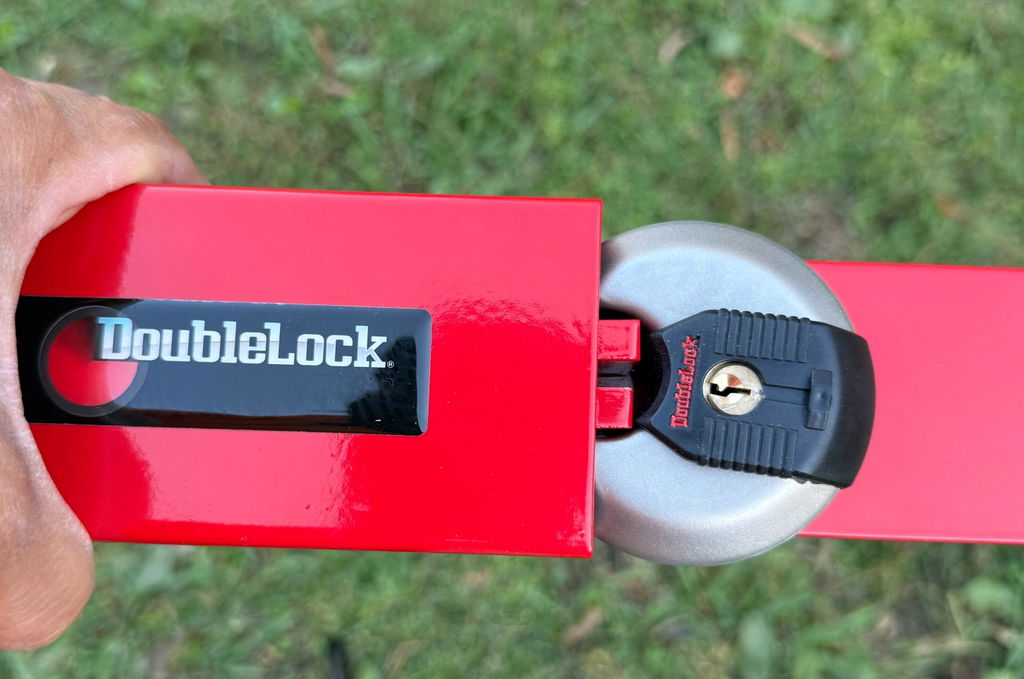
Trailer separation is a major risk for rental fleets. Thieves can easily hook up a detached trailer and drive away in seconds if the kingpin is open. The LION kingpin lock ($99.99) blocks the coupler to stop illegal hookups. For specific trailers, the SCORPION pintle hitch lock ($199.99) provides similar protection. These tools ensure that your trailers stay where you parked them until the right driver arrives.
Locking Heavy Machinery and Controls
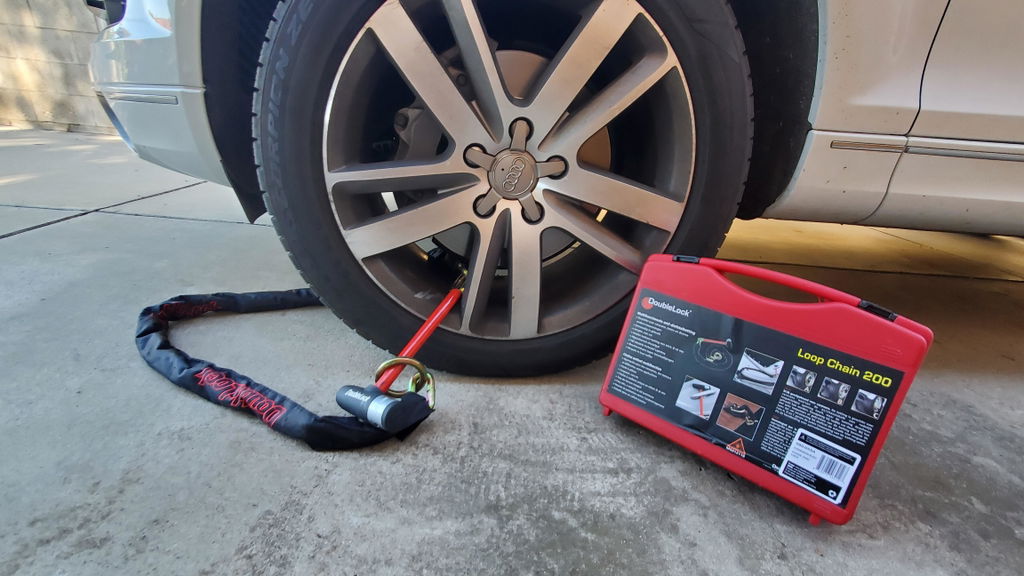
Heavy machinery like excavators and skid steers needs specific protection. You can use the BEAST Ultra Duty Cable and Lock Bundle ($109.99-$149.99) to secure gear to fixed objects like steel posts. This keeps the machine from being loaded onto a trailer. Inside the cab, tools like the HAMMERHEAD ($199.99) and MAMMOTH ($99.99) locks secure control levers. This equipment lock guide for contractors and rental fleets shows how to fix controls to stop stolen machines from moving easily.
Container and Yard Gate Security
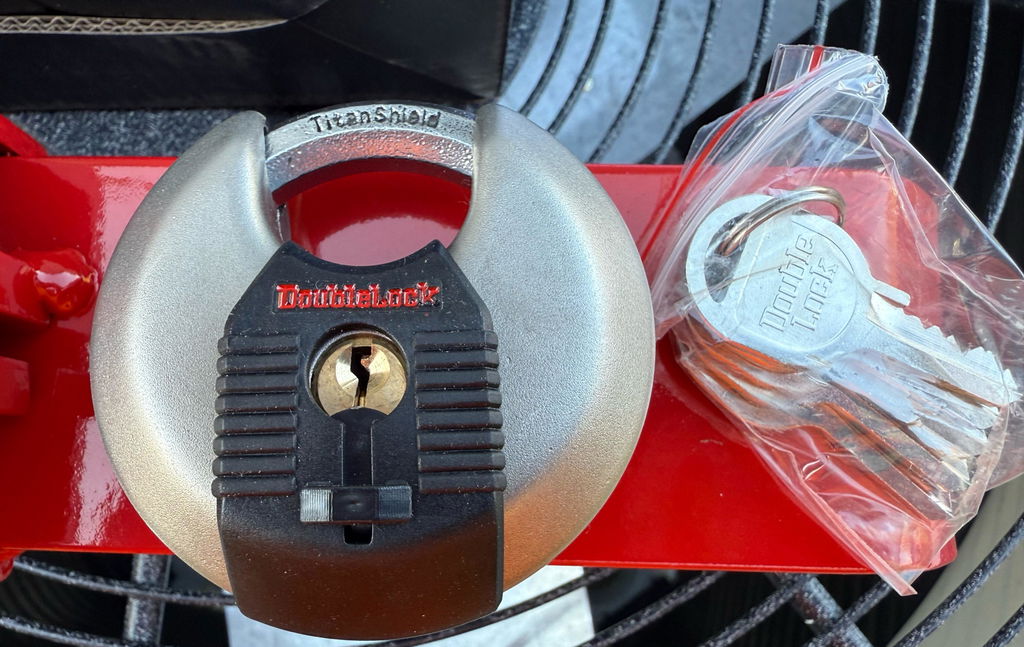
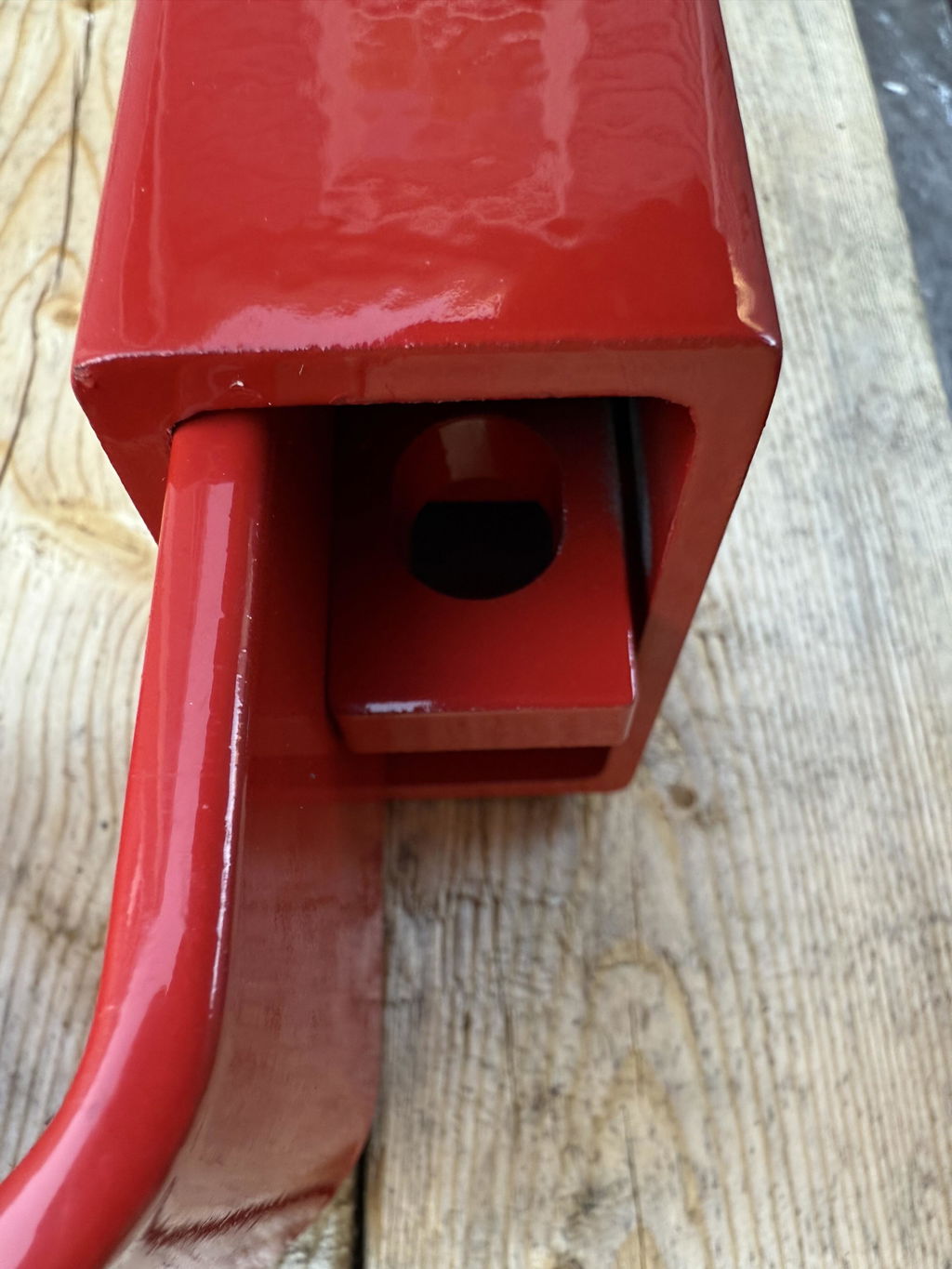
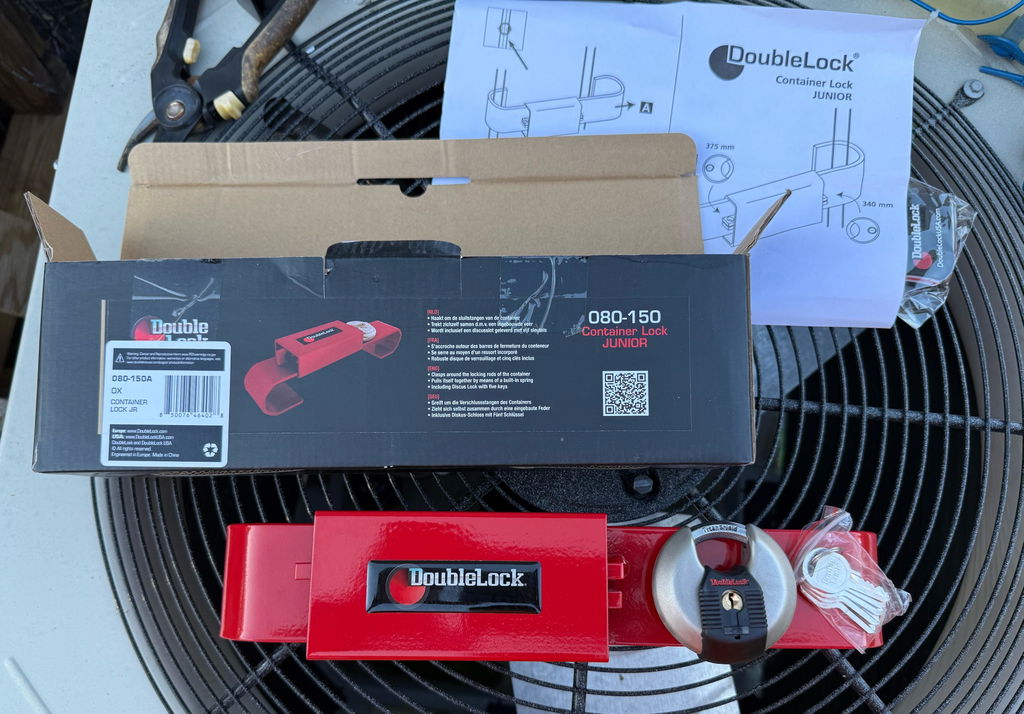
Fleet yards and storage containers hold your most valuable assets. Standard padlocks are often too weak for these high-risk areas. The RED HAWK padlock ($59.99) is a better choice for gates and fences. For shipping containers, use the BULL ($319.99) or RHINO ($269.99) container locks. These locks have EU SCM ratings and use heavy hardened steel to resist cutting and prying. Using fleet and wholesale hardware lets you get keyed-alike options so one key works across your entire yard.
The DoubleLock Bull Rating System
It can be hard to compare different locks when you are buying for a fleet. DoubleLock uses a Bull Rating system to show the security level of each product clearly. This rating helps you pick the right tool for the job based on the risk level. Whether you need a simple gate lock or a heavy-duty container guard, this system gives you a clear way to measure strength. Always look for weather-resistant hardware to ensure your locks stay working through rain, snow, and mud.
| Asset Type | Recommended Lock | Price | Key Feature |
|---|---|---|---|
| Trailer kingpin | LION Kingpin Lock | $99.99 | Blocks coupler to prevent trailer separation |
| Excavators, skid steers | BEAST Cable and Lock Bundle | $109.99-$149.99 | Braided steel cable anchors to fixed objects |
| Control levers, attachments | HAMMERHEAD / MAMMOTH Equipment Locks | $99.99-$199.99 | Secures levers and cleats in locked position |
| Yard gates, fences | RED HAWK Padlock | $59.99 | Hardened steel, weather-resistant |
| Shipping containers, yard storage | BULL / RHINO Container Locks | $269.99-$319.99 | EU SCM rated, keyed-alike available |
| Specialized trailer hitches | SCORPION Pintle Hitch Lock | $199.99 | Purpose-built for pintle hitch security |
Step 6: After-Hours Security and Recovery Documentation
After-hours and holidays are the most dangerous times for rental equipment. Data from the National Insurance Crime Bureau (NICB) show that theft incidents often spike during long downtimes. States like California and Texas account for 58 percent of all US cargo theft. With over 11,000 heavy equipment thefts reported each year, owners must use extra care when machines sit idle. You should set up a strict equipment rental theft prevention plan for every night the jobsite is closed.
Harden unattended machines
One great way to stop thieves is to wagon-train your fleet. You should cluster large machines in a tight circle. Place smaller items like generators and compressors in the center. This makes it much harder for a thief to reach the gear that is easy to move. You should also remove all fuses and circuit breakers from machines left on a site. This simple step can stop a quick theft attempt.
You can also install systems that disable the electrical or ignition circuits. These tools stop thieves from using any key to start the gear. Using lock-out devices to fix levers in a curved position is another smart move. If a thief starts the machine, it will only move in circles. It cannot be driven onto a trailer or away from the site. These small changes to your theft prevention for rental fleets make a big difference.
Identify and track assets
You should also mark your parts to help find them if they are stolen. Stamping or engraving company logos and unique ID numbers onto parts helps police find your gear. High-value assets like excavators and skid steers should also have tracking devices. These tools are vital because the recovery rate for stolen heavy equipment is often lower than 25 percent. A visible construction site theft prevention checklist can also remind workers to secure every machine before they leave.
Engraving marks should be in two places on each machine. Place one mark where it is easy to see. Hide the other mark in a spot only you know about. This helps if a thief tries to grind off the first mark. You can use a metal stamp or a small hand tool for this job. This extra layer of security makes your assets much less attractive to grouped theft rings.
Maintain recovery records
Records are your best tool for getting items back after a theft. You must keep a central list of all Product ID numbers and serial numbers. A photo archive of each machine from several angles is also helpful. You should also register your fleet with the National Equipment Register (NER) database. This helps police track and find stolen items across state lines.
If a theft occurs, you must call the police and your insurance agent right away. Every hour you wait makes it harder to find the gear. Giving the police the correct ID and serial numbers is the best way to help them find your stolen assets. You should also share your photo records with the police. Check the construction site theft prevention checklist to help warn other owners in your area.
Frequently Asked Questions
How often is stolen rental equipment actually recovered?
Recovery rates for stolen rental gear are low because assets move or sell fast. According to the National Equipment Register, only about 21 percent of stolen heavy gear is ever found. This low success rate makes strong locks and good records vital for fleet owners. By the time a theft is reported, the gear may already be in a different state or taken apart for parts.
Why is rental equipment at a higher risk of theft than owned equipment?
Rental assets face more risk because they move between many sites and hands. This constant movement makes tracking harder and gives thieves more chances to find a weak spot. Data from MacAllister Rentals shows that rental pieces make up about 30 percent of all construction gear in the country. Because these units are not always kept in one safe spot, they often lack the same level of long-term safety as owned fleets.
What are the most effective theft prevention tools for rental equipment?
Strong metal locks and tracking tech are the best ways to stop thieves. Using hard steel tools like kingpin locks or container locks can stop a thief from moving your assets. The NICB also suggests using GPS tracking and ignition shut-off systems to add more layers of safety. When these tools work together, they make a jobsite much less attractive to thieves who want a quick and easy target.
Which types of equipment are most commonly targeted by theft?
Thieves usually target high-value items that are easy to move and sell. This includes gear like skid steers, excavators, utility trucks, and trailers. Research from Equipment Rental Guard shows these assets are prized for their high resale value in the second-hand market. Fleet owners should focus their best safety tools on these specific units. Keeping good records of serial numbers for these brands is also a key step in helping police.
Ready to Secure Your Rental Fleet?
Equipment theft costs rental firms hundreds of millions of dollars every year through lost assets and costly project delays that damage your good name in the industry. If you wait for a theft to happen, you face high costs for new gear and rising rates that will hurt your bottom line for years. You can stop these costly losses and protect your profits by setting up a strong security plan for your whole fleet starting right now.
Ready to request a fleet security quote for multi-unit pricing? Call (561) 289-4865 to talk to a fleet security expert today. Our team will help you find the right BULL and RHINO locks to protect your machines and your workers.