
Modern reclosable fasteners are impressively strong. A product like 3M Dual Lock, for example, uses interlocking stems to create a bond that holds significant weight with ease. It’s a fantastic solution for clean, screw-free mounting. But its strength is for holding, not for protecting. When your goal shifts from mounting an object to preventing its theft, the conversation changes. This guide will help you distinguish between a powerful connection and a truly secure fastener, so you know when you need something more robust for true protection.
Key Takeaways
- Know the Difference Between Holding and Securing: Understand that a fastener's job is to hold things together, which is different from a lock's job of preventing theft. Choose a reclosable fastener for convenient mounting and a lock for true protection.
- Match the Solution to the Situation: Select the right component by considering three key factors: your security risk, the environment it will operate in, and how frequently you need access. This ensures you get the right level of performance for your project.
- Use a Lock When Security is Non-Negotiable: For high-value assets, personal property, or safety-critical applications like towing, a robust mechanical lock is the only responsible choice. In these scenarios, convenience should never outweigh security.
Picking the Right Fastener for Any Project
Choosing the right fastener is about more than just connecting two things. It’s about finding the right balance of strength, access, and security for your specific project. Whether you’re mounting equipment in a work van, securing a panel on a boat, or assembling a piece of furniture, the fastener you choose makes all the difference. Understanding your options is the first step toward a successful and reliable outcome.
This guide will walk you through the different types of fastening solutions, from simple reclosable options to high-security mechanical locks. By understanding the strengths and weaknesses of each, you can confidently select the perfect component for any job, ensuring your project is built to last.
What Makes a Fastener "Secure"?
The word "secure" can mean different things depending on your project. For some jobs, a secure connection is one that simply won’t come apart on its own. Think of a reclosable fastener that makes an audible "snap" when its interlocking parts engage, giving you clear confirmation that it’s locked in place. This type of security is about reliable adhesion and stability.
For other applications, "secure" means preventing unauthorized access or theft. In these cases, a simple connection isn't enough. You need a solution designed specifically to deter tampering. Before you can choose the right hardware, you first need to define what a secure fastener means for your situation: Is it about holding power, or is it about protection?
The Core Concept of Security Fasteners
Security fasteners are a specialized type of hardware designed specifically to prevent tampering and theft. While a standard fastener’s main job is simply to hold components together, a security fastener adds a crucial layer of protection. They achieve this with unique, tamper-resistant heads that can’t be engaged by common tools like a Phillips screwdriver or a standard wrench. This simple but effective design is what makes tamper-proof screws a go-to solution for mounting valuable equipment in public spaces, on work vehicles, or anywhere you need to deter unauthorized access. It’s the difference between simply attaching something and actively protecting it.
When you start looking into these components, you’ll find they generally fall into two categories: removable and permanent. Removable security fasteners can be installed and taken out with a corresponding specialty driver, giving you strong protection while still allowing for maintenance when needed. Permanent fasteners are designed for a single-use installation, offering a higher level of defense for situations where you don't need regular access. Understanding what security fasteners are and which type fits your project is key to ensuring your property remains exactly where you left it.
Weighing Your Options: Mechanical vs. Adhesive Solutions
Once you know your security needs, you can compare your options. The world of fasteners includes everything from mechanical locks and traditional hardware to modern adhesives and reclosable fasteners. A reclosable fastener, for example, uses tiny, mushroom-shaped stems that interlock to create a surprisingly strong bond without screws or messy glues.
These fasteners are reusable and often resistant to moisture, chemicals, and a wide range of temperatures, making them versatile for many mounting tasks. However, their strength is for holding, not for preventing theft. Understanding the fundamental purpose of each fastener type is key. While some offer convenience and a clean look, others, like a robust lock, provide a level of protection that no simple fastener can match.
Your Guide to Common Fastening Solutions
Choosing the right fastener comes down to understanding your goal. Are you trying to protect something from theft, create a permanent bond, or simply hold two pieces together? Each job requires a different tool. To help you decide, let's walk through the most common types of fastening solutions and what they are best used for. This will help you see where a high-security lock is essential and where another option might be a better fit for your project.
Mechanical Fasteners: When Security Is a Priority
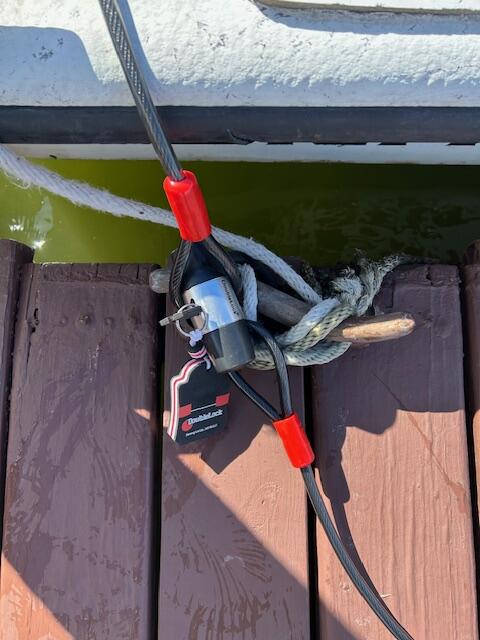
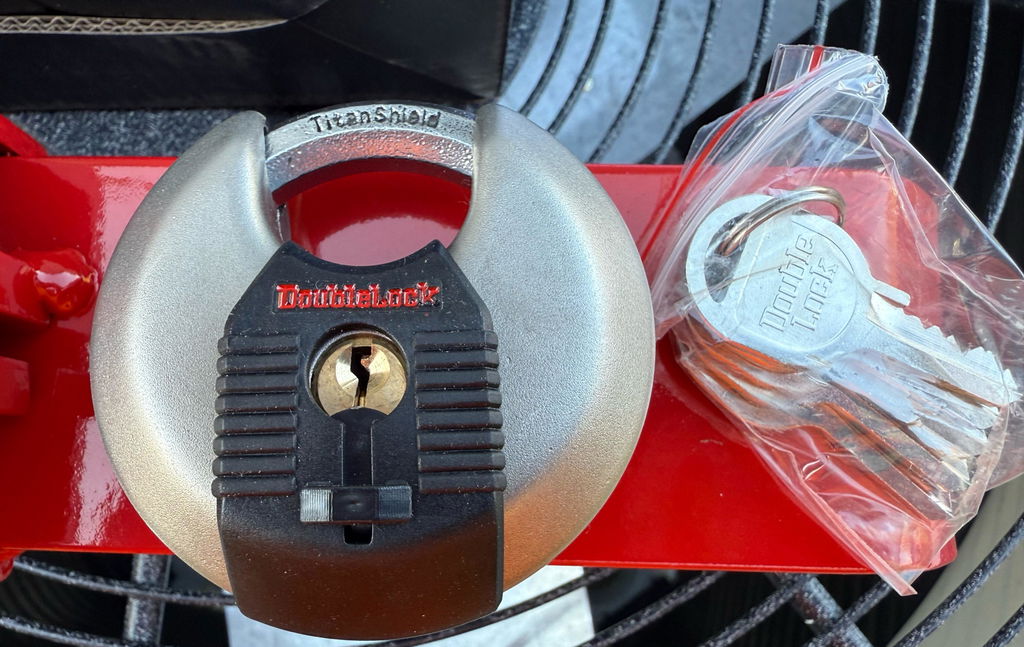
Mechanical locks are your first line of defense when true security is non-negotiable. These are the solutions you turn to when you need to protect valuable equipment or control access to a sensitive area. Unlike other fasteners, they are specifically engineered to resist tampering and withstand significant force. Their primary job isn't just to hold things together, but to keep them safe from unauthorized access. When you need peace of mind for your trailer, construction site, or marine equipment, a high-quality mechanical lock is the most reliable choice. You can explore a range of robust security solutions designed for these exact high-stakes applications.
Permanent (One-Way) Fasteners
Permanent fasteners are built for a single, final installation, acting as a one-way street for security. While you can use standard tools to tighten them, they are specifically engineered to prevent removal. This is often done using a head that shears off at a specific torque or a design that simply won't accept a removal tool. They are the ideal solution when you need to permanently affix something and ensure it can't be tampered with or taken apart, like public fixtures or critical machinery components. The objective is total permanence, providing a strong defense against theft or vandalism in situations where future access isn't needed.
Removable (Two-Way) Fasteners
Removable security fasteners strike a balance between protection and accessibility. Unlike permanent versions, they can be installed and taken out multiple times, but with a key condition: you must have the specific, matching tool. These fasteners have unique drive patterns, such as a pin-in-torx or a custom hex shape, that a standard screwdriver or wrench cannot engage. This design is effective at stopping casual tampering while permitting authorized individuals with the correct specialty driver to perform maintenance or make adjustments. They are the perfect choice for securing access panels, electronic enclosures, or any equipment that requires protection but also needs periodic service.
Reclosable Fasteners: For Easy and Reversible Mounting
Reclosable fasteners, like 3M Dual Lock, are designed for convenience. This special type of fastener uses tiny, mushroom-shaped plastic stems that interlock with an audible "snap" to connect two surfaces. This creates a surprisingly strong hold, often much stronger than standard hook-and-loop products. They are perfect for mounting items you may need to remove and reattach, such as panels or small devices, without using screws or messy glues. While excellent for these low-risk applications, their strength is for holding, not for securing. They offer no real protection against theft, making them a tool for organization and assembly.
Adhesives and Epoxies: Creating a Permanent Bond
When you need to join two surfaces together for good, adhesives and epoxies are often the answer. These chemical fasteners create a powerful, permanent bond that can be even stronger than the materials they are joining. They are incredibly versatile, capable of bonding metal, plastic, wood, and more. This makes them a great choice for repairs or assemblies where you can't use a mechanical fastener, or where you need a seamless finish. Once cured, many adhesives are also resistant to moisture and temperature swings, making them durable for both indoor and outdoor projects. You can find a wide variety of epoxies and adhesives for any material at your local hardware store.
Traditional Hardware: The Basics of Assembly
Sometimes, the most straightforward solution is the best one. Traditional hardware, like nuts, bolts, and screws, are the foundation of countless construction and assembly projects. Their reliability is time-tested. These fasteners are engineered to create a secure mechanical connection that can handle high loads and significant stress, which is why they are essential for structural applications. Think about building a deck, assembling machinery, or framing a wall. In these cases, the goal is to hold components together with immense strength. While they don't offer theft protection on their own, their role in creating a solid, stable structure is indispensable. You can find the right nuts and bolts for any load-bearing job.
Security Add-Ons for Standard Hardware
While traditional nuts and bolts are perfect for holding things together, they offer little resistance to someone with a standard wrench or screwdriver. This is where security add-ons come into play. Think of them as an upgrade for your standard hardware. These specialized components, often called tamper-resistant hardware, include screws and nuts with unique drive patterns that can't be turned with common tools. Some are designed for permanent, one-way installation to prevent removal entirely, while others can be removed but only with a matching specialty driver. Using these fasteners is a smart way to deter casual theft and vandalism on everything from public fixtures to equipment panels. They add a crucial layer of protection that standard hardware simply can't provide.
When Do You Need a High-Security Fastener?
While reclosable fasteners and strong adhesives have their place for mounting and temporary fixes, certain situations leave no room for compromise. When you’re dealing with high-value assets, personal safety, or irreplaceable items, the question isn’t about convenience; it’s about true security. These are the moments when a robust, mechanical lock is the only responsible choice. It’s the definitive line between "held in place" and "truly secured." In these scenarios, anything less than a dedicated lock is a risk you can’t afford to take.
Understanding Security Levels: Tamper-Resistant vs. High-Security
The terms "tamper-resistant" and "high-security" are often used together, but they represent different levels of protection. Tamper-resistant fasteners are designed to deter casual meddling. Think of special screws on public fixtures that you can't remove with a standard screwdriver. These specialized fasteners require a matching, uncommon tool, making them effective against opportunistic theft or vandalism. They are a great first step in securing property, but they are not designed to stop a determined thief who comes prepared.
High-security, on the other hand, is about withstanding a dedicated attack. This level of protection involves robust mechanical devices built from hardened materials and designed to resist cutting, drilling, and prying. It’s the solution you need when protecting high-value assets where the risk of theft is significant. For safety-critical applications like securing a trailer or protecting expensive equipment, convenience is secondary to strength. A high-security solution is the only responsible choice when your property and peace of mind are on the line.
Protecting Valuable Equipment on Mobile Assets
Your work truck and trailer are mobile vaults, carrying expensive tools and equipment that are essential to your livelihood. Leaving them secured with anything less than a high-quality lock is an open invitation to thieves. While industrial-strength fasteners are great for holding things down inside a trailer, they offer zero protection against a pry bar. A determined person can bypass them in seconds. This is where you need robust security solutions designed to withstand force. A hardened steel padlock on a trailer door or a heavy-duty coupler lock makes it clear that your assets are protected, deterring opportunistic theft and stopping more determined attempts cold.
Securing Outdoor Structures and Access Points
A simple latch on a shed or gate is enough to keep the door from swinging open in the wind, but it does little to stop an unwanted visitor. Your shed, backyard gate, or self-storage unit protects valuable property, from expensive lawn equipment to personal keepsakes. Relying on a basic fastener is like leaving your front door unlocked. A solid padlock provides a powerful visual deterrent and a formidable physical barrier. It’s a straightforward investment that delivers the peace of mind that comes from knowing your belongings are safe. When you close that shackle, you’re not just closing a door; you’re securing your property against intrusion.
Ensuring Safety in Water-Based and Hauling Scenarios
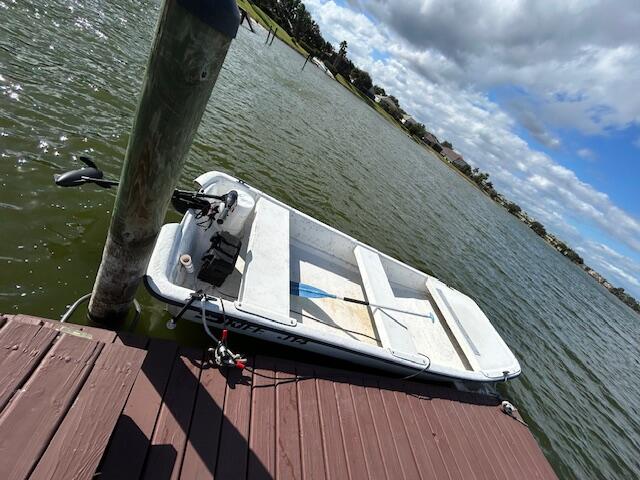
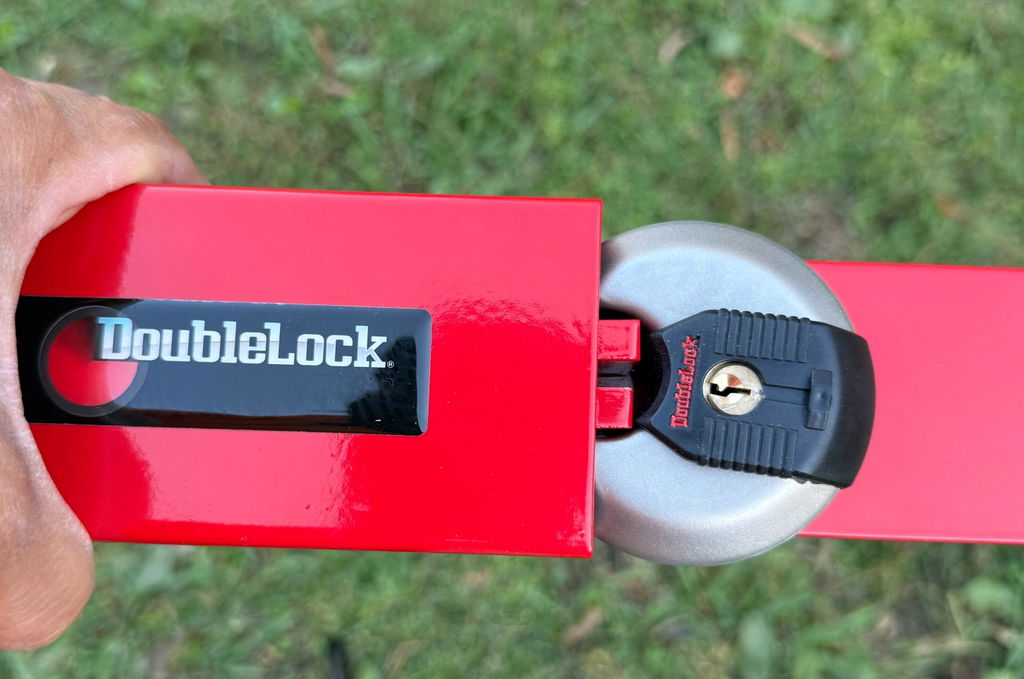
When you’re towing a boat, trailer, or camper, the stakes are incredibly high. A failure here isn’t just about losing property; it’s about preventing a dangerous, potentially catastrophic accident on the highway. The dynamic forces involved in towing, like vibrations, bumps, and torque, demand a connection that cannot accidentally come undone. This is a job for a purpose-built lock, not a fastener. Securing your trailer coupler or outboard motor with a dedicated lock ensures that your connection remains solid throughout your journey. It’s a non-negotiable piece of equipment for anyone serious about safety in marine and towing applications.
Specific Applications and Industries
The need for robust security extends far beyond personal sheds and trailers. Across critical sectors of our economy, specialized fasteners and security devices are essential for protecting valuable assets, ensuring public safety, and maintaining operational integrity. From public works and transportation to private manufacturing, the right hardware prevents theft, tampering, and vandalism that could have significant consequences. Understanding where these solutions are applied highlights the crucial difference between simple fastening and true asset protection. In these professional environments, security is not an afterthought; it is a foundational component of any well-run and safe operation, safeguarding everything from city infrastructure to life-saving equipment.
Public Infrastructure
Public spaces and utilities rely on security hardware to function safely and without interruption. Think about transportation systems, public buildings, and construction sites. In these settings, tamper-resistant fasteners and heavy-duty locks are used to secure everything from access panels and utility boxes to expensive equipment. For example, loss prevention fasteners are critical for preventing unauthorized access that could lead to service disruptions or public safety hazards. On a construction site, robust security for tools and machinery is essential for keeping projects on schedule and on budget by deterring theft. It’s about creating a secure perimeter for valuable assets in busy, often-exposed environments.
Automotive and Electronics
Inside vehicles and electronic devices, specialized security fasteners play a vital role in safety and protection. In the automotive industry, tamper-proof screws are used to secure critical safety components like airbags and to protect engine parts from being altered. The same principle applies to high-end electronics, where unique fasteners prevent unauthorized disassembly and protect sensitive internal components. While these are often hidden from view, their purpose is clear: to ensure the integrity and reliability of the product. This level of security guarantees that a car’s safety systems will function as designed and that valuable electronic data remains secure from physical tampering.
Healthcare and Education
In environments like hospitals and universities, security is paramount for protecting both people and property. These institutions house expensive, life-saving medical equipment and cutting-edge lab instruments that are attractive targets for theft. To prevent this, facilities use security fasteners and dedicated locking mechanisms to secure medical devices to carts and walls or to keep sensitive lab equipment from being removed. This not only protects a significant financial investment but also ensures that these critical tools are available when they are needed most. Ultimately, this directly impacts patient safety and allows important research to continue without interruption from theft or damage.
Energy and Utilities
The energy and utility sector is another area where security is non-negotiable. Critical infrastructure like solar panel arrays, electrical substations, and control boxes are often located in remote, unmanned areas, making them vulnerable to theft and vandalism. Securing these assets with specialized, weather-resistant security devices is essential for maintaining the power grid and other vital services. Protecting solar panels from theft or preventing tampering with a control box ensures that communities have reliable access to power. It’s a clear example of how a physical security solution can safeguard against widespread service disruptions, making it a key part of our commitment to securing critical industries.
How to Choose Your Perfect Fastener in 3 Steps
Choosing the right fastener can feel like a complicated decision, but it doesn’t have to be. The key is to think less about finding the single “strongest” option and more about finding the right match for your specific job. Whether you’re securing equipment on a construction site, mounting gear on your boat, or organizing your workshop, the perfect fastener is the one that best fits your needs. By working through a few simple questions, you can confidently narrow down your options and find a solution that provides the right balance of security, durability, and convenience for your project.
To get started, think through these three steps. They will help you evaluate your situation and guide you toward the best type of fastening solution, whether it’s a reclosable strip, an industrial adhesive, or a high-security fastening device. Answering these questions will ensure you don’t overspend on a solution you don’t need or, more importantly, underspend on one that leaves your property at risk. It’s all about finding that sweet spot where you can set it, forget it, and know your items are secure.
Step 1: Evaluate Your Security Risk
First, consider what you are trying to protect and what level of threat it faces. Is your goal to prevent the theft of high-value equipment, or are you simply trying to keep an item from shifting during transport? For low-risk applications, like holding a small tool in place inside a secured garage, a strong reclosable fastener might be all you need. Some of these fasteners are incredibly tough; users have even nicknamed certain types "Satan's Velcro" for their powerful grip. However, if you’re securing a generator on a trailer or fastening a storage container, your security risk is much higher. In these cases, you need a solution designed specifically to deter theft and resist tampering.
Step 2: Match the Fastener to the Environment
A fastener is only reliable if it can hold up to its surroundings. Before you choose, think about the conditions it will face day in and day out. Will it be exposed to rain, intense sun, or salt spray? Will it need to endure extreme temperatures or contact with chemicals like gasoline or oil? Some specialty fasteners are surprisingly resilient and can handle exposure to a wide range of temperatures and substances. For projects in harsh outdoor or marine settings, always look for materials built for durability. Corrosion-resistant metals like stainless steel are essential for preventing rust and ensuring your fastener maintains its strength over time, especially when exposed to moisture.
Materials for Durability and Corrosion Resistance
When your project is exposed to the elements, the material of your fastening device is just as critical as its design. For applications in marine settings or coastal areas, constant exposure to moisture and salt spray can quickly compromise standard metals. This is where choosing a material built for durability becomes non-negotiable. Corrosion-resistant metals, such as stainless steel, are essential because they are engineered to prevent rust and maintain their structural integrity over the long haul. A fastener that rusts not only looks bad but can also become brittle or seize up, making it unreliable when you need it most. By selecting the right material from the start, you ensure your security solution remains strong and functional, season after season.
Step 3: Decide How Often You Need Access
Finally, think about how frequently you’ll need to open or remove the fastener. Your answer will place you somewhere on the spectrum between a permanent bond and daily access. Adhesives and epoxies create a permanent connection, which is great for structural applications but not for items you need to move. On the other end, a security mechanism on a gate allows for immediate access whenever you need it. Reclosable fasteners offer a great middle ground. With designs that feature tiny, interlocking mushroom-shaped heads, they are a reusable choice that can be opened and closed hundreds of times, making them ideal for access panels or mounting electronics you may need to service later.
Secure Your Project with Confidence
Choosing the right fastener comes down to understanding the specific demands of your project. When you need a strong, yet temporary, bond for mounting panels, securing equipment, or organizing components, a high-quality reclosable fastener can be an excellent choice. Products like 3M Dual Lock, for instance, offer impressive holding power, often cited as being several times stronger than traditional hook-and-loop options. This strength comes from a unique design of interlocking, mushroom-shaped plastic stems that snap together with an audible click, confirming a secure connection. Because they don't rely on fabric hooks that can wear out, they can be opened and closed hundreds of times without losing their grip, making them ideal for applications requiring frequent access.
However, convenience and reusability are not the same as theft prevention. For situations where your primary concern is protecting valuable assets on a construction site, securing a trailer, or guaranteeing safety in a marine environment, the conversation shifts. This is where you need uncompromising strength and a dedicated security mechanism. While a reclosable fastener is great for mounting a tool inside a work van, it isn't the right choice for locking the van's doors overnight. When your project demands true peace of mind against theft or failure, you need robust security solutions built specifically for that purpose. True confidence is achieved by correctly assessing your risk and choosing a fastener or lock that is engineered to handle the job without compromise.
Frequently Asked Questions
Can I use a really strong reclosable fastener instead of a lock? While some reclosable fasteners have impressive holding power, their strength is designed for mounting, not for theft prevention. They are meant to hold an item in place against gravity or vibration. A lock, on the other hand, is engineered with a mechanism specifically designed to resist tampering and forced entry. Think of it this way: a reclosable fastener keeps things attached, while a lock keeps them safe from being taken.
What’s the real difference between reclosable fasteners and standard hook-and-loop? The main difference is in the design and durability. Standard hook-and-loop products use tiny fabric hooks and soft loops that can wear out, collect debris, and lose their grip over time. Reclosable fasteners, like the ones mentioned in the post, use rigid, mushroom-shaped plastic stems that snap together. This creates a much stronger, more rigid connection that can be opened and closed hundreds of times without degrading, and it provides a clear audible snap so you know it's engaged.
When would I choose a permanent adhesive over screws or bolts? Adhesives are a great choice when you need a permanent bond and a seamless finish, or when drilling holes isn't practical. For example, they are perfect for joining materials where a screw head would be unsightly or for bonding dissimilar materials like metal to plastic. However, for structural applications that bear heavy loads, like framing a wall or assembling machinery, the mechanical strength and reliability of traditional nuts and bolts are essential.
How do I choose a fastener for an outdoor or marine environment? When your project will be exposed to the elements, material durability is your top priority. Constant exposure to moisture, salt spray, and sun will quickly degrade the wrong materials. For any outdoor or marine application, you should look for fasteners or locks made from corrosion-resistant metals, such as stainless steel. This ensures the component will not rust or weaken over time, maintaining its strength and security for years to come.
What if my project requires both high security and frequent access? This is the exact scenario where a high-quality mechanical lock is the ideal solution. A lock is designed to provide a formidable barrier against unauthorized access while still allowing you, the key holder, to open it as often as needed without any loss of security. It perfectly balances the need for a strong defense with the practicality of regular use, which is something that permanent adhesives or single-use fasteners cannot offer.