
Securing a massive shipping container comes down to one surprisingly small, yet critical, component. It’s a detail that’s easy to overlook, but choosing the wrong one is a costly mistake waiting to happen. A weak or improperly installed cargo container lock can render the container's inherent security useless, leaving your valuables exposed. This guide helps you get it right. We'll walk through the essentials of selecting a dependable security device, covering the key features that actually matter and how to match the right one to your specific needs, ensuring your assets stay protected.
Key Takeaways
- Prioritize a lock's fundamental strengths: Look for essential features like hardened steel construction, weather-resistant coatings, and anti-tamper engineering, as these are the true indicators of reliable security.
- Ensure your lock is truly effective: Get the most from your security investment by choosing a quality lock over the cheapest option, installing it correctly, and selecting a user-friendly design that encourages consistent use.
- Choose a lock based on your specific use case: Determine your security needs first, whether you are protecting high-value commercial goods or securing on-site storage, to find a lock that offers the right balance of strength and practicality.
What is a Cargo Container Lock?
Let's start with the basics. A cargo container lock is a specialized security device made specifically to secure the doors of a shipping container. Think of it as a heavy-duty safeguard for everything you have stored inside. Its main job is to prevent anyone without a key from getting in, effectively protecting valuable cargo from theft, tampering, or vandalism, whether the container is on a truck, a ship, or sitting on a construction site.
Unlike a standard padlock you might use on a shed, these locks are engineered for much tougher conditions. They are designed to be tamper-resistant and withstand brute force attacks. Many work by either completely enclosing the container's latch mechanism within a steel box or by clamping down on the vertical locking bars, making it nearly impossible to pry the doors open. This level of protection is why they are essential for anyone using a container for shipping or storage.
You'll find a few different styles of container locks, each offering a unique approach to security. The most common types include heavy-duty padlocks, steel lock boxes that shield the padlock from bolt cutters, and long crossbar locks that secure both door handles at once. Each design provides a different level of security, and finding the right one depends on what you're storing and where. We offer a range of robust security solutions to fit these different needs, ensuring your assets stay safe.
Why Securing Your Cargo Container Matters
It’s easy to look at a massive steel shipping container and think of it as a fortress. But without the right lock, it’s really just a box with an unlocked door. There's a common misconception that the container itself provides all the protection you need, but the truth is that its contents are vulnerable when left unsecured. Whether your container is in transit across the country, sitting in a busy port, or parked on your property for storage, a weak or nonexistent lock is an open invitation for trouble.
Too often, people underestimate the importance of properly securing their cargo. A solid lock is essential to prevent theft and unauthorized access, protecting everything from high-value commercial goods and construction equipment to irreplaceable personal belongings. Beyond preventing theft, a quality lock also protects your items from tampering and gives you control over who can access your container. It’s a fundamental layer of security that ensures your assets stay right where you left them.
Investing in a durable shipping container lock is one of the smartest moves you can make to protect your property. Think of it not as an extra expense, but as an essential component of your security strategy. A robust, well-made lock acts as a powerful deterrent, signaling to potential thieves that your container is not an easy target and that they should move on. This simple step provides invaluable peace of mind, knowing your cargo is safe, secure, and protected from the unexpected.
Understanding the Market for Container Security
When you start searching for a cargo container lock, you’ll quickly realize you have a lot of options. The market is broad, reflecting the diverse security needs of individuals and businesses alike. Understanding the landscape, from the sheer number of products available to the typical costs, will help you make a more informed decision. It’s not just about picking any lock; it’s about choosing the right level of security for your specific situation. This context is key to finding a solution that provides both real protection and peace of mind.
Market Size and Demand
The need for effective container security is significant, and the market reflects that. As you begin your search, you will find more than 2,000 different shipping container locks available from various sellers online. This isn't a stagnant market, either. The most popular models often sell hundreds, sometimes thousands, of units every month, which highlights a constant and pressing need for these specialized devices. This wide selection shows that people across many industries, from global shipping to on-site construction storage, are actively seeking reliable ways to protect their assets from theft and tampering.
Typical Price Ranges
With such a wide variety of locks available, you will see prices all over the map. Generally, you can expect to find container locks ranging from about $40 to over $220. This price difference often reflects the quality of materials, the complexity of the design, and the overall level of security it provides. While a lower-priced lock might seem like a good deal, it may not offer the robust, tamper-resistant features needed for true protection. As many specialized security retailers show, investing in a mid-to-high-range lock often means you're getting superior materials like hardened steel and more sophisticated engineering designed to withstand determined attacks.
Exploring the Different Types of Container Locks
When you’re ready to secure your shipping container, you’ll find a few different types of locks to choose from. Each one offers a unique approach to security, and the best fit depends on what you’re storing, where the container is located, and your budget. Think of it less like finding the single "best" lock and more like finding the right tool for your specific job. Let’s walk through the main options so you can make a confident choice.
When to Use a Heavy-Duty Padlock
Padlocks are the classic, versatile choice for a reason. They are easy to use, simple to replace, and can be used on their own or paired with a lock box for extra protection. However, not all padlocks are created equal. For a shipping container, you need a heavy-duty padlock with a hardened steel shackle that can resist cutting and prying. Look for models specifically designed for outdoor and high-security use. Their simple design offers great flexibility, but it’s crucial to invest in a quality model that can withstand both tampering and harsh weather conditions.
Puck Locks
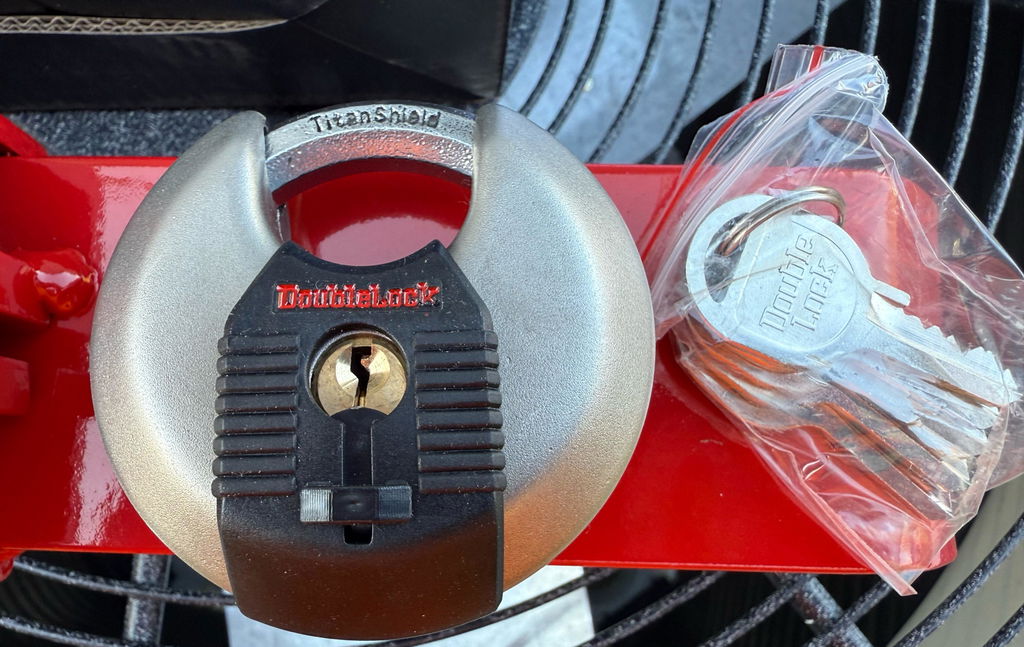
Puck security devices get their name from their round, hockey puck-like shape, but their real advantage is the hidden shackle design. This feature makes them highly resistant to cutting and prying attacks because there’s simply no exposed shackle for a thief to grab onto with bolt cutters. Their unique shape allows them to fit snugly against the container's securing mechanism, creating a solid barrier with minimal vulnerabilities. This design provides an added layer of protection that is both compact and powerful. If you’re looking for a streamlined, high-security option that leaves very little for a potential intruder to work with, this type of safeguard is an excellent choice.
Armored Padlocks
Think of an armored padlock as a standard heavy-duty safeguard with its own personal bodyguard. These security devices feature a protective casing that shields the shackle from bolt cutters and other tools, making them an incredibly robust choice for securing shipping containers. The armor essentially covers the most vulnerable part of the mechanism, frustrating any attempts to cut or break it. Built to withstand harsh conditions, our armored padlocks are made from high-strength materials that resist both physical attacks and the elements. This makes them ideal for long-term outdoor storage or for containers in high-risk areas where maximum protection is a priority.
Straight Shackle Padlocks
Straight shackle padlocks are versatile workhorses that can be used in various applications, including securing shipping containers. Also known as "long shackle" or "block" style safeguards, their design is straightforward but effective. They are available in heavy-duty options that provide enhanced security features, such as hardened steel construction and weather-resistant coatings, which are essential for protecting a container. When choosing one, it’s important to select a model built for industrial use rather than a general-purpose one. The right straight shackle padlock offers a great balance of security and utility, providing a dependable solution for a wide range of needs.
How Lock Boxes Reinforce Security
A container lock box isn’t a lock itself, but rather a thick steel housing that gets welded directly onto your container doors. You place your padlock inside the box, which shields it from bolt cutters, grinders, and other brute-force attacks. This creates a formidable barrier that makes it extremely difficult for anyone to access the lock. While it requires permanent installation, a lock box is one of the most effective ways to upgrade your container’s security, making it an excellent investment for protecting high-value assets or for containers stored in vulnerable locations.
Understanding Locking Bars and Crossbars
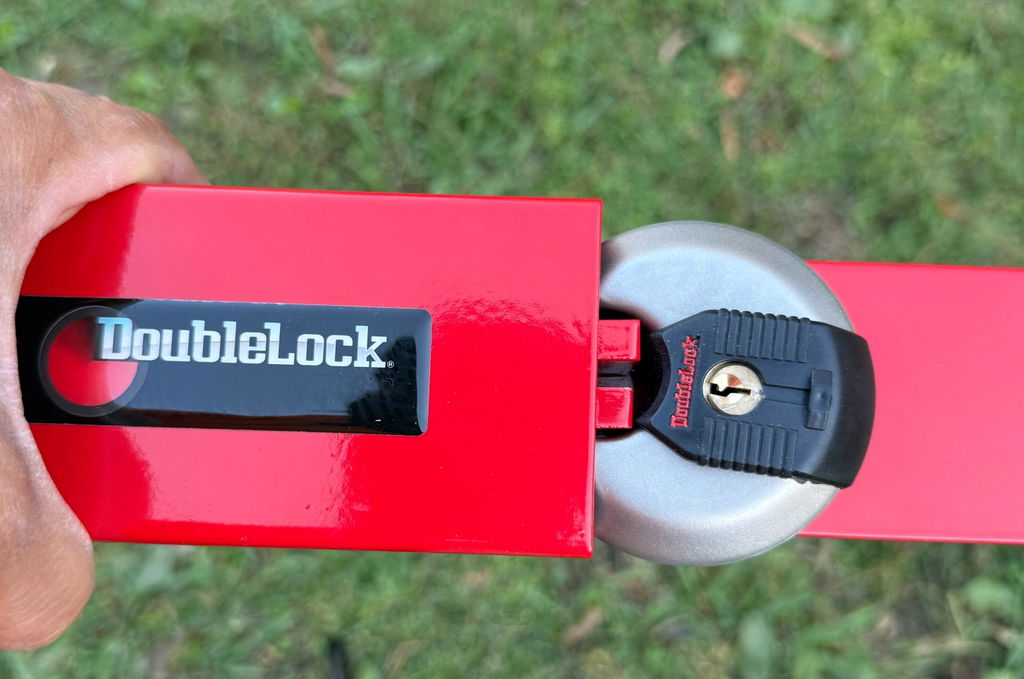
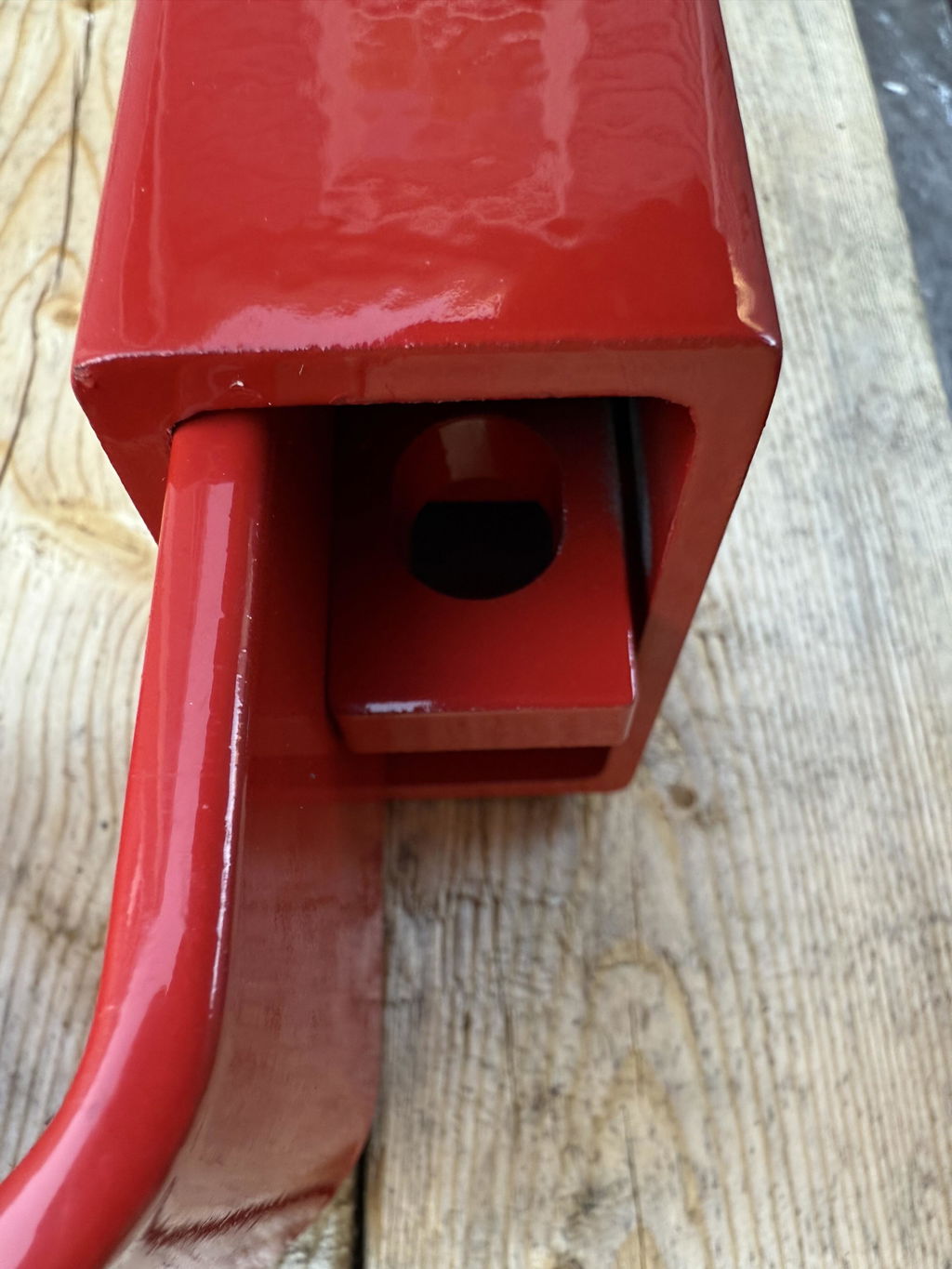
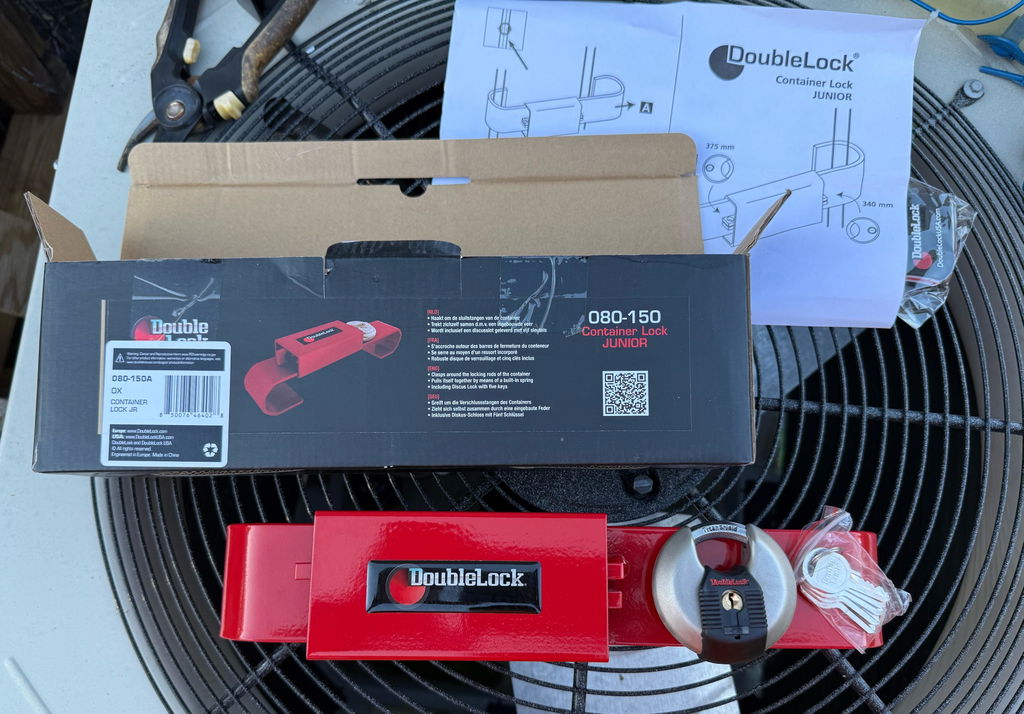
Crossbar locks, also known as locking bars, are a powerful visual deterrent. These heavy-duty steel bars clamp across the container’s vertical locking rods, physically preventing the handles from turning to open the doors. Because they are so robust and visible, they send a clear message that your container is well-protected. They are typically secured with a built-in, high-security key lock and are adjustable to fit most standard containers. Using a crossbar lock is a great way to add a serious layer of security that works independently of the container’s existing latch system.
Are Disc or Electronic Systems Right for You?
Disc locks get their name from their circular shape, which leaves very little of the shackle exposed. This design makes them highly resistant to bolt cutters. They are a tough and compact option, but it’s important to make sure they fit your container’s specific latching hardware, as they aren’t as universal as traditional padlocks. For those needing advanced features, electronic locks offer GPS tracking, remote access control, and digital logs of who opened the container and when. These smart locks provide a level of oversight that goes far beyond physical security, ideal for logistics and managing valuable cargo in transit.
Keyed vs. Keyless Options
The final piece of the puzzle is deciding how you want to operate your security system. Your choice generally comes down to two paths: the classic reliability of a physical key or the modern convenience of a keyless system. Neither one is inherently better than the other; the right choice depends entirely on how you plan to use your container, who needs access to it, and your personal preference for managing security. Let’s look at the practical differences between them.
Combination Systems
Keyless systems, which often use a combination dial or keypad, remove the need for a physical key altogether. This is a huge advantage if you’re worried about keys getting lost, stolen, or copied, or if multiple people need access without the hassle of coordinating a key handoff. Some modern keyless options even allow you to simplify access through a mobile app on your phone. This technology not only makes entry easier for authorized users but can also provide a digital log of who opened the container and when, adding an extra layer of oversight.
Keyed-Alike Convenience
On the other hand, traditional keyed mechanisms are straightforward, dependable, and often more affordable upfront. For those managing several containers or multiple secure points on a job site, keyed-alike systems offer a fantastic middle ground. This feature allows you to operate multiple different security devices with a single, identical key, streamlining your daily routine. It gives you the simplicity and strength of a traditional keyed system without the headache of fumbling through a heavy, confusing ring of keys just to find the right one.
What to Look for in a Reputable Brand
When you’re protecting valuable cargo, the lock you choose is only as reliable as the company that made it. With so many options on the market, it’s easy to get lost in technical specs and security ratings. A simpler approach is to start with the brand itself. A trustworthy brand is built on a foundation of quality, durability, and a solid reputation. These aren't just marketing buzzwords; they are the key indicators that a company stands behind its products and is genuinely committed to your security.
Think of it this way: you’re not just buying a piece of metal, you’re investing in peace of mind. A great brand understands this. They focus on smart engineering, use materials that can withstand tough conditions, and have a history of keeping their promises to customers. This commitment is often reflected in everything from their product design to their customer service. When a brand has a clear identity and a proven track record, you can feel more confident that their locks will perform when it matters most. By focusing on the brand first, you can cut through the noise and find a lock that delivers real, dependable protection. Let’s walk through what to look for in a brand you can count on.
Does the Brand Stand Behind Its Products?
A brand truly committed to quality makes security feel straightforward, not complicated. Their products are designed with the user in mind, ensuring they are not only strong but also easy to operate. After all, a lock isn’t effective if it’s too difficult to use correctly. As the experts at Hoefon Security Seals note, "DoubleLock container locking systems are high-quality and very easy to apply. With these locks, you can secure a container within a couple of seconds." This combination of strength and simplicity is the hallmark of a brand that respects your time and values your security. A company’s story and mission often reveal this dedication to creating practical, high-performance solutions.
Warranties and Return Policies
A company’s warranty and return policy says a lot about its confidence in the products it sells. Before you commit to a purchase, it's a good idea to check these details. They act as your safety net and show how much a brand stands by its products. Policies can vary widely; for example, some manufacturers offer a one-year warranty ensuring their products are free from defects in functionality, though this may not cover cosmetic wear. Other companies might provide a more flexible approach, allowing customers to return items within a 30-day window if they are unused. Taking a minute to review these terms helps you make a smart decision and pick a lock from a company that truly backs its engineering.
Why Material Quality and Durability Matter
A lock is your first line of defense, so it needs to be tough. A dependable brand will always be transparent about the materials and engineering that go into its products. Look for locks made from hardened steel and other robust materials designed to resist cutting, drilling, and prying. The best brands engineer their locks for real-world threats, focusing on heavy-duty construction and anti-tamper features. When you see a product described as being "Engineered for high-value cargo protection with robust design and anti-tamper resistance," you know the brand has prioritized strength. You can usually find these details when you browse their products and check the specifications.
Does the Brand Have a Proven Track Record?
A brand's history says a lot about its reliability. A company with a long-standing presence in the security industry has likely earned its place by consistently delivering on its promises. This reputation is built over years of customer trust and proven performance. Industry recognition is also a great sign. For instance, when security experts point out that brands like DoubleLock offer robust security even in their more affordable models, it speaks volumes about the company's high standards across the board. A brand’s heritage isn't just about how long it's been around; it's about a proven track record of protecting what matters most.
What to Look for in a Cargo Container Lock
When you’re ready to buy a lock, it’s easy to get overwhelmed by the options. But a great container lock isn’t defined by a flashy design or a high price tag. It’s all about a core set of features that work together to deliver real, dependable security. Knowing what to look for will help you cut through the noise and find a lock that truly protects your property. Let’s walk through the non-negotiable features every reliable container lock should have.
Prioritizing a Secure, Tamper-Proof Build
First and foremost, a container lock’s main job is to keep unauthorized people out. Look for locks specifically engineered for high-value cargo protection with a robust design and anti-tamper resistance. This means the lock has features that actively prevent common break-in methods like drilling, picking, or cutting. A secure lock should also be simple to operate for authorized users. After all, a high-quality system allows you to secure a container in just a few seconds, giving you confidence without a complicated process. The best designs offer maximum protection while remaining straightforward for you to use.
Bolt Cutter Resistance
Bolt cutters are a go-to tool for thieves because they offer a quick and quiet way to defeat a weak security mechanism. The most vulnerable part of any safeguard is its shackle, the U-shaped bar that fastens it. A standard device can be snapped in seconds. That’s why choosing a mechanism with a thick, hardened steel shackle is non-negotiable. For an even higher level of protection, some systems use a steel housing that is welded to the container doors. This encloses the entire security device, shielding it completely from bolt cutters and grinders. This approach creates a powerful barrier, making brute-force entry nearly impossible and is a key feature in many of our high-security solutions.
Anti-Drill and Anti-Bump Features
While brute force is a common threat, a determined thief might try a more subtle approach. Drilling targets the internal cylinder of a security device to disable it from the inside. A quality safeguard will include anti-drill features, like hardened steel plates or pins, designed to destroy a drill bit on contact. Bumping is another covert technique that uses a specially cut key to manipulate the internal pins. Advanced security mechanisms are engineered to be anti-bump, with complex cylinder designs that won’t yield to this type of attack. These features are a testament to a brand's commitment to comprehensive security, reflecting the kind of thoughtful engineering that has been part of our heritage from the beginning.
Can It Withstand the Elements?
Your shipping container will face everything from rain and snow to intense sun and salty air, and its lock needs to be able to handle it all. A lock with excellent weather resistance is essential. This feature ensures that the internal mechanisms won’t rust or seize up, which could leave you locked out or, worse, leave your container vulnerable. Durability also means the lock can handle the bumps and shocks of transit without failing. When you’re looking at options, check for descriptions like "all-weather" to find freight container padlocks built to withstand harsh environmental conditions day in and day out.
Why Solid Construction is Crucial
The materials a lock is made from directly impact its strength. You can’t compromise here. The most secure locks are built with hardened steel, anti-corrosion finishes, and complex key systems. Tough steel construction makes a lock incredibly durable and difficult for bolt cutters to break, providing a strong physical barrier against forced entry. A brand’s commitment to using premium materials is often a reflection of its overall dedication to quality. This focus on solid construction is part of a brand’s heritage and a key indicator that you’re investing in a product designed to last and perform under pressure.
Common Materials: From Hardened Steel to Boron Steel
The material a lock is made from is the foundation of its strength. You’ll most often see hardened steel, and for good reason. This material is heat-treated to create an incredibly tough surface that resists attacks from bolt cutters and drills. For an even higher level of protection, some of the most robust locks use boron steel. This alloy is exceptionally hard, making it a serious challenge for anyone trying to saw or cut through it. It’s also important to consider materials that fight corrosion, like stainless steel, which ensures your lock operates reliably through rain, humidity, and salty air. When you browse security options, checking the material specifications is a simple way to gauge the lock's true durability and strength.
Is It Easy to Install and Use?
A lock can have the most advanced security features in the world, but if it’s too complicated to install or use correctly, it won’t be effective. The best container locks are designed to be user-friendly. Look for a lock that is easy for everyone authorized to use and fits securely over your container’s existing latch mechanisms without requiring special tools or a lengthy setup. A straightforward design reduces the risk of improper installation, which can create weak points. When a lock is simple to operate, your team is more likely to use it consistently, ensuring your container is always protected.
Ensuring the Right Fit
Even the most robust lock is useless if it doesn’t fit your container’s hardware correctly. A poor fit can create vulnerabilities, making it easier for someone to pry or cut the lock, completely undermining your security efforts. Before you make a purchase, it’s essential to confirm that the lock you choose is compatible with your specific container. This isn’t about finding a lock that just barely works; it’s about finding one that integrates seamlessly with your container’s latching system to create a truly secure barrier. Let’s cover the two key aspects of a proper fit: shackle clearance and adjustability, to make sure your investment provides the protection you expect.
Checking Shackle Clearance
Shackle clearance refers to the amount of open space within the lock’s shackle. This space needs to be large enough to fit around your container’s latch or hasp, but not so large that it leaves excessive room for play. A loose-fitting lock is a prime target for prying tools, as the extra space gives a thief leverage to apply force. When you browse different locks, pay close attention to the product specifications, which should list the shackle’s dimensions. Taking a moment to measure your container’s hardware beforehand is a simple but critical step to ensure you get a snug, secure fit that minimizes vulnerabilities and maximizes protection.
The Importance of Adjustability
Not all shipping container hardware is perfectly uniform, and that’s where an adjustable lock becomes incredibly valuable. Adjustability offers the flexibility to fit a variety of setups, ensuring a tight connection every time. This is especially useful if you manage multiple containers or plan to use the lock on different assets in the future. Reputable brands offer different types of locks, including those with straight shackles, that are made from tough materials like armored or boron steel. An adjustable feature is a sign of thoughtful engineering, designed to provide a more versatile and reliable security solution. It removes the guesswork and helps you achieve a secure fit, even when dealing with slight variations in container hardware.
What Really Makes a Lock Secure?
A lock’s true strength isn’t just a number on a package. Real-world security is about how a lock performs day in and day out, facing everything from determined thieves to harsh weather. It’s about having confidence that your assets are protected, no matter what. To get that peace of mind, you need to look past marketing claims and focus on the factors that genuinely determine a lock’s ability to stand its ground. Judging a lock means understanding its core components, from its rating to its raw materials and proper application.
What Do Security Ratings Actually Mean?
Security ratings can be a helpful starting point, but they don't tell the whole story. These systems test a lock against specific attacks like picking or drilling under controlled lab conditions. While a high rating indicates a certain level of quality, it’s a baseline, not the final word. After all, choosing the right lock for your container is the first critical step in keeping your items safe. Use security ratings to narrow down your options, but be prepared to dig deeper to find a lock that’s truly built for real-world challenges.
How to Check for Tamper Resistance
The materials a lock is made from are fundamental to its strength. Look for locks built with hardened steel, which is treated to resist cutting, sawing, and drilling. This is your first line of defense against brute-force attacks. A lock with a tough steel construction makes it incredibly difficult for tools like bolt cutters to get a grip or make an impact. Additionally, anti-corrosion coatings are essential for outdoor use, ensuring that rust and weather don’t weaken the lock over time. A truly secure lock is just as strong on day one hundred as it was on day one.
Performance Factors That Truly Matter
Beyond ratings and materials, a lock’s real-world performance comes down to durability and proper use. Investing in a durable lock is essential for protecting your goods, whether they’re in transit or storage. But even the toughest lock can’t do its job if it’s installed incorrectly. As security experts warn, putting a lock in the wrong place on a shipping container can undermine its effectiveness and leave your valuables vulnerable. True security is a combination of a high-quality product and correct application. Always follow the manufacturer’s instructions to get the maximum protection your lock was designed to offer.
Common (and Costly) Mistakes to Avoid
Choosing the right lock for your cargo container can feel like a big decision, and it is. The security of your valuable assets is on the line. To help you make a confident choice, let’s walk through some of the most common missteps people make. Steering clear of these pitfalls will save you time, money, and a whole lot of stress down the road. A little bit of know-how goes a long way in ensuring your container stays sealed and secure.
Why the Cheapest Option Isn't the Best
It’s always tempting to go for the cheapest option on the shelf, but when it comes to security, that can be a costly mistake. While your budget is important, a lock chosen only for its low price tag often leads to poor security and a higher risk of theft. Think of a quality lock not as an expense, but as an investment in protecting what’s inside your container. A cheap lock that fails can cost you far more than the initial savings. Investing in a high-quality lock from the start means you get reliable protection that stands the test of time, giving you genuine peace of mind.
The Problem with Overly Complex Systems
A lock with a dozen complex steps might seem more secure, but it can quickly become a liability. The best lock is one that authorized people can use easily and correctly every single time. If a lock is too complicated, it can lead to frustration, and people might start taking shortcuts or stop using it altogether, leaving your container vulnerable. Security should be straightforward, not a puzzle. Look for a lock that combines robust, tamper-resistant features with a user-friendly design. Your security system is only as strong as its consistent, correct use.
The Dangers of Improper Installation
You could have the toughest, most advanced lock on the market, but if it’s not installed correctly, it won’t do its job. Attaching a lock to the wrong part of a shipping container can create a critical weak point that undermines its entire purpose. Always take a moment to read the manufacturer’s instructions and understand how the lock is designed to work with your container’s specific hardware. Proper placement is key to creating a truly secure seal. Taking a few extra minutes to install your lock correctly ensures you’re getting the full security benefit you paid for.
Overlooking Long-Term Durability
Durability is just as important as the locking mechanism itself. A lock on a shipping container is exposed to everything: rain, sun, salt spray, and extreme temperatures. Ignoring durability can lead to choosing a lock that rusts, seizes, or fails when faced with harsh conditions or physical force. Look for locks made from hardened steel with weather-resistant coatings. A brand with a proven track record of durability shows a commitment to creating products that last. A durable lock won’t just resist tampering; it will also withstand the daily wear and tear of the environment it lives in.
Matching the Right Lock to Your Needs
Finding the perfect lock isn't a one-size-fits-all situation. The right choice depends entirely on what you're protecting, where it's located, and your budget. A lock for a high-value commercial shipment will have different features than one used for on-site storage at a construction project. To make the best decision, you need to match the lock's capabilities to your specific security demands. Let's walk through a few common scenarios to help you identify the ideal lock for your container.
Choosing a Lock for Commercial Use
When you're protecting high-value cargo, there's no room for compromise. This is where you invest in best-in-class, heavy-duty security. Look for locks engineered specifically for robust protection, with features like anti-tamper resistance. For example, DoubleLock’s container locking systems are designed to be both high-quality and incredibly easy to apply, letting you secure a container in just a few seconds. This combination of speed and strength is exactly what you need when valuable assets are on the line. Don't settle for anything less than a lock built to withstand serious threats.
Everyday Protection for Your Container
For everyday storage or standard shipping needs, you need a lock that balances solid security with practical usability. Choosing the right lock for your shipping container is key to keeping your items safe without creating a hassle for your team. A great option for this is a crossbar lock, which clamps directly onto the container doors and is secured with a key. This design provides a reliable level of security that’s perfect for deterring opportunistic theft. It’s a straightforward, effective solution that gives you peace of mind for your day-to-day operations.
Finding a Balance Between Cost and Security
Working with a budget doesn't mean you have to skimp on security. While it’s tempting to just pick the cheapest option, choosing a lock based solely on price can leave your assets vulnerable. The trick is to find a lock that offers proven reliability and is simple to operate. Always pick a lock that's easy for everyone authorized to use it; a complicated system can lead to mistakes. Instead of focusing on the lowest price tag, look for a brand with a strong heritage of quality. This ensures you’re getting a durable, trustworthy lock that provides real security without breaking the bank.
Where to Buy a Quality Container Lock
Once you know what you’re looking for, the final step is finding the right place to buy your container lock. Where you purchase your lock is just as important as which one you choose, as it ensures you’re getting a genuine, high-quality product backed by solid customer support. Whether you prefer to see a product in person or shop from the convenience of your office, you have some great options for securing a lock you can depend on.
The Benefit of Trusted Retailers
Your best bet for finding a reliable cargo container lock is to start with a trusted retailer or an authorized dealer. Shopping from a reputable source means you can be confident in the quality and security of the lock you’re buying. Major hardware stores like The Lowe's and Lowe's are excellent places to start, as they stock products from established brands you can trust. Visiting a physical store allows you to handle the lock, feel its weight, and inspect the construction up close. When you buy from an authorized seller, you know you’re getting the real deal, not a cheap imitation. This is the surest way to get a lock that performs as promised and keeps your valuable items safe.
Considering Online Stores and Bulk Buys
Online shopping offers a convenient way to browse a wide variety of container locks and compare features side-by-side without leaving your desk. You can find everything from heavy-duty padlocks to specialized cargo door locks and protective lock boxes, often with detailed specifications and customer reviews to guide your decision. If you need to secure multiple containers, look for options that are "keyed alike," which allows you to use a single key for all your locks. This simplifies access and saves you a lot of time. For businesses looking to purchase multiple units, exploring wholesale options can also provide great value and ensure you get consistent, high-quality security across all your assets.
Using Customer Ratings and Reviews
When you’re browsing online, customer feedback can be one of your most reliable guides. Look for security devices that consistently earn ratings of four stars or higher from a large number of buyers. Pay attention to purchase volume as well. When you see that a particular piece of security hardware has been purchased hundreds or even thousands of times in a single month, it’s a strong indicator of its popularity and effectiveness. This kind of social proof shows that many others have trusted the product to protect their property and have been satisfied with its performance, giving you more confidence in your own choice.
Checking Purchase and Return Data
Beyond star ratings, another powerful indicator of quality is a product’s return rate. Many online retailers will note when an item is "returned rarely," and this small detail speaks volumes. A low return rate means the security mechanism is meeting or exceeding customer expectations in the real world. It suggests the device is durable, functions as described, and provides the level of protection people were counting on. A brand with a strong heritage of quality engineering is more likely to produce safeguards that customers are happy to keep, making this a key metric to check before you buy.
Related Articles
- Securing Shipping Containers: The Bull Heavy-Duty Lock for Reliable Cargo Protection
- Why Strong Container Locks Are More Crucial Than Ever
- BULL Cargo Container Lock | Max Duty Freight Lock
Frequently Asked Questions
Can I just use a standard padlock on my shipping container? While it might seem like an easy fix, a standard padlock isn't built for the job. Shipping container locks are specifically engineered with hardened steel and anti-tamper features to resist brute-force attacks like cutting and prying. A regular lock simply doesn't offer the same level of durability or weather resistance, leaving your container far more vulnerable than you might think.
Is a more expensive lock always a more secure lock? Not necessarily. While price can be an indicator of quality materials and engineering, it isn't the only factor. A better approach is to focus on the lock's features, like hardened steel construction, weather resistance, and a tamper-proof design. A mid-priced lock from a reputable brand with these core features will often provide better real-world security than an expensive, overly complicated one that's difficult to use correctly.
What's the most common mistake people make after buying a good lock? The biggest misstep is incorrect installation. You can have the strongest lock in the world, but if it's attached to the wrong part of the container or isn't properly secured, it creates a weak point for thieves to exploit. Always follow the manufacturer's instructions to ensure the lock is placed correctly on the latching hardware for maximum effectiveness.
How do I choose between a padlock with a lock box and a crossbar lock? Think about permanence and visibility. A lock box is welded onto the container doors, creating a permanent steel shield around your padlock, which is great for long-term storage. A crossbar lock clamps across the vertical door bars and is removable, offering a powerful visual deterrent that can be moved between containers. Both are excellent choices, so your decision depends on whether you need a permanent fixture or a more flexible, high-visibility option.
Besides the lock itself, what makes a brand trustworthy? A trustworthy brand has a proven history of reliability and is transparent about its products. Look for a company with a clear heritage in the security industry and positive feedback from experts and customers. A great brand stands behind its engineering, uses high-quality materials across its entire product line, and focuses on creating security solutions that are both strong and straightforward to use.