
A shipping container is a serious asset, whether it's on a busy job site or your own property. But its security is only as good as its lock. The right choice depends entirely on how you use it. A container you access daily has different needs than one sitting in long-term storage, which is why a one-size-fits-all approach just doesn't cut it. To make a smart decision, you need to understand the different types of container locks available. This guide will walk you through the most common options, helping you match the right security to your container’s location and contents.
Key Takeaways
- Choose a lock based on your specific situation: Assess your cargo's value and the container's environment to determine the right level of security. This will help you decide between a versatile heavy-duty padlock, a high-security hidden shackle lock, or a formidable crossbar lock.
- Focus on features that defeat common threats: A truly secure lock is made from hardened steel to resist force, has anti-drill and anti-cut properties to stop tools, and includes weather protection to prevent rust and seizure from exposure to the elements.
- Perform regular maintenance for long-term reliability: Extend your lock's life with a simple routine. Regularly inspect it for damage, clean the keyway with compressed air, and apply a graphite or silicone-based lubricant to keep the mechanism working smoothly.
Security vs. Structural: The Two Main Categories of Container Locks
When choosing a device for a shipping container, it helps to know they fall into two main categories: security and structural. While both are essential, they serve different functions. Security devices prevent unauthorized access and protect contents from theft. Structural devices, however, are designed to safely attach the container to a truck, ship, or another container during transit. Understanding this distinction is the first step in selecting the right equipment for your needs.
Security Locks: Protecting Your Cargo
Security devices are your first line of defense against theft. Their purpose is to keep your cargo safe. Common options include high-security padlocks paired with steel lock boxes welded onto the container doors. This setup shields the padlock, making it nearly impossible for bolt cutters to reach the shackle. For more robust protection, crossbar locks offer a formidable solution. These heavy-duty steel clamps fit over the vertical locking rods, providing reinforcement to deter thieves. When selecting a security device, focus on high-quality materials and designs that resist cutting and tampering, like the ones we've developed at DoubleLock USA.
Structural Locks: Ensuring Safe Transport
Unlike security devices, structural mechanisms are for transportation safety, ensuring containers can be stacked and connected without shifting. The most common type is the twist lock, which fits into a container's corner castings. Manual twist locks are the simplest version, requiring a worker to turn them by hand. A more advanced option is the semi-automatic twist lock, which engages automatically when a container is lowered onto it. For connecting containers side-by-side, especially on ships or barges, bridge fittings are used to prevent horizontal movement.
Internal vs. External Locks: A Key Distinction
Within the security category, you can also distinguish between internal and external devices. External devices, like padlocks and crossbar locks, are visible on the outside, and their visibility can act as a deterrent. However, their exposure makes them more accessible to tampering. Internal devices are installed inside the container, making them completely hidden. This concealment makes them much more difficult for a thief to locate and break. The best choice depends on your security strategy—whether you prefer a visible deterrent or the covert protection of a hidden mechanism.
Your Guide to the Different Types of Container Locks
Choosing the right lock for your shipping container can feel like a big decision, but it’s simpler when you understand your options. The best lock depends on what you’re storing, where the container is located, and how often you need to access it. From straightforward padlocks to specialized crossbar systems, each type offers a different level of protection. Understanding these differences is the first step toward securing your assets effectively.
Whether you need to protect equipment on a construction site or goods in a storage yard, there’s a solution designed for the job. Let’s walk through the five main types of container locks so you can find the perfect fit for your security needs.
Heavy-Duty Padlocks
When you think of a lock, a padlock is probably what comes to mind. Heavy-duty padlocks are a reliable and popular choice for container security. Made from robust materials like hardened steel, they are specifically designed to withstand forceful attacks, including cutting and drilling. This makes them an excellent option for situations where theft is a major concern, especially if your container will be left unattended for long periods. When selecting one, look for a model with a thick shackle and a solid body to ensure it provides the high-quality security you need to protect your valuable assets.
Maximum Security with Hidden Shackle Designs
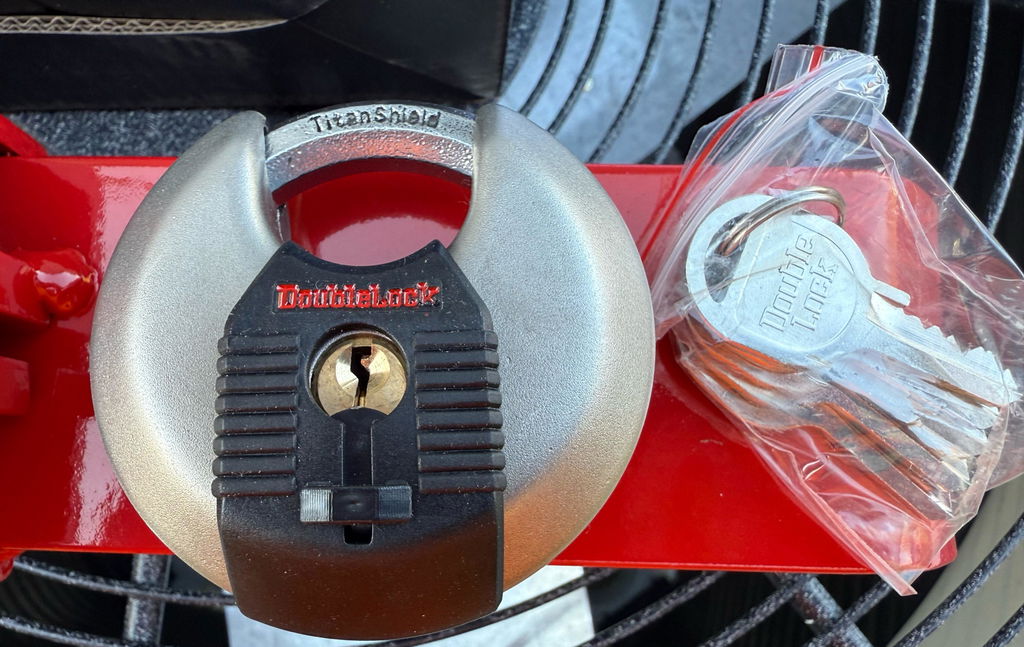
For a significant step up in security, consider a hidden shackle lock. These are sometimes called puck locks because of their round shape. Their design is clever: the shackle, which is the U-shaped part of a padlock that is most vulnerable to bolt cutters, is almost completely concealed within the lock’s solid steel body. This leaves very little of the shackle exposed, making it extremely difficult for a thief to cut or pry it open. Hidden shackle locks are a smart choice for protecting high-value items or for containers located in high-risk areas where you need maximum protection against tampering.
Securing Doors with a Crossbar Lock
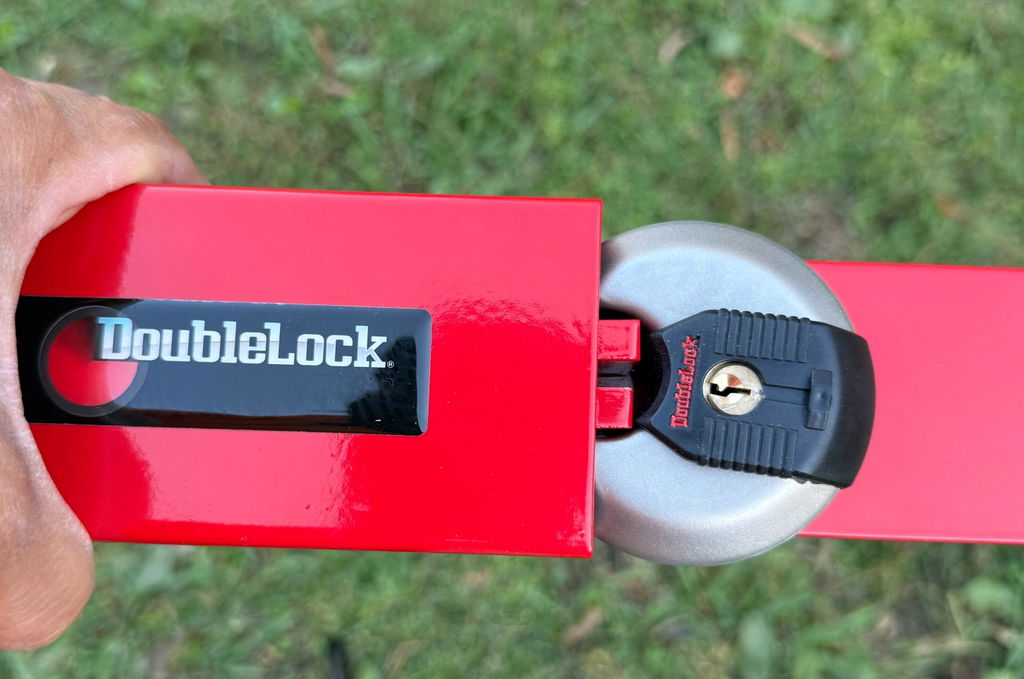
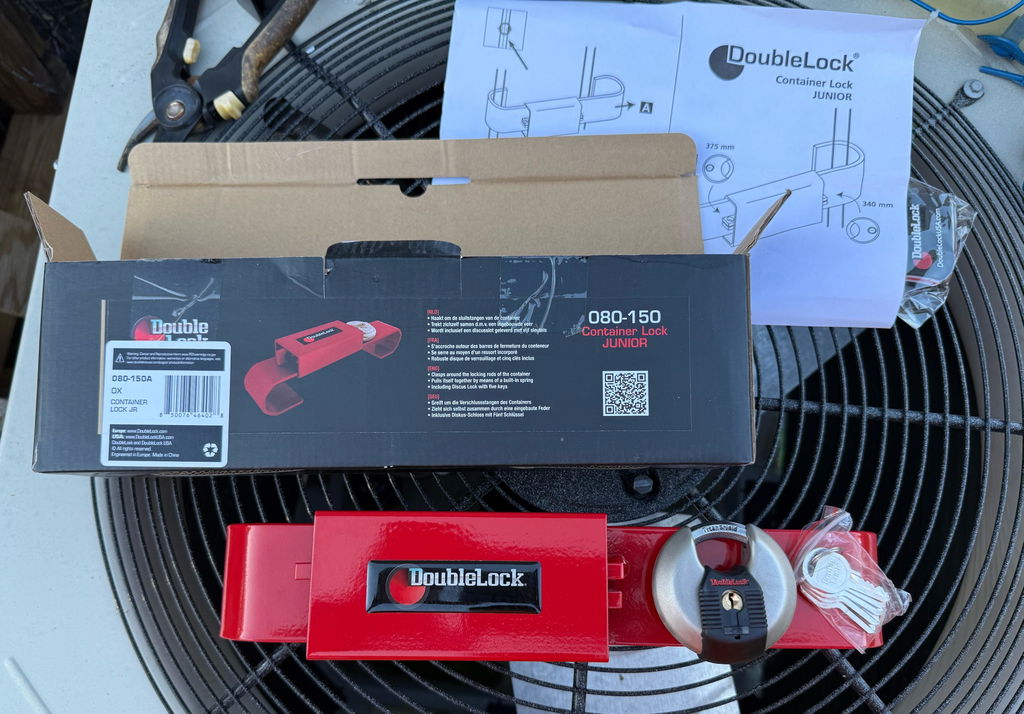
Crossbar locks offer a powerful visual deterrent and a formidable physical barrier. These devices consist of a long steel bar that extends across both container doors, latching onto the vertical locking rods. Once in place and secured with a padlock, a crossbar lock prevents the doors from being opened even if the container’s own locking mechanism is compromised. Their heavy-duty construction makes them very resistant to being cut or pried off. The presence of a crossbar lock sends a clear message to potential thieves that the container is well-protected, which can discourage break-in attempts before they even start.
Adding a Layer of Protection with Lockboxes
A lockbox is not a lock itself but rather a thick steel housing that gets welded directly onto the container door. It creates a protective enclosure around your padlock, shielding it from direct attack. With a lockbox installed, it becomes nearly impossible for thieves to use tools like bolt cutters, grinders, or pry bars on the padlock’s shackle. This added layer of security is highly effective for safeguarding valuable goods. Combining a high-quality padlock with a sturdy lockbox creates one of the most secure setups you can have for a stationary shipping container, giving you peace of mind.
Bolt Seals for Tamper Evidence
For containers in transit, knowing if someone has tried to gain access is just as important as stopping them. This is where bolt seals come in. A bolt seal is a high-strength, single-use security device designed to provide clear evidence of tampering. Once the heavy-duty steel pin is secured, it cannot be removed without bolt cutters, breaking the seal permanently. This means you can see at a glance if the cargo has been compromised during its journey. They are an essential tool for shipping and logistics, offering a simple yet effective way to maintain the integrity of your goods from point A to point B.
Why Bolt Seals Are Better Than Traditional Seals
While simple plastic or wire seals can show evidence of entry, bolt seals offer a much higher level of security. Their robust steel construction makes them far more resistant to being broken by accident or by a casual attempt at theft. Unlike traditional seals that can sometimes be manipulated or replaced, a bolt seal’s unique serial number and sturdy design ensure that any unauthorized access is immediately obvious and verifiable. This makes them a superior choice for high-value shipments or any situation where you need undeniable proof that your container has remained unopened and secure throughout its entire transit.
Claw Locks
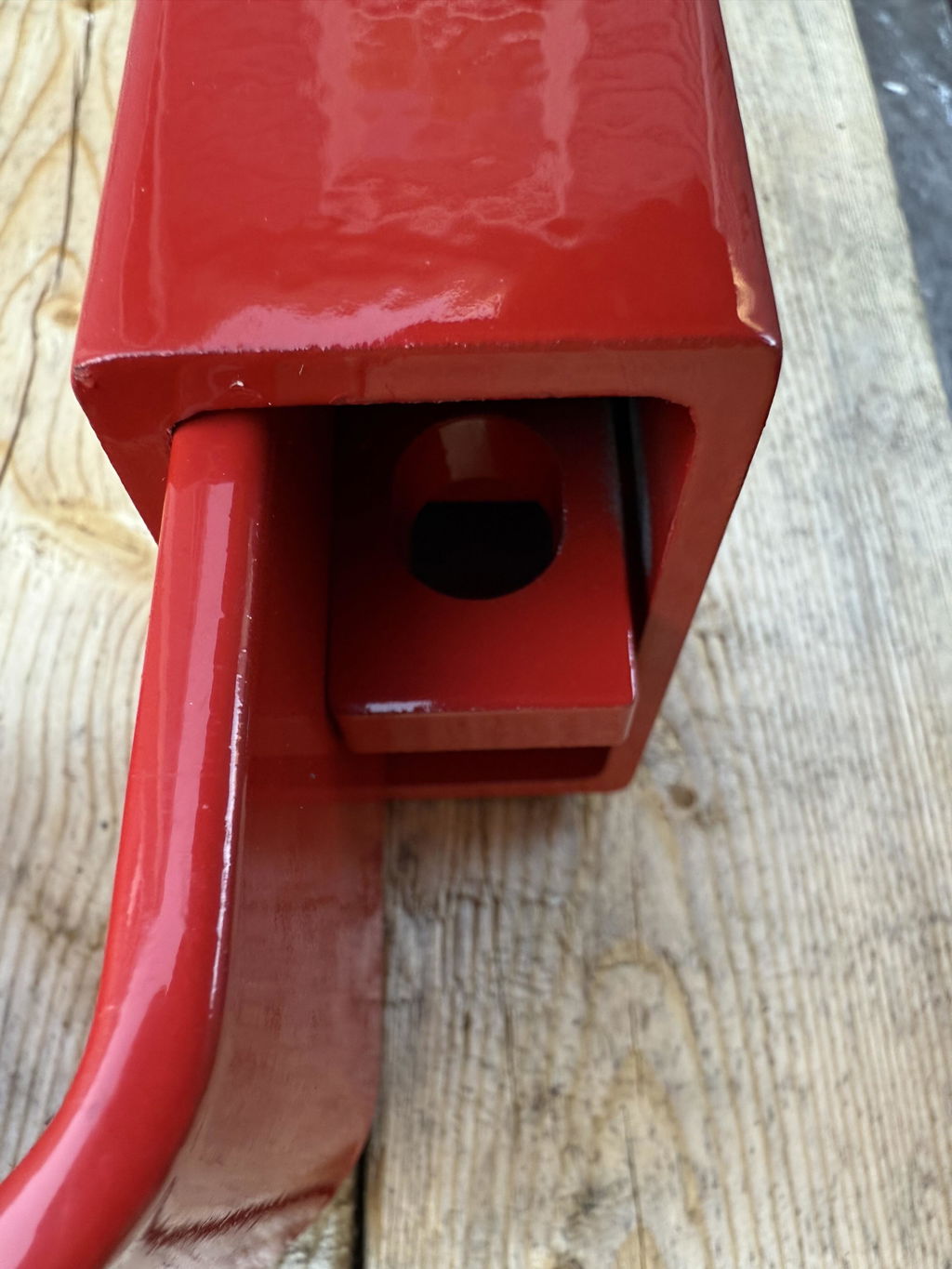
A claw-style security device offers a unique approach by securing the container’s own hardware. Instead of covering the handles, this type of mechanism clamps directly onto the vertical locking rods of the container doors. By gripping these rods tightly, it prevents them from rotating, effectively immobilizing the door’s opening mechanism. This design makes it incredibly difficult to force the doors open. Claw-style devices are built from thick, solid steel and provide a powerful layer of protection that works with the container's existing structure to create a formidable barrier against unauthorized entry, making them a popular choice for both storage and transport.
Cylinder Locks
For a more discreet security solution, a cylinder mechanism is an excellent option. These specialized devices are designed to fit inside a protective steel housing, known as a lockbox, that is often welded to the container. Because the cylinder is recessed within this housing, it is shielded from direct attacks by tools like bolt cutters or grinders. This integrated setup is not only highly secure but also maintains a low profile, which can be an advantage in certain locations. Their design also offers great protection against the elements, making them a reliable choice for long-term, stationary storage where durability in harsh weather is a priority.
Internal Locking Mechanisms
When you want security that is completely hidden from the outside, an internal securing mechanism is the answer. These systems are installed on the inside of the container, making them invisible and inaccessible to anyone trying to break in. Because there are no external components to tamper with, a potential thief may not even be aware that an additional security device is in place. This element of surprise adds a significant layer of protection. Internal systems are ideal for long-term storage of valuable equipment or personal belongings, providing ultimate peace of mind through concealed reinforcement.
Digital and Smart Locks
Bringing container security into the modern age, digital access systems replace physical keys with electronic credentials, often managed through a smartphone app. These advanced devices allow you to grant or revoke access remotely and, most importantly, create a detailed log of all activity. Every time the container is opened, the system records who accessed it, along with the precise time and location. This level of oversight is invaluable for businesses that need to manage access for multiple employees or track shipments closely. It transforms container security from a simple barrier into an intelligent monitoring system.
Solving the Problems of Physical Keys
Traditional keys present a number of security challenges. They can be lost, stolen, or copied without your knowledge, creating permanent vulnerabilities. When an employee leaves, there is always a risk they may have kept a key, forcing the costly process of replacing the security hardware. Digital systems eliminate these problems entirely. Access can be instantly revoked for a lost phone or a former employee, and since there’s no physical key to duplicate, you maintain complete control over who can open your container. This shift from physical keys to digital credentials provides a more secure, flexible, and manageable solution.
Other Common Security Hardware
Beyond the highly specialized devices designed just for containers, several other types of dependable security hardware are commonly used. These options are often more familiar and can provide excellent protection, especially for stationary containers used for storage. From circular fasteners to keyless coded devices, these solutions offer versatility and can be combined with other hardware to create a layered security approach that fits your specific needs and budget.
Disc Locks
A disc-style fastener is easily recognized by its circular shape, a design that makes it exceptionally secure. The shackle is almost entirely enclosed within the hardened steel body, leaving very little exposed and making it extremely resistant to bolt cutters. This design is a significant improvement over more traditional fasteners with long, exposed shackles. Many of these circular security devices are also built to be weatherproof, so they won’t rust or seize up when exposed to rain and snow. Their combination of strength and durability makes them a go-to choice for securing containers at construction sites and storage facilities.
Combination Locks
For those who prefer to avoid keys altogether, a combination fastener is a convenient solution. These devices use a series of rotating dials to align numbers or letters, removing the risk of lost or broken keys. This can be particularly useful if multiple people need to access the container, as the code can be shared easily without the need to duplicate physical keys. While they offer great convenience, it is important to select a heavy-duty model made from hardened materials to ensure it provides an adequate level of protection for securing a large asset like a shipping container.
Hasps and Staples
A hasp and staple set is a fundamental piece of security hardware that serves as a mounting point for a separate fastening device. The hasp is a hinged metal plate with a slot that fits over a sturdy metal loop, the staple. Once a security mechanism is passed through the staple, the hasp cannot be opened. Heavy-duty hasps are designed to shield the device’s shackle, adding another layer of protection against cutting or prying. Installing a robust hasp is an easy and effective way to reinforce your container doors, allowing you to use a high-quality disc or combination fastener for reliable security.
How Twist Locks Secure Containers in Transit
Twist locks serve a very different but crucial purpose. Instead of securing the container doors against unauthorized entry, these specialized devices are designed to secure the container itself. They are essential for safely stacking containers on top of one another or fastening them to a truck chassis or ship deck during transport. Twist locks fit into the corner castings found on all standard shipping containers and feature a mechanism that rotates to lock them firmly in place. While they don’t prevent theft from inside the container, they are vital for ensuring stability and safety during shipping and handling.
A Closer Look at How Each Lock Functions
Understanding how different locks function is the first step toward choosing the right one for your needs. Each type offers a unique mechanism designed to protect your container and its contents. From the simple reliability of a padlock to the specialized function of a twist lock, the way a lock operates directly impacts its security level and best use case. Let's look at the mechanics behind five common types of container locks so you can make an informed decision.
How a Simple Padlock Keeps Things Secure
Padlocks are the most familiar and versatile option for securing a shipping container. Their mechanism is straightforward: a shackle, which is the U-shaped bar, passes through an opening on the container's latch and locks into the body. For container security, you’ll want a heavy-duty padlock with a hardened steel body and a thick, long shackle that fits snugly. This design makes it resistant to cutting and prying. While simple, a high-quality padlock is a reliable first line of defense. They are often used in combination with a lockbox, which adds another layer of protection by shielding the padlock from direct attacks with tools like bolt cutters.
Why Hidden Shackles Are So Hard to Break
A hidden shackle lock, sometimes called a discus lock, offers a significant security advantage by concealing its most vulnerable part. The shackle is almost entirely enclosed within the lock's circular or puck-shaped steel body. This design leaves very little of the shackle exposed, making it nearly impossible for thieves to get a grip with bolt cutters or a saw. To use it, you slide the lock over the container's latch hardware, and an internal bolt slides into place to secure it. This type of lock is an excellent choice for high-value cargo or containers left in unmonitored locations, providing a robust defense against common break-in methods.
How to Use a Crossbar Lock Correctly
Crossbar locks provide a powerful visual deterrent and a formidable physical barrier. These devices consist of a long, heavy-duty steel bar that extends across both container doors, securing the vertical locking rods. The lock clamps onto the rods, making it impossible to swing the doors open. Because they are large, heavy, and made of thick steel, they are extremely difficult to cut, pry, or remove without the proper key. Crossbar locks are typically adjustable to fit standard container sizes and are ideal for stationary storage or as an added security measure during transport. Their main function is to physically prevent the doors from separating.
How Lockboxes Provide Protection
A lockbox is not a lock itself but rather a thick steel housing that provides armor for your padlock. It is welded directly onto the container doors, creating a protective enclosure around the lock. You place your padlock inside the box, where it is shielded from all sides. The only part left accessible is the bottom of the padlock where you insert the key. This setup effectively protects the lock’s body and shackle from being tampered with, struck, or cut by bolt cutters. By combining a durable padlock with a sturdy lockbox, you create a highly secure system that frustrates even the most determined thieves.
Securing Cargo with Twist Locks
Unlike the other locks on this list, twist locks are not designed to prevent theft from inside a container. Instead, their job is to secure the container itself. These specialized devices are used to lock containers to a truck chassis, a ship's deck, or even to other containers when they are stacked. A twist lock fits into the corner castings, which are the standardized corner fittings on every shipping container. Once inserted, a handle is turned to "twist" the locking head into place, firmly connecting the container to its foundation or to another unit. This mechanism is essential for ensuring the safe and stable transport of cargo across land and sea.
Manual, Semi-Automatic, and Automatic Twist Locks
Twist locks are generally categorized by how they operate: manual, semi-automatic, or automatic. Manual twist locks are the most fundamental type, requiring a worker to physically turn a handle to engage or disengage the locking mechanism. Semi-automatic versions offer a middle ground; they might lock automatically when a container is lowered into place but still need to be unlocked by hand. This design helps speed up the loading process. Fully automatic twist locks, as the name suggests, operate without any manual intervention and are typically used in large, high-efficiency port operations where speed is critical for loading and unloading massive vessels.
Specialized Twist Locks
Beyond the basic operational types, there are several specialized twist locks designed for specific situations. The exact model needed depends on how and where the container is being secured—whether it's being fastened to a truck chassis, a rail car, or the deck of a ship. For example, dovetail twist locks have a special base that slides into a dovetail foundation on a ship's deck to create a secure anchor point. The variety ensures that for every transport scenario, there is a piece of hardware engineered for a perfect, secure fit. This commitment to specialized solutions is a core principle in the world of security and transport.
Bridge Fittings for Horizontal Security
While twist locks handle vertical stacking and securing containers to a surface, bridge fittings are used to connect containers horizontally. These heavy-duty clamps link containers together side-by-side, creating a single, stable block. This is especially important during sea transport on barges or ships, where the constant motion could cause individual containers to shift, tip, or fall. By locking them together, bridge fittings distribute the forces across multiple units, significantly improving the stability and safety of the entire cargo stack. They work in tandem with twist locks to ensure containers remain immobile throughout their journey.
Key Security Features to Look For
Choosing the right container lock goes beyond just picking one that fits. The best locks have specific features designed to counter common theft methods and withstand harsh conditions. When you're comparing options, looking for these key security characteristics will help you find a lock that offers genuine protection and peace of mind. Think of these features as a checklist for quality and resilience, ensuring your assets are truly secure.
Why Hardened Steel is a Must-Have
The foundation of any great lock is the material it’s made from. For maximum security, look for locks made from hardened steel. This material is specially treated to be incredibly tough, making it highly resistant to brute force attacks like hammering or prying. Heavy-duty locks are built to withstand significant force, which is essential for containers left in remote or high-risk locations for long periods. A lock’s ability to resist physical attacks starts with its construction, so never compromise on material quality. You can find a range of high-quality locks built for this kind of strength.
Finding a Lock That Resists Cutting and Drilling
Determined thieves often come equipped with tools like bolt cutters and drills. A standard lock is no match for these instruments, which is why cut and drill resistance is a critical feature. Look for locks with a hidden or shrouded shackle, which leaves very little of the shackle exposed and makes it nearly impossible for bolt cutters to get a grip. Inside the lock, features like hardened steel pins and anti-drill plates prevent a drill bit from penetrating the cylinder mechanism. These defensive measures are designed to stop a break-in attempt before it can even start.
Protecting Your Lock from Rust and Weather
A container lock is constantly exposed to the elements, from rain and snow to intense heat and salty air. Without proper protection, a lock can rust and corrode, eventually seizing up or becoming weak. The best locks for containers are made from corrosion-resistant materials like stainless steel or have a protective coating. This ensures the lock functions smoothly year-round, no matter the weather conditions. A durable, weather-resistant lock is not just a security feature; it’s a practical necessity for ensuring reliable access and long-term performance.
How Tamper-Evident Features Give You Peace of Mind
Sometimes, the goal of a security feature is to make a thief’s job as difficult and time-consuming as possible. Tamper-evident designs are built to frustrate and deter. For example, some security systems use steel lock boxes that weld directly onto the container doors. The padlock is then placed inside this protective casing, shielding it from direct attacks with tools like bolt cutters or grinders. This added layer of steel makes it much harder for anyone to mess with the lock itself, often convincing them to give up and move on to an easier target.
Guarding Against Picking and Bumping
Not all attacks involve brute force. Skilled thieves may try to manipulate the lock’s internal mechanism through picking or bumping. Lock picking uses special tools to align the pins and open the lock, while bumping uses a specially cut key to jolt the pins into place. High-security locks counter these subtle techniques with complex internal features. Look for locks with intricate keyways, multiple rows of pins, and special security pins that are difficult to manipulate. These advanced mechanisms are designed to stop even the most sophisticated attacks, providing a higher level of internal security.
How to Choose the Right Container Lock
Selecting the right lock for your shipping container goes beyond just picking one off the shelf. The best choice depends on what you’re storing, where the container is located, and how often you need to access it. A lock is your first line of defense, so it’s worth taking a moment to think through your specific needs. By considering a few key factors, you can find a security solution that offers both protection and practicality, giving you confidence that your assets are safe.
First, Figure Out Your Security Needs
Start by thinking about the value of the items inside your container. Are you storing expensive equipment for a construction job, personal belongings for a move, or commercial inventory? The higher the value, the more robust your security should be. Choosing the right lock is a simple but powerful way to protect your valuable items. For high-stakes situations, a basic padlock may not be enough. You might need a lock with advanced features like drill resistance or a hidden shackle. Taking stock of what you’re protecting will help you narrow down your security options and find the right level of defense.
Will It Fit? Checking for Compatibility
Not every lock works with every container. Before you make a purchase, examine your container’s locking mechanism. Look at the size of the hasps, the spacing of the lock rods, and whether it has a built-in lockbox. A lock should fit snugly to be effective; a loose fit can create a weak point that makes it easier to pry or cut. It's very important to secure shipping containers properly to protect the items inside from damage or theft during transport or storage. Make sure the lock you choose is compatible with your container’s design to create a truly secure seal.
How Often Will You Need Access?
Think about who needs to get into the container and how often. If you and your team will be accessing it multiple times a day, a highly complex locking system could become a major inconvenience. On the other hand, if the container is being used for long-term storage with infrequent access, a more elaborate, high-security lock is a sensible choice. Pick a lock that's easy for everyone authorized to use. A lock that is too difficult to operate can lead to frustration, and people may stop using it correctly, which completely undermines its purpose.
The Convenience of Keyed-Alike Systems
If you manage multiple shipping containers or need to secure several points on a job site, you’re familiar with the challenge of a bulky keychain. Searching for the correct key wastes time and complicates access for your team. A keyed-alike system offers a practical solution to this problem. This setup allows a single key to operate a whole set of security devices, which simplifies your daily routine and makes managing your assets much easier. It’s a straightforward change that can significantly improve your operational workflow, especially when you have many items to protect across a large area.
The main benefit of a keyed-alike arrangement is efficiency. Instead of fumbling through a heavy keychain, you have one key that works for every container, gate, or piece of equipment you need to secure. This is particularly helpful for businesses that need to provide access to multiple employees without the headache of distributing and tracking dozens of different keys. This method of using identical keys for multiple security units is a great way to streamline access and improve your entire security management process. It ensures authorized personnel can get what they need quickly, without the delay of figuring out which key goes where.
Factoring in Your Climate and Environment
Your container lock will be exposed to the elements 24/7, so it needs to be tough enough to withstand them. Whether it’s facing rain, snow, salty sea air, or extreme heat, a durable lock is essential. Look for locks made from tough materials like hardened steel with a weather-resistant coating to prevent rust and corrosion. A lock that seizes up due to weather is not only frustrating but also a security risk. Our commitment to quality ensures our locks are built to perform reliably in even the harshest conditions, from marine environments to dusty construction sites.
Consider the Stresses of Travel
If your container will be on the move, its lock needs to endure more than just sitting still. The journey itself, whether by truck, train, or ship, introduces a unique set of challenges. Constant vibrations can wear down internal components, while exposure to salt spray during ocean travel can cause weaker materials to corrode and fail. A lock that isn't built for these conditions can become compromised, making it easier to break or simply leaving it seized and unusable when you arrive. That’s why choosing a lock designed for durability is so important. It needs to be strong enough to handle the physical stresses of transport and protect your cargo from start to finish.
Remember That Time and Noise Are Deterrents
A strong lock does more than just physically block entry; it acts as a powerful deterrent. Most thieves are looking for a quick and quiet opportunity. The more time and noise required to defeat a security measure, the riskier the attempt becomes for them. This is where features like hardened steel construction and hidden shackle designs really shine. They are incredibly difficult to cut or break, forcing a potential thief to spend more time on the job and use loud tools like grinders. A formidable lock makes your container a much less attractive target, often convincing criminals to move on to something easier. The goal is to make breaking in too much of a hassle.
Finding the Right Balance Between Cost and Security
While it can be tempting to go for the cheapest option, your container lock is not the place to cut corners. Think of a high-quality lock as an investment in protecting the assets inside. The cost of a premium lock is a small fraction of the potential loss from a break-in. Always choose heavy-duty locks for shipping containers, especially when securing valuable goods. Options like crossbar locks or high-security padlocks offer a significant step up in protection. For businesses needing to secure multiple containers, exploring wholesale options can provide top-tier security in a cost-effective way.
How to Maintain Your Container Lock
A high-quality container lock is a serious investment in security, but its effectiveness doesn't stop at the purchase. Proper, consistent maintenance is what ensures your lock stands up to the elements and potential threats for years to come. Think of it as preventative care for your peace of mind. Dust, moisture, and daily wear can affect even the toughest locks, but a simple routine can keep the internal mechanisms operating smoothly and extend the life of your lock, making sure it’s always ready to protect your assets.
Why You Need a Regular Inspection Schedule
The best way to stay on top of your lock’s condition is to make inspections a regular habit. Instead of waiting for a problem to appear, you can catch small issues before they compromise your security. Set a reminder to check your container locks at least once every few months, or more often if they are in harsh environments with a lot of salt, dust, or humidity.
During your inspection, look for any signs of rust or corrosion on the lock body and shackle. Check for visible damage, like dents or scratches, that might indicate a tampering attempt. Operate the lock a few times to make sure the key turns smoothly and the shackle opens and closes without sticking. A consistent maintenance checklist can help you remember what to look for each time.
The Right Way to Clean and Lubricate Your Lock
Over time, dust and grime can work their way into a lock’s keyway and internal components, causing it to stick. Before you do anything else, clean the lock thoroughly. Use compressed air to blow out any debris from the keyway and moving parts. You can also use a soft wire brush to gently remove any surface rust or dirt from the exterior.
Once the lock is clean, it’s time to lubricate. It’s important to use the right product; a graphite or silicone-based lubricant is ideal because it won’t attract dust. Apply a small amount directly into the keyway and on the shackle. Then, insert the key and turn it a few times to distribute the lubricant evenly. Be sure to wipe away any excess to keep it from collecting new debris.
Common Maintenance Mistakes to Avoid
When it comes to lock maintenance, what you don't do is just as important as what you do. A common mistake is using an oil-based product like WD-40 as a lubricant. While it can help in a pinch, it’s a solvent that can attract dust and eventually gum up the lock’s pins. Stick to lubricants specifically designed for locks.
Another misstep is forcing a key that feels stuck. This can bend the key or damage the delicate components inside the lock. If your key isn’t turning, it’s likely due to debris or a lack of lubrication, so try cleaning and lubricating it first. Also, avoid painting your locks. While it might seem like a good way to prevent rust, paint can easily clog the keyway and moving parts, rendering the lock useless.
Simple Ways to Protect Your Lock from Weather
Your container lock lives outdoors, so it’s constantly exposed to rain, sun, and temperature changes. The best initial defense is choosing a lock designed for these conditions. Many of our heavy-duty padlocks are built with weather-resistant materials and feature protective covers over the keyway to keep water and dust out.
Even with a weather-resistant lock, regular cleaning is your best strategy for preventing long-term damage. Wiping down the exterior helps stop corrosive materials like salt or dirt from settling on the surface. If your lock doesn’t have a built-in keyway cover, you can find aftermarket options that provide an extra layer of protection. This simple step is key to preventing rust and ensuring your lock functions correctly when you need it.
Is It Time for a Replacement? Signs to Look For
Even with perfect maintenance, no lock lasts forever. Knowing when to retire an old lock is crucial for maintaining security. If you notice significant rust that keeps coming back despite cleaning, it’s a sign that the metal’s integrity is compromised. Any visible damage from a break-in attempt, such as deep scratches or drill marks, means the lock should be replaced immediately.
Pay attention to how the lock operates. If the key consistently sticks, feels gritty when turning, or the shackle has trouble closing, the internal mechanism is likely worn out. Continuing to use a failing lock is a risk not worth taking. When it’s time for an upgrade, you can find a reliable replacement to secure your container.
Related Articles
- Your Guide to the Best Cargo Container Lock
- Securing Shipping Containers: The Bull Heavy-Duty Lock for Reliable Cargo Protection
- Why Strong Container Locks Are More Crucial Than Ever
Frequently Asked Questions
What is the most secure setup for a stationary container? For maximum protection on a stationary container, the best strategy is to layer your security. Combining a heavy-duty padlock with a welded-on lockbox creates a formidable defense. The lockbox acts as a steel shield, protecting the padlock from direct attacks with tools like bolt cutters or grinders. For an even greater deterrent, you can add a crossbar lock across the doors as a powerful secondary barrier.
Can I use more than one type of lock on my container? Yes, using multiple locks is a smart and effective security practice. For instance, you could secure the container's latch with a hidden shackle lock and then add a crossbar lock across the vertical rods. This layered approach forces a potential thief to defeat two different types of mechanisms, which significantly increases the time and effort required for a break-in and often discourages the attempt altogether.
How do I choose between a hidden shackle lock and a lockbox with a padlock? Both options offer excellent protection by shielding the most vulnerable part of the lock. A hidden shackle lock is a single, self-contained unit that is highly resistant to cutting. A lockbox is a permanent steel housing that you weld onto the container to protect a separate padlock. Your decision may come down to preference: a hidden shackle lock offers high security in one portable piece, while a lockbox provides an integrated, permanent fortification for the padlock of your choice.
How can I be sure a lock will fit my container before I buy it? The best way to ensure a proper fit is to measure your container's locking hardware before you purchase a lock. You will want to check the diameter of the hasp openings and the space around them. Compare these measurements with the lock's specifications, paying close attention to the shackle's diameter and length. A lock that fits snugly is much more secure than one that is loose, so taking the time to measure is a critical step.
Why is lock maintenance so important if the lock is already weather-resistant? A weather-resistant design is crucial for preventing rust and corrosion from rain and humidity. However, it does not stop dust, salt, or fine grit from working its way into the lock's internal mechanism. Over time, this buildup can cause the pins to stick and the key to jam. Regular cleaning and lubrication keep these delicate components moving freely, ensuring the lock functions reliably and maintains its security for years.