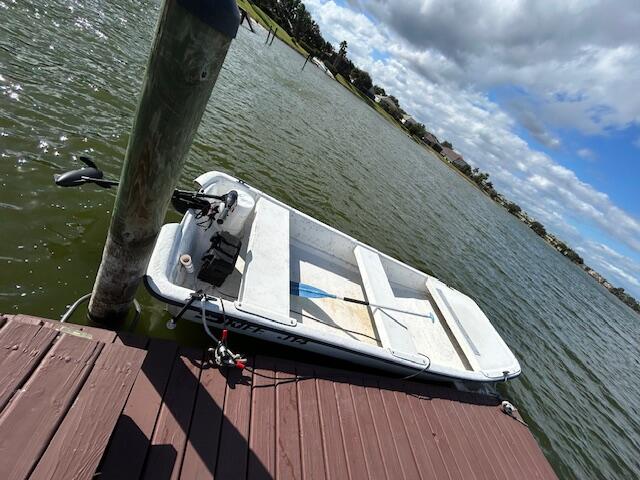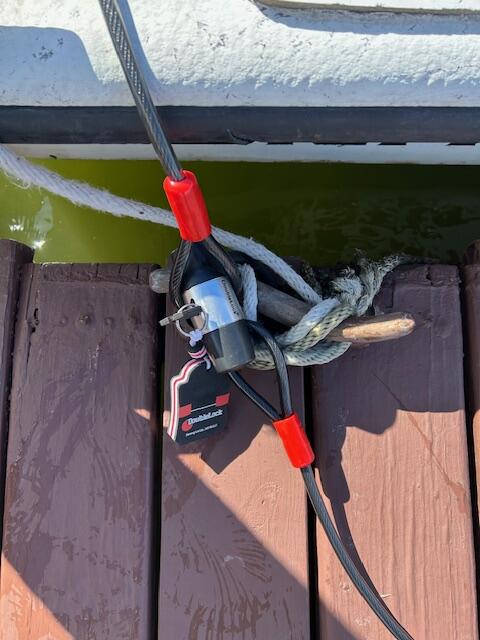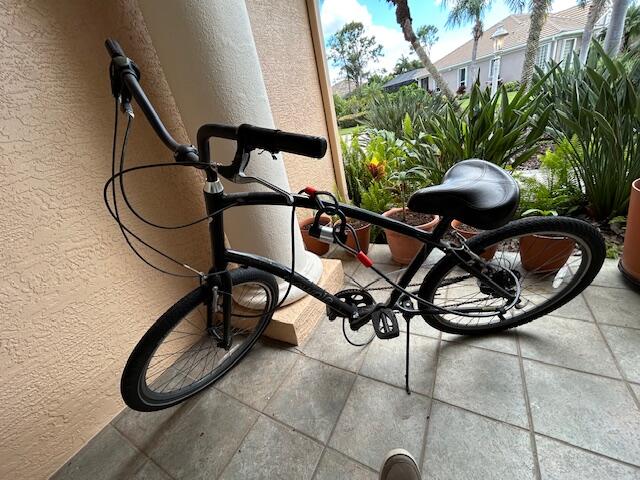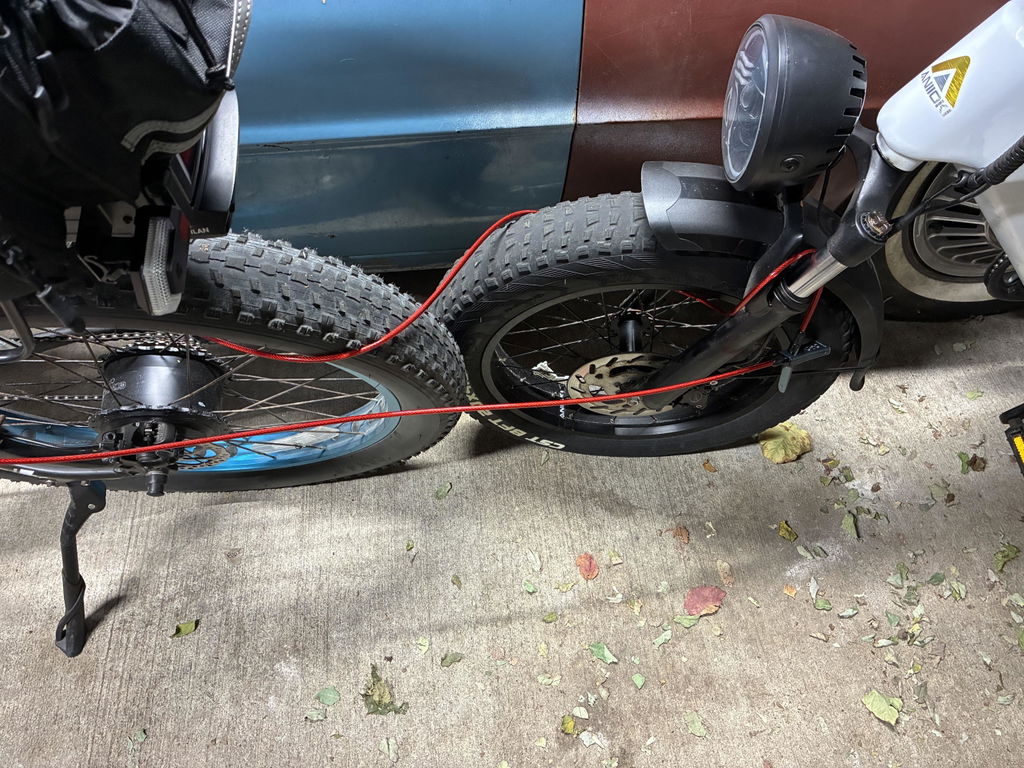


A boat tied to a dock may look secure, but a line is designed to hold position, not stop theft. A proper dock lock adds a deliberate security layer between the watercraft, a strong attachment point, and the dock. For boats and personal watercraft, the right setup must also cope with rain, spray, grit, changing water levels, and constant movement.
Browse DoubleLock USA marine security products
The best approach is not one lock used in isolation. It is a layered routine that makes the craft harder to move, makes valuable gear harder to remove, and makes tampering easy to spot. This guide explains how to assess the risk, compare cleat and cable options, choose weather-ready hardware, and build a practical routine around your boat or PWC.
What a marine dock lock needs to protect
A marine dock lock is part of a system that connects a boat, PWC, tender, kayak, or removable marine asset to a fixed point. Its job is to create a visible and physical barrier that slows an unauthorized move. It should not interfere with safe mooring or normal dock use.
The craft and its removable gear
Start by listing what could leave the dock. The main craft is only one target. Portable fuel tanks, electronics, batteries, fishing gear, tenders, boards, and small motors may be easier to take. For motor-specific protection, see the outboard motor security lock guide. Each removable item needs either secure storage or its own lock path.
Look at the craft through the eyes of someone seeking the fastest weak point. If a cable protects the hull but expensive gear sits in an open compartment, the setup is incomplete. If the lock is strong but the attachment fitting can be removed with common tools, the fitting becomes the weak link.
The attachment point
A lock can only work as well as the points at both ends. Check that the dock cleat, piling loop, eye, rail, or purpose-built anchor is firmly installed and suitable for the load. Do the same on the boat or PWC. Avoid routing security hardware through trim, light rails, or parts that were not built to take force.
Remember that mooring lines and security hardware serve different purposes. Mooring lines manage the craft as wind, wake, and water move it. Security hardware adds theft deterrence. Keep both systems in place, and route them so neither creates a trip or snag risk.
The full theft path
Think beyond cutting a line. Could the craft be rolled away on a nearby trailer? Can a PWC be moved to another slip? Can a small tender be lifted into a truck? A useful dock lock plan blocks the most likely removal path and makes the attempt noisy, slow, or obvious.
Where marina theft risk develops
Risk changes from one marina to the next. An active dock with staff, lighting, and controlled gates presents a different problem from a remote residential dock. Your routine should match the actual setting rather than rely on one standard setup.
Quiet periods and predictable routines
Long gaps between visits create opportunity. Seasonal storage, weekday inactivity, and overnight hours can leave a craft unwatched. Predictable routines also help a thief know when no one is likely to interrupt. Vary inspection times when practical, and ask marina staff how they handle unusual activity.
Visibility matters in two directions. A boat hidden from public view may also be hidden from staff and neighboring slip holders. Place visible security hardware where tampering is easier to notice. Good lighting and clear sight lines can support the lock without replacing it.
Fast targets around the main craft
PWC, kayaks, tenders, and portable marine gear are often easier to move than a larger boat. Owners who also transport their craft can review the boat trailer lock and marina storage guide. Their size can make a quick theft attempt more practical. Secure these items to a sound anchor instead of assuming their location on the water is enough.
Remove ignition keys and do not store spare keys in an obvious onboard spot. Put high-value portable gear out of sight or take it with you. Close and lock compartments where the design allows it. A layered plan makes each next step harder after the first barrier is reached.
Shared access and changing conditions
Marinas are active places. Contractors, guests, delivery crews, neighboring owners, and staff may all need access. This makes simple access control and clear ownership records important. Know who is authorized to handle the craft, and avoid casually sharing key locations or lock details.
Weather also changes risk. Storm preparation may require lines to be adjusted or a boat to be moved. Plan how authorized people can reach and operate security hardware when needed. A lock that cannot be managed safely during urgent conditions can become a problem.
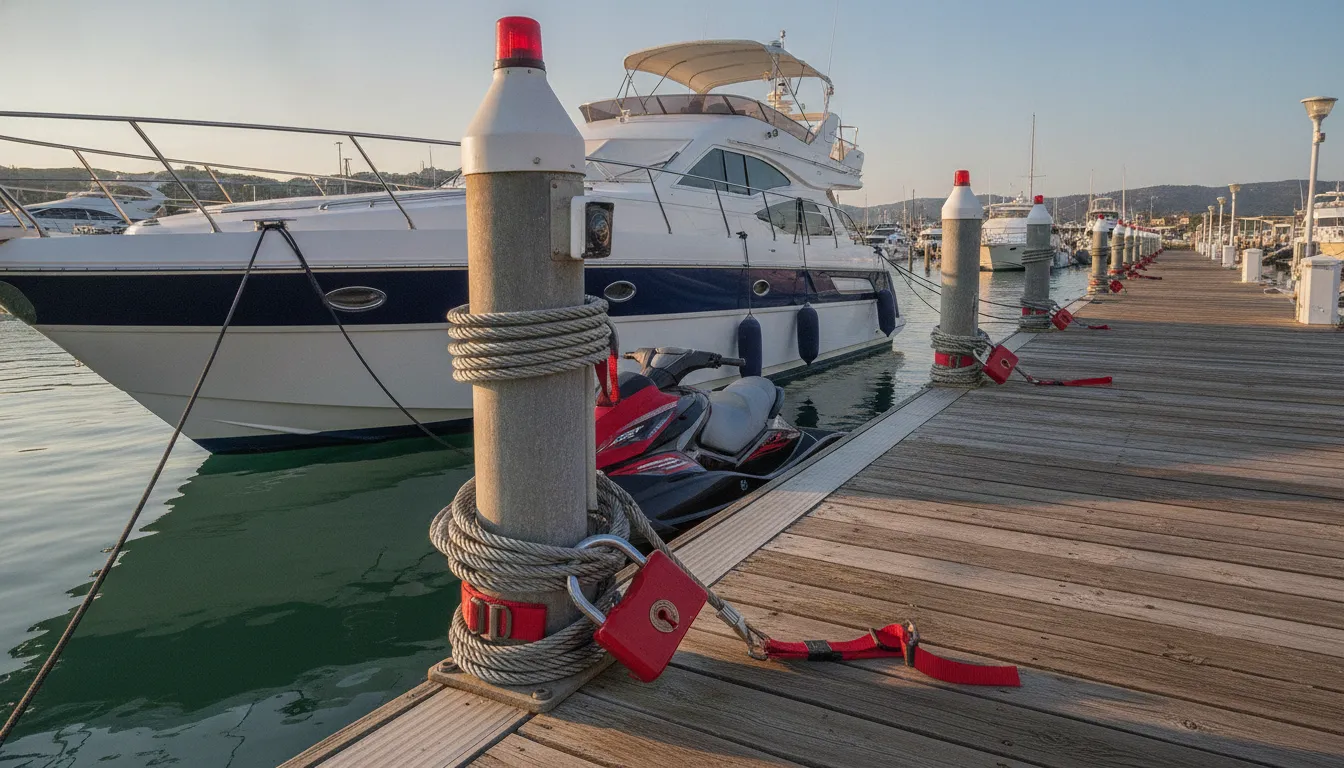
Which cleat, cable, and locking-point options work best?
The right connection depends on the craft, dock, and available anchor points. There is no universal route that fits every marina. Compare the whole connection, not just the lock body, and make sure every part supports a safe mooring layout.
| Option | Best use | Main check |
|---|---|---|
| Fixed dock cleat or eye | A strong, easy-to-inspect dock anchor | Confirm the fitting and its fasteners are sound |
| Security cable | Routing through or around varied connection points | Limit slack and keep it clear of walkways and sharp edges |
| Purpose-built craft fitting | A defined locking point on a boat or PWC | Confirm it cannot be easily removed or damaged |
| Separate gear lock path | Tenders, boards, fuel tanks, and other removable assets | Do not weaken the main craft connection |
Using a dock cleat or fixed eye
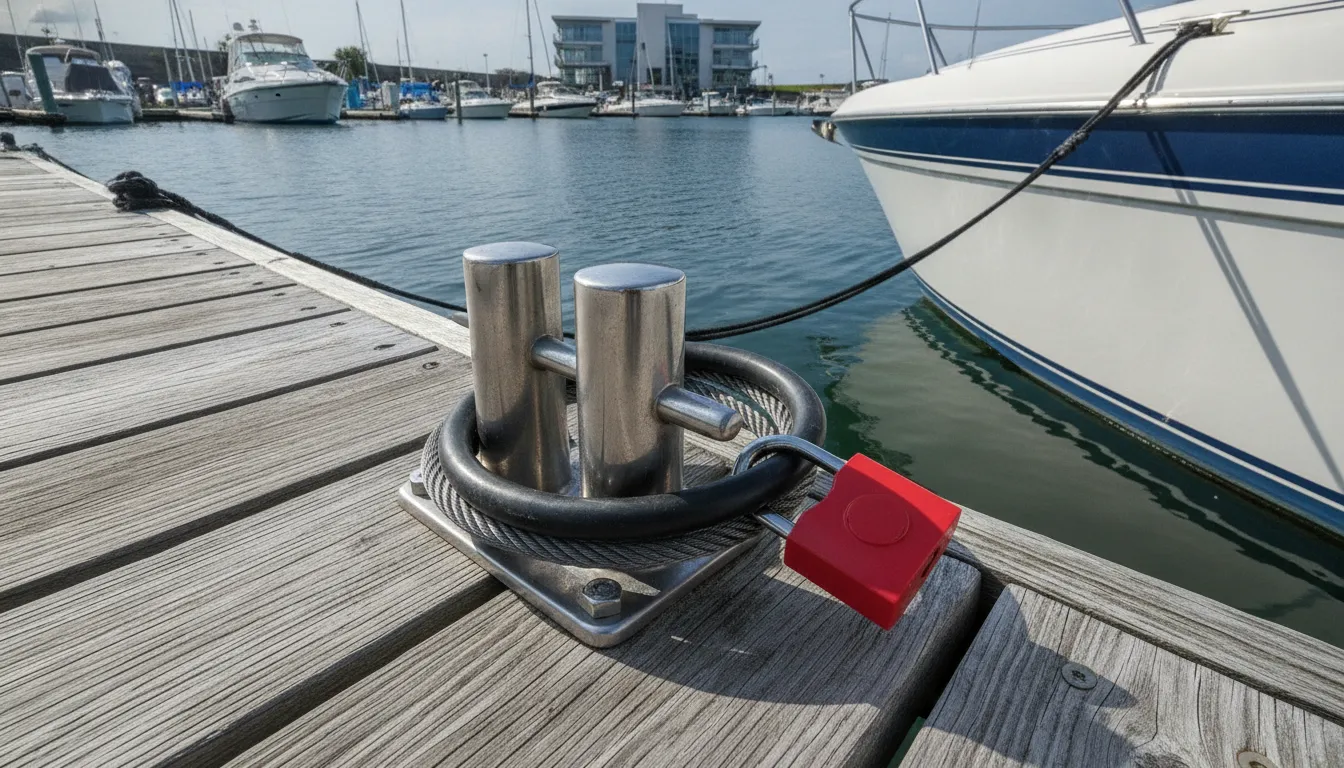
A sound cleat or fixed eye can give the security system a clear dock-side anchor. Inspect the fitting, deck or dock material, and visible fasteners. Heavy hardware attached to weak, damaged, or rotted material is not a strong connection.
Do not block a shared cleat or create a line pattern that prevents safe dock work. Ask the marina before adding a permanent anchor or using shared infrastructure in a new way. Rules may differ by property, and safe access must come first.
Routing a cable
A cable can adapt to different shapes and connection points. DoubleLock's braided steel cable lock guide explains additional cable selection considerations. Route it through the strongest practical points, keep excess slack under control, and protect it from sharp metal edges. The path should be easy for you to inspect but awkward for an unauthorized person to reach and work on.
Never route a cable where normal wave action will grind it against the hull, dock, or another fitting. It should also remain clear of propellers, steering parts, shore-power cords, ladders, and walking paths. Test the route across the normal range of movement before leaving the craft.
Protecting more than one asset
It may be tempting to put every item on one long cable. That can add slack and make daily use harder. In some setups, separate lock paths for the main craft and removable gear are easier to inspect and use. The best choice is the one owners will apply correctly every time.
How does weather exposure change dock lock selection?
Marine security hardware lives in a demanding place. Compare related guidance on heavy-duty padlocks for saltwater exposure and choosing a weatherproof outdoor padlock. Rain, salt spray, fresh water, sun, sand, and grit can affect operation over time. Choose and maintain the full setup with that exposure in mind, including the lock, cable, attachment points, and keyway.
Salt, moisture, and grit
Salt and trapped moisture can speed wear. Grit can collect around moving parts and make operation rough. Inspect exposed hardware often, rinse it with fresh water when appropriate for the product, and follow its care directions. Do not wait until a key or mechanism feels stuck.
Look for places where water can sit. A lock body positioned to trap water may need a different orientation. Check protective covers and moving parts for damage. If a part no longer operates smoothly or shows serious wear, replace it before relying on it.
Movement and contact points
A dock connection moves every day. Wake, wind, tide, and changing water levels can pull or rub hardware against nearby surfaces. Watch the setup through normal movement. Make sure the security path does not take the load meant for mooring lines.
Add protection where a cable may contact a safe routing point, but do not hide areas that need inspection. Check the hull, dock edge, fittings, and cable for fresh marks. A good setup deters theft without creating avoidable damage.
Ease of use matters
Weather-ready hardware still needs to be simple enough for regular use. If locking takes too long or requires an awkward reach, people are more likely to skip it. Test operation with wet hands and normal dock gear. Store keys securely, and make sure authorized users understand the routine.
Build a layered marina security routine
No lock makes a boat or PWC impossible to steal. A strong routine reduces risk by putting several barriers between the asset and a quick removal. Use these steps as a practical starting point, then adapt them to your marina and craft.
- Assess the site. Walk the dock after dark and during quiet hours. Note access points, lighting, sight lines, nearby roads, shared cleats, and places where someone could work unseen.
- Choose strong lock points. Inspect the dock-side anchor and the connection on the craft. Avoid decorative or easily removed fittings. Ask marina staff before using shared or permanent infrastructure.
- Secure the main craft. Add a visible dock lock path that does not replace mooring lines. Limit slack, avoid trip hazards, and test the craft's full normal movement.
- Control keys and ignition. Remove ignition keys and secure lock keys away from the craft. Limit access to people who need it, and keep a clear plan for urgent authorized access.
- Protect removable gear. Take portable valuables with you or secure them separately. Close storage, remove tempting items from view, and record key asset details.
- Inspect every visit. Look for cuts, fresh tool marks, loose fittings, corrosion, chafe, and changes in operation. Fix a weak point as soon as you find it.
Make deterrence visible
A visible security setup can signal that the owner has planned for theft. Place it where it can be seen without making it easy to attack. Pair it with lighting and an orderly dock area. Avoid leaving loose tools or gear nearby that could help with tampering.
Keep records
Maintain photos and identifying details for the craft and valuable gear. Record lock and key information in a secure place. Good records do not prevent theft, but they make it easier to report a problem and show what changed after a suspicious event.
How to choose a dock lock for boats and PWC
Choose a lock by starting with fit and use, not appearance alone. The strongest product on paper will not help if it cannot connect to sound anchor points or if the owner avoids using it. Measure the route, inspect the fittings, and plan for real dock movement.
Check fit before buying
Measure the points the lock or cable must pass through, plus the distance between them through the safe route. Account for normal movement without adding uncontrolled slack. Confirm that the lock can be operated from a safe position on the dock.
If you are securing several asset types, map each one separately. A PWC, kayak, tender, and larger boat may need different connection plans. The goal is not to force one device into every job. The goal is to remove the easiest theft path.
Evaluate the entire system
Compare the lock body, cable or chain, attachment fittings, and installation points as one system. A premium lock attached to a weak eye still leaves an obvious shortcut. Look for rugged construction, practical weather protection, and a form that makes common attacks less convenient.
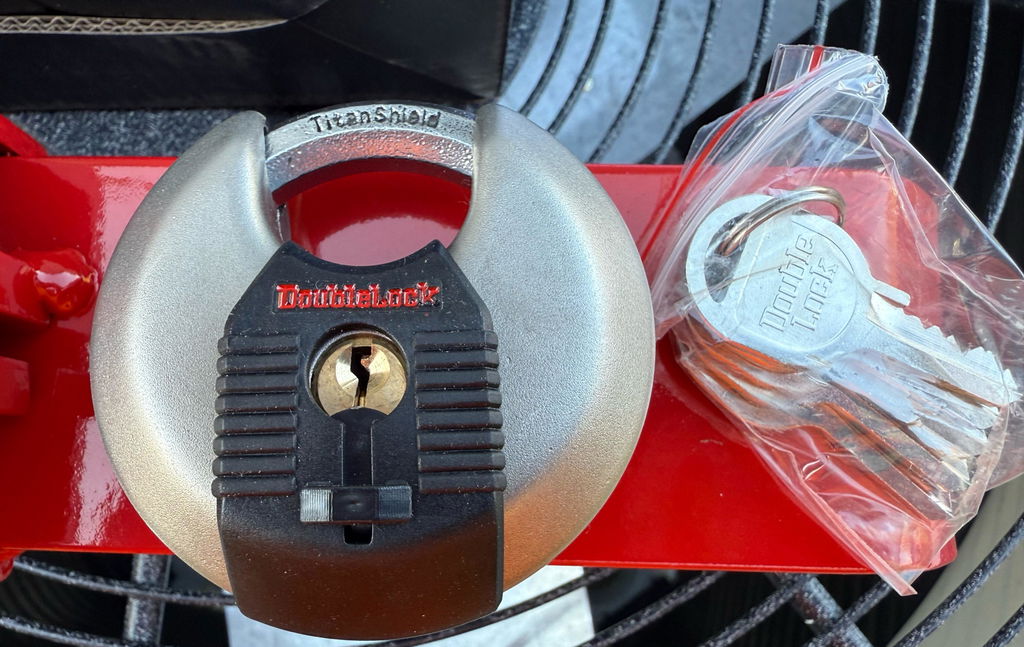
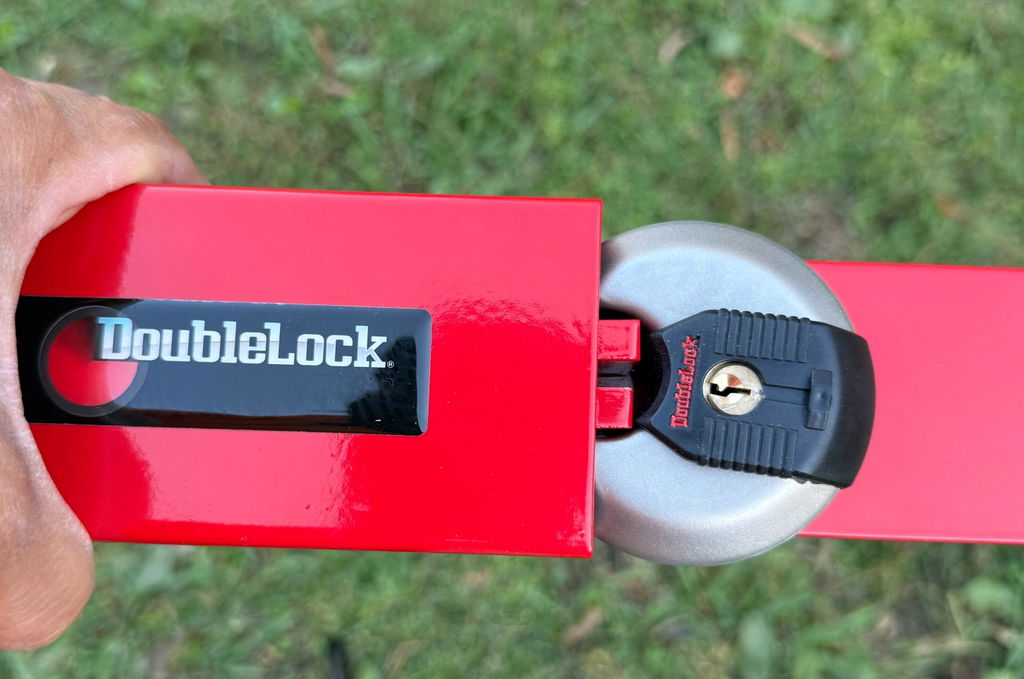
DoubleLock USA positions its marine security products for high-value marine assets and offers the CROC Dock Lock within its marine security range. Review the current marine lock collection, the CROC Dock Lock product page, and DoubleLock's marine security product overview to match a product to your actual connection points. Do not assume a fit without checking the product details and your craft.
Plan for owners, fleets, and marinas
An individual owner may value quick daily operation. A marina, rental operator, or fleet may also need repeatable key control, staff training, and consistent inspection. Bulk buyers should define the range of craft and dock fittings before choosing one standard setup.
Install and maintain dock security correctly
Installation is the point where a good product becomes a good system. Take time to test the route under normal dock conditions. If any part creates a safety problem, damages the craft, or interferes with mooring, change the plan before relying on it.
Test the full range of movement
Set the mooring lines first, then add the security connection. Observe the craft as water level, wind, and wake change its position. The dock lock should stay clear of moving equipment and should not become the primary restraint against normal movement.
Check for trip hazards from every direction people approach the slip. Keep cable and lock hardware away from power cords, hoses, ladders, and emergency access. Explain the route to every authorized user so it is restored correctly after each trip.
Inspect on a schedule
Operate and inspect the system at every visit. Look at the lock body, keyway, cable, sleeves, dock anchor, craft fitting, and nearby surfaces. Check for corrosion, cuts, looseness, impact marks, chafe, and any change in feel.
Follow the maker's care directions. Clean exposed parts as directed, and replace damaged components instead of trying to extend their life past a safe point. After severe weather or dock work, inspect the entire route again before leaving the craft unattended.
Reassess when the site changes
A new slip, dock repair, different PWC, or added tender can change the security plan. Recheck measurements and anchor points instead of copying the old route. Ask marina management about changed access policies, cameras, lighting, and permitted attachment methods.
Review the CROC Dock Lock for your marina setup
Frequently asked questions about dock locks
What is a dock lock for a boat?
A boat dock lock is security hardware used to connect a boat, PWC, or other marine asset to a sound dock-side anchor. It supplements safe mooring lines and is intended to deter unauthorized removal. It should be part of a layered plan, not treated as a guarantee.
Can I lock a PWC to a dock cleat?
You may be able to use a sound cleat as the dock-side anchor, but the complete route must be safe and suitable. Confirm the cleat and its fasteners are sound, choose a suitable connection on the PWC, manage slack, and get marina approval when needed.
Should a security cable replace a mooring line?
No. Mooring lines are designed to manage the craft as water and weather move it. Security hardware has a different job. Keep a safe mooring setup in place, then route the lock or cable so it does not interfere with that setup.
How often should I inspect a marine dock lock?
Inspect and operate it at every visit, and perform another full check after severe weather, dock repairs, or any suspicious activity. Look for corrosion, chafe, cuts, loose fittings, and changes in operation. Follow the product maker's care guidance.
Is any dock lock impossible to defeat?
No lock is undefeatable. A well-chosen dock lock adds time, effort, and visibility to a theft attempt. Strong attachment points, controlled keys, secure gear, lighting, and regular checks make the overall plan more useful.
Secure your marine assets with a practical plan
A strong dock security plan starts with sound anchor points and a lock route that owners will use every time. DoubleLock USA builds premium security hardware with European engineering heritage for demanding applications. Browse the marine security collection, contact DoubleLock USA for help, or use the wholesale enquiry page to discuss a bulk need.