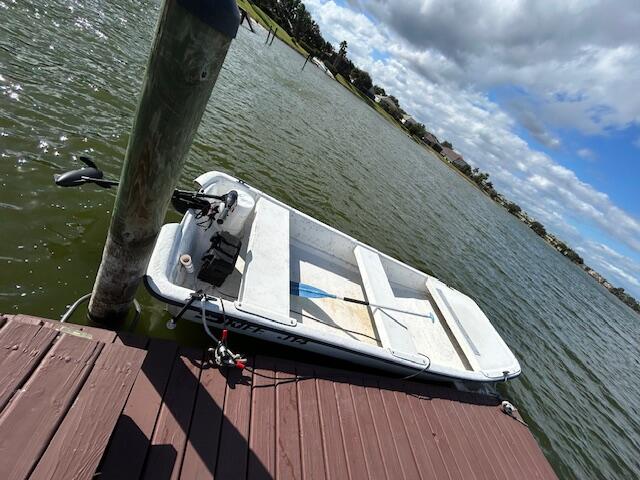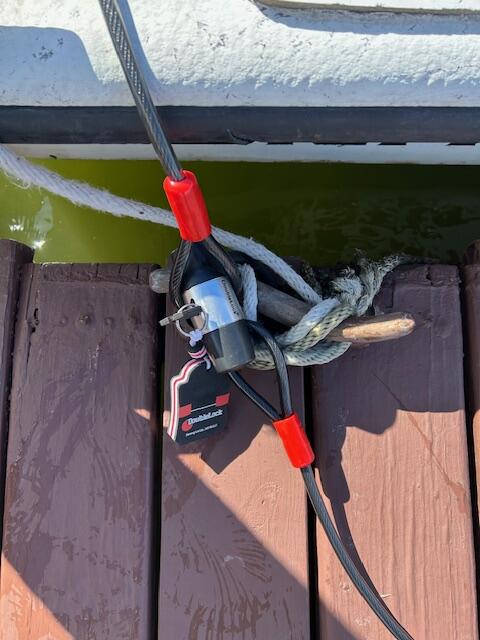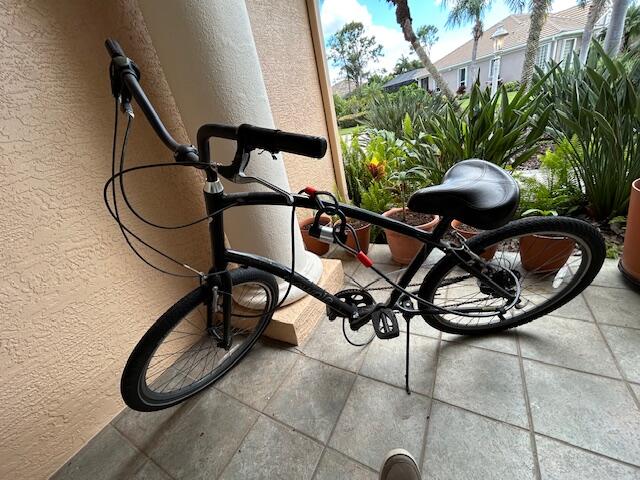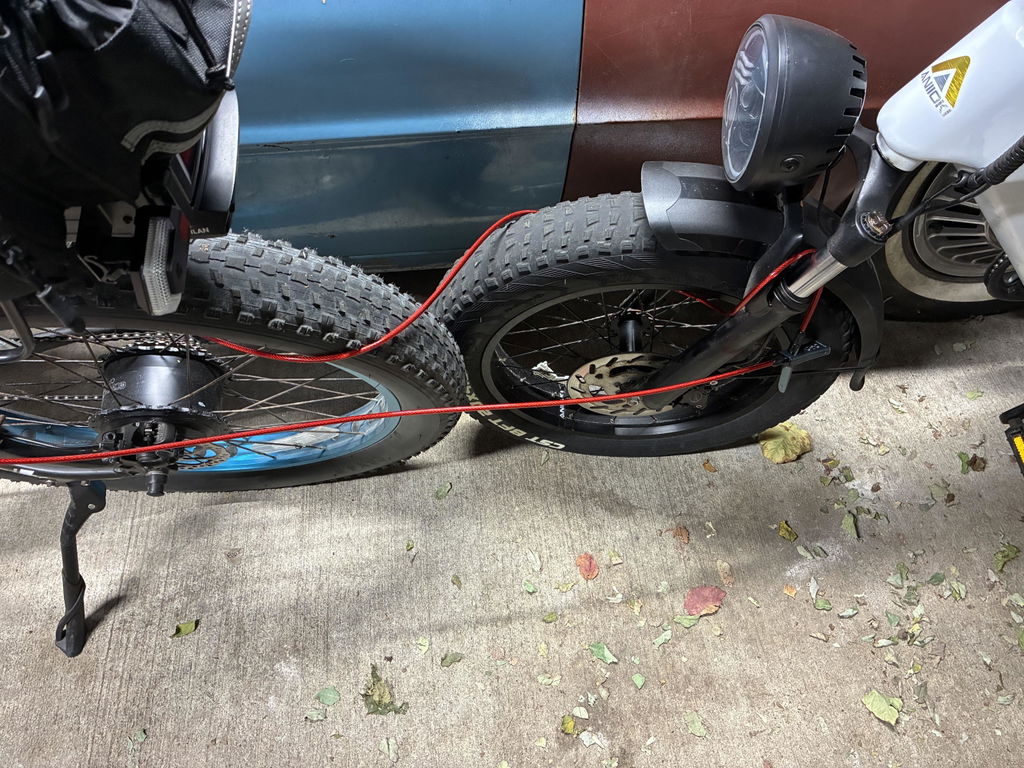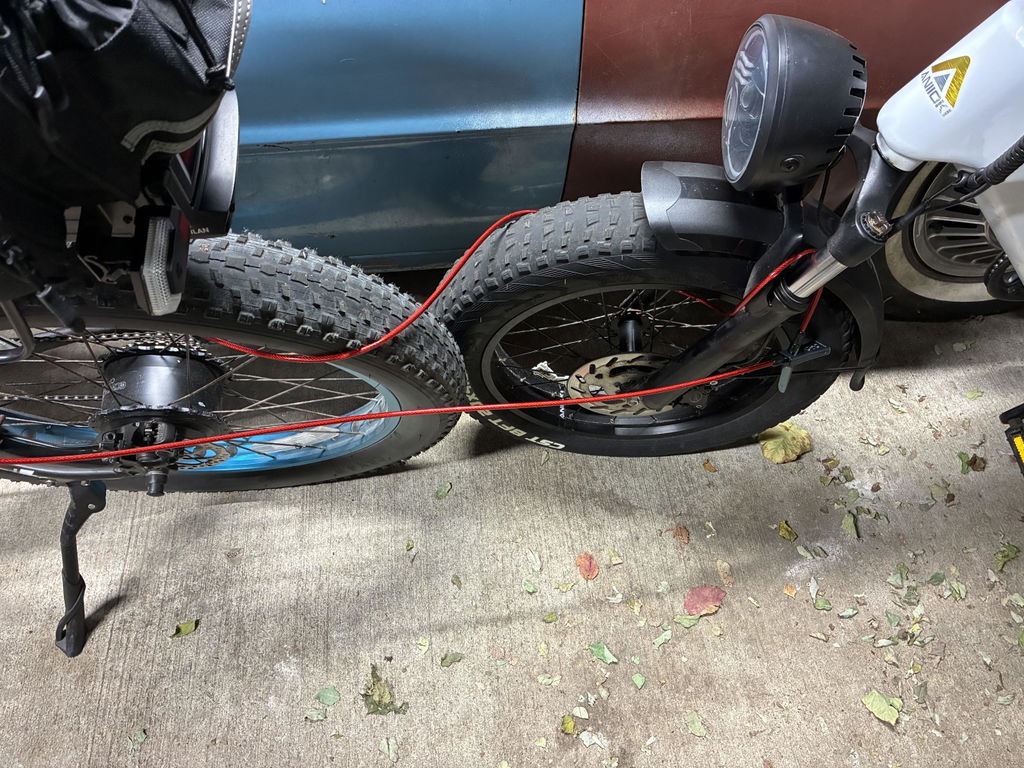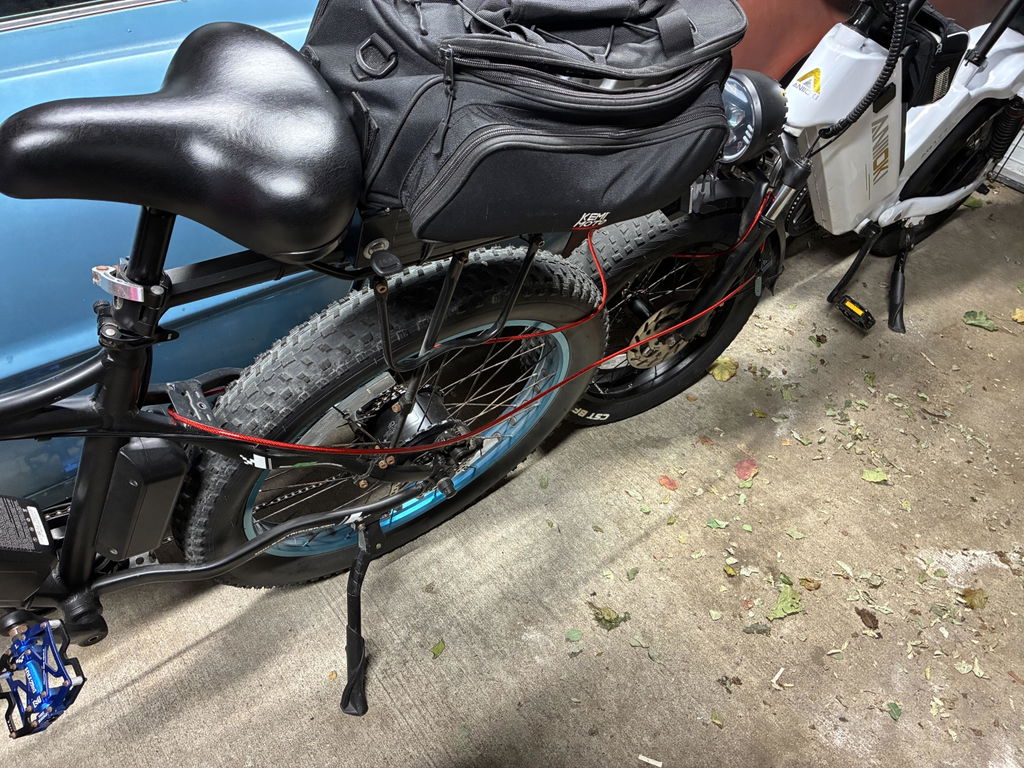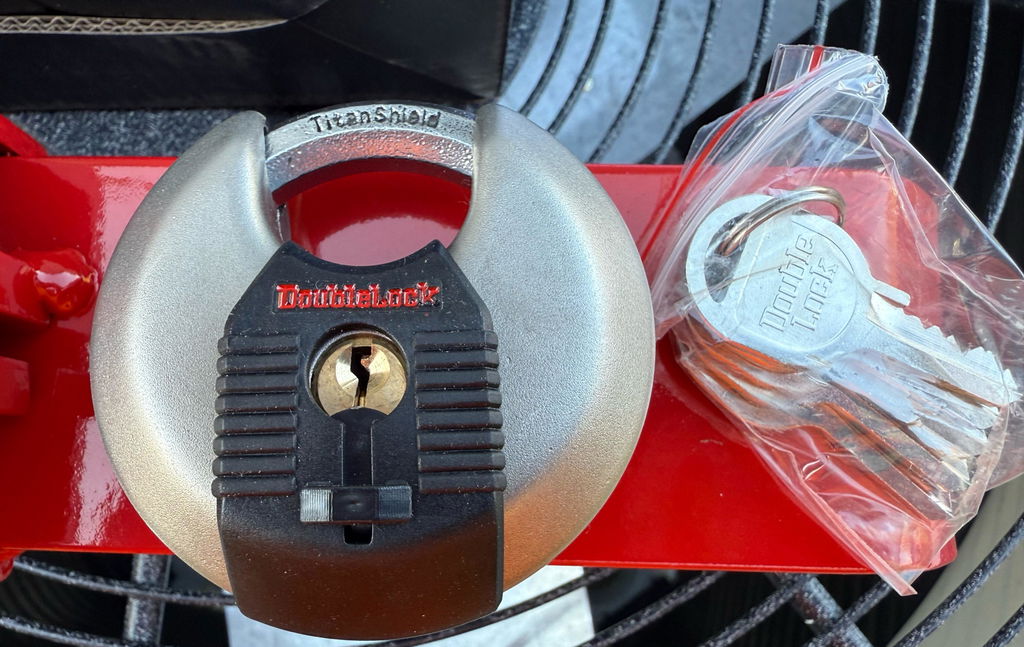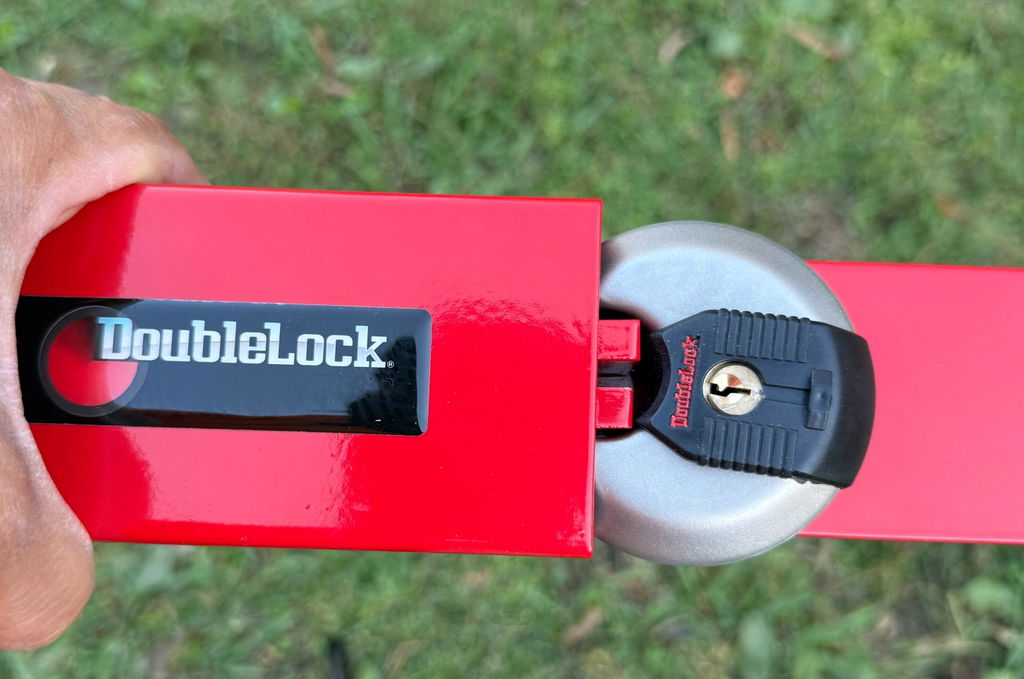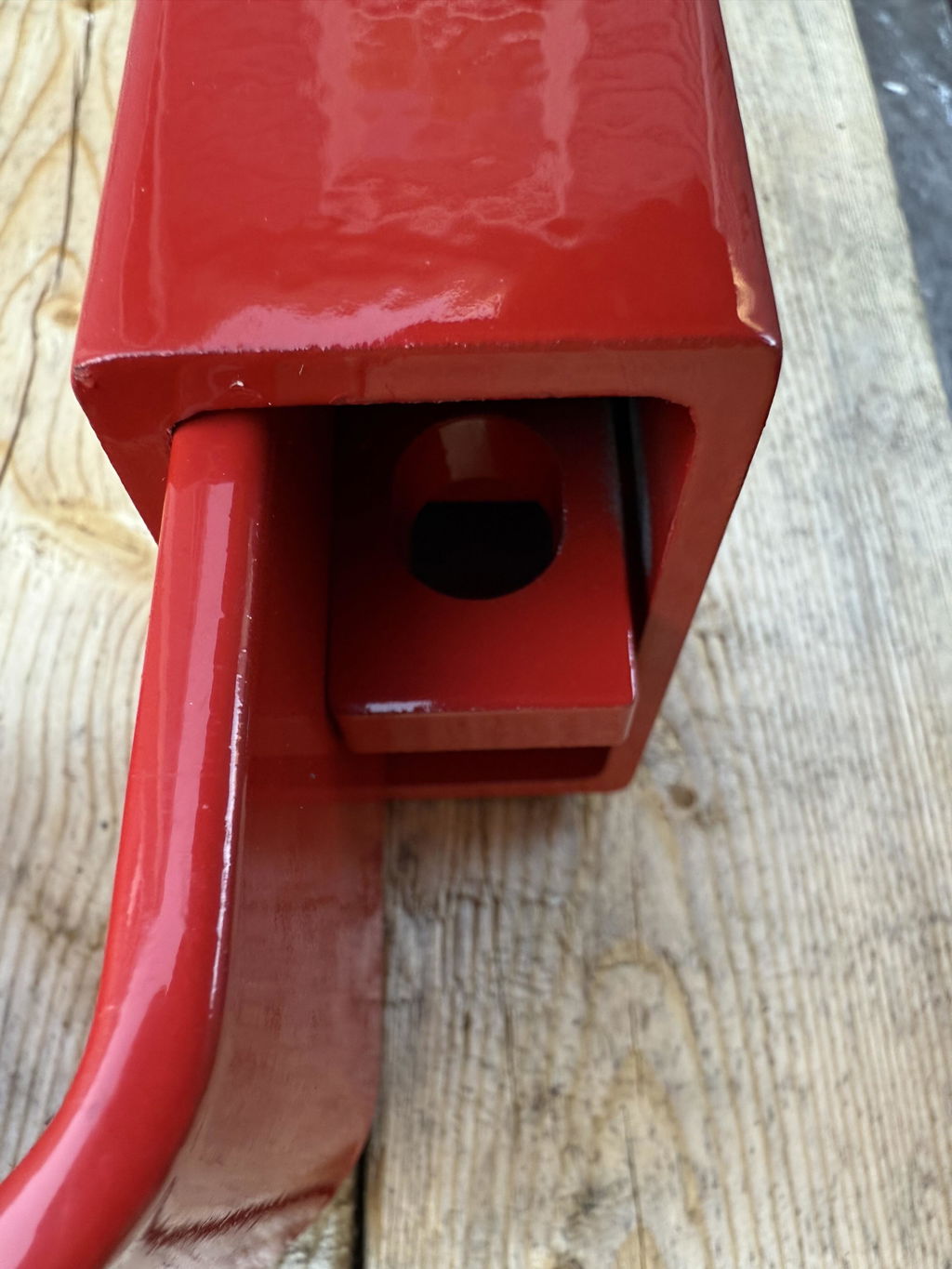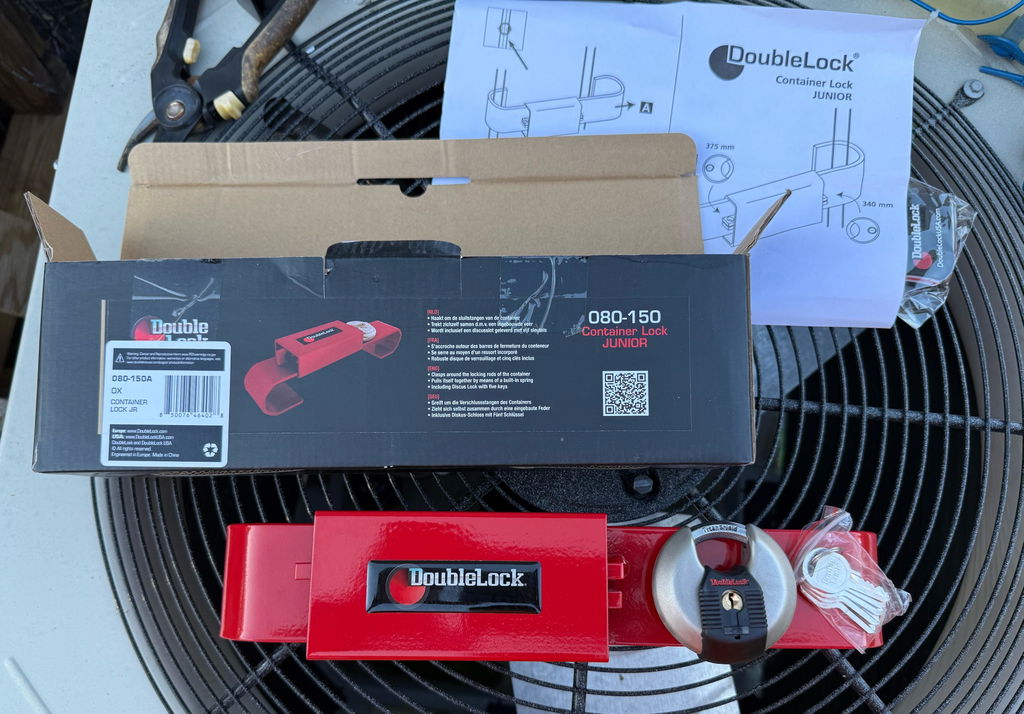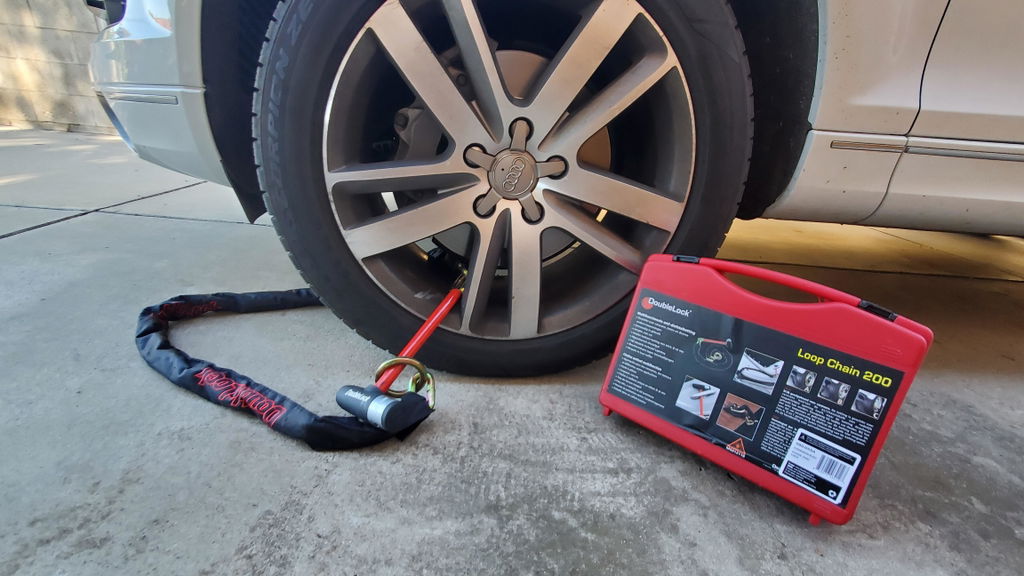



A boat trailer left in a marina lot needs more than one small lock on the coupler. It sits in an exposed setting, often for days or weeks, where a thief may have time to inspect it and return with tools.
The best boat trailer lock is a layered setup that protects the coupler, the connection to the tow vehicle, and at least one wheel or solid frame point. The right mix depends on whether the trailer is hitched, how long it will sit, and how much salt, rain, sand, and road grit reach the hardware. No lock makes a trailer impossible to steal, but several well-fitted layers can add delay, reduce easy access, and make another target look less appealing.
This guide explains how to build that layered setup for marina and storage-lot use. It also covers fit, marine exposure, inspection, and upkeep so your security hardware remains ready when you need it.
The best boat trailer lock is a layered setup
A single lock protects a single point. A complete setup protects the ways a trailer can be connected, moved, or rolled away. Start by looking at the trailer in the exact state in which it will be stored. An unhitched trailer has different weak points than a trailer still connected to a tow vehicle.
For an unhitched trailer, the coupler is the first concern. A properly fitted coupler lock helps stop someone from simply lowering the trailer onto another hitch ball. For a hitched trailer, protect the receiver or hitch connection so the trailer cannot be disconnected as easily. Then add a wheel or frame layer that limits movement even if someone defeats the first point.
| Security layer | What it protects | Best use |
|---|---|---|
| Coupler lock | Blocks use of the trailer coupler | Unhitched trailers in storage |
| Hitch or receiver lock | Protects the tow-vehicle connection | Trailers left hitched |
| Wheel or frame protection | Limits rolling or adds a second barrier | Longer stays and exposed lots |
| Site controls | Adds lighting, access control, and visibility | Every marina or storage lot |
Think of these layers as delay, not a guarantee. A thief who sees several different barriers must spend more time and may need more than one kind of tool. Your goal is to remove the easy path.
How boat trailers get targeted in storage lots
Boat trailers are built to move. That is useful at the ramp, but it also means an unsecured trailer can be moved quickly. Risk rises when a trailer is easy to reach, has a standard coupler with no added protection, or sits in a quiet corner that hides activity from view.
An unhitched trailer can be connected to another vehicle
If the coupler is open and usable, someone may be able to connect the trailer to a compatible hitch and leave. A coupler lock is meant to interfere with that direct route. Fit matters because a loose or mismatched device may leave space around the part it is supposed to protect.
A hitched trailer can be disconnected
Leaving a trailer attached to a tow vehicle does not remove risk. The connection itself becomes a point to protect. Check the receiver, hitch pin, coupler latch, and safety-chain arrangement. Use equipment that fits the actual connection rather than assuming one lock works in every towing state.
A trailer may be rolled, dragged, or worked on in place
In a long-term storage area, an attacker may have more time than they would at a busy ramp. Wheel and frame protection adds another task after the coupler or hitch layer. Good site placement also matters. Favor well-lit areas with controlled entry and clear sightlines when those choices are available.
A layered security plan accounts for the whole setting. The lock is one part of it. Parking position, lot access, lighting, routine checks, and removal of loose gear all affect the final risk.
How to secure a boat trailer before storage
Use the same routine every time you leave the trailer. A repeatable process makes it less likely that you will miss a latch, install a lock poorly, or forget a second layer during a rushed trip.
- Choose the storage state. Decide whether the trailer will remain hitched or sit on its own. This determines which connection point needs the most attention.
- Inspect the coupler and hitch. Look for damage, loose parts, excessive movement, or debris that could prevent a secure fit. Do not place a lock over a damaged connection and assume the problem is solved.
- Install the primary lock. On an unhitched trailer, protect the coupler. On a hitched trailer, protect the receiver and connection points that apply to your setup.
- Test the fit. Pull, turn, and inspect the installed device. Confirm that it is fully engaged and does not leave avoidable access to the protected part.
- Add a second movement barrier. Use suitable wheel or frame protection for longer stays or more exposed lots. Place it where it will be visible and difficult to work around.
- Remove loose valuables. Electronics, tools, removable accessories, and keys should not remain in plain sight if they can be stored elsewhere.
- Document and recheck. Take a quick photo of the installed setup and check it after severe weather or when returning to the lot.
Never tow with storage-only devices still installed. Use a visible reminder in the tow vehicle if needed. Before moving, complete a separate towing inspection that covers the coupler, hitch, safety chains, lights, tires, and every added security device.
What makes a trailer lock ready for marine exposure?
Marina storage brings water, humidity, salt, sand, and grit into the security decision. These conditions can affect how a lock operates and how easily you can remove it when it is time to tow. The best choice is not just strong on the day you buy it. It must also fit the application and remain usable through regular inspection and care.
Look at how the device sits on the trailer. A low point may collect splash and debris. A tight pocket around the coupler may trap grit. An exposed keyway may need more attention after rain or a trip on salted roads. Follow the maker's care instructions for the specific device rather than using a random product that could attract dirt or harm internal parts.
Weather resistance does not mean maintenance-free. Rinse away visible salt and dirt when appropriate, dry the hardware, and operate the lock before returning the trailer to storage. Check for rough movement, damage, or a fit that has changed. If a device no longer locks and unlocks as intended, replace or service it before relying on it.
DoubleLock USA offers marine security products for buyers building a broader boat and trailer security plan. Match every product to the exact application and confirm the fit before use.
Choosing coupler and hitch protection
Couplers vary in shape, size, latch design, and the amount of open space around them. That is why fit should come before brand claims or appearance. Identify the coupler type and measure the relevant points before choosing a lock. A device that covers the important areas closely is generally more useful than one that hangs loosely or leaves the latch easy to reach.
Start with the storage state. When the trailer is detached, choose protection made for the open coupler. When it remains connected, inspect the full hitch system and protect the applicable receiver or connection point. Do not force a lock onto a part it was not designed to fit.
Pay attention to everyday use as well. The lock should be practical enough that you will install it correctly every time. Confirm that keys or access tools can be used without crawling into an unsafe position. Keep any spare key away from the trailer, and maintain a simple key-control process when several people use the same boat or storage space.
For more detail on this first layer, read the coupler lock trailer buyer's guide. Owners protecting several trailers can also review comprehensive trailer security systems and decide whether simpler key control fits their operation.
When should you add wheel and frame protection?
Add another movement barrier when the trailer will sit for a long period, the lot has limited access control, or the trailer is especially exposed. A wheel or frame layer is useful because it addresses a different path than the coupler. Even if someone works past the connection point, the trailer may still be harder to roll away.
Choose a solid attachment point and keep the device away from brake lines, wiring, and parts that could be damaged. If using a chain or cable, route it so it cannot simply be lifted over the protected part. Avoid leaving excess length on the ground where it is easier to position tools. The installation should be obvious during your pre-tow walkaround.
No wheel lock, chain, or cable is undefeatable. Thin or poorly placed hardware may provide little delay. The goal is to combine a close-fitting primary lock with a clearly different second barrier. That layered approach also gives you a chance to spot tampering before moving the trailer.
Fleet and storage operators should standardize the inspection process across all units. Keep a record of which lock fits each trailer, who holds keys, and when hardware was last checked. For product categories that support a layered plan, browse DoubleLock USA's truck and trailer security collection.
Maintaining trailer locks near saltwater
A good lock can become a problem if it is ignored through months of outdoor storage. Set a routine based on exposure and how often you visit the trailer. Inspect more often after storms, flooding, heavy spray, road-salt exposure, or any sign of tampering.
- Remove visible grit, dirt, and salt residue using the care method recommended for the device.
- Dry the lock and the contact points before reinstalling it.
- Operate the key and locking mechanism to confirm smooth engagement.
- Check for cracks, bends, heavy wear, or a loose fit.
- Inspect the coupler, receiver, frame point, wheel, and nearby trailer hardware.
- Confirm that spare keys and key records are secure and current.
Do not wait until launch day to find out a lock will not open. Test the system during routine visits and keep enough time to correct a problem before the trailer must move. If hardware shows damage or no longer operates as intended, stop relying on it.
Maintenance also includes the site. Trim back anything that hides the trailer where permitted, choose a visible parking space, and report failed gates or lights to the lot operator. Physical security works best when the storage environment supports it.
Frequently asked questions about boat trailer locks
Is one coupler lock enough for a boat trailer?
A coupler lock is an important first layer for an unhitched trailer, but it only protects one point. For marina or long-term storage, add suitable wheel or frame protection and use the lot's access and visibility controls.
Should I lock a boat trailer while it is hitched?
Yes. A hitched trailer still has connection points that may be targeted. Inspect the receiver, hitch pin, coupler latch, and the rest of the towing setup, then use protection made for the applicable connection.
How often should I check a trailer lock near saltwater?
Check it during regular visits and after storms, heavy spray, flooding, or road-salt exposure. Clean and care for the device according to its instructions, then confirm that it still fits and operates correctly.
Can any lock guarantee that my trailer will not be stolen?
No. No lock is undefeatable. A well-fitted, layered setup can deter theft, add delay, and reduce risk, especially when it is combined with good parking placement and controlled lot access.
Build a stronger boat trailer security setup
The best boat trailer lock plan protects more than the coupler. Match each layer to the way you store the trailer, confirm the fit, maintain the hardware, and use the site's lighting and access controls. DoubleLock USA brings 30+ years of European engineering heritage to rugged physical security for trailer and marine applications.
Shop marine security products for an individual setup, or request a wholesale quote for fleet and bulk needs.