
You already know leaving your outboard motor unsecured is a bad idea. But what truly makes one lock better than another? It’s more than just a piece of metal and a key. The effectiveness of a real outboard motor lock comes down to smart design—from the quality of the steel used to resist cutting to clever features like free-spinning collars that frustrate thieves. This guide moves beyond the basics to give you an expert look at what to look for. We will compare different models, explain the importance of weather resistance, and help you understand why a higher price often means better protection.
Key Takeaways
- Choose a lock based on its construction: Prioritize locks made from hardened or carbon steel that can resist force. Smart design features, like free-spinning collars and corrosion-resistant finishes, provide an extra layer of security and ensure the lock functions properly over time.
- Balance cost with the value of your motor: A high-quality lock is an investment in protecting a much more expensive asset. Spending a little more upfront for a lock with superior materials and a better design can prevent the significant cost and frustration of replacing a stolen motor.
- Use your lock as part of a larger security plan: While essential, a motor lock is most effective when combined with other security measures. Consider where you store your boat, use a boat cover, and keep a record of your motor’s serial number to create a comprehensive defense against theft.
What Is an Outboard Motor Lock?
An outboard motor lock is a security device made specifically to stop someone from stealing the motor right off your boat. Since outboard motors are a significant investment and a common target for thieves, protecting them is a top priority for any boat owner. A quality lock should be straightforward to install and operate, allowing you to secure your motor quickly and get on with your day. The best options come with clear instructions, so you can be confident your motor is protected without any guesswork. It’s a simple tool that provides a powerful defense for one of your most valuable marine assets.
A Look at Different Motor Lock Designs
You'll find a few different styles of outboard motor locks on the market. The most common anti-theft measures include purpose-built locks that clamp over the motor's mounting bolts, cap locks that cover the nuts, and even heavy-duty U-locks. For example, some locks are made from strong, heavy-duty carbon steel tubing for a very durable option. Other designs, like the McGard outboard motor locks, work by replacing one of the standard mounting nuts with a special locking nut that requires a unique key to remove. Each type offers a different approach to securing your motor against theft.
A Simple Method for Small Clamp-On Motors
For smaller motors that use a clamp-on system, the security approach is more direct. If your motor uses threaded clamps, a simple, strong security device placed through the holes in the clamping mechanism can prevent them from being unscrewed. This method physically blocks the clamps, stopping a potential thief right away. The effectiveness of this technique depends entirely on the quality of the device you choose. Using robust security solutions made from heavy-duty materials like hardened or carbon steel offers the best resistance against cutting and tampering. It’s a straightforward way to protect your investment, providing peace of mind with a simple, reliable solution.
Why Securing Your Outboard Motor Matters
When you consider the cost of a lock versus the value of your motor, the decision to secure it becomes pretty clear. The price of a reliable lock is a tiny fraction of what it would cost to replace an entire outboard motor. Beyond the financial hit, dealing with a stolen motor is a huge hassle that can easily ruin a planned day on the water or a family vacation. As many boat owners discuss, the inconvenience can be significant. To make theft as difficult as possible, many experts recommend using a cap lock made of high-strength stainless steel. This type of lock completely encloses the mounting hardware, leaving thieves with no easy way to remove it.
Reviewing the Best Outboard Motor Locks
Choosing the right lock for your outboard motor means looking at what different brands bring to the table. Each company has a unique approach to security, from innovative designs to heavy-duty materials. Understanding these differences will help you find the perfect match for your boat and your peace of mind. We'll look at some of the leading names in marine security to see how they stack up.
A Closer Look: DoubleLock USA
At DoubleLock USA, our approach is centered on creating locks that blend simplicity with robust security. We focus on continuous innovation to ensure our marine security solutions are always at the forefront of quality and protection. For boat owners, this means getting a lock that is not only tough against tampering but also straightforward to use. We believe that securing your motor shouldn't be a complicated process. Our designs prioritize a user-friendly experience without ever compromising on the strength and reliability needed to protect your valuable equipment. This commitment makes our locks a trusted choice for those who value both high performance and ease of use.
A Closer Look: McGard
McGard takes a unique approach to outboard motor security. Instead of a large, external clamp, their system works by replacing one of the nuts that fastens your motor to the boat with a special locking nut. This clever design is discreet and integrates directly with your motor's existing setup. A free-spinning collar on the lock prevents it from being gripped by tools, making unauthorized removal extremely difficult. This method is a practical and effective way to secure your boat motor without adding bulky hardware, appealing to boaters who appreciate a clean, integrated security solution.
A Closer Look: Panther Marine
Panther Marine focuses on creating a physically imposing deterrent with its outboard motor locks. Their primary design features a heavy-duty carbon steel tube that slides over the motor's mounting turnbuckles. This tube is then secured with a hardened brass padlock, creating a strong barrier against theft. The steel is often vinyl-clad to prevent scratches and corrosion. This type of lock is a visible and durable option, ideal for boat owners who want a straightforward, tough security device. The Panther Outboard Lock is built to withstand force and tampering, offering reliable protection for transom-mounted engines.
A Closer Look: Attwood and Master Lock
For boat owners who prioritize convenience and ease of installation, both Attwood and Master Lock offer excellent options. These brands are known for creating user-friendly security products that don't require a complicated setup process. Their outboard motor locks typically come with clear instructions and are designed for quick, simple installation. While they provide solid security, their main appeal is accessibility for the everyday boater. If you're looking for a dependable lock that you can install in minutes without any special tools, exploring the outboard motor locks from these well-known brands is a great place to start.
A Closer Look: Stazo SmartLock
The Stazo SmartLock is built for maximum security, using thick stainless steel that makes it incredibly tough. This security device attaches to a single vertical engine clamp and features a specialized built-in mechanism that is highly resistant to picking and drilling. Its heavy-duty construction also makes it very good at resisting rust, a key feature for any marine equipment. An included O-ring helps prevent rattling while underway. However, its weight and strength might be more than what most boat owners need. It's also worth considering that if you lose the unique keys, removing the engine becomes a significant challenge, as noted by publications like Practical Sailor.
A Closer Look: Islander
The Islander Outboard Motor Lock offers a sleek design made from high-quality, thin stainless steel, giving it a polished look and excellent rust resistance. It uses a dedicated ABUS security padlock with a pin that remains attached, so you don't have to worry about dropping parts in the water. While the main tube is difficult to cut, a determined thief with the right tools could potentially saw through the security device's pin in a few minutes. Some users have also noted that it may rattle a bit, and the slot designed for the engine clamps might not be wide enough for some of the newer outboard motor models on the market.
A Closer Look: Fulton
The Fulton Outboard Motor Lok uses a two-piece steel design that clamps securely over the engine handles. It comes with a built-in security mechanism and key, protected by a plastic cover to shield it from the elements. One of its most appreciated features is the inclusion of foam inserts, which do a great job of preventing any rattling sounds. This model is often one of the more affordable options available. The main drawback is related to its protective coating, which can sometimes have minor imperfections. These small flaws can allow moisture to get underneath, leading to rust over time. The foam inserts can also trap water, which may contribute to corrosion if not checked periodically.
What to Look for in an Outboard Motor Lock
Choosing the right lock for your outboard motor involves more than just picking one off the shelf. Several key features determine how effective a lock will be at protecting your investment. When you start comparing options, focus on the quality of the materials, the design of the lock mechanism, and its ability to withstand both thieves and the elements. A little research upfront can save you from a major headache later. By understanding what makes a lock secure, you can make a confident choice that gives you peace of mind when your boat is docked or stored.
Why Durable Materials Are a Must
The material of a lock is its first line of defense. Look for locks constructed from heavy-duty metals like hardened or carbon steel. These materials are built to resist cutting, drilling, and other brute-force attacks. For example, some locks feature robust carbon steel tubing, which provides a significant barrier against tampering. A lock made from weaker metals can be compromised quickly, so always check the product specifications for its material composition. Investing in a lock made from high-strength steel ensures it can handle serious pressure and act as a strong visual deterrent.
Choosing Stainless Steel or Brass
When your boat is in a marine environment, saltwater is a constant threat. That’s why the materials used in your motor lock are so critical. Stainless steel and brass are the best choices because they are highly resistant to corrosion. A lock made from inferior materials can rust and seize up, making it difficult for you to remove when you need to and potentially failing when you need it most. It's essential to choose a lock built to withstand these harsh conditions. Think of it as an investment in reliability. Spending a bit more on a lock with superior, corrosion-resistant materials ensures it will function correctly for years, protecting your much more valuable motor from both the elements and potential theft.
The Advantage of a Free-Spinning Collar
A clever feature to look for is a free-spinning collar. This design element makes it incredibly difficult for a thief to get a grip on the lock with a wrench or pliers. When they try to apply force to twist it off, the collar simply spins in place without loosening the lock itself. This simple but effective mechanism can frustrate a potential thief and cause them to abandon the attempt. It’s an innovative feature that adds a significant layer of security, proving that a smart design is just as important as strong materials when it comes to protecting your motor.
How to Understand Security Ratings
Independent security ratings can give you an objective measure of a lock's performance. Organizations and publications sometimes conduct rigorous tests to see how well different locks hold up against common break-in methods. These tests often reveal that higher-priced locks provide superior protection because they use better materials and more complex mechanisms. While a security rating isn't the only factor to consider, it provides valuable third-party validation. A lock with a proven track record in security testing is often a worthwhile investment for protecting valuable equipment like an outboard motor.
Ensuring the Lock Fits Your Motor
An outboard motor lock is only effective if it fits correctly. Before you make a purchase, you need to confirm that the lock is compatible with your specific motor. Manufacturers can change the thread sizes on their motor bolts over time, so it's a good idea to double-check your motor's specifications. An ill-fitting lock can be easily removed or may not provide any security at all. Taking a few minutes to measure and verify the fit will ensure the lock can do its job properly and keep your motor securely attached to your boat.
Finding a Lock That Withstands the Elements
Your outboard motor is constantly exposed to the elements, especially in marine environments where saltwater and humidity are a major concern. A lock must be able to withstand these harsh conditions without rusting or seizing up. Look for locks made with corrosion-resistant materials and finishes. For instance, our DoubleLock USA products are specifically designed for durability in tough outdoor settings. A weather-resistant lock will not only last longer but will also continue to function smoothly, ensuring you can easily remove it when you need to without battling a rusty mechanism.
Key Design Details to Consider
Beyond the strength of the steel and the complexity of the key mechanism, the small details in a lock’s design can make a big difference. These thoughtful features often separate a good security device from a great one, enhancing not only protection but also your overall experience as a boat owner. Two such details to pay attention to are recessed padlocks, which offer an extra layer of defense against cutting, and anti-rattling components that ensure a quieter, more enjoyable time on the water. Understanding these features will help you choose a product that is both secure and practical for your needs.
Recessed Padlocks for Added Security
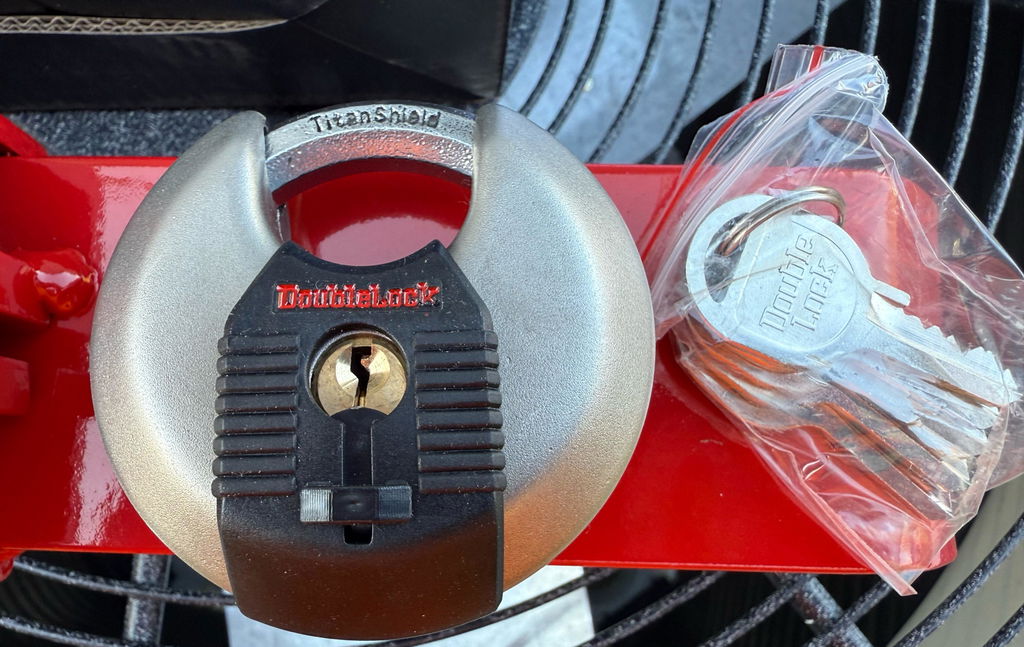
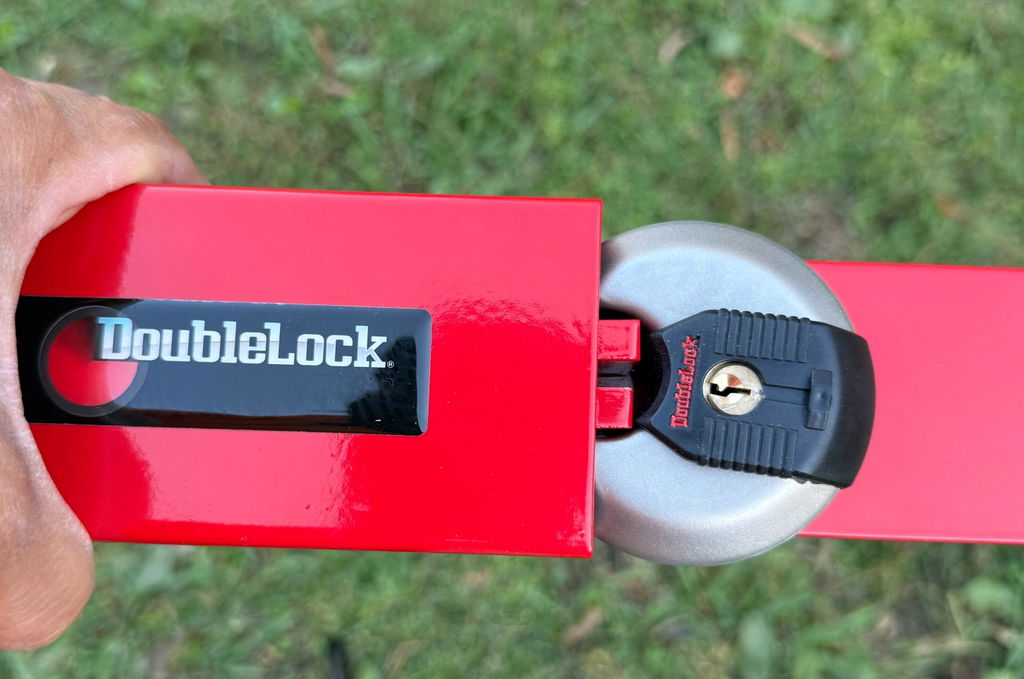
When a padlock is used to secure a larger locking mechanism, its most vulnerable point is the exposed shackle. Thieves with bolt cutters target this area specifically. A recessed padlock design cleverly addresses this weakness by sinking the body of the padlock into the main housing of the security device. This leaves very little of the shackle visible or accessible, making it extremely difficult for cutting tools to get a grip. As experts at Panther Marine Products point out, this design is specifically meant to deter cutting. It’s a smart feature that provides a significant security advantage, turning a standard padlock into a much tougher obstacle for anyone trying to steal your motor.
Anti-Rattling Features for a Quieter Ride
Security is the top priority, but usability matters too. A common complaint with some bar-style motor locks is the constant rattling noise they make when the boat is moving. This clanking can be distracting and take away from the peace of being on the water. To solve this, high-quality locks often include anti-rattling features. As noted in a review by Practical Sailor, these can be simple foam inserts or rubber dampeners that cushion the device and absorb vibrations. This small addition makes a huge difference in your boating experience, eliminating the annoying noise and ensuring a quieter ride. It’s a sign of a well-thought-out product that considers both protection and user comfort.
How the Top Motor Locks Stack Up
When you’re ready to choose a lock, it helps to see how different options stack up against each other. We can compare the top contenders across a few key areas: how well they prevent theft, how tough they are, how easy they are to use, and whether the price matches the protection you get. Thinking through these points will help you find the right balance for your needs.
Comparing Security and Theft Deterrence
The main job of an outboard motor lock is to stop a thief. High-quality locks are designed to resist common break-in methods, making your motor a much harder target. For example, in one test, experts found it was impossible to break open Stazo locks without specialized tools, a significant deterrent for opportunistic criminals. The goal is to make stealing your motor so difficult and time-consuming that a thief will simply give up and move on. A lock’s ability to withstand a real-world theft attempt is its most important feature.
Which Locks Are Built to Last?
A lock is only as strong as the materials it’s made from. Look for options built with heavy-duty metals. The Panther Outboard Lock, for instance, is made from robust carbon steel tubing designed to withstand force. Durability also means standing up to the elements, especially in a marine environment. That’s why our DoubleLock USA Barracuda features a corrosion-resistant construction to ensure it provides reliable, long-lasting security season after season. You want a lock that won’t rust or weaken over time, leaving your motor vulnerable.
Rating the Ease of Installation and Use
The best security is the security you actually use. If a lock is complicated to install or a pain to handle, you might be tempted to skip it. A good outboard motor lock should come with clear instructions and a straightforward installation process. Features like a vinyl coating can make a difference, helping the lock slide easily over the motor’s clamps without scratching the paint. The easier a lock is to handle, the more likely you are to use it consistently, which is the key to effective motor protection.
Balancing Price with Protection
It can be tempting to go for the cheapest option, but it’s important to weigh the cost against the value of what you’re protecting. As one boater wisely put it, "The cost of a lock compared to the outboard is tiny. The inconvenience of losing the outboard can be huge." While our locks at DoubleLock USA may not be the lowest-priced on the shelf, they provide a simple, effective deterrent. Think of it as an investment. Paying a little more for a reliable, well-built lock can save you the massive expense and headache of replacing a stolen motor.
What Real Boaters Are Saying
When you're investing in security, hearing from people who have already put a product to the test is invaluable. Expert reviews and customer testimonials can cut through the marketing noise and give you a clear picture of how a lock performs in the real world. We've sorted through feedback from boat owners and industry publications to find the common threads. People tend to focus on a few key areas: the quality of the design and materials, the balance between price and protection, and how well the lock holds up over time against both thieves and the elements.
This feedback often highlights specific features that make a difference, like a compact design that fits well or a particularly robust locking mechanism. It also reveals potential pain points, such as a complicated installation process or a finish that doesn't withstand saltwater. Understanding these perspectives can help you feel more confident in your final decision, ensuring you choose a lock that truly delivers peace of mind. It's not just about buying a product; it's about making a smart investment in the safety of your outboard motor. By learning from the experiences of others, you can better identify which features are must-haves and which concerns might apply to your specific situation.
Features Boaters Appreciate Most
Across the board, users praise locks that feel substantial and well-made. Reviewers frequently point to the quality of design and materials as a top reason for their satisfaction. A lock that is brilliantly designed not only looks good but also provides a tangible sense of security. For example, the DoubleLock Barracuda is often noted for being a tough, compact lock specifically made to secure smaller outboard motors. This kind of thoughtful engineering gives boat owners confidence that their expensive equipment is safe. Ultimately, customers agree that a good outboard lock is a worthwhile investment for protecting their property and enjoying their time on the water without worry.
Addressing Common Questions and Concerns
One of the most frequent topics in customer discussions is price. While no one wants to overspend, the consensus is that when it comes to security, more expensive is often better. Many boat owners view the cost of a high-quality lock as a small fraction of their motor's value. As one forum user put it, the inconvenience of losing an outboard can be huge, making a reliable lock a necessary expense rather than a luxury. This perspective frames the purchase as an investment in prevention. It’s about balancing the upfront cost with the long-term benefit of avoiding the financial loss and hassle of a stolen motor.
A Look at Long-Term Reliability
A lock is only as good as its ability to withstand the test of time, and customers pay close attention to durability. Corrosion-resistant construction is a key feature that ensures long-lasting performance, especially in marine environments where saltwater and humidity are constant threats. Expert tests confirm that premium locks are incredibly difficult to break open without special tools, a testament to their robust build. This focus on resilience is part of a larger commitment to quality. Companies with a strong heritage in security understand that reliability isn't just a feature; it's the foundation of trust between a brand and its customers.
Interpreting Online Reviews and Ratings
Reading through online reviews can feel like sorting through a mountain of opinions, but it’s one of the best ways to gauge how a lock performs in the real world. Look for patterns in the feedback. When multiple boaters mention the same positive points, like the quality of the materials or a compact design that fits well, it’s a strong signal of the product’s strengths. Pay attention to the details. Specific comments about a robust locking mechanism or how a lock has held up after a season in saltwater are far more valuable than generic praise. Understanding these shared experiences can help you feel more confident in your final decision, ensuring you choose a lock that truly delivers peace of mind. It’s about learning from the collective wisdom of other boaters to make a smart investment in your marine security.
Pricing and Where to Find Your Lock
Once you have an idea of what you’re looking for, the final steps are figuring out your budget and where to purchase your lock. The good news is that quality outboard motor locks are both affordable and widely available. Investing in a reliable lock not only protects your motor but can also offer additional financial benefits, making it a smart decision for any boat owner.
What Should You Expect to Pay?
You can find outboard motor locks at various price points, generally ranging from about $25 to over $70. While it might be tempting to go for the cheapest option, remember that the price often reflects the quality of the materials and the complexity of the lock's design. A less expensive lock might deter an opportunistic thief, but a determined one will find it easier to break. Investing in a mid-range to high-end lock usually means you’re getting superior materials like stainless steel and a more sophisticated locking mechanism, which provides much greater security and peace of mind.
Typical Price Points for Quality Locks
For a dependable outboard motor lock, you can expect to spend anywhere from $50 to over $100. This price range typically covers locks made from superior materials, such as stainless steel clamp locks or specialized locking nuts that replace your motor's existing hardware. While you can find options for less, investing in this range ensures you're getting a product designed to withstand serious tampering. When you consider that the price of a reliable lock is a tiny fraction of what it would cost to replace an entire outboard motor, spending a bit more for proven protection makes a lot of sense. It’s a small, one-time cost for significant peace of mind.
The Best Places to Buy an Outboard Motor Lock
Finding the right outboard motor lock is convenient, as they are sold at many major retailers. You can find DoubleLock USA’s complete line of marine security solutions in our online store or at national retailers like The Lowe's, Lowe's, and Northern Tools. This makes it easy to see the products in person and get a feel for their quality. Online marketplaces like Amazon also offer a wide selection from various brands, allowing you to compare features and read customer reviews before making a decision.
Can a Motor Lock Lower Your Insurance?
A quality outboard motor lock does more than just prevent theft; it can also save you money on your boat insurance. Many insurance providers offer discounts to owners who take proactive security measures. By installing a dedicated, high-quality lock, you demonstrate that you are a responsible owner, which can lower your perceived risk. It’s a great idea to call your insurance agent and ask about potential premium reductions for using an anti-theft device on your outboard motor. They can tell you what types of locks qualify and how much you could save.
How to Choose the Right Lock for Your Motor
With a clear understanding of what makes a quality outboard motor lock, you can narrow down your options. The final decision comes down to matching a lock’s features to your specific situation. It’s not about finding a single “best” lock, but about finding the right lock for your boat, your habits, and your peace of mind. Thinking through a few key factors will help you select a security solution that you can rely on for years to come.
Consider this a simple checklist to guide your choice. By evaluating your personal security needs, confirming the lock is compatible with your motor, and weighing the cost against the protection it offers, you can make a confident and informed purchase. This approach ensures you get a lock that not only fits your equipment but also fits seamlessly into your boating life, providing robust protection without any hassle. Let’s walk through each of these steps.
Start by Assessing Your Security Needs
First, think about where your boat is most vulnerable. Is it stored at a private dock, in a busy public marina, or on a trailer in your driveway? A boat in a high-traffic, well-lit area may have different security requirements than one in a more isolated spot. Your personal risk level helps determine how robust your lock needs to be. Beyond the environment, consider the practicality of the lock itself. A good outboard motor lock should be easy to install and use. If a lock is cumbersome or has a complicated installation process, you might be less likely to use it every time, which defeats its purpose.
Double-Check Your Motor's Compatibility
An effective lock is one that fits your motor perfectly. A lock that is too loose can be pried off, while one that is too tight might not engage correctly or could damage your motor’s bolts. Before you buy, you need to confirm the lock will fit your specific outboard model. As one manufacturer notes, you should always check your motor's thread size before buying a lock, as these specifications can change. You can find this information in your motor’s manual or on the manufacturer’s website. Compare these details with the lock’s product specifications to ensure a secure and proper fit. Many security products list compatible models directly in their descriptions.
Find the Right Balance of Price and Security
While it can be tempting to choose the least expensive option, security is one area where you often get what you pay for. As one test concluded, when it comes to outboard motor locks, "more expensive is better." Higher-quality materials like stainless steel, complex key mechanisms, and anti-tamper designs come at a higher price, but they also offer significantly more protection. Think of it as an investment. As one boater put it, "The cost of a lock compared to the outboard is tiny. The inconvenience of losing the outboard can be huge." Investing in a premium lock is a small price to pay for securing a motor that can cost thousands of dollars to replace.
Common Myths About Outboard Motor Locks
When it comes to securing your outboard motor, a few common beliefs can leave you with a false sense of security. Believing these myths can put your valuable equipment at risk. Let's clear up some of the most frequent misunderstandings so you can make informed decisions about protecting your investment. True security starts with understanding the facts, not relying on assumptions. By separating myth from reality, you can build a security strategy that genuinely protects your motor from theft.
Myth 1: Any Lock Will Do the Job
It’s easy to think that any lock is better than no lock, but the truth is that not all motor locks offer the same level of protection. A cheap, poorly constructed lock might deter an opportunistic thief, but a determined one can often bypass it with minimal effort. As one test concluded, with a little practice, many simple locks can be opened quickly. The quality of the materials, the complexity of the locking mechanism, and the overall design integrity make a significant difference. Investing in a higher-quality lock made from hardened steel and featuring a sophisticated design is a much more effective deterrent. Think of it as choosing the right tool for the job; for serious protection, you need a serious marine security solution.
Myth 2: A Single Lock Offers Enough Protection
While a single, high-quality outboard motor lock is an excellent foundation for your security, relying on it as your only line of defense might not be enough. The cost of a good lock is minimal compared to the expense and headache of replacing a stolen motor. A layered approach to security is always more effective. Consider pairing your primary motor lock with other deterrents, such as a heavy-duty security cable, a boat cover, or storing your boat in a well-lit, secure location. The goal is to make your motor as difficult and time-consuming to steal as possible. Each additional security measure adds another barrier that thieves have to overcome, making your boat a less appealing target.
Myth 3: Installation Is Too Complicated
The thought of installing a motor lock might bring to mind complicated instructions and a toolbox full of specialized tools, but that’s rarely the case. Reputable manufacturers design their locks with the user in mind. A good outboard motor lock should be straightforward to install and use, often taking just a few minutes from start to finish. Most products come with clear, easy-to-follow instructions that guide you through the process. You typically won’t need any special skills or equipment beyond basic hand tools. This ease of installation means there’s no reason to put off securing your motor. You can add a powerful layer of protection quickly and get back to enjoying your time on the water.
How to Install and Maintain Your Motor Lock
Choosing a high-quality lock is the first step, but proper installation and regular maintenance are what ensure it performs correctly for years to come. A poorly fitted or neglected lock can create a false sense of security. Taking a few extra minutes to install it right and check on it periodically will give you genuine peace of mind, whether your boat is at the dock, on a trailer, or in storage. Think of your lock as an investment in your motor’s safety; these simple practices will help you protect that investment.
Your Step-by-Step Installation Guide
Most outboard motor locks are designed for a simple installation process that you can complete in minutes. While the exact steps will vary depending on the model you choose, the general process is quite consistent. Always start by carefully reading the manufacturer's instructions that came with your lock.
Before you begin, clean the motor’s mounting bolts and the surrounding area to ensure a snug fit. Slide the lock over the motor’s clamp handles or mounting nuts. It should fit securely with very little play. Once in place, engage the locking mechanism and give it a firm tug to confirm it’s secure. A properly installed lock should not rattle or shift easily, as this can give a potential thief an opportunity to pry it off. The best marine security solutions are those that fit perfectly and leave no room for tampering.
Simple Tips for Maintenance and Care
Your motor lock is constantly exposed to the elements, especially in harsh marine environments. Regular maintenance is key to its longevity and performance. At least once a season, or more frequently if you boat in saltwater, take a moment to inspect your lock for any signs of corrosion, rust, or wear.
To keep it in top condition, rinse the lock with fresh water after each use to wash away salt and grime. Dry it thoroughly before storing. Periodically, apply a marine-grade lubricant to the keyhole and internal locking mechanism to ensure smooth operation and prevent parts from seizing up. This simple routine helps protect the high-strength materials, like stainless steel, that are used to make quality locks and ensures your key will turn without a fight when you need it to.
Positioning the Keyhole to Prevent Rust
When it comes to securing your outboard motor, a small detail in how you install your lock can make a huge difference in its longevity. One of the most effective habits you can adopt is to always position the lock with its keyhole facing downward. This simple orientation is crucial because it prevents water from pooling inside the locking mechanism, which is the leading cause of internal rust and corrosion. Over time, trapped moisture can seize the components, making the lock difficult or impossible to open. Following this one easy step helps keep the internal parts dry and ensures your lock functions smoothly every time you need it.
This simple installation trick is even more powerful when you pair it with consistent care. To keep your lock in top condition, make it a habit to rinse it with fresh water after each use, especially if you've been out in a saltwater environment. This quick rinse washes away any corrosive salt and grime that can build up on the surface and inside the keyhole. After rinsing, be sure to dry it thoroughly. Taking these small preventative steps is essential for maintaining the corrosion-resistant construction of a quality marine lock, protecting your valuable motor from both theft and environmental damage for years to come.
Beyond the Lock: A Complete Security Plan
A motor lock is a powerful deterrent, but for maximum protection, it should be part of a larger security plan. Thieves often look for the easiest target, so making your boat and motor appear difficult to steal can send them looking elsewhere. Consider layering your security by using more than one device. For example, you could pair a clamp lock with a bolt lock that secures the motor directly to the transom.
Other effective measures include installing a GPS tracker on your motor, which can help you recover it if it is stolen. Storing your boat in a well-lit, secure area or using a high-quality boat cover can also discourage theft. Finally, always record your motor’s serial number and keep it in a safe place. This information is invaluable for law enforcement and insurance claims if the worst should happen.
Related Articles
- Protecting Your Boat Engine: Why the Barracuda Outboard Lock Is Essential for Marine Security
- Outboard Motor Lock – Barracuda by DoubleLock USA
- DoubleLock USA Marine Locks
Frequently Asked Questions
Is a more expensive lock really worth the money? It’s a fair question, and while it can be tempting to save a few dollars, security is one area where the price often reflects the quality. A higher price tag usually means you’re getting stronger materials, like hardened steel, and a more complex lock design that is harder to defeat. Think of it as a small investment to protect a much larger one. A well-made lock can save you the significant cost and frustration of replacing a stolen motor.
How do I know if a lock will fit my specific outboard motor? Getting the right fit is essential for the lock to work correctly. The best way to ensure compatibility is to check your motor’s manual or the manufacturer’s website for the specifications of its mounting bolts. Once you have that information, you can compare it to the product details of the lock you’re considering. A proper fit should be snug, leaving no gaps for a thief to use as leverage.
What’s the single most important feature to look for in a motor lock? While features like a free-spinning collar are great, the most critical factor is the quality of the materials. A lock is only as strong as what it’s made of. Look for locks constructed from heavy-duty metals like carbon or stainless steel, as these are built to resist cutting, drilling, and brute-force attacks. A lock made from robust materials provides a genuine physical barrier, not just a visual deterrent.
How do I keep my lock from rusting in a saltwater environment? Consistent, simple maintenance is the key to making your lock last. After boating, it’s a good practice to rinse the lock with fresh water to wash away any salt residue. You should also periodically apply a marine-grade lubricant to the keyhole and internal mechanism. This keeps the parts moving smoothly and prevents corrosion from causing the lock to seize up over time.
Besides the lock itself, what else can I do to protect my motor? A great lock is your first line of defense, but a layered security approach is always best. Consider pairing your motor lock with other deterrents, like a heavy-duty security cable. Storing your boat in a well-lit, secure location can also make it a less attractive target. Finally, be sure to record your motor’s serial number and keep it in a safe place, as this information is critical if you ever need to file a police report or an insurance claim.