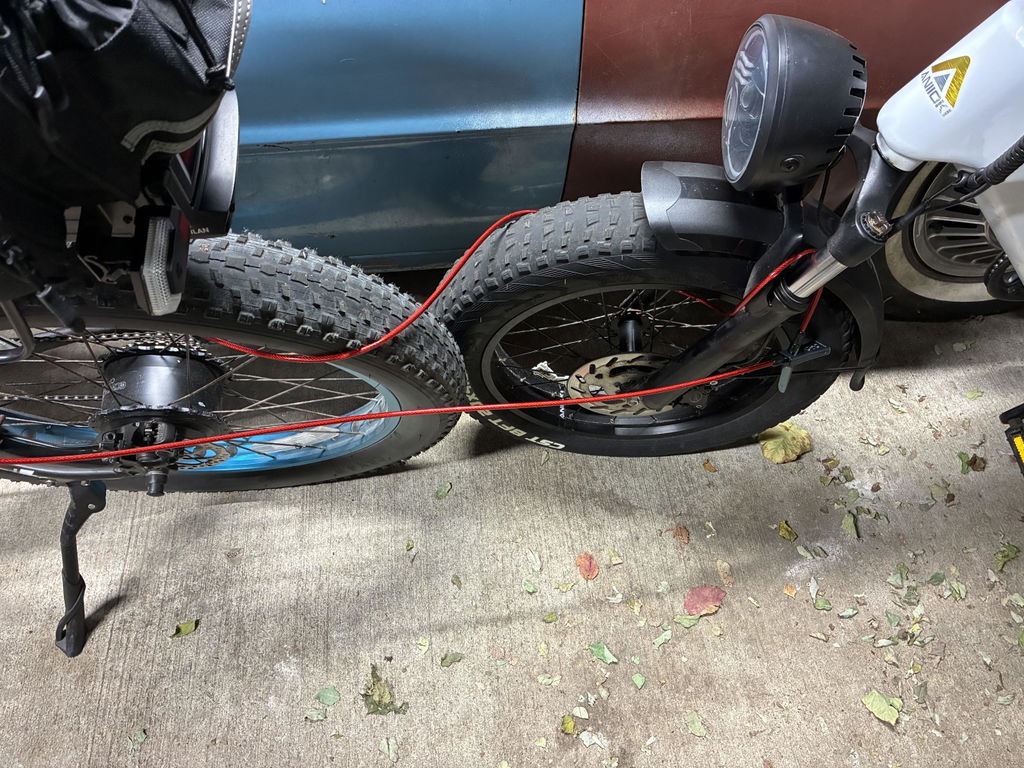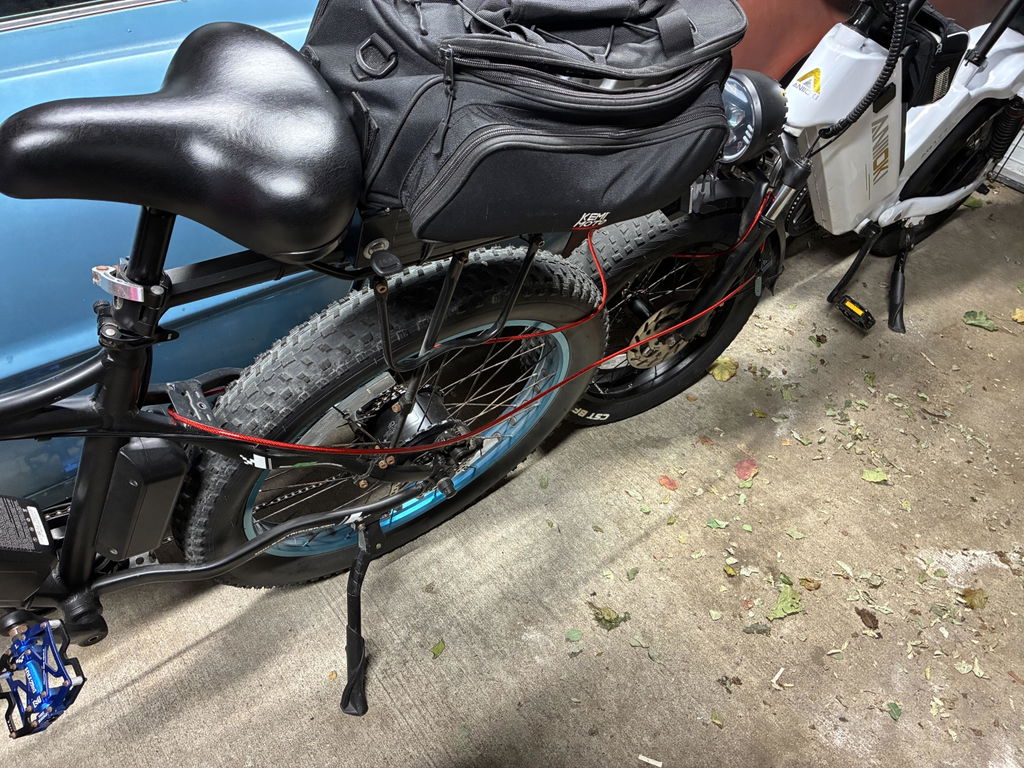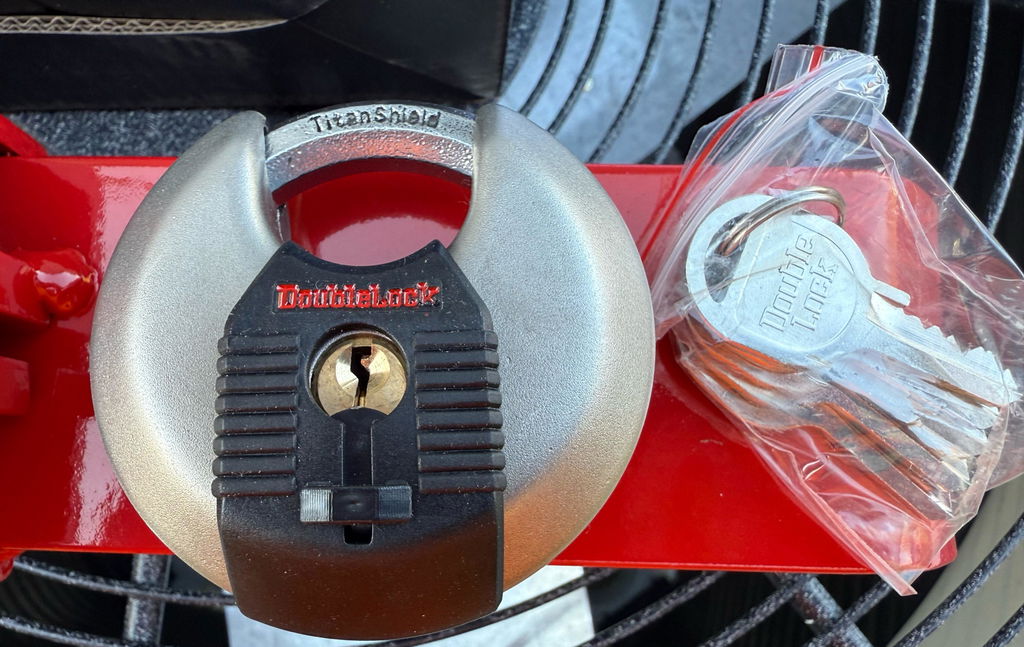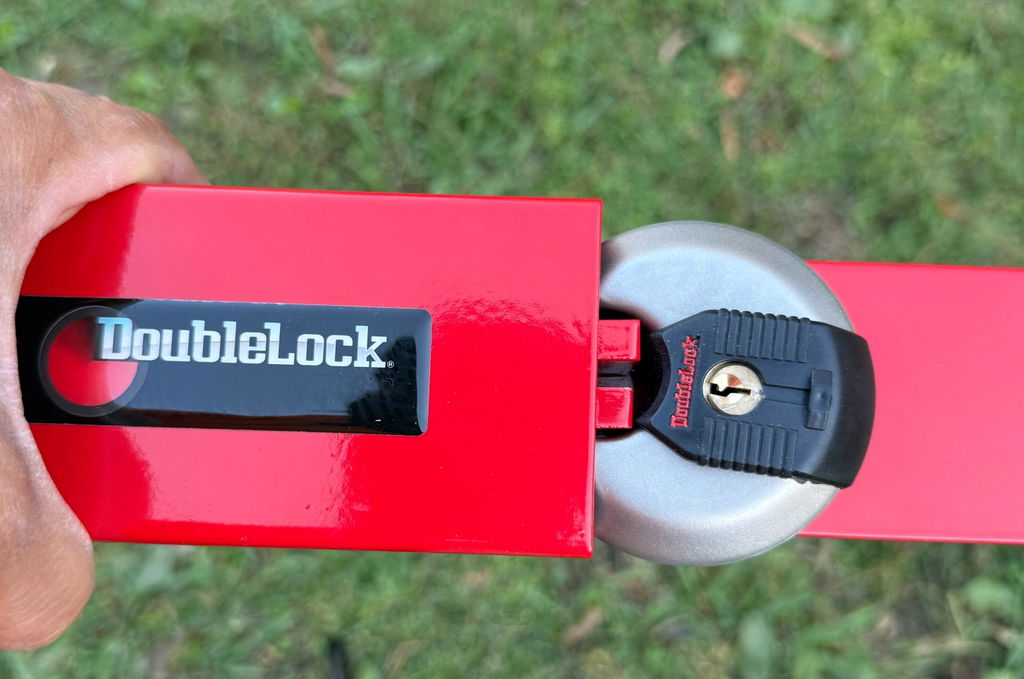

Some of your most valuable equipment is also the most difficult to secure. Think about the awkward shape of a generator, the length of a ladder, or the bulk of your patio furniture. Trying to secure them with a short, rigid shackle is often impossible. This is where the unique design of a braided steel cable lock becomes essential. Its flexibility allows you to weave it through frames and around fixed objects, creating a secure connection where other methods fail. But not all cables are created equal. This guide will cover how to choose the right one and use it effectively to protect your property.
Key Takeaways
- Understand the security trade-off: A cable lock’s flexibility is its greatest strength, making it ideal for securing awkwardly shaped items. This design is also its main vulnerability, so use it as a strong deterrent in low-risk areas or as a secondary layer of protection.
- Focus on key construction details: When choosing a lock, prioritize a thick, braided steel cable for cut resistance, select the correct length to secure items without leaving extra slack, and look for a weather-resistant mechanism for outdoor durability.
- Remember your security is a system: A cable is only one part of the equation. Its effectiveness depends on using a high-quality lock and attaching the entire setup to a solid, immovable anchor point that cannot be easily broken or dismantled.
What Is a Braided Steel Security Cable?
A braided steel cable lock is a versatile security tool made from multiple steel wires twisted together into a single, strong strand. This braided construction, long used in heavy-duty industrial jobs, gives the cable both strength and flexibility. Unlike a rigid shackle on a padlock, a cable can be looped through equipment, furniture, and other awkwardly shaped items with ease.
These locks consist of two main parts: the steel cable itself and an integrated locking mechanism. They come in various lengths and thicknesses, allowing you to choose the right level of security for your specific needs. Whether you're securing a generator at a construction site or locking up your boat trailer, a braided steel cable provides a practical way to deter theft. Understanding how they work and where to use them is the first step in making a smart security choice.
How Do Steel Security Cables Work?
A cable lock works by looping the flexible steel cable through your belongings and around a fixed object, like a post or a railing. The ends of the cable then connect to a locking head. The effectiveness of this setup, however, depends on more than just the cable. Your security is compromised if you use a flimsy lock or attach your cable to a weak anchor point. A thief will always look for the weakest link. When selecting a cable lock, pay attention to the material, build quality, and the locking mechanism itself, along with the cable's length and thickness. These factors determine how well it will protect your property.
Where Can You Use a Steel Security Cable?
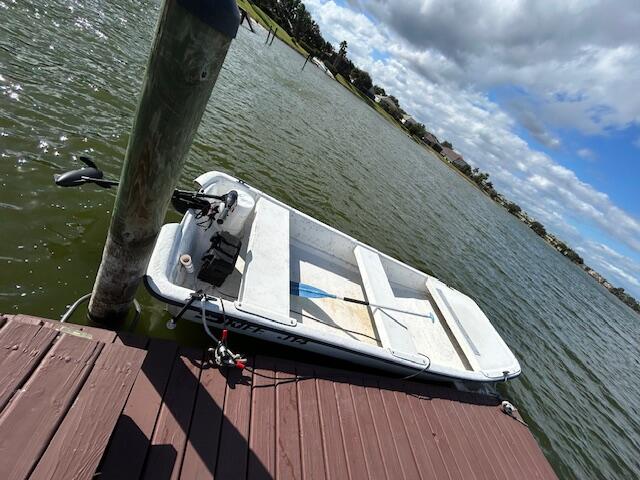
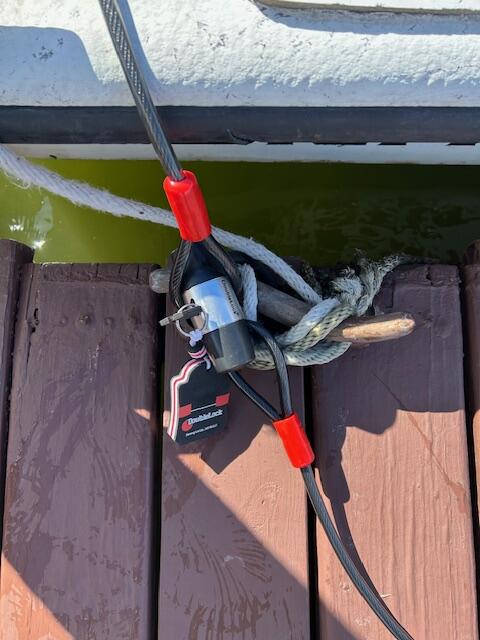
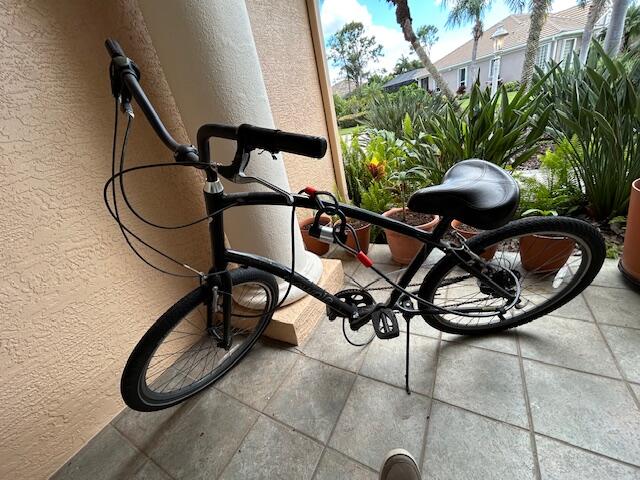
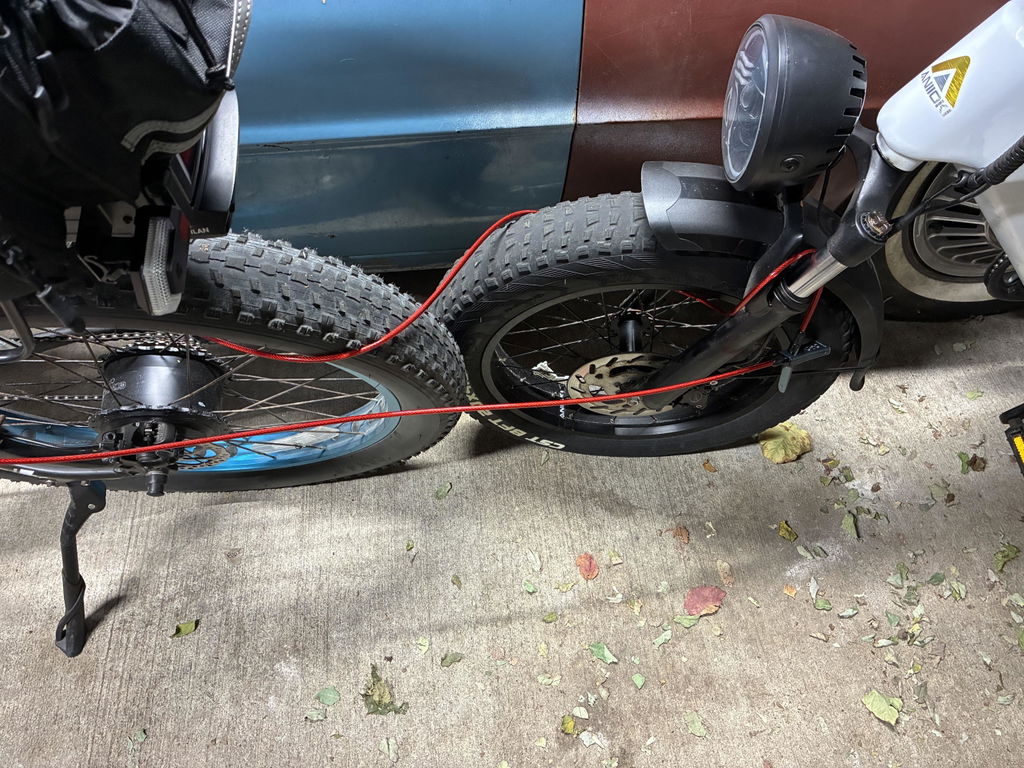
The flexibility of braided steel cables makes them a go-to for a wide range of security needs. You can use them to secure bicycles, grills, and patio furniture at home. On a job site, they are perfect for locking down ladders, power tools, and equipment to prevent opportunistic theft. For marine use, they can secure gear on your boat or lock the boat itself to a dock. This adaptability makes them a versatile security solution for items that are difficult to secure with traditional locks. Their design allows you to easily bundle multiple items together with a single cable.
Specialized Uses like Firearm Safety
Beyond general use, braided steel cables serve important roles in specialized areas like firearm safety. A cable can be threaded through the action of a firearm, rendering it unable to be loaded or fired. This is a critical measure for safe storage at home or during transport. Many jurisdictions have specific requirements for securing firearms, and some cable locks are designed to meet strict safety standards, such as those approved by the California Department of Justice. Using a designated cable for this purpose provides an essential layer of security, helping to prevent unauthorized access and accidental discharge.
Understanding Different Locking Mechanisms
The cable itself is only one part of the security system. The locking mechanism that fastens the cable is equally important. The type of mechanism you choose will depend on your preference for convenience, the number of items you need to secure, and how you plan to use the cable. You can find options that use a traditional key or others that allow you to set your own numeric combination. Understanding the differences will help you select the right tool for your specific security needs, ensuring you have a system that is both effective and easy for you to manage.
Keyed, Combination, and Keyed-Alike Options
You can choose locks that use a key or locks where you set your own number combination. Keyed options are a classic, reliable choice. Combination styles offer the convenience of not needing to carry an extra key. For those managing multiple secured items, such as on a construction site or for a fleet of rental equipment, keyed-alike systems are a great solution. This allows you to use a single key for multiple locks, simplifying access without compromising security. Each style has its place, depending on whether you prioritize keyless entry or the simplicity of a single key for many locks.
Common Cable Designs
Just as locking mechanisms vary, so do the physical designs of the cables themselves. The construction of the cable determines how you can use it and what it can secure. Some are all-in-one units with the lock built directly into the cable, while others are simple looped cables that require a separate padlock. The design you choose will depend on the items you need to protect and the level of flexibility you require. Knowing the common designs helps you match the right cable to the job, from securing a generator to bundling tools together.
Adjustable Locking Cables
An adjustable locking cable features a special mechanism that allows you to pull the cable to your desired length and lock it in place. This design is incredibly useful because it lets you get a snug fit around whatever you're securing, eliminating slack. Extra slack in a cable can provide a leverage point for thieves to try and cut or pry it open. By cinching the cable tight, you make it much more difficult to tamper with. This feature is ideal for securing items of various sizes or for bundling multiple objects together tightly.
Cables with Integrated Locks
Cables with integrated locks are convenient, all-in-one solutions. The locking mechanism is permanently attached to one end of the cable, so you never have to worry about misplacing a separate padlock. These designs are straightforward to use: you simply loop the cable through your items and click the end into the locking head. They come in various lengths, thicknesses, and locking styles, including both keyed and combination options. Their simplicity makes them a popular choice for quickly securing equipment on a job site or patio furniture at home.
Looped Cables for Padlocks
Looped cables are exactly what they sound like: a length of braided steel with a loop at each end. This design offers maximum versatility because it allows you to use your own padlock. You can pair the cable with a high-security padlock of your choice, tailoring the security level to your specific needs. This is a great option if you already have a set of high-quality padlocks or if you want to use a keyed-alike system across all your equipment. The simple, durable design makes it a reliable component of a customized security setup.
The Pros and Cons of Braided Steel Cables
Braided steel cables are a popular security choice, but it's important to understand where they excel and where they fall short. Like any tool, they are designed for specific jobs. Weighing their advantages against their limitations will help you decide if a security cable is the right fit for your needs.
What Are the Advantages of a Steel Cable?
One of the biggest benefits of a braided steel cable is its flexibility. Unlike rigid security devices, these flexible steel cables can easily wrap around posts, railings, and equipment of various shapes and sizes. This adaptability makes them incredibly convenient for securing items in tricky spots. They are also lightweight and simple to carry, so you can easily take them from the job site to your boat.
Beyond convenience, quality cables are built to last. Many are designed to resist rust and withstand harsh weather, making them a reliable option for outdoor use. Whether you're securing equipment on a construction site or gear on a marina dock, a weather-resistant cable provides dependable performance through changing conditions.
What Are the Security Limitations?
The main drawback of a braided steel cable is its vulnerability to cutting. With the right tools, thieves can cut cable locks relatively quickly. For this reason, they are best used as a deterrent in low-risk areas or as a secondary layer of security for highly valuable items. In situations where thieves might have access to power tools, the risk is even greater.
It's also crucial to remember that a cable is only as strong as its lock and anchor. Using a high-quality, hardened steel padlock is essential to creating a secure system. If you pair a strong cable with a flimsy padlock or attach it to a weak object, you compromise your entire setup. Always ensure your padlock is robust and your anchor point is solid and immovable.
How to Choose the Right Steel Security Cable
Finding the right cable lock comes down to matching its features to your specific needs. Not all cables are created equal, and thinking through a few key details before you buy can make all the difference. When you’re ready to choose, focus on the cable’s construction, its dimensions, and its ability to withstand the elements. These factors will help you select a lock that provides the right level of security and durability for your equipment, whether it’s on a boat, at a construction site, or in your own backyard.
Why Cable Thickness and Material Matter
The core of any cable lock is, of course, the cable itself. You’ll want to look for one made from braided steel, as the interwoven strands are much more difficult to cut than a single, solid wire. As a general rule, a thicker cable offers greater resistance. While a thinner cable might be fine for low-risk situations, a thicker one is a better choice for securing valuable equipment. Also, pay attention to the protective coating. Most quality cables have a vinyl coating that not only prevents the steel from scratching your belongings but also protects it from rust and corrosion. Taking a moment to review your options can help you find the right balance of strength and utility.
Matching Thickness to Your Task
When it comes to security cables, size really does matter. A thicker cable is always a stronger deterrent because its dense, braided construction offers greater resistance to cutting tools. Think about what you're protecting and where. For a lower-risk situation, like securing patio chairs in your backyard, a thinner, more lightweight cable might be sufficient. However, when you’re locking up expensive equipment like a generator on a construction site or valuable gear on your boat, you should always opt for the thickest cable available. This simple choice significantly increases the time and effort a potential thief would need, making your property a much less appealing target.
The Importance of a Hardened Steel Lock Body
A strong cable is a great start, but it’s only half of the security equation. Your entire setup is only as tough as its weakest component, and a thief will always exploit that vulnerability. Pairing a heavy-duty cable with a flimsy lock is like barring a window but leaving the door wide open. This is why a hardened steel lock body is so important. Hardened steel is specially treated to withstand attacks like cutting, drilling, and striking. By choosing a robust lock to complement your cable, you are creating a secure system where every part works together to protect your valuables. Don't let a weak lock undermine the strength of your cable.
Finding the Right Length and Flexibility
Cable locks are valued for their flexibility, which allows you to secure items that a rigid lock just can’t handle. Before you decide on a length, think about what you’ll be locking and where. You need enough length to loop through your gear and around a fixed anchor point without leaving too much slack. A cable that’s too long can be unwieldy and may give a potential thief more room to work with tools. Measure the distance you need to cover or visualize how you’ll use the lock. This simple step ensures you get a cable that’s practical for your day-to-day use, whether you’re securing a generator or bundling tools together.
Why You Need a Weather-Resistant Design
If your cable lock will be used outdoors, its ability to stand up to weather is critical. Rain, humidity, and salty air can cause locking mechanisms to corrode and fail over time, while freezing temperatures can jam them completely. Look for locks with components made from corrosion-resistant materials like brass or stainless steel. Some models also include a cover for the keyhole, which is a great feature for keeping out dirt, dust, and moisture. A well-built, weather-resistant lock is a reliable investment, reflecting a commitment to quality that ensures your lock works when you need it most.
Considering Brands and Customization
Once you have a clear idea of the thickness, length, and weather resistance you need, you can start looking at specific brands and customization options. The market offers a variety of choices, from well-known household names to specialized manufacturers. Some brands have built a reputation over decades, offering a baseline of trust and reliability. Others might provide unique features, like custom-length cables, that are perfect for very specific tasks. Taking the time to compare what different companies offer ensures you find a security solution that not only meets your technical requirements but also aligns with your expectations for quality and performance.
Well-Known Brands on the Market
When you begin shopping for a cable lock, you'll likely come across established names. For example, retailers like AllPadlocks.com sell products from brands such as Master Lock. At DoubleLock USA, we build on that tradition by focusing on robust security solutions specifically for demanding environments in the marine, hardware, and construction sectors. Our approach is centered on providing top-notch, unbeatable security you can depend on. By choosing a brand that understands your specific needs, you can feel more confident in the protection you’re getting for your valuable equipment.
Options for Custom-Length Cables
For some situations, a standard-length cable just won't do. You might need to secure an item in a particularly tight or awkward space, where extra slack could become a security risk or a tripping hazard. In these cases, a custom-length cable is an excellent solution. Some companies, like Flexguard, offer custom-made cables that let you choose the exact length you need, often up to 50 feet. This level of customization ensures a perfect fit, minimizing opportunities for thieves to manipulate the cable and providing a cleaner, more professional-looking security setup for your gear.
Understanding the Cost and Warranty
After narrowing down your choices based on features and brands, the final decision often comes down to cost and long-term value. While it can be tempting to go for the cheapest option, price is usually a reflection of quality. A more expensive cable lock might feature a thicker cable, a more complex locking mechanism, or superior weather resistance. Just as important as the initial price is the warranty. A strong warranty is a manufacturer's promise that their product is built to last, giving you peace of mind that your investment is protected for years to come.
Typical Price Range for Security Cables
The cost of a braided steel cable lock can vary quite a bit depending on its features. Generally, you can expect to find options ranging from around $9 to $50. On the lower end of that spectrum, you’ll find basic cables suitable for low-risk environments. As the price increases, you’ll see thicker cables, more durable materials, and more sophisticated locking mechanisms. For instance, prices for locks often scale with length and security features. Investing a little more can provide a significant upgrade in protection, so consider the value of what you’re securing when you decide on your budget.
The Value of a Limited Lifetime Warranty
A limited lifetime warranty is a powerful indicator of a product's quality. When a company offers one, it shows they have confidence in their materials and manufacturing process. This type of warranty typically covers defects in workmanship and materials for the expected life of the product. For example, some Python™ Adjustable Locking Cables come with a Limited Lifetime Warranty, giving you assurance that it's a durable piece of equipment. This commitment to quality is something we share, as our own brand story is built on providing reliable, long-lasting security solutions you can trust.
How Secure Is a Steel Cable?
The security of a cable lock really comes down to three things: the quality of the cable itself, the strength of the locking mechanism, and what you attach it to. Think of it as a chain where every link needs to be strong. Your security is compromised if you use a high-quality cable but attach it to a weak fence post that can be easily broken. Cable locks are excellent visual deterrents and offer solid protection in the right circumstances, but understanding their specific strengths and weaknesses is key to using them effectively.
The primary advantage of a cable lock is its flexibility, allowing you to secure items of awkward shapes or to loop it through multiple objects at once. This makes them incredibly versatile for everything from construction site equipment to kayaks on a car roof. However, this flexibility is also its main trade-off when it comes to brute-force attacks. To get the most out of your cable lock, you need to know what makes a good one, when it’s the right tool for the job, and how to use it properly. By paying attention to these details, you can confidently protect your equipment, tools, and recreational gear.
How to Understand Security Ratings
When you’re looking at different cable locks, you’ll notice variations in thickness, materials, and lock design. These features are what determine its overall security level. The most important factors to consider are the cable’s material and build quality, the type of locking mechanism it uses, and its overall size. A thicker, braided steel cable is inherently more difficult to cut than a thinner, simpler one. Likewise, a robust locking cylinder is more resistant to picking or drilling. When you’re choosing a lock, look for details about its construction to get a clear picture of the protection it offers.
Advanced Security Features like Wafer Cylinders
The cylinder itself is a critical part of your security setup. While a thick cable resists cutting, the cylinder is what prevents picking and drilling. Some security cables feature advanced designs like a wafer cylinder. This type of device uses a series of flat plates, or wafers, that must be perfectly aligned by the key to open. This special design makes it much more difficult for someone to manipulate the device compared to simpler designs. When you're evaluating your options, looking for features like this is a good sign that the manufacturer has prioritized security in every component. It's worth taking the time to find a complete security solution that includes both a strong cable and a robust cylinder.
When Is a Steel Cable the Right Choice?
Let’s be direct: for extremely high-value items in a high-risk area, a heavy-duty U-lock or chain might be a better primary choice. Some hardened steel locks can resist bolt cutters more effectively than a standard cable. However, that doesn’t mean cable locks don’t have their place. They are the perfect solution for lower-risk environments or as a secondary lock. Think about securing a propane tank to your grill, locking a cooler at a campsite, or bundling patio furniture together overnight. In these situations, a cable lock provides a strong deterrent and more than enough protection to prevent a crime of opportunity.
How to Properly Use Your Steel Cable
How you use your cable lock is just as important as which one you buy. First, always secure it to a solid, immovable object that can’t be easily cut or dismantled. A metal railing cemented into the ground is a great anchor point; a small sapling is not. When securing your belongings, loop the cable through as much of the item as possible. For example, run it through the frame and handles of your generator. Finally, try to keep the lock itself off the ground. This makes it more difficult for a potential thief to get the leverage needed to use tools like bolt cutters.
Find the Right Security Solution for You
Choosing the right security device isn’t about finding the single best lock, but about finding the best lock for your specific situation. The level of protection you need depends entirely on what you’re securing and where you’re securing it. A cable lock that’s perfect for keeping a generator safe on a construction site might be different from one used to secure a gate at home. Thinking through these details is the most important step you can take to protect your property effectively.
The process starts with understanding your options and then carefully assessing your own requirements. It's easy to get overwhelmed by technical specs, but it really comes down to a few key questions. What are you protecting? Where will it be? How long will it be left unattended? Answering these helps you create a clear picture of your security needs. By looking at the features of different cable locks and thinking through how you’ll use them, you can confidently select a solution that gives you peace of mind. This approach ensures you get the right balance of strength, flexibility, and durability for your belongings, so you're not overpaying for features you don't need or, worse, getting a lock that doesn't offer enough protection.
Discover DoubleLock USA's Steel Cables
A security cable is only as strong as the lock it’s paired with. That’s why we design our products as complete security systems. When you browse our collection of cable locks, you’ll find that every component is built for strength and reliability. We focus on creating robust locking mechanisms that complement the resilience of our braided steel cables, ensuring there are no weak points. From the materials we choose to the construction of each lock, our goal is to provide a dependable barrier against theft, giving you a solution you can trust for your equipment and property.
How to Match Features to Your Security Needs
Before you make a choice, take a moment to evaluate your security needs. Consider the value of the item you’re protecting and the environment where it will be kept. Key features like cable thickness, material, and length will determine how well a lock performs for your purpose. A thicker, shorter cable might be ideal for high-risk situations, while a longer, more flexible one could be better for securing multiple items. Also, pay attention to the build quality and the locking mechanism itself. Our commitment to security means we prioritize durable, tamper-resistant designs that stand up to the elements and potential threats.
Using Online Tools to Narrow Your Search
How Product Selectors Help
When you start shopping online, the sheer number of options can be overwhelming. This is where product selectors and filtering tools become your best friend. These features, found on most retail websites, let you narrow down the choices based on specific criteria like cable thickness, length, and material. For example, since a thicker, braided steel cable is inherently more difficult to cut, you can filter for cables over a certain diameter to quickly find more robust options for valuable equipment. By using these tools, you can efficiently sort through the inventory and focus only on the products that truly meet your security requirements, saving you time and effort.
Comparing Models Side-by-Side
Once you have a shortlist, the next step is to compare the details. Many websites allow you to view models side-by-side, which is a great way to evaluate their specific features. As we've covered, the effectiveness of a security cable depends on the material, build quality, and the locking mechanism itself. A comparison view lets you scrutinize these attributes, helping you balance flexibility with the level of security you need. This attention to detail reflects a company's commitment to quality. Beyond the specs, look for user reviews and ratings. This feedback provides valuable insight into how these security devices perform in real-world situations, helping you make a well-rounded and confident decision.
Is a Steel Security Cable Right for You?
Choosing the right lock comes down to understanding what you need to protect and the level of risk involved. Cable locks are a popular choice because of their unique combination of flexibility and ease of use, but they are not the perfect solution for every situation. By weighing their strengths against their limitations, you can decide if a braided steel cable is the right fit for your security needs.
Think of it as matching the tool to the job. A cable lock is an excellent choice for quickly securing a generator at a busy construction site during the day, where its main purpose is to deter a casual walk-away theft. However, leaving that same generator locked with only a cable overnight in an isolated area presents a much higher risk. The key is to honestly assess your environment and the value of what you're protecting. Is the area well-lit and frequently trafficked? Are you securing items for a few minutes or for several hours? Answering these questions will help you determine if a cable lock’s convenience outweighs its security limitations for your specific case.
What Are Steel Cables Best For?
The biggest advantage of a cable lock is its flexibility. Unlike rigid locks, a steel cable can weave through equipment, tools, and outdoor furniture, securing multiple items together or to an oddly shaped anchor point like a tree or post. This makes them an incredibly versatile security tool for a wide range of applications where other locks simply won’t fit.
Their portability also makes them a great choice for on-the-go security. You can easily coil one up to secure luggage or gear while traveling, or keep one in your truck to lock down tools and equipment at a job site. For situations where you need a visual deterrent or protection against casual, opportunistic theft, a cable lock provides a simple and effective solution.
When to Choose a Different Security Option
It is important to be realistic about the level of protection a cable lock can offer. While they are a strong deterrent, determined thieves with tools like bolt cutters can get through them relatively quickly. For this reason, they are best suited for lower-risk environments or situations where items are not left unattended for extended periods.
Your security is also compromised if you use a flimsy lock or attach the cable to a weak object. A cable is only as strong as its lock and anchor. If you are protecting high-value assets, especially overnight or in a high-crime area, you should consider pairing the cable with a high-security padlock or opting for a heavy-duty chain instead.
Where to Find Your Steel Security Cable
Once you know what features you need, the next step is finding the right cable security device. High-quality cable products are available at major hardware and home improvement stores, as well as online. Knowing where to look and what to look for ensures you get a reliable product that fits your security requirements.
Find DoubleLock USA at Major Retailers
You can find DoubleLock USA products conveniently at major retailers across the country. When you visit stores like The Lowe's, Lowe's, or Northern Tools, you can see our security solutions firsthand. For example, The Northern Tool carries options like our DoubleLock BOBCAT Coiled Combination Cable, which features 6 feet of braided steel with a protective vinyl coating. Whether you prefer to shop in person or browse online, our goal is to make dependable security accessible. You can also explore our complete collection of braided steel security cables directly on our website to find the perfect match for your equipment.
What to Look for in a Quality Security Cable
When choosing a cable security device, remember that a cable is only as strong as its locking mechanism and anchor point. Your security is compromised if you attach your cable to a weak object. Key factors to consider include the material, build quality, and size and length variations. A thicker, well-constructed braided steel cable offers more resistance. It's also important to understand that some security devices can be compromised by determined thieves with power tools. For a deeper look into this topic, you can read our guide on whether a braided steel security cable is secure enough for your specific situation. The best choice always depends on what you need to protect and the level of risk involved.
Related Articles
Frequently Asked Questions
Why is a "braided" steel cable better than just a single thick wire? A braided cable is made of many smaller steel strands twisted together. This construction makes it much more difficult to cut through than a single, solid wire. A thief would have to sever each individual strand, which takes more time and effort. This design also gives the cable its signature flexibility, allowing you to secure items that a rigid lock can't.
What's the most common mistake people make when using a cable lock? The biggest mistake is forgetting that a cable is only one part of a security system. People often use a strong cable but attach it to a weak anchor point, like a small wooden fence post or a flimsy bike rack. A thief will always target the weakest link, so you must secure your cable to something solid and immovable to make it effective.
Can I use a cable lock outdoors in bad weather? Absolutely, but you need to choose the right one. Look for a cable with a protective vinyl coating, which shields the steel from moisture and prevents rust. It's also important to check that the locking mechanism itself is made from corrosion-resistant materials like brass or stainless steel. A lock with a covered keyhole offers extra protection from dirt and water.
How do I know what length and thickness to get? The right thickness depends on what you're protecting; a thicker cable provides a stronger deterrent and is better for more valuable equipment. For length, consider how you'll use it. You need enough cable to loop through your item and around your chosen anchor point without leaving too much slack, which can give a thief more room to work with their tools.
Are cable locks a good primary security solution for very expensive items? It really depends on the situation. Cable locks are an excellent deterrent against casual, opportunistic theft in low to medium-risk areas. For extremely valuable assets left unattended for long periods, especially in a high-risk location, it's wise to use a cable lock as a secondary layer of security in addition to a more robust solution like a heavy-duty chain.
Helpful Features for Ease of Use
A security device is only effective if you actually use it, and complicated setups can be a major deterrent. This is where the thoughtful design of a cable lock shines. The most obvious feature is its incredible flexibility. These flexible steel cables can easily wrap around bulky equipment, through ladder rungs, or around a thick post, securing items that a rigid lock simply can’t. Many also feature an adjustable locking head, which lets you pull the cable tight for a snug fit and eliminate slack. Beyond its adaptability, a quality cable lock is designed for the real world. Weather-resistant coatings and materials prevent rust and corrosion, ensuring your lock functions smoothly whether it’s left out in the rain at a job site or exposed to salty air at the marina. Some even include small but significant details like a strap to keep the coiled cable tidy for storage. These features aren't just about convenience; they create a reliable tool that’s ready to work whenever you are.