
You wouldn't use a gym locker padlock to secure a half-million-dollar excavator, right? A padlock on a construction site has to fight a much tougher battle. It must be strong enough to deter determined thieves armed with bolt cutters, drills, and pry bars. At the same time, it has to endure a constant assault from the elements. Rain, mud, and dust can cause weaker locks to rust and seize completely. Finding the right heavy-duty padlock means selecting a device engineered for this dual challenge, with a focus on tough materials and weather-resistant features that won't fail you.
Key Takeaways
- Prioritize physical strength and all-weather durability: A construction site demands a lock with a solid steel or boron alloy body and a hardened shackle to defend against force, plus weather-resistant coatings and seals to ensure it operates reliably in harsh conditions.
- Invest in security that matches your risk: Avoid choosing a lock based on price alone; instead, select a professional-grade padlock with features like anti-drill plates and complex cylinders to properly protect high-value tools and equipment.
- Implement proper installation and maintenance habits: A strong padlock is only effective when paired with a sturdy hasp, positioned to protect the shackle, and maintained with regular cleaning and lubrication to guarantee long-term performance.
Choosing the Right Padlock for a Construction Site
A construction site is a demanding environment, and not just any padlock can handle the job. Securing thousands of dollars in tools, equipment, and materials requires a lock built for more than just keeping a garden shed closed. The right padlock needs to be tough enough to deter determined thieves and durable enough to function through mud, rain, and dust. When you’re choosing a lock, focus on four key areas: the body, the shackle, its weather resistance, and the internal locking mechanism. Getting these four things right is the first step to securing your site properly.
Understanding the Wide Range of Options
When you start looking for a security device, the sheer number of choices can feel overwhelming. However, for a construction site, the options quickly narrow. A construction site is a demanding environment, and not just any padlock can handle the job. Securing thousands of dollars in tools, equipment, and materials requires a device built for more than just keeping a garden shed closed. You need to find a balance between something that is easy for your crew to use daily and a solution that provides formidable resistance against theft. The first major decision point you will encounter is whether to use a keyed or combination mechanism for your security hardware.
Keyed vs. Combination Padlocks
Keyed padlocks are generally the preferred choice for high-security applications. They often feature more complex internal mechanisms that are harder to pick or bypass, and they are built from robust materials designed for strength. The main challenge is key management; you have to track who has keys and have a plan if one gets lost. Combination padlocks remove the need for keys, which can be convenient for granting access to multiple people. However, they can sometimes be less secure against manipulation, and the code can be forgotten or shared unintentionally. For a worksite where durability is paramount, a high-quality keyed device often provides greater peace of mind, as it is engineered to function reliably through mud, rain, and dust.
Exploring Different Padlock Body Types
The body of a padlock is its foundation and your first line of defense against a physical attack. When you’re choosing a security device, it is helpful to focus on four key areas: the body, the shackle, its weather resistance, and the internal locking mechanism. A weak body made from inferior materials can be compromised with a drill or a heavy hammer. For a construction environment, you should look for a body made from solid or hardened steel. The design of the body also plays a critical role in protecting the shackle, which is the most common point of attack. Different body types offer varying levels of shackle protection, which is a key factor in their overall security rating.
Discus and Shutter Padlocks for Limited Shackle Exposure
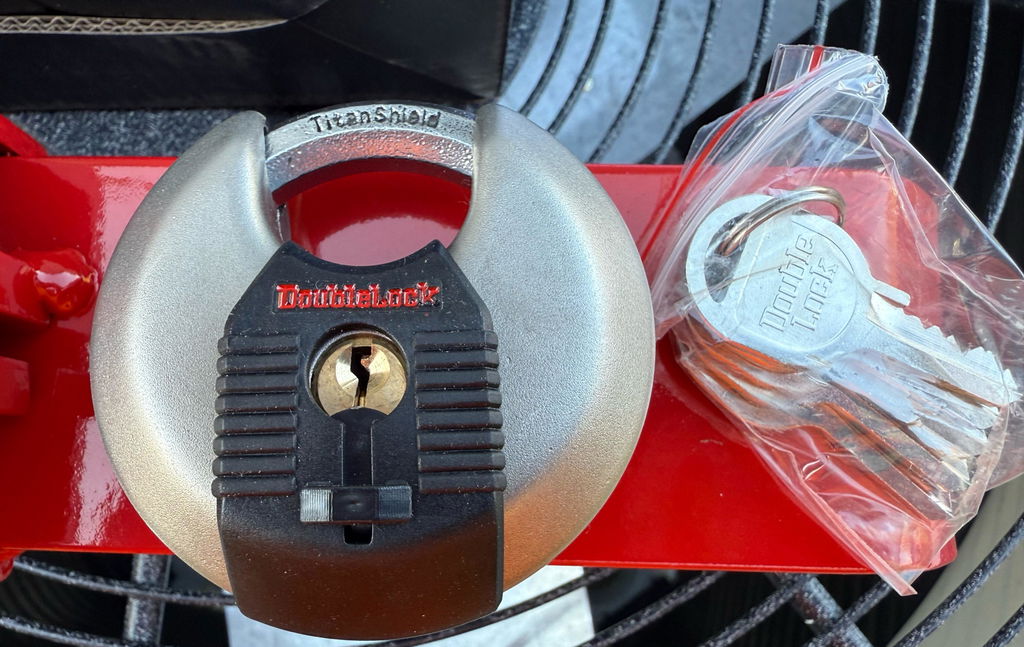
A discus-style padlock features a circular, flattened body that almost completely surrounds its curved shackle. This design leaves only a small portion of the shackle exposed, making it extremely difficult for bolt cutters to get a grip. Similarly, a shutter padlock uses a rectangular body to conceal a straight, sliding pin. Both of these designs are excellent choices for securing storage containers, gates, and chains where the attachment point can accommodate their unique shape. By minimizing shackle access, these heavy-duty padlocks force a potential thief to attack the much stronger body or the attachment hardware itself, significantly increasing the effort required to defeat them.
Hidden Shackle (Shackle-less) Padlocks
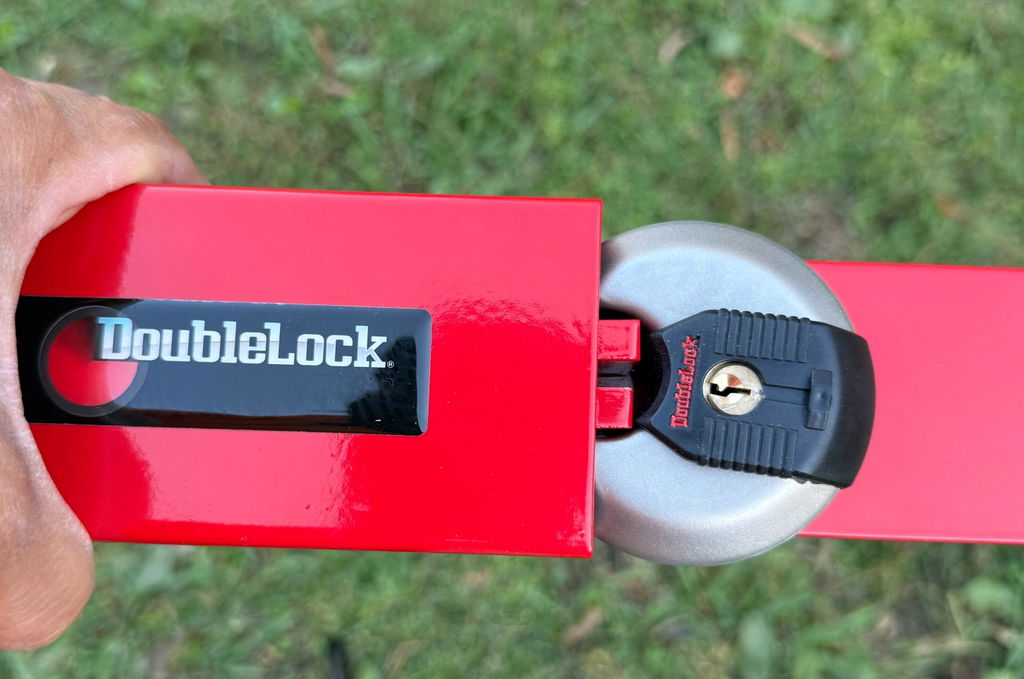
For maximum security, a hidden shackle padlock is the top choice. Often called a "hockey puck" due to its shape, this design completely encloses the attachment hardware within its solid steel body. There is no external shackle to cut, pry, or strike. This style of device must be paired with compatible hardware that is also designed to be shrouded by the padlock's body. While it requires a specific setup, the result is a security system with virtually no weak points for a thief to exploit. This makes it an ideal solution for securing high-value assets like tool cribs, job boxes, and equipment trailers on a construction site where you cannot afford any compromises on security.
Why a Solid Steel Body Is Non-Negotiable
The body of the padlock is its foundation. For a construction site, you need a lock with a solid steel body, as it provides a formidable barrier against brute force attacks like hammering or drilling. While hardened steel locks offer excellent security for moderate-risk environments, consider a padlock made from a boron alloy for your most high-risk areas, like tool cribs or storage containers. Boron-alloy is exceptionally hard and provides superior resistance to cutting and sawing. When you’re looking at a lock, the weight and feel of it can often tell you a lot about its construction. A heavy, solid lock is much harder to defeat than a lighter, hollow one.
Comparing Padlock Materials: Steel, Brass, and Aluminum
While steel is the clear winner for construction site security, you will see padlocks made from other materials like brass and aluminum. Brass is highly resistant to corrosion, making it a popular choice for marine applications, but it's a much softer metal than steel and more vulnerable to drilling or brute force. Aluminum is lightweight and inexpensive, but it offers minimal resistance against a determined thief. Cheaper locks often use these weaker materials and have simpler designs that are easier for thieves to break. For protecting valuable assets on a job site, investing in a high-quality padlock made from hardened steel or a boron alloy is the only reliable choice. You can explore our collection to see how robust materials are central to dependable security.
The Role of Laminated Steel Construction
Laminated steel padlocks are specifically engineered for a higher level of security. Instead of being cast from a single block of metal, their bodies are constructed from multiple layers of steel riveted together under extreme pressure. This layered design makes them significantly more resistant to cutting, sawing, and drilling attacks, as a tool has to fight its way through each individual plate. This construction method also helps prevent rust and corrosion from compromising the lock's integrity, ensuring it remains functional even after prolonged exposure to harsh weather. This commitment to durable engineering reflects a heritage of building products that are made to last in the toughest environments, making laminated steel an excellent option for outdoor construction site use.
Evaluate the Shackle's Strength and Design
A padlock is only as strong as its weakest point, and that is often the shackle. This is the part of the lock most frequently targeted with bolt cutters, grinders, or saws. Look for a shackle made from the same tough materials as the body, like hardened steel or a boron alloy. The shackle’s design is just as important as its material. A lock with a shorter, thicker shackle offers a smaller target and less room for a tool to get leverage. For even greater protection, choose a padlock with a shrouded or guarded shackle, which minimizes its exposure and makes a cutting attack extremely difficult.
How Shrouded Shackles Prevent Leverage Attacks
A shrouded shackle is a smart design feature where the padlock's body extends upward, creating a protective cover around the shackle itself. Think of it as built-in armor. This design drastically reduces how much of the shackle is exposed, which is crucial because thieves rely on tools like bolt cutters that need a firm grip to apply leverage. By covering the shackle, the lock body denies them that access, making a cutting attack incredibly difficult and time-consuming. Often, this is enough to deter a potential thief entirely. It’s a critical feature for any padlock intended to provide unbeatable security for high-value equipment on a construction site.
Demand All-Weather Durability
Construction sites expose hardware to everything nature can throw at it: rain, snow, dirt, dust, and extreme temperatures. A padlock that rusts shut or gets jammed with debris is a security risk. That’s why choosing a lock designed for outdoor use is critical. Look for weather-resistant features like a protective coating on the body and shackle to prevent corrosion. Rubberized seals around the shackle openings and a cover for the keyway provide an extra layer of defense, keeping water and grit out of the internal mechanism so your lock works reliably when you need it to.
Inspect the Internal Locking Mechanism
A tough exterior means little if the lock’s internal mechanism is easy to defeat. The locking mechanism is the heart of the padlock, responsible for preventing picking, bumping, and other forms of covert entry. High-security padlocks often feature complex pin-tumbler systems or disc-detainer mechanisms that are incredibly difficult for thieves to manipulate. The materials used inside the lock matter, too. Components made with precision and from durable metals resist tampering and drilling attempts. When selecting a padlock, always consider the quality of its locking mechanism, as this is what provides true protection against a skilled attacker.
What Are the Top Security Threats on a Construction Site?
A construction site is a dynamic environment, but that activity also creates vulnerabilities. When the crew packs up for the day, you’re left with a site full of valuable assets that are often exposed. Understanding the specific threats you face is the first step toward building a solid security plan. From organized theft to simple bad weather, the risks are varied, but they can all be managed with the right preparation and equipment. Let's look at the most common security challenges on a job site and how to address them.
Understanding Attacker Methods: Brute Force vs. Finesse
When securing a job site, it helps to think like a thief. Attackers generally fall into two camps: those who use brute force and those who use finesse. Brute force is the most common approach on a construction site. It’s loud, messy, and relies on overwhelming a security device with tools like bolt cutters, hammers, or grinders. This is why a unit’s physical build—its solid body and hardened U-shaped bar—is your first line of defense. A well-built security device makes a brute force attack too difficult and time-consuming. Finesse attacks, on the other hand, are quieter and require more skill. This involves manipulating the internal components to open the device without destroying it. The best defense against this is a high-quality system with complex internal pins or discs. True security means choosing a device engineered to withstand both the sledgehammer and the subtle attack.
Protecting Tools and Equipment from Theft
Your tools and heavy equipment are some of the most valuable and frequently targeted items on any construction site. They are expensive to replace and can bring your project to a halt. Because they are portable and hold high resale value, they are a prime target for thieves. Securing tool cribs, gang boxes, and machinery is non-negotiable. This is where heavy-duty padlocks provide an exceptional level of security, as they are designed to withstand harsh environments and deter tampering attempts. A quality lock is your first and best defense against losing critical assets. You can explore a full range of security solutions to find the right fit for every application.
Preventing Vandalism and Unauthorized Access
An unsecured site is an open invitation for more than just theft. Vandalism, graffiti, and trespassing can cause significant damage and delays. More importantly, an unauthorized person getting injured on your property can become a serious liability. Controlling who comes and goes is fundamental to site safety and security. While a comprehensive strategy might include patrols and lighting, it all starts with securing the perimeter. A strong security presence, including controlled access points and gates, helps ensure that only authorized personnel are on site. High-security padlocks on every gate and entryway are essential for enforcing that control, especially after hours.
Securing Valuable Building Materials
Beyond tools, raw building materials like lumber, copper wiring, and plumbing fixtures are also at high risk of theft. These materials are often left in stacks or easily accessible areas, making them easy targets for opportunistic criminals. The cumulative cost of replacing stolen materials can quickly eat into your project’s budget. Securing storage containers and creating fenced-off staging areas can protect these valuable supplies. By adding a robust padlock to these enclosures, you create a significant barrier that discourages casual theft and forces a potential thief to move on to an easier target.
Guarding Against Environmental Damage
Not all threats come from people. The environment itself can compromise your security. A standard padlock might not hold up to constant exposure to rain, dust, mud, and fluctuating temperatures. Corrosion can cause a lock to seize, making it impossible to open when you need to, or it can weaken the mechanism, making it easier to break. A truly heavy-duty padlock is built to resist these conditions. Look for features like rubberized seals and weather caps that protect the internal components from moisture and debris. Your security depends on a lock that performs reliably, day in and day out, no matter the weather. This commitment to durability is part of our heritage.
Top-Rated Padlocks for Construction Sites
When you’re ready to choose a security device, several types stand out for their ability to handle the demands of a construction site. Your best option will depend on your specific security needs, from all-around toughness to advanced key management. Let's look at a few top-tier choices.
Best for All-Around Durability: The DoubleLock USA Heavy-Duty Series
For a reliable, all-purpose solution, you need a security device built to endure the daily grind of a job site. The best construction site security is crafted from hardened steel and premium components that can take a beating. Look for models designed to be corrosion-resistant, as they will hold up against rain, mud, dust, and extreme temperatures. This level of durability ensures your tools, trailers, generators, and other valuable gear remain protected day in and day out, no matter what the environment throws at them. A truly heavy-duty device delivers maximum security without compromise.
Best for Advanced Key Control
Managing keys for a large crew or an entire fleet can quickly become a logistical headache. This is where keyed-alike systems offer a practical solution. A keyed-alike set includes multiple security devices that can all be opened with a single key. This streamlines access for your team, allowing authorized personnel to open any necessary container, gate, or piece of equipment without fumbling through a large collection of keys. It’s an excellent choice for improving efficiency on job sites or for properties that require multiple security points, ensuring convenient access for everyone who needs it.
Best for Military-Grade Security
When you’re protecting high-value assets or securing a remote site, you may need a level of security that goes above and beyond standard options. Military-grade padlocks are designed for these exact scenarios. While there isn't one single "military-grade" certification, the term refers to devices built with exceptional strength and resilience. They often feature the toughest materials, like boron alloys, and are engineered to withstand extreme force, sophisticated tampering, and the harshest environmental conditions. These are the devices you turn to when standard security just isn't enough for the job.
Best for Resisting Bolt Cutters
Bolt cutters are a common tool for thieves, making shackle strength a critical feature for any job site padlock. To counter this threat, look for devices with a shrouded or protected shackle. This design feature minimizes the shackle’s exposure, leaving little to no room for a cutter’s jaws to get a grip. The shackle material is just as important. Models made from hardened steel or a boron alloy provide superior resistance to cutting, sawing, and grinding. Combining a tough material with a protected design creates a formidable defense against one of the most frequent methods of attack.
High-Security Padlock Features That Matter
When you're choosing a padlock for a construction site, it’s easy to get lost in technical specifications. To simplify your decision, focus on the features that directly counter the most common threats. A truly secure padlock isn't just about looking tough; it’s about having specific design elements that stand up to determined attacks. From the material of the shackle to the complexity of the internal locking mechanism, every detail plays a role in protecting your valuable assets. Let's break down the four key features that separate a standard lock from a high-security solution ready for the job site.
Resistance to Cutting and Sawing
The first thing to check is the lock's resistance to cutting. Most thieves won't bother trying to pick a lock when they can just slice through the shackle with bolt cutters. This makes shackle strength one of the most critical security features. Look for padlocks with hardened steel or boron alloy shackles, as these materials are significantly more difficult to cut. The diameter of the shackle also matters; a thicker shackle presents a greater challenge. A shrouded shackle, which is protected by the lock's body, offers even more protection by leaving very little of the shackle exposed and difficult to access with cutting tools.
Protection Against Picking and Shimming
While cutting is a common brute-force method, you also need protection against more subtle attacks. Shimming is a technique where a thin piece of metal is inserted into the locking mechanism to bypass it, and on cheaper locks, it can be surprisingly effective. A quality padlock should be designed to be non-shimmable. Additionally, consider its pick resistance. High-security locks often use complex pin tumbler systems with security pins (like spool or serrated pins) that are specifically designed to frustrate picking attempts. These features ensure that your lock can’t be easily manipulated open by a skilled intruder.
What is Shimming and How is it Prevented?
Shimming is a surprisingly simple bypass technique where a thief uses a small, thin piece of metal—a shim—to slide into the locking mechanism and release the shackle. It’s a fast and quiet method that works frighteningly well on many lower-quality padlocks that lack internal safeguards. The most effective way to prevent this is to choose a padlock specifically engineered to be non-shimmable. High-security padlocks, like those in our heavy-duty collection, incorporate design features that block a shim from engaging the latch. This often involves tighter tolerances within the mechanism and specific components that make such a bypass impossible, ensuring the device can only be opened with its key.
Durability Against Drilling and Force
A determined thief might try to use brute force, attempting to drill out the cylinder or simply smash the lock open with a hammer. This is where the lock's body construction becomes vital. A heavy-duty padlock should have a solid steel body that can absorb significant impact. Look for features like anti-drill plates made of hardened steel, which are positioned to protect the locking cylinder from being destroyed by a drill bit. This level of robust construction reflects an unwavering commitment to security and is essential for protecting equipment in harsh environments like a construction site.
Advanced Cylinder and Key Design
The cylinder is the core of your padlock's security. A simple cylinder with just a few pins is relatively easy to compromise. A high-security cylinder, on the other hand, will have more pins and a more intricate keyway, making it much more difficult to pick or bypass. The number of key differs, or unique key combinations, is also important. A higher number means it's less likely someone else's key could open your lock by chance. When evaluating a padlock, don't just look at its external toughness; the complexity of its internal mechanism is what provides true, lasting security against skilled attacks.
Advanced Keying and Control Systems
A strong padlock is essential, but security is also about control. On a busy construction site with multiple teams, contractors, and access points, managing who can open what becomes a major challenge. Simply handing out dozens of different keys is inefficient and creates security gaps. This is where advanced keying systems come into play. They provide a way to streamline access, grant temporary permissions, and control key duplication, giving you a much tighter grip on your site’s security without complicating daily operations.
Master Keying for Tiered Access
Juggling a heavy ring of keys for every gate, container, and piece of equipment is a huge waste of time. A keyed-alike system solves this by allowing a single key to open multiple security devices. This is perfect for giving your crew access to all the tools and areas they need without the hassle. For more complex sites, a master key system takes this a step further. It creates a hierarchy of access; for example, a site supervisor’s master key can open every padlock, while individual team leads have keys that only open padlocks in their specific work areas. This approach provides both convenience and controlled access, making it easier to manage security across a large project.
Construction Keying for Temporary Site Access
During a project, you often need to give temporary access to subcontractors, like plumbers or electricians. Once their work is done, you need a reliable way to ensure their keys no longer work. This is exactly what construction keying is for. These security mechanisms are designed to work with two different keys. A "construction key" is issued to temporary workers, and it functions perfectly throughout the job. However, once the project is complete, the property owner uses their permanent key for the first time. This action reconfigures the internal pins, and from that point on, the temporary construction key is permanently disabled. It’s a simple and effective way to revoke access without the cost and effort of re-keying every device on site.
The Benefit of Key Retention Features
Two often-overlooked features that significantly improve security are key retention and key control. A key retention feature prevents the key from being removed while the padlock is in the open position. This simple design forces users to secure the device before they can take the key, eliminating the risk of a gate or container being accidentally left unsecured. Key control, on the other hand, addresses the problem of unauthorized key duplication. High-security systems use patented keys that can only be copied by authorized individuals through a verified dealer. This ensures you always know exactly who has a key to your site, preventing former employees or other unauthorized people from creating copies and gaining access. It's a critical component of a truly secure job site.
How Much Should a High-Security Padlock Cost?
When you’re securing a construction site, the cost of a padlock is an investment in protecting assets worth thousands, or even hundreds of thousands, of dollars. The price of a lock often reflects the quality of its materials, the complexity of its design, and its ability to resist attack. Thinking about your budget in tiers can help you match your spending to your specific security needs, ensuring you get the right level of protection without overpaying.
Understanding Security Ratings like the CEN Grade
It can be tough to tell how secure a padlock really is just by looking at it. To get a clear, objective measure of strength, you can look for standardized security ratings. One of the most trusted systems is the CEN (European Committee for Standardization) Grade, which evaluates a lock's performance against a range of threats. During testing, a padlock is subjected to attacks like drilling, sawing, and twisting to see how well it holds up. It's also tested for corrosion resistance, which is crucial for outdoor use on a job site. The grades range from 1 for low security up to 6 for maximum security. When you see a high CEN rating, you know the device has been independently verified to withstand significant force, giving you confidence in its ability to protect your assets.
Entry-Level Security: What to Expect ($50-$150)
In the $50 to $150 range, you can find solid padlocks that offer a good baseline of security for moderate-risk situations. These locks are often made from hardened steel, which provides reliable protection for things like toolboxes or smaller storage sheds on a less exposed site. For slightly higher-risk areas, some models in this price bracket use a boron alloy, offering more resistance. While they provide a definite step up from standard hardware store locks, they are best suited for applications where the risk of a determined, professional attack is relatively low.
Professional-Grade Security: For High-Value Assets ($150-$500)
This is the price range where you’ll find true professional-grade security for most construction site applications. Padlocks between $150 and $500 are built to withstand serious tampering attempts and harsh environmental conditions. These heavy-duty padlocks are ideal for securing gates, large equipment, and storage containers holding high-value tools. For example, a combination like the Beast Cable 300 & Shackle Lock is specifically designed to protect expensive equipment on commercial jobsites. Investing in this tier gives you a significant increase in protection against common threats like bolt cutters, drills, and picking.
Maximum Security: For Critical Protection (Over $500)
For assets that require the absolute highest level of protection, padlocks priced over $500 deliver unparalleled security. These are specialized locks, often engineered for military, government, or industrial facilities where the consequences of a breach are severe. A lock like the Squire SS100CS, sometimes called the world's strongest padlock, is built to defeat any conceivable attack method. This level of security is generally more than what’s needed for a typical construction site, but for protecting extremely sensitive materials or equipment in a very high-risk location, it provides ultimate peace of mind.
How to Balance Your Budget with Security Needs
Choosing the right padlock isn’t just about finding the cheapest or most expensive option. The key is to find the right balance for your situation. A common mistake is to select a padlock based only on its price, but less expensive models often lack critical security features, leaving your assets vulnerable. Before you shop for a lock, take a moment to assess the value of what you’re protecting and the specific risks your job site faces. A quality padlock is a small price to pay to safeguard valuable equipment and materials from theft or damage.
Common Mistakes When Choosing a Job Site Padlock
Choosing the right padlock involves more than just picking one off the shelf. A few common missteps can leave your valuable equipment and materials vulnerable. By understanding these potential pitfalls, you can make a more informed decision and select a lock that provides genuine security for your job site. It’s about finding a solution that works as hard as you do, protecting your assets day in and day out.
Mistake 1: Choosing on Price Alone
It’s tempting to grab the cheapest option, but when it comes to security, price often reflects quality. A less expensive padlock might save you a few dollars upfront, but it likely uses lower-grade materials and a simpler locking mechanism that’s easier for thieves to defeat. Think of a quality padlock as an investment in protecting assets worth thousands of dollars. The cost of replacing stolen tools or materials far outweighs the price of a robust lock. When you browse for high-quality security solutions, focus on the features and materials first, not just the price tag. A lock built with hardened steel and a complex cylinder provides a much stronger defense.
Mistake 2: Forgetting About Site Conditions
A construction site is a demanding environment. Your padlock will be exposed to rain, dust, mud, and fluctuating temperatures. A standard lock isn't built to handle these conditions and can quickly rust or seize, leaving you locked out or, worse, leaving your site unsecured. Always choose a padlock designed for outdoor use. Look for features like stainless steel components, protective coatings, and covered keyways that prevent debris from getting inside. A truly weatherproof lock ensures reliable performance, no matter what the elements throw at it. This durability is essential for maintaining security through every phase of a project.
Mistake 3: Overlooking Key Management
On a busy job site, it’s easy to lose track of who has a key. This is a significant security risk. Before you buy, think about your key management plan. Do you need several locks that open with the same key (keyed alike) for convenience, or do you need a system where supervisors have a master key? Uncontrolled key duplication can undermine even the strongest lock. Many high-security padlocks use restricted keyways, which means new keys can only be made by an authorized dealer with proper identification. This simple feature gives you complete control over who has access to your property, ensuring keys don’t end up in the wrong hands.
Mistake 4: Using a Standard Padlock for a Heavy-Duty Job
The padlock you use on a gym locker is not the right tool for securing a construction trailer or a storage container. Every lock is designed for a specific level of risk, and using an undersized or under-featured lock for a high-stakes job is a recipe for disaster. Construction sites require heavy-duty padlocks built to resist aggressive attacks like bolt cutters, drills, and pry bars. Look for locks with thick, hardened steel shackles, solid metal bodies, and advanced locking mechanisms. Matching the lock to the application is one of the most important steps in creating a secure job site. Don’t settle for a standard lock when your livelihood is on the line.
What Makes a Padlock Truly Weatherproof?
A truly heavy-duty padlock does more than just resist a bolt cutter. On a construction site, your lock faces a daily battle with the elements. Rain, dust, mud, and extreme temperatures can weaken a standard lock from the inside out, rendering it useless when you need it most. A durable, weatherproof padlock is built differently. It’s designed not just to stop a thief, but to stand up to the harsh realities of a job site day after day. When you’re choosing a lock, you need to look beyond the shackle and consider the features that ensure it will perform reliably in any condition. These details are what separate a simple lock from a real security solution.
Corrosion-Resistant Coatings and Materials
Exposure to moisture is a given on any outdoor site, and that moisture can lead to rust. Corrosion doesn't just look bad; it compromises the structural integrity of the lock, making it brittle and easier to break. A quality weatherproof padlock will have a protective coating to shield it from rain, humidity, and corrosive chemicals. Look for materials like stainless steel or locks with a laminated or coated finish. These corrosion-resistant jobsite locks are specifically designed to prevent rust from forming, ensuring the body and shackle remain strong over time. This simple feature is your first line of defense against environmental wear and tear.
Performance in Extreme Temperatures
A padlock that works perfectly in mild weather might fail you during a heatwave or a cold snap. Extreme temperatures cause metal components to expand and contract. In a poorly designed lock, this can cause the internal mechanism to seize, leaving you unable to open it. A durable padlock is engineered with materials that maintain their integrity and function smoothly across a wide temperature range. Whether it’s baking in the summer sun or covered in ice, you need a lock that will operate without fail. This reliability is essential for keeping your project on schedule and your assets secure, no matter the weather forecast.
Seals Against Dust and Moisture
A construction site is full of fine particles like dust, dirt, and sand. If these elements get inside your padlock, they can clog the locking mechanism and prevent the key from working properly. To counter this, the best weatherproof padlocks feature seals to protect their internal components. Look for rubberized covers over the keyway and O-rings around the shackle. These features create a barrier that keeps dust and moisture out of the delicate pin tumbler system. By choosing a lock that is properly sealed, you ensure the internal mechanics stay clean and functional, which is critical for long-term performance. You can browse a collection of locks to find models with these protective features.
Verified Impact Resistance
Padlocks on a job site are going to get bumped, dropped, and generally knocked around. A lock needs to be tough enough to handle this constant abuse without compromising its security. Impact resistance comes from the quality of the materials used in its construction. A body made of hardened steel and a shackle crafted from a boron alloy can withstand significant force, whether from an accidental drop or a deliberate hammer strike. These heavy-duty padlocks are built to endure the physical demands of a construction environment, ensuring that a little rough handling won’t leave your equipment vulnerable.
How to Install and Use Your Padlock for Maximum Security
Once you have the right padlock, using it correctly is just as important for maintaining security on your job site. Proper installation and placement can make the difference between a secure asset and an easy target for theft. Getting these details right ensures you get the most out of your security investment and that your high-quality lock can do its job effectively.
Pair It with a High-Security Hasp
A padlock is only as strong as the hasp it’s attached to. If you secure a heavy-duty padlock on a flimsy hasp, a thief can simply break the hasp and bypass the lock entirely. When selecting hardware, look for a hasp made from hardened steel that is designed to resist cutting, prying, and sawing. The hasp should be installed with carriage bolts or security screws that can’t be easily removed. Your goal is to create a security system where every component is equally strong, from the lock body to the shackle to the hasp itself. Make sure your hardware matches the quality of your security locks.
Choose the Right Placement
How you position your padlock matters. Thieves are often more likely to attack the shackle with bolt cutters than attempt to pick the lock, so your primary goal should be to limit access to it. Whenever possible, orient the padlock so there is very little of the shackle exposed. This gives a potential thief less room to maneuver tools and apply force. For example, using a lock with a shorter shackle or a shrouded shackle design can significantly reduce its vulnerability. A well-placed lock is a much harder target and a stronger visual deterrent against opportunistic theft.
Know When to Use Multiple Padlocks
For high-value assets or critical access points, a layered approach to security is always best. Using multiple locks creates more obstacles for a potential thief, increasing the time and effort required to gain access. This strategy can be a powerful deterrent, as most criminals look for quick and easy targets. You might use one heavy-duty lock on a main gate and others on individual tool cribs, storage containers, or expensive machinery. This approach aligns with broader construction site security principles, which emphasize creating multiple layers of protection to safeguard the entire job site.
Securing Large Equipment with Ground Anchors and Chains
Large, mobile equipment like generators or small excavators presents a unique security challenge. While you can lock the cab, the entire machine can still be loaded onto a trailer and hauled away. To truly secure these assets, you need to immobilize them. This is where a ground anchor and a heavy-duty chain come into play. By sinking a strong anchor into the ground and looping a thick, hardened steel chain through the equipment's frame, you create a powerful deterrent. The effectiveness of this system hinges on the padlock you use to connect the chain. A weak lock is a critical failure point, so you need a padlock with a robust shackle made from hardened steel or a boron alloy to resist bolt cutters. Since this setup is exposed to the elements, the lock must also be weatherproof to prevent rust and seizing. This layered approach is essential for protecting tools and equipment from theft and ensuring your most valuable assets stay right where you left them.
How to Maintain Your Heavy-Duty Padlock
A high-quality padlock is a long-term investment in your site’s security. But on a construction site, even the toughest locks face daily challenges from dust, moisture, and heavy use. Proper maintenance ensures your padlock functions reliably for years, preventing frustrating lockouts and maintaining security. A few simple, consistent steps can extend the life of your lock and keep your equipment and materials safe. Think of it as routine upkeep for your most important security tools. By cleaning, inspecting, and managing your locks and keys, you make sure they’re always ready to perform when you need them most.
Perform Regular Cleaning and Lubrication
One of the most important parts of padlock care is regular lubrication. A well-lubricated lock prevents the internal mechanisms and the shackle from seizing up, especially in environments with a lot of dust and debris. Aim to clean and lubricate your padlocks every three to six months. If your site is particularly dusty or exposed to corrosive elements like salt air, you may want to do it more often. Use a dry lubricant, like one with a graphite or Teflon base, as oil-based products can attract dirt and gum up the works. A quick spray into the keyway and shackle holes will keep everything moving smoothly.
Inspect for Wear, Tear, and Damage
Setting up a regular inspection schedule is a great way to catch potential problems before they become security risks. Every few months, take a close look at each padlock on your site. Check for signs of rust, physical damage from tampering, or a bent shackle. Insert the key and make sure it turns without resistance. If a lock is becoming difficult to operate or shows significant wear, it’s time to replace it. Keeping a simple log of when each lock was inspected and lubricated helps you stay on top of your security hardware and maintain a secure perimeter.
Practice Secure Key Management
A strong padlock is only effective if you control who has the key. On a busy construction site with multiple workers, key management is critical. Start by creating a clear labeling system so you always know which key opens which lock. This simple step saves time and prevents confusion. It’s also wise to keep a log of who is assigned each key and to store master keys or spares in a secure, designated location. By establishing a clear system, you ensure only authorized personnel have access, which is a fundamental part of any good site security plan.
Protect It from the Elements
Heavy-duty padlocks are designed to withstand tough environments, but taking extra steps to protect them from the elements can make a big difference. If a lock is placed in an area exposed to constant rain or direct sun, consider using one with a protective weather cover. These covers shield the keyway from moisture and debris that can cause corrosion and jamming. When you first select a padlock, think about its placement. Choosing a lock made from corrosion-resistant materials like stainless steel is the best first step for ensuring it holds up against harsh conditions and provides lasting security.
Related Articles
- How to Secure a Construction Site: 9 Key Steps
- Construction Site Theft & How DoubleLock USA Protects Your Jobsite
- Construction Locks | Jobsite Locks | Keyed alike padlocks
- The Expert's Guide to Heavy Duty Brass Padlocks
- Padlocks: Heavy-Duty, High-Security Locks | DoubleLock USA
Frequently Asked Questions
What's the single biggest mistake people make when securing a job site? The most common mistake is pairing a high-quality padlock with weak hardware. A heavy-duty lock is only as strong as the hasp or chain it's attached to. If you secure a robust lock onto a flimsy hasp that can be easily pried off, the lock itself becomes useless. Always ensure that your entire security setup, including the hasp and any mounting bolts, is made from hardened materials that match the strength of your padlock.
Is a more expensive padlock really worth the investment? Yes, because the price often reflects the quality of the materials and the complexity of the internal mechanism. A less expensive lock might look tough, but it likely uses softer metals and a simpler cylinder that can be quickly defeated. When you are protecting thousands of dollars in tools and equipment, investing in a professional-grade padlock is a small price to pay for real security and peace of mind. It’s about matching the value of the lock to the value of what you're protecting.
How often should I be maintaining my padlocks? For a lock on an active construction site, a good rule of thumb is to clean and lubricate it every three to six months. If the environment is especially harsh, with a lot of dust, mud, or salt in the air, you should check on it more frequently. Regular maintenance with a dry lubricant, like graphite, prevents the internal parts from seizing and ensures the lock functions smoothly when you need it to.
What does "keyed alike" mean, and when should I use it? "Keyed alike" means that you can have multiple padlocks that all open with the same, single key. This is incredibly useful for site managers or business owners who need to access several different tool cribs, gates, or storage containers. It streamlines access and eliminates the need to carry a heavy ring of different keys, improving efficiency for your team while maintaining security.
My padlock is heavy, so it must be secure, right? Weight is a good indicator of a solid body, but it isn't the only thing that matters. A truly secure padlock combines that solid construction with other critical features. You also need to consider the material of the shackle, its resistance to cutting, and the complexity of the internal locking mechanism. A heavy lock with a simple cylinder is still vulnerable to picking, so you need to look at the complete package of features to gauge its true strength.