
It's easy to get overwhelmed in the hardware aisle. With so many security options, how do you know what actually works and what’s just marketing noise? A heavy-duty brass padlock is a classic for a reason. Its strength comes from high-quality materials and smart engineering, not complicated tech. This focus on the fundamentals is the key to real brass padlock security. It’s why they remain a go-to choice for tough industrial, marine, and construction jobs. This guide will break down the features that matter so you can choose the right one with confidence.
Key Takeaways
- Choose the right materials for the job: A solid brass body is best for outdoor use because it naturally resists rust and corrosion, while a hardened steel shackle is essential for preventing cutting attacks.
- Inspect the security features: A truly strong padlock has more than just a tough exterior. Look for internal designs like dual-locking levers and anti-pick cylinders, plus a closed shackle that makes it difficult for bolt cutters to get a grip.
- Select the correct size and keying system: Measure your hasp to ensure the shackle fits snugly, leaving no room for prying. Then, decide if you need a keyed alike system for convenience or a keyed different system for individual security.
Why Choose a Heavy-Duty Brass Padlock?
When you need to secure valuable equipment on a construction site or protect your boat at the marina, not just any padlock will do. You need something that can stand up to the elements and deter potential threats. This is where heavy-duty brass padlocks come in. Solid brass has long been a trusted material for high-quality locks because it offers a unique combination of strength, durability, and natural resistance to corrosion. It’s a straightforward, effective choice for anyone who needs dependable security without complexity.
What Makes Solid Brass So Tough?
The first thing you’ll notice about a heavy-duty brass padlock is its substantial feel. That weight comes from its solid brass body, which is the foundation of its strength. Unlike plated or mixed-metal alternatives, solid brass provides consistent durability through and through. This means it won't easily dent, deform, or break under force. This commitment to using quality materials is part of a long company heritage in creating reliable security. A solid brass padlock is built for longevity, ensuring your investment continues to protect your property for years to come.
How Brass Fights Off Rust and Weather
One of the biggest advantages of brass is its natural ability to resist rust and corrosion. This makes it an ideal material for outdoor and marine applications. Whether it’s facing constant rain, high humidity, or salty sea spray, a brass padlock won’t seize up or degrade like other metals might. This weather-resistant quality ensures the lock operates smoothly every time you use it, preventing you from getting locked out of your own equipment. You can browse a full range of these durable security solutions to find one that fits your specific needs.
What Security Features Actually Matter?
A strong body is just the start. The best heavy-duty brass padlocks include internal mechanisms designed to stop thieves. Look for features like a multi-pin cylinder, which makes the lock more difficult to pick. Another key feature is dual-locking levers; this design secures both sides of the shackle inside the lock body, offering powerful protection against prying and pulling attacks. For businesses managing multiple secured areas, many padlocks offer keyed-alike options, allowing one key to open every lock in your set. This is a great way to streamline security for your entire operation.
Understanding Pin Tumbler Cylinders
Inside many heavy-duty brass security devices, you'll find a pin tumbler mechanism. This time-tested design is known for its reliability. It works by using a specific key to line up a series of internal pins inside a cylinder. When the key is inserted, it pushes the pins to just the right heights, creating a straight line called a shear line. This alignment allows the central part of the cylinder, the plug, to rotate. This rotation is what disengages the shackle, opening the device. The simple but clever engineering of the pin tumbler system is why it remains a cornerstone of dependable security.
The security of a pin tumbler cylinder comes from its internal complexity. Each cylinder contains several stacks of pins, usually five or six. A stack is made of two parts: a key pin, which touches the key, and a driver pin. These pins come in different lengths, and their unique combination is what makes your key different from someone else's. When you use the wrong key, the pins don't align at the shear line, and the plug can't turn. This intricate arrangement is a fundamental part of what makes the security cylinder so effective against unauthorized access.
Beyond the basic pin design, high-quality security hardware incorporates extra layers of protection. Features like dual-locking levers are crucial, as they secure both ends of the shackle within the brass body, making it much harder to pry or pull open. Additionally, many cylinders are designed to be anti-pick, with specialized pins that catch and bind when manipulated by picking tools. These internal fortifications work together with the pin tumbler system to create a formidable defense. It’s this attention to detail in the internal engineering that separates a truly robust security device from a standard one.
The Visual Deterrent of a Solid Padlock
Security is often about sending a clear message, and a heavy-duty brass padlock does exactly that. Its classic, substantial appearance is an immediate visual deterrent. Potential intruders are looking for easy targets, and the sight of a solid, well-made security device signals that this is not one of them. The unmistakable heft and solid brass construction suggest a tough challenge that most would rather avoid. This visual warning is a powerful first line of defense. It reflects a serious commitment to security, showing that you've invested in protecting your assets. Choosing a device with a strong presence can be just as important as its internal mechanisms.
Brass vs. Steel vs. Zinc: Which is Best?
When you’re choosing a padlock, the material it’s made from is one of the most important factors. Brass, stainless steel, and zinc are common options, but they offer different levels of security and durability. Understanding these differences will help you pick the right padlock for your needs, whether you're securing a construction site or protecting equipment from the elements. Let's look at how brass stacks up against other popular materials.
Brass vs. Stainless Steel: Which Lasts Longer?
Both stainless steel and brass are excellent materials for high-security padlocks. Stainless steel is recognized for its exceptional strength, making it a top choice for areas needing maximum protection against tampering or physical force. It’s incredibly durable and holds up well in high-traffic locations. A solid brass padlock, however, provides a fantastic balance of strength and reliability for a wide range of uses. While stainless steel has a slight edge in pure toughness, brass is more than capable of securing your valuable equipment and property. The choice often comes down to the specific level of security your application requires.
Brass vs. Zinc: Which Offers Better Security?
You’ll often find padlocks made from zinc alloys, and while they are common, they don’t quite measure up to the durability of brass. Zinc is a softer metal, which makes it more vulnerable to being forced open. Solid brass offers a significant upgrade in strength and security. It’s a denser, tougher material that provides better resistance against cutting and drilling attempts. Think of it as an investment in longer-lasting protection. Our commitment to quality means we focus on materials that provide real security, and brass has proven its worth time and again as a reliable choice for heavy-duty applications.
Which Metal Wins Against the Weather?
One of the biggest advantages of brass is its natural resistance to weather. Because brass is an alloy of copper and zinc, it doesn’t rust, which is essential for any padlock you plan to use outdoors. This quality makes brass padlocks a perfect fit for marine environments, construction sites, or any setting where they’ll be exposed to rain, humidity, or salty air. While stainless steel also offers great corrosion resistance, brass has long been a trusted material for its ability to withstand the elements without seizing up or degrading. This ensures your padlock continues to function smoothly, giving you reliable access when you need it.
A Plain-English Guide to Padlock Security
When you're choosing a heavy-duty brass padlock, the details are what separate a simple fastener from a serious security tool. Beyond the solid brass body that resists the elements, several key features determine how well it will protect your valuable assets. Understanding these elements helps you see past the surface and choose a padlock that offers genuine peace of mind. Think of it like inspecting a vehicle before a long road trip; you want to know what’s under the hood.
From independent security ratings that certify its strength to the design of the internal components that thwart tampering, each feature plays a vital role. The shape and material of the shackle are just as important. A truly heavy-duty padlock is a system of well-engineered parts working together. Let's break down what you should look for to ensure your equipment, whether on a job site or at the marina, is properly safeguarded against theft and damage.
What Do Security Ratings Mean?
One of the most reliable ways to gauge a padlock's strength is by checking its official ratings. Independent organizations test these items against forceful entry attempts, including drilling, cutting, and picking. Look for certifications like the CEN (Central European Norm) rating, which grades security from 3 to 6, with 6 being the highest. Another trusted standard is the Sold Secure rating, which uses categories like Bronze, Silver, and Gold to indicate different levels of resistance. These ratings provide an unbiased assessment of durability, so you can trust you’re getting the protection you need.
Why Anti-Pick Features Are a Must-Have
The internal mechanism is the heart of any high-quality padlock. A superior design will often feature a dual-locking system, where both sides of the shackle are secured inside the body. This makes it much more difficult to pry open. Additionally, look for padlocks with complex pin-tumbler cylinders. These are engineered to resist tampering from picking tools, a common method used to bypass simpler mechanisms. These internal fortifications are essential for protecting high-value equipment on a construction site or at the marina.
Open vs. Closed Shackle: Which is Right for You?
The shackle is the most exposed part of a padlock, and its design is critical. You’ll generally find two types: open and closed. A closed shackle has smaller shoulders, leaving very little of the metal loop exposed. This minimal clearance makes it extremely difficult for bolt cutters or saws to get a grip. An open shackle provides more room, which can be convenient for securing larger chains or hasps, but it also creates more vulnerability. For maximum security, a closed shackle design is almost always the better choice.
Why a Hardened Steel Shackle Matters
While the body of the padlock is brass for its excellent weather resistance, the shackle requires a different kind of strength. The most robust options feature a shackle made of hardened steel. This material is specially treated to withstand extreme force, making it highly resistant to cutting, sawing, and grinding attacks. It’s the combination of a corrosion-resistant brass body and a tough-as-nails hardened steel shackle that creates a truly dependable security solution. You can see examples of these durable designs in DoubleLock USA's collection of heavy-duty security products.
Other Shackle Materials to Consider
While hardened steel is an excellent standard for shackle construction, some situations call for even greater strength. For the highest level of security, look for shackles made from hardened alloy steel. These are created by adding other elements, like boron or molybdenum, to the steel, which significantly increases its toughness and resistance to cutting. This makes them an ideal choice for protecting extremely valuable assets in high-risk environments. The specific material used for the shackle is a critical detail that contributes to the overall integrity of the security device, ensuring it can withstand determined attacks.
The Role of Protective Shackle Covers
For padlocks used in demanding outdoor settings, a protective shackle cover offers an additional layer of defense. These covers, often made from durable rubber or plastic, shield the shackle and the top of the padlock body from the elements. This helps prevent dust, dirt, and moisture from getting into the keyway and internal mechanisms, which is especially useful on construction sites or in marine environments. By keeping debris out, a shackle cover ensures the padlock continues to operate smoothly and helps extend its service life, protecting your investment in quality security.
Keyed vs. Combination Models
After you’ve settled on the right materials and features, the final decision is how you want to operate your padlock. The choice between a keyed or combination model comes down to balancing convenience with your specific security protocol. Keyed padlocks are the traditional standard, offering a reliable and straightforward mechanism. They can be keyed different, meaning each padlock has its own unique key, which is ideal for individual applications. For businesses or individuals managing multiple secure points, a keyed-alike system is incredibly efficient, allowing a single key to open every padlock in the set.
Combination models offer the convenience of keyless access, which means you never have to worry about losing a key. This can be a great option for situations where multiple people need access without the hassle of distributing and tracking physical keys. However, it’s important to choose a combination model with a high-quality mechanism that resists tampering. For heavy-duty applications, the robust internal components of a high-security pin-tumbler cylinder in a keyed padlock often provide a greater level of protection against sophisticated attacks. Your choice depends on what works best for your daily operations and security needs.
How to Find a Truly Heavy-Duty Brass Padlock
When you’re searching for a heavy-duty padlock, the brand behind the lock matters just as much as the materials it’s made from. You need a lock you can trust to protect your valuable assets, whether it’s equipment on a job site or a boat at the marina. A trusted manufacturer is one with a proven history of quality and a deep understanding of security. Look for companies that have been in the business for a long time, as their longevity often speaks to the reliability of their products.
A brand's reputation is built on more than just marketing. It comes from years of producing locks that perform consistently in the real world. This means using high-quality materials, like solid brass, and incorporating thoughtful security features. For example, a well-made padlock will have a solid body design to resist physical attacks and components that stand up to harsh weather without rusting or seizing. When you choose a lock from a reputable company, you're not just buying a piece of metal; you're investing in their expertise and commitment to keeping your property safe. This focus on craftsmanship is often found in family-owned businesses that have passed down their knowledge through generations.
What to Look for in a Manufacturer
A brand's reputation is built on more than just marketing; it comes from years of producing security devices that perform consistently in the real world. This means using high-quality materials, like solid brass, and incorporating thoughtful security features into every design. When you need to protect valuable assets, whether it’s equipment on a job site or a boat at the marina, you need a security solution you can trust. A reliable manufacturer will have a proven history of quality and a deep understanding of security. This expertise ensures that every component, from the body to the shackle, is engineered for durability and resistance against tampering.
Look for Quality-of-Life Features
A strong body is just the start. The best heavy-duty brass security devices include internal mechanisms designed to stop thieves. Look for features like a multi-pin cylinder, which makes the device more difficult to pick. These components are engineered to resist tampering from common tools used to bypass simpler designs. While these features are about security, they also improve your experience. Knowing your equipment is protected by a well-designed system provides peace of mind, and a smoothly operating mechanism ensures you have hassle-free access when you need it. These thoughtful details are what separate a basic fastener from a truly reliable security solution.
Why We Trust DoubleLock USA
DoubleLock USA is a perfect example of a brand built on trust and quality. Our heavy-duty padlocks are crafted from solid brass, making them naturally weatherproof and rustproof for dependable, long-term outdoor use. With a heritage in lock-making that spans over 150 years, our seventh-generation family business is dedicated to American craftsmanship. We design our locks for versatility, serving everyone from construction crews and transportation companies to boat owners. For added convenience, we also offer custom options, allowing you to order keyed alike padlocks so one key can open multiple locks, simplifying security for your whole operation.
Where to Use a Heavy-Duty Brass Padlock
A heavy-duty brass padlock is more than just a lock; it’s a versatile security tool designed for tough environments. Its strength and resistance to the elements make it a reliable choice for a wide range of applications, from sprawling industrial sites to your personal storage unit. Because of their unique combination of durability and corrosion resistance, these padlocks are trusted to protect valuable assets in places where other locks might fail. Understanding where these locks perform best helps you make a smarter security decision. Let's look at some of the most common and effective places to put a heavy-duty brass padlock to work.
For Construction Sites and Toolboxes
Construction sites are busy places, filled with expensive tools and materials that are often left exposed. A heavy-duty brass padlock is an essential piece of equipment for securing tool chests, gates, and temporary storage containers. Its solid construction deters theft, while its resilience to dust, rain, and temperature changes ensures it won't jam or degrade over time. This level of reliability is why industries from construction to utilities depend on them. For businesses that need to secure multiple access points or tool cribs, exploring wholesale options can provide a consistent and dependable security solution across the entire job site, keeping your project on schedule and your assets protected.
For Boats and Coastal Gear
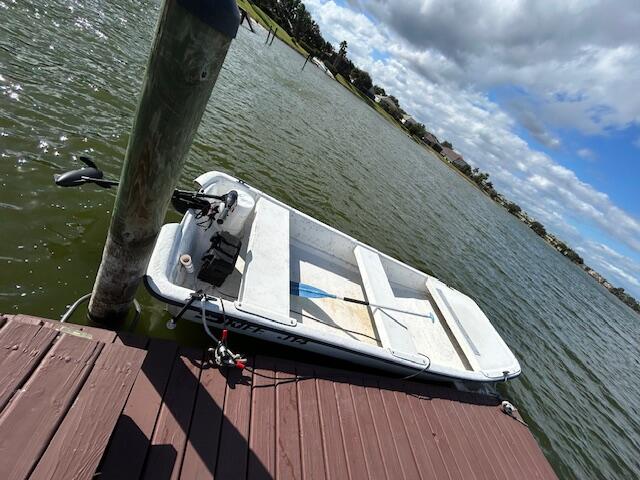
If you need to secure property near the water, a brass padlock is your best choice. The salt and moisture in marine environments can quickly corrode and destroy steel or zinc locks, but brass naturally resists rust and corrosion. This makes it ideal for securing boats, trailers, dock boxes, and sheds in coastal areas. You can trust a solid brass padlock to function smoothly season after season, even when constantly exposed to spray and humidity. This commitment to durable, weather-resistant security is part of our heritage at DoubleLock USA, where we build products designed to withstand the most challenging conditions and protect your valuable marine equipment.
For Industrial Gates and Cargo
In demanding industrial settings like factories, oil fields, and government facilities, security is not optional. Heavy-duty brass padlocks provide the robust protection needed to safeguard critical infrastructure and high-value assets. They are built to withstand heavy use and resist tampering, making them a trusted solution for securing gates, industrial machinery, and storage areas. For the transportation industry, these padlocks are perfect for securing truck trailers and shipping containers, ensuring that cargo remains safe from origin to destination. You can find a range of reliable locks for these applications when you shop our collection of heavy-duty security solutions.
For Storage Units and Personal Belongings
The same strength that makes brass padlocks ideal for industrial sites also makes them perfect for protecting your personal belongings. They are a popular choice for securing self-storage units, where you need a lock that can hold up for months or years without you checking on it. Their versatility extends to everyday use as well. Use a brass padlock to secure a toolbox in the back of your truck, a locker at the gym, or a gate to your backyard. It provides simple, effective security and peace of mind, knowing that your personal items are protected by a lock built for strength and longevity.
For Workplace Safety and Lockout/Tagout
In any workplace, especially in manufacturing or industrial settings, safety is the top priority. Brass padlocks are a classic and reliable choice for implementing lockout/tagout procedures, which are safety protocols designed to prevent accidents when machinery is being serviced. Because brass is a tough material that doesn't rust, these padlocks can be used reliably both indoors and out, even in harsh weather or demanding environments like the oil and gas industry. Their durability ensures they won't fail when you need them most, providing a secure and clear signal that a piece of equipment is offline for maintenance, protecting your team from harm.
For Commercial and Institutional Security
The reliability of heavy-duty brass padlocks extends to commercial and institutional settings as well. Schools, hospitals, and retail stores all have areas and assets that need to be secured, from supply closets and equipment cages to storage rooms. A solid brass padlock provides a straightforward and effective solution. In a hospital, it can secure carts containing medical supplies, while in a school, it can protect valuable equipment. Because these padlocks are built to last, they are a smart investment for facility managers who need a dependable security system that won't require constant replacement. For organizations needing multiple security points, keyed-alike systems offer a convenient way to manage access without sacrificing strength.
How to Choose the Right Size and Specs
Once you’ve settled on a heavy-duty brass padlock, it’s time to get into the details. Choosing the right specifications is just as important as selecting the right material. The size of the shackle, the weight of the body, and the type of keying system you choose will determine how effective the lock is for your specific needs. A lock that’s perfect for a construction site storage container might not be the right fit for a marine tool locker, and the difference often comes down to these key specs.
Before you make a purchase, take a moment to measure the item you need to secure. You’ll want to know the diameter of the opening the shackle must pass through, as well as the distance it needs to span. A shackle that’s too thick won’t fit, while one that’s too long can create a weak point for bolt cutters or prying tools. Similarly, understanding your key management needs is crucial. Do you want the convenience of a single key for multiple locks, or does each lock require its own unique key for maximum security? Thinking through these factors will help you select a padlock that provides seamless, reliable protection from day one. You can browse our full collection of locks to see the variety of sizes and options available.
How to Pick the Right Shackle Size
The shackle is the U-shaped metal loop that opens and closes. Its size is one of the most critical factors for a secure fit. You need to consider three measurements: shackle diameter, vertical clearance, and horizontal clearance. The diameter determines if the shackle will fit through the hasp or chain link you’re securing. The clearances tell you how large of an object the shackle can fit around.
For heavy-duty applications, look for a padlock with a hardened steel shackle. While the body is brass for weather resistance, a steel shackle provides superior strength against cutting and sawing attempts. Before you buy, measure the opening on your hasp or equipment. Choose a shackle diameter that fits snugly, leaving as little extra space as possible to prevent tampering.
Does the Padlock's Body Size Matter?
The body of the padlock houses the locking mechanism and is your first line of defense. A solid brass body is an excellent choice because it naturally resists rust and corrosion, making it perfect for outdoor and marine environments. When you hold a quality heavy-duty padlock, you should feel its weight. That heft is a good indicator of a solid, durable construction, not a hollow or flimsy design.
A heavier, solid body is more resistant to brute-force attacks like hammering or drilling. While a massive lock is ideal for a large gate or industrial container, it might be too cumbersome for a smaller toolbox. Match the body size and weight to the scale of what you’re protecting. This balance ensures you have enough security without making the lock impractical for daily use. Our commitment to quality materials is part of our heritage and is reflected in every lock we make.
Keyed Alike vs. Keyed Different: What to Know
Understanding keying options is essential for managing access efficiently. Padlocks come in two main types: keyed different and keyed alike. "Keyed different" means each lock has its own unique key. This is the standard for most individual padlocks and offers high security, as one key cannot open another lock.
"Keyed alike" means multiple locks can be opened with the same key. This is incredibly convenient for businesses or individuals who need to manage several locks. For example, you could secure a whole fleet of work trucks or multiple tool sheds on a property with a single key. The trade-off is that if one key is lost, all the locks it opens are compromised. Consider your needs: if you value convenience and manage many locks, a keyed alike system might be the best solution.
When to Consider Custom Keying
For even greater control and organization, custom keying is an excellent option, especially for commercial or industrial applications. Customization allows you to order locks with specific numbers or names stamped onto the lock body and the corresponding keys. This makes it easy to identify which key belongs to which lock, which is a huge help when managing a large number of access points across a facility.
This level of organization simplifies key management for your team and helps keep operations running smoothly. If you’re outfitting a new construction site, a fleet of vehicles, or an entire warehouse, custom keying ensures every lock is accounted for and easily identifiable. This is typically a special service for larger orders. If you think custom keying is the right fit for your business, you can contact us to discuss your specific security requirements.
Master Keying and Rekeyable Options
For larger operations, a master key system provides another layer of organized security. It allows a single "master" key to open every padlock in a set, while each lock still has its own unique key. This is perfect for a site manager who needs access to everything, while individual team members can only open their assigned locks. This approach helps you streamline security management across your entire operation, providing both high-level access and individual accountability without complicating your key inventory.
Rekeyable padlocks offer great flexibility and are a smart long-term investment. When a key is lost or an employee changes roles, you don’t have to replace the entire padlock. Instead, you can simply change the internal mechanism to work with a new key. This is a cost-effective way to adapt your security as your needs change. It ensures your investment in high-quality padlocks lasts for years, allowing you to respond to personnel changes or lost keys without the cost of a full replacement. This adaptability is key to keeping your security measures effective over time.
What Does a Quality Brass Padlock Cost?
The price of a heavy-duty brass padlock can vary widely, and what you pay often reflects the level of security you get. Understanding the different price points can help you find a lock that fits both your budget and your specific needs. You don’t always have to buy the most expensive model on the shelf, but it’s important to match the lock’s strength to the value of what you’re protecting. Let’s break down the common price ranges so you can make a confident choice. From basic protection to high-security solutions for valuable assets, there’s a quality brass padlock available for every situation.
What You Get for Under $15
If you have basic security needs, you can find reliable options without spending much. Padlocks in this price range are ideal for low-risk applications like securing a toolbox, a locker, or a garden shed. While they may not have the advanced features of more expensive models, they provide a solid deterrent. For example, the Master Lock 140D is a popular choice known for its solid body and dependable performance. A budget-friendly padlock can be the perfect solution when you just need a simple, straightforward way to keep things safe.
The Sweet Spot: $15 to $30 Models
When you need a step up in durability and security, the mid-range category offers a great balance of price and performance. These padlocks often feature tougher materials, more complex keying systems, and better resistance to tampering. They are well-suited for securing storage units, gates, or equipment on a job site. A great example is the Heavy Duty American Brass Padlock, which provides enhanced strength for situations that require more than just a basic lock. Investing a little more here can give you significant peace of mind.
When to Invest in a Premium Padlock ($30+)
For maximum security situations where you’re protecting high-value equipment or property, premium padlocks are the way to go. These models are built to withstand serious attacks, including cutting, drilling, and picking. They often come with features like hardened steel closed shackles and high security ratings. The Mul-T-Lock NE14H, for instance, has a CEN6 security rating, one of the highest available. These top-tier, high-security padlocks are designed for commercial, industrial, or any application where security is the absolute top priority.
How to Balance Your Budget with Security Needs
Ultimately, choosing the right padlock comes down to finding the right balance between cost and security. Think about what you are protecting and its value. While no padlock is completely impenetrable, a stronger, higher-quality lock is a much more effective deterrent against theft. Investing in a high-security model can significantly improve your protection and make a potential thief think twice. Assess your specific needs, consider the environment where the lock will be used, and select a padlock that provides an appropriate level of security for your situation.
Why Manufacturing Costs Matter for Brass and Steel
The price tag on a padlock often comes down to the materials used and how they are made. Brass, an alloy of copper and zinc, is naturally resistant to rust, which makes it perfect for outdoor use without needing extra, costly treatments. Steel, on the other hand, requires a special hardening process to achieve maximum strength against cutting and grinding. This heat treatment is an intensive manufacturing step that adds to the final cost. This is why you'll often find padlocks with a solid brass body and a hardened steel shackle. It's an intentional design where each component is chosen for its specific strengths. This thoughtful combination of materials is a core part of our commitment to quality and is reflected in the lock's durability and price.
Where to Find Your Next Brass Padlock
Once you know what features you need, the next step is to find the right padlock. Whether you prefer to inspect a padlock in person or compare options from your computer, there are plenty of places to look. Finding a reliable source is just as important as choosing the right padlock.
Buying In-Store: What to Look For
Sometimes, you just need to feel the weight of a padlock in your hands. Visiting a major hardware retailer lets you do exactly that. You can pick up different models, check the shackle’s movement, and get a real sense of the build quality before you buy. Stores like The Lowe's, Lowe's, and Northern Tools carry a range of security products for everything from toolboxes to storage sheds. Seeing the options side-by-side can help you make a confident choice for your specific needs. You can browse our full collection online to see what to look for when you get there.
Tips for Shopping for Padlocks Online
Shopping online offers convenience and a massive selection. You can easily compare specifications, read customer reviews, and find specialized models that might not be available in your local store. For example, you can find detailed product pages, like those for the Master Lock 140D, that highlight specific features like durability and resistance to break-in attempts. This level of detail helps you make an informed decision without leaving home. Online storefronts give you the space to research thoroughly and ensure you’re getting a padlock that truly meets your security standards.
Need More Than One? How to Buy in Bulk
If you’re securing a construction site, a fleet of vehicles, or multiple storage units, buying padlocks one at a time isn’t practical. Purchasing in bulk is a cost-effective way to get the quantity you need while ensuring uniform security. Many suppliers offer special pricing for large orders, which is ideal for businesses that need consistent and reliable hardware. You can often request a custom quote to fit your budget and security requirements. For business or high-volume needs, exploring wholesale options is the most efficient way to secure your assets.
Related Articles
- The Best Locks for Shipping Containers: A Buyer's Guide
- The Ultimate Guide to Choosing a Chain Lock
- FALCON X Padlock | Max Duty Brass Container/Shipping Padlock
Frequently Asked Questions
Why should I choose a brass padlock over a stainless steel one? Both materials are excellent choices for security, but they excel in different areas. Stainless steel offers incredible strength against physical force. A solid brass padlock, however, provides a fantastic balance of toughness and natural weather resistance. Because brass doesn't rust, it's the superior choice for any outdoor or marine setting where rain, humidity, or salt spray could cause other locks to seize up and fail over time.
What does "keyed alike" mean, and when should I use it? "Keyed alike" is a system where multiple padlocks are designed to open with the same key. This is incredibly convenient if you need to manage security for several areas, like securing a fleet of work trucks or multiple gates on a property. Instead of carrying a large ring of different keys, you only need one. It's a great way to streamline access for your team or for your own personal use.
Are brass padlocks only for outdoor or marine use? While their rustproof quality makes them perfect for outdoor and marine applications, their usefulness doesn't stop there. The solid, heavy construction of a quality brass padlock makes it a reliable choice for a wide range of indoor uses as well. They are great for securing factory equipment, storage units, and tool chests where you need dependable, long-term protection against tampering and theft.
How do I make sure I buy the right size padlock for my needs? To get the right fit, you need to take a couple of quick measurements. First, measure the diameter of the hole the shackle has to pass through on your hasp or chain. Then, measure the distance the shackle needs to span. You want to choose a shackle that fits as snugly as possible, as this leaves less room for tools like bolt cutters to get a grip, making your setup much more secure.
Is it worth paying more for a premium brass padlock? Generally, a higher price reflects more advanced security features. Premium padlocks often include hardened steel shackles that are tougher to cut, more complex internal pin systems that resist picking, and official security ratings from independent testing organizations. The best approach is to match the lock to the value of what you're protecting. For high-value equipment or critical security points, investing in a premium model provides a much stronger deterrent.