
Not all trailer couplers are created equal, and neither are the locks designed to protect them. From hook and trigger styles to heavy-duty yoke mechanisms, the variety can be surprising. This means a one-size-fits-all approach to security simply doesn’t work. Choosing the right trailer tongue lock pin is about finding the perfect match for your specific equipment to ensure a snug and secure fit. An ill-fitting lock is a weak link that a potential thief can exploit. This article will serve as your guide to understanding your trailer's hardware, helping you identify your coupler type and select a lock pin that provides genuine, reliable protection.
Key Takeaways
- Find the right fit for your coupler: Before you buy a lock, identify your trailer's specific coupler style and measure the latch span to guarantee the pin fits correctly and provides real security.
- Invest in quality materials: A cheap lock is a weak defense, so choose one made from durable materials like hardened steel with a weather-resistant coating and a secure, pick-resistant locking mechanism.
- Combine locks for complete protection: Use a trailer tongue lock to secure your unhitched trailer and a hitch lock to protect it when connected to your vehicle; using both makes your trailer a much harder target for theft.
What Is a Trailer Tongue Lock Pin?
If you own a trailer, you know how important it is to keep it safe. A trailer tongue lock pin is a specialized security device made to protect your investment. It's designed to secure the coupler on your trailer's tongue, which is the part that connects to your towing vehicle. By locking this mechanism, you make it incredibly difficult for anyone to simply hitch your trailer to their own vehicle and drive away. These pins are engineered to fit many different types of trailer couplers, ensuring you can find a compatible option for your specific setup, whether you're hauling construction equipment, a boat, or gear for a weekend trip.
How a Lock Pin Works
The main job of a trailer tongue lock pin is to stop the trailer from being unhitched from your vehicle. It works by securing the coupler latch in the locked position. Once the pin is in place and locked, the latch cannot be opened, which keeps the trailer firmly attached. This simple but effective mechanism is a primary defense against theft when your trailer is connected. Because trailer couplers come in different styles, manufacturers offer a variety of lock designs. This makes it easier to find the right fit for your specific trailer, giving you a snug and secure connection.
The Role of a Lock Pin in Trailer Security
A trailer tongue lock pin plays a vital part in your overall security strategy. Its most obvious role is as a physical barrier against theft, but it also acts as a strong visual deterrent. A potential thief is more likely to move on to an easier target when they see a quality lock securing your trailer. This provides trailer owners with valuable peace of mind, knowing their property is protected. For added convenience, especially if you manage multiple trailers, some systems offer keyed-alike options. This allows you to use a single key for all your locks, simplifying your security routine without compromising on safety.
Types of Trailer Tongue Lock Pins
Not all trailer couplers are the same, so it makes sense that their lock pins are not either. The first step in choosing the right pin is identifying what kind of coupler your trailer has. This ensures you get a secure fit that properly protects your equipment. Let's walk through the four main types of coupler lock pins you will find.
Hook Coupler Lock Pins
If your trailer has a hook-style coupler, you will need a lock pin designed specifically for it. These couplers use a simple hook mechanism to latch onto the hitch ball. A hook coupler lock pin works by securing this latch, adding a critical layer of security that prevents anyone from simply lifting the latch and detaching your trailer. It is a straightforward but effective way to stop unauthorized access. Finding the right security solution starts with matching the lock to your specific hardware, and this type is a perfect example of that principle.
Thumb Coupler Lock Pins
Thumb-style couplers are very common and feature a latch that you press down with your thumb to open or close. A thumb coupler lock pin is made to fit this mechanism, preventing the latch from being operated. This simple addition keeps the coupler firmly locked onto the tow vehicle. A great feature to look for with these pins is the option to have multiple locks keyed alike. This means you can use the same key for your trailer tongue, hitch, and any other equipment, which adds a lot of convenience when you are managing multiple security points on a job site.
Trigger Coupler Lock Pins
Trigger-style couplers have a latch that looks like a trigger, which you pull to release the mechanism. A trigger coupler lock pin is tailored to block this specific action. Because these couplers can vary in size and design, it is essential to know the exact type and dimensions of your trailer's coupler before you buy a lock. A pin that is too loose will not provide adequate security, and one that is too tight might not fit at all. Taking a moment to confirm your coupler's specifications ensures you purchase a lock that offers a snug and secure fit.
Yoke Coupler Lock Pins
Yoke-style couplers are known for their strength and are often found on heavy-duty trailers. These couplers use a sturdy, U-shaped yoke that clamps down over the hitch ball. A yoke coupler lock pin is designed to secure this robust mechanism, providing a high level of protection that matches the coupler's own durability. Given their heavy-duty application, these pins are built to be exceptionally tough. When you are hauling valuable equipment or materials, pairing a strong yoke coupler with an equally strong lock pin gives you confidence that your trailer is well-protected against theft.
What Makes a Trailer Tongue Lock Pin Secure?
When you’re looking for a trailer tongue lock pin, it’s easy to assume they all offer the same level of protection. However, the security of your trailer depends on a few key characteristics of the lock pin you choose. A truly secure pin is more than just a piece of metal; it’s a well-engineered device designed to withstand both force and the elements. Understanding what to look for will help you select a lock that provides real peace of mind. The most important factors are the quality of its materials, its ability to resist weather, the design of its locking mechanism, and how easy it is to use correctly.
Durable Materials and Construction
The foundation of any secure lock pin is the material it’s made from. For a lock to be effective, it needs to resist cutting, drilling, and brute force attacks. Look for pins made from high-strength metals like hardened or stainless steel. These materials are not only tough but also offer excellent longevity. Many quality pins are specifically made to not rust, which helps them last longer and function properly over time.
Beyond the material itself, pay attention to the overall construction. A single-piece body is often stronger than one made of multiple parts welded together, as it eliminates potential weak points. The quality of a lock reflects the manufacturer's commitment to security, something we've focused on since our beginnings. You can learn more about our dedication to quality on our Our Heritage page.
Weather and Corrosion Resistance
Your trailer and its lock pin will be exposed to all kinds of weather, from rain and snow to intense sun and humidity. A secure lock needs to function reliably in any condition. That’s why weather resistance is so important. Many lock pins are built to stand up to different weather conditions, featuring protective coatings like chrome plating or a powder-coated finish. These layers act as a barrier against moisture, which prevents rust and corrosion.
Corrosion doesn't just affect the lock's appearance; it can seize the internal mechanism, making it difficult or impossible to unlock with your key. A rusted pin can also become brittle and weak, compromising its ability to protect your trailer. Choosing a corrosion-resistant lock ensures it will work smoothly when you need it and maintain its strength for years to come.
Secure Locking Mechanisms
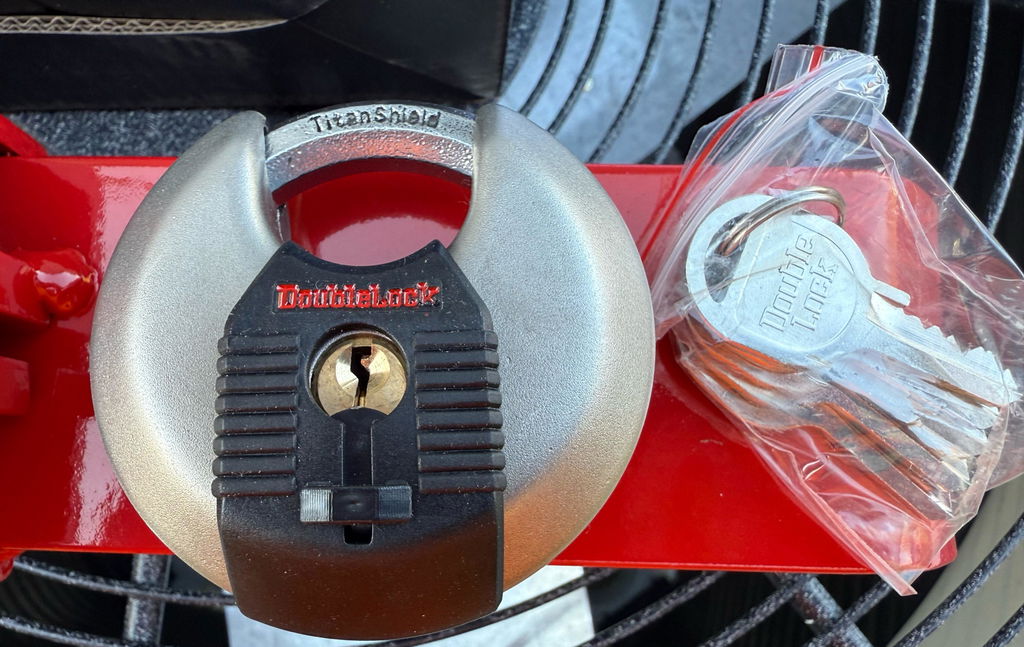
The locking mechanism is the heart of the lock pin. Its primary job is to prevent people from stealing your trailer. While a simple pin and clip can stop a coupler from accidentally detaching, it offers zero theft protection. A true locking pin requires a key or combination to be removed. Look for mechanisms that are designed to be pick-resistant and durable. High-quality internal components, like brass tumblers, can make a lock much harder for a thief to defeat.
Some pins use a traditional key, while others feature a number combination. Keyed locks are common and effective, especially when they use complex keyways. Combination locks offer the convenience of not having to carry an extra key. Whichever you choose, make sure the mechanism is robust and designed specifically for security, not just convenience.
Simple Installation and Use
A lock is only effective if it’s used correctly, which is why ease of use is a key security feature. A trailer tongue lock pin should be straightforward to install and operate. Complicated systems can lead to improper installation, leaving your trailer vulnerable. Most secure lock pins have simple locking systems: you insert the pin through the coupler latch, and then attach and turn the locking head.
The process should feel intuitive and secure. When you lock it, you should be confident that it’s properly engaged. A user-friendly design means you’re more likely to use the lock every single time you leave your trailer unattended. For a wide selection of effective and easy-to-use security solutions, you can shop our collection of locks.
How to Find the Right Lock Pin for Your Trailer
Choosing the right lock pin is about more than just picking one off the shelf. A pin that doesn’t fit correctly can be ineffective, leaving your trailer vulnerable. To ensure you get a secure fit, you need to confirm a few key details about your equipment. Taking the time to find a lock that is perfectly suited for your trailer is the best way to protect your investment. The process is straightforward and involves checking your coupler style, taking a quick measurement, and deciding if you need multiple locks that work with a single key.
Identify Your Coupler Style
The first step is to identify your trailer's coupler style. Not all trailer latches are the same, and the lock pin you choose must be compatible with your specific mechanism. Before you shop for a lock, take a look at your trailer’s coupler to determine its type and size. For example, you might have a standard 2-inch ball coupler, or a more specialized design like a DEMCO EZ Latch or a Bulldog-style coupler. This information is usually found in your trailer’s manual or on the manufacturer’s website. Knowing the exact style ensures the pin will engage correctly with the latch, providing reliable security.
Measure Your Coupler
Once you know your coupler style, you need to measure the latch span to determine the required pin length. The pin must be long enough to pass completely through the latching mechanism with enough space to attach the lock on the other side. Many lock pins have a standard diameter of 5/8 inches to fit common Class III, IV, and V hitches, but the length, or span, can vary. Use a ruler to measure the distance the pin needs to cover. Choosing a pin with the correct length is critical for a snug fit that leaves no room for a thief to pry or cut.
Consider Keyed-Alike Options
If you own multiple trailers or need to secure several points on your equipment, consider looking for keyed-alike lock sets. This feature allows you to use a single key for all your locks, which is a huge convenience. Instead of fumbling with a heavy keychain, you can use one key to secure your trailer tongue, hitch, and any other gear. This is especially useful for businesses managing a fleet of trailers or construction equipment. When purchasing your locks, you can often request a keyed-alike set to simplify your security routine. If you have questions about custom orders, you can always contact our team for assistance.
Common Mistakes When Choosing a Trailer Lock Pin
Choosing the right trailer tongue lock pin can feel like a small detail, but it’s one of the most important decisions you'll make for your trailer's security. A great lock offers peace of mind, while the wrong one can lead to frustration or, worse, theft. To help you get it right the first time, let's walk through a few common mistakes people make and how you can avoid them.
Forgetting to Check Compatibility
This is easily the most common misstep. You find a lock that looks tough, but when you get it home, it doesn't fit your trailer's coupler. Before you even start shopping, you need to know what you're working with. Take a moment to identify the specific type and size of your trailer's coupler. Is it a standard 2-inch ball, a DEMCO EZ Latch, or a Bulldog style? The right lock is designed for a specific fit. An ill-fitting pin is not only easy for a thief to defeat, but it can also rattle loose. Check your trailer’s manual or take a quick measurement to ensure you shop for a lock that provides a snug, secure connection.
Choosing Price Over Quality
It’s always tempting to grab the cheapest option on the shelf, but when it comes to security, price is often a reflection of quality. A low-cost lock might save you a few dollars upfront, but it’s likely made from weaker materials that can be easily cut, drilled, or broken. Think of your lock as an investment in protecting a much more valuable asset: your trailer and its contents. Instead of sorting by price, look for signs of quality construction and positive user reviews. A well-made lock from a reputable company is a small price to pay for the confidence that your property is protected. Our brand's story is built on a commitment to unbeatable security, not cutting corners.
Overlooking Weather Resistance
Your trailer lock lives outside, exposed to everything from scorching sun to freezing rain and snow. If it’s not built to handle the elements, it won’t last. A lock that rusts can become difficult to open or, worse, seize up entirely, leaving you stuck. Look for pins made from corrosion-resistant materials like stainless steel or those with protective coatings. Many are specifically built to stand up to different weather conditions, which helps them last longer. Our company heritage in the marine industry taught us how to build products that withstand the harshest environments, so you can trust your lock will perform reliably, season after season.
Lock Pins vs. Other Trailer Security Devices
When you’re securing a trailer, a lock pin is an essential piece of the puzzle. But it’s helpful to understand how it fits in with other security devices. The two main categories you’ll encounter are coupler locks and hitch locks. Each one serves a distinct purpose, and knowing the difference will help you build a complete security plan for your trailer, whether it’s parked at a job site or attached to your truck. Think of it less as a competition and more as a team of devices working together to protect your property.
Understanding Coupler Locks
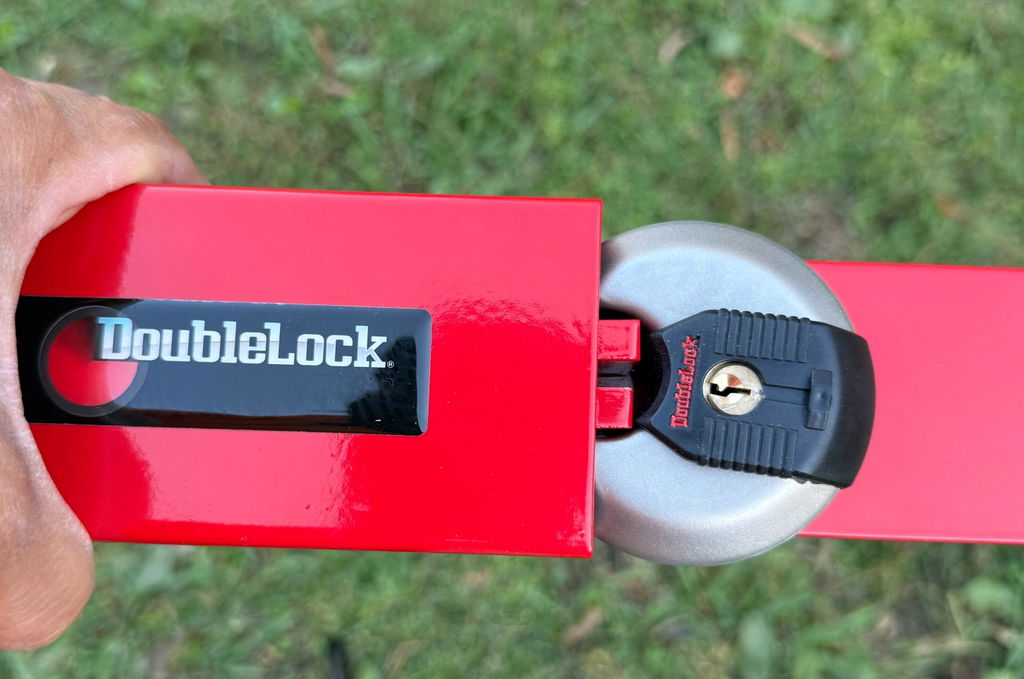
A coupler lock is designed to secure the trailer’s coupler, which is the part that fits over the hitch ball. Its main job is to prevent anyone from hooking your trailer up to their vehicle and driving away with it. These locks are especially useful when your trailer is unhitched and parked. You can find several styles, including the pins we’ve discussed, that slide through the coupler latch. For added convenience, many of our security products can be keyed alike, allowing you to use a single key for multiple locks if you manage a fleet of trailers or have several pieces of equipment to secure.
Understanding Hitch Locks
A hitch lock, often called a hitch pin lock, serves a different but equally important function. This device secures the ball mount to the hitch receiver on your tow vehicle. It’s a pin that slides through the side of the receiver and the ball mount, with a lock on one end. This prevents a thief from simply pulling out your entire ball mount (with the trailer attached) and sliding it into their own receiver. Hitch locks come in different diameters and lengths to fit various hitch classes, so you’ll need to match the pin to your specific setup.
Which Device Offers the Best Protection?
So, which lock offers the best protection? The honest answer is that you need both. A coupler lock protects your trailer when it’s sitting alone, while a hitch lock protects it when it’s connected to your vehicle. Using them together creates a layered security system that addresses the most common theft scenarios. The goal is to make your trailer a difficult target. By investing in high-quality locks for both the coupler and the hitch, you significantly reduce the risk of theft. This commitment to unbeatable security is central to our heritage and is reflected in every product we make, ensuring your assets remain safe.
How to Install and Maintain Your Lock Pin
Choosing a quality lock pin is the first step, but proper installation and regular maintenance are what ensure your trailer stays secure for the long haul. A lock can only do its job if it’s used correctly. Taking a few extra moments to install your pin properly and check on it periodically provides peace of mind and protects your investment. These simple habits prevent common issues like accidental disengagement or damage from the elements, extending the life of your lock and keeping your trailer safe whether it’s on the road or in storage.
Securing the Pin Correctly
Proper installation is straightforward but critical. When you attach your trailer, slide the lock pin completely through the coupler’s latch hole. You should feel it click or settle firmly into place. According to the National Association of Trailer Manufacturers, effective trailer security depends on ensuring the pin is fully engaged so it cannot be removed without the key. An improperly inserted pin can create a false sense of security and may not provide the protection you need. Always double-check that the pin has passed all the way through the mechanism before you lock it.
Test the Lock
After locking the pin, give it a quick test. This is a simple but essential step that many people overlook. The Trailer Safety Coalition recommends that you test your trailer lock by pulling on it to confirm it is secure and cannot be dislodged easily. If the pin feels loose or wiggles excessively, remove it and try inserting it again. This quick tug confirms that the locking mechanism is properly engaged and that your trailer is truly secure. Making this a habit every time you hitch up will help prevent any issues down the road.
Long-Term Care and Inspection
To keep your lock pin in top condition, a little maintenance goes a long way. The RV Industry Association suggests maintaining your trailer lock by inspecting it for rust, wear, or damage at least once a month and always before a long trip. Keep the mechanism clean from dirt and debris, which can interfere with its function. Applying a quality lubricant to the pin and inside the lock every few months will prevent corrosion and ensure smooth operation, especially if you live in a wet or humid climate. This routine care helps your lock perform reliably for years to come.
Where to Find Your Trailer Tongue Lock Pin
Once you know what type of lock pin you need, the next step is finding a reliable one. High-quality trailer tongue lock pins are available from a few key places, making it easy to secure your trailer without a lot of searching. Whether you prefer shopping directly from a security expert or picking one up at your favorite local retailer, you have great options. Here’s where to look for a lock that will give you peace of mind.
Shop DoubleLock USA
When you need a lock designed with security as the top priority, your best bet is to go directly to a specialist. We offer a range of high-quality locks designed specifically for trailer tongues, ensuring both security and durability. Buying directly from us means you get access to our full lineup of products and the expertise of a team dedicated to one thing: unbeatable security. You can explore our complete collection of security solutions to find the perfect fit for your trailer and feel confident in your purchase.
Find Us in Major Retailers
We know your time is valuable, and sometimes you need to grab a lock while you're already out running errands. That’s why you can find reliable DoubleLock USA products at major retailers like The Home Depot, Lowe's, and Northern Tools. These locks feature the same rust-resistant finishes and durable construction you expect from our brand. Look for options with easy-turn locking mechanisms for added convenience, so you can secure your trailer quickly and get back to your day. It’s the same trusted quality, available right where you shop for your other hardware needs.
How to Get the Best Value
Getting the best value is about more than just the price tag; it’s about long-term convenience and durability. If you have multiple trailers or need to secure several points, consider purchasing your locks together. This often allows you to get them keyed alike, so one key works for all of them. It’s a small detail that makes a huge difference in your day-to-day routine. Also, always choose locks made with rust-resistant materials. A lock that withstands the elements will protect your investment for years, saving you money and hassle in the long run.
Related Articles
- King Pin Lock: The Ultimate Security Guide
- 4 Best King Pin Locks for Semi Trailers (2026 Guide)
- Your Complete Guide to the Locking Hitch Pin
- 3 Best Heavy Duty Trailer Hitch Locks of 2026
Frequently Asked Questions
Do I really need both a hitch lock and a trailer tongue lock pin? Yes, it is a good idea to use both. They serve two different, but equally important, purposes. A hitch lock secures the ball mount to your truck's receiver, preventing theft of your towing equipment. A trailer tongue lock pin secures the trailer's coupler latch, which stops someone from unhitching the trailer itself. Using them together creates a complete security system that protects your trailer whether it is attached to your vehicle or parked on its own.
What is the most important feature to look for in a lock pin? If you have to prioritize one thing, focus on the quality of the materials. A lock made from hardened or stainless steel will offer superior resistance to cutting, drilling, and other forms of attack. Pay attention to weather-resistant coatings as well. A lock that can stand up to rain and humidity will function smoothly for years and will not seize up from rust when you need it most.
How do I make sure I buy a lock pin that actually fits my trailer? This is a great question, and getting it right is simple. Before you shop, take a close look at your trailer's coupler to identify its style, for example, a thumb latch or a trigger style. Then, use a ruler to measure the span the pin needs to pass through. Knowing your coupler style and this measurement ensures you purchase a pin that provides a snug, secure fit, which is essential for effective protection.
Is it difficult to maintain a trailer tongue lock pin? Not at all. A little care goes a long way in keeping your lock in great shape. Periodically, wipe the lock clean of any dirt or grime. About every few months, it is a good practice to apply a quality lubricant to the locking mechanism to prevent corrosion and ensure the key turns smoothly. This simple routine helps maintain the lock's integrity and extends its life.
What does it mean for locks to be "keyed alike," and is it a useful feature? Keyed-alike means you can use a single key to operate multiple locks. This feature is incredibly useful if you own more than one trailer or need to secure several points on your equipment, like the coupler and the hitch. Instead of managing a confusing ring of different keys, you have one key that does it all. It is a convenient option that simplifies your security routine without compromising on safety.