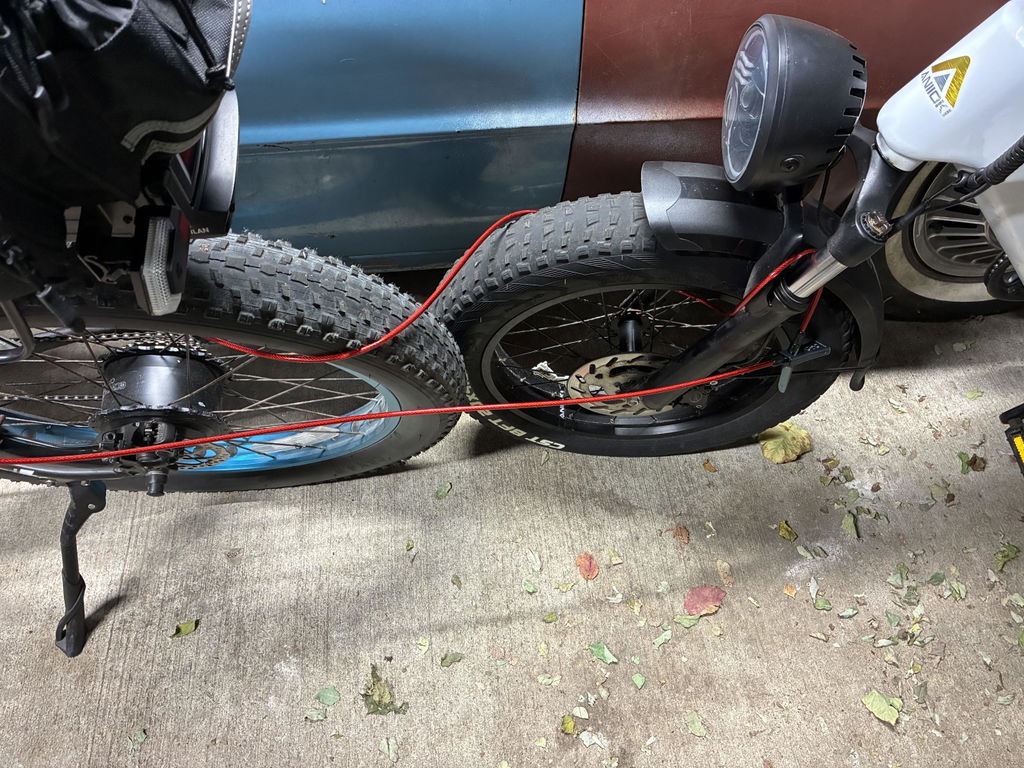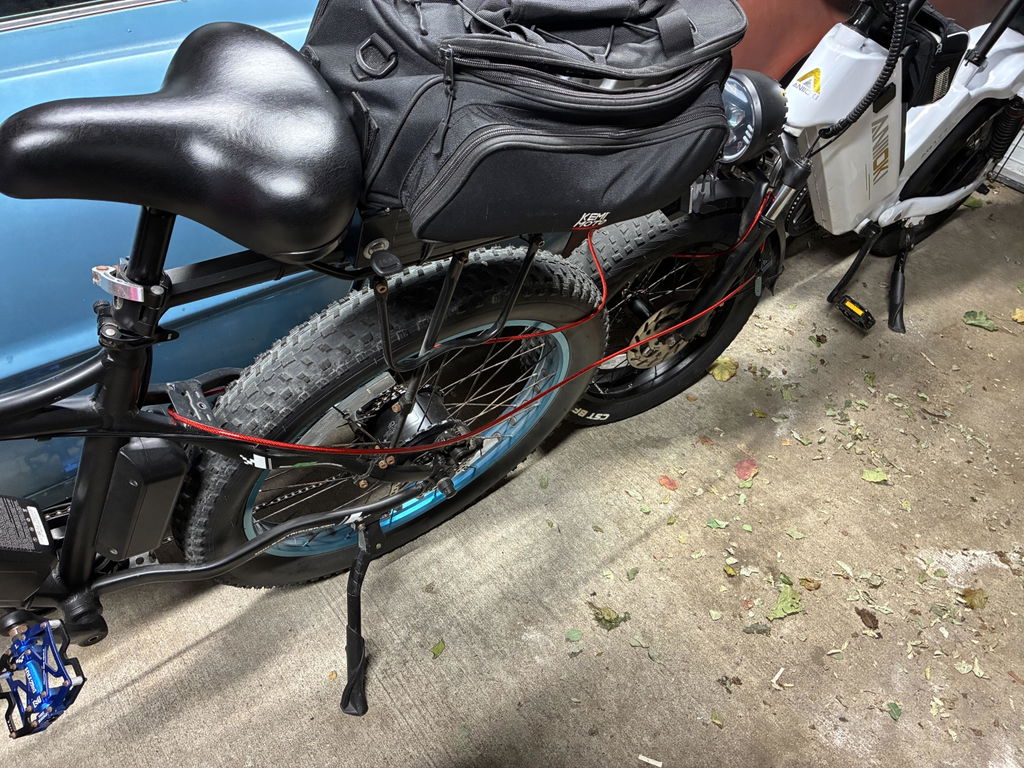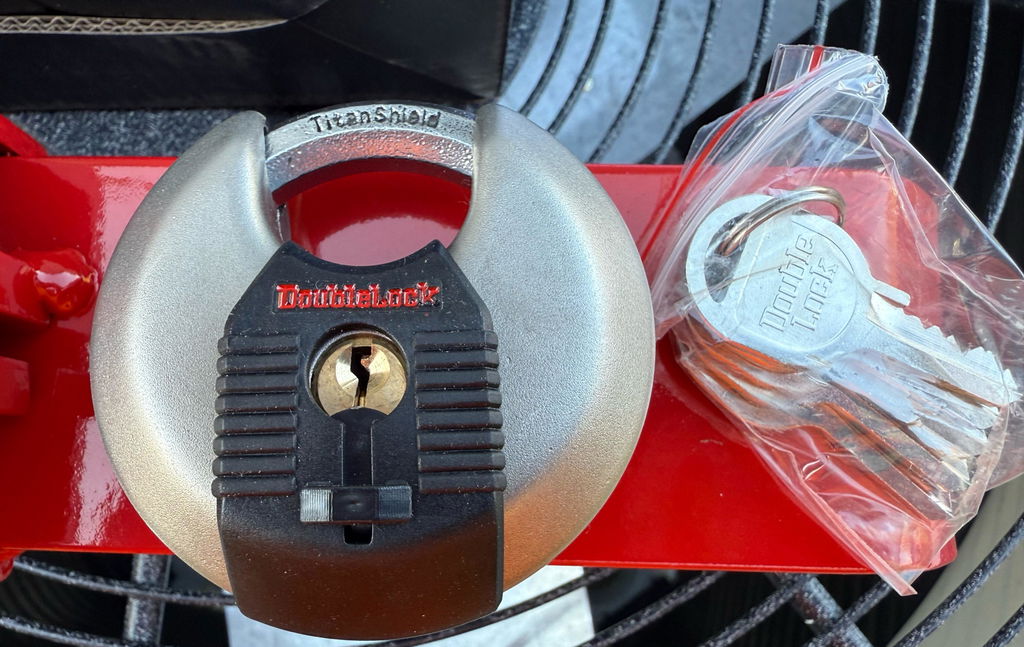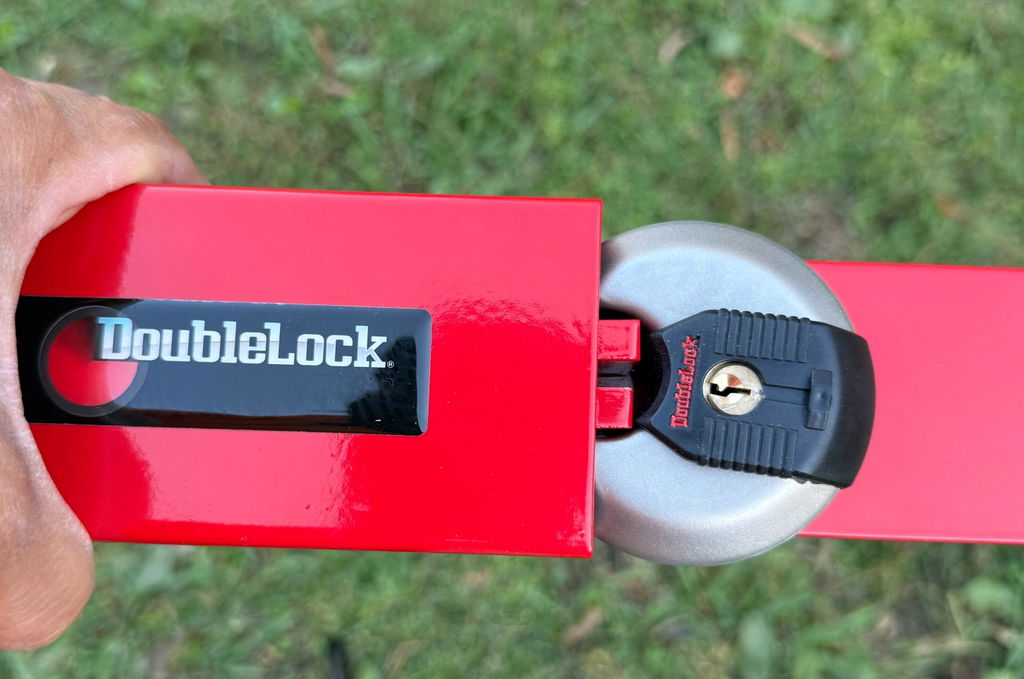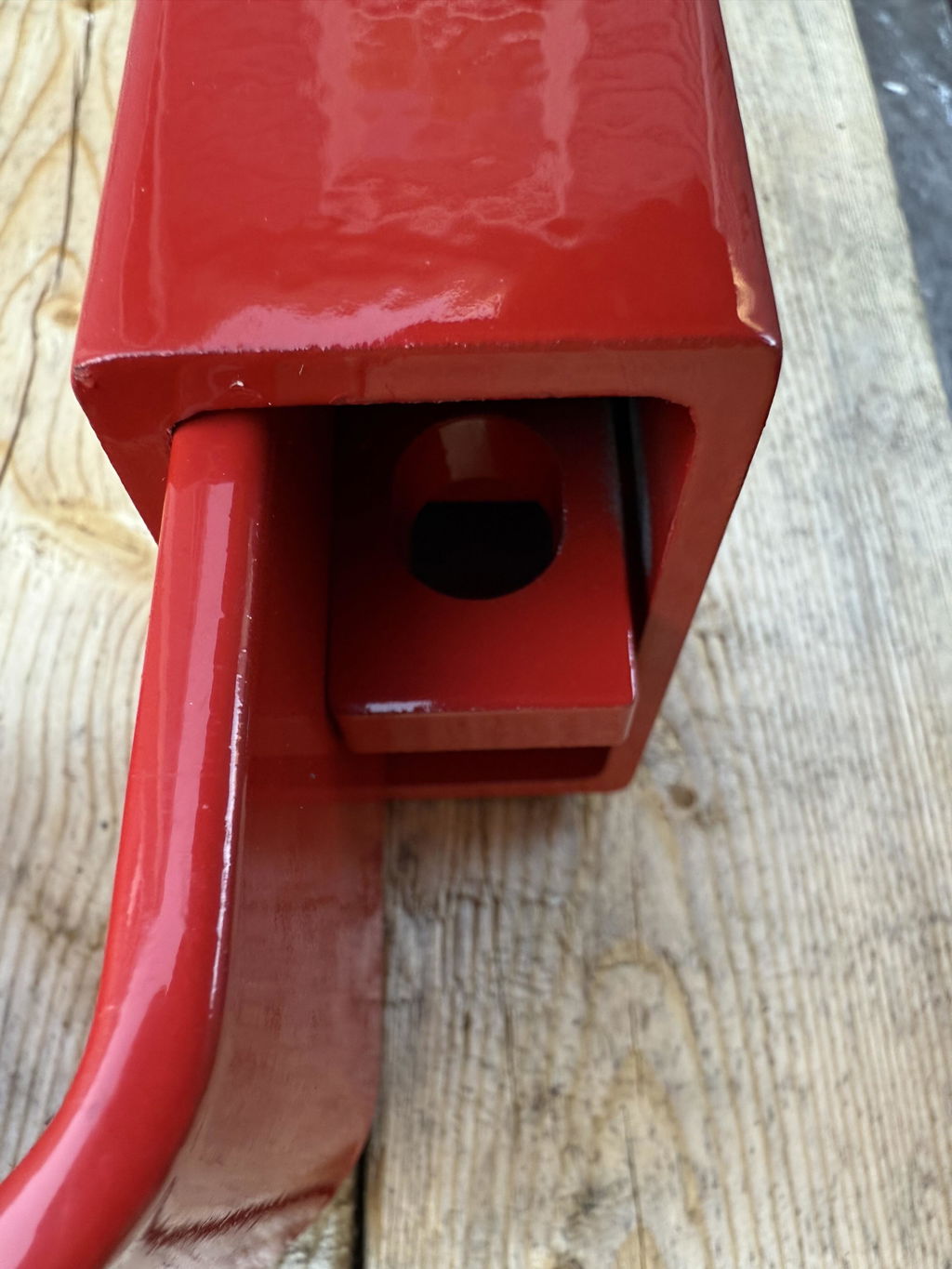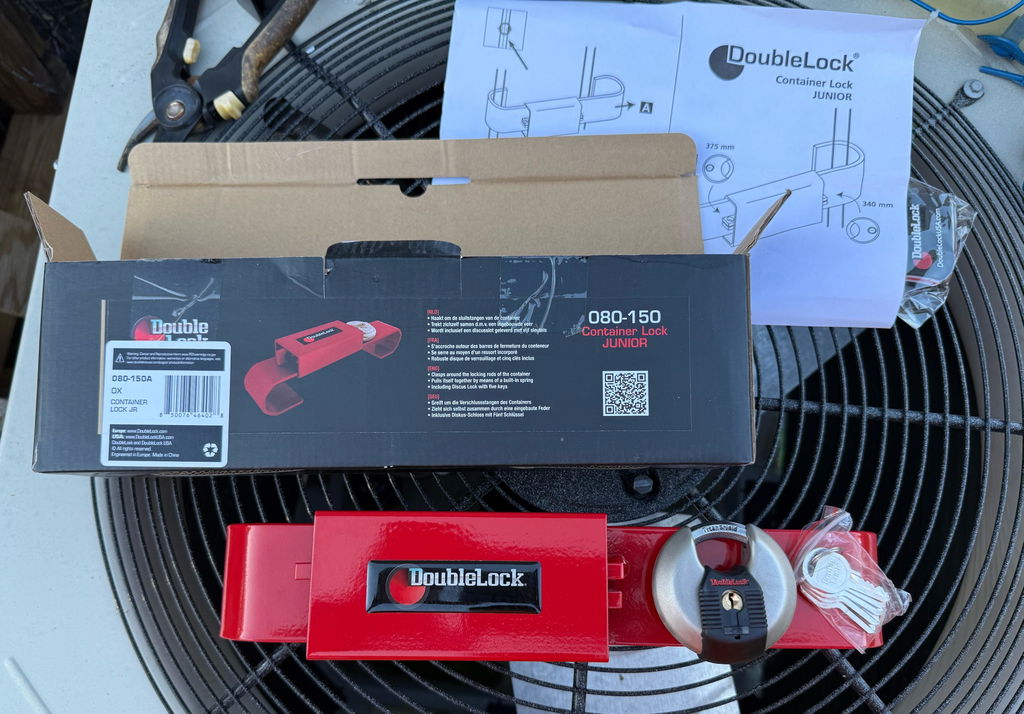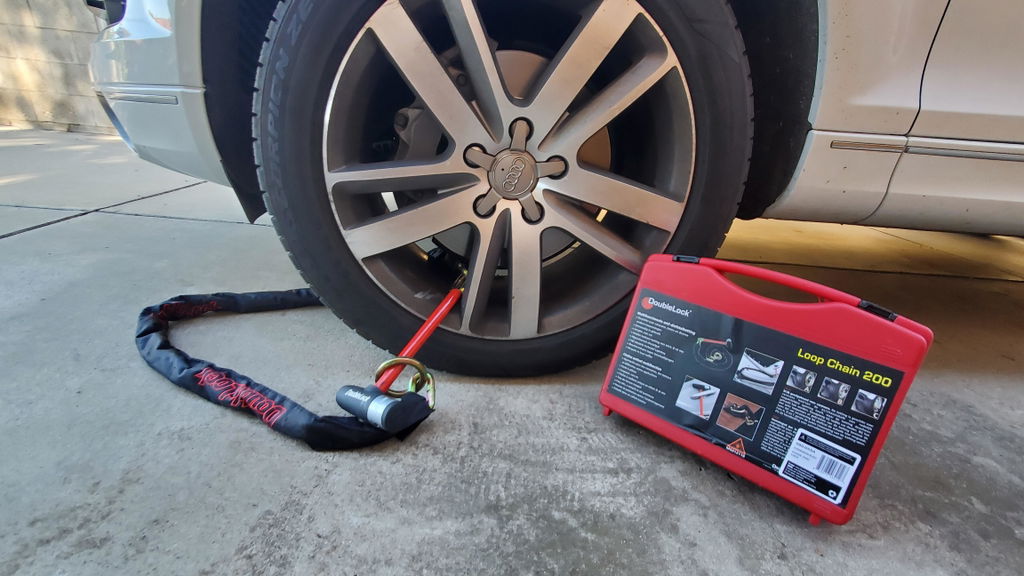

A trailer tongue lock serves as a vital tool to stop thieves from taking your gear. This device fits through the latch on your trailer coupler and keeps it from opening. It creates a strong wall that stops anyone from hooking your trailer to other trucks. Business trailers make up about six percent of vehicle thefts in some areas, so a strong lock is a smart choice (California Highway Patrol). These locks are made to last through bad weather and resist tools like bolt cutters. While no lock can stop every thief, a good one makes it too hard and slow for most people to try.
Explore DoubleLock trailer security solutions.
Choosing the right security gear starts with knowing how each lock protects a different part of the towing setup.
What is a trailer tongue lock?
A trailer tongue lock is a tough metal tool. It sits on the front part of your trailer. This part is the tongue. The lock stops a thief from hooking a truck to your gear.
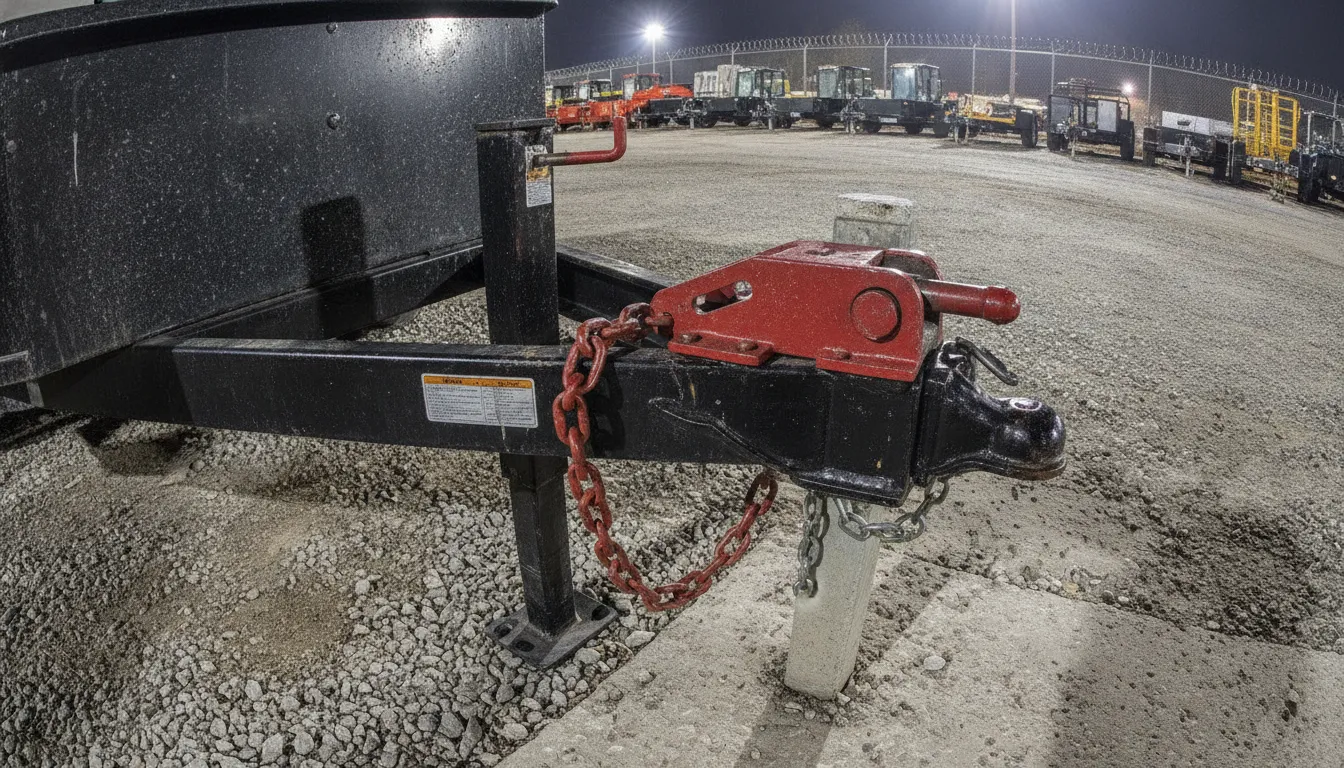
It acts as a hard wall. Without the key, no one can move the trailer. Most people leave trailers at work sites or in yards. Using a trailer tongue lock pin helps keep your goods safe.
How tongue locks block theft
This lock works by blocking the hitch parts. It keeps the coupler latch from moving. If the latch stays shut, the trailer cannot drop onto a hitch ball. This stops a fast hookup.
Stolen trailers are often left alone on a job or at a home. Thieves look for easy targets they can tow in seconds. A strong lock makes that job much harder. It forces a thief to spend more time and make more noise.
Good locks use high-strength steel. This metal resists cuts from saws or other tools. DoubleLock products use 30 years of European design. We build tools like the BULL and RHINO to handle rough use.
These locks are a top measure to stop theft. They provide a tight fit for your coupler. This fit is key because loose locks are easy to break.
Selection and proper fit
You must find the right size for your lock. Most couplers are 2 inches or 2-5/16 inches. A lock that does not fit well can be bypassed. It is vital to know the other types of tools.
A tongue lock secures the latch pin. A coupler lock covers the ball area. You might also look for trailer security options like hitch pin locks. These secure the ball mount to your truck.
Work trucks and trailers make up many vehicle thefts. In some states, they are over six percent of all thefts. This shows why physical security is so needed. Marking your frame also makes it hard for a thief to sell the trailer.
Physical barriers as deterrents
No lock can stop every thief. A person with the right tools may still find a way. We see our products as blocks that lower your risk. They delay a thief and may make them walk away.
A lock keeps honest people honest. It adds a layer of safety that simple pins do not have. You should check your lock often for rust or dirt. Clean locks work better and last longer.
A well-kept lock shows that you are a careful owner. This can steer a thief toward a different target. By using heavy-duty hardware, you show that your goods are safe.
Tongue lock vs coupler lock vs hitch pin lock
Safety for your trailer needs more than one step. Thieves often target trailers left alone at jobsites or yards. You can use a mix of locks to make theft much harder. Each lock type guards an exact part of your hitch setup. Picking the right one depends on where you park and what you tow.
Comparing trailer lock types
A good safety plan uses layers. You can use a trailer tongue lock pin to stop the latch from moving. A coupler lock blocks the ball area fully. A hitch pin lock keeps the ball mount inside the truck receiver. Using these at once helps keep your gear safe from quick theft attempts.
| Lock Type | What it Secures | Primary Benefit |
|---|---|---|
| Tongue Lock | Coupler latch | Stops the latch from opening or closing. |
| Coupler Lock | Ball socket | Stops a truck from hitching to the trailer. |
| Hitch Pin Lock | Receiver hitch | Stops the ball mount from being pulled out. |
| Kingpin Lock | 5th wheel pin | Secures heavy semi-trailers from theft. |
Explore DoubleLock trailer security solutions.
Trailer tongue lock function
A trailer tongue lock acts as a real block. It fits through the hole in your coupler latch. This keeps the latch in the locked spot. Without the key, a thief cannot lift the latch to drop your trailer onto their own hitch ball. Most models use high-strength steel to resist cutting tools used in the field.
These locks are small but very helpful. They are a top choice for theft stopping because they are easy to use. The Berkeley County Sheriff suggests tongue locks as a main way to stop trailer theft. They work best when you park your trailer in a yard or on the street for long times.
Securing the hitch receiver
The hitch receiver is another weak point. A standard pin and clip are easy to pull out. If someone does this, they can take your whole ball mount and the trailer attached to it. A locking hitch pin replaces the standard pin with a keyed lock. This secures the drawbar to your vehicle so it cannot be removed.
Many owners forget this part of the setup. But it is just as vital as the lock on the trailer itself. In some states like California, trailer theft makes up over 6 percent of all vehicle crimes as per the Highway Patrol. Using a hitch pin lock ensures that your ball mount stays right where you put it. This helps you avoid losing both your trailer and your towing gear.
Choosing the right lock size
You must match your lock to your trailer size. Most small trailers use a 2-inch ball. Larger rigs like RVs often need a 2-5/16 inch size. A lock that does not fit right is easy to break. Check your coupler for the size stamp before you buy any new gear. Having the right fit means there are no gaps for tools to pry the lock open.
Why use multiple locks
One lock might not be enough to stop every thief. A bold thief might have tools to cut through one type of steel. But they rarely have time to deal with two or three other locks. Using a tongue lock with a hitch pin lock doubles the work they have to do. This often makes them move on to an easier target. It is a simple way to add more safety for your gear with strong locks and no bull.
How do you choose the right trailer tongue lock?
A trailer tongue lock blocks a thief from hitching a truck to your trailer, but the wrong fit can leave gaps and put your gear at risk. Match the lock to your exact coupler, and look for high-grade steel and a solid build that can handle long-term use.
Check your coupler size
Couplers come in common sizes. Most small trailers use a 2-inch ball. Large RVs and heavy equipment often need a 2-5/16-inch mount. You can usually find the size stamped on the metal top of the gear. If you use the wrong size, a thief can pry the lock off with simple tools. Always check the stamp before you buy a trailer tongue lock pin for your hitch. If the stamp is worn off, use a ruler to find the width of the ball socket.
Size matters because of the ball mount shape. A 2-inch lock will not fit a 2-5/16-inch coupler. But a large lock on a small coupler leaves a big gap. Thieves look for these gaps to slide in a tool. A tight fit is your best defense. DoubleLock makes locks that hug the metal frame to stop this from happening.
Check the latch style
Not all latches are the same. Some use a flat lever, while others use a sleeve or a trigger. You need to measure the width of the latch hole. You also need to check the space around the pin. A lock that is too thick will not fit through the hole. A lock with a short span might not reach across the metal frame. Measure twice to avoid a loose fit that leaves gaps for a crowbar. Check if your latch has a lip or a shroud that might block the lock body.
- Find your trailer coupler size by looking for the stamp on the top.
- Measure the width of the latch hole where the pin will pass through.
- Check the space around the latch to ensure a lock body can sit flush.
- Pick a lock made from high-strength steel to resist cutting tools.
- Ensure the pin length matches the width of your coupler latch.
- Test the lock on your trailer to ensure there is no wiggle or play.
- Look for a lock with a weather cap to stop dirt from getting in the key hole.
Select the best lock type
Choosing a lock also depends on where you park. If you leave your trailer in a yard, you need a tough tool to stop theft. The Berkeley County Sheriff suggests using tongue locks and wheel chains for better security. A good lock should resist rust and bad weather. It should feel heavy and solid in your hand. This shows the build quality of the gear. If you have many trailers, look for locks that use the same key. This makes it easy to manage your fleet without a huge ring of keys.
Security is about layers. One lock is good, but two are better. Use a tongue lock for the latch and a coupler lock for the ball area. This forces a thief to spend more time on your trailer. Most thieves want a quick job. If they see a solid lock, they will move on to an easier target. DoubleLock uses European design to create locks that fit well and stay strong. Our "Strong Locks, No Bull" rule means you get gear that works when you need it most.
What makes a trailer lock worth trusting?
A good trailer tongue lock pin creates a physical barrier that stops unauthorized use of your coupler. No lock is perfect, but a strong design delays thieves and makes your trailer a harder target. Judge the hardware by its metal, fit, construction, and resistance to common attacks.
Industrial grade materials
The best locks use high strength steel to stop cutting and prying. Security gear must also handle the rain and sun, as trailers often sit outside for long stays. Regular checks for rust or damage help keep your security hardware in top shape. High quality locks use tight fits to leave no gaps for a thief to wedge a tool into the parts.
Secure fit and design
Fit is key because a loose lock is easy to beat. You must match the lock to your coupler size, which is often 2 inches or 2-5/16 inches. A snug fit leaves less room for saws or drills to work. For example, a solid cover plate design helps protect the kingpin or coupler from direct harm. This type of shield is a key part of trailer security options for fleet or personal use.
Internal cylinder protection
The lock cylinder is a common target for picking or drilling. Quality locks use hardened steel pins and special key paths to slow down these moves. When you look at lock quality, check if the cylinder sits deep within the body of the lock. This design makes it much harder for a thief to reach the core. Trusted locks often use unique key patterns that are hard to copy or bypass with basic tools.
Visible and layered defense
A visible lock is a strong way to stop theft. Thieves often look for unattended trailers at jobsites or in yards. Using a trailer tongue lock with other tools, like wheel locks, makes theft much harder. This multi-step approach forces a thief to spend more time and use more tools. That increases the risk that they will be caught. Marking your trailer frame with a name or ID also adds a layer of risk for anyone trying to sell stolen goods.
How should you secure a parked trailer?
Trailers left at jobsites, yards, or business lots face a higher theft risk when unattended. Protecting them means making a quick tow difficult. A practical plan combines well-fitted locks, careful parking, and several security layers so a thief needs more time, tools, and effort.
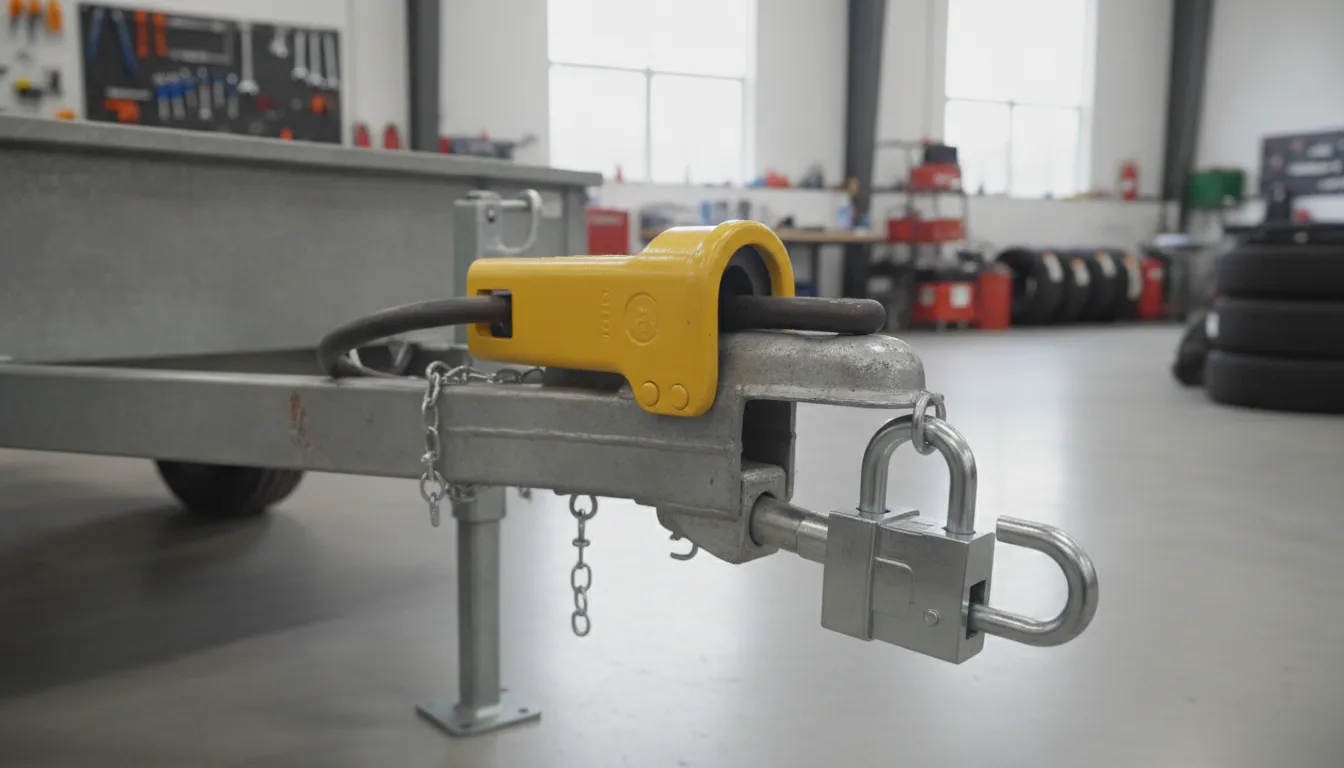
Use a layered defense for storage
You should never rely on just one piece of hardware. The best way to stop theft is to use several tools at once. This makes it take longer for a thief to steal your gear. Most crooks want an easy job. If they see many locks, they will likely move on to a softer target. You can start by using a trailer tongue lock pin to secure the latch. This stops someone from simply opening the coupler and dropping it on a ball.
You can also combine your hardware with smart parking. Park your trailer in a well-lit area or use a heavy vehicle to block it in. If you have a fleet, park them in a tight group. This makes it hard to get a tow vehicle near the hitch. Adding a wheel lock or chain can also stop the trailer from rolling away. Using many layers like these is a top tip from law groups like the Berkeley County Sheriff.
Choose the right locks for the job
Not all locks are the same. You need to pick hardware that fits your specific trailer. For example, a heavy duty trailer tongue lock is a great start for most utility setups. It acts as a physical wall that stops a thief from hooking up to your trailer. You should also look at a hitch pin lock. This keeps someone from pulling the whole drawbar out of your truck. DoubleLock offers the SCORPION tow hitch lock for this exact need.
Fit is the most important part of any lock. If a lock is too loose, a thief can use tools to break it fast. Always check your coupler size before you buy. Most trailers use a 2-inch or 2.5-inch ball. A lock that is made for a tight fit will last longer and work better. Strong steel is a must for any outdoor gear. It needs to stand up to both tools and bad weather. You can find more trailer security options in our full guide.
Add marks and registration
Hardware is not the only way to protect your trailer. You can also use marks to make your property easy to find. Some owners weld their name or phone number onto the frame. This is cheap to do but very hard for a thief to remove. You can also use bright paint on the inside of the trailer. This makes it hard for a crook to sell the gear to a pawn shop. If the items are easy to spot, they are less useful to a thief.
Signing your trailer up with the state is also a smart move. A license plate makes the trailer easy for police to track. Thieves often avoid trailers with plates because it increases their risk. In 2024, work trucks and trailers made up about 6 percent of vehicle thefts in California, per the California Highway Patrol. Keeping your papers in order helps you get your gear back if it is ever taken. Combining these marks with strong locks gives you the best chance to keep your assets safe.
Maintaining your trailer tongue lock
A trailer tongue lock needs routine care to stay dependable. Dirt and rust can jam its internal parts, leave your trailer stuck, or weaken the lock. Whether you manage a fleet or one trailer, a simple inspection, cleaning, and lubrication routine helps keep the hardware working properly.
Check for wear and rust
You should look at your lock often for any signs of damage. Check the body for deep marks, dents, or rust spots. Small bits of rust can grow and weaken the metal over time. If you live near the ocean or in a place with snowy winters, check your gear more often. Salt from the road or the sea can speed up rust. If you find deep rust or cracks, it is time to buy a new security lock from our catalog.
Look for debris inside the keyhole and the locking parts. Dust, sand, and road grime can get trapped inside the lock body. Use a can of compressed air to blow out any loose dirt. Keeping the keyway clear ensures that your key fits right every time. Proper lock care is one of the best ways to stop trailer theft before it starts.
Clean and lubricate the parts
Dirt is the enemy of a smooth lock. You can clean the outside of the lock with a damp cloth and mild soap. Dry it right away to prevent new rust. For the inside, use a dry lube like graphite or a clear spray. Avoid thick oils or grease, as these can trap dirt and turn into a sticky mess. Only use a small amount of spray to keep the parts moving.
Move the locking parts back and forth after you add the spray. This helps the lube reach every small part. If the lock feels stiff or gritty, you may need to clean it again. Regular checks help you find these issues early. This keeps your fleet assets safe and ready for work at all times.
Manage your keys and hardware
Key control is just as vital as the lock itself. Keep your keys clean and dry. A bent or dirty key can damage the pins inside the lock. If your key is hard to turn, do not force it. This could snap the key or jam the lock for good. If you manage a fleet, keep a clear log of who has which key to prevent loss. Check the bolts and nuts that hold the lock to the trailer as well. Tighten any loose parts and replace any hardware that looks worn or bent.
Build a stronger trailer security setup
A full security plan helps protect a trailer parked at home, on a jobsite, or in a business lot after hours. Use different trailer security options that block hitching and add time to an attempted theft. The Berkeley County Sheriff warns that unattended trailers are easy targets.
Choose a trailer tongue lock for daily use
For standard utility trailers, a trailer tongue lock is a key tool. This device acts as a physical wall that stops a car from hooking to your trailer coupler. You can use a trailer tongue lock pin to secure the latch mechanism in place. Matching the lock to your hitch size is the best way to keep your gear safe.
High quality locks use strong steel and precise parts for a tight fit. When a lock fits well, it is much harder to bypass or break with common tools. You should check your coupler size before you buy any hardware. Most utility trailers use a 2 inch or 2-5/16 inch ball. A loose lock can often be beaten by a thief with a pry bar or a hammer.
Security for heavy duty and fleet towing
Some trailers need more than a standard lock for full safety. If you pull heavy loads or manage a fleet, look for paths built for high use. The LION kingpin trailer lock is made for semi-trailers and fifth wheel setups. It covers the kingpin with a thick plate to stop any wrong coupling. For large towing jobs, the SCORPION tow hitch lock provides a strong layer of safety.
Fleet owners often need many locks that work with one key to save time. DoubleLock offers paths for wholesale buys to help you secure all your assets at once. You can buy direct for single units or get a quote for bulk fleet needs. This industrial grade hardware uses European design to handle the toughest tasks on the road. Using tougher locks for every part of your rig reduces the risk of loss.
Layered protection for high risk areas
No single lock can stop every thief, but a good setup acts as a strong deterrent. You should combine your trailer tongue lock with other steps to improve safety. These layers add time and risk for a thief, which often makes them move on to an easier target. Consider these extra steps for high risk areas:
- Chain your wheels to stop the trailer from rolling.
- Mark your frame with your name or phone number.
- Use bright paint on the inside of the trailer.
Reflective decals and bright paint can also help with security on the road. If a thief tries to remove 3M decals, they often leave a mark behind on the frame. This makes it harder for them to sell the stolen trailer later. Clear marks help the police find your gear if it ever goes missing.
Frequently Asked Questions
Are trailer tongue locks worth the cost?
According to the California Highway Patrol, trucks and trailers make up about six percent of all thefts. A good lock is a small cost to protect your gear. These tools act as a hard wall that stops a thief from towing your gear. While no lock is perfect, they are a strong block. They keep honest people honest and make thieves look for a simple target. Using a trailer tongue lock pin shows you care about your gear.
What is the best trailer theft deterrent?
According to the Berkeley County Sheriff, you should use many tools to stop theft. A tongue lock is a great start, but you should also use wheel chains. Using many locks makes the job too hard for most thieves. By using more than one block, you force a person to spend more time. Most thieves will walk away when they see that a trailer has several tough locks. It is best to be safe.
Does a trailer tongue lock fit every coupler size?
No, you must match the lock to your coupler size. Most small trailers use a 2-inch ball. Large gear often needs a 2-5/16-inch mount. You can find the size stamped on the metal top of your gear. Using the wrong size creates gaps. A thief can use those gaps to pry the lock off with a bar. A tight fit is key to keep your gear safe. You can check more trailer security options to find the best fit for your gear.
Can a thief cut through a heavy duty trailer tongue lock?
Good locks use hardened steel to resist saws and drills. While a thief with power tools might break a lock, it takes a long time. It also makes a lot of noise. Tough locks act as a strong block that delays a thief. According to the Berkeley County Sheriff, many thefts happen when a trailer has no locks. A strong lock makes your trailer a much harder target for a thief to steal.
Ready to secure your trailer with layered protection today?
Leaving your trailer without a lock is a risk as a theft can happen in just a few short minutes when you are not looking. If you wait to act, you may lose your assets, but you can start protecting your gear right now with our trailer security guide tools. It is much better to stop a thief today than to deal with a big loss later so take the first step to stay safe.
Ready to get started today? Shop trailer security hardware now or request a quote for your fleet if you have many trailers to secure and need a full system for your yard or work site.