

A trailer can disappear while its hitch hardware still looks properly secured. The right lock must protect the right connection, then work with other barriers that slow a thief down.
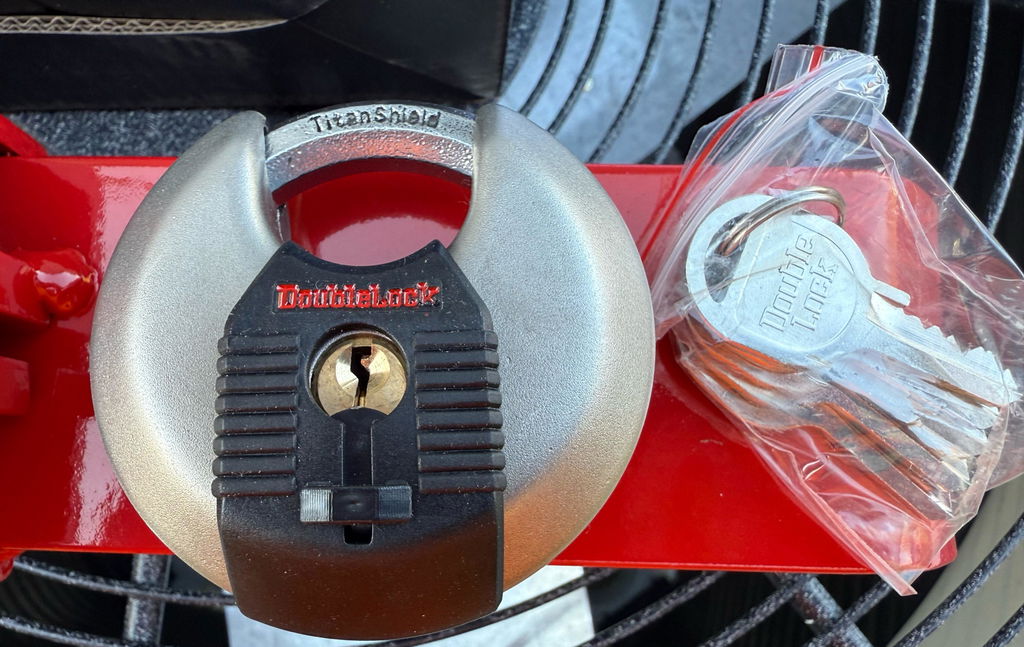
Shop DoubleLock trailer and towing locks to build a layered setup for your receiver, coupler, or kingpin.
A trailer hitch lock blocks unauthorized removal at one towing connection, but the right type depends on whether the trailer is hitched or parked. Receiver locks secure the ball mount to the tow vehicle, while coupler locks guard the trailer tongue and kingpin locks protect fifth-wheel trailers. Strong coverage pairs these devices with locks for other exposed points, creating several time-consuming obstacles instead of trusting one piece of hardware. This layered approach matters because vehicles often serve as mobile warehouses for valuable tools and cargo, according to the National Institute of Justice. Choose hardware that fits its exact connection, resists outdoor conditions, and stays practical enough to use every time you stop.
Before choosing a lock, you need to know which connection each design protects and where a thief can work around it. The sections below map those weak points first, then compare the lock types that belong in a serious trailer security plan.
Trailer hitch lock basics: what you are actually protecting
A trailer hitch lock is a broad term, not one single part. It can protect the tow vehicle's receiver, the trailer coupler, or a latch that keeps the coupler closed. Each lock blocks a different path a thief might use.
This matters because a trailer changes states. It may sit parked and unhitched, or remain attached to a tow vehicle during a stop. Reports collected by the Office of Justice Programs note that theft often occurs from parking areas while drivers are on breaks.
Receiver-side security
The receiver is the square opening mounted to the tow vehicle. A ball mount slides into it, and a hitch pin passes through both parts. A locking hitch pin replaces a plain pin to stop someone from easily pulling out the ball mount.
This receiver-side lock helps keep the ball mount with the vehicle. It does not lock the trailer's coupler onto the hitch ball. Owners who need more detail can learn how to protect your hitch receiver before choosing a pin.
Coupler and latch security
The coupler sits on the trailer tongue and fits over the hitch ball. When the trailer is parked alone, a coupler lock fills or covers that opening. It makes attaching the trailer to another vehicle harder.
A latch or pin lock protects the coupler's closing lever. This small lock can help keep the coupler closed while the trailer is attached. Yet it may leave the receiver pin exposed, so it should not be mistaken for full hitch security.
- Receiver lock: helps secure the ball mount to the tow vehicle.
- Parked coupler lock: helps block unauthorized hookup of an unhitched trailer.
- Latch or pin lock: helps keep the coupler latch from opening.
Parked versus attached protection
For an unhitched trailer, the main risk is someone connecting another tow vehicle to its coupler. For an attached trailer, the weak points can include the receiver pin and coupler latch. The right setup protects the parts exposed in that moment.
No trailer hitch lock makes theft impossible. Locks add time and friction, and layered protection covers more than one removal point. A buyer can layer your trailer security by matching receiver-side and coupler-side locks to how the trailer is used.
What types of trailer hitch locks are available?
A trailer hitch lock is not one single device. Each type protects a different connection point between the tow vehicle, hitch parts, and trailer. The right choice depends on how the trailer connects and whether it is hitched or parked.
Main lock categories
Receiver hitch pin locks replace the standard pin that holds a ball mount or accessory inside the tow vehicle's receiver. They help stop someone from pulling out that part. Buyers can learn how to protect a hitch receiver before choosing the correct pin style.
Coupler locks secure the trailer tongue where it fits over the hitch ball. Some cover an unhitched coupler, while others lock the connection during towing. Small latch locks secure only the coupler latch, so they work best as one layer rather than the full plan.
| Lock category | What it secures | Practical fit | Key buying check |
|---|---|---|---|
| Receiver hitch pin lock | Ball mount or receiver accessory. | Tow vehicles and removable ball mounts. | Receiver and pin-hole fit. |
| Coupler lock | Trailer coupler. | Boat, cargo, and utility trailers. | Coupler shape and hitching state. |
| Latch lock | Coupler latch. | Quick added protection. | Latch-hole diameter. |
| Kingpin lock | Fifth-wheel kingpin. | Fifth-wheel and commercial trailers. | Kingpin fit and access. |
| Accessory cable lock | Wheels, gear, or loose equipment. | Marine, work, and fleet gear. | Length and anchor point. |
Locks for different trailer setups
Fifth-wheel trailers use a kingpin instead of a ball coupler. A kingpin lock blocks access to that connection while the trailer is parked without its tractor or tow vehicle. It is the setup-specific choice for many fifth-wheel cargo, fleet, and recreational trailers.
Cable locks serve a wider support role. They can loop through a wheel, spare tire, marine gear, or jobsite equipment when a sound anchor point is available. A cable does not replace a lock made for the hitch connection.
A layered match for the risk
Start by mapping every point that can be separated or carried away. A boat trailer may need coupler protection plus a cable around removable gear. A fleet unit may pair kingpin security with controls for cargo and equipment.
This layered approach matters because vehicles often act as mobile storage for valuable cargo and tools, according to the Office of Justice Programs. No lock makes a trailer impossible to steal. Using the right devices at separate weak points can slow an attempt and reduce easy access.
Check the connection type, exact fit, exposure, and daily workflow before buying. Owners with more than one lock may also want to manage their security keys as one system. The goal is practical protection that workers or family members will use every time.
Where cheaper hitch locks usually fail
Exposed metal and easy tool access
A cheap trailer hitch lock may look solid while leaving its weakest parts open. An exposed shackle gives cutters a clear place to bite. A thin locking pin may also offer less metal for a thief to defeat. The main issue is not the price tag alone. It is how easily common tools can reach key parts.
Look closely at every gap around the lock, coupler, and receiver. Wide gaps can leave room for pry bars, hammers, or cutting tools. A bulky outer shell means little if it does not shield the shackle or pin. The lock should make tool placement awkward and force an attacker to spend more time.
Poor fit and weak lock cores
Fit matters because a loose lock creates working space. A coupler lock that rocks, twists, or leaves a large gap may give pry tools better access. Before buying, check the coupler style and its exact dimensions. Then confirm that the lock sits close to the metal without binding.
The key core deserves the same check. A weak or poorly protected core can become the easiest path into an otherwise thick lock. Look for a core that sits behind a shielded face and operates without excess play. For the vehicle side, learn how to protect your hitch receiver instead of relying on the coupler lock alone.
Corrosion and single-point security
Weather can turn a usable lock into a problem. Water, road salt, dirt, and grit can reach exposed pins, springs, and keyways. Corrosion may make the lock hard to open for its owner. It can also weaken small parts over time. Check the finish, seals, drain paths, and keyway cover before purchase.
One lock also protects only one point. A coupler lock does not secure the ball mount inside the receiver. A receiver pin lock does not secure a parked trailer's coupler. Guidance on protecting commercial vehicles and their loads supports using several physical security measures, rather than trusting one barrier.
Match each lock to the way the trailer is stored and moved. Secure the receiver, coupler, safety chains, and valuable cargo where risk calls for it. No lock makes theft impossible. The better goal is to layer your trailer security and remove easy attack paths.
How do you choose the best trailer hitch lock?
The best trailer hitch lock fits your hardware, parking risks, and daily routine. Start by finding the point a thief could use to tow the trailer away. Then choose a lock that blocks that point without making normal work harder.
Fit and attack-point check
A receiver lock secures the ball mount to the tow vehicle. A coupler lock blocks another vehicle from connecting to an unhitched trailer. A kingpin lock serves trailers that use a fifth-wheel connection. Many setups need more than one lock.
Define how the trailer is used. Note whether it stays hitched, sits unhitched, or moves between tow vehicles. Include each stop where it may be left alone.
Find the likely attack point. Inspect the coupler, receiver pin, safety chains, and kingpin when present. Select the lock type that blocks the easiest towing route.
Measure before buying. Confirm the coupler style and ball size, plus the receiver size and pin-hole diameter. Check available clearance around each part so the lock body can seat fully.
Rate the parked location. A trailer stored behind a locked gate faces different risks than one left in an open lot. Public stops and long, quiet parking periods call for more security layers.
Plan for weather and upkeep. Rain, road salt, mud, and marine spray can reach the lock. Choose materials and covers suited to that exposure, then clean and lubricate the lock as directed.
Set a key plan. Decide who needs access, where spare keys stay, and how lost keys get handled. Fleet operators can manage your security keys with a clear issue and return process.
Test the complete setup. Install each lock and check for excess movement, weak clearances, or exposed parts. Confirm authorized drivers can remove it without delays or special tools.
Security layers that match the risk
No lock makes a trailer impossible to steal. The goal is to slow an attempt and reduce easy towing options. Federal crime-prevention guidance also supports physical security systems that impede unauthorized access. Its advice covers locks and alarms for commercial vehicles used as mobile storage.
For an unhitched trailer, start with the coupler and then layer your trailer security around other exposed points. For a hitched trailer, protect the hitch receiver and review the coupler connection. Match each added layer to the real parking risk, not just the number of locks.
Final fit test before use
Dry-fit the trailer hitch lock before relying on it. The lock should close fully, resist easy movement, and avoid contact that could damage towing parts. Keep proof of the model and key code in a secure place.
Recheck the setup after changing a ball mount, coupler, receiver, or tow vehicle. A lock that fit the old hardware may leave a gap on the new setup. This simple check keeps the security plan tied to the actual trailer.
A stronger trailer theft prevention setup uses layers
A trailer hitch lock protects one key connection, but theft risk changes as the trailer moves, parks, or enters storage. Layered security covers each state with a fitting lock, sound parking choices, and a clear routine. No lock is undefeatable. Each layer adds another obstacle that can slow an attempt and reduce risk.
Protection while attached
When towing, secure both sides of the hitch connection. A locking hitch pin helps keep the ball mount in the receiver. A fitted coupler or tow hitch lock guards the trailer connection itself. DoubleLock's SCORPION tow hitch lock is built for this part of an attached trailer setup.
These parts work together instead of asking one device to guard the whole connection. Before each trip, check every lock for firm seating, damage, dirt, and free key movement. DoubleLock's trailer and towing security products help owners compare locks for each connection point.
Security for parked trailers
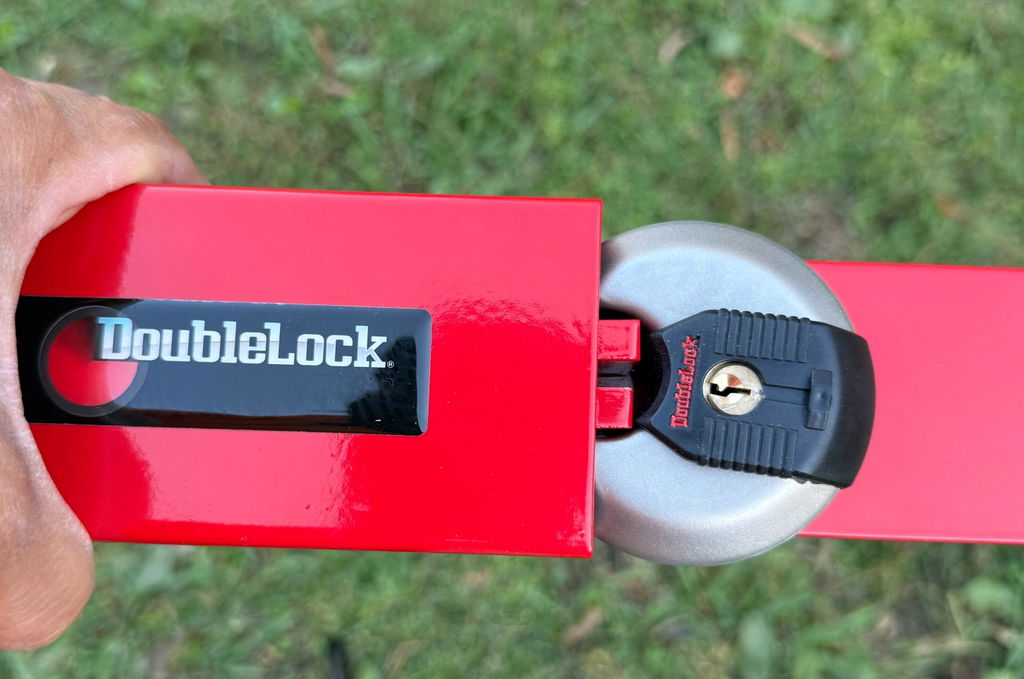
An unattended trailer needs a different layer because it may no longer be connected to a tow vehicle. Fit the correct coupler lock on a bumper-pull trailer. For a fifth-wheel trailer, use a kingpin lock such as the DoubleLock LION. Both choices place a visible barrier at the trailer's main towing point.
Parking decisions still matter. Choose a controlled, well-lit area when possible, then keep valuable cargo out of sight. Government guidance notes that trucks are often taken from parking places while drivers are on breaks. That makes immediate locking important, even during a short stop. The trailer theft guidance supports treating every unattended stop as a security event.
A wheel restraint, gate, alarm, or tracking tool can add another independent hurdle. The goal is not to claim perfect protection. It is to make removal harder, slower, and more noticeable. Owners can layer trailer security by matching the coupler layer to the trailer and parking plan.
Repeatable fleet controls
Fleet security works best when crews can follow the same steps at every stop. Assign the right lock to each trailer type, then record who holds each key. Inspect locks on a set schedule and replace damaged parts before the trailer returns to service. A simple departure and parking checklist helps prevent missed steps.
- Attached trailer: secure the receiver connection and coupler, then check both before travel.
- Parked bumper-pull trailer: lock the coupler and add a separate site or wheel layer.
- Parked fifth-wheel trailer: fit a kingpin lock, then confirm the parking area's controls.
- Fleet trailer: log lock condition, key control, parking location, and the next inspection.
Lock sets can make key control easier across several trailers. Fleet and bulk buyers can use the wholesale quote path to plan a consistent setup. Match each lock set to the trailer type, daily duty, and operating site.
Should you lock a parked trailer differently than an attached trailer?
The lock plan should change with the trailer's position, location, and time left unattended. A parked trailer needs protection at the coupler. An attached trailer needs protection at the receiver connection and coupler latch.
No lock stops every theft attempt. Correct placement and layered barriers help slow an attempt and reduce easy towing options.
Parked and uncoupled trailers
On a parked trailer, fit a coupler lock inside or across the coupler where the hitch ball would sit. This blocks someone from simply lowering the tongue onto another tow vehicle. Secure the safety chains so they cannot become an easy backup towing point.
The Office of Justice Programs notes that trailers are often taken from parking areas while drivers are away. Locking the trailer at every stop is a practical habit, not a task reserved for overnight storage.
At home or in storage, park with the coupler facing a wall or fixed barrier when possible. Add a wheel lock or anchored chain as another obstacle. Owners can layer trailer security based on the site and time left unattended.
Trailers attached to a truck
When attached, the coupler lock should prevent the latch from opening while the trailer stays on the ball. A locking hitch pin belongs through the receiver and ball-mount hole. It replaces the standard pin and clip, helping prevent removal of the whole ball mount.
Before moving, confirm each trailer hitch lock is approved for use while towing and does not bind controls. Check that chains, wiring, brakes, and the breakaway cable still move as designed. A locking pin can protect your hitch receiver without blocking those safety parts.
Do not leave a loose chain wrapped around the hitch, where it could drag or catch. Place each lock at its intended connection point. Test the coupler latch and receiver pin by hand before departure.
Boat ramps, jobsites, and fleet yards
At boat ramps and marinas, use weather-resistant hardware and keep keyways clean. Lock the coupler whenever the tow vehicle leaves the trailer. Store spare keys away from the truck and trailer.
At a jobsite, protect the coupler and cargo doors because both offer possible access. Place the trailer where staff can see it, then add wheel or anchor security for long stops.
Fleet yards need one written lock routine for every arrival and departure. Assign checks for couplers, receiver pins, kingpins, doors, and keys. Record damaged or missing locks before a trailer returns to service.
Frequently Asked Questions
What is the best lock for a trailer hitch?
The best trailer hitch lock fits the exact hitch component and closes its main theft path. Use a receiver pin lock for the ball mount, or a coupler lock for an unhitched trailer. Heavy-duty construction, limited exposed shackle area, weather resistance, and a close fit all matter. For broader protection, combine compatible locks instead of relying on one device.
Are trailer hitch locks worth it?
Trailer hitch locks are worth considering because they add a physical obstacle that can slow theft attempts and discourage opportunistic thieves. They are especially useful when a trailer sits unattended. The Office of Justice Programs notes that trailer theft often occurs from parking places during driver breaks. No lock guarantees security, so pair one with secure parking and other deterrents.
How do you lock a trailer hitch so it cannot be stolen?
Use a correctly sized receiver pin lock while towing, then add a coupler lock when the trailer is disconnected. Lock safety chains where practical, remove valuables, and park in a visible, controlled area. For commercial trailers, a compatible kingpin lock can protect another connection point. This layered approach creates several separate obstacles, although no setup can eliminate theft risk.
What are the common problems with trailer hitch locks?
Common problems include incorrect sizing, loose fit, exposed parts that provide tool access, corrosion, frozen cylinders, and lost keys. A lock can also secure the wrong point while leaving the coupler or receiver vulnerable. Confirm hitch dimensions before buying, inspect the lock regularly, and follow its care instructions. Replace any lock that binds, cracks, or no longer seats correctly.
What types of trailer hitch locks are available?
Receiver hitch locks replace a standard hitch pin and secure the ball mount to the towing vehicle. Coupler locks block another vehicle from connecting to an unhitched trailer. Latch locks secure the coupler latch, while kingpin locks protect certain commercial trailer connections. Choose each lock by trailer configuration, exact dimensions, and whether the trailer will be hitched, parked, or stored.
Ready to strengthen your trailer security?
Leaving a trailer protected by one basic lock can preserve obvious weak points and give a thief a simpler path to the equipment. Acting before your next trip lets you match receiver, coupler, and kingpin protection to the way you tow, park, and store. Starting now also gives fleet teams time to standardize a layered setup before another trailer enters service or spends a night unattended.
Ready to make each trailer a harder target before the next haul, job, or overnight stop? Review the options for personal trailers, commercial equipment, and multi-unit fleets, then choose the layers that address your most exposed connection points. Shop DoubleLock trailer and towing locks now, or request a quote for fleet needs to build your security plan.