
Some of the most effective tools are the ones that do their job so well they almost go unnoticed. They are the silent workhorses on job sites, at marinas, and in backyards, providing quiet strength and reliability. The steel cable with eyelets is one of these unsung heroes. This simple piece of hardware, consisting of a strong steel rope with looped ends, is fundamental to securing, rigging, and protecting valuable assets across numerous settings. Its straightforward design hides a surprising amount of engineering, from the type of steel used to the way the eyelets are formed. Let's take a closer look at this essential tool.
Key Takeaways
- Define the Job First: The best cable for you depends entirely on the task. Consider the environment, like saltwater for marine use, and the weight of your items to determine the right material, strength, and length you need.
- Look Beyond the Cable Itself: A high-quality system includes more than just the wire. Pay attention to securely attached eyelets, a protective coating to prevent scratches and rust, and durable materials like stainless steel for long-term performance.
- Check Specs for Safety and Fit: Always confirm the cable's load capacity is well above the weight you need to secure. Also, check that the cable's diameter is compatible with your padlocks or other hardware to create a truly secure connection without weak points.
What Is a Steel Cable with Eyelets?
When you need a flexible yet strong solution for securing your gear, a steel cable with eyelets is one of the most reliable tools you can have. At its heart, it’s a high-strength rope made from braided steel strands, giving it incredible resistance to cutting and pulling. These cables are essential for everything from fastening equipment on a construction site to securing a boat at the dock. Their simple yet effective design makes them a go-to for anyone needing an extra layer of security that’s both tough and adaptable.
The defining feature is the loop, or eyelet, professionally formed at one or both ends. This small detail is what makes the cable so useful, creating a solid point for attachment that you can count on. You can easily thread one end through the other to cinch down on an object or use it with a padlock to anchor your valuables to a fixed point. Whether you’re a contractor, a boat owner, or just need to secure items around your property, understanding the components of a steel cable will help you choose the right one for the job.
Understanding Eyelets
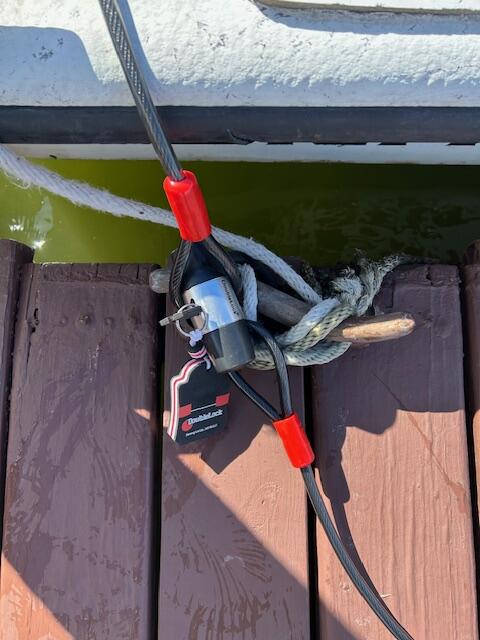
At its core, a steel cable with eyelets is a strong wire rope that has a looped end. This loop, known as an eyelet, is what provides a secure and reliable attachment point. Instead of trying to tie a knot in a stiff steel cable, the eyelet gives you a clean, pre-made loop to work with. You can pass the cable back through its own eyelet to tighten around an object or connect it to an anchor point. Our Double Loop Security Cable is a perfect example of how these ends create a simple and effective fastening system for a wide range of applications. This design makes them incredibly useful for securing everything from tools and equipment to outdoor furniture.
Stainless vs. Plated Steel
The material of the eyelet itself plays a big role in the cable's overall performance and lifespan. Most eyelets are made from either stainless steel or plated steel. Stainless steel is known for its exceptional durability and ability to resist corrosion, making it the best choice for marine environments or any outdoor setting where moisture is a concern. Plated steel, on the other hand, can be a more budget-friendly option. While it offers some protection, it may not hold up as well over time in harsh conditions, so it’s important to consider where and how you’ll be using the cable. For long-term reliability, stainless steel is generally the superior investment.
A Guide to Protective Coatings
Many steel cables come with a protective coating, which serves a few important functions. This sheath, typically made of PVC or vinyl, adds an extra layer of defense against the elements, protecting the inner steel wire from moisture and abrasion that could lead to rust or fraying. This is especially important for maintaining the cable's strength and integrity over years of use. The coating also prevents the steel from scratching or damaging the surfaces of your valuable equipment. Plus, these coatings often come in different colors like black or red, which can help with visibility or organization. Some manufacturers even offer custom configurations if you have a very specific need for your project.
Common Uses for Steel Cables with Eyelets
Steel cables with eyelets are incredibly versatile, finding their place in everything from heavy-duty industrial settings to simple home projects. Their strength, combined with the convenience of a built-in loop, makes them a go-to solution for securing, hanging, and rigging. The specific application often dictates the type of cable, coating, and eyelet you'll need. Let's look at some of the most common scenarios where these cables prove their worth.
Securing Marine and Boating Equipment
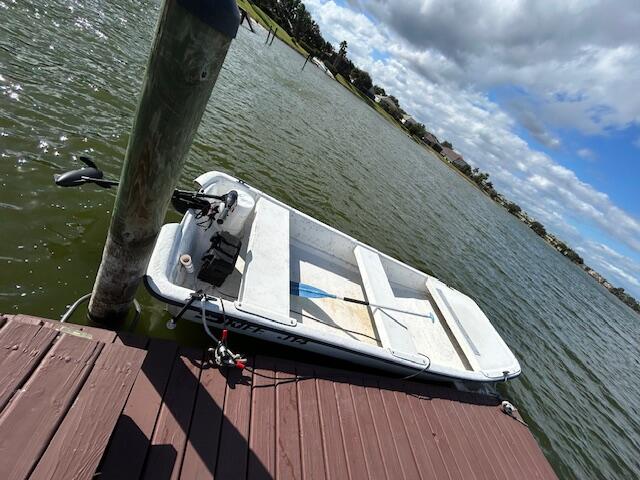
When you're on the water, you need equipment you can trust. Steel cables with eyelets are essential in marine environments because of their durability and resistance to corrosion. High-quality cables are often made from V4A AISI 316 stainless steel, a material that holds up exceptionally well against saltwater and harsh weather. This makes them perfect for securing boat covers, tying down gear on deck, or anchoring buoys. The pre-formed eyelets provide a reliable attachment point for padlocks or clips, giving you peace of mind that your valuable equipment will stay put, whether you're docked or out on the open water. Their strength ensures they can handle the constant motion and stress of a marine setting.
Applications in Construction and Rigging
On a construction site, safety and efficiency are paramount. Steel cables with eyelets are workhorses in this industry, used for a wide range of rigging, lifting, and securing tasks. You'll see them used to suspend tools, brace scaffolding, or create safety barriers. The stamped eyelets, also known as stake eyes, offer a strong and consistent connection point for hooks and shackles. This versatility makes them invaluable for contractors and builders who need reliable hardware. Because they can be customized to fit specific jobs, they provide a flexible solution for everything from hanging temporary lighting to securing heavy materials during transport, reflecting a commitment to performance that professionals depend on.
Enhancing Security and Preventing Theft
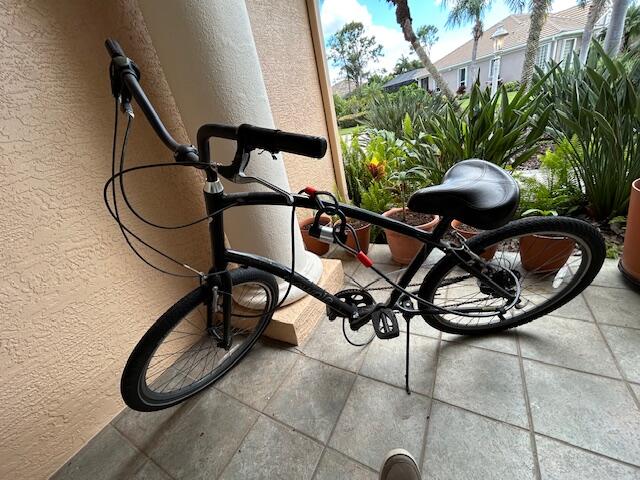
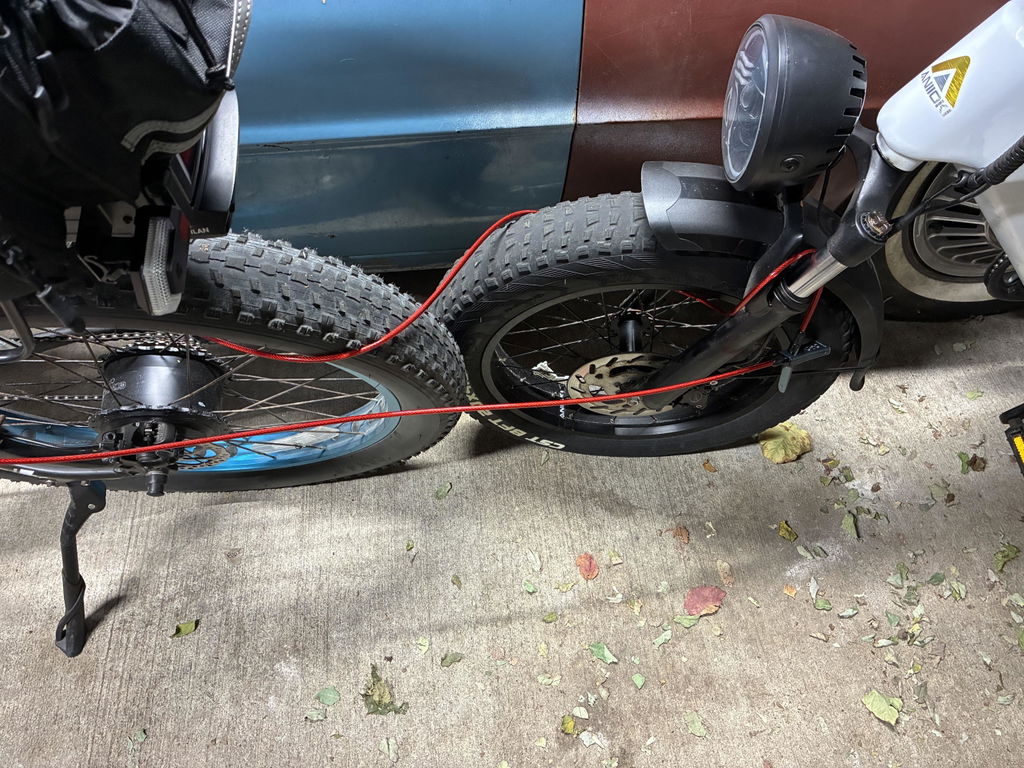
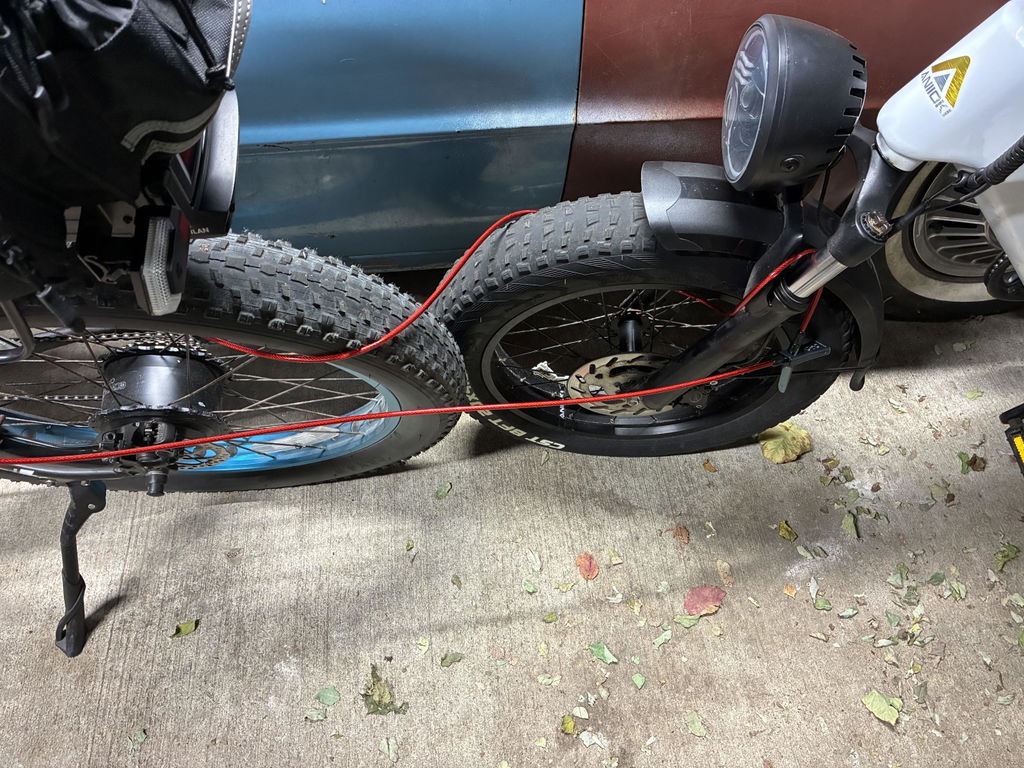
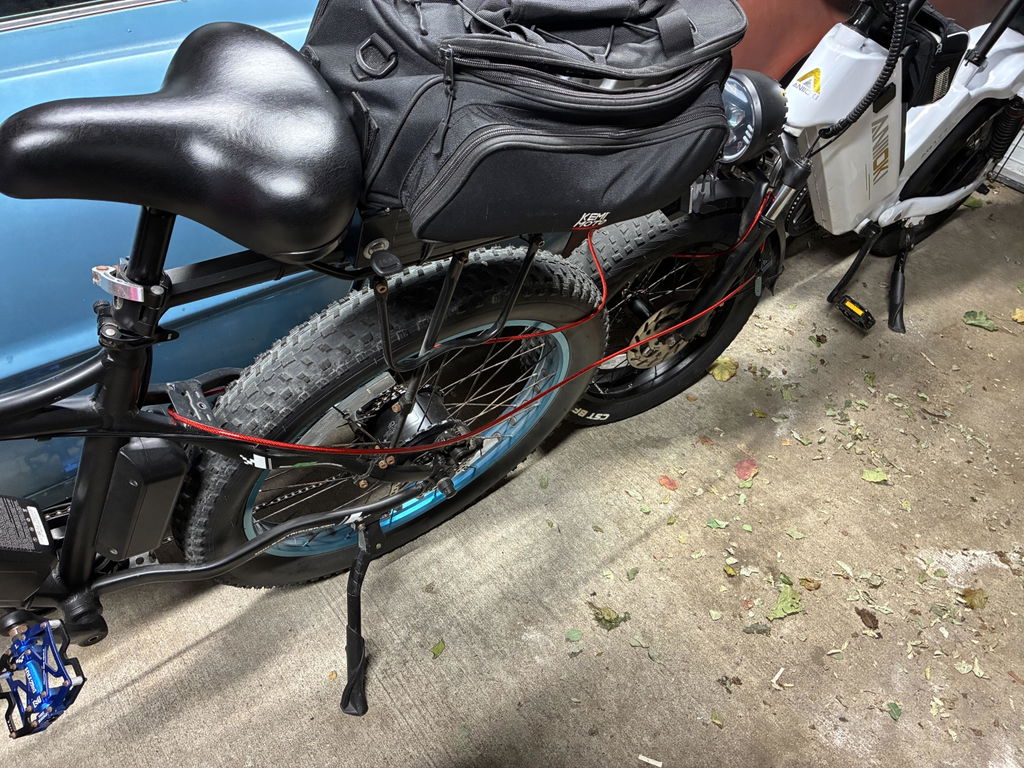
Beyond industrial uses, steel cables are a straightforward and effective tool for preventing theft. Their strength makes them a formidable barrier for securing valuable items outdoors. You can loop a cable through patio furniture, grills, generators, or bicycles and then fasten it to a fixed object with a heavy-duty padlock. This simple setup deters opportunistic thieves. These cables are especially useful for securing equipment on a work truck or trailer overnight. By choosing a cable with a protective coating, you also prevent it from scratching your valuables. For businesses needing to secure multiple assets, these cables are an essential part of a comprehensive security plan.
Everyday Hanging and Outdoor Displays
You don't need to be on a job site to find a use for steel cables with eyelets. They are also perfect for various hanging and display projects around your home or business. Their clean, industrial look is great for suspending signs, stringing up outdoor lights, or creating a trellis for climbing plants. Because they come in a wide range of diameters, from very thin to thick, you can find a cable that fits your project's needs without being obtrusive. The eyelets make it simple to attach the cable to walls or posts, ensuring a secure and lasting installation for your outdoor displays.
How to Identify a High-Quality Steel Cable
When you’re looking for a steel cable, it’s easy to assume they are all created equal. The truth is, quality can vary quite a bit, and the small details make a big difference in performance and safety. A high-quality cable isn’t just about the strength of the steel itself; it’s about how the entire assembly, from the coating to the eyelets, is designed to handle a specific job. Knowing what to look for helps you choose a cable that will perform reliably for years, whether you’re securing valuable equipment on a construction site or tying down gear on your boat.
Choosing the right cable means looking beyond the price tag and examining the specifications that matter most for your application. You’ll want to consider its strength, the design of its end-fittings, its ability to resist the elements, and its physical dimensions. Each of these factors plays a critical role in the cable’s overall durability and effectiveness. By paying attention to these key indicators, you can confidently select a product that provides the security and peace of mind you need. We’ll walk through exactly what to check for.
Evaluate Load Capacity and Strength
Before you buy any steel cable, you need to know its load capacity. This figure tells you the maximum weight the cable can safely support without risk of breaking. You can usually find this information listed in the product specifications as the "working load limit" (WLL). For example, some cables are designed to hold between 110 and 330 pounds, making them suitable for lighter tasks, while others are built for much heavier industrial applications. Always choose a cable with a load capacity that comfortably exceeds the weight of whatever you plan to secure. This provides a crucial safety margin and ensures the cable can handle the job without failure.
Compare Eyelet Designs and Attachments
The eyelets, or loops at the end of the cable, are just as important as the cable itself. They are the connection points, and a weak eyelet can compromise the entire setup. High-quality cables feature securely attached eyelets that won’t pull loose under tension. Manufacturers offer a wide variety of stamped eye designs, with many standard types available and options for custom configurations. This variety ensures you can find an eyelet that is compatible with your specific hardware, whether it’s a hook, shackle, or padlock. A well-made eyelet creates a dependable connection you can trust.
Assess Corrosion and Weather Resistance
If your cable will be used outdoors, its ability to resist corrosion is essential for long-term performance. Exposure to rain, humidity, and especially saltwater can quickly degrade low-quality steel. For the best durability in harsh environments, look for cables made from V4A AISI 316 stainless steel. This material is specifically formulated to withstand the corrosive effects of saltwater and extreme weather, making it an ideal choice for marine applications. A coated stainless steel cable can also provide an extra layer of protection, extending its lifespan and maintaining its strength over time.
Check for Cable Diameter Compatibility
The diameter of the cable might seem like a minor detail, but it’s critical for ensuring a secure fit with your other hardware. An eyelet or fitting that is too large for the cable can create a weak point, while a cable that is too thick won’t fit at all. You can find cable eyelets designed for a wide range of diameters, from as small as 0.010 inches to 0.375 inches or more. Before purchasing, measure the fittings you intend to use or check their specifications to confirm the required cable diameter. This simple step ensures all your components work together seamlessly for a secure and reliable hold.
Choosing the Right Size and Configuration
Once you know what to look for in a quality cable, the next step is to find the one that fits your project perfectly. The right size and configuration are just as important as the material itself. A cable that’s too thin won’t provide the strength you need, while one that’s too short won’t reach. Getting these details right ensures your equipment, from marine gear to construction materials, stays secure.
Think about three main factors: the cable’s diameter and length, the type of eyelet, and whether you need a custom setup. Each choice affects the cable's performance and how well it works for your specific application. While there are many standard options available in our shop, understanding these variables will help you make a confident and informed decision. Let's walk through what you need to know to select the best configuration for the job.
Select Your Cable Diameter and Length
First, you’ll need to choose the right thickness and length for your cable. Diameter, or thickness, directly relates to the cable's strength and load capacity. Cables can range from very thin wires to thick, heavy-duty ropes measuring 10mm or more. For securing lightweight items, a thinner cable might be fine, but for heavy machinery or construction rigging, you’ll need a much thicker diameter.
Length is more straightforward but equally important. Measure the distance you need to cover and add a little extra for slack, just in case. Steel cables are available in a huge range of lengths, from just a couple of feet to hundreds of feet long. Taking a moment to measure your requirements beforehand will save you the headache of ending up with a cable that doesn’t quite reach.
Swaged vs. Non-Swaged Eyelets
The eyelets are the loops at the end of the cable, and they come in a few different styles. The most common distinction is between swaged and non-swaged eyelets. Swaged eyelets are permanently compressed onto the cable using a special tool, creating a very strong and secure connection that won’t come loose. Non-swaged eyelets are typically assembled with clamps, which can be useful if you need to make adjustments.
For most security applications, swaged eyelets are the preferred choice because of their reliability. You’ll also find that eyelets are made from either stainless steel or zinc-plated steel. As we covered earlier, stainless steel offers superior corrosion resistance, making it ideal for outdoor or marine use. You can find many different stamped eye fittings to match your cable.
Explore Custom Configurations
Sometimes, a standard, off-the-shelf cable just won’t do. If you have a unique project or very specific requirements, it’s worth looking into custom options. Many suppliers can create a cable assembly tailored to your exact needs. This allows you to specify everything from the precise length and diameter to the exact type of hardware on each end.
When ordering a custom assembly, you can often choose the material, the size of the eyelet’s opening, and even the quality grade, such as commercial or military specification. If you’re not sure what you need, don’t hesitate to reach out to a supplier for expert advice. They can help you design the perfect cable eyelet and assembly to ensure your setup is both safe and effective.
Key Considerations Before You Buy
Choosing the right steel cable is about more than just grabbing the first one you see. To get a reliable and long-lasting solution, you need to think through a few key details. Taking a moment to consider your specific project, safety requirements, and material needs will help you make a purchase you can feel confident about. It ensures the cable you select will perform exactly as you expect it to, whether you're securing equipment on a boat or rigging materials at a construction site.
Match the Cable Specs to Your Application
Before you buy, make sure the cable’s specifications fit your project. Steel cables with eyelets are versatile, often made from strong stainless steel with a protective coating for added durability. The loops, or eyelets, at each end make them easy to use for everything from securing construction materials to creating outdoor displays. Think carefully about where and how you’ll use the cable. A cable used to secure marine equipment will have different requirements than one used for hanging a sign. Matching the specs to the job ensures you get the right performance and longevity from your cable.
Review Load Ratings and Safety Standards
Understanding a cable's load rating is critical for safety. While some cables with eyelets can support significant weight, not all are designed for heavy lifting. Always check the product specifications provided by the manufacturer to confirm the maximum load capacity. This step is essential for preventing accidents and ensuring your setup is secure. Reputable brands are transparent about their testing and safety standards, so you can trust that the cable meets the necessary requirements for your project. Prioritizing safety means you can focus on the task at hand without worrying about equipment failure.
Balance Material Choice with Performance and Price
The material of your steel cable directly impacts its performance, durability, and cost. For outdoor projects or use in harsh environments like saltwater, a high-quality stainless steel is your best option for preventing rust and corrosion. The eyelets themselves can also be made from either stainless or plated steel, which affects both the price and the cable's overall resilience. You'll need to find the right balance between your budget and the demands of your project. For larger jobs, exploring wholesale options can help you get the quality you need at a more manageable price point.
Understanding Steel Cable Costs
Figuring out the cost of steel cables can feel tricky, but it really comes down to a few key details. The price you see is a direct reflection of the cable's materials, strength, and overall design. Once you know what to look for, you can better understand the value behind the price tag and choose a cable that fits both your project and your budget. Let's break down what influences the cost so you know exactly what you're paying for.
Factors That Influence Price
The final cost of a steel cable with eyelets depends on several key factors. The material is a big one; stainless steel cables typically cost more than plated steel but provide superior resistance to rust and corrosion, which is essential for outdoor or marine use. Another major price driver is the cable's load capacity. A cable engineered to hold 150kg will be more expensive than one rated for 50kg. The physical dimensions, like diameter and length, also play a role, as more material means a higher price. Finally, any custom configurations, such as special coatings, specific eyelet types, or included locks, will add to the overall cost.
What to Expect at Different Price Points
When you're shopping, you'll find cables at various price points, and each level serves a different purpose. Entry-level cables are often suitable for light-duty tasks, but it's critical to check the product details, as many are not designed for lifting heavy items. As you move into the mid-range, you'll find a better balance of strength and durability, often with materials like stainless steel for improved performance. At the premium end, you're paying for maximum strength, reliability, and specialized features from established manufacturers. These cables use high-quality materials and a variety of cable eye ends designed for specific, demanding applications like securing valuable equipment or handling critical loads.
Why Your Choice of Brand Matters
When you're relying on a steel cable for security or safety, the brand you choose is more than just a name. It’s a promise of reliability. Different brands have different priorities, and understanding those differences helps you select a cable that will perform exactly as you need it to, without fail. A brand's reputation is built on the quality of its materials, the durability of its products, and its adherence to strict manufacturing standards. Choosing a well-regarded brand means you're investing in a product that has been thoughtfully designed and rigorously tested, giving you peace of mind whether you're securing equipment on a boat or protecting assets on a job site. It's the difference between a temporary fix and a long-term solution.
Look for a Commitment to Quality
A brand's commitment to quality is often the first thing you should look for. This goes beyond marketing claims and gets into the specifics of the materials they use. For instance, a top-tier brand will use high-grade stainless steel, like V4A AISI 316, for cables intended for harsh marine environments. This specific material choice shows they understand the challenges of saltwater and outdoor exposure. A company that invests in superior raw materials is demonstrating a dedication to creating products that last. This is the kind of brand heritage that builds trust and ensures your equipment is secure.
Prioritize Durability and Proven Performance
Durability isn't just about how a cable looks on the shelf; it's about how it performs over time. Reputable brands build their name on proven performance, often through rigorous testing and high-quality manufacturing processes. They focus on creating products that stand up to real-world conditions, whether it's securing heavy loads on a construction site or protecting valuable equipment from theft. When you see a brand that emphasizes the reliability of its manufacturing, you can feel more confident in your purchase. Exploring a brand's full range of security solutions can give you a better sense of their overall focus on durability and strength.
Consider Material and Manufacturing Standards
The best brands are transparent about their materials and the standards they follow. Understanding these details is key to making an informed decision. For example, knowing whether the cable eyelets are made from strong stainless steel or plated steel helps you match the product to your specific needs. Brands that adhere to high manufacturing standards ensure every component, from the cable to the eyelet, performs reliably under pressure. This attention to detail provides the strength and dependability you need for any application, giving you confidence that your property is well-protected.
Where to Find Steel Cables with Eyelets
Once you know what kind of steel cable you need, the next step is finding a reliable place to purchase it. Depending on your project's scale and your preference for shopping, you can find high-quality cables from a variety of sources. Whether you prefer the convenience of online shopping, the hands-on experience of a specialty store, or the cost savings of a bulk order, there’s an option that fits your needs. Exploring these different avenues will help you find the right product from a supplier you can trust.
Purchasing from Online Retailers
Shopping online offers the convenience of browsing a vast selection from your home or office. Online retailers often provide detailed product specifications, making it easy to compare different cables. For example, specialized suppliers offer high-quality stainless steel ropes with coated eyelets in a wide range of lengths, tested for durability and security. You can also find steel cables with eyelets at the online stores of major hardware retailers like The Home Depot and Lowe's. This is a great option if you want to see a broad inventory or arrange for in-store pickup.
Shopping at Hardware and Specialty Stores
If you prefer to see products in person or need expert advice, visiting a hardware or specialty store is your best bet. Staff at these stores can help you confirm you’re choosing the right cable for your application. Specialty suppliers often provide an even deeper level of expertise and product variety. Some companies focus specifically on stamped eye fittings and cable assemblies, offering dozens of standard options and even creating custom eyelets for unique projects. This hands-on approach ensures you walk away with a product that is perfectly suited to your requirements.
Options for Bulk or Wholesale Orders
For businesses, contractors, or anyone with a large-scale project, buying in bulk is often the most practical and cost-effective choice. Wholesale suppliers can provide large quantities of materials at a reduced price per unit. Many suppliers have extensive catalogs of cable eyelets and allow you to request a quote for your specific needs. If your business regularly uses security hardware, partnering with a company that offers wholesale accounts can streamline your purchasing process and ensure you always have high-quality components on hand. This is an excellent way to manage inventory for ongoing projects.
Related Articles
- Stainless Steel Locking Hitch Pin: A Buyer's Guide
- FOX Security Cable | Braided Steel Cable
- The Ultimate Guide to Choosing a Chain Lock
Frequently Asked Questions
When do I really need a stainless steel cable instead of a less expensive one? You should always choose stainless steel if the cable will be used outdoors or in any environment with moisture. It is essential for marine applications because it resists rust from saltwater. While a plated steel cable might seem like a good way to save money, it will not last as long when exposed to the elements. For long-term reliability and peace of mind, stainless steel is the better investment.
How can I be sure the cable is strong enough for what I need to secure? The most important specification to check is the "Working Load Limit," or WLL. This number tells you the maximum weight the cable can safely handle. Always select a cable with a load limit that is comfortably above the weight of the item you are securing. This creates a safety margin that is critical for preventing accidents and ensuring your equipment stays put.
Does the protective coating on the cable actually matter? Yes, that coating serves a couple of important functions. It provides an additional barrier against moisture and abrasion, which protects the inner steel wire from damage that could lead to rust or fraying. It also prevents the bare steel from scratching the finish on your valuable equipment, like a boat, vehicle, or outdoor furniture.
I see different eyelet designs. How do I know which one is right for me? For most security purposes, a swaged eyelet is the most reliable option. This type of eyelet is permanently compressed onto the cable, creating a very strong connection that will not pull loose under tension. The main thing to confirm is that the opening in the eyelet is large enough to accommodate the shackle of your padlock or any other hardware you plan to use.
What's the best way to figure out the right length and thickness for my cable? To determine the length, use a flexible measuring tape to trace the path you need to cover, then add a bit of extra length for slack and easy handling. For thickness, think about the job's demands. A thicker cable provides more strength but is less flexible. The key is to match the cable's load capacity to your needs and confirm its diameter will work with your padlock and other fittings.