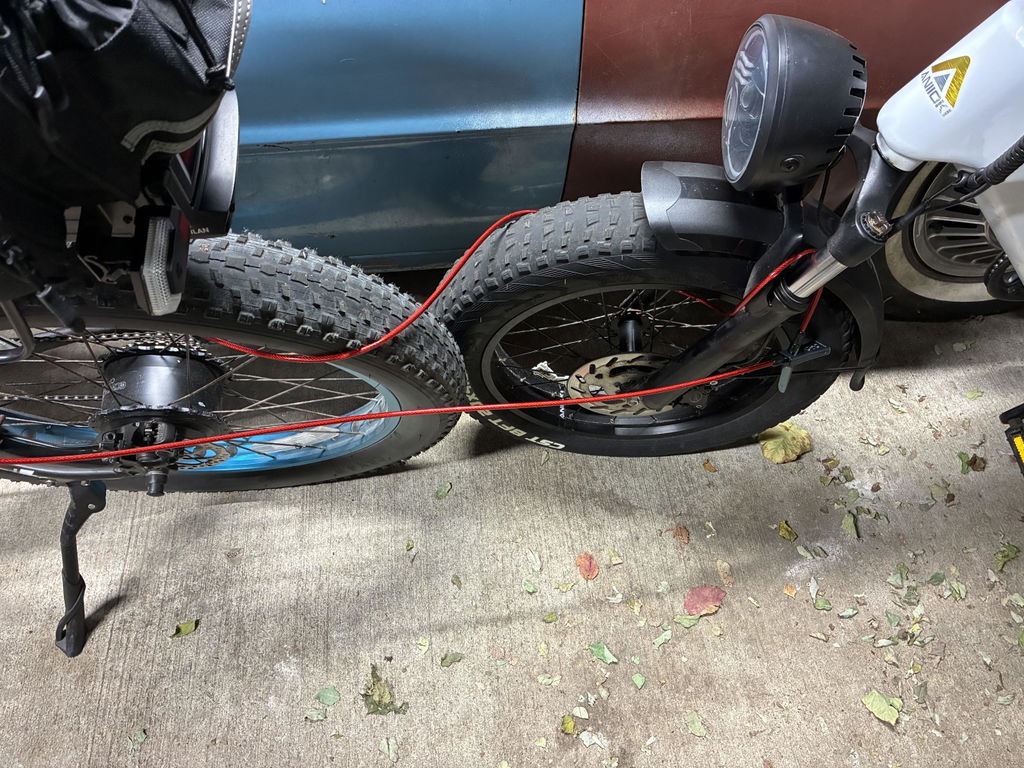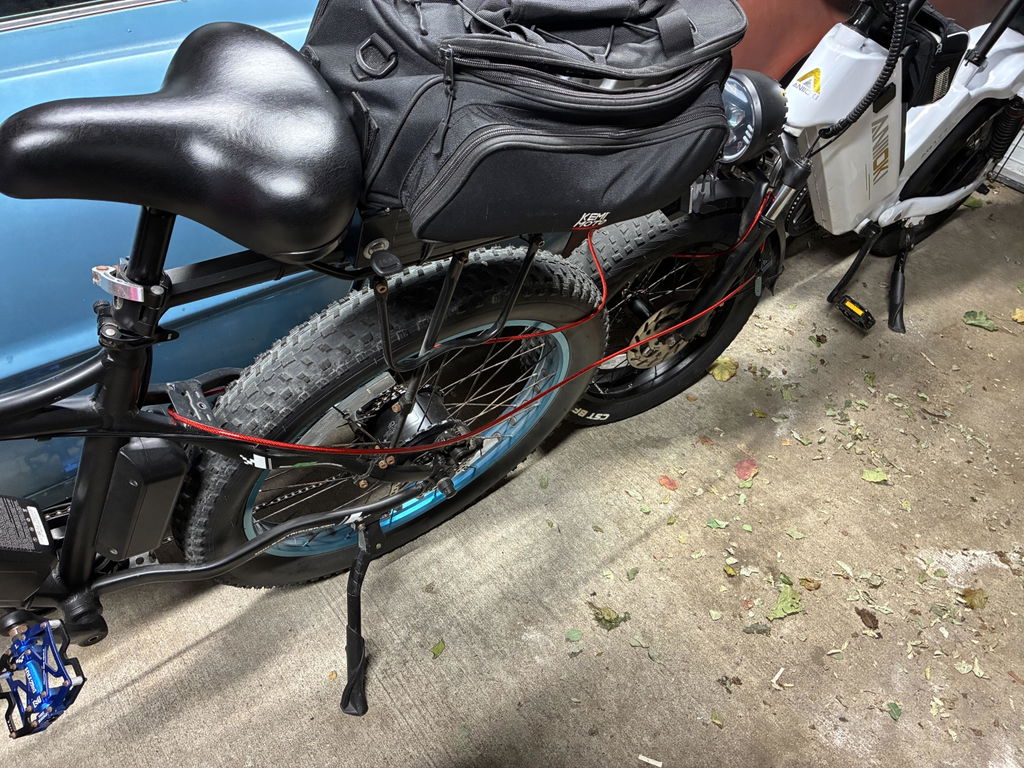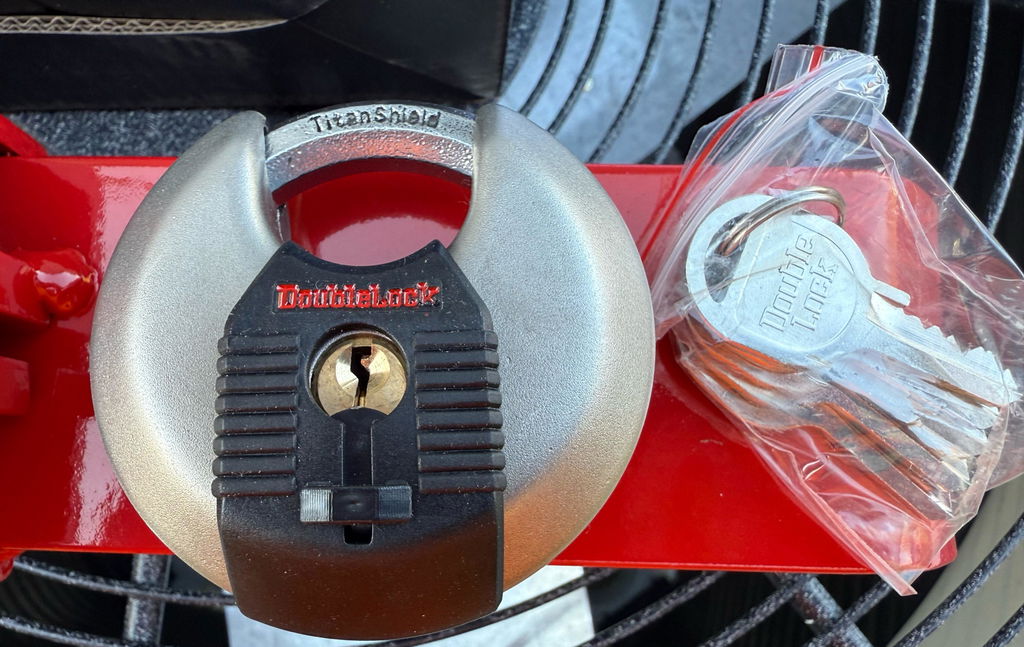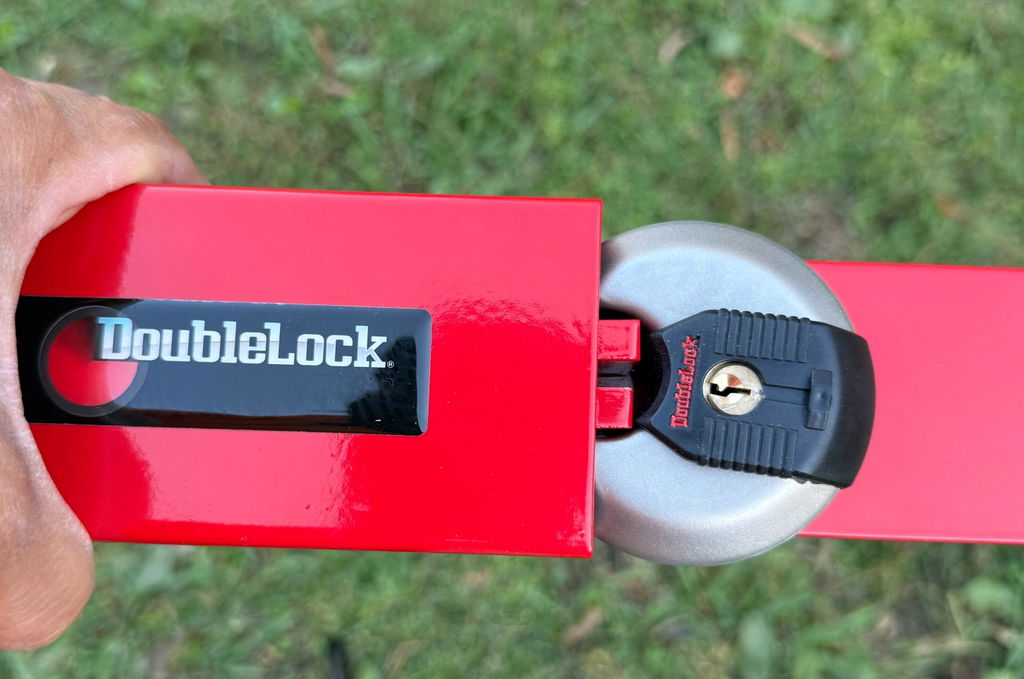

The security of your property often comes down to the lock you use. While many devices exist, a high-quality security chain lock remains one of the most effective and versatile solutions. Its simple yet powerful design has been trusted for generations to protect everything from heavy machinery to personal watercraft. But not all are created equal. A truly secure lock is made from hardened steel designed to resist cutting, paired with a robust padlock that can withstand tampering. This guide will cover the essential features that make a chain lock a reliable defense, helping you choose the right one for your needs.
Key Takeaways
- Prioritize hardened steel and link thickness for reliable protection: A chain's ability to resist cutting tools depends directly on its material quality and size, so look for hardened steel chains with links at least 9 mm thick for serious security.
- Choose a lock based on your unique situation: Consider the value of what you're securing, the environment it will be in, and practical details like chain length and weight to find the best fit for your needs.
- Verify security claims with third-party certifications: Independent ratings from organizations like Sold Secure offer unbiased proof of a lock's performance, helping you choose a product that has been tested against real-world threats.
Why Choose a Chain Lock?
When you need a reliable and versatile security solution, a chain lock is often the perfect tool for the job. Unlike more rigid locks, a chain offers the flexibility to secure your property in a wide variety of situations. Whether you're fastening equipment on a construction site, securing a gate, or protecting valuable gear on a boat, a high-quality chain and padlock combination provides a formidable defense. It’s a classic security method that has stood the test of time for a reason: it’s simple, effective, and adaptable to your specific needs.
What Are the Different Kinds of Chain Locks?
Chain locks generally fall into a few categories based on their intended use. You’ll find lightweight chains for basic deterrence, but for true security, heavy-duty chains are the standard. These are the types you’ll want for protecting valuable assets like construction equipment, trailers, and marine gear. They are constructed from thick, hardened steel designed to resist cutting and tampering. When paired with an equally robust padlock, these chains create a powerful security system. You can explore a variety of high-quality security chains to find the right fit for your equipment and property.
Traditional vs. Noose Chains
When you're choosing a security chain, you’ll generally find two main styles: traditional and noose. The traditional style is exactly what it sounds like—a simple length of chain that you secure with a separate fastening device. It’s a time-tested and reliable method. The noose chain, also known as a cinch chain, has a smart design feature. One end has an oversized link, allowing you to loop the rest of the chain through it to form a slipknot. This design lets you use almost the full length of the chain, giving you maximum reach without the extra weight, which is perfect for securing items to fixed posts or anchors.
Integrated Chain Locks
If you prefer an all-in-one solution, an integrated chain is a great option. These chains have the fastening mechanism built right into one of the end links, so you don't need a separate component to secure your assets. This streamlined design means there’s one less piece of gear to carry around or lose. Because the entire unit is designed as a single system, the chain and its securing point are perfectly matched for strength and reliability. It’s a convenient approach that delivers serious protection, showcasing the kind of thoughtful engineering that has defined our heritage.
What Makes Chain Locks So Effective?
The primary advantage of a chain lock is its blend of strength and flexibility. The hardened steel links are specifically engineered to stand up against aggressive attacks from tools like bolt cutters and saws. This high level of security gives you confidence that your property is well-protected. Beyond its strength, a chain’s flexibility allows you to anchor your items to a wide range of fixed objects, even if they are awkwardly shaped. This is a significant benefit over more rigid locks. While heavy-duty chains are weighty, that heft is a direct result of the quality materials that reflect our company’s heritage and commitment to unbeatable security.
What Makes a Chain Lock Secure?
When you're looking for a chain lock, it's easy to assume they all offer the same level of protection. The truth is, the security of a chain lock depends on a few critical factors. Understanding what makes a lock truly tough can help you choose one that gives you confidence. It comes down to the quality of the materials, the strength of the locking mechanism, and the proof of its performance through independent testing.
Why Material and Thickness Matter for Security
The chain is your first line of defense, so its material and thickness are incredibly important. Look for chains made from hardened steel, which is specifically treated to resist cutting tools like bolt cutters and hacksaws. The thickness of the chain links, usually measured in millimeters, is a direct indicator of its strength. A thin, 6 mm chain might deter a casual thief, but it won't stand up to a determined one. For reliable security, you should look for chains that are at least 9 mm thick. Top-tier chains of 12 mm or more offer exceptional resistance and are often required for protecting high-value equipment. When you shop for a lock, always check the chain's specifications.
The Role of Link Shape in Resisting Attacks
Beyond thickness, the actual shape of the chain links plays a significant role in its security. You'll find chains with round, square, or hexagonal links, and the geometry matters when it comes to fending off an attack. Bolt cutters, a common tool for thieves, need a firm grip to apply maximum force. Round links are often superior because their curved surface makes it difficult for the jaws of a cutter to bite down effectively. The tool is more likely to slip off before it can cut through. In contrast, square or hexagonal links can provide a flat edge for cutters to latch onto, potentially making them more vulnerable. When evaluating a chain, consider how its shape contributes to its overall defense.
Why High-Grade Steel is More Important Than Size
It’s easy to assume that a thicker chain is always a stronger chain, but that’s not the whole story. The quality of the steel is far more critical than the advertised size. A hefty chain made from soft, untreated metal can be cut with surprising ease. True security comes from chains constructed with high-grade steel alloys that have been properly heat-treated. This process hardens the metal, making it incredibly tough and resistant to sawing while remaining durable enough to withstand a sledgehammer blow. A well-made, 10 mm chain from a reputable manufacturer will almost always outperform a generic 14 mm chain. This is why focusing on the quality of the materials is essential for reliable protection.
Why the Locking Mechanism Matters
A powerful chain is useless if the lock holding it together is weak. The padlock is a common target for thieves, so its design is just as crucial as the chain itself. A secure locking mechanism should be made from strong materials, like layered steel, and feature designs that are difficult to pick or drill. Some high-quality locks also include special coatings that make them harder to cut with an angle grinder. A well-made lock is a key part of our company's commitment to security. When you examine a chain lock, pay close attention to the padlock. It should feel solid and well-constructed, without any flimsy parts.
Decoding Security Ratings and Certifications
How can you be sure a lock will perform as advertised? Independent security ratings are a great way to verify a manufacturer's claims. Organizations like Sold Secure test locks against various attack methods and assign them a rating, such as Bronze, Silver, or Gold. A Bronze rating might be fine for a low-risk area, but for anything valuable, you'll want a lock with a Silver or Gold rating. These certifications provide an unbiased assessment of a lock's strength. Generally, high-security chain locks cost more because of the advanced materials and engineering required to meet these standards. Think of it as an investment in reliable protection for your property.
What Makes DoubleLock USA Different?
When you're looking for a chain lock, you need more than just a deterrent. You need a security solution built with integrity and designed to withstand real-world threats. That's where our approach to security comes in. We focus on creating locks that offer genuine peace of mind, whether you're securing a construction site, a boat, or valuable equipment. Our commitment is to provide top-notch, unbeatable security you can rely on day in and day out. We believe that feeling secure shouldn't be complicated, and our products are designed to deliver that confidence without compromise.
Why We Use Hardened Steel
The foundation of a truly secure chain lock is the material it's made from. We use hardened steel because it offers superior resistance to cutting, sawing, and prying. Take our Hammerhead chain lock, a battle-ready lock designed for rugged industrial and trailer security. By heat-treating the steel, we create a much tougher barrier that stands up to brute force attacks. This process ensures our locks are a formidable defense for your most valuable assets, not just a visual deterrent. When you choose a lock built with hardened steel, you're investing in a higher level of protection that gives you the confidence to leave your property unattended.
Built to Withstand the Elements
Security needs don't stop at the water's edge. That's why we design our locks to handle the toughest environmental conditions, especially in marine settings. Exposure to saltwater, constant moisture, and humidity can quickly degrade standard locks, causing them to rust and fail. Our marine-grade products are built differently. They are engineered to resist corrosion, ensuring reliable performance for years. This focus on durability is a core part of our heritage, reflecting a commitment to creating long-lasting security solutions that won't falter in harsh weather. Whether you're securing a boat to a cleat or protecting gear on a trailer, our locks are made to last.
Where to Find Our Locks
Getting the right security shouldn't be difficult. You can find our full range of high-quality locks at major retailers you already trust, including The Lowe's, Lowe's, and Northern Tools. If you're looking to purchase for a business or need larger quantities, we also offer wholesale options to meet your specific needs. We believe in our products and are here to help you find the perfect solution for your situation. If you have questions or need support choosing the right lock, our team is ready to provide expert guidance. Simply use our contact form to get in touch, and we'll help you secure what matters most.
How to Choose the Right Chain Lock
Selecting the right chain lock comes down to understanding your specific security needs and matching them with the right features. It’s not just about picking the thickest chain you can find. You need to consider how you’ll use it, where you’ll use it, and what level of protection you require. By looking at a few key factors, you can find a lock that offers reliable security without unnecessary bulk or cost.
How to Pick the Right Length and Weight
A chain lock’s main advantage is its flexibility. Longer chains can secure your property to objects that other locks can’t reach, giving you more options. However, this versatility comes with a trade-off. Longer and thicker chains are heavier and often more expensive. Before you buy, think about what you’ll be locking up and where. The best approach is to measure the distance you need to cover and choose the shortest length that comfortably fits your needs. This gives you the security you require without adding extra weight or cost. You can explore different chain lock options to find the right balance for you.
Why Weather Resistance Is a Must-Have
If your lock will be exposed to the elements, its material is critical. Rain, humidity, and salt air can quickly cause rust and corrosion, weakening the lock over time. Look for heavy-duty chain locks made from materials designed to last, like carbon steel with a protective zinc coating. This combination helps prevent rust and makes the lock waterproof, ensuring it functions properly for years. This is especially important for marine and construction sites where equipment is constantly outdoors. Our focus on marine-grade durability means our locks are built to withstand harsh conditions, giving you consistent and reliable security no matter the weather.
What Is Anti-Cut Technology?
The primary job of a security chain is to resist being cut. That’s why you should look for locks that feature anti-cut technology. Chains made from “case-hardened” steel are an excellent choice because the steel is specially treated to create an incredibly hard outer layer while the inner core remains softer to prevent it from being brittle. This process makes the chain extremely difficult to cut with standard tools like bolt cutters. When a manufacturer specifies that a lock is designed to withstand these types of attacks, it provides a significant layer of security and peace of mind. It’s a key feature in all of our security locks.
What to Look for in a Locking Mechanism
The chain is only one part of the equation; the locking mechanism itself is just as important. Most chain locks use either a key or a combination system. While combinations offer convenience, keyed locks often provide a higher level of security, especially those with unique designs. A specially designed key and cylinder are much more difficult for a thief to pick or bypass compared to a standard pin-tumbler lock. When evaluating your options, pay close attention to the lock body and key type. A robust chain paired with a pick-resistant lock creates a formidable defense. This thoughtful approach is central to our commitment to security.
Matching Your Padlock to Your Chain
A strong chain needs an equally strong padlock. Think of them as a security team where one can't be weaker than the other. A simple rule of thumb is to choose a padlock where the shackle—the U-shaped metal part—is at least as thick as the links of your chain. If you pair a heavy-duty chain with a flimsy padlock, you've created an obvious weak spot for a potential thief to target. The best security setups are designed to work together seamlessly. Some systems feature a padlock that integrates so closely with the chain that the shackle is almost completely hidden. This design makes it incredibly difficult for bolt cutters to get any leverage, effectively neutralizing one of the most common methods of attack. When you select a security solution, look for this kind of thoughtful engineering.
Understanding Closed Shackle Protection
A closed shackle, sometimes called a shrouded shackle, is a design feature that significantly increases a padlock's resistance to attack. In this design, the body of the lock extends upwards to surround the shackle, leaving only a small portion exposed—just enough to connect with the chain. This simple but effective feature physically blocks cutting tools like bolt cutters and angle grinders from getting a grip. This protective design is most effective when paired with high-quality materials. A lock body made from layered steel is difficult to drill or pry, and when it’s also shielding the shackle, the entire unit becomes a fortress. This focus on creating multiple layers of defense is a core part of a genuine commitment to security, ensuring your assets are protected from real-world threats.
How to Use Your Security Chain Effectively
A high-quality security chain is a great start, but its effectiveness depends entirely on how you use it. Even the toughest materials can be compromised if not applied correctly. Small details in your setup, like keeping the chain taut and off the ground, can make a huge difference in deterring a potential thief. By understanding how criminals approach their targets and using a few simple techniques, you can significantly increase the security of your property. It’s about making your assets as difficult to steal as possible, which often convinces a thief to move on to an easier target.
Thinking Like a Thief: Common Attack Methods
To protect your property effectively, it helps to understand the tools and tactics a thief might use. Most criminals are looking for a quick and quiet opportunity, avoiding anything that draws attention or takes too much time. They want to get in and out with minimal risk of being caught. By recognizing their preferred methods, such as using bolt cutters on a chain left on the ground, you can take simple steps to counter them. This proactive mindset is the key to turning a good security setup into a great one and making your equipment a much less appealing target.
Why Thieves Prefer Bolt Cutters
Bolt cutters are a popular tool for thieves because they are relatively quiet, inexpensive, and easy to conceal. When faced with a weak or poorly positioned chain, a thief can use them to cut through it in seconds. This speed and silence are exactly what they look for, as it minimizes their exposure and the chance of being noticed. The goal is to make their job as difficult and time-consuming as possible. A high-quality, hardened steel chain forces them to use louder, more conspicuous tools like angle grinders, which dramatically increases their risk of getting caught and makes your property a much harder target.
How Chain Thickness Deters Theft
The thickness of a chain's links is one of the most important factors in its ability to resist an attack. For reliable security, you should look for chains that are at least 9 mm thick, as this size is much more difficult to defeat with standard bolt cutters. For high-value equipment, such as items on a construction site or a boat trailer, a chain of 12 mm or more provides exceptional resistance. This level of security often requires a thief to bring heavy-duty equipment, making your property a far less attractive target. Understanding why material and thickness matter is the first step to choosing the right protection for your assets.
Proper Positioning to Maximize Security
Even the strongest chain can be defeated if it’s not used correctly. Proper positioning is just as critical as the quality of the securing mechanism itself. How you arrange the chain can deny a thief the leverage they need to break it and ensure your property is anchored securely. Taking a moment to think about placement, such as wrapping the chain tightly so it doesn't touch the ground, can make a significant difference in your overall security. This simple step can turn a basic security device into a formidable barrier against theft.
Keeping Your Chain Off the Ground
One of the most common mistakes people make is letting their security chain rest on the ground. This gives a thief a major advantage. By placing one handle of their bolt cutters on the pavement, they can use their body weight and the ground for leverage, applying maximum force to the chain. To prevent this, always keep your chain as tight as possible and off the ground. A taut, elevated chain is much harder to cut because the thief can only use their own arm strength, which significantly reduces their cutting power and makes the process much more difficult and time-consuming.
Securing to an Immovable Object's Frame
A chain is only as secure as the object it’s attached to. Always anchor your property to something solid and immovable, like a concrete post, a securely installed ground anchor, or the frame of a heavy vehicle. Avoid securing it to weaker points like a wooden fence post or a wheel, which can be easily cut or removed. The flexibility of a security chain is one of its greatest strengths, allowing you to find a solid anchor point in various situations. This blend of strength and adaptability is the reason these security solutions are so effective at protecting your valuable assets.
How to Balance Security and Your Budget
When you’re looking at a wall of chain locks, it can be tough to see the difference between a budget option and a premium one. While they might look similar on the surface, the real distinctions are in their security features, materials, and overall construction. Understanding these differences is key to seeing why one lock costs more than another and helps you choose the right level of protection for your needs. A higher price often reflects stronger, more resilient materials and more complex engineering, which translates directly into better security and greater peace of mind.
Think of it like this: a basic lock might deter a casual thief, but a determined one with tools will get through it quickly. A premium lock, however, is built to withstand a serious attack. The investment you make in a lock should match the value of what you're protecting. Whether it's expensive tools on a job site, equipment on your boat, or securing a gate, the right chain lock acts as a powerful first line of defense. It’s not just about buying a lock; it’s about buying time and creating a significant obstacle for anyone trying to take your property. Let's break down what you get at different price points so you can make an informed decision.
What Security Features Actually Matter?
The most critical security feature of a chain lock is the chain itself, specifically its thickness. As a general rule, thicker chains offer more resistance. For instance, chains around 9 mm thick start to offer significant security, while top-tier chains of 12 mm or more are exceptionally difficult to cut with bolt cutters or hacksaws. These heavy-duty chains are designed to stop determined thieves in their tracks. When comparing options, also look for independent security certifications, which test and rate locks based on how well they withstand various types of attacks. A certified lock gives you confidence that it has been proven to perform under pressure.
How to Judge Material and Build Quality
Beyond thickness, the material of the chain is what truly determines its strength. You’ll often see terms like "case-hardened steel" or "ultra-hardened steel" on high-quality locks. This isn't just marketing jargon. The process of hardening steel creates an incredibly tough outer layer that resists cutting, sawing, and chiseling while the inner core remains less brittle to absorb shock from hammer blows. This specialized material is a key reason why premium locks provide superior protection. A well-built lock made from hardened steel is a formidable barrier against theft, ensuring your valuable equipment stays right where you left it.
What to Expect at Different Price Points
Price is often a reliable indicator of a chain lock's security level. Budget-friendly options can be effective deterrents for low-risk situations, discouraging opportunistic thieves. However, they typically use softer metals and simpler designs. As you move into mid-range and premium price points, you are investing in superior materials and more robust construction. High-security chain locks cost more because the hardened steel alloys and precision engineering required to make them are more expensive. For securing high-value assets like construction equipment or marine gear, investing in a premium security solution is essential for reliable protection.
What Do the Security Experts Say?
When you’re trying to protect valuable equipment, it helps to know what the professionals think. Security experts and independent testing organizations spend their time trying to break locks so you don't have to find out the hard way which ones fail. They put chain locks through rigorous trials that mimic real-world theft attempts, using everything from bolt cutters to angle grinders. The results of these tests provide a clear, unbiased look at a lock's true strength and resilience, cutting through the noise of advertising slogans.
Understanding these expert opinions can make your decision much simpler. Instead of relying only on marketing claims, you can look for tangible proof of security. This proof often comes in the form of professional certifications, detailed performance reviews, and industry awards. These credentials act as a reliable guide, helping you distinguish a genuinely tough lock from one that just looks the part. By paying attention to what the experts say, you can feel more confident that the chain lock you choose will deliver the protection you need for your property, whether it's on a construction site, at the marina, or securing your workshop. It’s about making an informed choice based on performance, not just promises.
What Certifications Should You Look For?
One of the most reliable indicators of a lock's quality is a professional certification from a third-party testing agency. Organizations like Sold Secure specialize in evaluating security products and grading them based on their resistance to attack. These ratings, such as Bronze, Silver, Gold, and Diamond, tell you how long a lock can withstand various tools and techniques. For instance, a lock with a Gold rating has proven it can resist a more sophisticated and prolonged attack than one with a Silver rating. When you see one of these certifications on a product’s packaging, you know it has been independently verified to meet a specific security standard, giving you an objective measure of its strength.
Police-Recommended Standards
Law enforcement agencies typically don't endorse specific brands. Instead, they recommend choosing security devices that meet high performance standards. The logic is simple: a strong, well-made lock makes a thief’s job significantly harder, noisier, and more time-consuming, which increases their risk of getting caught. This is why they advise looking for products that have been independently tested and certified to withstand common methods of attack. When you select a lock with a proven security rating, you are choosing a product that aligns with professional recommendations for effective property protection. It’s a practical approach that prioritizes verified performance over brand names alone.
How Security Ratings Can Affect Insurance
Investing in a high-quality, certified lock is not just about protecting your property; it can also be important for your insurance coverage. Some insurance providers may have specific security requirements in their policies, and using a device that doesn't meet these standards could potentially complicate a claim in the event of a theft. A cheaper, uncertified lock might fail when you need it most, and its inadequacy could be a point of contention. By choosing a lock with a recognized security rating, you are not only getting a more reliable defense but also ensuring you meet the criteria your insurance policy might require. It’s an important consideration that adds another layer of financial protection.
How Locks Perform in Security Tests
Security tests reveal how a lock holds up under pressure. While top-tier locks with the highest ratings offer maximum protection, experts agree that even a budget-friendly lock is a significant deterrent. A lock with a Bronze or Silver rating can effectively stop an opportunistic thief looking for an easy target. These locks are designed to resist common tools for a short period, which is often enough to make a criminal move on. The key is to match the lock's security level to your specific needs. For lower-risk situations or short-term security, a moderately rated lock provides essential protection without a premium price tag, as noted in GearJunkie's lock tests.
What Awards Tell You About a Lock
When a lock receives an award or is featured in a "best of" list from a reputable publication, it’s a strong signal of its quality and performance. These accolades are typically given after extensive hands-on testing and direct comparisons with other products on the market. For example, reviewers at sites like Bikerumor often highlight locks that achieve the highest possible Diamond rating from Sold Secure, setting them apart as top performers in the industry. This type of recognition serves as an additional layer of validation, confirming that the lock not only meets certified standards but also stands out among its competitors for its superior design, durability, and overall security.
Comparing Security Chains to Other Locks
While a high-quality security chain is an incredibly versatile tool, it’s helpful to understand how it compares to other common security devices. Different situations call for different solutions, and knowing the strengths and weaknesses of each type can help you make the most informed decision. The best choice often comes down to a balance of flexibility, raw strength, and how you plan to use it. By comparing a chain lock to other popular options, you can see where it truly excels and build a security strategy that covers all your bases.
Chain Locks vs. U-Locks
U-locks are known for their rigidity and strength. Because they are typically made from a single, solid piece of hardened steel, they offer excellent resistance to prying and cutting. Their compact, U-shaped shackle leaves very little room for a thief to insert a tool for leverage. However, this rigidity is also their main limitation. A U-lock can only secure an object to something that fits within its shackle, which can be restrictive. A security chain, on the other hand, offers far more flexibility. You can wrap it around larger, irregularly shaped objects like posts, trees, or equipment frames, giving you more options for securing your property. As noted in a comparison by ENGWE Official, the choice often comes down to your specific needs.
Chain Locks vs. Folding Locks
Folding locks are designed with convenience in mind. They are made of several steel plates connected by pivots, allowing them to fold into a compact shape that is easy to transport. While a well-made folding lock can offer decent protection for commuters or in low-risk scenarios, they generally don't match the brute strength of a heavy-duty security chain. The multiple pivot points can sometimes create vulnerabilities that a solid chain link does not have. For securing high-value assets like construction equipment or marine gear, a robust, hardened steel chain paired with a high-quality padlock creates a much more formidable defense. The sheer mass and strength of a heavy-duty chain is a powerful visual and physical deterrent.
The Layered Security Approach
Often, the most effective way to protect your property is not to rely on a single device but to create a layered security system. The idea is simple: using multiple types of security devices makes a thief’s job much harder and more time-consuming. Each layer requires a different tool or technique to defeat, increasing the likelihood that a criminal will give up and move on. For example, you might use a rigid lock to secure one part of your equipment and a heavy-duty chain to anchor the entire setup to an immovable object. This layered approach provides comprehensive protection by covering different potential points of failure, a strategy that security experts widely recommend.
Advanced Features and Maintenance
Choosing a strong chain and padlock is the first step. To get the most out of your investment, it’s also important to understand the features that enhance its performance and the simple maintenance that will keep it functioning reliably for years. A little bit of care goes a long way in ensuring your security solution remains effective, especially when it’s exposed to harsh weather or demanding environments. Paying attention to these details ensures your lock is always ready to protect your valuable assets.
Protective Sleeves and Other Features
Many high-quality security chains come with a protective sleeve, typically made of durable nylon or canvas. This sleeve serves two important purposes. First, it shields the chain from the elements, helping to prevent rust and corrosion. Second, it protects the finish of your valuable equipment, preventing the hardened steel links from scratching paint or damaging surfaces. Some chains are also sold as part of a complete security system, perfectly matched with a padlock to ensure there are no weak points. Others are sold separately, giving you the flexibility to pair them with a padlock of your choice. When you shop for a security solution, look for these features that add both protection and longevity.
How to Maintain Your Lock and Chain
Proper maintenance is essential for ensuring your lock and chain function correctly for years to come. Periodically, take a moment to clean out the keyhole and the internal mechanism to remove any dirt or debris that may have accumulated. According to security experts, it's also a good practice to oil the lock mechanism occasionally with a light lubricant to prevent rust and keep the parts moving smoothly. This is especially important for locks used outdoors or in marine environments. Finally, store your keys in a secure place. These simple steps will extend the life of your lock and ensure it provides the reliable security you depend on.
What Are Real Users Saying?
Technical specifications and security ratings provide a great starting point, but the true test of a chain lock happens out in the real world. Hearing from people who rely on these locks every day offers invaluable insight into how they perform over time. User reviews can reveal details about durability, practicality, and long-term reliability that you won’t find on a product label. By looking at this feedback, you can get a clearer picture of which lock will truly meet your needs and provide lasting peace of mind.
How They Hold Up in the Real World
When you invest in a security chain, you want to know it can withstand a real-world theft attempt. Many users share stories that highlight a lock's resilience. For example, one user shared in a Bike Portland review that their lock showed signs of prying from would-be thieves but remained effective for 18 years of hard use. This kind of long-term performance is a testament to quality materials and construction. Reviews often confirm that heavier, thicker chains are a formidable deterrent, giving owners confidence when leaving their property unattended. When you read reviews, look for comments that describe how a lock has held up against both thieves and the elements.
Is It Easy to Carry and Use?
A lock’s security is only useful if you can use it consistently. This is where the balance between strength and convenience comes into play. Some of the toughest locks are also the heaviest. One GearJunkie test found that a particularly tough lock wore out multiple cutting wheels, proving its strength but also hinting at its significant weight. On the other hand, lighter locks are praised for being wearable and convenient for quick stops, though they may offer a lower security rating. Consider your daily routine. If you need to carry your lock frequently, you might need to find a balance between security and portability that works for you.
Will It Last? A Look at Long-Term Reliability
A good chain lock should remain dependable for years, but wear and tear is a reality. User feedback often sheds light on how different locks age. For instance, one long-time user mentioned that after years of daily use, their chain lock’s mechanism started to feel “jiggly,” prompting a replacement. This highlights the importance of checking your equipment over time. Other experts point out that initial build quality, such as having thicker 10mm chain links instead of 7mm ones, often corresponds to higher security ratings and better long-term performance. When choosing a lock, consider its construction as an investment in future reliability.
How Much Should a Good Chain Lock Cost?
When you're shopping for a chain lock, you'll notice a wide range of prices. This isn't arbitrary; the cost of a lock is directly tied to its security features, the quality of its materials, and its resistance to attack. A higher price tag often means you're getting thicker, hardened steel and more complex locking mechanisms designed to withstand serious threats.
Understanding what you get at different price points helps you make an informed decision. You can find a lock that fits your budget while providing the right level of protection for your property. Whether you need basic deterrence for a low-risk area or maximum security for high-value equipment, there's a chain lock that meets your needs. Let's look at what you can expect to find in three common price tiers.
Budget-Friendly Options (Under $50)
In the under $50 range, you'll find locks that offer a foundational level of security. These are great for situations where you need to deter an opportunistic thief. While they may not have the highest professional security ratings, a budget-friendly lock is always better than no lock at all. They are effective at preventing quick grab-and-go thefts and can resist attacks from basic tools.
Think of these locks as a solid first line of defense for items in lower-risk environments, like securing a gate or a tool chest in your garage. They provide peace of mind without a significant investment, making them a practical choice for everyday security needs where a determined thief with specialized tools is less of a concern.
Mid-Range Selections ($50-$150)
This price range is where you'll see a significant jump in security and durability. Mid-range locks typically feature thicker chain links, often 10mm or more, made from stronger steel alloys. This makes them much more resistant to cutting and prying. The locking mechanisms are also more advanced, offering better protection against picking and drilling.
For many people, this category represents the ideal balance of cost and protection. A lock in this price range is a reliable choice for securing valuable equipment on a job site or protecting property in moderate-risk areas. You can find a variety of lengths and styles, giving you the flexibility to choose a lock that perfectly suits your needs. You can explore our full range of security solutions to find a fit for your assets.
Premium Security Investments ($150+)
When you need the highest level of protection, investing in a premium chain lock is the way to go. These locks are built for maximum security in high-risk situations. The cost reflects the superior materials used, such as specially hardened steel that can stand up to the most aggressive attacks, including from power tools.
These high-security locks often feature the thickest and heaviest chains, making them ideal for stationary applications where portability isn't a priority. They are perfect for securing heavy machinery on a construction site, boats at a marina, or commercial gates. When you simply can't compromise on security, a premium lock provides the ultimate defense for your most valuable assets.
Where to Find the Best Security Chain Locks
Once you know what to look for in a chain lock, the next step is finding the right place to buy one. High-quality locks are more accessible than you might think, available everywhere from your local hardware store to online wholesalers. The key is knowing where to look to find a lock that offers genuine security without overpaying. Whether you need a single lock for a new piece of equipment or a dozen for a construction site, there are plenty of options to fit your needs.
At DoubleLock USA, we make it easy to find our products by partnering with retailers you already trust. You can find our full range of hardened steel locks at major stores across the country, ensuring you can get the security you need, right when you need it.
Shopping at Major Retailers
Major retailers are often the most convenient place to start your search. Stores like The Lowe's, Lowe's, and Northern Tools carry a wide selection of security products, including various chain locks. This allows you to see and handle the locks in person, getting a feel for their weight and build quality before you buy. You’ll find trusted brands on the shelves, giving you a chance to compare different models and security ratings side-by-side. We ensure our DoubleLock USA products are stocked in these locations, so you can easily pick up a marine-grade, corrosion-resistant lock during your next trip for supplies.
Exploring Wholesale Options
If you're a contractor, run a marine business, or simply need to secure multiple assets, exploring wholesale options can be a smart financial move. Buying in bulk often provides access to better pricing, allowing you to get top-tier security for your entire operation without stretching your budget. It’s important to purchase from reputable suppliers that stand behind their products. This ensures you’re investing in reliable security that protects your valuable equipment day in and day out. For businesses looking to purchase multiple units, we offer a wholesale program designed to provide the best value on our high-security locks.
Finding Seasonal and Bulk Offers
Keep an eye out for seasonal sales and promotional events, as they can offer significant savings on high-quality chain locks. Retailers often run discounts during holidays or at the change of seasons, which can be the perfect time to invest in a better lock. While budget-friendly options are always available, a sale can make a premium, heavy-duty lock much more affordable. A great lock is an investment in security and peace of mind, and finding a good deal makes that investment even better. You can often find these offers at your favorite hardware stores or by checking manufacturer websites directly.
Related Articles
Frequently Asked Questions
Is a thicker chain always the most secure option? Thickness is a great starting point, as a heavier chain is naturally harder to cut. However, the material itself is just as important. A thick chain made from soft metal won't offer much protection. For real security, look for chains made from hardened steel, which is specifically treated to resist tools like bolt cutters. The best choice is a lock that combines substantial thickness with high-quality, hardened materials.
What do security ratings like 'Sold Secure Gold' actually mean? These ratings are a way to verify a lock's strength through independent testing. Organizations like Sold Secure put locks through rigorous trials that simulate real-world theft attempts. A rating like Bronze, Silver, or Gold tells you how well the lock stood up to these attacks. A Gold rating, for example, means the lock resisted a sophisticated and lengthy attack, making it a reliable choice for protecting high-value property.
Will my chain lock rust if I use it outdoors? A standard lock certainly can rust when exposed to rain and humidity, which weakens its security over time. If you plan to use your lock outside, especially in marine environments, look for one specifically designed for weather resistance. Locks made with marine-grade materials or protective coatings are engineered to prevent corrosion, ensuring they function reliably for years, no matter the conditions.
How do I choose the right length for my chain lock? The ideal length depends entirely on how you plan to use it. A longer chain offers more flexibility for securing your items to large or awkwardly shaped objects. Before you buy, consider what you'll be locking and measure the distance you need to cover. Choosing the shortest length that still works for your situation will give you all the security you need without the extra weight and cost of a longer chain.
Why should I invest in a premium lock if a cheaper one looks similar? While two locks might look alike, the difference is in the quality of their construction. A budget-friendly lock can be a good visual deterrent, but a premium lock is an investment in superior materials and engineering. The higher cost reflects the use of hardened steel alloys and complex locking mechanisms designed to withstand a serious, prolonged attack from a determined thief. For high-value equipment, that extra level of protection is essential.