
Securing your heavy-duty trailer is about more than just finding a device that fits. A few common mistakes can completely undermine the safety of your entire towing setup. Using a device underrated for the load, ignoring hitch compatibility, or choosing a cheap model made from weak materials can lead to theft or catastrophic failure. These aren't just minor inconveniences—they are significant risks to your assets and your safety on the road. This guide will walk you through these potential pitfalls. By understanding what to avoid, you can confidently select a pintle lock that provides reliable protection for your most valuable equipment.
Key Takeaways
- Complete Your Towing System: A pintle security device is the essential final component for a pintle hitch, securing the hook-and-ring connection used for heavy-duty towing. It provides the critical protection needed to prevent trailer detachment and theft.
- Match the Fastener to Your Gear: The right pintle fastener must fit your specific pintle hook and lunette ring perfectly. Before buying, always confirm the device's load capacity exceeds your trailer's total weight and choose weather-resistant materials for lasting performance.
- Invest in Real Security: While budget-friendly options exist, your trailer and its contents are valuable assets. Choosing a high-quality security mechanism made from hardened steel is a worthwhile investment that provides genuine peace of mind and protection against tampering or failure.
What Is a Pintle Lock?
If you’re towing heavy equipment, a standard ball hitch might not be enough. A pintle lock is a specialized security device designed for pintle hitch systems, which are the go-to choice for demanding jobs in construction, agriculture, and marine transport. Think of it as the crucial component that ensures your trailer stays securely connected to your vehicle, no matter how rough the road or how heavy the load.
These systems are built for strength and articulation, allowing for a greater range of motion between the truck and trailer, which is essential on uneven job sites. Using a high-quality pintle lock keeps your entire setup safe, preventing accidental detachment and giving you the confidence to haul valuable gear. Whether you're moving an excavator or trailering a boat, the right security solution provides peace of mind for every trip. It’s not just about connecting your trailer; it’s about keeping it connected securely from start to finish.
First, What Is a Pintle?
Let's start with the basics. A pintle is a simple but strong component, essentially a pin or a bolt that serves as a pivot point. It's designed to insert into a corresponding part, often called a gudgeon, which is typically a ring or a socket. Together, these two pieces form a hinge. This mechanism allows for secure yet flexible movement, letting one part swing or turn in relation to the other. You can see this fundamental design in many applications, from simple gate hinges to more complex machinery. Its strength and simplicity are what make it such a reliable choice for heavy-duty connections, especially in towing systems where both security and articulation are necessary.
Beyond Towing: Other Uses for Pintles
While we often associate pintles with heavy-duty towing, their robust design is used in a surprising variety of fields. On boats, for instance, pintles are crucial for attaching the rudder to the stern, allowing it to pivot and steer the vessel. This application highlights the pintle's ability to handle constant force and movement in a marine environment. In a more high-tech context, some rocket engines use a pintle injector to control the flow of propellant, a testament to the design's reliability under extreme conditions. These diverse uses demonstrate the core strengths of the pintle system: it's a simple, durable, and effective solution for creating a strong, articulating connection.
How Does a Pintle Lock Secure Your Trailer?
A pintle lock works as part of a simple yet incredibly strong hitching system. This system consists of two main parts: a pintle hook on the towing vehicle and a circular loop, called a lunette ring, on the trailer. To connect them, you simply lower the lunette ring over the hook. A hinged locking arm then closes down over the top of the hook, securing the ring in place.
The pintle lock itself is the final layer of security. It’s a separate pin or integrated mechanism that fastens the locking arm, making it impossible for the arm to open accidentally or be tampered with. This creates a closed loop that is far more secure than a standard ball hitch, which is why pintle systems are trusted for hauling the heaviest loads.
Pintle Hook vs. Lunette Ring: What's the Difference?
Understanding the two primary components of this system is key to using it correctly. The pintle hook is the jaw-like component mounted on the back of the towing vehicle. It’s typically made from drop-forged steel for maximum strength and is designed to cradle the trailer's connecting ring.
The lunette ring is the simple, sturdy steel ring attached to the tongue of the trailer. Its only job is to drop over the pintle hook to create the connection point. The simplicity of this design is its strength, as there are fewer moving parts to fail. When you add a pintle lock from our collection, you are securing the relationship between these two rugged components, ensuring your trailer and its contents are protected.
When Do You Need a Pintle Lock?
Pintle locks are the unsung heroes of heavy-duty towing. You’ll find them wherever strength, security, and reliability are non-negotiable. A pintle hitch uses a simple hook-and-ring design, which offers more articulation and a stronger connection than a standard ball hitch, especially on rough terrain. This makes them indispensable in demanding industries where safety and performance are paramount. From sprawling farms to busy construction sites, a pintle lock provides the crucial security needed to keep a heavy trailer firmly attached, no matter the conditions.
The Rising Threat of Trailer Theft
Trailers are essential for many industries, but their portability also makes them a significant liability. Left unattended on job sites, in storage lots, or even in a driveway, they become easy targets for thieves. The threat is real and growing, impacting everyone from independent contractors to large construction firms. A stolen trailer isn't just a minor setback; it represents a direct hit to your assets and your ability to get work done. Understanding this vulnerability is the first step toward protecting your equipment. Without proper security measures in place, you're leaving your valuable gear exposed to a preventable loss.
Understanding "Hook-and-Go" Theft
The most common form of trailer theft is alarmingly simple, known as a "hook-and-go" theft. This is exactly what it sounds like: a thief drives up, hitches your unsecured trailer to their vehicle, and simply drives away. The entire process can take less than a minute, often happening in broad daylight. This method requires no special tools or skills, just an opportunity. This is precisely where a robust pintle lock becomes indispensable. By securing the pintle hook, it physically prevents anyone from connecting your trailer to their vehicle, stopping a "hook-and-go" attempt before it can even start. It’s a straightforward solution to a very common problem.
The True Cost of a Stolen Trailer
Losing a trailer to theft goes far beyond its replacement cost. You also have to consider the value of the tools, materials, and equipment it was carrying, which can often be worth more than the trailer itself. Then there's the operational fallout: lost work time, project delays, and the frustrating process of filing police reports and insurance claims. For a business, this downtime can damage your reputation and bottom line. Investing in a high-quality security mechanism made from hardened steel is a small price to pay for peace of mind. It’s a proactive step that protects not just your trailer, but your entire livelihood and the heritage of your hard work.
The Go-To for Heavy-Duty Towing
If you work in agriculture, you know the importance of dependable equipment. Pintle locks are essential for safely hauling heavy loads across uneven fields or down long country roads. Whether you're transporting livestock, moving large bales of hay, or towing farm machinery, the robust connection of a pintle system offers serious peace of mind. A high-quality pintle lock ensures your lunette ring stays securely on the pintle hook, preventing accidental detachment that could be costly and dangerous. It’s a small component that plays a massive role in keeping your entire operation running smoothly and safely. You can explore our full range of security solutions to find the right fit for your needs.
Why Construction and Marine Crews Rely on Them
Construction, marine, and industrial settings are tough environments that demand even tougher equipment. Pintle hitches are a common sight on these job sites, used for hauling everything from heavy machinery and building materials to military equipment. In these high-stakes applications, equipment failure is not an option. A pintle lock provides the critical security to prevent trailer theft or detachment, protecting valuable assets and ensuring job site safety. Because these environments often expose equipment to harsh weather and potential tampering, choosing a durable, corrosion-resistant lock is key. Our company heritage is built on providing this level of security for the most demanding industries.
Flexible Security for Different Trailers
While pintle hitches are known for their muscle in heavy-duty applications, their versatility makes them a great choice for a wide range of trailers. The simple design of a pintle hook on the vehicle and a lunette ring on the trailer creates a strong, flexible connection that handles bumps and turns with ease. This makes the pintle hitch a reliable option for everything from utility trailers to off-road campers. However, the strength of this entire system depends on one final piece: the lock. A pintle lock is what secures the hook's latch, preventing it from opening unexpectedly or being tampered with. It’s the final step in creating a truly secure towing setup.
Finding the Right Pintle Lock Type for You
Pintle locks come in several designs, each suited for different towing needs and security levels. While they all share the same basic goal of securing the pintle hook, their features can vary quite a bit. Choosing the right one depends on your specific trailer, the loads you carry, and the environments you tow in. Understanding these varieties will help you find a lock that provides both security and peace of mind on the road. From standard designs for everyday jobs to heavy-duty options for maximum protection, there’s a pintle lock for every situation.
Understanding the Standard Model
A standard pintle lock is the most straightforward option for securing your trailer. Its primary job is to keep the pintle hook’s latch from opening while you’re on the move, ensuring the lunette ring stays put. Think of it as essential, reliable security for everyday hauling. These locks are perfect for anyone transporting equipment, livestock, or materials for a job well done. While simple in design, a quality standard lock made from strong materials provides dependable protection against accidental unhitching. When you need a no-fuss solution that works, a standard lock is an excellent choice for your towing setup.
Cover-Style and Plate Locks
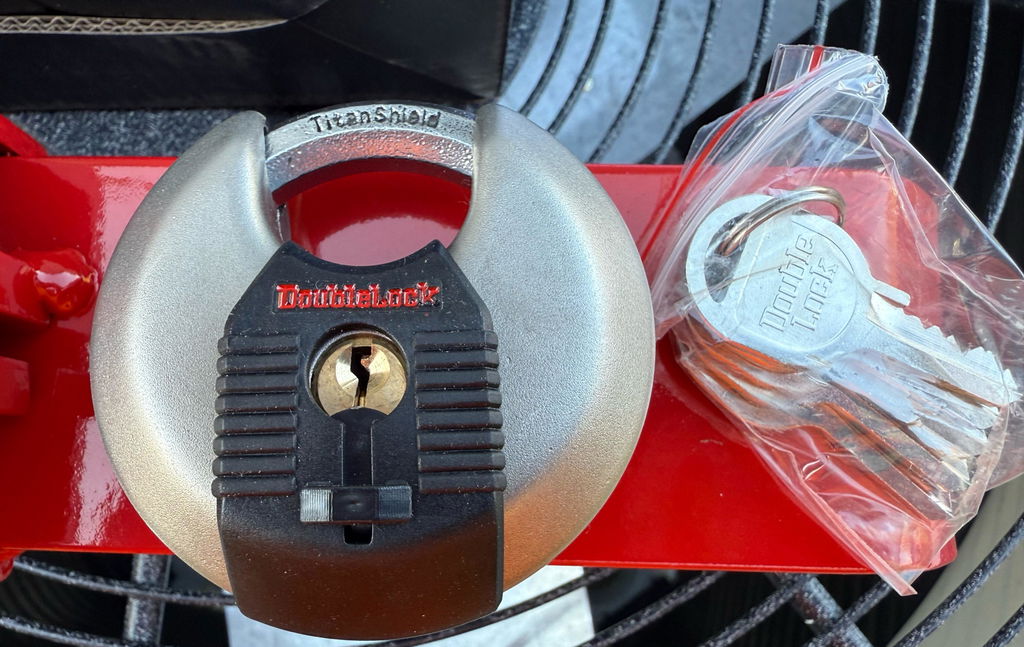
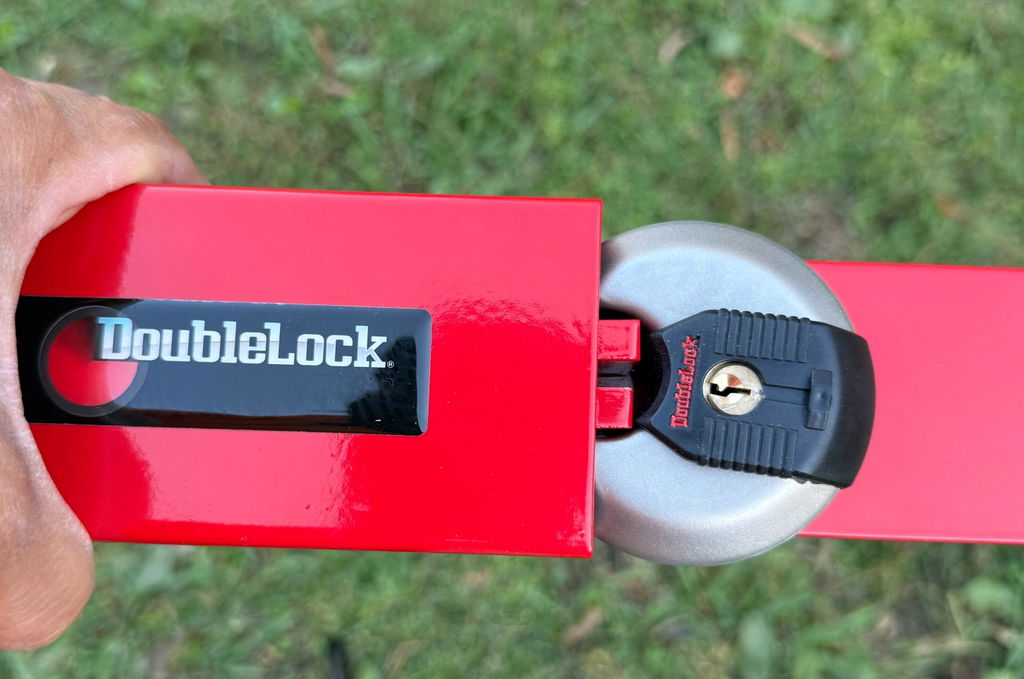
When you need an even higher level of protection, cover-style and plate mechanisms are designed to completely shield your pintle connection. A cover-style device envelops the pintle hook, making it extremely difficult to tamper with the connection point. Some models even feature auto-engaging designs that simplify the process of securing your trailer. Plate-style fasteners offer a different kind of robust security, using a solid, heavy-duty plate to block access to the hook entirely. These are built to withstand serious force and often feature pick-resistant cylinders, offering maximum protection for your pintle trailer in high-risk environments. Both types provide a significant visual deterrent and are a smart investment for protecting your most valuable assets.
Pintle Hooks with Built-In Security
A pintle hitch system connects your trailer to your vehicle with two key parts: the pintle hook on the vehicle and the lunette ring on the trailer. The hook’s latch closes over the ring to create a strong, articulating connection. A locking pintle hook is secured using a separate lock that fits through the latch, preventing it from being opened. This setup is valued for its incredible strength and ability to handle rough, uneven terrain without binding. The lock is the final piece of the puzzle, ensuring that the powerful connection between the hook and ring cannot be compromised, either accidentally or intentionally.
The Flexibility of Adjustable Models
If you use one truck to tow several different trailers, an adjustable pintle setup is a game-changer. These systems are mounted on a channel that allows you to move the pintle hook up or down, matching the height of your trailer’s lunette ring. This versatility ensures your trailer stays level, which is crucial for safe towing and even tire wear. The pintle lock used with an adjustable mount is typically a standard or heavy-duty design that fits the specific hook. The key is to find a lock that is compatible with your adjustable hook, giving you both flexibility and security across your entire fleet of trailers.
When to Choose a Heavy-Duty Option
When you’re hauling high-value equipment or oversized loads, you need security that goes above and beyond. Heavy-duty pintle locks are built for maximum protection against theft and tampering. These locks are constructed from hardened steel and feature robust designs with thicker pins and more complex key mechanisms, making them extremely difficult to cut or pick. They are an essential investment for construction sites, remote work areas, or anywhere your trailer might be left unattended. For true peace of mind, a heavy-duty lock offers the ultimate defense for your most valuable assets.
Pintle and Ball Hitch Combinations
A combination pintle and ball hitch offers the best of both worlds, allowing you to tow trailers with either a lunette ring or a standard ball coupler. This flexibility is incredibly useful for anyone who needs to switch between different trailer types without changing their entire hitch assembly. To secure this versatile system, you’ll need a lock designed for the pintle hook mechanism. When the ball is in use, the pintle portion is inactive, but when you’re towing with the lunette ring, the pintle lock becomes essential. It ensures the hook’s latch stays closed, providing the same reliable security you’d expect from a dedicated pintle setup.
What Makes a Pintle Lock Secure?
When you’re securing valuable equipment or a heavy-duty trailer, not just any lock will do. The right pintle lock is more than a deterrent; it’s a critical component of your towing safety and security system. Understanding the key features that define a high-quality lock will help you make a confident choice. From the steel it’s forged from to the way it resists tampering, every detail matters. Let’s walk through the essential features to look for so you can find a lock that provides genuine peace of mind.
Why Material and Build Quality Matter
The foundation of a reliable pintle lock is its construction. A lock is only as strong as the materials it’s made from, so look for options built from high-quality, hardened steel. This ensures the lock can withstand brute-force attacks like cutting, prying, or drilling. A solid build quality not only protects against theft but also guarantees the lock will last for years, even with frequent use in demanding environments. When you invest in a lock made from premium materials, you’re investing in long-term durability and security for your most important assets.
Advanced Finishes and Coatings
A security device's finish is more than just cosmetic; it's a critical layer of defense against the elements. When you're working in marine or construction environments, your equipment is constantly exposed to moisture, road salt, and grime that can cause corrosion and weaken the mechanism. High-quality pintle fasteners feature specialized coatings designed to shield the hardware from these damaging effects. Some finishes provide excellent corrosion resistance in humid or salty climates, ensuring your device functions smoothly for years. Beyond fighting rust, these coatings also improve durability against everyday wear and tear. Just as durable finishes are critical for the long-term performance of outdoor gear, a robust finish on a pintle security device resists abrasion from constant use. Investing in a mechanism with advanced coatings means you’re choosing a product built for longevity and reliability in the toughest conditions.
Checking for Weather and Corrosion Resistance
Your pintle lock will be exposed to everything from rain and road salt to dust and humidity. Without proper protection, even the strongest lock can seize up from rust and corrosion, leaving it useless. That’s why weather resistance is a non-negotiable feature. Top-tier locks often include protective coatings, special lubricants, and rubber caps that shield the keyhole and internal mechanisms from the elements. This is especially crucial for marine and construction applications where exposure to moisture and debris is constant. A weather-resistant lock ensures you can always access your equipment when you need to.
Matching the Weight and Load Capacity
A pintle lock is an integral part of your towing setup, and it needs to be strong enough to handle the job. Every lock has a specific weight or load capacity it’s rated for, often measured in pounds of tongue weight. Using a lock that is underrated for your trailer is a significant safety hazard, as it could fail under stress. Before you buy, always check the gross trailer weight (GTW) and tongue weight of your setup and choose a lock that meets or exceeds those ratings. This information is usually stamped on the lock or listed in its specifications.
Understanding Tongue Weight Ratings
Tongue weight is the downward force your fully loaded trailer tongue applies to the hitch. This measurement is critical for safe towing because the right balance prevents dangerous trailer sway and helps you maintain control of your vehicle. While the pintle lock doesn't bear this weight directly, it secures the entire connection, so it must be rated to handle the overall stress of your towing system. Before selecting a security device, determine your trailer's Gross Trailer Weight (GTW). Your tongue weight should be about 10% to 15% of that GTW. Always choose a lock with a load capacity that comfortably exceeds your trailer's total weight, making sure every component in your setup is up for the job. You can find properly rated security devices designed to meet and exceed these demanding requirements.
Finding a Tamper-Resistant Design
Beyond raw strength, a great pintle lock incorporates smart design features to prevent tampering. Thieves are creative, so your lock needs to be a step ahead. Look for features like complex keyways that are difficult to pick and locking arms that secure the pintle hook’s clasp. Many designs also include a secondary safety pin or clip that adds another layer of protection, ensuring the primary lock can’t be accidentally or intentionally disengaged. These anti-theft mechanisms work together to create a formidable defense against a wide range of threats.
The Power of a Visible Deterrent
A strong visual warning is often the best defense. A high-quality pintle security device does more than physically secure your trailer; its very presence acts as a powerful deterrent. When a potential thief is scouting for an easy target, a clearly visible, robust mechanism signals that your equipment is well-protected and not worth the effort. This psychological barrier can be just as effective as the hardened steel it's made from. Choosing a security mechanism that looks as tough as it is sends an immediate message to move on, protecting your valuable assets and providing genuine peace of mind.
Getting the Fit and Sizing Right
A pintle lock can only do its job if it fits your hitch correctly. A lock that’s too loose can rattle, wear out prematurely, or even be jimmied open, while one that’s too tight might not engage properly. Before purchasing, measure your equipment and compare it to the lock’s specifications. Pay close attention to the pin diameter and the usable length to ensure a snug, secure fit with your lunette ring and pintle hook. Some locks are designed for specific hitch brands, so always confirm compatibility. If you’re ever unsure, it’s best to contact an expert to get the right fit.
Matching Your Receiver Hitch Size
Just as important as the pin diameter is ensuring the lock is compatible with your receiver hitch size. A pintle lock that doesn't fit correctly can cause significant problems. If it's too loose, it can rattle constantly, leading to premature wear on both the lock and your hitch system. A loose fit also creates a weak point that could be exploited. On the other hand, a lock that is too tight might not engage properly, leaving your trailer unsecured. Before you select a pintle lock, take the time to measure your equipment. This simple step ensures a snug, secure connection that protects your assets and provides a safer towing experience.
How to Choose the Right Pintle Lock
Selecting the right pintle mechanism is about finding the perfect match for your specific equipment and safeguarding needs. A pintle restraint is only effective if it fits correctly and stands up to the job you need it to do. When you’re protecting valuable assets like a heavy-duty towable or construction equipment, taking a few extra minutes to verify the details can save you a lot of trouble later. Think about your lunette ring size, your overall towing system, the environment where you'll use the device, and how easy it is to operate. Getting these four elements right ensures your equipment stays exactly where you left it.
Start by Measuring Your Lunette Ring
The first step in choosing a pintle fastener is making sure it fits your lunette ring. The lunette ring is the circular towing component on the front of your towable that connects to the pintle hook on your vehicle. A pintle restraint is designed to slide through this ring, preventing it from being attached to an unauthorized vehicle. If the device is too small, it leaves a gap that can be exploited. If it’s too large, it simply won’t fit. Check the diameter of your lunette ring and compare it to the device’s specifications to guarantee a snug fit. You can browse our selection of pintle mechanisms to see how different sizes are designed to protect your equipment.
Check Compatibility with Your Towing Setup
Beyond the lunette ring, you need to confirm the pintle device is compatible with your entire towing system. Some pintle restraints are designed to work only with specific brands or models of pintle hooks. Forcing a mechanism to fit a non-compatible hook can damage your equipment or create a weak point in your asset defense. Always read the product description carefully to check for any brand-specific requirements. At DoubleLock, our commitment to quality means we design our products for broad compatibility and reliable performance, but it's always a good practice to double-check your setup before purchasing.
Think About Your Towing Environment
Think about where your equipment will be parked. Will it be exposed to rain, snow, road salt, or coastal air? These environmental factors can cause rust and corrosion, which can weaken a pintle fastener over time or even cause it to seize up. Look for weather-resistant mechanisms that feature protective coatings, stainless steel components, or rubber caps over the keyhole. A device built to withstand the elements will provide reliable safeguarding for years, no matter the conditions. This is especially important for marine and construction applications where equipment is constantly exposed to moisture and debris.
How to Balance Security and Convenience
The most robust pintle device won’t do you any good if it’s too difficult to use every day. Your pintle fastener should offer strong protection without being a hassle to install or remove. Look for designs that are straightforward and come with everything you need for a quick installation. A mechanism that is simple to operate is one you’ll use consistently, which is the key to effective asset defense. If you ever have questions about how a specific device works or which one is right for you, feel free to reach out to our team for guidance.
Considering Push-to-Lock Mechanisms
Some of the most convenient pintle fasteners feature a push-to-lock design. This simple mechanism allows you to secure the device without needing a key; you just push the locking cylinder into place, and it clicks securely. To open it, you use the key as you normally would. This feature is incredibly useful on a busy job site or when you’re trying to hitch up quickly, as it removes a step from the process. The easier a security device is to use, the more likely you are to use it consistently. A push-to-lock system streamlines your routine, ensuring your equipment is protected every time without adding extra hassle to your day.
The Benefit of Keyed-Alike Systems
If you manage a fleet of trailers or multiple pieces of equipment, you know how quickly keys can become a tangled mess. A keyed-alike system solves this problem by allowing you to use a single key for multiple security devices. This is a huge advantage for businesses that need to grant access to different team members without handing over a giant ring of keys. It simplifies your security protocol and ensures you can always find the right key when you need it. When shopping for new equipment, ask if you can order it keyed alike to match your existing setup. It’s a small feature that makes a big difference in day-to-day operations.
Look for Quality Indicators
When you’re comparing different pintle fasteners, it’s easy to get lost in the specifications. However, a few key indicators can tell you a lot about a product’s quality and durability. A security mechanism is only as strong as the materials it’s made from, so always look for options built from high-quality, hardened steel. This ensures the device can withstand brute-force attacks like cutting, prying, or drilling. A premium finish or coating is another good sign, as it shows the manufacturer has considered long-term durability by protecting the mechanism from rust and corrosion. These details separate a basic fastener from a true security solution.
Beyond the physical product, the manufacturer's promises and reputation can also be powerful quality indicators. A company that is confident in its craftsmanship will stand behind its products with a solid warranty. Similarly, the country of origin can be a signal of manufacturing standards and quality control. By learning to spot these indicators, you can make a more informed decision and choose a pintle fastener that offers genuine, long-lasting protection. Our company story is built on a foundation of these principles, because we believe real security comes from an unwavering commitment to quality at every level.
Warranty and Manufacturer Confidence
A strong warranty is more than just a promise to replace a faulty product; it’s a direct statement of the manufacturer’s confidence. When a company offers a limited lifetime warranty, it’s because they’ve used materials and manufacturing processes that they believe will stand the test of time. They are betting that their product is so well-made that they won’t have to replace it. This is a powerful signal for you as a buyer. It indicates that the product isn’t just designed to meet minimum standards but is built for long-term, reliable performance. A company that stands behind its product with a great warranty is one that has invested in quality from the start.
Country of Origin
The country of origin can be another important indicator of a product's quality. For many consumers, a product that is made in the USA suggests a higher level of quality control and superior manufacturing standards. This is often associated with better materials, more precise engineering, and a more durable final product. While quality products are made all over the world, knowing where your pintle fastener comes from can help you assess its potential reliability. It also gives you insight into the company’s values, such as supporting domestic industries. When you’re investing in security, considering the country of origin is one more way to ensure you’re getting a product you can trust.
Are You Making These Pintle Lock Mistakes?
Choosing the right pintle lock is a big step, but a few common missteps can undermine your security efforts. Making an informed choice means more than just picking one off the shelf. It’s about understanding how the lock fits into your entire towing system and what makes one truly secure. By being aware of these potential pitfalls, you can ensure your trailer, cargo, and equipment are properly protected. Let’s walk through the most frequent mistakes so you can avoid them and tow with confidence.
Forgetting to Check Load Capacity
This seems straightforward, but it’s a critical safety check that’s easy to miss. Every component in your towing setup has a weight limit, and your pintle lock is no exception. Pintle hitches are designed for heavy loads, with Gross Trailer Weight (GTW) capacities ranging from 10,000 to over 60,000 pounds. Before you buy a lock, you need to know the total weight of your fully loaded trailer. Ensure the lock, the hitch, and your vehicle are all rated to handle that weight. Using an underrated lock is a serious risk that can lead to equipment failure on the road. Always check the manufacturer's specifications to confirm the load capacity.
Skipping the Crucial Compatibility Check
It’s tempting to assume that any pintle lock will fit any pintle hitch, but that’s not the case. Pintle hooks and lunette rings come in various sizes and designs, and locks are often made for specific models or brands. Forcing a lock that doesn’t fit correctly can damage your equipment or, worse, create a false sense of security. Before you purchase, double-check that the lock is compatible with your exact towing setup. Read the product description carefully. Reputable manufacturers will clearly state which hitches their locks work with. When in doubt, it’s always better to confirm compatibility than to end up with a lock you can’t use. You can browse our full collection to see how compatibility is noted on different products.
Choosing Price Over Proper Security
We all love a good deal, but when it comes to security, choosing the cheapest option can be a costly mistake. A low-priced pintle lock might seem like a smart buy, but it’s often made from weaker materials and can be easily defeated by thieves. Your trailer and its contents are valuable assets. Investing in a high-quality, robust lock is an investment in their protection and your peace of mind. Think of your lock as the primary defense for your equipment. A well-made lock from a trusted brand is a small price to pay for the assurance that your trailer will be there when you get back. Our company heritage is built on this principle of providing unbeatable security.
Overlooking Material and Weatherproofing
Your pintle lock lives outside, exposed to everything from rain and snow to road salt and intense sun. If it’s not built to withstand the elements, it will quickly rust, corrode, and fail. Look for locks made from high-strength, durable materials like hardened steel. Equally important is the finish. A quality lock will have a protective coating, such as a zinc primer with an epoxy powder coat, to resist corrosion and wear. A lock that seizes up from rust is not only frustrating to use but can also become a weak point in your security. Paying attention to material and build quality ensures your lock will function reliably for years, no matter the conditions.
What's a Fair Price for a Pintle Lock?
When you start shopping for a pintle lock, you’ll find a range of prices. The cost often reflects the materials, construction, and the level of security the device provides. While it can be tempting to go for the cheapest option, it’s helpful to think of this purchase as an investment in protecting your trailer and its cargo. Understanding the different price tiers can help you find the right balance between your budget and your security needs, giving you confidence on the road.
What You Get with Budget-Friendly Models
In the budget-friendly category, you can expect to find pintle locks priced between $50 and $80. These are typically straightforward, no-frills devices that get the job done for basic security. For example, some replacement pintle locks fall into this range and offer a reliable solution for securing your trailer without a major financial outlay. An entry-level lock can be a great choice for occasional use or for securing lower-value assets in low-risk areas. Just be sure to check that the materials and design are sufficient for your specific towing setup and environment.
Stepping Up to Mid-Range Quality
If you can invest a bit more, the mid-range tier, typically from $80 to $120, offers a significant step up in quality and features. Pintle locks in this category often use stronger materials, feature more complex keying systems, and may include better weather resistance. You might find options like an extreme-duty pintle coupler lock that provides a great balance of affordability and quality. This price point is popular for a reason; it’s where many trailer owners feel they get the best value and a greater sense of security for their day-to-day hauling needs.
Stepping Up to Mid-Range Quality
If you can invest a bit more, the mid-range tier, typically from $80 to $120, offers a significant step up in quality and features. Pintle security devices in this category often use stronger materials, feature more complex keying systems, and may include better weather resistance. For example, you can find an extreme-duty pintle coupler mechanism that provides a great balance of affordability and quality. This price point is popular for a reason; it’s where many trailer owners feel they get the best value and a greater sense of security for their day-to-day hauling needs. It's a worthwhile upgrade for anyone who regularly tows valuable equipment or operates in varied conditions.
Investing in Premium Security
For those who need maximum protection for high-value equipment, premium heavy-duty security devices are the best choice. Priced at $120 and up, these pintle fasteners are engineered to provide uncompromising security. They are typically built from the strongest hardened steel and feature designs that resist tampering, cutting, and drilling. For instance, some models are specifically built to withstand harsh conditions, making them an excellent choice for industrial or remote job sites. This is the level of security that aligns with our philosophy at DoubleLock USA; investing in top-tier materials and engineering is essential for true peace of mind. When your livelihood depends on your equipment, a premium security mechanism is a small price to pay for robust protection.
When to Invest in a Premium Device
For those who can't compromise on security, premium pintle locks priced at $130 and up are the way to go. These models are built for maximum protection, often using hardened steel and featuring anti-drill or tamper-resistant designs. You may find sets that include multiple components for comprehensive security. These top-tier options are designed for high-value cargo, heavy-duty commercial use, or for anyone who needs absolute peace of mind. Investing in a premium lock means you are getting the best defense available, ensuring your trailer and equipment stay exactly where you left them.
Considering Bundled Sets
When you're securing a valuable trailer, sometimes one lock isn't enough. This is where bundled sets come in. These packages often include a pintle lock along with other essential security devices, like a receiver pin or coupler latch lock, all designed to work with a single key. The convenience of a keyed-alike system can’t be overstated; it simplifies your daily routine and eliminates the hassle of fumbling with multiple keys. Beyond convenience, these sets offer guaranteed compatibility, ensuring all components work together seamlessly for a comprehensive security solution. Investing in a complete system is a smart way to protect your assets from multiple angles. It aligns with the principle of building a layered defense, which is why exploring complete security collections is often the most effective approach.
Where to Buy a Quality Pintle Lock
Finding the right pintle lock means looking for a supplier you can trust. While you can find quality pintle locks at various retailers, it’s important to choose one that prioritizes durability and strength. You can find reliable options at major stores like Northern Tool, Lowe's, or Northern Tools. For those who need proven, top-tier solutions, it’s best to go directly to security specialists. At DoubleLock, we focus on providing unbeatable security so you can focus on the job at hand without worrying about your equipment.
What to Look for in Pintle Lock Reviews
Customer reviews are a fantastic resource, but learning how to read them effectively is a skill. Instead of just glancing at the star rating, it’s important to dig into what people are actually saying. Knowing what to look for can help you spot a potential problem before you buy and identify a high-quality lock that delivers on its promises. It’s all about separating a one-off bad experience from a genuine product flaw and recognizing the signs of well-made, reliable equipment. By learning how to interpret feedback, you can make a much more informed decision for your towing setup.
Review Red Flags You Shouldn't Ignore
When you're scrolling through reviews, keep an eye out for recurring themes. A single bad review might be a fluke, but multiple people reporting the same problem is a clear warning. Pay close attention to any mentions of the lock failing, breaking, or not securing the pintle hook correctly. The entire point of a pintle lock is to keep your trailer safely hitched, so any compromise in security is a major red flag. Also, be wary of comments about excessive noise. While some pintle hitches can be noisier than other setups, reviews describing constant, loud rattling could point to a poor fit or a design flaw.
Positive Signs of a Great Product
On the other hand, positive reviews can tell you a lot about a lock's quality. Look for comments that specifically mention the lock's materials and construction. Reviewers who point out that a lock is made from strong, high-quality steel are confirming its durability. Another great sign is any mention of a warranty. When a company offers a product warranty, it shows they are confident in their product's performance and longevity. Finally, take note of reviews that highlight unique or patented designs. This often means the manufacturer has invested in creating a superior product that solves common problems, giving you a more secure and reliable towing experience.
Your Guide to Pintle Lock Installation and Care
A pintle lock is only as strong as its installation. Taking the time to mount it correctly and perform simple, regular maintenance ensures your lock performs reliably for years. Proper care not only protects your investment in a quality lock but also provides the peace of mind that your trailer and cargo are secure on every trip. Think of it as setting the foundation for dependable security. Below, we’ll walk through the essential steps for installation and the key habits for long-term maintenance.
A Quick Guide to Installation
Getting your pintle lock set up is a straightforward process that you can handle with just a few tools. Before you begin, gather everything you need, which usually includes a wrench, a drill, and the correct screws for your setup. First, position the lock on a stable, flat surface on your trailer or towing vehicle. You’ll want to align the lock with the pre-drilled mounting holes, making sure it sits perfectly level. Once it’s aligned, secure it firmly with the provided screws. It’s important to tighten them enough to prevent any wiggling or movement, which is critical for safety during towing. A secure installation process is the first step to a secure tow.
How to Make Your Pintle Lock Last
A little routine care will keep your pintle lock in top condition and extend its life significantly. Make it a habit to inspect your lock regularly, looking for any signs of rust, corrosion, or physical damage that could affect its performance. To keep everything operating smoothly, periodically lubricate the moving parts with a quality, silicone-based lubricant. This helps prevent rust and ensures the mechanism doesn’t seize up, especially in wet or humid conditions. Finally, keep the lock clean by wiping it down with a cloth to remove any dirt, grime, or road salt. This simple step prevents buildup that can interfere with the locking mechanism and keeps your equipment looking professional.
Related Articles
- The Best Pintle Hitch Lock at Tractor Supply
- The Ultimate Pintle Hitch Lock Buyer's Guide
- Pintle Hitch Lock Northern Tool: A Buyer's Guide
Frequently Asked Questions
Is a pintle lock really necessary if I already use a ball hitch? It depends on what you are towing. A ball hitch is perfectly suitable for many standard trailers, but a pintle system is specifically designed for heavy-duty work. If you are hauling heavy equipment, especially over rough or uneven terrain, the strength and articulation of a pintle hook and lunette ring provide a much more secure connection. The lock is the final piece that ensures that robust connection cannot fail or be tampered with.
How do I know what size pintle lock I need? Finding the right fit comes down to two key details: your trailer's weight and your equipment's dimensions. First, you must know the gross trailer weight (GTW) of your fully loaded trailer and select a lock with a load capacity that exceeds that number. Second, measure the pin diameter of your pintle hook's latch to ensure the lock fits snugly. A lock that is too loose can rattle and wear down, while one that is too tight will not engage correctly.
My last lock rusted and seized. How can I prevent that from happening again? This is a common problem, especially for equipment that lives outdoors. The best prevention is to choose a lock built for weather resistance from the start. Look for models made from corrosion-resistant materials or those that have a protective powder-coat finish. Many high-quality locks also include a rubber cap to shield the keyhole from moisture and grime. A little routine maintenance, like applying a silicone-based lubricant, will also keep the internal mechanism working smoothly.
What is the real difference between a standard and a heavy-duty pintle lock? The primary difference is the level of security they provide. A standard lock offers reliable protection against accidental unlatching and basic theft attempts, making it great for everyday use. A heavy-duty lock is constructed from stronger materials like hardened steel and often includes more complex, pick-resistant key mechanisms. You would choose a heavy-duty model for protecting high-value assets or when leaving your trailer unattended in a remote or high-risk location.
Can I use a pintle lock to secure my trailer when it is unhitched? Yes, and this is a great way to prevent theft. Many pintle locks are designed to fit through the lunette ring on the trailer's tongue. By inserting the lock through the ring, you make it impossible for an unauthorized person to hook up their vehicle and drive away with your trailer. It effectively immobilizes the equipment. Just confirm that the lock you choose is intended for this purpose and fits your lunette ring securely.