
Staring at a wall of locks in the hardware aisle can feel overwhelming. It's tempting to just grab one and go, but securing a heavy-duty trailer is too important for guesswork. Your pintle hitch requires a specific type of security—one that can withstand both brute force and harsh weather. Before you start searching for a pintle hitch lock at Northern Tool, it’s important to know what features actually matter. We’ll cover the essentials, like why hardened steel is non-negotiable and how a simple keyhole cover can save you from a major headache down the road.
Key Takeaways
- Protect against both theft and accidents: A pintle hitch lock serves two critical roles, securing your trailer from being stolen and preventing the latch from accidentally opening while you're on the road.
- Choose the right lock for your setup: Select a lock made from hardened steel that matches your hitch's size and your trailer's weight capacity. Look for weather-resistant features, like a keyhole cover, to ensure long-term durability.
- Installation and maintenance are crucial: A lock is only effective when used correctly. Always ensure a snug fit before driving and perform regular cleaning and lubrication to keep the mechanism working smoothly.
What Is a Pintle Hitch Lock?
If you’re hauling heavy equipment, you’re likely familiar with a pintle hitch. This is a heavy-duty towing system that uses a strong hook-and-loop design instead of a standard ball hitch. Its impressive strength and range of motion make it the top choice for commercial, agricultural, and military applications, especially when towing over rough or uneven terrain. A pintle hitch lock is a security device made specifically for this system. Its primary job is to prevent someone from unhitching your trailer and driving away with your valuable assets, whether it's a construction excavator or a load of materials.
Beyond theft prevention, a pintle hitch lock also serves a critical safety function. It ensures the hitch mechanism cannot accidentally open while you're on the road, which can happen from constant vibrations and bumps. Because these towing setups often carry expensive machinery or materials, securing them is a necessity, not a luxury. A quality pintle hitch lock is designed to fit snugly into the hitch, physically blocking its latch from being opened. This simple device is your first line of defense against theft at a job site or a rest stop. It offers the peace of mind that your equipment will be right where you left it. Think of it as an essential part of your towing toolkit, just as important as the hitch itself.
Breaking Down the Pintle Hitch System
A pintle hitch system is surprisingly simple and consists of two main parts that work together. First is the pintle hook, which is a sturdy, jaw-like hook that gets mounted directly onto your tow vehicle. It includes a latch or clasp that closes over the top to create a secure connection. The second component is the lunette ring, a durable metal ring attached to the tongue of the trailer. To connect them, the lunette ring slides over the pintle hook, and the latch closes down over it. This straightforward design is what gives the pintle hitch its incredible strength and flexibility for demanding towing jobs.
Pintle Hook vs. Pintle and Ball Combination
When you're choosing a pintle setup, you'll encounter two main options: a dedicated pintle hook or a pintle and ball combination. A standard pintle hook is designed to work exclusively with a lunette ring, offering a secure connection that allows for significant articulation over rough terrain. While they are incredibly strong and easy to hook up, the slight gap between the hook and ring can sometimes create noise during transit. A combination hitch, on the other hand, includes both the pintle hook and a standard tow ball. This design offers fantastic versatility, allowing you to tow trailers with either a lunette ring or a traditional ball coupler without swapping out your entire hitch assembly.
Mounting Styles: Receiver and Plate Mounts
Pintle hitches are attached to your vehicle in one of two ways: with a receiver mount or a plate mount. A receiver mount is designed to slide directly into the standard square receiver tube found on most trucks. This style is popular because it’s easy to install and remove, letting you switch between different hitch types as needed. A plate mount is a more permanent solution where the pintle hook is bolted directly to a heavy-duty steel plate on the vehicle’s frame or bumper. This method provides a rigid, high-capacity connection favored for dedicated commercial and industrial tow vehicles. The right mounting style for you depends on your truck’s configuration and how you intend to use it.
Key Components of the Hitch Mechanism
The strength of the pintle system lies in its simple, robust components. The pintle hook itself is a solid piece of forged steel mounted to the tow vehicle, featuring a jaw-like hook and a hinged upper latch. The lunette ring, a thick steel ring on the trailer's tongue, drops into this jaw. Once the ring is seated, the latch closes over it, creating a secure loop. To prevent this latch from opening accidentally, a manual safety pin or clip is inserted through the mechanism. This pin is the most basic form of security, and it’s the component that a high-quality pintle hitch lock is designed to replace, providing superior protection against both accidental opening and intentional theft.
How Does a Pintle Lock Actually Work?
A pintle lock works by securing the moving parts of the hitch to keep it from opening. After you’ve coupled the lunette ring to the pintle hook and closed the latch, you can insert the lock. It is typically placed through a hole in the latch or the body of the pintle hook, physically preventing the latch from being lifted. This means the trailer cannot be uncoupled, either by a thief or by accident from vibrations on a rough road. It’s crucial to use a lock that is the correct size and type for your specific pintle hitch. An ill-fitting lock can be easily broken or may not provide a secure connection, defeating its purpose entirely.
How Pintle Hitches Compare to Other Systems
Choosing the right towing system isn't just about capacity; it's about matching the equipment to the job and the terrain. Pintle hitches are a specialized solution designed for heavy-duty, often rugged, applications. While they share the goal of connecting a vehicle and trailer, their design and function set them apart from other common systems like goosenecks, 5th wheels, and standard ball mounts. Understanding these differences is key to ensuring you have the safest and most efficient setup for your specific needs, whether you're on a paved highway or a bumpy construction site.
Gooseneck and 5th Wheel Systems
Gooseneck and 5th wheel hitches are also titans of the heavy-towing world, but they operate on a completely different principle. Instead of mounting to the vehicle's frame at the rear, these systems are installed directly in the bed of a pickup truck. This placement allows them to handle immense weight with greater stability, making them a popular choice for large RVs and horse trailers. While pintle hitches can tow much heavier trailers than regular ball hitches, their main advantage over goosenecks and 5th wheels is their application flexibility. They don't require a truck bed for installation, making them suitable for a wider range of commercial vehicles.
Standard Ball Mount Hitches
The standard ball mount is what most people picture when they think of a trailer hitch. It’s perfect for towing smaller loads like boats, campers, and utility trailers on relatively smooth roads. The main difference lies in the connection's range of motion. A ball hitch offers a tight, secure connection with limited movement, which is great for highway driving. In contrast, pintle hitches allow the trailer to move more up and down and side to side. This articulation makes them far superior for towing on bumpy roads, off-road trails, and uneven job sites where a rigid ball connection could bind or fail.
Advantages and Disadvantages of Pintle Systems
Like any piece of specialized equipment, a pintle hitch comes with its own set of pros and cons. Its design is purpose-built for strength and durability in demanding environments, but those same features create trade-offs in other areas, such as ride comfort. Evaluating these benefits and potential downsides will help you determine if a pintle system is the right choice for your towing requirements. It’s all about weighing what matters most for your specific application—brute strength and off-road capability or a smoother, quieter ride for long-haul highway trips.
The Benefits of a Pintle Connection
The primary advantage of a pintle hitch is its incredible strength. These systems are built tough from strong steel to handle heavy use, with a Gross Trailer Weight (GTW) capacity that can range from 10,000 to 60,000 pounds. This makes them ideal for hauling heavy machinery and materials in commercial and agricultural settings. Another major benefit is their superior range of motion, which provides a more secure and flexible connection on uneven terrain. This articulation reduces stress on both the trailer and the tow vehicle. Given the value of the equipment they haul, securing them with an equally tough pintle hitch lock is essential for protecting your assets.
Potential Downsides to Consider
The same features that make pintle hitches strong and flexible also contribute to their drawbacks. Because the connection between the hook and lunette ring is looser than a ball mount, the ride can feel bumpier and make more noise. This is a trade-off for its off-road performance. If your primary use is long-distance highway towing, the constant clanking might become a nuisance. Another important consideration is that you cannot use a weight distribution system with a pintle hitch. This means you lose the ability to level the load between the vehicle and trailer, which can be a critical feature for certain towing setups.
Why You Need a Pintle Hitch Lock
A pintle hitch lock is a small component, but it plays a huge role in protecting your trailer and everything in it. When you're hauling valuable equipment for a job or towing a boat for a weekend away, the last thing you want to worry about is security. This simple device does more than just deter thieves; it provides stability and peace of mind, ensuring your trailer stays exactly where you left it. Think of it as a non-negotiable part of your towing system.
Leaving your trailer unsecured, even for a short time, can be a costly mistake. Thieves can make off with a trailer in minutes, and the loss extends far beyond its replacement cost. You could lose expensive tools, construction materials, or recreational gear. For businesses, this can mean project delays and lost income. A pintle hitch lock is your first line of defense against this preventable loss. It's a clear visual deterrent that tells potential thieves to move on. Before we get into the specific features to look for, it’s important to understand what’s at stake.
Why Trailer Theft Is a Real Concern
Trailer theft is more common than many people realize. Thieves often target unsecured trailers at job sites, in storage lots, or even in a driveway. An unhitched trailer without a lock is an easy target, requiring only a vehicle with a compatible hitch to haul it away quietly. The financial impact can be significant, considering the value of the trailer and its contents. For contractors, this could mean thousands of dollars in lost tools and equipment, leading to work stoppages. Beyond theft, an improperly secured hitch also creates serious safety risks on the road, as a lock helps prevent accidental detachment while driving.
How a Quality Lock Protects Your Investment
Investing in a quality lock provides peace of mind that your assets are protected. A well-made pintle hitch lock is constructed from hardened steel or high-strength alloys, making it resistant to common theft methods like cutting, drilling, or prying. It acts as a strong visual deterrent, signaling to thieves that your trailer is not an easy mark. A quality lock is also designed for durability. Look for features like corrosion resistance to ensure your lock functions smoothly for years, even when exposed to rain, snow, and road salt. This small investment protects your much larger investment in your trailer and its cargo, making it a cost-effective security measure. You can find a range of high-quality locks designed to withstand tough conditions.
What Makes a Great Pintle Hitch Lock?
When you’re looking for a pintle hitch lock, it’s easy to feel like any lock will do the job. But the truth is, the right features can make the difference between a secure trailer and a potential theft. A quality lock is an investment in peace of mind, so it’s worth taking a moment to understand what sets a great lock apart from an average one. Focusing on a few key characteristics will help you choose a lock that provides reliable protection for your equipment, whether it’s parked at a job site or attached to your truck on the road. Let’s walk through the essential features to look for.
Why Material Strength Matters
The foundation of any reliable lock is the material it’s made from. A pintle hitch lock is subjected to a lot of stress, from the vibrations of the road to the constant pull of a heavy trailer. That’s why you should always look for locks constructed from high-strength, heavy-duty materials like hardened steel or robust metal alloys. These materials are specifically chosen for their ability to resist cutting, drilling, and brute-force attacks. When you shop for a lock, think about the tough conditions it will face. A lock made from superior materials is built to last and provides a formidable barrier against theft.
Will It Stand Up to the Elements?
Your pintle hitch lock lives outside, exposed to rain, snow, sun, and road salt. Without proper protection, these elements can cause rust and corrosion, weakening the lock and potentially causing it to fail when you need it most. A quality lock will feature excellent weather resistance. Look for finishes like powder coating, chrome plating, or materials that are inherently corrosion-resistant, such as forged aluminum or stainless steel. This ensures the lock’s internal mechanism continues to operate smoothly and that its structural integrity isn’t compromised over time. A weather-resistant lock is a dependable one, ready to perform in any environment.
How to Spot a Tamper-Resistant Design
A strong material is a great start, but a clever thief will look for design weaknesses to exploit. That’s why a tamper-resistant design is so important. This goes beyond just being strong; it involves features specifically engineered to thwart common break-in methods. Look for locks that have been tested for tamper resistance. Features might include complex keyways that are difficult to pick, shielded shackles that prevent bolt cutters from getting a grip, or a shape that makes it hard to pry open. These thoughtful design elements create a much tougher challenge for anyone trying to unlawfully remove your trailer.
Choosing the Right Locking Mechanism
The heart of any lock is its locking mechanism. A secure mechanism should engage smoothly and hold tight, with no wiggle room for a thief to exploit. One simple yet effective feature to look for is a protective cap that covers the keyhole. This small detail does a big job by keeping dirt, dust, and moisture out of the internal components, preventing jams and corrosion from the inside out. A well-designed mechanism ensures that the key works reliably every time and that the lock itself remains a strong deterrent. It’s a critical part of the overall security that speaks to the quality and heritage of the lock’s design.
A Guide to Different Pintle Lock Types
Once you know what features to look for, you can start exploring the different types of locks available. The market offers several styles, each with its own approach to securing your pintle hitch. Understanding these options will help you narrow down the best choice for your trailer and your peace of mind. From brand-specific designs built for maximum durability to different locking mechanisms, let's look at the most common types you'll find on the shelves at retailers like The Northern Tool or Lowe's.
DoubleLock USA Pintle Hitch Locks
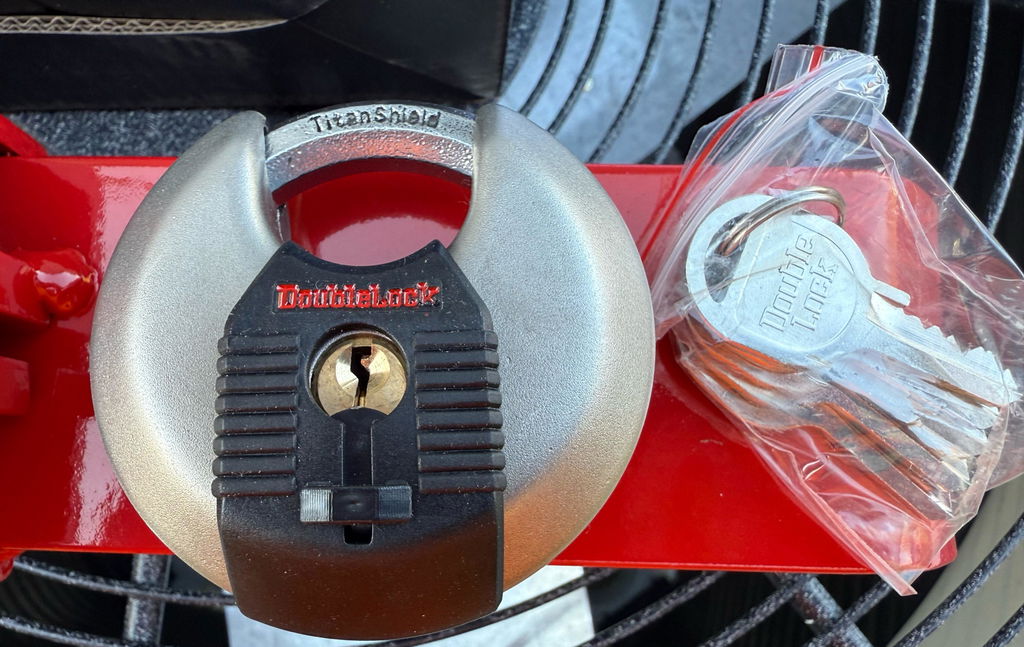
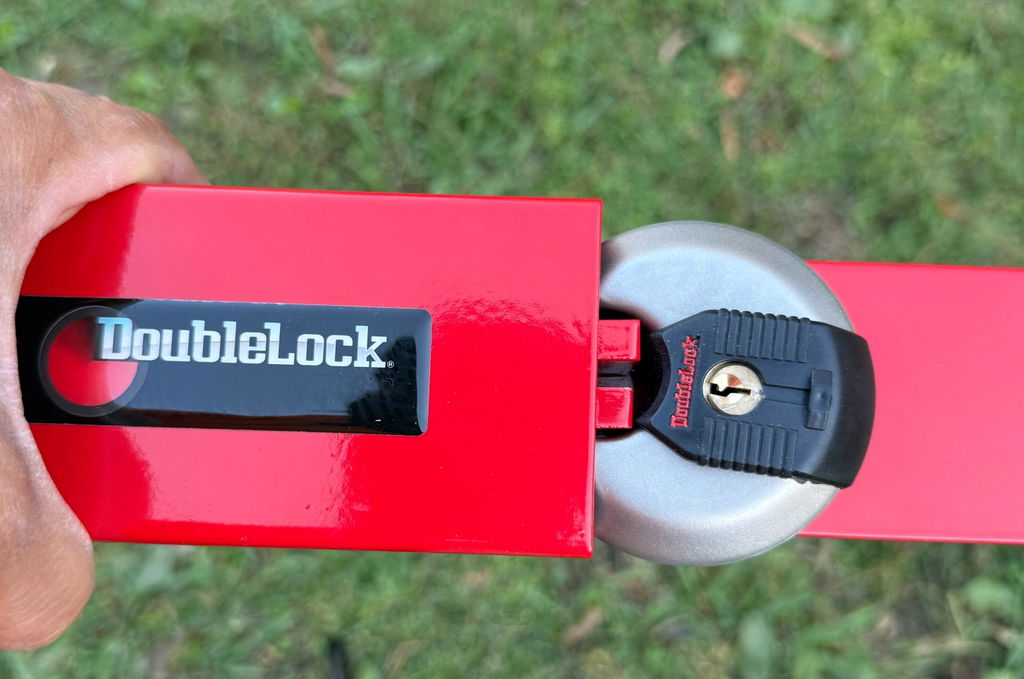
When you need a lock that’s built to last, our pintle hitch locks are engineered for superior strength and reliability. We focus on unmatched quality, using the highest-grade materials designed to withstand even the toughest conditions you can throw at them. Whether you're dealing with harsh weather on a construction site or the corrosive effects of saltwater in a marine environment, our locks provide the security you need. This commitment to durability means you can trust that your trailer is protected by a lock that won't fail when you need it most.
Pin-Style Locks
Pin-style locks are a common and effective way to secure your hitch. They work by replacing the standard hitch pin with a locking version that can only be removed with a key. When shopping for one, a key feature to look for is a rubber or plastic cap that covers the keyhole. This small detail is crucial for preventing dirt, grime, and moisture from getting inside the lock mechanism and causing it to seize up over time. A well-protected lock is one that will work smoothly for years to come.
Heavy-Duty Coupler Locks
For those who need an even higher level of security, heavy-duty coupler locks are an excellent choice. These locks are designed to completely encase the coupler, making it nearly impossible for a thief to attach your trailer to their vehicle. When evaluating these locks, start with the material. Look for options made from hardened steel or high-strength alloys. A quality lock should also be corrosion-resistant and thoroughly tested for tamper resistance to ensure it provides maximum security against cutting, drilling, and picking.
Securing More Than Just the Coupler
When you think about trailer security, your first thought probably goes to the main coupling point. But a comprehensive approach looks beyond the obvious. A pintle hitch security device serves two critical roles. Its most apparent job is to prevent theft when your trailer is parked. But it also performs a vital safety function by keeping the latch from accidentally opening while you're on the road. This dual purpose is essential for protecting both your equipment and your investment. A proper pintle hitch security mechanism ensures your trailer stays firmly attached, giving you confidence whether you’re driving or leaving gear at a job site.
Devices for Adjustment Pins
Beyond the main latch, don't overlook the adjustment pins on your hitch. A specialized security device for these pins adds another important layer of protection. This small component plays a significant role in safeguarding your trailer and its contents. A quality device is constructed from hardened steel or high-strength alloys, making it resistant to tampering methods like cutting or prying. When you shop for security solutions, look for features like corrosion resistance. This ensures the mechanism functions smoothly for years, even when exposed to rain, snow, and road salt, saving you from a major headache later on.
Keyed or Combination: Which Is Better?
You'll also need to decide between a traditional keyed lock and a combination lock. When choosing between them, consider the convenience of a keyless option versus the distinct security of a keyed lock. Combination locks are great if you’re worried about losing keys or need to grant access to multiple people without duplicating keys. Keyed locks, on the other hand, can sometimes offer more complex internal mechanisms that are harder to defeat. Whichever you choose, the most important step is to ensure the lock is the correct size and type for your specific trailer and pintle hitch.
Keyed-Alike Systems for Added Convenience
If you manage multiple pieces of equipment, you’re likely familiar with the hassle of a heavy, cluttered keychain. A keyed-alike system simplifies everything by allowing you to operate several different security devices with a single key. This means you no longer have to sort through a handful of keys to find the right one for your trailer, toolbox, or gate. When you purchase a matched set, you get the convenience of one key without sacrificing security. It ensures every security point is protected with the same level of quality and tamper-resistant design. This consistency is crucial, as a security setup is only as strong as its weakest point. Investing in a keyed-alike system means you get reliable, durable protection across all your valuable assets.
How to Choose the Right Pintle Hitch Lock
With several options on the shelf, picking the right pintle hitch lock can feel a little overwhelming. But it doesn't have to be complicated. By focusing on three key areas—fit, weight, and security features—you can confidently select a lock that protects your trailer and gives you peace of mind. Let's walk through what you need to look for to make the best choice for your equipment.
Does It Fit? Ensuring Compatibility
One of the most common missteps is grabbing a lock that doesn’t fit your specific setup. A lock that’s too loose is ineffective, and one that’s too tight won’t work at all. Before you buy, confirm the lock is compatible with your pintle hitch model. You’ll want to know the pin diameter and the usable length required for your hitch. Taking a moment to measure or check your vehicle’s manual can save you a return trip. When you browse different pintle hitch locks, you'll see these specifications listed, making it easier to find a perfect match.
Understanding Lunette Ring Dimensions
The lunette ring is the heavy-duty metal circle on your trailer's tongue, and getting its dimensions right is key for a secure connection. The most important measurement to check is the inside diameter, or I.D. You'll typically find these in 2-1/2-inch or 3-inch sizes. This measurement needs to match your pintle hook to ensure a snug and safe fit. For example, some pintle hooks are specifically designed to accept a lunette ring with a certain minimum diameter. The ring's thickness and overall size also play a big role in its Gross Trailer Weight (GTW) rating. Before you tow, always double-check that your lunette ring specifications are appropriate for both your hook and the weight of your load.
Matching the Lock to Your Trailer's Weight
Your pintle hitch lock is a small but mighty piece of your towing system, and it needs to be strong enough for the job. It’s essential to choose a lock that can handle the weight of your trailer. Check your trailer’s Gross Vehicle Weight Rating (GVWR) and make sure the lock’s capacity meets or exceeds that number. Using an underrated lock can lead to failure under the stress of towing, which is a major safety risk. A quality lock will clearly state its towing capacity, so you can easily verify that it’s up to the task of securing your load safely.
Gross Towed Weight (GTW) Capacities
To understand why matching the lock to your trailer's weight is so critical, it helps to look at the sheer power of a pintle hitch system. This is measured in Gross Towed Weight (GTW). Pintle hitches are designed for heavy-duty work, with capacities that can range from 10,000 to an impressive 60,000 pounds, making them a top choice for commercial and agricultural jobs. This incredible strength means every component, including the lock, must be up to the task. An underrated lock can become a weak point, potentially failing under the immense stress of towing a heavy load. This isn't just a security issue; it's a major safety concern on the road. Always check that the lock you choose has a GTW rating that matches or exceeds that of your trailer. As towing experts explain, matching your equipment's capacity is essential for safe and secure towing.
How Much Security Do You Really Need?
Not all locks are created equal, so think about the level of security you need. For true protection, look for locks made from hardened steel or high-strength alloys that resist cutting and prying. Since your hitch is exposed to the elements, corrosion resistance is also critical. A lock with a durable finish and a rubber cap to cover the keyhole will prevent rust, dirt, and moisture from damaging the internal mechanism. This attention to detail in design is a hallmark of a lock built for long-term security and reliability, reflecting a true commitment to quality.
Common Installation Mistakes to Avoid
Even the best pintle hitch lock can’t do its job if it’s not used correctly. A secure setup is about more than just buying a quality product; it’s about making sure you install and use it properly every time you tow. Getting these details right from the start will give you confidence on the road and protect your trailer from theft. Let’s walk through a few common missteps and how you can easily sidestep them.
Avoiding the Wrong Size
One of the most frequent issues is selecting a lock that doesn’t fit your pintle hitch or trailer coupler correctly. An ill-fitting lock is an invitation for thieves, as it creates a weak point they can exploit. Before you buy, take a moment to check your equipment. Consult your vehicle’s manual for its towing capacity and receiver specifications. You need a lock that is rated for your trailer's weight and designed to fit the specific dimensions of your hitch. A lock that’s too small won’t engage properly, and one that’s too large can be easily pried off. Taking a few simple measurements beforehand ensures you choose a lock that provides a snug, secure fit.
The Dangers of Improper Installation
A proper fit is only half the battle; correct installation is just as critical. It’s easy to rush through the process, but a small oversight can compromise your entire security setup. For example, setting your hitch at the wrong height can create an unbalanced tow, putting unnecessary strain on your vehicle and the connection point. When securing the lock, always ensure the pin is fully engaged and the locking mechanism clicks firmly into place. A partially secured lock can vibrate loose on the road or be easily defeated. Always use a high-quality hitch pin or lock to secure your hitch to the receiver, giving it a firm tug to confirm it’s seated correctly before you drive away.
Why You Shouldn't Skip Regular Maintenance
Your pintle hitch lock works hard, exposed to road grime, rain, and extreme temperatures. Over time, this can lead to rust and wear, making the lock difficult to operate or even causing it to fail. Make it a habit to inspect your lock before each use. Check for signs of corrosion, damage, or tampering. A quick visual check can prevent a major headache later. It’s also a good idea to clean and lubricate the locking mechanism periodically to keep it functioning smoothly. Think of it like any other part of your towing equipment; consistent trailer safety checks are essential for reliable performance and lasting peace of mind.
Ignoring Critical Safety Rules
It’s tempting to think of safety guidelines as mere suggestions, but when you’re towing thousands of pounds, they are non-negotiable. A pintle hitch lock is a small component, but it plays a huge role in protecting your trailer and everything in it. Its job isn't just to stop a thief; it's also there to prevent the hitch from accidentally opening on a bumpy road. Ignoring safety rules, like failing to double-check that the lock is fully engaged, can lead to catastrophic failure. The peace of mind that comes from knowing your trailer will stay exactly where you left it—whether parked or in transit—is worth the few extra seconds it takes to follow the rules.
Your System's Weakest Link Dictates Capacity
Your entire towing setup is a system, and it's only as strong as its weakest component. You can have a heavy-duty truck and a robust pintle hook, but if you secure it with an underrated lock or pin, you’ve created a critical point of failure. Every piece of the system, from the mounting bolts to the lock itself, must be rated to handle the full weight of your trailer. Always verify that your lock’s capacity matches or exceeds your trailer's GVWR. This ensures that under the immense stress of towing, every component works together to keep your load secure. A snug-fitting, properly rated lock is your final checkpoint for a safe connection.
Using the Correct Grade of Mounting Hardware
The hardware that holds your pintle hitch to your vehicle is just as important as the hitch itself. Most pintle hitches require heavy-duty, Grade 8 mounting hardware for a reason. These bolts are engineered to withstand the intense shear forces and vibrations that come with towing heavy loads. Using a lower grade of hardware is a gamble you don’t want to take, as it can stretch, bend, or break under pressure. Whether your hitch is a receiver-mount that uses a pin or a plate-mount that needs bolts and nuts, always follow the manufacturer's instructions to the letter. This ensures your entire setup is secure from the frame of your truck to the tongue of your trailer.
How to Install and Maintain Your Pintle Hitch Lock
A quality pintle hitch lock is a great investment, but it works best when installed correctly and cared for properly. Taking a few extra minutes for installation and maintenance will keep your lock functioning smoothly and your trailer secure for years to come. Here’s how to get it right.
Your Step-by-Step Installation Guide
Before you begin, confirm your pintle hitch and lock are rated for your trailer's weight. Your vehicle's manual is the best place to find its towing capacity. First, align the pintle hook with the trailer's lunette ring. A proper alignment is crucial, as an uneven connection puts stress on the components and can lead to failure. Once aligned, close the pintle hook's latch. Insert your DoubleLock USA pintle lock through the designated hole in the latch, making sure it passes all the way through. Secure the lock according to its design, then give it a firm tug to ensure it’s fastened and the latch cannot be opened.
Keeping Your Lock Clean and Lubricated
Regular maintenance keeps your lock in top shape. Before each use, give the lock a quick visual inspection for any signs of damage, wear, or corrosion. Keep the lock clean from dirt, grime, and road salt, which can cause the internal mechanism to jam. A simple wipe-down with a cloth is often enough. For tougher grime, use a stiff brush and a mild degreaser. After cleaning, apply a small amount of lubricant, like a graphite or silicone-based spray, into the keyway and on the shackle. This is one of the best ways to prevent rust and ensures the locking mechanism operates smoothly.
How to Properly Store Your Lock
When you’re not using your pintle hitch lock, where you store it matters. Keep it in a clean, dry place like a toolbox or a garage cabinet to protect it from the elements. Leaving it exposed to rain or humidity can accelerate corrosion. It’s also a good idea to keep the key in a secure and memorable location. Even when in storage, check on the lock periodically. A quick inspection every few months helps you catch any potential issues before they become a problem. Proper care reflects the commitment to quality that goes into making a durable lock.
Where to Find the Right Pintle Hitch Lock
Once you know what to look for, the next step is finding the right pintle hitch lock. Whether you prefer to handle a product before buying or enjoy the convenience of online shopping, you have plenty of options. You can find high-quality locks at major hardware retailers and through dedicated online stores, making it easy to get the security you need.
Should You Buy In-Store?
Shopping for a pintle hitch lock at a store like The Northern Tool or Lowe's allows you to see and feel the quality for yourself. You can gauge the weight of the steel and test the locking mechanism before you buy. When you head to the store, it's helpful to consult your vehicle's manual for its towing capacity and receiver specifications. This ensures you select a hitch lock that is compatible with your towing setup. Having these details on hand will help you compare different DoubleLock USA products and choose one that fits perfectly, giving you confidence in your purchase.
The Pros and Cons of Buying Online
If you prefer to shop from home, buying online offers a wide selection and detailed product information. When browsing online for a pintle hitch lock, prioritize the material used in its construction. Look for locks made from hardened steel or high-strength alloys, as these materials offer superior durability and tamper resistance. Also, ensure the lock is corrosion-resistant to withstand various weather conditions. Reading the product specifications carefully will tell you a lot about its quality and the our heritage of craftsmanship behind it. Customer reviews can also provide real-world insight into a lock's performance and ease of use.
Using Filters to Narrow Your Search
When you're shopping online, using filters can save you a lot of time. Focus on the features that matter most for security and longevity. Start by filtering for material, looking specifically for options made from hardened steel or high-strength alloys. These materials are engineered to resist cutting and drilling. Next, look for weather-resistant features. A lock with a protective keyhole cover is a great find, as it prevents moisture and road grime from getting into the mechanism and causing it to seize. Paying attention to these details helps you quickly narrow down your options to only the most durable and reliable choices for securing your equipment.
Considering Brand Reputation and Warranties
A brand's reputation can tell you a lot about the quality you can expect. Look for manufacturers known for their commitment to durability and security. At DoubleLock USA, for example, we build our pintle hitch locks with high-grade materials designed to withstand tough conditions because we know how much you rely on your equipment. Another important factor is the warranty. A strong warranty shows that the manufacturer stands behind its product's performance and is confident in its ability to protect your assets. It provides an extra layer of assurance that you're making a sound investment in your trailer's security.
What to Expect for Price and Availability
While it can be tempting to choose the cheapest option, a quality pintle hitch lock is an investment in your trailer's security. When you evaluate the price of different locks, consider small but important features, such as a rubber or plastic cap that covers the keyhole. This detail is crucial for protecting the lock from dirt and moisture, which can affect its functionality over time. A slightly higher price often reflects better materials and a more thoughtful design, leading to a longer-lasting and more reliable lock. If you have questions about a specific product's features or availability, it's always a good idea to contact us directly for more information.
Pintle Locks vs. Other Security Measures
A pintle hitch lock is an essential tool for securing your trailer, but it’s most effective when it’s part of a complete security plan. Think of it as the main lock on your front door. It’s your first and most important line of defense, but you might also have a deadbolt or a security camera. The same principle applies to protecting your trailer and its cargo. While the pintle lock secures the critical connection between your vehicle and trailer, other security devices can protect different vulnerable points, like the coupler and wheels.
Relying on a single lock can leave you exposed, especially if a determined thief has the right tools or enough time. By combining your pintle hitch lock with other security measures, you create a more formidable barrier that deters potential theft. This layered approach not only makes it physically harder to steal your trailer but also sends a clear signal that your equipment is well-protected. Most thieves are opportunistic; they look for the easiest target they can find. Seeing multiple locks often convinces them to move on before they even start. A comprehensive strategy gives you confidence that your assets are safe, whether they’re parked at a job site, in a storage lot, or in your own driveway.
Why Layering Your Security Is a Smart Move
Layering your security starts with choosing high-quality components for each part of your setup. Your pintle hitch lock should be your strongest link, so look for one made from hardened steel or high-strength alloys. The best locks are tested for tamper resistance and have features that protect them from the elements. For example, a small detail like a rubber cap over the keyhole is crucial for preventing dirt and moisture from getting inside and causing damage. Once you have a solid pintle lock, you can add other layers. Consider a coupler lock to protect the trailer when it’s unhitched, or a wheel lock to prevent it from being rolled away.
Do You Need More Than One Lock?
Using multiple locks is a smart move, especially when your trailer is in a high-risk situation. If you have to leave your trailer unattended overnight, at a remote job site, or in a poorly lit parking area, adding a second or third lock is a wise precaution. A layered approach can significantly enhance security. It’s also important to make sure any locks you use are compatible with your equipment. An ill-fitting lock can create a weak point that a thief can exploit. By combining a high-quality pintle hitch lock with other compatible security devices, you create a system that is much harder to defeat, giving you greater peace of mind.
Understanding Legal and Regulatory Guidelines
Using the right lock is a huge part of towing safely, but it's not the only piece of the puzzle. You also need to make sure your entire towing setup, including the pintle hitch itself, meets legal and regulatory standards. These rules aren't just about avoiding fines; they're designed to keep everyone on the road safe. The guidelines can sometimes feel a bit complex because they can change depending on where you are and what you're hauling. Before you hit the road, it’s a good idea to get familiar with the general rules and know where to look for the specific requirements in your state.
General Legality of Pintle Hitch Use
Pintle hitches are widely accepted and legal for the heavy-duty jobs they were designed for. A pintle hitch is a simple, strong towing connection that uses a hook-and-loop design, making it ideal for commercial, agricultural, and construction applications. Its legality stems from its proven performance in these demanding environments, where strength and articulation are critical. Unlike standard hitches, the pintle system is built to handle immense weight and rough terrain. As long as it is used within its weight capacity and for its intended purpose, a pintle hitch is a perfectly legal and reliable choice for your toughest towing needs.
Checking for State-Specific Requirements
While pintle hitches are generally legal, the specific rules can vary from one state to another. Some state Departments of Transportation (DOT) may have restrictions on using them for certain types of trailers, particularly for general over-the-road hauling, so it's crucial to check the regulations in your area before you tow. For example, nearly all jurisdictions have strict rules about safety measures. Regulations often require the presence and proper attachment of safety chains or cables to serve as a backup connection. To be certain you’re in compliance, always consult your local DOT or state highway patrol for the most current guidelines.
Related Articles
- The Ultimate Pintle Hitch Lock Buyer's Guide
- 5 Best Theft Proof Trailer Locks (Buyer's Guide)
- 5th Wheel Lock for Semi Trailer: The Ultimate Guide
- 4 Best King Pin Locks for Semi Trailers (2026 Guide)
- The Ultimate Trailer Hitch Lock Pin Guide
Frequently Asked Questions
How do I know which lock is strong enough for my heavy trailer? The most important factor here is the lock's weight rating. You should always choose a lock with a capacity that meets or exceeds your trailer's Gross Vehicle Weight Rating (GVWR). This information is usually listed on the lock's packaging or in the product specifications. Using an underrated lock is a significant safety risk, as it can fail under the stress of towing.
My pintle hitch is always exposed to rain and road salt. Will a lock just rust and get stuck? This is a valid concern, and it’s why material and design are so important. A quality lock is made with corrosion-resistant materials like hardened steel and often has a protective finish, such as chrome plating or a powder coat. Look for models that also include a rubber or plastic cap to cover the keyhole. This simple feature keeps moisture and grime out of the locking mechanism, preventing it from seizing up over time.
Besides the material, what makes one lock more secure than another? While strong materials like hardened steel are the foundation, a lock's security also comes from its design. Look for tamper-resistant features, such as complex keyways that are difficult to pick or a shape that makes it hard for a thief to get leverage with a pry bar. The internal locking mechanism itself should engage tightly, leaving no room for it to be jiggled or forced open.
I bought a lock, but it seems a little loose on the hitch. Is that a problem? Yes, a proper fit is critical for both security and safety. A lock that is too loose can be easily broken or pried off by a thief. It can also vibrate excessively on the road, potentially leading to wear or failure. Before buying, you should always measure the pin diameter and length you need for your specific hitch to ensure you get a snug, secure fit.
Is a pintle hitch lock really enough to stop a determined thief? A high-quality pintle hitch lock is an excellent primary defense and a strong visual deterrent that will stop most opportunistic thieves. However, for maximum protection, especially if your trailer is left unattended in a high-risk area, it’s best to layer your security. You can combine your pintle lock with other devices, like a coupler lock or a wheel lock, to create a much more difficult target.