
Security for your heavy-duty trailer goes beyond preventing theft when it's parked. While a pintle hitch lock is your best defense against someone driving off with your equipment, it also plays a crucial role in on-road safety. The same mechanism that blocks unauthorized hookups also secures the pintle hook's jaw during transport, preventing the catastrophic failure of an accidental detachment. This dual-purpose function makes it an indispensable tool for anyone towing substantial loads. This article covers everything you need to know, from selecting a lock made of durable, weather-resistant materials to proper installation and maintenance habits that ensure your connection remains solid and secure, mile after mile.
Your trailer is a critical asset, but leaving it at a job site or in a storage lot can feel like a gamble. An unsecured pintle hitch is an open invitation for theft, allowing anyone to hook up and drive away with your valuable equipment in minutes. A pintle hitch lock is the straightforward solution to this problem. This simple device is designed to secure the pintle hook's jaw, making it impossible for an unauthorized vehicle to connect to your trailer. Whether you're browsing for a pintle hitch lock tractor supply has in stock or shopping for a high-security model online, understanding the fundamentals is key. This guide will walk you through choosing, installing, and maintaining the right lock to give you confidence that your property is protected.
Key Takeaways
- Protect your trailer when parked and in transit: A pintle hitch lock prevents theft by blocking unauthorized hookups and also secures the hitch jaw during transport, which keeps your trailer from accidentally disconnecting.
- Select a lock that fits correctly and is built to last: The most important features are a snug fit with your lunette ring and durable construction from materials like hardened, weather-resistant steel to resist tampering and corrosion.
- Make proper installation and maintenance a habit: Always double-check that the lock is securely fastened before driving, and perform regular cleaning and lubrication to keep the mechanism working smoothly and extend the life of your lock.
What Is a Pintle Hitch?
If you work in construction, agriculture, or any field that requires moving serious weight, you’re probably familiar with pintle hitches. A pintle hitch is a heavy-duty towing mechanism designed for hauling substantial loads, often across uneven terrain. Unlike a standard ball hitch, it uses a hook-and-ring design that provides a more secure connection and greater range of motion. This makes it a reliable choice for commercial trailers, military vehicles, and other demanding applications where strength and flexibility are essential.
Breaking Down the Pintle Hitch
A pintle hitch system is straightforward and consists of two main parts. First is the pintle hook, which is mounted to the tow vehicle. This piece has a hinged jaw that opens and closes. The second part is the lunette eye, a sturdy metal ring attached to the tongue of the trailer. When connected, the lunette eye sits inside the pintle hook, and the jaw closes over it to create a secure coupling. This simple yet robust design is what allows the hitch to handle immense weight and articulate smoothly, which is especially useful on rough job sites. Many pintle hook combinations also include a standard tow ball, offering more versatility.
How Does a Pintle Hitch Work?
Using a pintle hitch is a simple process. To connect a trailer, you open the jaw on the pintle hook and back your vehicle up so the hook aligns underneath the lunette eye. Once in position, you lower the trailer tongue until the lunette eye drops completely over the hook. Then, you close the jaw and secure it with the built-in latch. For an extra layer of safety, you should always insert the safety pin or clip through the latch to prevent it from accidentally opening during transport. This straightforward mechanism allows for quick and confident attachment, so you can get on the road without hassle.
Why Use a Pintle Hitch Lock?
A pintle hitch lock is more than just an accessory; it’s a fundamental component of your towing security system. Whether your trailer is parked at a job site or attached to your vehicle for transport, this small device provides significant peace of mind. It works by securing the pintle hook mechanism, making it nearly impossible for unauthorized individuals to connect to or disconnect your trailer. Investing in a quality lock protects your valuable assets, from the trailer itself to the equipment it carries. By adding this simple yet effective layer of security, you can confidently leave your trailer unattended and focus on the task at hand, knowing your property is safe.
Keep Your Trailer Safe from Theft
Your trailer is a significant investment, and leaving it unsecured is a risk you don’t want to take. A pintle hitch lock is your first line of defense against theft. When your trailer is detached from your vehicle, the lock physically blocks the pintle hook from opening, preventing anyone from hitching it to their own truck and driving away. This simple device acts as a powerful visual deterrent, signaling to potential thieves that your equipment is protected. Using robust security solutions ensures your trailer remains exactly where you left it, safeguarding your property whether it’s parked for a few hours or stored for the season.
Preventing Accidental Detachment on the Road
Security isn’t just for when your trailer is parked. A pintle hitch lock also plays a critical role in ensuring safety while you’re on the road. The lock secures the upper jaw of the pintle hook in a closed position, which keeps the lunette eye connection firmly in place. This prevents the trailer from accidentally disconnecting from the towing vehicle, which could be catastrophic, especially at high speeds or on uneven terrain. Maintaining a secure connection is essential for a stable towing experience and gives you better control over your trailer. Following best practices for towing safely includes using a reliable lock to keep everything connected from start to finish.
Are You Making These Trailer Security Mistakes?
One of the most frequent security oversights is parking a trailer with an exposed, unlocked hitch. This simple mistake makes your trailer an easy target, as it allows a thief to quickly connect it and disappear. It’s a common vulnerability that can be completely eliminated with the right equipment. By using a pintle hitch lock, you close this security gap and make your trailer a much harder target. It’s a straightforward step that addresses one of the most common mistakes that lead to trailer theft. Combining a high-quality lock with smart security habits is the most effective way to protect your assets.
Common Applications: From Construction Sites to Campgrounds
The versatility of a pintle hitch lock makes it an essential tool across many different settings. On a bustling construction site, it secures a tool trailer filled with expensive equipment overnight. For agricultural work, it protects farm implements and horse trailers from being tampered with. Even recreational users find them indispensable for safeguarding RVs, campers, and boats at campgrounds or in storage lots. Essentially, if you're towing valuable assets—from a caravan for a family vacation to a trailer for your landscaping business—a pintle hitch lock provides the necessary protection. It’s a simple security measure that applies to a wide range of towing scenarios.
Who Needs This Level of Security?
Anyone who tows valuable equipment can benefit from this added protection, but it’s especially critical for certain professionals. Contractors and fleet owners who leave trailers on job sites overnight depend on this security to prevent costly theft and project delays. Serious towers who frequently transport heavy machinery or recreational vehicles also gain significant peace of mind, knowing their connection is secure and their assets are safe when left unattended. If your livelihood or passion depends on your trailer and its contents, you need this level of security. It’s a non-negotiable tool for anyone who can't afford to have their equipment compromised, offering rock-solid protection when you need it most.
What Are Your Pintle Hitch Security Options?
When you start shopping for a pintle hitch lock, you’ll find a few different styles on the shelf. The right one for you depends on your trailer, the type of lunette ring you have, and the level of security you need. Understanding the main categories will help you compare models and make a confident choice for protecting your equipment. From specialized, high-security designs to more universal pins, there’s a solution for every setup.
Spotlight on DoubleLock USA Solutions
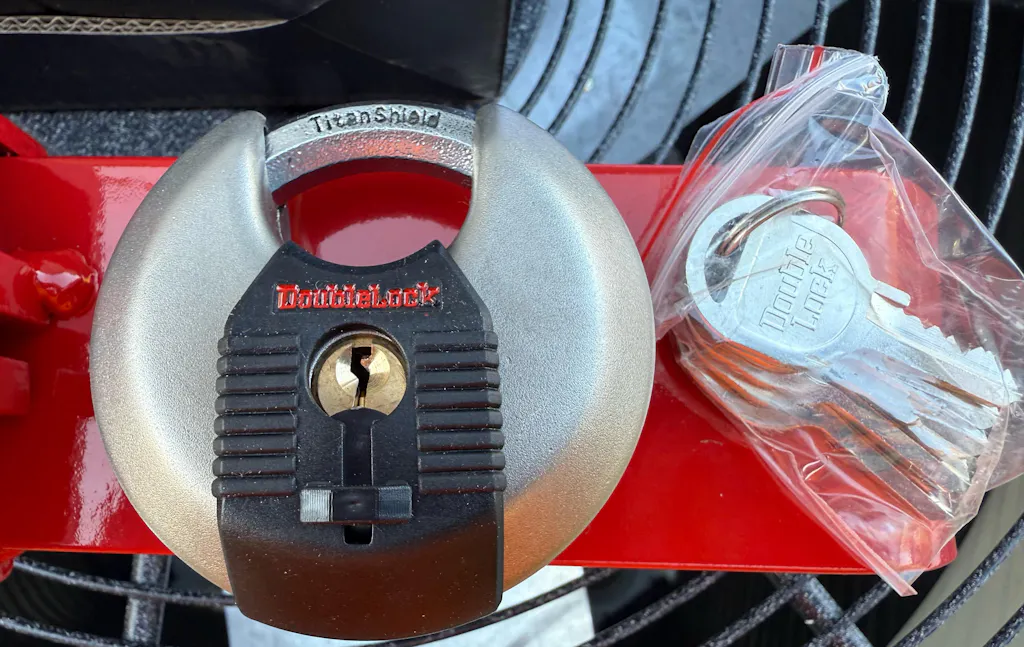
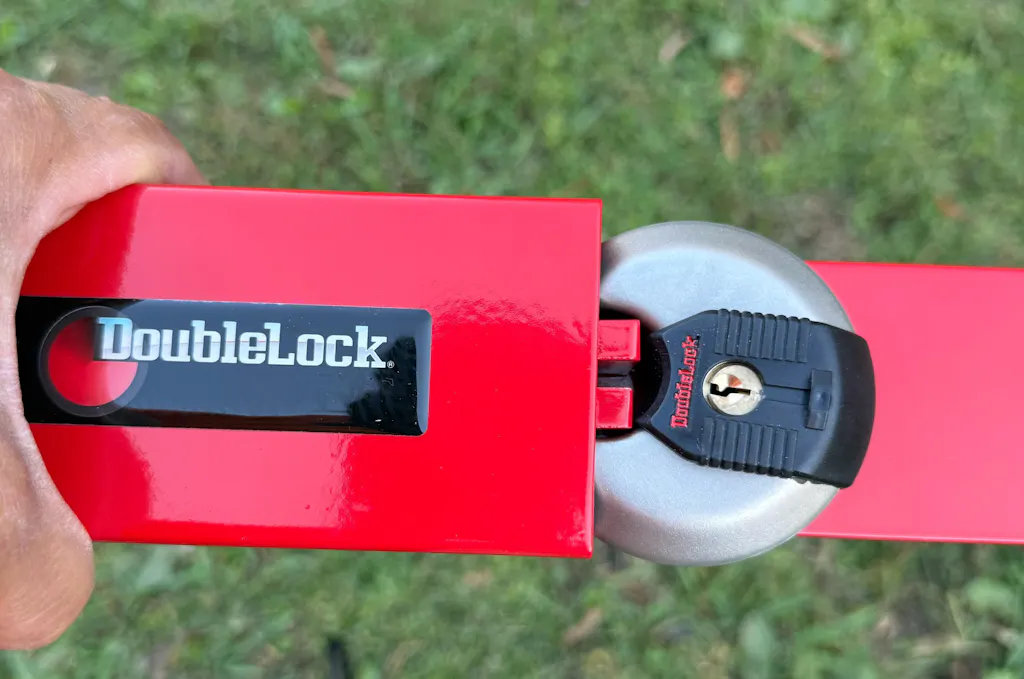
For maximum protection, look for locks built with uncompromising security in mind. A great example is the Extreme Duty Pintle Coupler Lock, which features a patented design that works with all sizes of lunette rings. This kind of thoughtful engineering provides the ultimate protection for your pintle trailer. At DoubleLock USA, we believe in robust, top-tier security, and models like this demonstrate the kind of quality and peace of mind every trailer owner deserves. When you invest in a lock made from high-strength materials with a design that resists tampering, you’re not just buying a product; you’re investing in security.
Understanding Universal Pin-Style Devices
If you’re looking for a straightforward and compatible option, a universal pin-style lock might be the perfect fit. These locks are designed for simplicity and ease of use. For instance, the steel GEN-Y Replacement Pintle Lock is made to be compatible with all GEN-Y hitches, taking the guesswork out of finding the right size. While some are brand-specific, the "universal" concept means they are built to provide a reliable connection for a specific system. This is a great choice if you already own equipment from a particular manufacturer and want a lock that you know will work seamlessly with your existing setup.
A Look at Different Lock Designs
When you’re choosing a pintle hitch security device, its design directly impacts how well it protects your trailer. The most effective models are typically made from heavy-duty, hardened steel, which offers the strength needed to stand up to tampering and the durability to handle harsh weather without corroding. Beyond the material, look for advanced security features that resist cutting and picking, as these add another layer of defense for your valuable equipment. It’s also important to consider compatibility. Some security mechanisms are designed for specific hitch systems, while others offer a more universal fit. For example, our Extreme Duty Pintle Coupler is engineered to work with all sizes of lunette rings, giving you tailored protection. Finally, a good design is also easy to use, ensuring you can secure your trailer quickly and confidently every time.
When to Choose a Heavy-Duty Model
For those with serious towing needs, heavy-duty models offer both security and adaptability. These are often part of a larger hitch system designed for substantial loads. The GEN-Y Mega-Duty Pintle Lock Hitch, for example, can be adapted to fit almost any bumper-style trailer and pintle coupling. These systems are built for versatility and strength, making them a go-to for construction, agricultural, or other demanding applications. When your work requires towing heavy and valuable assets, a heavy-duty lock provides the confidence that your connection is secure, no matter the conditions.
How to Choose the Right Pintle Hitch Lock
Selecting the right pintle hitch lock is about finding a balance between strength, durability, and everyday convenience. With so many options on the shelf, it helps to know what to look for. Focusing on a few key features will ensure you get a lock that not only fits your equipment but also provides reliable security for years to come. Consider the fit, materials, weather resistance, and overall design to make a confident choice that protects your trailer and your peace of mind.
How to Ensure a Perfect Fit
The most important factor in choosing a pintle hitch lock is ensuring it fits correctly. A lock that’s too loose can be easily manipulated or broken, leaving your trailer vulnerable. Your lock needs to fit snugly with your hitch’s lunette ring. Before you buy, measure your equipment or check the manufacturer’s specifications to confirm the required size. Some locks are designed with versatility in mind to work with various lunette ring sizes, which is an essential feature for ensuring a secure connection and optimal security. Taking the time to verify the fit is the first and most critical step toward securing your trailer properly.
Universal vs. Vehicle-Specific Fit
When you're looking at different security devices, you'll notice some are labeled "universal" while others are designed for specific hitch brands. A universal device is built to be versatile, often accommodating various sizes of lunette rings. This is a practical choice if you manage a fleet of trailers or use different types of equipment. On the other hand, a vehicle-specific or brand-specific device is engineered for a precise fit with a particular model. This option eliminates any guesswork and guarantees a secure connection for that specific setup. The best approach depends on your needs; a universal design offers flexibility, while a specific model provides a tailored solution. Understanding the main categories will help you compare models and make a confident choice.
Matching the Device to Your Equipment Size
A secure fit is non-negotiable. A device that is too loose creates a gap that can be exploited, compromising the security of your entire setup. To avoid this, you need to match the device to your equipment's dimensions precisely. Before making a purchase, take a moment to measure the inner and outer diameter of your lunette ring, as well as its thickness. Cross-reference these measurements with the manufacturer’s specifications, which are usually listed on the packaging or product page. A high-quality security device will clearly state the dimensions it is designed for, ensuring you can find one that fits snugly. This simple step is crucial for creating a solid, tamper-resistant connection that truly protects your equipment.
Why Material Durability Is Key
A pintle hitch lock is only as strong as the materials it’s made from. Look for locks constructed from high-quality, hardened steel, as this provides superior resistance against cutting, drilling, and prying. The durability of the material directly impacts the lock's longevity and its ability to withstand both force and the general wear of frequent use. A robust lock made from solid materials is a worthwhile investment in the long-term safety of your equipment. This commitment to quality is a core part of our story at DoubleLock USA.
Beyond Hardened Steel: Forged, Heat-Treated, and Stainless Options
While hardened steel is an excellent baseline for security, the manufacturing process behind the metal makes a significant difference. Forged steel, for example, is compressed under extreme pressure, creating a denser grain structure that is far more resistant to impact and fatigue than cast metal. Similarly, heat-treated steel undergoes a process of controlled heating and cooling that increases its surface hardness, making it exceptionally difficult to cut or drill through. For equipment that’s constantly exposed to rain, snow, and road salt, stainless steel is an ideal choice. Its inherent resistance to corrosion ensures the security mechanism won’t seize up over time, providing reliable performance year after year.
Features That Resist Tampering
A truly secure device combines strong materials with a design that anticipates and defeats common methods of attack. Look for features specifically engineered to resist tampering. This includes complex internal mechanisms that are difficult for thieves to manipulate, as well as external designs that deny purchase to tools like bolt cutters and pry bars. Some models incorporate shrouded designs or specific shapes that make it nearly impossible to get a grip with cutting tools. The goal of these features is to make your equipment such a difficult target that a potential thief will move on to something easier. This is how a well-designed security device provides genuine peace of mind, letting you know your trailer is safe.
Will It Stand Up to the Elements?
Your pintle hitch is constantly exposed to the elements, from rain and snow to road salt and intense sun. A lock without proper weather resistance can quickly rust and corrode, causing it to seize up or become weak. To prevent this, choose a lock with a protective, weather-resistant finish like chrome plating or a powder coating. These coatings create a barrier that shields the internal mechanism from moisture and debris, ensuring the lock operates smoothly every time you need it. You can browse our full collection of locks to find options built to handle harsh conditions.
Weatherproofing with Protective Coatings and Caps
Beyond the finish, look for features that offer an extra layer of defense against the elements. Many high-quality locks include protective caps, often made of rubber or silicone, that cover the keyhole. This simple addition is incredibly effective at keeping out water, road grime, and dust, which can clog the internal mechanism and lead to jamming or corrosion over time. When a durable coating is paired with a protective cap, you get a lock designed for true long-term reliability. This combination ensures that your lock will not only resist physical attacks but will also function smoothly year after year, regardless of the weather conditions it faces on the job.
How Easy Should It Be to Use?
High security shouldn't come at the cost of convenience. The best pintle hitch lock is one that is both strong and simple to operate. A user-friendly design saves you time and frustration, especially when you're working in low light or bad weather. Look for locks with smooth key mechanisms and a shape that’s easy to grip and handle, even with gloves on. A lock that is straightforward to install and remove is one you’ll use consistently. After all, the most effective security measure is one that integrates seamlessly into your routine.
Matching the Lock to Your Towing Capacity
Your pintle hitch is designed to handle immense weight, and the security device you choose should be just as tough. It’s important to select a mechanism that matches the strength of your entire towing system so it doesn’t become a weak link. Some security solutions are integrated into hitch systems built for extreme loads, with towing capacities that can range from 10,000 to over 30,000 pounds. While the device itself doesn't bear the towing force, its construction should reflect the heavy-duty nature of the job. A mechanism made from flimsy materials could be a potential failure point, not just for security but for overall system integrity. Always check that the pintle hitch security you’re considering is rated for the type of heavy-duty application you’ll be using it for.
Finding a Lock Within Your Budget
Price is always a consideration, and pintle hitch security devices are available across a wide spectrum of price points, from basic models under $20 to high-security systems that cost over $100. While it can be tempting to go for the cheapest option, it’s better to view this purchase as an investment in protecting your trailer and its contents. A higher price often reflects superior materials, more complex and tamper-resistant mechanisms, and better weatherproofing. Think about the total value of the asset you're protecting. Spending a little more on a high-quality device from a reputable brand can save you from the significant financial loss and headache of a stolen trailer.
Considering Keyed-Alike Systems for Convenience
If you manage multiple trailers or use several different security devices to protect your equipment, juggling a large set of keys can be a real hassle. This is where keyed-alike systems come in handy. Many manufacturers offer the option to order multiple devices that all operate with the same key, which streamlines your security routine. This means you can have one key for your pintle hitch, coupler, and any other equipment protection you use. This convenience is a significant time-saver on a busy job site and reduces the chance of fumbling for the right key in the dark or bad weather. It’s a simple feature that makes a big difference in day-to-day operations.
The Value of a Product Warranty
A manufacturer’s warranty is a good indicator of their confidence in the product’s quality and durability. When you see a security device that comes with a strong warranty, such as a Limited Lifetime Warranty, it tells you the company stands behind its craftsmanship. This protects you against defects in materials or manufacturing and ensures your investment is built to last. Before making a final decision, always check the warranty details. A company that is willing to guarantee its product for an extended period is likely using high-quality materials and rigorous testing, giving you another layer of assurance that your trailer is secure.
Leveraging Customer Ratings and Reviews
Product descriptions and specifications tell you what a security device is supposed to do, but customer reviews tell you how it actually performs in the real world. Before you buy, take some time to read through ratings and feedback from other users. These firsthand accounts can offer valuable insights into a device's ease of use, its durability over time, and how well it stands up to different weather conditions. Look for patterns in the comments. If multiple people praise its solid construction or mention a specific flaw, you can make a more informed decision. Filtering for products with high ratings is a quick way to narrow your search to options that are already trusted by other trailer owners.
Choosing Sustainable and Eco-Friendly Options
For those who prioritize environmental responsibility, it’s worth noting that some manufacturers are making efforts to produce more sustainable products. You can now find security hardware from brands that are committed to using recycled materials in their manufacturing processes. Some products are even highlighted as "Climate Pledge Friendly," indicating they meet certain sustainability certifications, such as being made with a significant percentage of recycled content. Choosing a security device from a company that values eco-friendly practices allows you to protect your assets while also aligning your purchase with your personal values and supporting a healthier planet.
How to Install and Use Your Pintle Hitch Lock
Properly installing your pintle hitch lock is just as important as choosing the right one. A secure lock gives you confidence that your trailer and its contents are safe, whether you're on the road or parked for the night. The process is straightforward, and taking a few minutes to get it right from the start can prevent major headaches later. Let's walk through the essential steps to ensure your equipment is properly secured.
Safety First: Your Pre-Installation Checklist
Before you reach for your lock, take a moment to inspect your pintle hitch. A lock can only protect a hitch that is in good working condition. Start with a visual check for any cracks, bends, or excessive corrosion on the hitch mount and pin. Confirm that the hitch pin and its clip are tight and secure. A damaged hitch can fail during transport, creating a safety hazard that no lock can prevent. This simple pre-trip inspection is a critical habit for anyone who tows regularly. If you spot any issues, address them before attaching your trailer.
Your Step-by-Step Installation Guide
Once your hitch is ready, you can connect your trailer. Lower the jaw on top of the pintle hook and lock it in place with the lunette ring. Many hitches also use a safety pin to keep the jaw from opening accidentally. This is where your pintle hitch lock comes in. Instead of a standard pin, you’ll use a high-quality lock, like one from our DoubleLock USA collection, to secure the jaw. Slide the lock's pin through the designated hole and engage the locking mechanism. This physically blocks the jaw from being opened, preventing anyone from unhitching your trailer.
How to Know It's Securely Fastened
This final step is simple but crucial: never assume the lock is secure without verifying it. After locking it, give the lock a firm tug to make sure it’s fully engaged and won't pull out. Try to operate the hitch's jaw release lever; it should not move. If your lock uses a key, check that it turns smoothly and can be removed while the lock remains in place. Taking these few seconds to confirm everything is fastened provides peace of mind. It’s a core principle of any good trailer security strategy and ensures your equipment is ready for the road.
Troubleshooting Your Pintle Hitch Security Device
Even with the right equipment, you can sometimes run into issues. A pintle hitch lock is a simple device, but a few common problems can pop up related to fit, security, and maintenance. The good news is that these challenges are usually easy to solve with a bit of know-how. By understanding what to look for, you can keep your lock working correctly and your trailer secure for years to come. Let’s walk through some of the most frequent problems and their straightforward solutions.
What If It Doesn't Fit?
One of the most common frustrations is buying a pintle hitch lock only to find it doesn’t fit. This often happens when the lock’s pin is too thick or too short for your specific hitch and lunette ring combination. To avoid this, always measure your equipment before you buy a lock. You’ll need to know the diameter of the opening on your pintle hook.
It’s also critical to ensure your entire towing setup is compatible. A mismatch between your vehicle and your trailer can lead to using the wrong equipment altogether. Before you even think about a lock, consult your vehicle’s manual to confirm its towing capacity and receiver specifications. This simple step ensures your whole system is safe and that you’re choosing a lock for the right kind of hitch.
Is Your Trailer Truly Secure?
A lock is only effective if it truly secures your trailer. If you’re worried your lock isn’t offering enough protection, the issue might be the lock itself or how you’re using it. A low-quality lock can be easily broken or picked. Always invest in a lock made from hardened steel with a reputable locking mechanism, like the ones we design at DoubleLock USA.
Beyond the lock, think about how you park. Leaving your trailer with the hitch exposed makes it an easy target for thieves. Whenever possible, park in a well-lit area or back the trailer up against a building or solid wall. This makes it much harder for anyone to access the hitch and attempt to tamper with the lock. Always give your lock a firm tug after you’ve secured it to confirm it’s fully engaged.
Solving Common Maintenance Problems
Your pintle hitch lock lives a tough life outdoors, exposed to rain, dirt, and road salt. Over time, this can cause it to rust or seize up, making it difficult to open. Regular maintenance is the key to preventing this. Every few months, wipe your lock down to remove any grime and spray a little graphite or silicone-based lubricant into the keyway and on the shackle.
It’s also important to inspect your lock regularly for any signs of damage. Look for deep rust, cracks in the body, or bends in the pin. If you notice significant wear and tear, it’s time to replace the lock. A compromised lock can fail when you need it most, so it’s better to replace it early than to risk the security of your trailer.
How to Maintain Your Pintle Hitch Lock
A pintle hitch lock is built to be tough, but a little routine maintenance goes a long way in keeping it reliable. Just like any other essential piece of equipment, your lock needs some attention to protect it from the elements and daily wear. Taking a few simple steps can extend its life and ensure it continues to provide the security you depend on for your trailer and cargo. Proper care is straightforward and helps you get the most out of your investment, ensuring your lock is always ready to perform when you need it.
How to Properly Clean and Lubricate It
To keep your pintle hitch lock working smoothly, regular cleaning and lubrication are key. Dirt, road salt, and moisture can lead to rust and cause the locking mechanism to stick. Once every few months, or more often if you're in a harsh environment, wipe the lock down with a clean cloth. If it’s especially grimy, use a mild detergent and water, then dry it completely. Apply a quality lubricant, like a graphite or silicone spray, into the keyway and any moving parts. This simple habit prevents corrosion and ensures your key turns without a fight every single time.
The Right Way to Store Your Security Device
When your pintle hitch lock isn't securing your trailer, where you keep it matters. Leaving it exposed to rain, snow, or intense sun can speed up wear and tear. The best practice is to store it in a dry, protected area like a vehicle toolbox, your garage, or a shed. This prevents moisture from settling into the mechanism and protects it from accumulating dirt. Even the most robust security solutions last longer when they are cared for properly. Storing your lock correctly is an easy way to make sure it’s ready to go when you need it.
Signs It's Time for a Replacement
A regular inspection is your best defense against lock failure. Before each use, give your pintle hitch lock a quick visual check for any signs of trouble. Look for deep rust, cracks in the metal, or any bending that could compromise its strength. Test the mechanism to make sure it engages securely and the key turns smoothly. If you notice significant damage or the lock feels loose or difficult to operate, it’s time for a replacement. Your trailer’s security isn’t something to gamble on, and following proper trailer towing safety guidelines includes using equipment that is in excellent condition.
How Do Pintle Hitch Security Devices Compare?
When you’re hauling heavy equipment, you need more than a basic security measure. Pintle hitch locks are specifically engineered to protect these robust towing systems, offering a significant upgrade over more generic options. Understanding how they compare to other security methods and why a layered approach is best will help you keep your trailer and its contents safe. This is about creating a security setup that gives you confidence whether you're on the road or parked for the night.
Why They Outperform Standard Hitch Pins
A standard hitch pin is designed to keep your hitch components connected, but it offers very little protection against theft. Pintle hitch locks are built specifically for the unique mechanics of a pintle coupling. Their designs are made to work with lunette rings of various sizes, ensuring a snug and secure fit that a simple pin cannot provide. This specialized construction is your first line of defense against tampering. These high-quality locks are also made from durable materials like hardened steel, giving them the strength and reliability needed to protect your valuable equipment.
When to Layer Your Security
Even the strongest lock can be challenged, which is why relying on a single security point is often not enough. To truly protect your trailer, it helps to think in layers. A common mistake that leads to theft is leaving the hitch exposed and easily accessible. By combining a pintle hitch lock with other security devices, you create a much tougher obstacle for a potential thief. This layered approach is a core part of any effective trailer security plan. As a practical habit, always keep your primary and spare keys in separate, safe locations so you can access them when needed.
Find the Right Pintle Hitch Lock for Your Needs
Choosing the right pintle hitch lock really comes down to your specific towing setup. There isn't a one-size-fits-all answer, so it's helpful to think about what you haul and how often you haul it. For instance, if your work involves heavy-duty equipment, you'll want a lock built for extreme conditions. A product like the BulletProof Hitches Extreme Duty Pintle Coupler Lock is a great example of this, designed with a patented system that fits all sizes of lunette rings, giving you confidence on any job site.
On the other hand, some locks are made to work perfectly with a specific brand's system. If you use GEN-Y Hitches, their own 32K Pintle Lock is engineered for a seamless fit. This highlights a crucial point: compatibility is key. One of the most common towing mistakes is selecting a lock that doesn’t match your hitch, which can compromise security. Taking a moment to confirm the fit will save you a lot of trouble later on.
If you need more flexibility for towing different kinds of trailers, a versatile option might be the best choice. Some models are designed to adapt to various bumper-style trailers and pintle couplings, giving you a single, reliable solution for multiple needs. When you're looking for a lock with this level of strength and adaptability, it's important to choose a brand known for its commitment to security. You can find a range of durable and reliable options in our shop that are built to give you peace of mind, no matter what you're towing.
Related Articles
- The Ultimate Pintle Hitch Lock Buyer's Guide
- 5 Best Theft Proof Trailer Locks (Buyer's Guide)
- 5th Wheel Lock for Semi Trailer: The Ultimate Guide
- Choosing a Locking Hitch Pin for 2 Inch Receiver
- Stainless Steel Locking Hitch Pin: A Buyer's Guide
Frequently Asked Questions
What's the real difference between a pintle hitch lock and a standard hitch pin? A standard hitch pin is really just designed to hold the components of your hitch together during transport. A pintle hitch lock, however, is built specifically for security. It physically blocks the pintle hook's jaw from opening, which prevents anyone from unhitching your trailer. These locks are also made from much stronger, hardened materials to resist cutting or tampering, offering a level of protection a simple pin can't provide.
How can I be sure a pintle hitch lock will fit my equipment? The best way to ensure a proper fit is to measure the opening on your pintle hook before you start shopping. A lock needs to fit snugly to be effective, so knowing the required pin diameter is essential. Some high-quality locks are designed with a universal fit in mind, meaning they are engineered to work securely with a wide range of lunette ring sizes, which can take a lot of the guesswork out of the process.
Is a lock alone enough to prevent my trailer from being stolen? While a high-quality lock is your most important defense, the most effective security strategy involves multiple layers. A lock makes theft much more difficult, but you can improve your security by also being mindful of where and how you park. Whenever possible, try to park in a well-lit area or position the trailer so the hitch is blocked by a wall or another vehicle, making it much harder for anyone to access.
My lock is starting to stick. Can I fix it, or do I need a new one? A sticking lock can often be fixed with some simple maintenance. Exposure to dirt and moisture can cause the internal mechanism to get gummed up. Try cleaning the lock thoroughly and applying a graphite or silicone-based lubricant to the keyway and moving parts. If the lock is visibly damaged, has deep rust, or still won't operate smoothly after cleaning, it's safest to replace it to ensure your trailer remains secure.
What material should I look for in a high-quality pintle hitch lock? For reliable security, you should always look for a lock made from hardened steel. This material offers superior strength and is highly resistant to common theft tactics like cutting, drilling, or prying. A lock is a long-term investment in protecting your trailer, so choosing one made from robust, durable materials ensures it can withstand both attempted tampering and the general wear from frequent use.