
When you secure a locker, you’re not just protecting what’s inside—you’re investing in peace of mind. The true value of a quality locker lock isn’t the device itself, but the confidence it provides. After all, a security failure, whether it’s stolen tools or personal items, creates stress that far outweighs the cost of a reliable lock. This guide is here to help you make a smart choice. We'll walk through what to look for in construction, materials, and tamper resistance to ensure your valuables remain exactly where you left them.
Key Takeaways
- Assess your specific needs first: Before choosing, consider the value of your items, the locker's location, and who needs access. A lock for valuable tools requires a different level of security than one for a gym bag.
- Decide between a key and a combination: Combination locks offer keyless convenience, which is great for shared access or personal preference. For higher-stakes situations, a quality keyed lock often provides stronger protection against tampering.
- Prioritize durable construction: A lock's reliability comes from its materials. Look for hardened steel for strength and weather-resistant features for outdoor use to ensure your lock is effective against both force and the elements.
Your Guide to Locker Lock Types
When you need to secure a locker, you’ll find a few different types of locks to choose from. The best one for you really depends on how you plan to use it, who needs access, and what level of security you require. Understanding the basic categories can help you make a confident choice, whether you're securing personal items at the gym or valuable equipment on a job site. Let's walk through the four main options.
The Classic Combination Lock
Combination locks are a classic choice for a reason. Instead of a key, you use a series of numbers on a dial or keypad to open them. This keyless design means you never have to worry about losing a key, which is a huge plus for many people. They are simple to use and great for situations where multiple people might need access without passing a key around. While convenient, it's important to choose a robust model, as simpler designs can sometimes be less secure than their keyed counterparts. For reliable security, look for a combination padlock with a solid body and hardened steel shackle.
Managing Multiple Combinations
When you're responsible for several lockers, especially in a shared setting like a job site, keeping track of access can get complicated. This is where some modern combination locks offer helpful features. Many built-in models come with a master key control option, which lets an administrator open any of them with a single key. This simplifies oversight without weakening security. For even more flexibility, some devices allow you to issue temporary codes. This is perfect for granting short-term access to team members or contractors without having to share a permanent combination.
Another useful innovation is the ability to change combinations from outside the locker, a feature that saves a significant amount of time. Instead of opening each door individually to update a code, you can do it externally. This is especially practical when your team changes or when you need to reset access quickly for security reasons. Ultimately, these management features are designed to make securing multiple points of access more straightforward. They give you better control over who can get to your equipment and supplies, without adding a lot of extra work to your day.
Traditional Key-Operated Locks
Key locks are the go-to for straightforward, high-security needs. They operate with a physical key, and a well-made one is often considered more difficult to pick or force open than a basic combination lock. This makes them an excellent choice for protecting valuable tools, equipment, or personal belongings in a work or public setting. The main responsibility with a key lock is, of course, keeping track of the key. If you’re someone who tends to misplace things, this might be a point to consider. However, for pure security and durability, a high-quality keyed lock offers dependable peace of mind.
Understanding Key and Bolt Mechanisms
So, what happens when you turn a key? You're setting a precise mechanism in motion. Inside, small pins align perfectly, allowing the cylinder to rotate and move the bolt. You'll generally find two types of bolts. A spring bolt uses a spring to stay in place and can be pushed back without a key, while a deadbolt requires the key to move, providing much stronger protection against force. It's also worth knowing about keying options, especially if you manage multiple secure points. You can get devices keyed differently, or choose a keyed-alike system where one key opens everything. This is incredibly practical for managing equipment on a job site or securing a fleet.
The Convenience of Built-In Locks
Unlike portable padlocks, built-in locks are integrated directly into the locker door. You’ll typically see these in places like schools, gyms, and employee break rooms where the facility manages the lockers. They come in both keyed and combination styles. The combination versions can often be reset by a manager with a master key, which is useful for shared environments. Because they are part of the locker itself, they provide a clean, uniform look and are managed by the property owner. If you are outfitting a facility, exploring wholesale options for these types of integrated systems can be a cost-effective solution for securing a large number of lockers.
Compatibility with Locker Doors
When you're outfitting a facility with built-in security, compatibility is the most important factor. Imagine ordering dozens of mechanisms only to discover they don't fit your locker doors—it's a costly and frustrating mistake. These integrated devices are engineered for specific door and latching systems, not as a one-size-fits-all solution. You’ll need to know if your lockers use single-point latching, multi-point latching, or have particular handle styles like lift or turn handles. Before committing to an order, take the time to check the hardware specifications of your units. This simple verification step ensures a smooth installation and a secure, functional fit for every single door.
Advanced Security and Management Features
Modern built-in systems offer more than just basic protection; they provide features that make managing a property much simpler. A key function for any administrator is master key control. This gives a manager a supervisory key that can open any unit, which is essential for handling forgotten combinations, conducting routine inspections, or providing access in an emergency. Some systems even allow combinations to be changed from outside the locker, a feature that saves an incredible amount of staff time. While high-tech options like temporary digital codes are available, these core access control features are what truly streamline day-to-day operations and provide efficient, practical oversight.
Going Keyless with Electronic Locks
Electronic locks represent a more modern approach to security, using a keypad, card, or even a mobile app to grant access. They offer a high level of convenience, especially for facility managers who can easily grant or revoke access without dealing with physical keys. These systems are very secure and can save a lot of administrative time. The primary trade-off is usually the cost, as electronic systems tend to be more expensive than traditional mechanical locks. While technology offers new possibilities, many still trust the proven reliability of a mechanical lock, a standard built on a long heritage of security and time-tested engineering.
Exploring Access Methods
Deciding on an access method is a matter of balancing convenience with control. A physical key provides a straightforward approach: access is tied to a single, tangible object. This makes it a reliable choice for high-stakes situations where you need to strictly limit who gets in. In contrast, keyless options like combination dials and electronic keypads offer more flexibility. You won’t have to worry about lost keys, and you can share access by simply providing a code. For those managing multiple lockers, electronic systems are especially useful, as they allow you to grant or revoke permissions remotely. The best choice depends on your specific needs, and you can explore our collection to find the right fit.
Don't Fall for These Locker Lock Myths
When it comes to securing your belongings, misinformation can be as risky as a flimsy security device. A lot of assumptions float around about what makes a mechanism effective, and believing them can leave your property vulnerable. Let's clear up a few common myths about personal storage security so you can make a confident and informed choice for your needs.
Myth: Any Locker Lock Will Do
It’s tempting to think any security device will do the job, but not all are created equal. The security you get varies significantly between types, like combination, keyed, and electronic models. Each has its own strengths and weaknesses. A simple combination device might be fine for a gym, but it's not right for securing expensive tools on a construction site. The materials, shackle thickness, and internal mechanism all determine how well a device can resist tampering. True security comes from matching the device’s features to the value of what you’re protecting and its environment.
Myth: Combination Locks Can't Be Picked
Combination mechanisms are popular because they’re keyless, which is convenient. This convenience can come at a cost to security, however. While they deter a casual passerby, many basic models have vulnerabilities that can be exploited with simple tools. For businesses managing many storage units, they also create administrative work tracking and resetting codes. For higher-stakes situations, a heavy-duty keyed security device made from hardened steel often provides more reliable defense. The right security solution depends on a realistic risk assessment, not just convenience.
Myth: Electronic Is Always Better
The high-tech appeal of electronic mechanisms is undeniable, and they are an excellent solution for some applications. They offer advanced features like audit trails and keyless entry, which are useful in a corporate setting. However, they are not automatically the best choice for every situation. Their primary drawback is cost, as they are typically more expensive than mechanical counterparts. They also rely on batteries or a power source. For many people, a quality mechanical device provides a better balance of security, durability, and value without the added complexity and expense.
Myth: A Lost Combination Means a Lost Lock
Forgetting a combination doesn't always mean you need bolt cutters. This myth leads people to discard a perfectly good device. In reality, many combination mechanisms are designed to be reset, especially from reputable manufacturers. This feature is useful if you forget the code, want to change it for security, or need to reassign a storage unit. While the process varies by brand and model, you can often find instructions to set a new combination. Before giving up on a security device, it’s always worth checking the manufacturer’s website for support.
Myth: Lockers Are Becoming Obsolete
It’s a common thought that with so much of our lives going digital, physical storage units are becoming a thing of the past. In reality, the need for them is as strong as ever. From gyms and schools to construction sites, secure compartments are essential for protecting personal items and valuable equipment. They aren't disappearing; they're simply evolving to meet modern needs. We see this in the shift toward integrated security hardware in shared facilities, which offers a cleaner look and easier management for property owners. This adaptation proves that while technology changes, the fundamental requirement for dependable physical security remains. The best security solutions are those that build on a long heritage of trusted engineering while innovating to face contemporary challenges.
How to Choose the Right Locker Lock for You
Choosing the right locker lock is not a one-size-fits-all decision. The best lock for a student's school locker is very different from one needed to secure equipment on a construction site. Your environment, what you're protecting, and who needs access are all important factors. To find the perfect match, you need to think about the specific demands of your situation. Before you buy, ask yourself a few key questions. First, what is the value of the items you are securing? High-value equipment requires a more robust solution than a gym bag with a change of clothes. Second, where is the locker located? An indoor, climate-controlled office has different requirements than an outdoor storage unit exposed to rain and humidity. This is where material and weather resistance become critical. Finally, who needs access and how will it be managed? A personal lock for one person is simple, but managing access for a team of employees or a school full of students requires a more organized system. This might influence whether you choose a simple keyed lock or a combination system with master access. Understanding these factors will help you balance security, convenience, and cost effectively. Let's walk through some common scenarios to help you identify which features matter most for you.
Best Locks for School and Campus Life
In a school setting, lockers protect everything from textbooks to personal electronics. Combination locks are a classic choice here because students do not need to worry about losing a key. They offer a solid balance of security and convenience for daily use. For administrators, some lock systems offer a master key or a list of combinations, which helps when a student forgets their code or leaves at the end of the year. When you select a lock, look for one that is durable enough to handle daily wear and tear from busy hallways. A sturdy build ensures the lock functions reliably throughout the entire school year, keeping personal items safe.
Keeping Valuables Safe at the Gym
Gym lockers are all about short-term, reliable security. You need a lock that is easy to carry in your gym bag and simple to operate when you're ready to start your workout. Both keyed and combination locks work well in this environment. Since you are responsible for bringing your own lock, the choice comes down to personal preference. Do you prefer the simplicity of a key or the freedom of not carrying one? Whatever you choose, focus on a lock with a strong shackle and a solid body. A high-quality personal lock deters opportunistic theft in a busy locker room, giving you peace of mind while you focus on your fitness goals.
Securing Assets in the Workplace
In a professional environment, locker security serves to protect both employee belongings and company property. For personal staff lockers, individual locks offer a simple solution. However, many businesses prefer a more streamlined approach. Built-in locks, which are integrated directly into the locker door, provide a uniform look and can be managed centrally. This is especially useful in warehouses where lockers might secure valuable tools or equipment. For these settings, you can explore options that are keyed alike for easy administrative access or keyed differently for individual security. A heavy-duty lock is also a great choice for securing tool chests or storage cages.
Locks That Stand Up to the Elements
When your locker is exposed to the elements, a standard lock will not cut it. On construction sites, docks, or any outdoor setting, you need a lock built to withstand harsh conditions. Look for weatherproof models made from corrosion-resistant materials like solid brass or laminated steel with a protective coating. These locks are designed to resist rust and seizure from rain, humidity, and dust. A shrouded shackle adds another layer of security by protecting the lock from bolt cutters and prying. Choosing a durable, weather-resistant lock ensures your tools, equipment, and personal gear stay secure, no matter the weather. It is a small investment that protects your valuable assets from both theft and environmental damage.
Key Features of a Great Locker Lock
Choosing the right locker lock involves more than just grabbing the first one you see. To make sure your belongings are truly secure, you need to consider a few key factors. A great lock should be tough, dependable, and suited to its environment. Let's walk through what makes a lock reliable, from the materials it's made of to how you'll use it every day. Thinking about these points will help you find a lock that gives you confidence and peace of mind.
Checking for Durability and Weatherproofing
The foundation of any good lock is the material it’s made from. For maximum security, look for locks constructed from tough materials like hardened steel, which are difficult to cut or break. The material also determines how well the lock holds up over time, especially if you plan to use it outdoors. For marine or construction sites, a weather-resistant lock is essential. These locks are designed to withstand moisture, salt, and extreme temperatures without rusting or seizing up. Investing in a durable, weather-resistant lock from our shop ensures your security solution remains effective for years to come.
Gauging a Lock's True Security Level
While all locks provide a basic deterrent, their level of security can vary. Keyed locks are often considered more secure because they are harder to tamper with or pick. Combination locks offer convenience, but simpler models can sometimes be decoded. When your primary concern is protecting valuable equipment or personal items, a high-security keyed lock is usually the stronger choice. Our commitment to security is built on providing products that offer real protection. A lock’s ability to resist tampering is what separates a simple deterrent from a truly secure solution.
Don't Overlook Daily Convenience
How you interact with your lock every day is an important factor. The main choice here is between a combination lock and a keyed lock. Combination locks are convenient because you don’t have to worry about carrying or losing a key. You just need to remember a sequence of numbers. On the other hand, many people are comfortable with traditional keyed locks and find them straightforward to operate. Consider your personal preference and how you’ll be using the lock. If multiple people need access, a combination might be simpler to share than a physical key.
What Happens If You're Locked Out?
In settings like schools, gyms, or workplaces, being able to open a locker in an emergency is critical. This is where master keys come in. Many built-in and portable locks, both keyed and combination, offer a master key option. This feature allows authorized staff to open any lock, even if a key is lost or a combination is forgotten. It provides a necessary backup for managers and administrators, ensuring they can always access a locker when needed without having to damage the lock or the locker itself.
Digital Combination Storage
It’s a common fear: you forget the combination and suddenly your security device is just a metal paperweight. The good news is that this is rarely the case with a quality product. Many combination mechanisms are designed to be reset, a feature you’ll find from most reputable manufacturers. This allows you to set a new code if you forget the old one, want to update it for security reasons, or need to pass the device on to someone else. The specific steps will vary depending on the model, but it’s often a straightforward process. Before you consider cutting it off, take a moment to check the manufacturer’s website for support guides.
Accessing Instructional Support
You should never have to guess how to use your security device. Reputable brands make it easy to find help, often providing clear guides and videos on their websites. These resources are incredibly useful, walking you through everything from initial setup to changing a combination or performing routine maintenance. You can typically find a library of instructional videos that show you exactly what to do, step by step. Taking a few minutes to watch a tutorial can save you a lot of time and frustration, ensuring you get the most out of your security device and use it correctly for maximum protection.
How to Balance Price and Protection
While it’s tempting to go for the cheapest option, a lock is an investment in the safety of your belongings. The price of a lock often reflects its quality, the durability of its materials, and the complexity of its security features. It’s important to find a balance between your budget and the level of security you actually need. A low-cost lock might save you money upfront, but it could fail to protect your valuables when it matters most. We recommend you view security as a priority and choose a lock that offers dependable protection for its value.
Typical Price Ranges for Different Lock Types
The cost of a locker lock can vary widely, and understanding the price spectrum helps you match your budget to your security needs. Basic portable combination or keyed locks are the most affordable, but prices climb as you add durability and features. For instance, built-in locker locks can range from around $12 for a simple mechanical model to over $80 for more robust versions. More advanced electronic or digital locks, which offer features like keypads and administrative controls, typically start around $50 and can go up to $175 or more. Paying more usually gets you stronger materials, better resistance to tampering, and greater convenience, so it's important to weigh the upfront cost against the long-term value of protecting your property.
Considering Accessibility and ADA Compliance
Accessibility is a crucial factor, especially for public facilities or businesses. It's important that everyone can use the amenities you provide, and that includes being able to operate a locker. Some security devices are specifically designed to meet ADA standards, ensuring they are accessible for individuals with disabilities. These designs might feature larger dials, require less force to operate, or have other ergonomic features that make them easier to use. When outfitting a school, gym, or workplace, choosing compliant hardware is not just a matter of inclusivity; it's often a legal requirement. Prioritizing accessibility ensures you create a welcoming and functional environment for all users.
Personalization and Finish Options
Beyond the core security features, many locks offer options for personalization that can improve both aesthetics and function. For example, you can often choose from a variety of colors for the dial or body. This is great for personalizing your own gear, but it's also a powerful organizational tool for facilities. You could use different colors to designate specific zones in a warehouse or to align with school or company branding. The customization doesn't stop at color. You may also find different closure mechanisms, such as a cam or slam latch, which affect how the device integrates with the locker door. Exploring these finish options allows you to select a security solution that not only protects your property but also fits seamlessly into your environment.
Finding a Locker Lock You Can Trust
Once you know what features to look for, the next step is finding a lock you can trust. The market is full of options, but not all are created equal. A quality lock is an investment in security, so it’s worth sourcing one from a reputable brand and retailer. Knowing where to shop can make all the difference in protecting your belongings, whether they’re in a gym locker, a work cabinet, or a storage unit on a construction site.
The Hallmarks of a High-Quality Lock
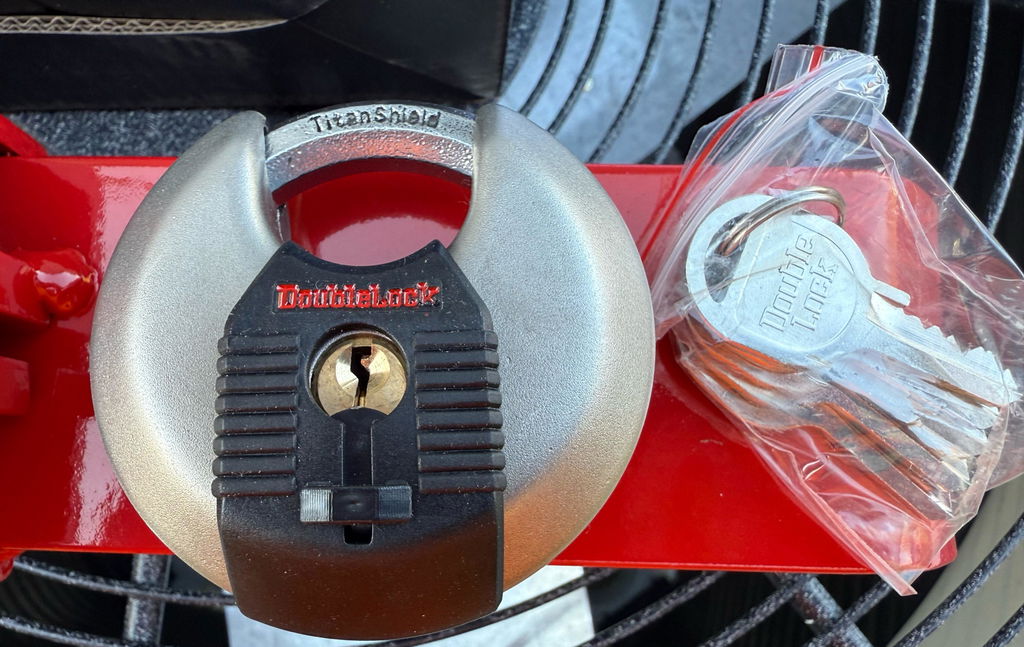
A quality lock is more than just a barrier; it’s a promise of security. It starts with solid construction, using materials like hardened steel that resist cutting, sawing, and corrosion. The lock’s mechanism, whether it uses a key or a combination, should be designed to prevent picking and tampering. When you hold a quality lock, you can often feel the difference in its weight and sturdy build. It’s about choosing a product from a company that prioritizes security in its design and manufacturing. This commitment to creating dependable products is what gives you confidence that your valuables are safe when you’re not around.
Where to Find DoubleLock USA
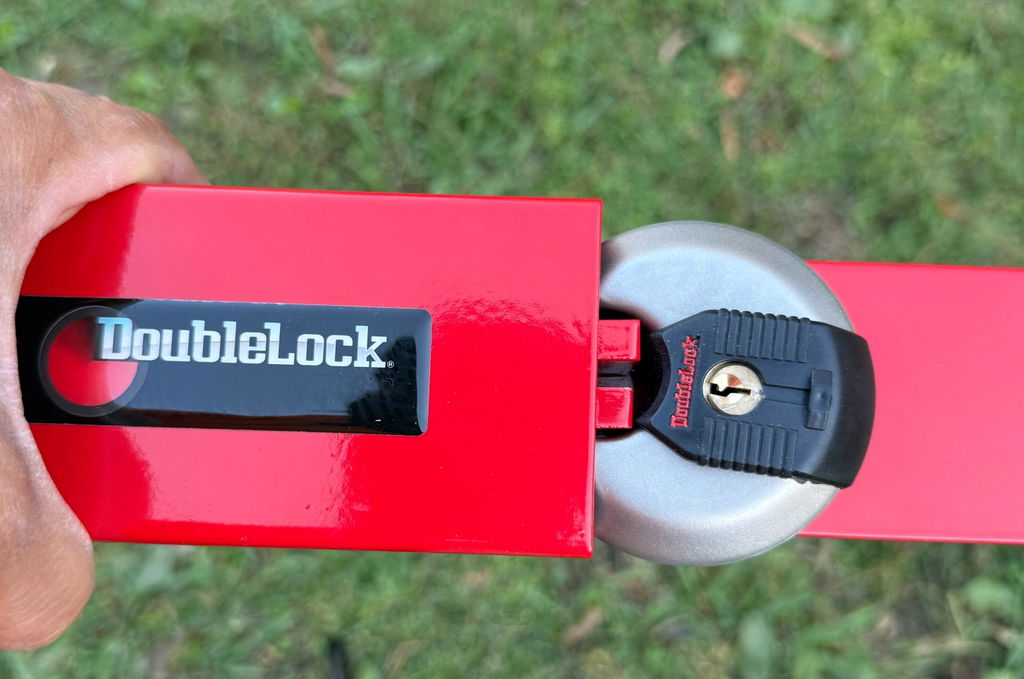
Great security shouldn't be hard to find. We’ve made sure our products are available where you already shop for your hardware and project needs. You can find a wide selection of DoubleLock USA products at major retailers across the country, including The Lowe's, Lowe's, and Northern Tools. This means you can easily pick up a reliable lock while you’re getting supplies for your next job or home project. Being able to see our locks in person allows you to feel the durable construction for yourself. Of course, you can also browse our complete collection of locks online to find the perfect fit for your specific needs.
Why Investing in Security Pays Off
It’s easy to think of a lock as a simple commodity, but its true value lies in the peace of mind it provides. The cost of a security failure, whether it’s stolen tools from a job site or personal items from a gym locker, goes far beyond the monetary loss. It’s also about the disruption and stress it causes. Investing in a high-quality, secure lock is a small, proactive step that prevents much larger problems down the road. It’s an essential part of protecting your property and ensuring your daily operations run smoothly, without the worry of theft. Our commitment to security is rooted in this understanding.
Related Articles
- 5 Types of Container Locks to Secure Your Cargo
- The Expert's Guide to Heavy Duty Brass Padlocks
- Padlocks: Heavy-Duty, High-Security Locks
Frequently Asked Questions
I just need a basic lock for my gym locker. Does the type I choose really matter that much? For short-term use like at a fitness center, you have more flexibility, but quality still counts. The main choice is personal preference: carrying a key versus remembering a combination. While a simple device can deter casual theft, it is wise to choose one with a solid body and a strong shackle. Even in a relatively safe environment, a well-made security device provides better peace of mind, letting you focus on your workout instead of worrying about your belongings.
Are keyed locks actually more secure than combination locks? In many cases, yes. A high-quality keyed mechanism is often more difficult to pick or force open than a standard combination dial. While combination models are convenient because they are keyless, simpler designs can have vulnerabilities. For securing high-value items, especially in a work or public setting, a robust keyed device made from hardened materials typically offers a higher level of defense against tampering. The best choice depends on balancing your need for convenience with the level of security required.
What should I do if I forget the combination to my lock? Forgetting a combination does not automatically mean the device is useless. Many modern combination mechanisms, especially from established brands, are designed to be reset. The process can vary, so your best first step is to check the manufacturer's website for instructions specific to your model. This feature is quite useful, allowing you to set a new code and continue using your security device without having to replace it.
My storage unit is outdoors. What is the most important feature to look for in a lock? When your security device will be exposed to the elements, weather resistance is the most critical feature. You should look for models specifically designed for outdoor use. These are typically made from corrosion-resistant materials like brass or have protective coatings over steel to prevent rust and seizure from rain and humidity. A quality weatherproof device ensures your mechanism continues to function smoothly and provides reliable security, no matter the conditions.
Why should I spend more on a security device when there are so many cheaper options? The price of a security device often reflects the quality of its materials and the integrity of its internal mechanism. While a less expensive option might seem sufficient, it may not hold up against a determined attempt at theft or fail when exposed to harsh conditions. Think of a quality device as an investment in the safety of your property. Paying a little more for a well-constructed product from a trusted brand provides dependable protection and prevents the much greater cost and stress that come with a security failure.