
Construction site theft costs the industry up to one billion dollars every year. A weak job box lock makes your expensive tools an easy target for professional thieves. You need heavy-duty security that stops a break-in before it starts.
Shop DoubleLock USA's heavy-duty security locks and secure your construction site tools today.
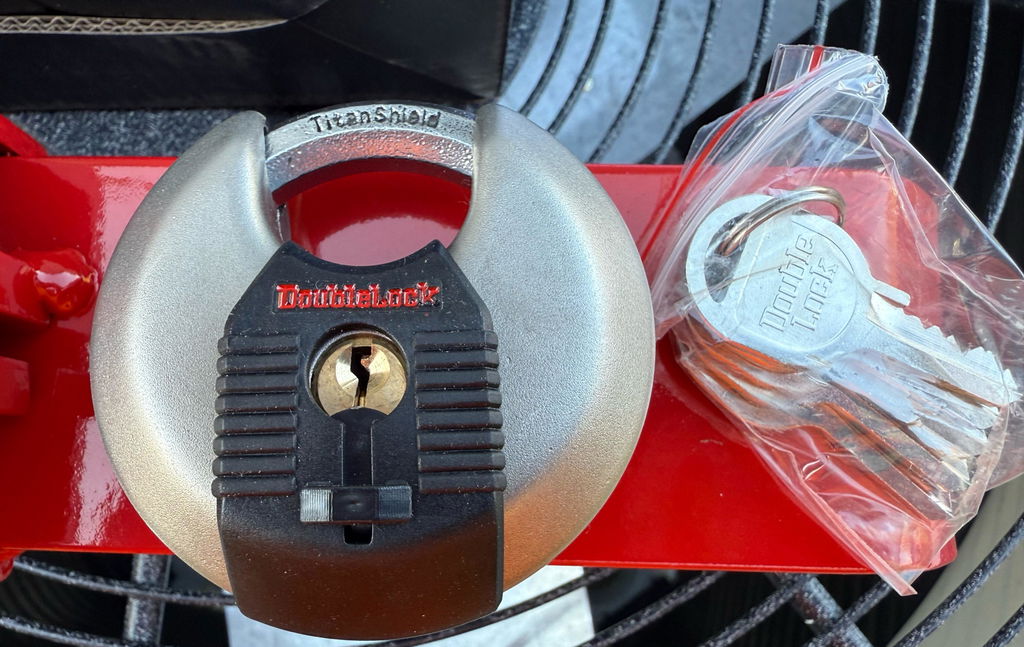
A job box lock is the most critical tool for protecting your gear from theft on a job site. Standard padlocks are easily cut with a pair of bolt cutters. A heavy-duty job box lock uses hardened steel and a recessed design to stop forced entry. These strong locks serve as a powerful defense against thieves who target sites with weak security. To keep your gear safe, regular inspections of job site storage units are essential for keeping your systems intact. By choosing a lock built for hard work, you ensure your tools stay where you left them. This active approach to security helps you avoid costly delays and the high cost of buying new tools during your project.
Choosing the right hardware involves more than just picking a lock that fits. You must know how different styles perform on the site and why a strong solution is needed. Knowing Why a Secure Job Box Lock Matters for Construction Tool Security is the first step in building a theft-proof job site. The path begins with
Why a Secure Job Box Lock Matters for Construction Tool Security
Construction sites are open targets for thieves. Large sites often have tools worth tens of thousands of dollars sitting in steel chests. A weak job box lock invites trouble. When a box is breached, the loss goes beyond just the cost of a saw or a drill. It hits your bottom line and your chance to finish the job on time.
Protect your jobsite assets with DoubleLock USA's heavy-duty security tools; shop our full list of locks today.
The high price of tool theft
Tool theft is a big drain on the building trade. Some reports show that tool theft costs between 00 million and billion every year in the United States. Buying a heavy duty job box lock is a small price to pay compared to these losses. Beyond the price of the tools, you also face the cost of higher fees and lost work hours.
Most pros find that spending a bit more on a lock now saves thousands later. It is often cheaper to buy a high-grade lock than to replace a single power tool. The total cost of theft includes the tool price, sales tax, and the time spent on the buy. These small costs add up fast and eat into your project profits.
Impact on your project schedule
When tools go missing, work stops. A crew cannot work without the right gear. This leads to delays that can trigger late fees in your contract. Using a strong padlock for job box security keeps your team moving and on track.
Tough locks mean you do not have to spend your morning filing police reports or rushing to the store for gear. According to the National Institute of Standards and Technology (NIST), safety systems should focus on risk cuts to keep sites running well. Secure sites keep your project on time and your crew busy.
Safety and insurance needs
A secure job site is a safe job site. Theft causes stress for your crew and can lead to safety slips if people try to work with the wrong tools. Loss of gear can also hurt the pride and trust of your team. Workers feel less safe when their site is easy to rob. Strong physical security is a key part of your plan.
Many policies need proof that you took steps to stop theft. If you use a cheap lock that is easy to cut, your claim could be denied. Following clear safety rules helps you stay covered and keeps your crew focused on the build. Investing in high-grade locks shows that you value site safety and high work standards.
How Does a Job Box Lock Recessed Housing System Work?
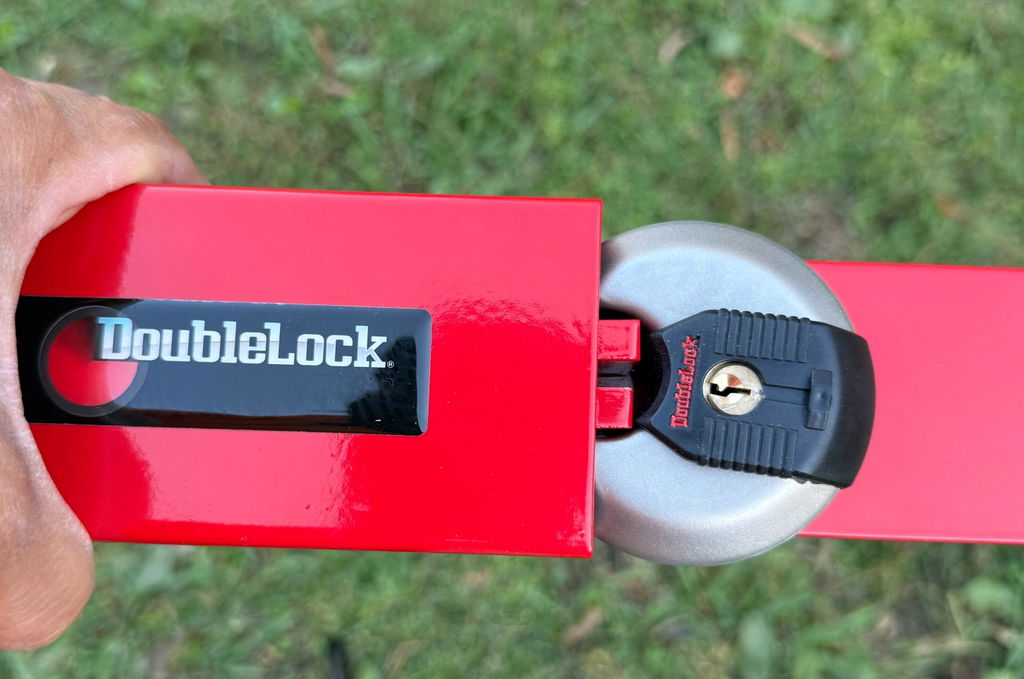
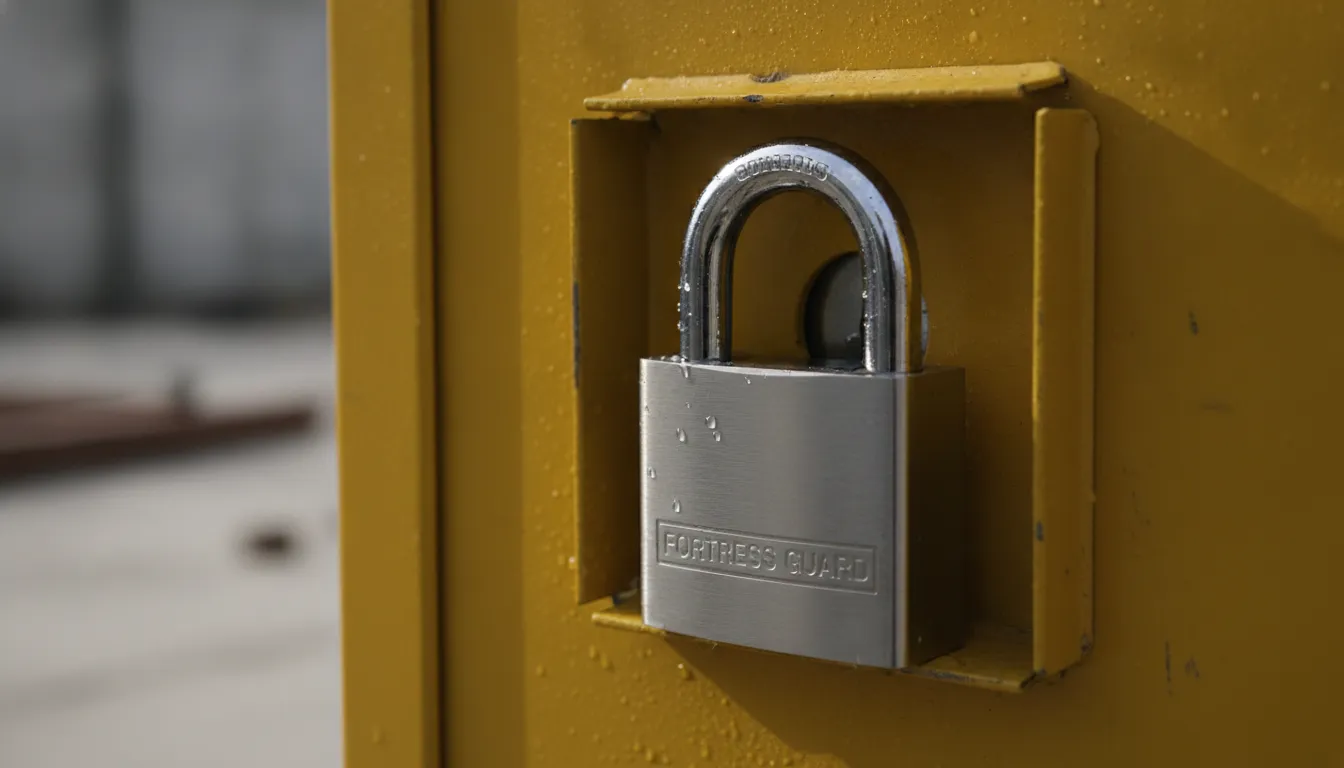
A recessed housing system shields a job box lock inside a thick steel pocket. This design keeps the padlock shackle hidden so bolt cutters and grinders cannot reach it. In brands like JOBOX and Knaack, the box skin acts as a shroud. Only the keyhole stays open, which forces thieves to find other ways to break in.
How the Shroud Keeps Locks Safe
The main goal of a recessed system is to hide the weakest part of a padlock. Most thieves use long bolt cutters to snap the shackle. By placing the lock inside a metal box, you remove the real space needed for these tools to grip the steel. The outer walls of the chest protect the RED HAWK ultra duty padlock from direct hits. This layout creates a wall that most hand tools cannot get past without making a lot of noise.
Grinders also face a tough time with this setup. A cutting wheel needs a clear path to the metal to slice through. The tight fit of the housing means the tool would hit the box frame before reaching the lock shackle. This layered defense makes a job box lock a strong block for any job site. The design forces a thief to spend more time on the task, which adds to the risk of being caught.
Hardware and Setup Needs
Setting up this system requires the right parts to keep the lock stable. For a JOBOX storage chest, you will need a lock holder and a one quarter inch by three inch bolt. You also need a lock washer and a nut to secure the pieces. These parts hold the lock in place so it does not rattle or shift when you move the box. Without these parts, the lock could fall out or jam the lid.
Using the right hardware ensures the lock works well with the heavy-duty needs of site storage. A loose lock can create gaps that a pry bar might use. For site bosses who need to buy in bulk, our wholesale quote page offers options for fleet safety. Choosing the same lock type for all boxes can help you manage keys more easily. Site managers often prefer Key Alike sets to save time when opening many chests each morning.
Keeping the System Strong
Even the best housing system needs regular checks to stay strong. Dust and grit from build sites can jam the moving parts. You should test the lock often to ensure it opens and closes without a hitch. Proper care extends the life of your gear and keeps your tools safe from theft. If the lock feels stiff, a small bit of dry lube can help it work well again.
Safety experts note that regular inspections of storage units are a key part of a safe work plan. Checking for rust or damage to the steel housing helps you spot risks early. A quick look each week can prevent a costly loss of gear later on. You should also check the bolt and nut to make sure they are still tight. A safe site starts with tools that stay where you put them.
What Are the Key Specifications for Shackle Fit and Clearance?
A proper job box lock must match the shackle thickness and clearance of your box’s lock housing. Most job boxes require a shackle size of 3/8 to 7/16 inches. Clearance is key to ensure the lock body fits inside the tough housing while still allowing you to turn the key.
Shackle Thickness and Fit
Choosing the right shackle size is the first step in job site safety. If the shackle is too thin, a thief can use bolt cutters to snap it easily. If it is too thick, it will not fit through the box's lock hole. Most heavy-duty job boxes work best with a shackle thickness between 3/8 inch and 7/16 inch.
Heavy duty locks like the RED HAWK Ultra Duty Padlock use hardened steel shackles to resist cutting. These locks are built for the heavy-duty nature of job site storage. Using a lock with the right fit helps ensure your tools stay safe from theft. This is vital since secure on-site storage reduces the risk of tool theft and keeps your site in good order.
Lock Body Width and Housing Clearance
Job boxes often have a small lock area to protect the lock from power tools. You must measure the width and depth of this space before you buy a lock. A lock body that is too wide will not slide into the box. A body that is too tall might prevent the box from closing or locking.
The padlock for job box use cases should account for both height and width. For example, the FALCON X is designed to fit into tight spaces while still offering high safety. Checking these specs ensures your job box lock security for shipping containers or tool chests works as it should.
Comparing Security Specs
Not all locks offer the same level of protection. Standard brass locks are common but often fail under pressure. High-safety steel locks provide much better strength against forced entry. This is a key part of keeping workers safe on the job. The CDC notes that job site workers are essential and need safe working conditions. Part of that safety is knowing their tools are secure.
| Feature | Standard Brass Lock | DoubleLock High Security |
|---|---|---|
| Material. | Soft Brass. | Hardened Alloy Steel. |
| Shackle Size. | 1/4 to 5/16 inch. | 3/8 to 7/16 inch. |
| Drill Strength. | Low. | High with Anti-Drill Plates. |
| Cut Strength. | Standard. | Ultra-High (Hardened). |
| Weather Rating. | Basic. | Heavy Duty. |
Weather Strength and Toughness
Job sites expose locks to rain, dust, and mud. A lock must work well even in bad weather. Standard locks can rust or jam, which wastes time on the job. High-safety locks often use special coatings or materials like stainless steel to stop rust.
Employers should regularly assess working conditions to ensure safety and speed. This includes checking that all locks work well. If a lock jams, it can cause stress and delays for the crew. Choosing a lock built for the outdoors is a smart move for any site manager. This ensures your tools are ready when you need them most.
Measuring Your Box for the Best Fit
To find the right fit, you will need a tape measure. First, measure the distance from the back of the lock hole to the front of the box. This is your depth. Then, measure the width of the lock area. Use these numbers to pick a lock that fits with some room to spare. A lock that is too tight might be hard to use when your hands are cold or you are wearing gloves.
Checking these specs for job box lock setup saves time. It prevents you from buying a lock that you have to return later. Good planning keeps your site running well and your tools safe.
How Do You Install and Secure a Padlock in a JOBOX Storage Chest?
To secure your JOBOX, you must mount a top-grade padlock inside the housing. Use a lock retainer and a 1/4-inch by 3-inch bolt for a firm fit. This setup prevents thieves from cutting the lock. Proper hardware like lock washers and nuts ensures your job box lock stays in place. Choosing the right parts is the first step to guarding your site tools.
Tools and Parts You Need
A secure setup starts with the right parts. You will need a lock retainer that fits the brand of your chest. You also need a 1/4-inch by 3-inch long bolt, a 1/4-inch lock washer, and a 1/4-inch nut. These parts keep the lock tight against the steel walls. Using the right padlock for job box storage ensures that your tools remain safe from theft. Most pro chests use these exact sizes to ensure the lock cannot be moved once it is set.
Heavy duty locks made of tough steel are best for this task. Look for locks with a short shackle. This makes it harder for a thief to reach the lock with a tool. High-grade security is about more than just the lock. It is about how well that lock fits the chest. A tight fit means no gaps for a crowbar or saw. Using the right bolt and nut is just as vital as the lock itself.
Step-by-Step Guide
Follow these steps to mount your lock the right way. This process protects the padlock from bolt cutters and prying tools. Make sure you have all your tools ready before you start the work.
- Open the chest and find the lock housing on the front wall of the box.
- Place the padlock inside the lock retainer so the shackle faces the latch.
- Hold the retainer and the lock against the holes inside the steel housing.
- Slide the 1/4-inch bolt through the chest wall and into the hole on the retainer.
- Thread the lock washer and the nut onto the bolt from the inside of the box.
- Tighten the nut with a wrench until the lock is firm and does not move at all.
- Close the lid and test the lock to make sure the shackle catches the latch.
Testing the lock is a key step. You want to be sure the lid locks tight every time. If the lock is loose, the lid might not stay shut. Adjust the bolt and nut if you feel any play in the lock. A solid fit means your gear stays safe all night.
Improving Your Site Safety
Safety for your tools is a big part of any site plan. Good safety programs focus on stopping risks and steady checks of gear to avoid losses. Checking your job box lock for wear or rust each week helps prevent failures. Rust can make a lock hard to open or easy to break. A drop of oil in the key hole once a month can keep things moving well.
For large crews, using locks with the same key can save time. This allows one key to open every box on the site. This makes it easier for the boss to check gear at the end of the day. It also means you do not have to carry a large ring of keys. Simple steps like this make your site more secure and your job easier.
Frequently Asked Questions
Are job box locks bolt-cutter proof?
No lock is fully undefeatable, but job box locks act as a powerful deterrent. Most site chests use a hidden housing that protects the shackle. This makes it very hard for a thief to reach the lock with bolt cutters. Using a high-grade lock like the RED HAWK adds more strength. According to JOBOX, the best safety comes from a mix of tough locks and proper setup. This makes theft much harder and keeps your gear safe.
Can I use a combination padlock on a job box?
You can use a dial lock, but it may not be the best choice for site safety. Many dial locks are not built for the heavy-duty nature of a construction site. They can jam when mud or dust gets into the gears. Keyed locks often provide better strength against forced entry. For large sites, you can buy locks that use the same key. This makes tool checks easier for site managers. It ensures your tools stay secure without the risk of a jammed dial.
Do I need a special lock for a Knaack or JOBOX storage chest?
Most pro chests work best with a high-security padlock designed for job site use. You do not always need a brand-name lock, but you must find one that fits the shackle and housing specs. A standard lock from a local shop may be too weak or small. Using a heavy-duty lock helps with reducing the risk of tool theft and keeps your site in order. Look for locks made of hardened steel to resist saws and drills.
How do I keep my job box lock working in bad weather?
Regular care is the key to a long-lasting lock. Rain, dust, and mud can cause a lock to rust or jam over time. You should check your locks once a week to ensure they move freely. A small amount of dry oil or spray can keep the internal parts from sticking. According to the NIST, safety systems must include regular checks to stay useful. This simple step prevents delays and ensures you can get to your tools when you need them.
Ready to secure your jobsite equipment and fleet tools?
Theft on a job site can halt your work and drain your budget in just one night. Most stolen gear is never found, and buying new tools takes time that your team does not have to spare. Act now to put better locks in place so your crew can stay on the build next week.
Ready to secure your jobsite equipment and fleet tools? Call (561) 289-4865 to talk to a security expert and secure your jobsite equipment and fleet tools today. You can also visit our wholesale page to request a quote for your fleet gear. Our team can help you pick the right locks to keep your crew safe and your project moving forward without any delays.
.