
How to secure an enclosed tool trailer involves creating a layered defense that prevents both towing and unwanted entry. To stop thieves from hauling the trailer away, you must use a high-quality coupler lock to secure the hitch. Secondary measures like wheel boots or heavy-duty chains through the rims prevent the trailer from rolling. You should also secure the rear ramp and side doors with shrouded padlocks that resist bolt cutters. According to the Berkeley County Sheriff's Office, unmarked white or black trailers are prime targets because they are easy to resell. You can further reduce risk by parking in safe spots and using GPS units for real-time tracking. This mix of physical barriers turns your gear into an unacceptable target.
How To Secure An Enclosed Tool Trailer: Understanding the Threat: Why Enclosed Tool Trailers Are Overnight Targets
Your enclosed trailer is more than just a box on wheels. For a thief, it is a high-value prize that is often easy to take. Most people think their gear is safe behind a closed door, but the truth is different. Enclosed tool trailers are prime targets for theft because they are common and hard to track. Learning how to secure an enclosed tool trailer starts with knowing why thieves choose them in the first place.
High risk zones for theft
Thieves look for assets that are left alone for many hours. Data from the Berkeley County Sheriff shows that stolen trailers are most often taken from jobsites or business yards after hours. These spots are dark and quiet at night. This gives a crook enough time to cut a lock or hook up a truck without being seen. Even a fenced yard is not always safe if it lacks strong locks or bright lights.
Job sites are a major focus for these crimes. A single trailer can hold many thousands of dollars in power tools and heavy gear. When you leave your tools on a site overnight, you rely on the strength of your locks. Without a plan to secure your enclosed tool trailer, you are leaving your work gear at risk. It only takes a few minutes for a pro to move a trailer that does not have a high-quality lock.
Why plain trailers lead to fast sales
Most enclosed trailers are plain white or black without any markings. While this looks clean, it makes them very easy to steal. A plain trailer is hard for the police to find once it hits the road. Thieves prefer these unmarked units because they can blend in with traffic. They can also sell them fast to pawnshops or other shops that do not ask questions. A trailer without logos or paint is a blank slate that is easy to flip for cash.
The goal of any security plan is to make your asset an unacceptable target. You want the thief to look at your setup and decide it is too much work to take. By using heavy-duty locks and clear markings, you force a crook to move on to an easier target. This plan does not mean your gear is not able to be stolen, but it raises the risk for the thief. In the world of security, making a thief's job harder is often the best way to keep your tools safe.
When you need to buy new gear for your site, you might look at stores like Lowe's for basic needs. But for specialty security, you need purpose-built locks. Strong locks act as a loud signal that you take your assets seriously. This first line of defense is what keeps your business running while you sleep.
What Is the Best Way to Prevent Enclosed Trailer Theft?
Thieves look for easy wins when they scout a jobsite or a yard. Many trailers are stolen from yards or home lots where they are left alone after hours. Plain white or black trailers are high-risk because they are hard to find and easy to sell to pawn shops. The best way to stop this is to make your gear an unacceptable target.
Creating a Layered Defense
A single lock is not enough to stop a career thief. You need a layered plan to protect your tools. This means using many tools to slow a thief down. Each lock acts as a new wall for them to break. If the job looks too hard, the thief will often move to an easier target. This plan turns a high-value trailer into a risk that is too big for most crooks to take.
- Lock the tongue and coupler. Use a strong hitch lock to stop a thief from hooking their truck to your trailer. This is the first line of defense against a tow-away theft.
- Secure all doors. Enclosed trailers have side and rear doors that need help. Use heavy padlocks on every latch to stop people from prying the doors open with a bar.
- Lock down the wheels. Use a wheel boot or chain the wheels to a fixed pole to stop the trailer from rolling. A trailer that cannot move is much harder to steal.
- Pick a safe spot to park. Do not leave the trailer in a dark corner. Park in a bright area where others can see the trailer at night to scare off prowlers.
- Use a tracking device. Put a GPS tool inside the trailer frame. This helps you find your gear and helps the police if someone does take the unit.
Choosing the Right Locks
Not all locks are built the same way. You want gear that can stand up to bad weather and heavy use. Look for locks that use thick steel and have a high rating for safety. Using a good lock helps you feel sure that your gear is safe when you are not there. Strong locks are built for the tough needs of a jobsite.
Why Multiple Layers Work
When you secure your enclosed tool trailer with these steps, you raise the cost of the theft. Most thieves want to be fast and quiet. If they see three different locks, they know the job will take too much time and make too much noise. This layered plan is the best way to keep your tools safe on a mobile jobsite.
It also helps to mark your trailer in a clear way with your brand or name. This makes it easy for the law to find your asset if it goes missing. You can get more gear at pro shops like Northern Tool to help keep your tools where they belong. Keep in mind that proper lock upkeep is also key to making sure your gear stays working for years.
Layer 1: Immobilizing the Coupler and Hitch Assembly
Stopping a tow-away theft starts at the front of your rig. If a thief cannot hook up to your trailer, they cannot drive away with your tools. Many people ask, "What is the best way to prevent enclosed trailer theft?" and the answer often begins with mechanical locks. These devices physically block the coupler from dropping onto a ball or secure the kingpin so no one can haul it off. Using mechanical locks like tongue locks is one of the most effective ways to deter a thief according to law enforcement guidelines.
Coupler locks: the first line of defense
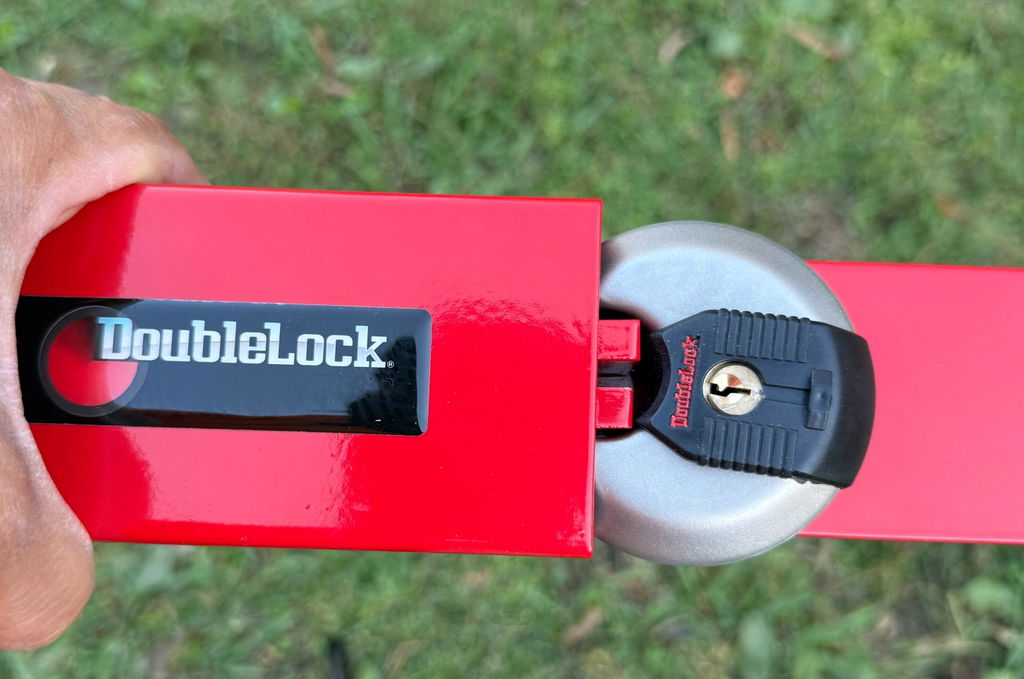
A coupler lock fits over or inside the trailer tongue. It prevents a thief from attaching their truck and hauling your equipment away. These locks must be tough enough to resist prying, drilling, and bolt cutters. Because many trailer theft deterrent strategies rely on slowing down a thief, a heavy lock is key. If you want to know how to secure an enclosed tool trailer properly, you should choose a lock that covers the entire coupler to block access to the hitch.
For fleet owners and large rigs, a kingpin lock is a better choice. These locks slide over the pin of a fifth-wheel or gooseneck trailer. Products like the LION Kingpin trailer lock use heavy steel to stop unauthorized towing. These devices are built to last in the rain and sun, which keeps them working as a strong deterrent for years.
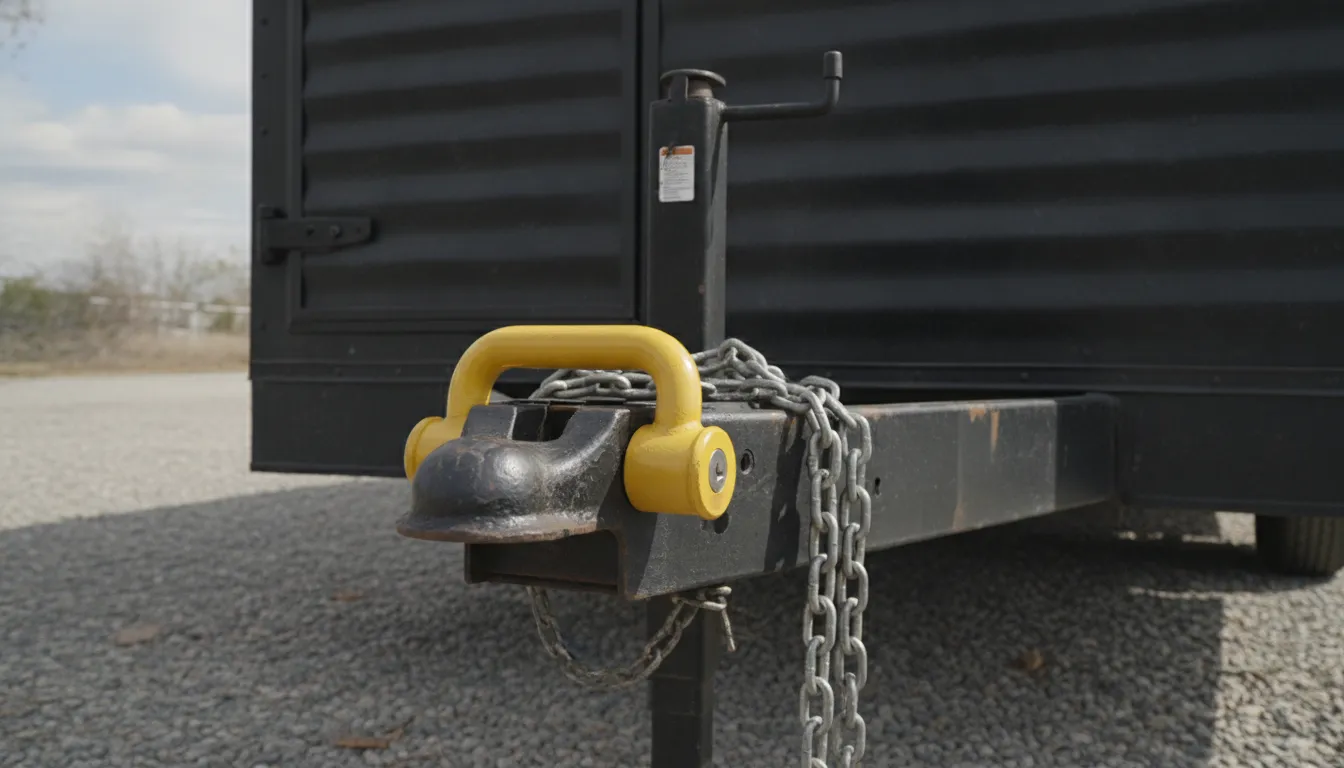
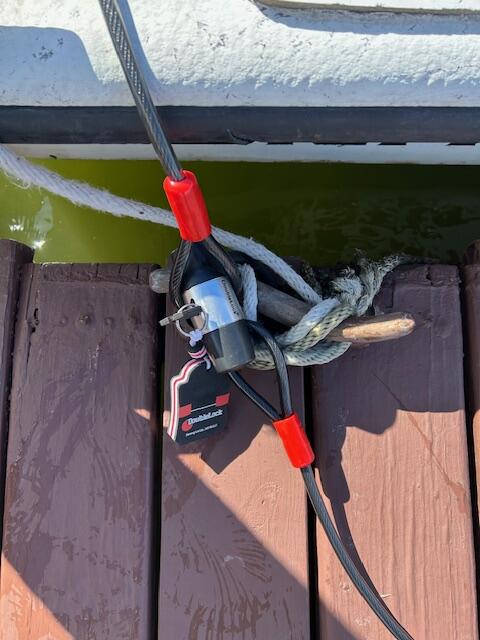
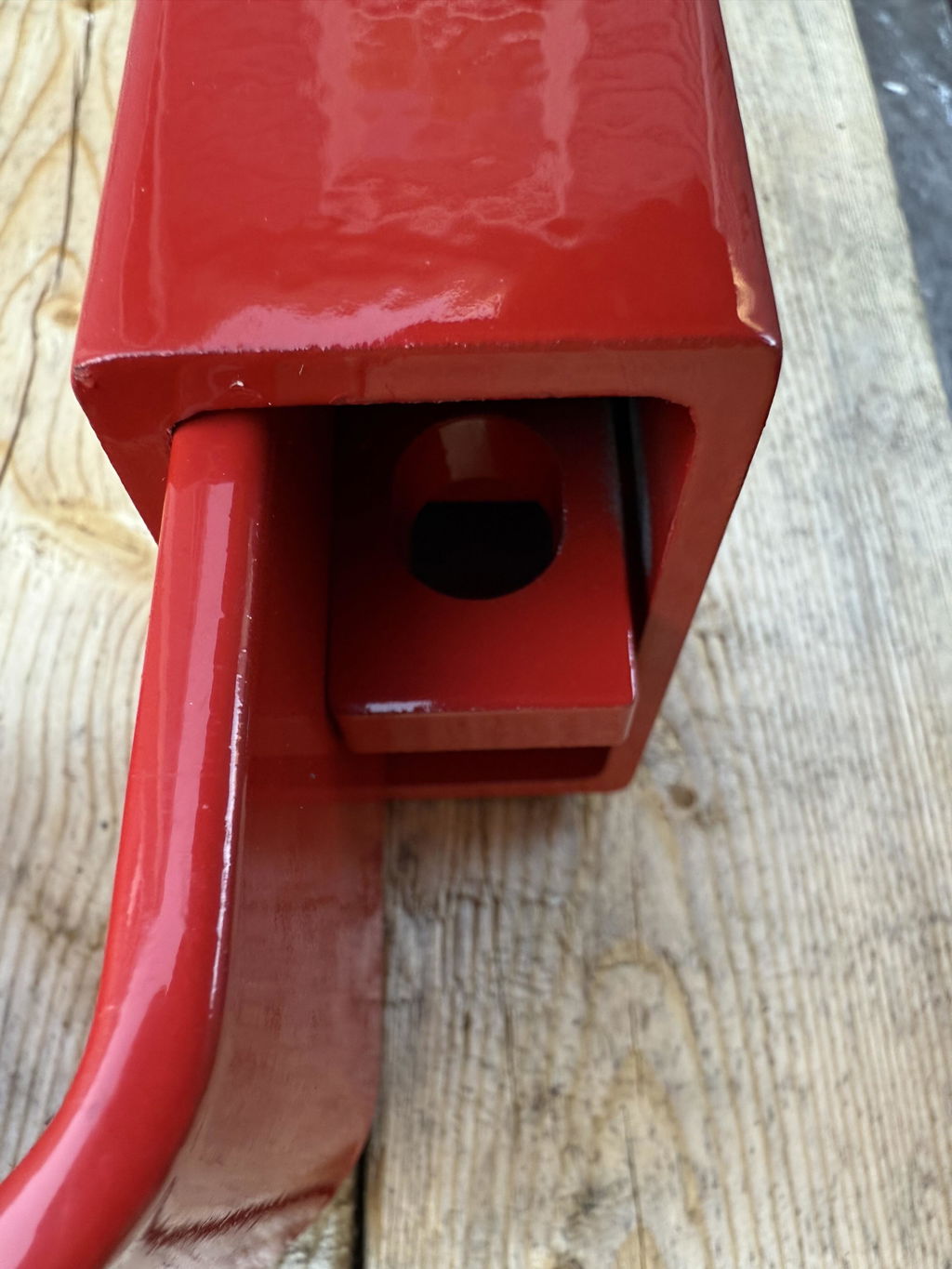
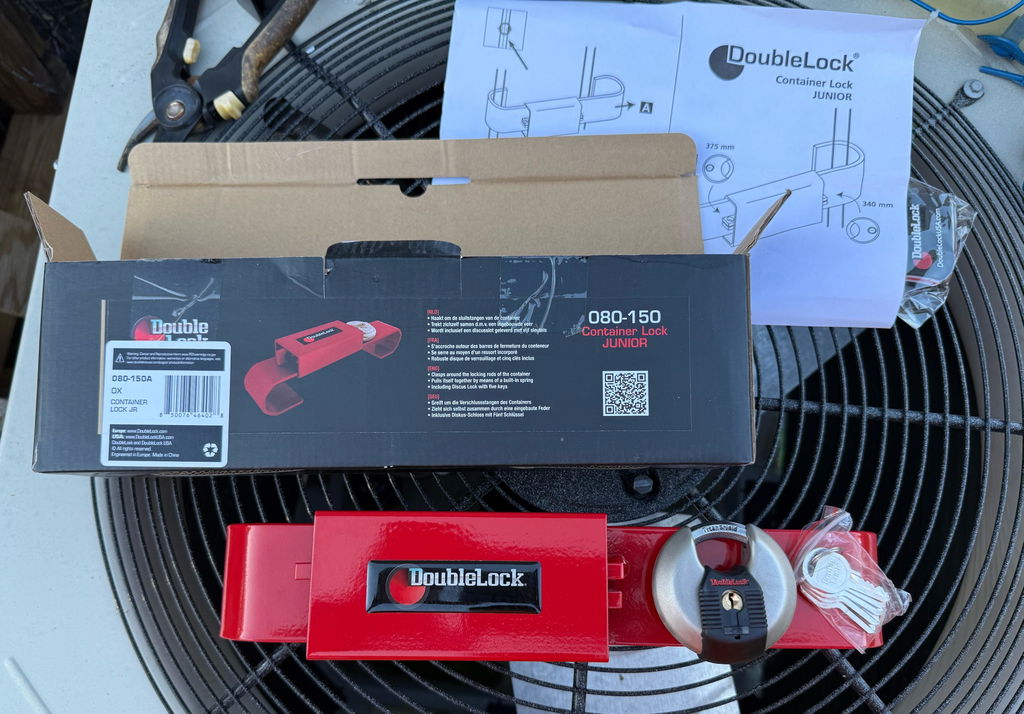
DoubleLock industrial-grade coupler lock providing maximum physical deterrence.
Selecting a bull-strong coupler lock
Not all locks offer the same level of protection. Some thin locks can be cut with simple hand tools. To get the best security, look for shrouded designs that hide the shackle of the lock. This makes it much harder for a thief to use a grinder or saw. You can find a high-quality tongue lock for tool trailers that uses a solid core to resist heavy force. The table below shows how different lock types compare in security and use.
| Lock Type | Best Application | Security Level | Theft Resistance |
|---|---|---|---|
| Standard Coupler Lock | Personal Utility Trailers | Basic | Resists basic hand tools. |
| Kingpin Lock | Large Fleet Trailers | High | Blocks all towing attempts. |
| Shrouded Trailer Lock | High-Value Tool Trailers | Maximum | Defeats saws and grinders. |
| Universal Ball Lock | Mixed Trailer Fleets | Medium | Stops hitching to most balls. |
When you buy a lock, check for a weather-resistant finish. This is vital if you park your trailer outside at jobsites or in yards. A rusty lock is easier to break and may fail when you try to open it. By using a strong trailer lock from the collection, you make your gear an unacceptable target. This simple step protects your livelihood and ensures your tools stay where they belong.
Layer 2: Securing Doors and Outer Access Points
Factory latches on enclosed trailers are not very strong. They often use thin metal that a simple pry bar can break. If you want to know how to secure an enclosed tool trailer, you must look at these entry points first. Thieves target side and rear doors because they can get to your tools in seconds.
Upgrading your door hardware is a smart move. You can replace standard hasps with thick steel plates. These plates make it much harder for a thief to find a gap. When you use strong trailer locks, you force the crook to spend more time. This often leads them to find an easier mark.
Fix weak factory door latches
Most stock latches on tool trailers are built for ease of use rather than high safety. They are easy to cut or bend with basic hand tools. To stop this, you should set up heavy duty security locks that cover the latch itself. This adds a layer of metal that protects the door.
You should also think about the screws and bolts that hold the latch to the trailer. If they are on the outside, a thief can just unscrew them. Use carriage bolts with the nuts on the inside of the trailer. This small change makes it much harder to remove the whole lock from the door.
Use heavy duty shrouded locks
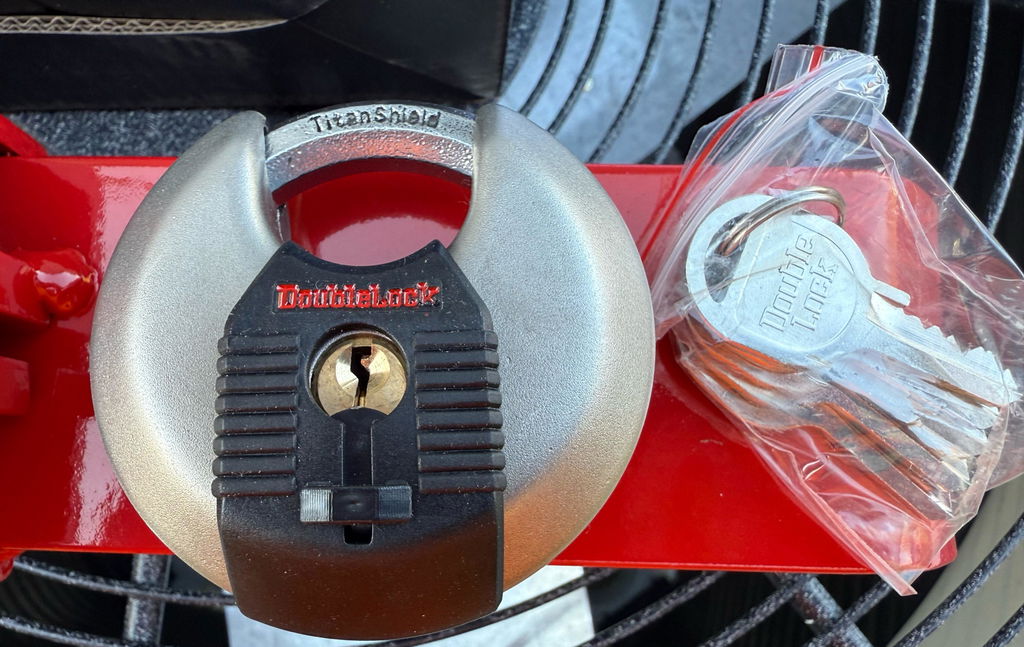
A shrouded padlock is a great tool for door safety. These locks have a metal shield that wraps around the bar. This design leaves very little room for a bolt cutter to get a grip. Products like the DoubleLock RED HAWK or the FALCON X are built for this job. They use tough steel and a "Strong Locks, No Bull" design to keep your gear safe.
Puck locks are another top choice for rear barn doors or side doors. These round locks fit into a special hasp that covers the whole lock body. Since there is no exposed bar, a thief cannot use a saw or cutter to break it. This kind of physical deterrent is a key part of any good plan.
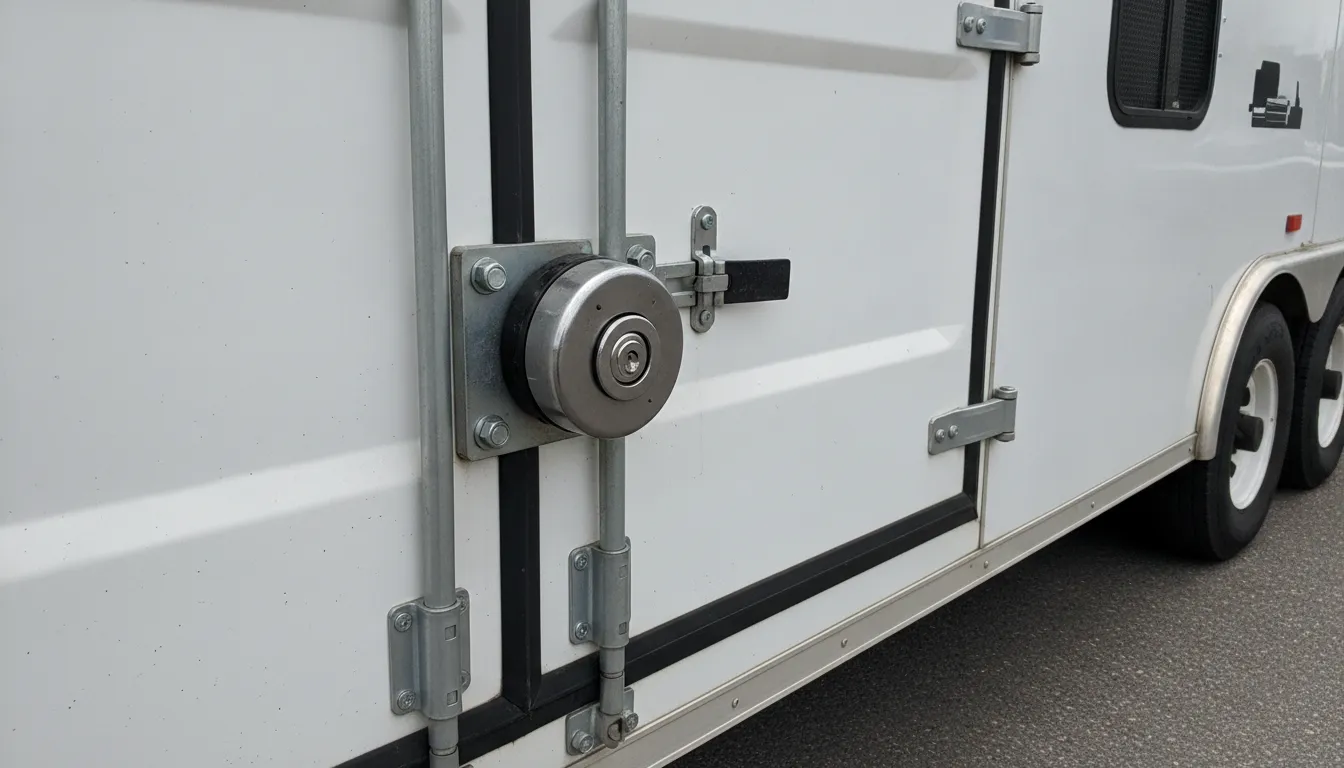
Heavy-duty puck lock design eliminates exposed shackle area to defeat bolt cutters.
Stop pry and bolt-cutter tools
Your goal is to make your trailer an unacceptable target. Thieves at a jobsite or in a yard want a quick and easy win. When they see a shrouded lock or a puck lock, they know the job will be hard. Most will move on to a trailer with a cheap, exposed lock instead. This is how you win against a crook.
Using a layered defense is the best way to keep your tools where they belong. Secure the coupler, but do not stop there. Locking your doors with the right hardware adds a second layer of safety. This plan keeps your business running and your tools safe from harm.
How to Secure a Toolbox in an Enclosed Trailer?
Locking the outer doors of your trailer is just the first step in a good safety plan. You also need to secure the gear inside the shell. If a thief breaks the door locks, they should still find it hard to take your tools. Proper storage inside keeps your gear safe and stops it from rolling while you drive. This is a key part of knowing how to secure an enclosed tool trailer when you leave it at a jobsite.
Anchor large toolboxes to the floor or walls
Large tool chests are heavy, but they can still move or be rolled out quickly. You should bolt your main toolbox directly to the trailer floor or to the wall studs. This stops a thief from simply wheeling the whole chest out of the rear ramp. If you do not want to drill holes, you can use E-track systems to create strong tie-down points. These tracks let you use heavy-duty straps to hold large items in place. This setup is a key part of securing your enclosed tool trailer from both theft and road damage.
When you use straps, choose ones with a high break strength. Check the straps often to make sure they are not frayed or loose. Using inside anchors makes sure that even if the outer shell is breached, your most costly assets stay put. You can find high-quality strap kits and mounting hardware at specialty stores like Northern Tool.
Use secondary locks for high-value gear
Costly power tools and gear need an extra layer of safety. You can use steel cables or thick chains to lock these items to the trailer frame. A strong cable lock through the handles of your gear makes it much harder to grab and go. The Purdue University Extension suggests using real barriers like these to make your assets an unacceptable target. Small lock boxes for hand tools can also be bolted to the inside work bench for extra safety.
For very costly gear, think about using a lockable cage inside the trailer. This creates a room within a room that a thief must get through. Using heavy duty security locks on these inner cages adds time to a theft attempt. Most thieves want to be fast, so adding more steps will often make them give up and leave.
Organize for balance and safety
How you place your tools affects how safe they are on the road and at the site. Keep the heaviest items over the axles to keep the trailer stable while you drive. Use ratchet straps to tighten down any loose items before you leave for the night. This stops tools from sliding against the side doors, which can make them easier to pry open from the outside. A neat trailer is also easier to check for missing items at the end of the day.
- Bolt large chests to the floor or wall studs for the best hold.
- Use E-tracks and ratchet straps to stop gear from rolling.
- Lock single power tools to the trailer frame with steel cables.
- Store high-value items in a second bolted-down lock box.
- Keep the trailer inside well-lit to stop thieves who manage to get in.
When every tool is tied down or bolted, a thief will see that the job is too hard. Inside anchors provide the final line of defense for your gear. This layered approach is the best way to protect your business assets and keep your crew working.
Layer 3: Defensive Parking and Wheel Immobilization
Security is not about being unhackable. Instead, it is about being an unacceptable target. When you learn how to secure an enclosed tool trailer, you must look at how you park. Thieves often target plain white or black enclosed trailers because they are easy to steal and sell as noted by Berkeley County Sheriff. Proper parking acts as a strong visual deterrent.
Defensive parking strategies
Smart parking makes your trailer hard to move. You should park with the rear doors facing a solid wall or a fence. This move blocks access to your gear and keeps thieves from opening the trailer. Also, you can back the trailer into a tight corner. By doing this, you make it hard for a thief to fit a truck in front of your hitch.
Supervised areas are best for overnight stops. A security-conscious approach to parking an enclosed trailer involves choosing well-lit spots. High-visibility areas discourage thieves who want to work in the dark. If you park on a jobsite, try to place the trailer between other heavy vehicles. This creates a physical cage that prevents a quick tow-away.
Mechanical wheel immobilization
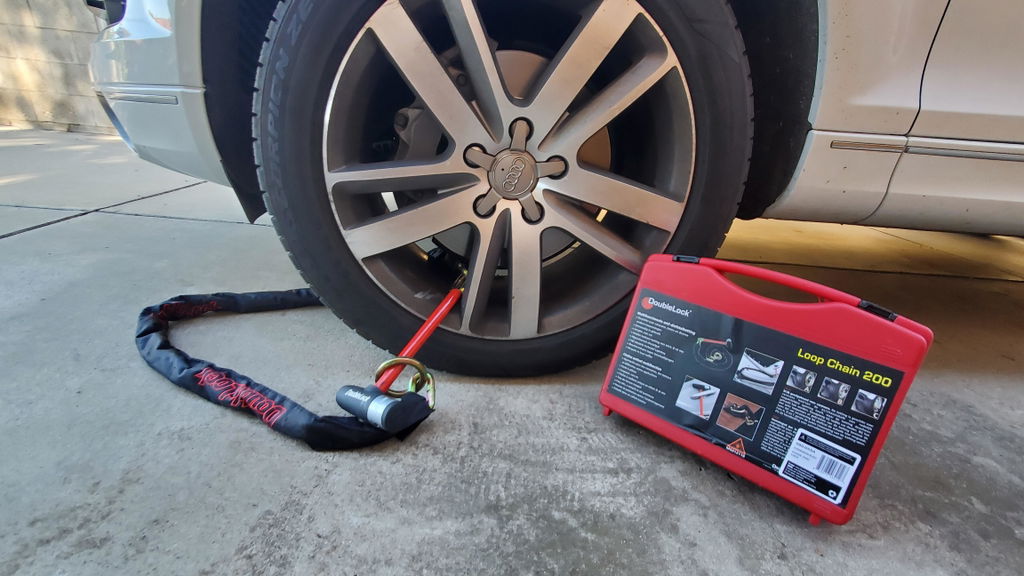
Mechanical deterrents stop a trailer from rolling even if a thief gets past the hitch lock. You can use heavy chains or boots to lock the wheels in place. Chaining wheels to a fixed, immovable object like a post is a very effective way to hinder theft. This step adds a layer of defense that is difficult to overcome without loud power tools.
Wheel boots provide a clear sign that your trailer is not an easy mark. These locks clamp onto the wheel to prevent it from turning. While no lock is perfect, heavy duty security locks on your wheels make the theft take too much time. Most thieves will move on to a less protected target when they see a boot. You can find these tools at specialty retailers like Northern Tool for professional trailer gear.
Frequently Asked Questions
How do I mount tools to thin trailer walls?
You can mount tools to thin trailer walls by adding plywood backer panels first. Locate the metal wall studs and screw the plywood into these studs to create a strong base. This helps spread the weight and prevents screws from pulling out of the thin metal or wood skin. Once the panels are in place, you can attach brackets or hangers. This method keeps your equipment secure while the trailer is in motion.
What makes a trailer an easy target for thieves?
Thieves often target plain white or black trailers because they are hard to track and easy to resell. According to the Berkeley County Sheriff's Office, unmarked trailers are prime targets because they blend into traffic. These trailers often lack heavy-duty locks, which lets a thief quickly cut a factory latch. Using bright colors or clear branding can make your trailer less attractive to career criminals looking for a fast win.
Is GPS tracking worth it for tool trailers?
GPS tracking is a vital secondary layer for any high-value trailer. While physical locks prevent theft, a tracker helps you recover your property if a thief bypasses those barriers. Many modern units send alerts to your phone the moment they sense movement. This data is critical for police work and insurance claims. Combining a tracker with rugged physical security makes your mobile jobsite an unacceptable target for most opportunistic thieves.
What are secure storage ideas for enclosed tool trailers?
Effective storage uses wall-mounted shelving and modular bins to keep items off the floor. You can use E-track rails on the walls to create adjustable tie-down points for larger equipment. Gravity locks or latching systems for drawers stop tools from sliding out during transit. For high-value items, consider bolting a small steel lockbox to the trailer frame. These methods keep your tools organized and add an extra layer of protection if someone enters the trailer.
Ready to secure your enclosed tool trailer?
Losing your tools overnight can stop your work for days and cost thousands in lost gear. Theft happens fast when a trailer is not locked well, but a strong plan makes your rig a hard target. You get peace of mind when you use pro-grade locks that stop thieves before they start. Setting up the right gear now saves you from the stress and high costs of a stolen trailer later. High-quality locks make sure your tools stay where they belong so you can start your next job on time without any setbacks. Every night you wait is another chance for a thief to strike, so act now to protect your livelihood and keep your business moving forward.
Ready to partner with DoubleLock USA for premium, bull-strong trailer and fleet security solutions, or shop our online catalog to secure your tools today? Contact us for a fleet quote to get a free consultation.