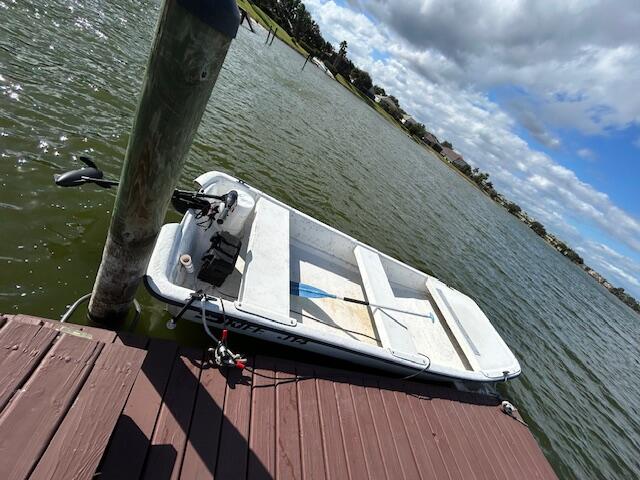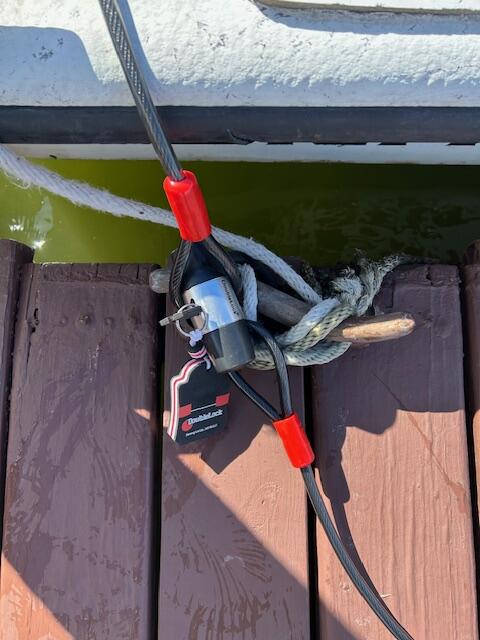



A dock box keeps tackle, tools, and safety gear close at hand. But its convenience also makes it an attractive target when the lock or mounting point looks easy to defeat. A secure setup must protect the box, the hardware, and the dock connection as one system.
Shop marine-grade dock box locks now
To understand how to secure a boat dock box, anchor the box firmly and install a heavy-duty hasp or cross bar. Pair it with a shielded, marine-grade lock that resists bolt cutters and saltwater corrosion. Make the attack take more time, create more noise, and increase visibility.
Lightweight hasps and ordinary padlocks leave weak points that thieves can exploit. The right approach starts by recognizing what makes dock storage vulnerable, then matching the mounting and locking hardware to that risk.
Why Dock Boxes Are Prime Theft Targets
A dock box looks like simple storage, but thieves see a fast payoff. Owners often fill these containers with cordless tools, fishing tackle, downriggers, portable electronics, spare batteries, and other gear that moves easily and sells quickly. When the box sits beside a dock with a weak latch or no lock, it presents an easy opportunity.
The Missouri State Highway Patrol describes marine theft as a crime commonly committed by opportunistic thieves who strike when equipment remains accessible and security looks weak. That reality changes the question from whether a dock box contains valuable gear to how much resistance it presents before a thief walks away. A box that opens in seconds invites trouble. A box that forces a thief to spend time, make noise, and work in plain view creates a different risk calculation. Marine theft-prevention guidance identifies those three deterrents as TIME, NOISE, and VISIBILITY.
TIME: Make access slow and difficult
Every extra step matters. A flimsy latch takes almost no effort to defeat. A visible, high-quality lock and properly fitted security hardware force an intruder to bring tools, apply force, and remain at the dock longer. That delay increases exposure and makes the box less attractive than an unsecured target nearby. Physical security does not make any container undefeatable, but it raises the effort required to reach what sits inside.
NOISE: Turn a quiet theft into a risky job
Cutting, prying, and striking hardware create attention. A thief who expects a silent grab may abandon the attempt when the lock, hasp, or mounting point resists. Choose hardware that withstands real force instead of relying on a decorative latch that fails at the first attack. The goal is straightforward: make unauthorized access loud, slow, and conspicuous.
VISIBILITY: Show that the box is protected
Security should be obvious before anyone touches the lid. A substantial lock, protected hasp, and clean installation signal that the box is not an easy target. Visible security also helps owners spot tampering during routine dock checks. Combine that deterrent with good habits: keep the lid closed, avoid leaving high-value gear exposed, and inspect the lock after storms or heavy use.
Start with hardware built for the marine environment and match the lock to the box, dock, and gear inside. Explore DoubleLock USA's marine security collection for purpose-built protection that supports a stronger dockside security plan.
How to Secure a Boat Dock Box on Any Dock Surface
A strong padlock cannot protect a dock box if someone can pry it loose or tear the hardware from weak material. The mounting point carries the entire security system. Anchor the box first, then choose a hasp and lock that match the exposure and the value of the gear inside.
Start by inspecting the dock surface and the box frame. Select heavy L-brackets or custom-fabricated steel brackets that spread force across a broad area. Position the brackets where they connect to the box's structural members, not only to a thin wall or lid. On a fixed dock, place the hardware where an intruder cannot easily reach the fastener heads from outside the secured area.
Use through-bolts or permanent inserts
Do not rely on ordinary wood screws for a theft-resistant installation. Wood screws offer a convenient fit, but an attacker may be able to pull them from a timber deck or pry the bracket away from the box. Instead, through-bolt the bracket with stainless hardware and install backing plates or large washers on the opposite side. The backing distributes force and reduces the chance that the fastener will pull through.
When through-bolting does not fit the box or dock design, use machine screws with properly installed epoxy inserts. The insert creates a more durable threaded mounting point than a screw driven directly into wood or thin material. Follow the insert and adhesive manufacturer's cure instructions before loading the box or tightening the final hardware. A rushed installation creates a weak point before the lock ever goes into service.
Choose marine-grade mounting hardware
Saltwater and spray attack exposed metal, so use stainless steel or another verified corrosion-resistant material for brackets, fasteners, washers, and backing plates. Inspect the installation at the start of each boating season and after severe weather. Look for loosened fasteners, cracked material, corrosion, and movement between the box and the dock. Replace compromised components instead of tightening around a damaged mounting point.
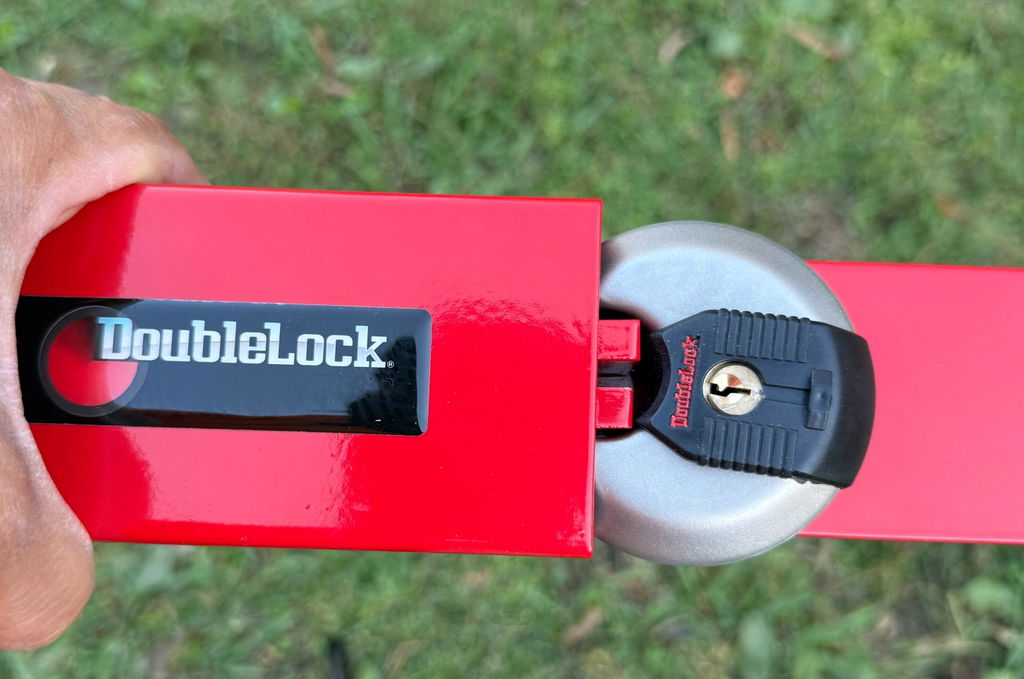
Use a heavy-duty hasp or shielded locking arrangement that aligns cleanly after the box settles into position. The hasp should sit flat, resist prying, and keep the lock body close to the protected hardware. The Missouri State Highway Patrol recommends securing dock lockers with an angle-iron cross bar or heavy-duty hasps and shielded locks. Rather than lightweight components that thieves can break or cut. Review its marine theft-prevention guidance before finalizing the layout.
For stainless hasps, dock brackets, chain, and other installation components, browse DoubleLock USA's security hardware collection. No lock is undefeatable, but a box that resists removal, limits tool access, and forces more time and noise gives an opportunistic thief a harder target.
Heavy-Duty Hasps vs. Lockout Shackles: Pick Hardware That Lasts
The latch is the dock box's first exposed weakness. A lightweight hasp may look secure at the marina, but thin metal and short fasteners give thieves an easy point to pry, bend, or cut. The Missouri State Highway Patrol recommends an angle-iron cross bar or heavy-duty hasps paired with shielded locks for dock lockers because lightweight hasps and locks break or cut easily. Review the marine theft-prevention guidance before choosing hardware.
For a practical comparison, match the hardware to the box construction, the dock environment, and the access pattern. Every option below needs a sound mounting surface. A strong lock attached to thin aluminum, rotten wood, or undersized screws does not create strong security.
| Hardware | Durability | Corrosion resistance | Installation effort |
|---|---|---|---|
| Heavy-duty hasp | High when built from hardened steel and paired with a shielded lock; resists prying better than lightweight hardware. | High with stainless steel or a marine-grade protective coating; inspect moving parts for salt buildup. | Moderate. Align the leaves carefully and use through-bolts or properly backed machine fasteners. |
| Lockout shackle | High for compact, direct locking points; select a design that limits shackle exposure to cutting tools. | Moderate to high, depending on stainless construction or hardened-steel coating; saltwater accelerates corrosion on unprotected steel. | Low to moderate when the box already has compatible eyes or a reinforced latch point. |
| Angle-iron cross bar | Very high when the bar spans a reinforced door and works with shielded locks; it distributes attack force across the door. | High with stainless or coated steel; rinse and inspect exposed hardware after saltwater use. | High. Measure the door, fabricate or fit the bar, and reinforce the attachment points. |
Saltwater changes the hardware decision
Saltwater corrosion attacks fasteners, hinges, hasps, and lock bodies. Choose marine-grade corrosion-resistant materials, such as stainless steel or heavy-duty coated hardened steel, for every exposed component. Do not install a corrosion-resistant lock on ordinary carbon-steel mounting hardware and assume the assembly will perform as intended. Corrosion can seize the mechanism, weaken the fastener, and leave the box vulnerable when you need access.
Do not rely on wood screws
Wood screws offer a quick installation, not a durable theft-resistant connection. Use machine screws with epoxy-set inserts when the box and dock design supports them, or through-bolt the hasp and add a backing plate. Tighten the assembly, cover or shield exposed nuts where practical, and inspect the fasteners at the start of the boating season. Browse DoubleLock USA's heavy-duty hardware collection for hasps, chains, and related security components. No lock is undefeatable, but robust hardware removes the easy opportunity that lightweight components create.
Marine-Grade Locks That Resist Bolt Cutters and Corrosion
A dock box lock faces two threats at once: physical attack and saltwater exposure. A standard padlock may look substantial on day one, then develop corrosion that stiffens the shackle, seizes the keyway, or weakens the hardware. Choose a marine-grade lock built for the environment, then inspect it as part of your regular dock routine.
Shield the shackle from bolt cutters
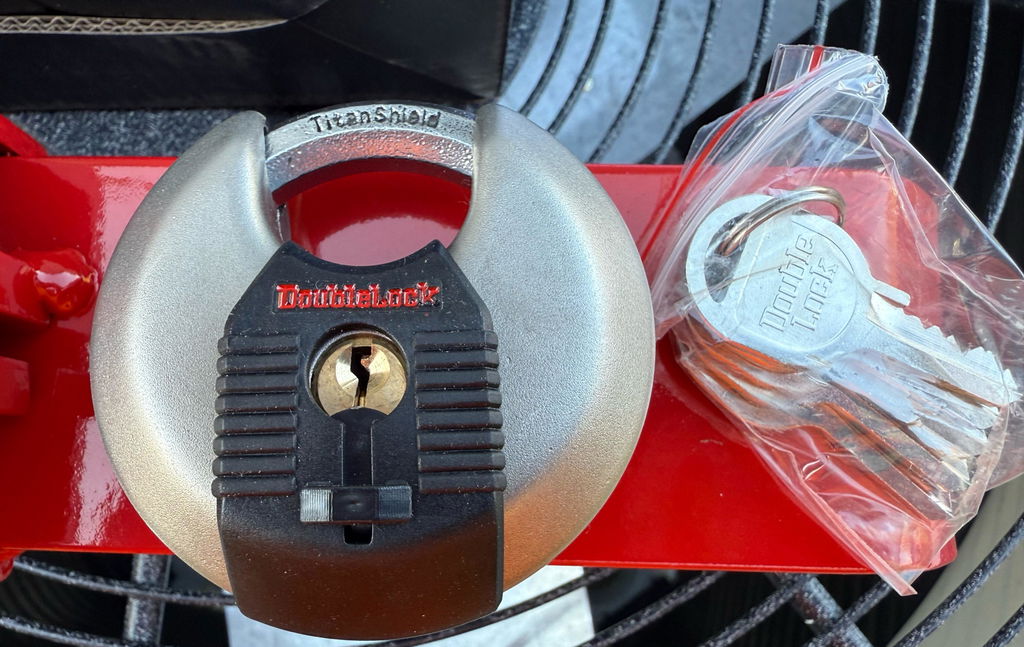
Shielded padlocks cover most of the shackle with a hardened body. That design leaves bolt cutters with less room to reach and leverage the metal. The Missouri State Highway Patrol recommends specially shielded locks for dock lockers because they resist bolt cutters far better than standard locks. Read the marine theft-prevention guidance for the full dock-security recommendation.
Match the lock to a heavy-duty hasp or cross-bar assembly. A strong lock attached to thin, exposed hardware still leaves an attacker an easy failure point. Keep the lock body tight against the hasp when possible, and minimize exposed shackle length. These choices reduce cutting access and make the attack slower, louder, and more visible.
Inspect the mounting point as carefully as the lock itself. A weathered hasp, loose fastener, or cracked dock-box lid can defeat an otherwise serious security setup. Replace worn hardware before the next storm or launch day, and position the lock where dock users can see it without reaching over an unstable edge. Visibility adds pressure to an opportunistic thief while making daily checks faster.
Keep salt air from stopping the lock
Saltwater mandates corrosion-resistant construction. Look for marine-grade stainless steel or heavy-duty coated hardened steel, along with a design that protects the keyway and moving parts. The right material does more than preserve the finish. It keeps the shackle moving, lets the key engage cleanly, and prevents corrosion from turning a security device into a maintenance problem.
After exposure to spray or rain, rinse away salt residue with fresh water and let the lock dry. Follow the manufacturer's care guidance before applying lubricant, since the wrong product can trap grit or interfere with the cylinder. Check for pitting, binding, cracked coatings, or a key that no longer turns smoothly. Replace compromised hardware before the dock box becomes difficult to open or easier to attack.
Use this marine-grade padlock guide to compare saltwater considerations, then review DoubleLock USA padlocks for purpose-built options. No lock is undefeatable, but a shielded, corrosion-resistant padlock removes easy access and forces a thief to spend more time and create more noise.
Compare shielded marine padlocks in our catalog
Lock Down the Gear Thieves Actually Take: Outboards and Tools
A locked dock box protects more than spare lines and life jackets. It may hold power tools, marine electronics, navigation equipment, fishing tackle, batteries, and other compact items that thieves can move quickly. Outboard motors deserve even more attention. Motors valued at $5,000 to $20,000 remain prime theft targets at docks and marinas. Where an exposed mounting point and a few minutes of access can create a serious loss.
Secure the motor at its mounting point
Use a dedicated outboard motor lock that fits the motor's mounting hardware and resists tampering. A purpose-built lock addresses the fasteners thieves would otherwise remove, rather than relying on a general-purpose padlock placed nearby. Inspect the lock after each launch and retrieve operation. Saltwater, spray, and grit can work into hardware, so choose corrosion-resistant materials and keep the mechanism clean according to the manufacturer's instructions.
A motor lock does not replace sensible dock security. Keep the boat positioned in a visible location, limit access when possible, and combine the motor lock with a secured dock box and other physical barriers. No lock is undefeatable, but layered security increases the time, noise, and effort a thief must risk.
Bundle tools and equipment inside the dock box
Start with the box itself. A strong lock on a weak hinge, hasp, or mounting point leaves the contents exposed. Once the box has a properly anchored, heavy-duty locking point, use a chain or cable to bundle high-value gear inside. Run the chain through tool handles, equipment frames, or purpose-built attachment points, then secure the loop with a substantial padlock. Keep the chain tight enough to prevent easy handling, but do not pinch cables, hoses, or delicate electronics.
This approach makes a smash-and-grab theft harder. A thief must defeat the box, the primary lock, and the internal restraint before removing the gear. Select hardware designed for marine exposure, such as stainless or coated hardened steel, because corrosion can weaken components and disable a locking mechanism before an attack ever begins.
For a dock-focused locking strategy, review CROC dock lock solutions for marine assets and the boat and PWC dock lock guide. When you need a chain or cable system to secure tools and movable gear, compare the DoubleLock chain and loop collection.
Deter, Document, and Recover: A Complete Marine Security Routine
Strong hardware starts the job, but a complete marine security routine also makes theft slower, louder, more visible, and easier to report. Missouri water patrol guidance identifies time, noise, and visibility as three deterrents that discourage thieves. Build those factors into every dock-box check instead of relying on a lock alone. No lock is undefeatable, but layered security reduces easy opportunities and forces a thief to create more exposure.
Build layers that make access difficult
Begin with the dock box itself. Anchor the unit so a thief cannot simply lift, drag, or manipulate the entire box. Inspect the hasp, mounting bolts, and lock body for pry points, loose fasteners, and corrosion. Use heavy-duty marine-grade hardware that matches the saltwater environment, then choose a shielded lock that limits access for bolt cutters. A visible, high-quality lock signals that the box demands time and tools.
Next, remove opportunities inside the box. Keep valuable equipment out of sight, close the lid fully, and check the lock before leaving the dock. At a marina or facility, coordinate lighting, camera coverage, and routine inspections with the operator. These measures increase visibility and make suspicious activity harder to conceal. For operators securing several dock boxes, boats, or equipment points, DoubleLock wholesale security solutions can support a consistent hardware standard across the property.
Create an inventory that law enforcement can use
Make a complete inventory of the boat, dock box, motor, trailer, electronics, tools, and other portable equipment. Record the manufacturer, model, serial number, distinguishing marks, and purchase details. Take clear photographs of each item, including close views of serial plates and unique damage, decals, or modifications. Store the record in two places, such as a secure cloud folder and an offline file, and update it whenever equipment changes.
Serial numbers give law enforcement a practical recovery lead. The Missouri State Highway Patrol advises owners to record equipment serial numbers so officers can place stolen property on the National Crime Information Center stolen list. Review the water patrol theft-prevention guidance when building your checklist.
Report quickly when equipment disappears
If theft occurs, avoid disturbing the scene. Photograph forced entry, damaged hardware, footprints, and the surrounding area. Contact local law enforcement promptly, provide the inventory and serial numbers, and notify the marina or dock operator. Report stolen equipment to your insurer if applicable, but do not rely on insurance to replace strong prevention. Marine crime prevention starts with identifying risks and minimizing or eliminating them, as outlined by the Springfield-Greene County boat security guidance.
Secure Your Boat Dock Box in Five Steps
A secure dock box needs more than a strong padlock. The box must resist prying, the mounting points must hold against leverage, and every exposed component must survive the marine environment. Follow this installation sequence to build a stronger barrier against opportunistic theft.
- Assess the dock surface and box construction. Inspect the deck, frame, and box before drilling. Confirm that the dock structure can accept fasteners without splitting, weakening a load-bearing member, or interfering with utilities. Check the box lid, hinges, and mounting flange for thin material that a thief could bend or tear. Mark mounting points where the fasteners will pass through substantial material, not just a decorative panel. A box that lifts, flexes, or slides under force needs reinforcement before you add a lock.
- Through-bolt the box or install machine screws with epoxy inserts. Do not rely on ordinary wood screws for a permanent security installation. Through-bolts with backing plates distribute force across the dock and box. While machine screws paired with properly installed epoxy inserts provide a secure alternative where access to the underside is limited. Use marine-grade, corrosion-resistant fasteners suited to the dock environment. Tighten the hardware firmly, then inspect the box for movement. The Missouri State Highway Patrol recommends taking care to secure dock lockers because thieves may otherwise steal or manipulate the entire unit: marine theft-prevention guidance.
- Install a heavy-duty hasp or angle-iron cross bar. Lightweight hasps and exposed latch hardware create a weak point that bolt cutters or prying tools can defeat. Use a heavy-duty hasp attached to reinforced sections of the box, or fit an angle-iron cross bar that captures the lid and transfers force into the structure. Keep the fastener heads protected where possible, and select hardware that will not corrode rapidly in salt spray. The security agency specifically recommends an angle-iron cross bar or heavy-duty hasps for dock lockers, rather than lightweight components.
- Fit a shielded marine-grade padlock. Choose a padlock with a shackle shield that limits access for bolt cutters. The lock body and internal mechanism also need corrosion resistance for repeated exposure to spray, humidity, and rain. Position the lock so it hangs clear of standing water and does not rub against the dock or box. A shielded lock does not make the box undefeatable, but it raises the time, noise, and tool requirements for an attack.
- Test, document, and maintain the installation. Pull firmly on the box, hasp, cross bar, and lock to identify movement before you store equipment. Open and close the lid several times, then check that the lock engages without forcing the hasp out of alignment. Photograph the completed installation and record serial numbers for electronics and other equipment inside the box. Law enforcement can use those records if theft occurs. At regular intervals, inspect fasteners, backing plates, hinges, and the lock for loosening, corrosion, or damage. Replace compromised hardware immediately rather than waiting for the next failure.
This approach addresses the full security chain: a reinforced box, a strong attachment, protected hardware, and a maintenance record. Each part matters because a thief only needs one weak point to gain access.
Get purpose-built dock box protection now
Frequently Asked Questions
How do I secure a boat dock box to the dock?
Anchor the box through its strongest structural points with heavy-duty L-brackets, corrosion-resistant machine hardware, or through-bolts with backing plates. Tighten and inspect every fastener as part of your dock maintenance routine. A lock protects the lid, but solid mounting prevents someone from lifting, shifting, or removing the entire box.
Can I use wood screws to secure a boat dock box?
Wood screws are a weak choice for a permanent theft-resistant installation because they offer less resistance to pullout and tampering. Use machine screws with secure inserts, or through-bolt the box with backing plates when the dock construction allows it. Match the fastener material to the saltwater environment so corrosion does not weaken the mounting system.
What hardware should I use on a dock box?
Choose a heavy-duty hasp or an angle-iron cross bar paired with a shielded padlock. Lightweight hasps and standard locks provide an easier attack path, while shielded designs limit access for bolt cutters. The Missouri State Highway Patrol recommends heavy-duty hasps and specially shielded locks for dock lockers: marine theft-prevention guidance.
Is any dock box lock completely theft-proof?
No lock is undefeatable. Build a layered defense instead: anchor the box, protect the hasp, use a corrosion-resistant shielded lock, and keep the hardware visible and difficult to attack. Strong physical security raises the time, noise, and effort required, which makes the box a less attractive target.
Ready to Secure Your Boat Dock Box?
Strong mounting and marine-grade locking hardware give your dock box a more deliberate security setup against theft and tampering. Choose the hardware that fits your box, dock, and exposure to saltwater, then put the plan into action. Shop marine-grade security hardware now and get started with purpose-built protection from DoubleLock USA.