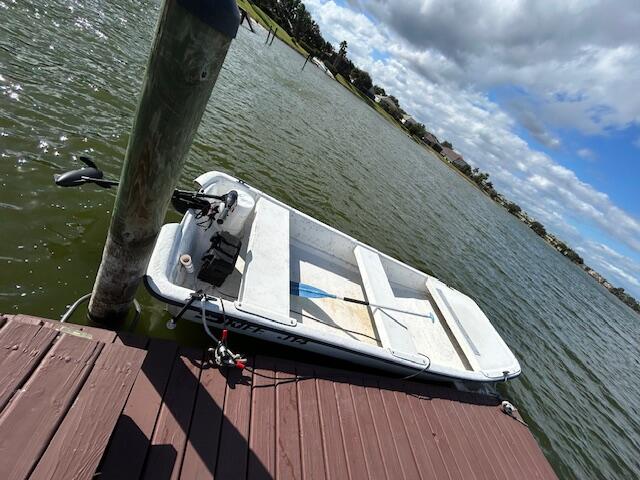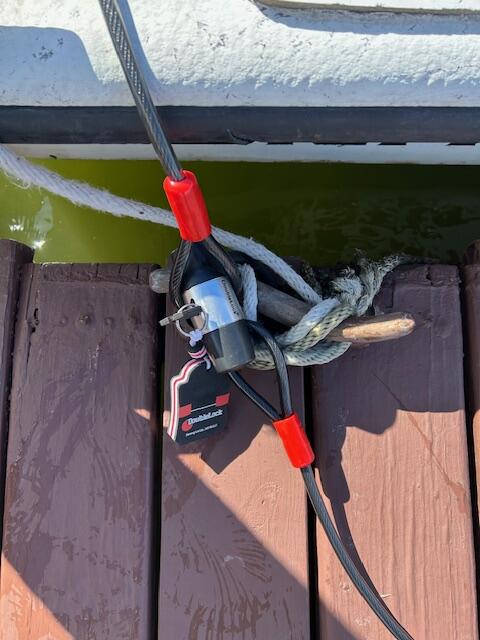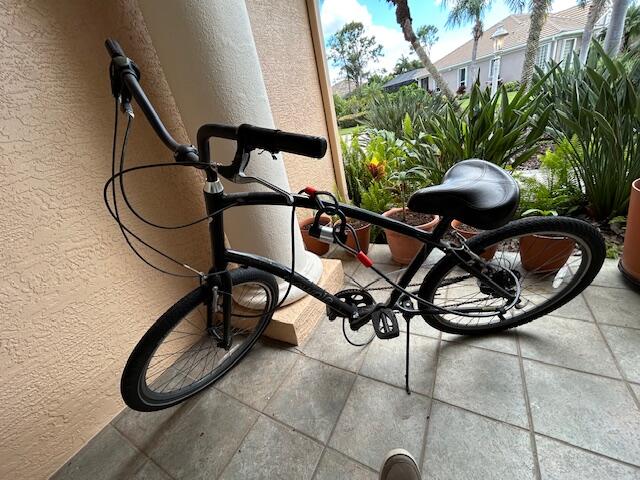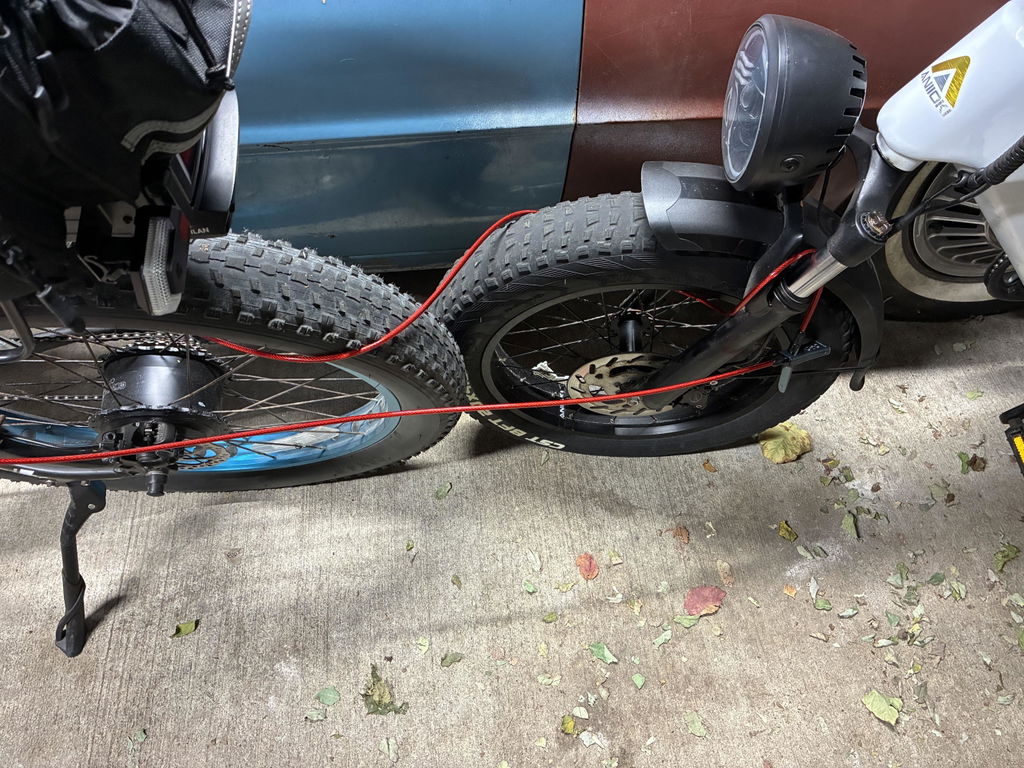



Saltwater can turn an ordinary padlock into seized hardware when corrosion reaches the shackle, keyway, or internal pins. Choosing a marine grade padlock with the right materials and fit helps keep dock boxes, boat equipment, and other coastal gear accessible while adding a practical layer of theft deterrence.
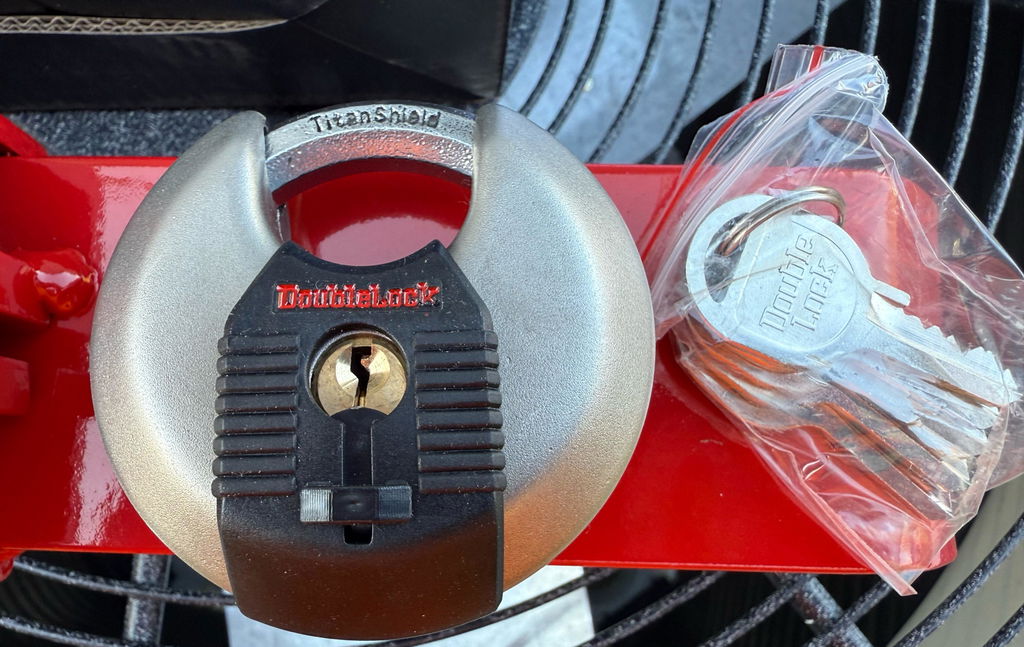
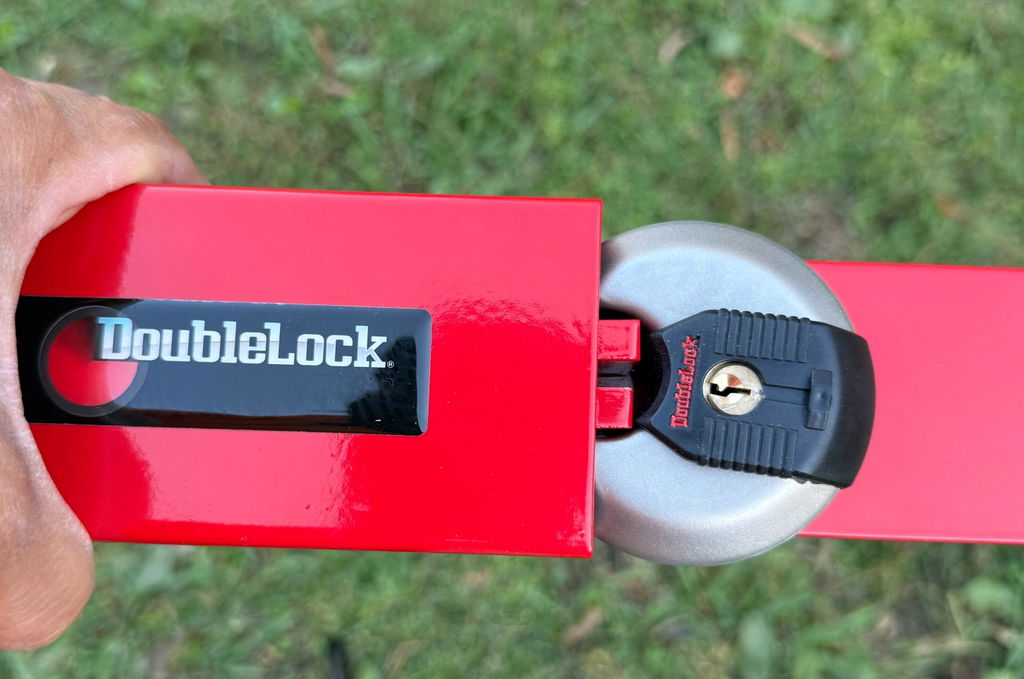
Shop the DoubleLock OSPREY marine grade padlock for purpose-built saltwater security.
A marine grade padlock uses corrosion-resistant materials and protected internal parts to remain operable around salt spray and constant moisture. The right choice balances corrosion resistance, shackle fit, drainage, and physical strength for the specific boat, dock box, motor, or coastal equipment being secured.
What makes a marine grade padlock different?
Locking a boat or a dock box is not the same as locking a gate at home. Standard locks often fail when they face constant wetness and salt. A all-weather marine grade padlock uses tough metals and seals to handle these harsh spots. Without these parts, the inner pins can rust shut in just a few weeks. This leaves you with a lock that will not open when you need it most.
Rust and corrosion defense
The main threat at the coast is high salt. Salt in the air and water makes metal break down much faster than normal. Research shows that marine environments have high salt levels that speed up rust. To fight this, marine locks often use brass or stainless steel bodies. Some steels work well but can still face small pits or cracks over time. Good locks use grades of metal that resist these specific types of wear.
Many top locks go through a salt spray test. This test shows how well the metal holds up in a fog of salt water for many hours. Some units can last for over 300 hours in these tests before they show any signs of rust. This proof of strength is what sets a true marine security tool apart from a basic lock from Lowe's.
Seals and drainage systems
A marine grade padlock does more than just use better metal. It also keeps water out of the key hole. Many use rubber caps or seals to block salt spray. If water does get inside, the lock must have a way for it to leave. Small holes in the bottom of the lock body let water drain out. This stops ice from forming in cold months and keeps the inner parts dry.
Inside the lock, you will find parts that do not rust. Most use stainless steel springs and brass pins. This is vital for gear like a marine outboard motor lock. These locks sit near the splash zone all day. If the inner springs fail, the lock stays stuck on your boat. Good drainage and seals ensure the lock works every time you turn the key.
Limits of marine protection
No lock is perfect. Even the best marine locks have limits. A lock that resists rust might not be the hardest one to cut. Some shackles use steel alloys that are much harder to cut than standard steel. But even these can be cut with the right tools if a thief has enough time. You must balance the need for rust defense with the need for physical strength.
Think of these locks as a way to slow down a thief and buy time. They are great tools for boats and docks. For high-risk items, you might need a heavier shackle or a more complex key system. Many marine units now use many pins to stop lock picking. This adds a layer of tech security to the physical strength of the lock.
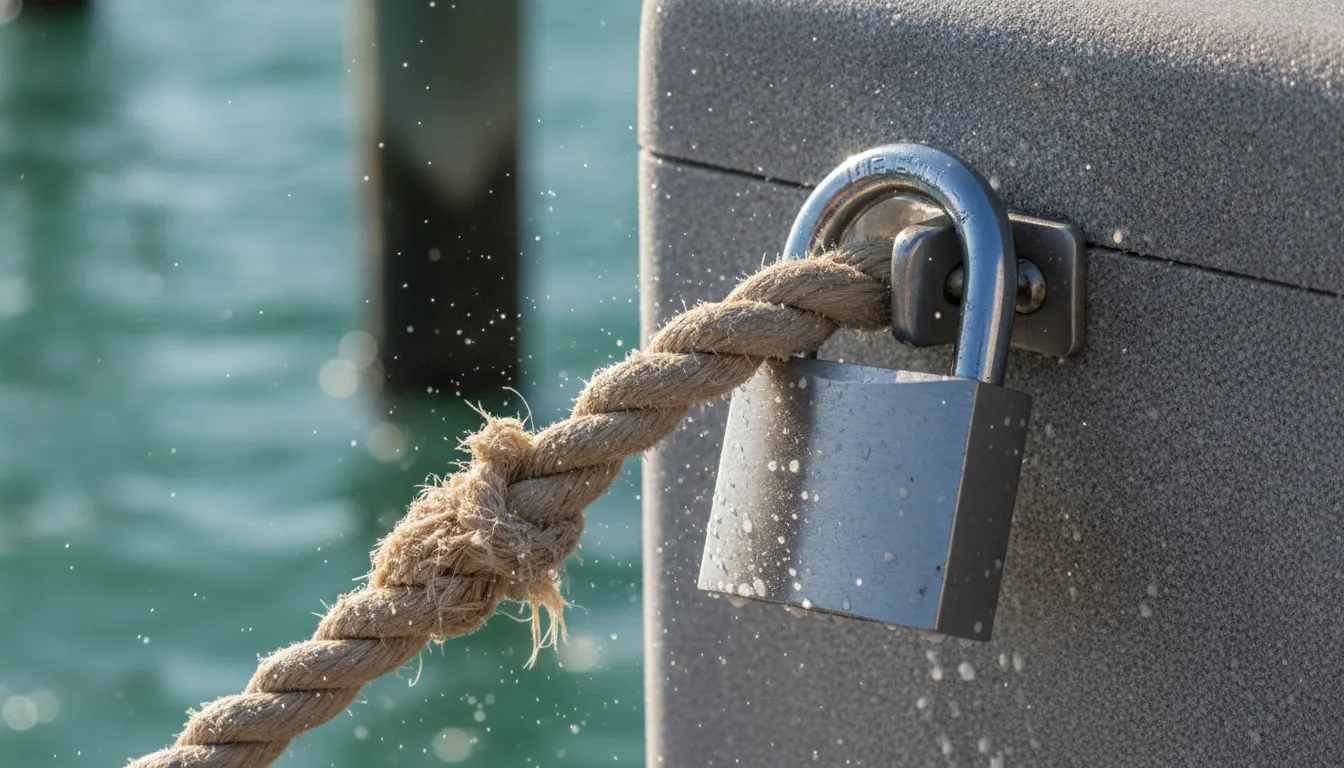
Marine padlock materials compared
Saltwater areas are hard on metal locks. High salt in the air can make standard steel locks rust and fail in weeks. To keep your boat or dock safe, you must pick a lock made from metals that stop salt air and wetness. A true marine grade padlock uses special metals to make sure the inner parts keep moving even in wet weather.
How salt air affects metals
The air near the coast has tiny drops of salt water. These drops land on metal and start a slow step that breaks down the steel. Tests show that marine areas have high salt levels, which speeds up how fast metals rust. This is why a plain padlock for a garden gate will not work on a boat dock for long.
When you buy an all-weather marine grade padlock, look for metals that do not need paint to stay strong. Some metals form their own safety layer when they meet the air. This layer stops the salt from getting deep into the lock body or the top loop. Without this, the lock might jam when you need it most.
| Material | Rust Power | Lock Strength | Best Use |
|---|---|---|---|
| Stainless Steel | Best | High | Salt spray and heavy rain. |
| Solid Brass | Good | Medium | Coastal air and docks. |
| Coated Steel | Fair | Very High | Jobsites with high theft. |
| Zinc Plated | Low | Low | Indoor or dry areas only. |
Brass versus stainless steel
Brass is a classic choice for marine locks because it does not rust. It is a soft metal, so it is easy to shape into complex lock bodies. Many marine locks use brass for the inner parts to keep them moving. But brass is softer than steel, which can make it easier for a thief to cut or drill. It is best for areas where salt is a bigger threat than theft.
Stainless steel offers more strength than brass while still fighting off rust. However, not all stainless steel is the same. Some types, like 17-4PH stainless, can still face small pits and cracks from rust in some sea settings. This happens when salt gets trapped in small gaps. High-grade stainless steel is the best way to get both rust safety and tough lock strength.
Inner parts and pins
The parts inside the lock body must also resist rust. A good marine lock often has a brass or stainless steel core. If these parts rust, the key will not turn, even if the outside looks new. You want a lock that keeps water out of the key hole and the inner springs.
Some locks have 10 security pins for better safety from tools. This keeps thieves from using picks to open your lock at the dock. You should also check for drain holes that let water out of the lock. These small steps help the lock last for many years in the salt air.
Choosing the right shackle
The top loop or shackle is the part of the lock that a thief will try to cut first. In a marine lock, you have to balance hardness with rust power. A stainless steel shackle will stay shiny and move well, but it is often easier to cut than hardened steel. You must decide if you need the most cut power or the longest life in the salt air.
Some locks use a special steel-alloy shackle that is 50 percent harder to cut than standard case-hardened steel. These often come with a thick cover to block out the salt. If you use your lock on a trailer that stays on land, a coated shackle may be the best pick. For a lock that sits on a dock or a boat, a full stainless shackle is usually the safer bet for long-term use.
How do you choose the right shackle?
Choosing a shackle for your all-weather marine grade padlock starts with a look at the lock point. The shackle must be thick enough to resist tools but slim enough to fit through the hole. If you use a lock for a dock box or boat locker, measure the hole size first. A gap that is too wide may let a thief get a tool inside to cut the metal.
Check the shackle width
The width of the shackle is a big part of how well it works. Standard locks for home use often have thin steel that bolt cutters can snap. For a marine grade padlock, look for a shackle made of tough alloys. Some high-grade steel-alloy shackles are about 50% harder to cut than standard case-hardened steel. This extra strength is vital for gear like boat trailers or gates that stay out for long times.
You also need to think about the fit. A tight fit means there is less room for a crowbar or a saw. If you are securing a marine outboard motor lock, the shackle must sit flush against the mount. This limits the angle a thief can use to apply force. Always pick the largest width that fits your hardware to get the best defense.
Review shackle height
Clearance is the space inside the shackle when the lock is shut. If the height is too short, you may not be able to close the lock over thick chains or hasps. But a shackle that is too long leaves a big target for tools. For boat lockers and small boxes, a short shackle is usually best. It keeps the lock body close to the surface and makes it hard to grip with pliers.
Long shackles are useful for oddly shaped items like marine equipment or dock cleats. If you need more space, use a specialized marine dock cleat lock that is made for those spots. No matter the height, ensure the metal is built for the sea. High salinity in marine areas makes metals rust fast. This can weaken the shackle over time according to research on seawater salt fog. A rusted shackle is much easier to break than a clean one.
Match the metal to the salt
The type of metal in your shackle dictates how long it will last near the ocean. Stainless steel is a top choice because it does not rust as easily as plain steel. However, even strong materials like 17-4PH stainless steel can face issues like pitting or crevice corrosion in wet salt air. For the best results, look for hardware that has passed long salt spray tests. Some marine locks are tested for over 300 hours to prove they can handle the spray.
How to evaluate a marine grade padlock
Picking a tough marine grade padlock takes more than just looking for a "weatherproof" sticker. Saltwater and damp air can ruin a cheap lock in a few weeks. You must look for set metals and build traits to keep your gear safe. A good lock should be strong and able to stand up to the sea for years. It should not rust or seize when you need to open it most.
The best way to start is to check the metals used for the body and the shackle. You want a lock that can handle the wet without locking up or rusting shut. Most boat owners and dock workers look for locks that have been tested in harsh states. This ensures the lock will work even after it sits in salt fog for a long time. High-end locks are built to last in places where standard locks fail fast.
Check the metal type
Not all metals handle salt the same way. Most experts suggest using stainless steel or solid brass for wet areas. High salt in the air speeds up corrosion in most standard metals. Some steels like 17-4PH are very strong. But they can still face pitting or crevice corrosion over time. A high-quality all-weather marine grade padlock uses metals that stay clean and clear of rust.
You should also look at the shackle metal. Some locks use chrome-plated steel, but these can chip and then rust. Solid stainless steel or brass shackles are better for long-term use. If you need more strength, look for shackles made from special alloys. These can be much harder to cut than standard case-hardened steel while still being rust-proof. This keeps your boat or trailer safe from both the weather and thieves.
Test the locking system
The inside of the lock is just as vital as the outside. A lock that looks great on the outside might have iron springs that rust shut. Look for locks with brass or stainless steel pins and springs. You should also check for a keyway cover to keep salt and sand out of the cylinder. This small flap helps the key turn smoothly even in dirty or wet states. Without this cover, salt can build up and jam the pins.
Many high-end locks go through fast lab tests for rust to prove they can survive the sea. These tests help experts guess how well a lock will work after years of field use. You should always look for a lock that lists its test results. A lock that can stand up to salt spray for hundreds of hours is a good choice for any boat or dock. These tests show that the lock can handle the toughest jobs on the water.
- Check the body for solid brass or high-grade stainless steel metals.
- Look for a thick coating or rust-proof metal on the shackle.
- Find a lock with a rubber or plastic cap to cover the key hole.
- Check that all internal pins and springs are made from non-rusting metals.
- Test the key motion to make sure it is smooth and does not catch.
- Ensure the lock size fits your set hasp, chain, or dock cleat.
- Choose a lock with anti-pick features to stop thieves from getting in.
Look for high security features
A marine lock must be tough as well as rust-proof. Some locks have shackles that are much harder to cut than others. You should also look for anti-pick and anti-bump features to stop people from picking the lock. If you are securing an engine, you may need a marine outboard motor lock. These are built to fit the exact shape of your motor and offer better safety than a standard lock.
For docks and boat slips, a purpose-built marine dock cleat lock offers a better fit. These locks help stop thieves from just untying your boat and drifting away. Always match the lock to the job you need to do. Proper fit is just as vital as the metal type when you want to keep your gear safe. You should also use a dry lube once or twice a year to keep the parts moving well.
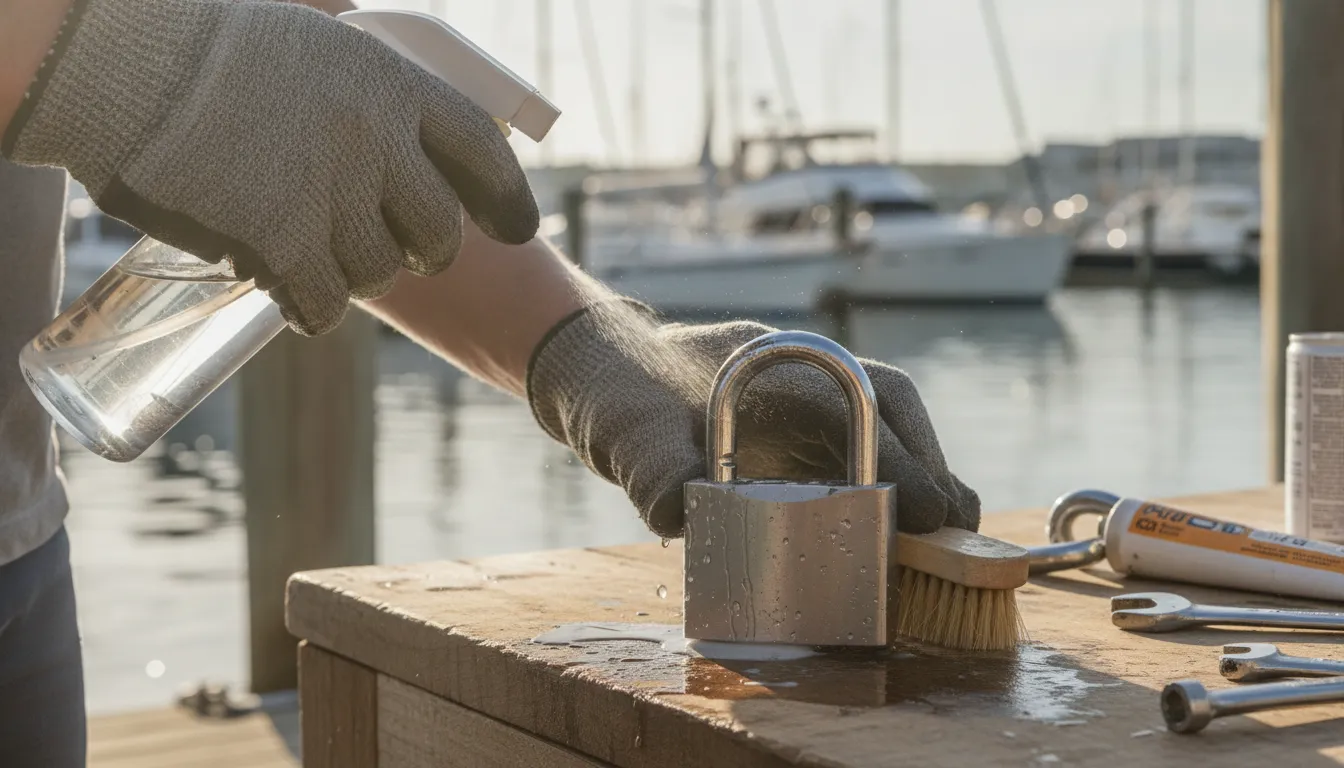
Maintenance for locks exposed to saltwater
Saltwater and sea air create a brutal setting for any metal gear. Even a great all-weather marine grade padlock will face a steady attack from the weather. Salt air is full of moisture and salts that can quickly seize a lock if you do not care for it well. High salt levels in marine settings speed up the rate of corrosion in most metals. This leads to stuck pins or a frozen shackle. To keep your gear safe, you must treat your locks as part of your usual boat or dock care.
Rinse and dry after use
The first step in caring for marine locks is to remove salt spray before it dries. Salt crystals act like rough sand on the inner parts of a lock. They also trap moisture against the metal, which speeds up the rusting process. After a day on the water, rinse your locks with a stream of clean, fresh water. Aim the water at the shackle holes and the keyway where salt likes to hide. This simple act can double the life of your gear.
Once you finish rinsing, it is vital to dry the lock. Use a soft cloth to wipe down the outer body. If your lock has a drain hole, make sure it is clear of dirt so water can escape. For the inner parts, a quick blast of air can help push out any remaining drops. This prevents water from sitting inside where it could cause deep pits in the metal. A dry lock is a working lock, so do not skip this step after a day at the dock.
Apply a marine lubricant
Keeping a lock moving well requires the right type of oil. Never use heavy oils or sticky grease on a lock cylinder. These thick oils turn into a paste that can jam the pins and make the lock fail. They also attract sand and salt which makes the problem worse. Instead, use a dry-film lubricant or a silicone spray made for marine use. These products help parts glide without creating a messy buildup that could jam the lock over time.
Oil your locks at least once every three months. In areas with high salt fog, you may need to do this more often. Insert your key and turn it several times after you apply the lubricant. This helps spread the coating across all the inner parts. A well-oiled lock adds an extra layer of defense against the harsh sea air. It keeps the parts free and makes sure your key turns easily every time you use it.
Inspect for signs of wear
Routine checks help you find small problems before they become big safety risks. Look for any green or white crust on the lock body. Check the shackle for deep pits or rough spots that show the metal is getting weak. If the key starts to stick or feels gritty, the lock needs a deep cleaning. Sometimes, even the best care is not enough. If you see cracks in the metal, it is time to buy a new one. It is much better to buy a new lock than to risk a theft.
Where the DoubleLock OSPREY fits
The OSPREY is a tough tool for boat owners who deal with wet settings. It works best in places where salt and water destroy basic locks. High salt levels in sea air make metal rust fast. This salt fog can cause pits in poor-grade steels. You can use this all-weather marine grade padlock on gear boxes or lockers. It holds up well because it uses metals that fight rust. Studies show that high salt levels speed up corrosion in most metals. Using a marine grade padlock made of stainless steel helps stop these problems.
Securing marine and coastal gear
Coastal areas put stress on every piece of metal gear you own. Sand and salt spray can clog the keyway of a cheap lock in weeks. The OSPREY is built to withstand these forces. It is a good choice for latch locks on small boats or jetski trailers. The lock body resists the damp air found at the shore. It is not just about the water but also the wind that carries salt. This fine mist coats every surface and starts to eat away at the core. A lock made for the sea keeps its shape and function for years. It stays smooth to open even after a long season on the water.
Safety for docks and marinas
Docks are hard on safety gear because they stay wet and damp. This moisture is a constant risk for metal parts. You can use the OSPREY with a marine dock cleat lock to keep your boat safe. Many marine locks undergo salt spray tests for hundreds of hours to prove they last. These lab tests use salt fog to check for rust and wear. The OSPREY fits this role for shore-side safety. Use it on dock boxes or shared storage sheds. It stops thieves without failing due to sand or salt build-up. It is a smart pick for long-term use by the sea.
Locking down gear on the go
If you tow a boat, you need safety on the road. The OSPREY works well for trailer boxes and spare tires. It goes well with other tools like an outboard motor lock for full safety. The lock handles the bumps and road salt found when you drive on highways. It is small enough for tight spots but strong enough to stop theft at the ramp. It gives you peace of mind when you park your trailer at a boat ramp for the day. Thieves often target trailers at public sites. A strong lock shows them that your gear is not an easy mark. The design is simple and hard to break with basic tools.
Winter storage also requires a lock that can handle the cold. When you park your boat for the off-season, you need to know it stays secure. The OSPREY stands up to ice and snow as well as salt. It does not freeze up or jam when the cold sets in. This makes it a great choice for year-round use in northern ports. You can lock up your storage unit or tarp straps and trust they will hold. It is built to last through the worst weather the coast can offer.
Common marine padlock mistakes to avoid
Buying a lock for your boat or dock may seem easy. But many people make poor choices that leave their gear at risk. Salt water is a harsh force that can ruin a lock from the inside out. If you pick the wrong tool, you might find it stuck or easy for a thief to cut. Avoid these common errors to keep your boat safe.
Picking size over strength
A big lock looks tough. But a large size does not always mean the lock is strong. Some big locks use soft metals or thin shells. A thief can break these locks with simple hand tools. When you shop for a marine grade padlock, check the metal type first. Brass or high-grade steel offers more safety than a big zinc lock. Small, dense locks often provide better safety than bulky ones that use cheap parts.
Choosing the wrong shackle length
A long shackle makes it easy to lock up your gear. But a long shackle is also a big weak point. It gives a thief more space to use bolt cutters or a saw. You should use the shortest shackle that fits your hasp. This keeps the lock body close to the latch. It leaves no room for tools to get a grip. Also, check the hasp fit. If the shackle is too thin for the hole, it will shake. This play makes it simple to pry the lock off with a bar.
Skipping inner rust and care
Many boaters only look at the outside of a lock. This is a major mistake. Salt and moisture get into the lock body through the key hole. High salt levels in sea air can speed up the rust process for most metals. Even if the outside stays shiny, the inner pins and springs can jam. Look for locks with drain holes and stainless steel inner parts to stop this build-up. You should also clean and oil your locks to keep them moving well.
Follow these simple steps to help your lock last in a salty place:
- Use a dry spray like graphite or Teflon.
- Do not use oily grease that can trap salt and sand.
- Wash your locks with fresh water after a trip on the sea.
- Test your keys often to make sure the pins move fast.
By avoiding these errors, you can trust your lock to do its job. A smart choice today saves you from a theft or a stuck lock later. Focus on the right metal and a tight fit to get the best result for your boat.
Frequently Asked Questions
What makes a padlock marine grade?
A marine grade padlock uses parts that resist salt spray and moisture. These locks often have brass bodies or stainless steel shells. Some also feature a keyway cover to keep salt and grit out of the inner pins. High-quality marine locks must pass a salt spray test. For example, some models are tested for 312 hours to prove they can survive in damp air near the sea.
Are brass padlocks marine grade?
Brass is a great choice for use near the water because it does not rust. Many marine series locks use a brass body with a stainless steel shackle to stop corrosion. However, salt can still build up inside the lock over time. You should look for a lock with a drain hole to let water out. Companies often sell marine series brass padlocks with special seals to protect the core from harsh salt fog.
Are all stainless steel padlocks considered marine grade?
Not all stainless steel works well in the ocean. Some types, like 17-4PH steel, are strong but can still face pitting and crevice corrosion in high salt levels. According to research found on PubMed Central, these metals are prone to small holes when salt fog is thick. A true marine lock will often use 304 or 316 grade stainless steel. These alloys offer better protection against the chemical effects of seawater and salty mist.
Can I use a regular padlock in saltwater environments?
You should not use a standard padlock in or near saltwater. Standard locks use steel that will rust fast when it meets salt and damp air. The inner springs and pins will likely seize up in just a few weeks. This can leave your gear stuck or make it easy for a thief to break the brittle lock. Instead, buy a lock built with a brass or stainless steel body to keep your boat or dock secure for many years.
Ready to secure your marine gear against saltwater rust and theft?
Saltwater can ruin weak locks in a very short time, which leaves your boat, motor, and dock open to thieves who look for easy targets. You can avoid the high cost of theft and the stress of stuck hardware by switching to marine grade gear before the next season starts. Using the right marine locks today ensures your gear stays safe and remains operable after extended exposure to salty sea air.
Ready to secure your dock? Shop marine security products or request a wholesale quote to get the heavy duty safety your gear needs today. This simple move helps you avoid both rust and theft starting right now.