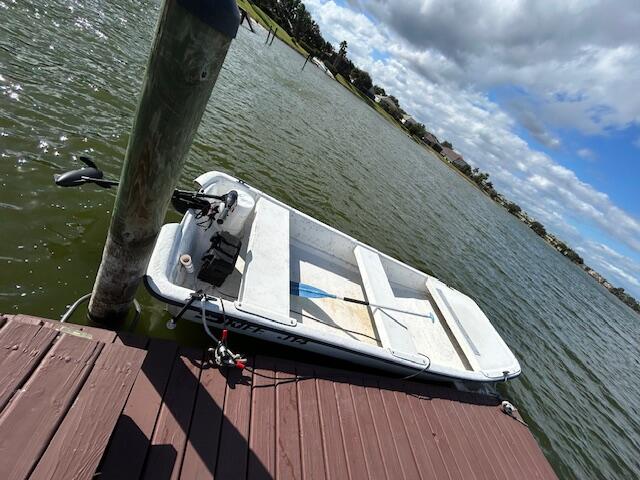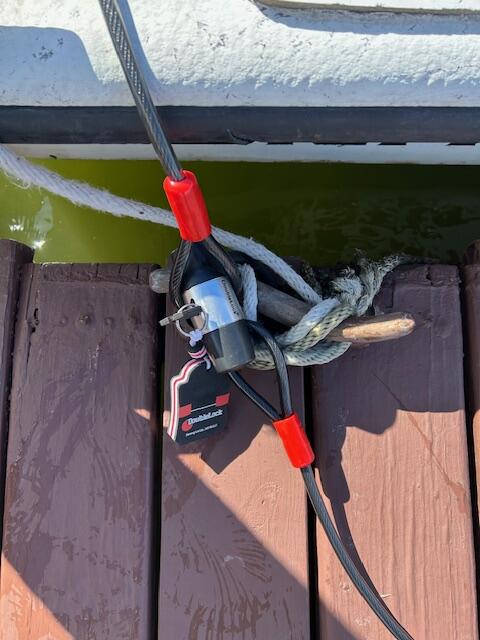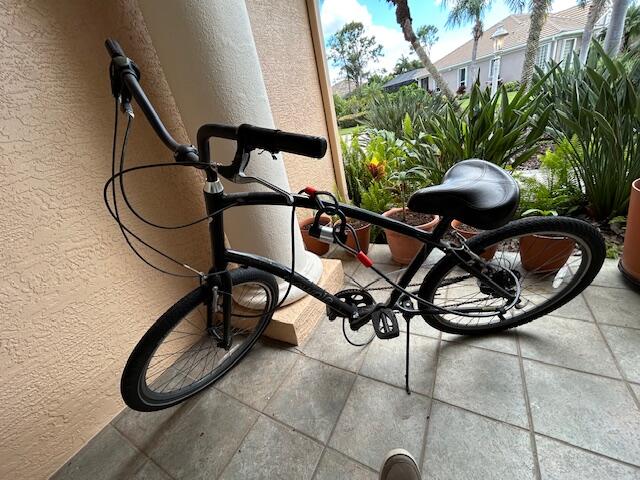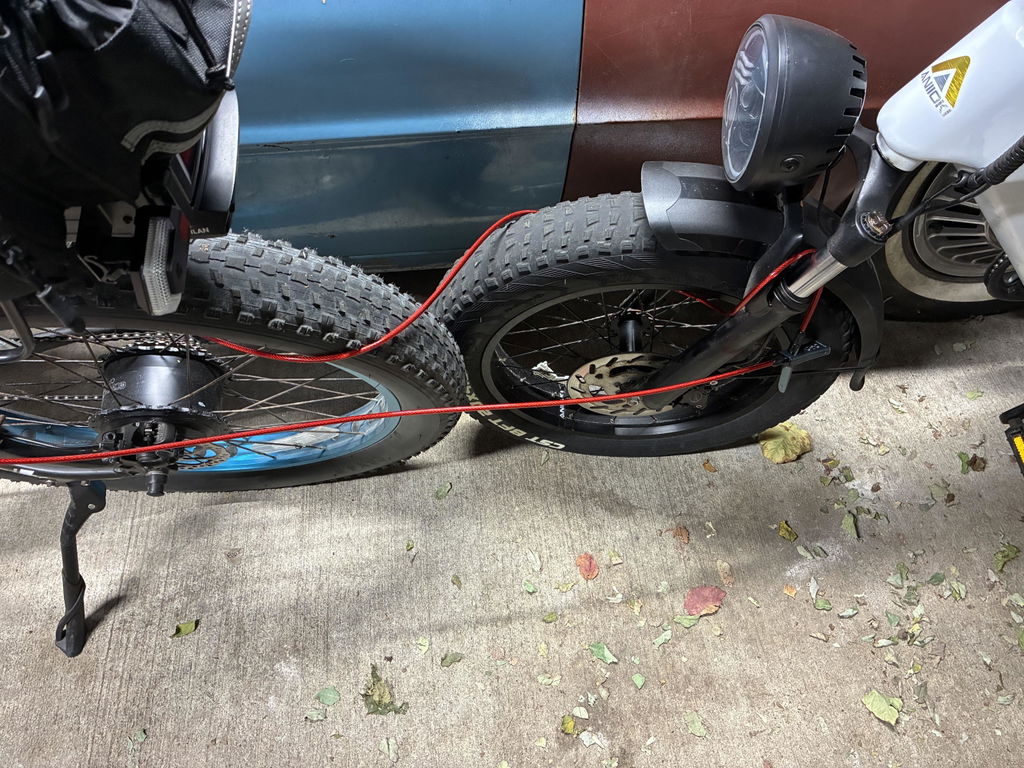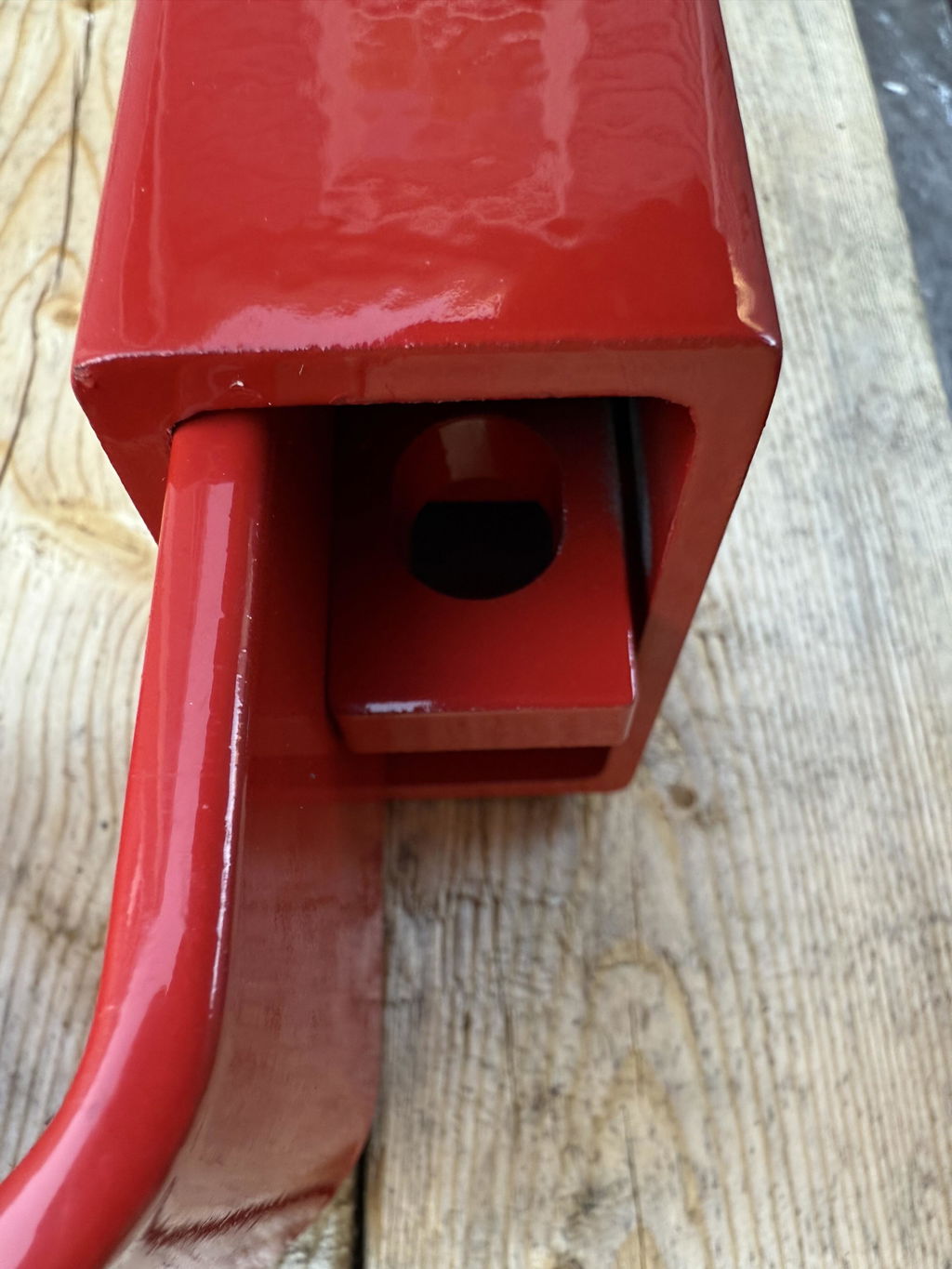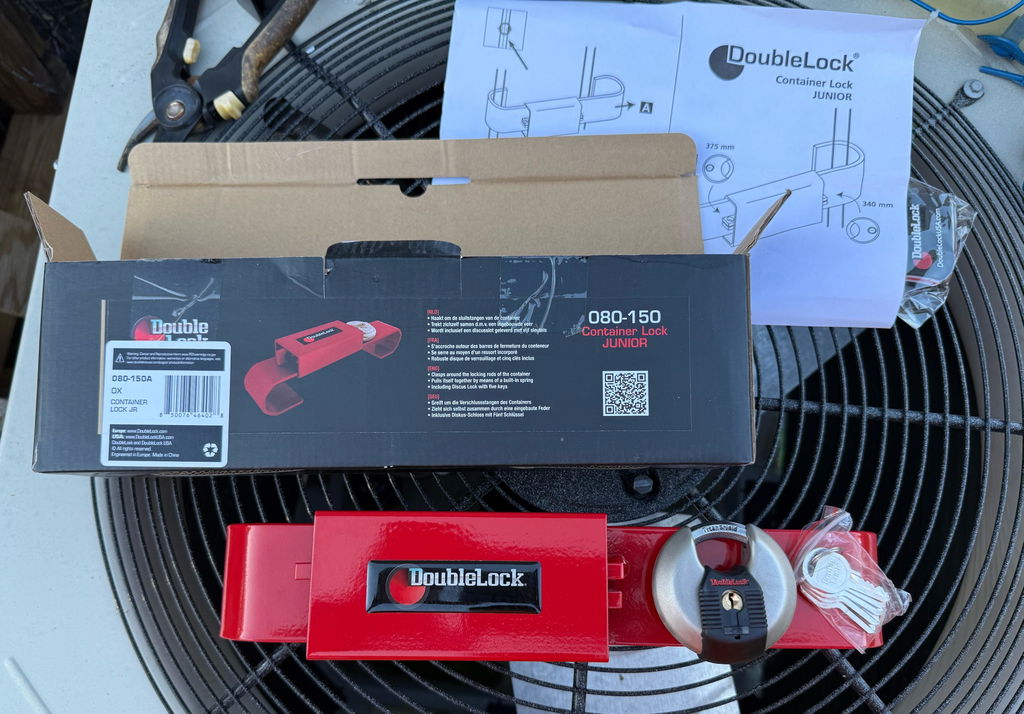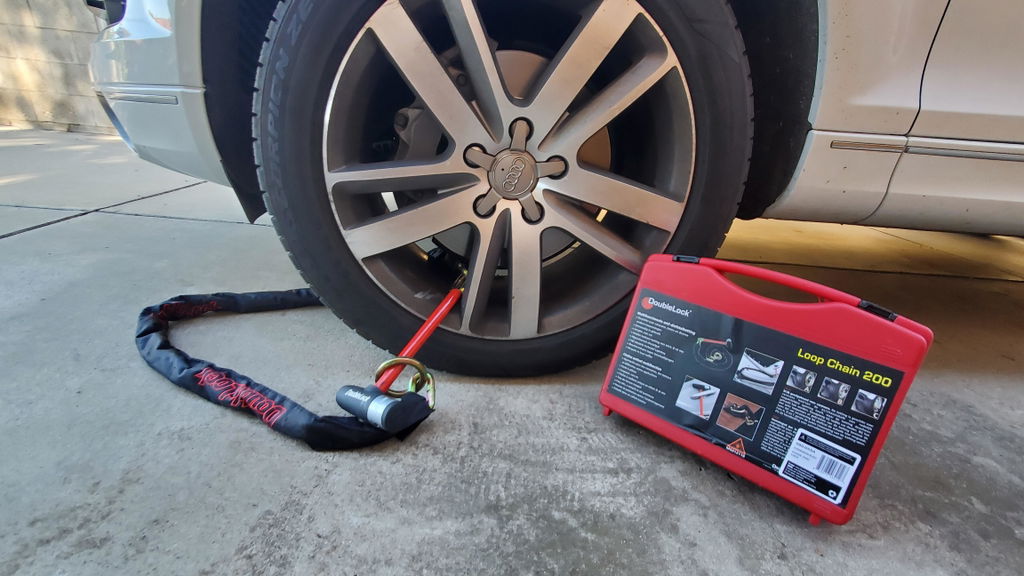



To learn how to protect a padlock from rust, keep it clean and dry, inspect it regularly. Apply a dry PTFE lock lubricant, and shield it from direct weather with a cover. Store unused locks in a dry location, and choose weather-resistant materials for marine or outdoor exposure.
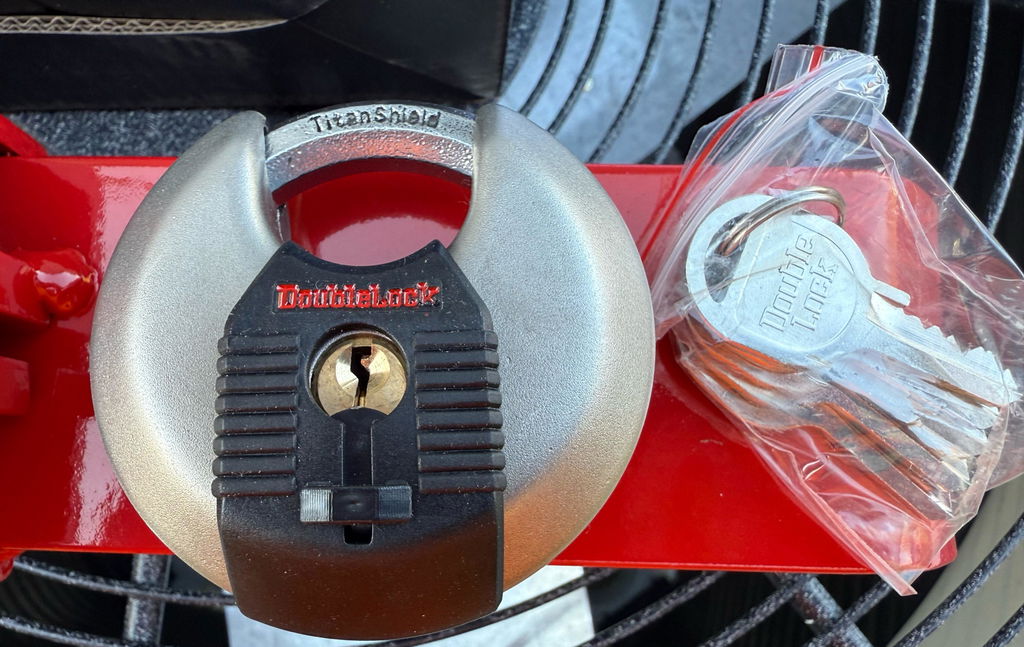
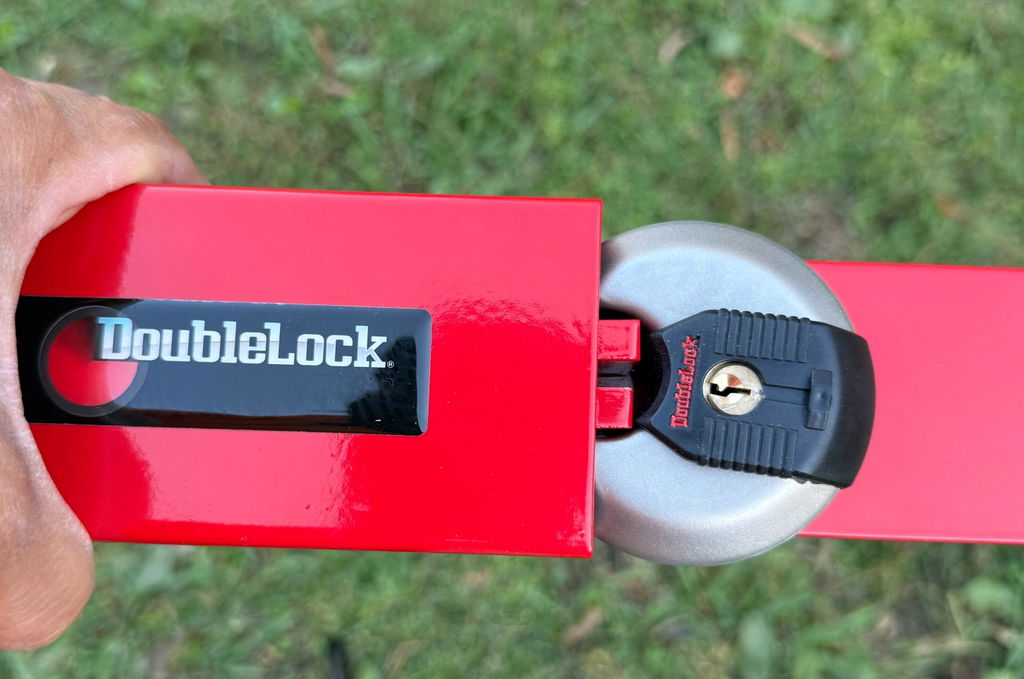
Shop weather-resistant DoubleLock padlocks built for marine, jobsite, and RV use.
Why Outdoor Padlocks Rust and Corrode
Rust starts when moisture reaches exposed iron or steel and triggers oxidation. Rain, condensation, melting snow, and damp storage all leave water on the lock body, shackle, keyway, and internal components. If the surface stays wet, corrosion steadily removes material and weakens movement in the mechanism. Dirt then sticks to the damaged surface, turning a small maintenance issue into a lock that binds, seizes, or stops opening when you need it.
Outdoor conditions rarely stay consistent. The CDC and NIOSH notes that outdoor hazards vary by season, region, type of work, and time spent outside. Those changing conditions matter for security hardware. A padlock may heat in direct sun, cool rapidly at night, and collect condensation during temperature swings. Extreme cold adds another stressor, especially when moisture freezes around the shackle or inside the keyway. These environmental changes expose weak finishes and create repeated opportunities for corrosion. CDC NIOSH guidance on outdoor hazards supports treating weather exposure as an ongoing equipment risk, not a one-time event.
Salt air accelerates the damage
Marine exposure creates a more aggressive corrosion environment than ordinary inland weather. Salt carried in sea spray, coastal air, or wet hands leaves conductive residue on metal. That residue holds moisture against the surface and speeds the electrochemical reactions that produce corrosion. A dock lock, trailer lock, or boat-storage padlock may face salt exposure even when rain never falls directly on it. Rinsing alone does not replace inspection because salt can remain in seams, around the shackle, and inside the keyway.
Jobsites create a different combination of threats. Construction dust, grit, standing water, mud, and repeated handling work into moving parts. A trailer or equipment padlock may also sit outside through changing weather for weeks at a time. The CDC identifies changing weather patterns as a factor that affects outdoor work conditions, and the same exposure pattern affects the hardware securing tools, cargo, and equipment. Industrial-grade, weather-resistant construction matters because the lock must resist both corrosion and the contamination that accompanies outdoor use.
Protection beats a reactive fix
Waiting until orange scale appears usually means the lock has already lost surface protection. Scrubbing visible rust may improve appearance, but it does not restore damaged metal or remove corrosion hidden inside the mechanism. Build protection into the routine instead: inspect the lock after storms or salt exposure. Remove dirt and residue, keep the keyway dry, and apply a lubricant suited to lock internals. A cover that blocks direct precipitation also reduces the water reaching the lock.
Choose a weather-resistant padlock for the environment, then maintain it for that environment. Marine and jobsite users should inspect more often than someone using a lock under a covered residential gate. Proactive care keeps the mechanism moving and gives you an opportunity to replace a compromised lock before it becomes a security failure.
How to Protect a Padlock from Rust with the Right Lubricant
Lubricant choice determines whether a padlock stays smooth or turns sticky after repeated exposure to rain, spray, and jobsite grime. For most lock interiors, choose a dry or greaseless PTFE lubricant. PTFE leaves a low-friction film without the heavy residue that traps dirt inside the keyway and internal mechanism. This makes it the first choice for routine padlock maintenance, especially on trailer, marine, and construction hardware.
Use dry PTFE inside the lock
Spray or apply a small amount of dry PTFE lubricant into the keyway and around the shackle entry points. Work the key in and out several times, then operate the shackle to distribute the lubricant. Wipe away excess from the exterior. The goal is a thin protective film, not a wet reservoir that collects grit.
Use PTFE instead of standard WD-40 as your primary lock lubricant. WD-40 may provide short-term lubrication, but the supplied maintenance guidance warns that it can attract dirt and allow grease and grime to build up inside the mechanism. That buildup creates a sticky action and raises the risk of seizure over time. Maintenance guidance on PTFE and WD-40 supports the dry-lubricant recommendation.
Reserve white lithium grease for exposed hardware
White lithium grease suits outdoor latches, hinges, and exposed padlock contact points that need a thicker moisture-resistant barrier. Apply a light coating to the shackle where it enters the lock body and to any exposed moving interface. Avoid packing grease into the keyway unless the product instructions specifically approve that use. Heavy grease inside a precision lock interior attracts abrasive debris and makes cleaning harder.
For a simple recommendation hierarchy, start with dry PTFE for the keyway and internal lock mechanism. Use white lithium grease on exposed hinges, latches, and shackle contact areas. If the lock already contains visible dirt or corrosion, clean and dry it before adding lubricant. Applying more product over contamination only seals the problem into the mechanism.
| Lubricant | Best for | Where to apply | Watch out for |
|---|---|---|---|
| Dry PTFE lock lubricant | Keyway and internal lock mechanism | Keyway, cylinder, shackle entry points | Greaseless, so it leaves little residue |
| White lithium grease | Exposed hardware and contact points | Latches, hinges, shackle exterior | Do not pack it into the keyway |
| Standard WD-40 | Rapid moisture displacement | Temporary exterior use | Oil residue attracts dirt and causes sticky locks |
Match the lubricant to the environment
Inspect locks more often in saltwater, wet storage, and dusty jobsites. Moisture-resistant lubrication supports smooth operation, but it does not replace a weather-resistant lock or routine cleaning. Use a protective cover when the lock faces direct precipitation, then recheck the keyway and shackle after storms, washdowns, or extended storage. Shop the DoubleLock padlock collection for heavy-duty options designed for demanding outdoor applications.
Clean and Weatherproof Your Padlock for Marine and Jobsite Use
Marine and jobsite padlocks face more than ordinary rain. Salt spray, standing water, mud, dust, metal filings, and repeated temperature changes work their way into exposed surfaces and keyways. A weather-resistant lock still needs routine care. Cleaning removes the abrasive contamination that wears on the mechanism, while a cover limits the moisture that reaches it.
Clean the lock before adding lubricant
Start by opening the padlock and removing loose grit from the body, shackle, and keyway. Use a soft brush or clean cloth around the shackle opening and drain points. If salt or grime has collected on the exterior, rinse it with fresh water, then dry the lock completely before applying any product. Do not trap moisture beneath grease or a cover.
Inspect the shackle and locking points while the lock is clean. Look for pitting, flaking finish, distorted metal, or a key that no longer turns smoothly. Regular inspection catches corrosion before it causes the mechanism to seize. On a boat, trailer, gate, tool chest, or jobsite container, add this check after heavy rain, coastal exposure, or pressure washing.
Block direct exposure with a cover
A purpose-built lock cover gives the best fit and keeps direct precipitation away from the keyway. Choose a cover that does not hold water against the lock body and that still allows the shackle to seat fully. Check the cover periodically because trapped sand and salt defeat the protection it provides.
For a temporary field solution, cut the bottom from a clean plastic bottle and position the bottle over the lock as a simple rain shield. Secure it so wind cannot pull it away, and leave enough clearance for drainage and normal key access. Replace the makeshift cover when it cracks, fills with debris, or starts touching wet metal.
Match protection to marine and jobsite exposure
Saltwater environments demand frequent fresh-water rinsing and inspection because saline residue stays active after the surface appears dry. Jobsite locks need the same discipline for a different reason: airborne dust and construction debris combine with moisture to form abrasive grime. Clean the lock whenever the contamination becomes visible, not only on a fixed calendar.
DoubleLock builds heavy-duty, weather-resistant security devices for harsh outdoor environments, including marine, trailer, and jobsite applications. That industrial-grade construction provides a strong foundation, while maintenance preserves reliable operation. For more detail on protecting locks from saltwater corrosion, review the marine padlock guide before selecting hardware for sustained coastal use.
Store Idle Locks to Stop Rust Before It Starts
Locks face their worst corrosion risk when equipment sits unused. An RV stored through winter, a trailer parked between jobs. Or a boat secured during the off-season gives moisture time to remain trapped around the shackle, body, and keyway. Storage should remove that opportunity before you walk away from the equipment.
Clean and dry the lock before storage
Open the lock and inspect the shackle, locking ports, keyway, and contact surfaces. Brush away dirt, road salt, and grit with a soft brush. If the lock has seen marine spray, rinse away salt with fresh water, then dry every surface completely. Compressed air helps clear water from the keyway and shackle holes. Do not seal a damp lock inside a bag or storage compartment. Trapped moisture turns a minor contamination problem into corrosion.
Apply a suitable protective barrier after the lock dries. For the internal mechanism, use a dry or greaseless PTFE lock lubricant. This approach protects moving parts without leaving the heavy residue that attracts dirt and grime. For exposed hardware and hinges, a light coating of white lithium grease provides a barrier against corrosive conditions. Follow the lubricant manufacturer's directions and avoid flooding the keyway with product.
Protect stored RVs, trailers, and boats from moisture
Position idle locks under a cover whenever the equipment design allows it. A purpose-built lock cover shields the body and keyway from direct rain, snow, and spray. A clean plastic cover also works as a temporary shield when it fits securely and leaves no pocket where water can collect. Protective covers are a practical weatherproofing measure supported by maintenance guidance for outdoor padlocks.
For an RV or seasonal trailer, store the lock where air can circulate rather than placing it against wet ground or a damp frame. Keep spare locks in a dry cabinet or sealed container with a desiccant pack. Check the lock before the storage period begins, midway through a long off-season, and before returning the equipment to service. Look for red discoloration, rough shackle movement, a stiff keyway, or moisture inside the cover. Remove surface contamination promptly and reapply the protective barrier.
Marine owners should take extra care after saltwater exposure. Salt residue remains active even after the lock looks dry, so fresh-water rinsing and thorough drying matter before storage. A proactive cover-and-lubricate routine keeps idle hardware ready for the next launch instead of forcing a seized lock to surrender at the worst time. Explore heavy-duty padlocks built for demanding outdoor security, then maintain them with the same discipline throughout the off-season.
Find rugged marine padlocks and dock security hardware from DoubleLock USA.
Choose Corrosion-Resistant Padlock Materials
Material choice sets the baseline for rust protection, but it does not replace maintenance. A padlock that faces rain, road spray, jobsite grit, or saltwater needs weather-resistant construction suited to that environment. DoubleLock builds heavy-duty, weather-resistant security devices for marine, transportation, jobsite, and RV applications, including environments where moisture remains a constant threat.
Brass suits many wet outdoor applications
Brass offers strong corrosion resistance for many general outdoor uses, which makes it a practical choice for gates, storage areas, utility enclosures, and equipment exposed to regular rain. Its warm metal surface also makes early surface changes easier to spot during inspection. A brass body still needs cleaning and lubrication. Dirt around the shackle, keyway, and drainage points can hold moisture against the lock and restrict movement.
Choose a brass body when corrosion resistance ranks high and the lock does not need the same material profile as a hardened security lock. Review the construction, shackle design, and locking coverage together rather than treating body material as the only security measure. For a deeper look at the material and its use cases, see this guide to corrosion-resistant brass padlocks.
Steel delivers a different security profile
Steel padlocks provide a rugged option for trailers, jobsite equipment, gates, and other applications where physical abuse matters. Steel itself needs protection from moisture, so manufacturers use finishes or coatings to separate the metal from the environment. Inspect coated steel after impacts, grinding dust, and repeated contact with chains. A deep scratch or exposed edge gives corrosion a starting point.
Coatings reduce exposure, but they do not make a lock maintenance-free. Rinse salt and abrasive residue from the exterior with clean water, dry the body and shackle, and apply the lubricant specified for the lock interior. Keep the keyway clear instead of packing it with heavy grease that attracts grit. If rust has already pitted the shackle or interferes with the locking mechanism, replace the lock rather than relying on surface treatment alone.
For marine and coastal use, select a lock designed for industrial-grade weather resistance and inspect it more often than a lock used in a dry indoor setting. Material selection, protective finish, and a consistent care routine work together. No material makes a padlock undefeatable, but the right construction reduces corrosion risk and keeps the lock operating as a dependable theft deterrent.
Build a Padlock Maintenance Routine
-
Inspect the lock before exposure
Start each maintenance cycle by checking the body, shackle, keyway, and locking mechanism. Look for surface rust, chipped coatings, trapped grit, distorted metal, and water sitting around the shackle openings. Test the key and locking action before you depend on the padlock for a trailer, gate, toolbox, dock, or storage unit. Regular inspection catches contamination and early corrosion before the mechanism seizes. Proper lock maintenance reduces the risk of equipment seizure, and regular inspection remains a necessary part of security maintenance. Regular inspection guidance supports this preventive approach.
-
Clean away salt, dirt, and moisture
Remove loose grit with a soft brush, then wipe the lock with a clean cloth. Marine users should rinse salt residue from the exterior with fresh water after heavy spray or extended time near the water. Dry the body and shackle completely before applying lubricant. Jobsite users should pay close attention to concrete dust, metal filings, and mud around the keyway. Never force a dirty key into the cylinder. Cleaning first keeps abrasive debris from becoming trapped inside the mechanism.
-
Lubricate the mechanism with a moisture-resistant product
Apply a small amount of moisture-resistant lock lubricant to the keyway and shackle openings, then operate the lock several times to distribute it. A regular lubrication schedule helps displace moisture and reduces rust formation around the internal pin mechanism. Choose a dry or greaseless PTFE lock lubricant when dirt and dust pose a constant problem. Standard WD-40 may attract dirt and grime inside the mechanism, so do not treat it as the default lock lubricant. White lithium grease also protects outdoor padlocks and other hardware against corrosive conditions, but use it sparingly where airborne grit is heavy. The lubricant guidance provides the supporting maintenance recommendations.
-
Protect and store the lock between uses
Fit a purpose-made cover when the padlock remains outdoors, especially on marine equipment, RV storage compartments, trailers, and jobsites. Position the lock so water drains away instead of pooling around the shackle or keyway. When you remove a lock for the season, clean and dry it first, apply a light protective treatment, and store it in a dry location. Marine users should service locks after periods of saltwater exposure. RV owners can inspect locks at the start and end of each travel season. Construction teams should inspect them weekly during wet or muddy work and after severe weather. This cadence turns corrosion prevention into a repeatable routine rather than a last-minute repair.
Buy DoubleLock padlocks and security hardware wholesale for your fleet and operations team.
Frequently Asked Questions
What is the best lubricant to prevent padlock rust?
Use a dry or greaseless PTFE lock lubricant inside the cylinder and moving parts. PTFE reduces friction without leaving the heavy residue that attracts dirt and grit. A clean, moisture-resistant lubricant also lowers the risk of a lock seizing after repeated outdoor exposure. Apply a small amount, then operate the key and shackle to distribute it. (Source)
Does WD-40 protect padlocks from rust?
WD-40 may displace moisture temporarily, but it is not the best long-term choice for a lock interior. Oil-based residue can collect grime and create a sticky mechanism over time. Clean the lock first, then use a purpose-made dry lock lubricant when the goal is reliable operation and rust prevention.
How can I weatherproof a padlock for outdoor use?
Start with a padlock built for outdoor conditions. Keep the lock positioned away from direct runoff, wipe away salt and dirt, and use a protective lock cover when the design allows it. A cover limits direct rain and spray, while regular cleaning stops abrasive debris from holding moisture against the metal. Marine and coastal users should inspect the lock more often.
Is white lithium grease good for outdoor padlocks?
White lithium grease works well as a protective lubricant for some outdoor hardware, including latches, hinges, and padlocks. Use it sparingly on accessible external contact points and follow the lock manufacturer's guidance for the cylinder. For the keyway, a dry PTFE product usually keeps the mechanism cleaner than a thick grease. (Source)
How do I stop my padlock from seizing up?
Inspect the lock regularly for rust, binding, damaged shackles, and debris in the keyway. Clean and dry it before applying a moisture-resistant lubricant. Replace a lock when corrosion compromises its movement or body. Maintenance reduces seizure risk, but no padlock remains undefeatable when corrosion or physical damage has weakened its security components.
Ready to Protect Your Outdoor Padlock?
Regular cleaning, lubrication, and storage keep outdoor locks working when weather and daily use put them under pressure. For a stronger starting point, shop DoubleLock USA's heavy-duty padlocks built for demanding outdoor, marine, and jobsite applications. Get started by choosing the lock that fits your equipment and maintenance routine.