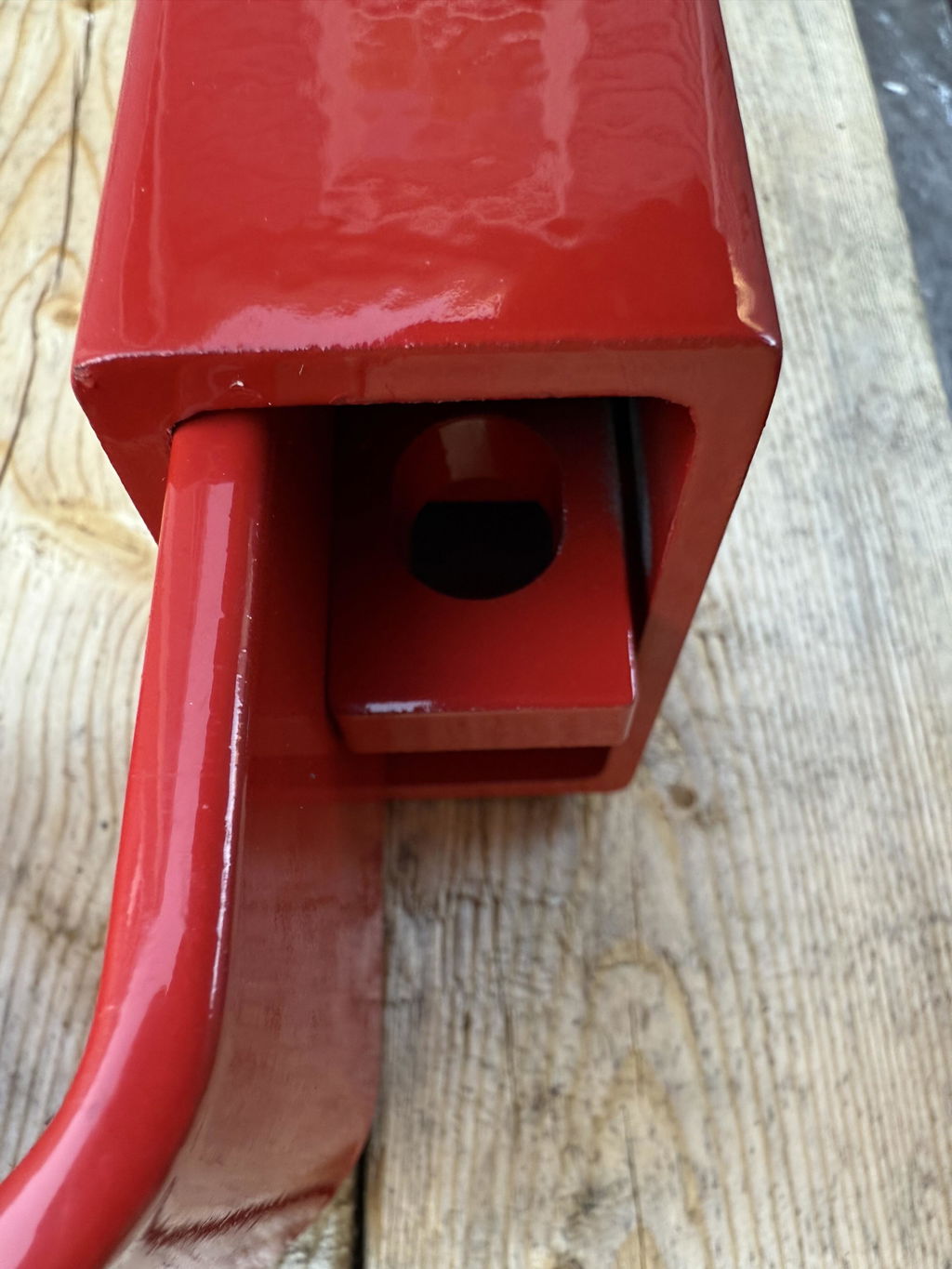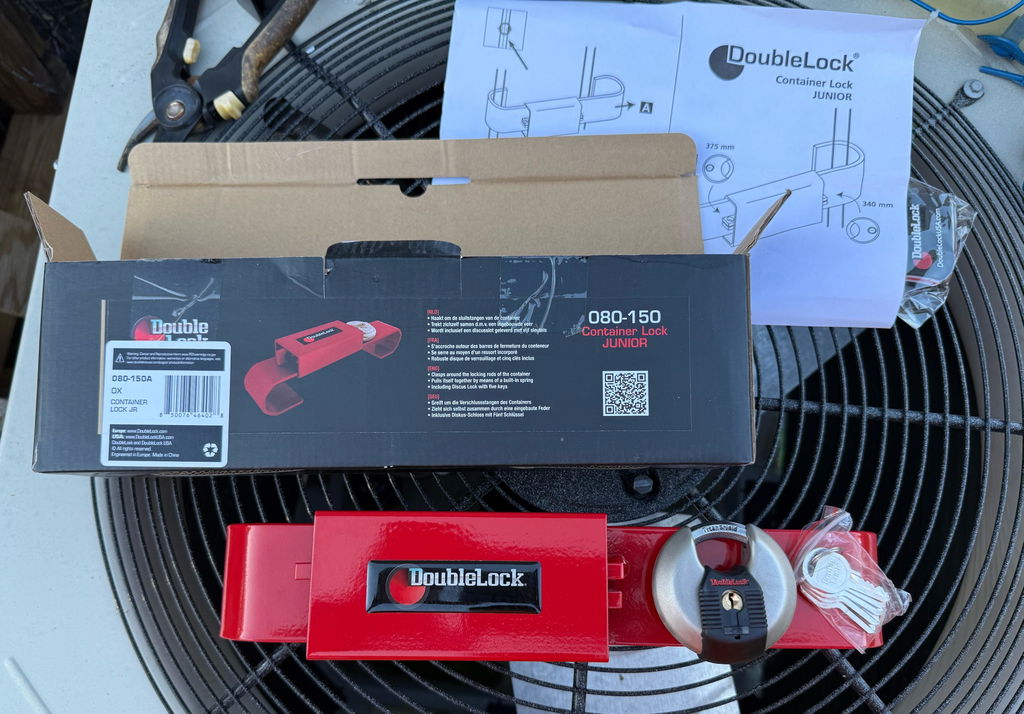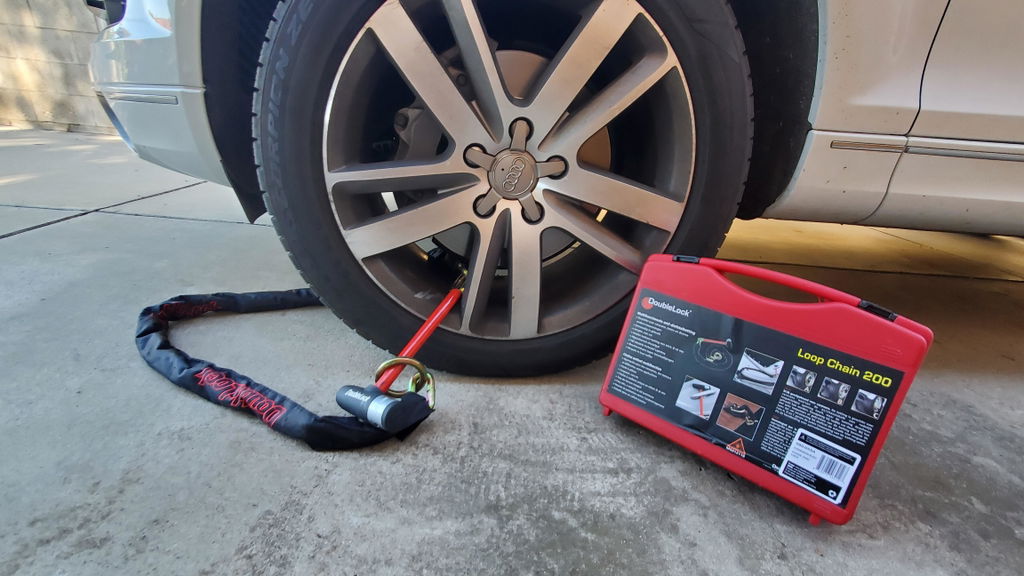



Standard steel locks typically rust shut after just one month of saltwater spray exposure. Ocean air triggers a chemical reaction that eats through metal coatings and seizes internal springs.
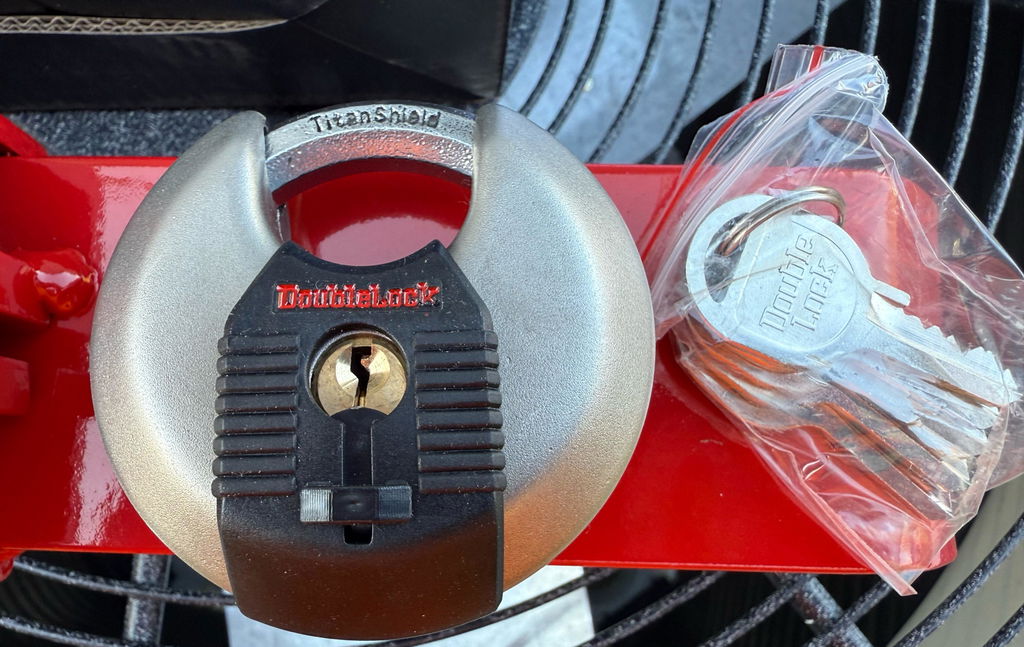
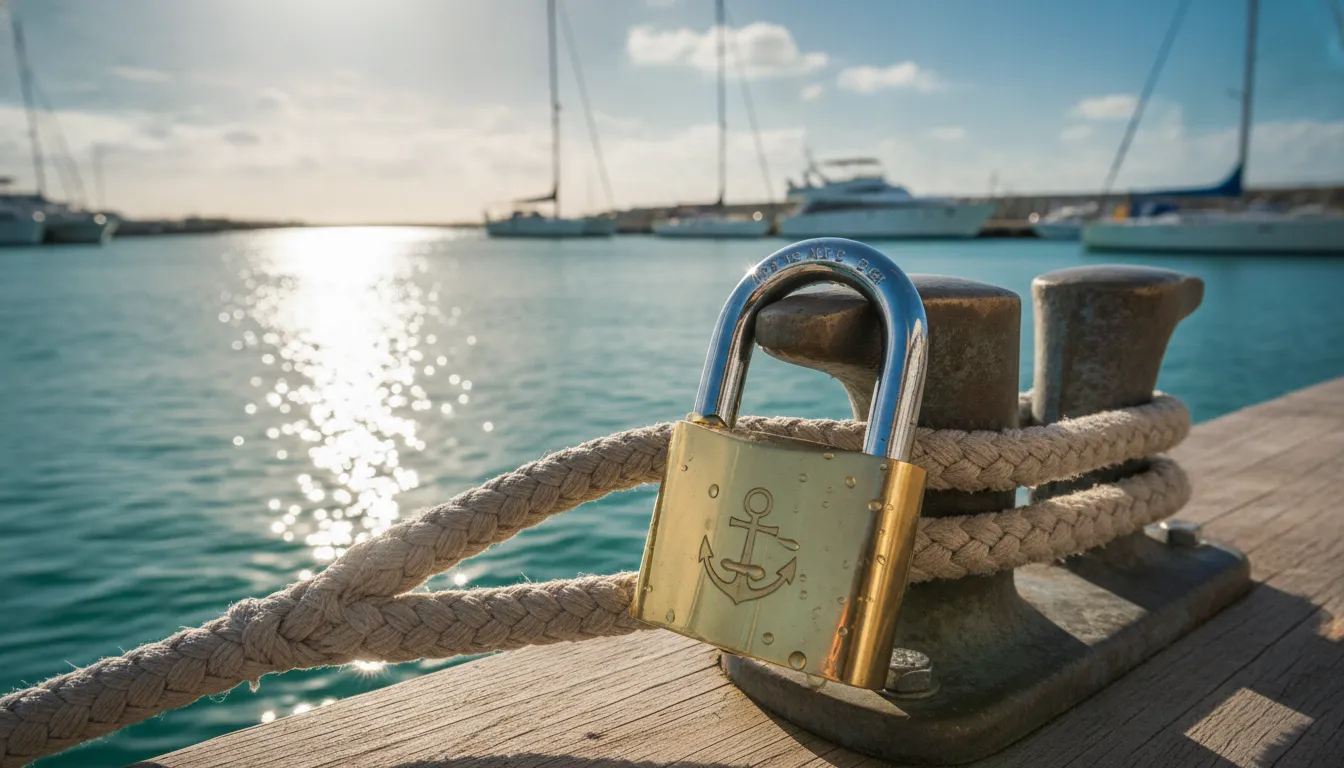
A marine grade padlock like the OSPREY is a security device built with corrosion-resistant materials like solid brass or stainless steel to survive harsh maritime conditions. These locks are engineered to withstand constant salt spray, high humidity, and extreme temperature shifts that quickly destroy standard hardware. Unlike typical steel locks, a true marine grade padlock uses non-corrosive internals and drainage channels to prevent water from pooling inside the mechanism. Many premium options undergo 480 hours of salt spray testing to ensure they do not seize or pit over time.
Protecting your gear on the water requires more than just a heavy shackle and a sturdy lock body. You must understand the chemistry of saltwater corrosion to keep your property safe. In this guide, we will cover why standard locks fail, which materials resist rust best. And how to choose the right marine grade padlock for your boat or dock.
Ready to upgrade your dock security? Browse the DoubleLock marine security collection to find OSPREY padlocks, CROC dock locks, and more purpose-built hardware for saltwater environments.
Why Standard Padlocks Fail in Saltwater Environments
Standard steel padlocks fail quickly in saltwater because the salt and moisture trigger galvanic corrosion, pitting, and salt crystal buildup that seize internal mechanisms. A typical hardware store lock can rust shut within weeks of coastal exposure, leaving boats and dock gear vulnerable to theft.
Standard padlocks are built for dry land. When you take them to the coast, they meet a harsh air that destroys common metals. Saltwater and wet air start a process that can ruin a basic lock in just weeks. This leaves your boat or dock gear open to theft. There are over 4,000 watercraft thefts in the U.S. every year. Using a lock that fails is a big risk.
The Danger of Galvanic Corrosion
Saltwater lets power flow between different types of metal in your lock. This is called galvanic corrosion. When two metals touch in salty water, the weaker metal breaks down fast. Standard locks often use steel parts with different coats. These parts eat each other away from the inside. This process can seize a lock so it will not open or close.
Pitting and Salt Crystal Build Up
Salt does more than just rust the surface. It creates tiny holes in the metal called pitting. These pits go deep into the lock shackle and body. Small salt crystals also get inside where the key goes. As the water dries, the crystals grow and jam the pins. Standard locks do not have the drains needed to flush these out. This is why a marine grade padlock must use metals that stop pits from forming.
UV Rays and Heat
The sun is another enemy in marine spots. Many locks use plastic or rubber covers to keep water out. Cheap covers can crack and peel after a few months of hot sun. Once the seal breaks, salt spray gets trapped inside the lock. This makes the rust happen even faster. A good lock must handle salt, high heat, and UV rays without falling apart.
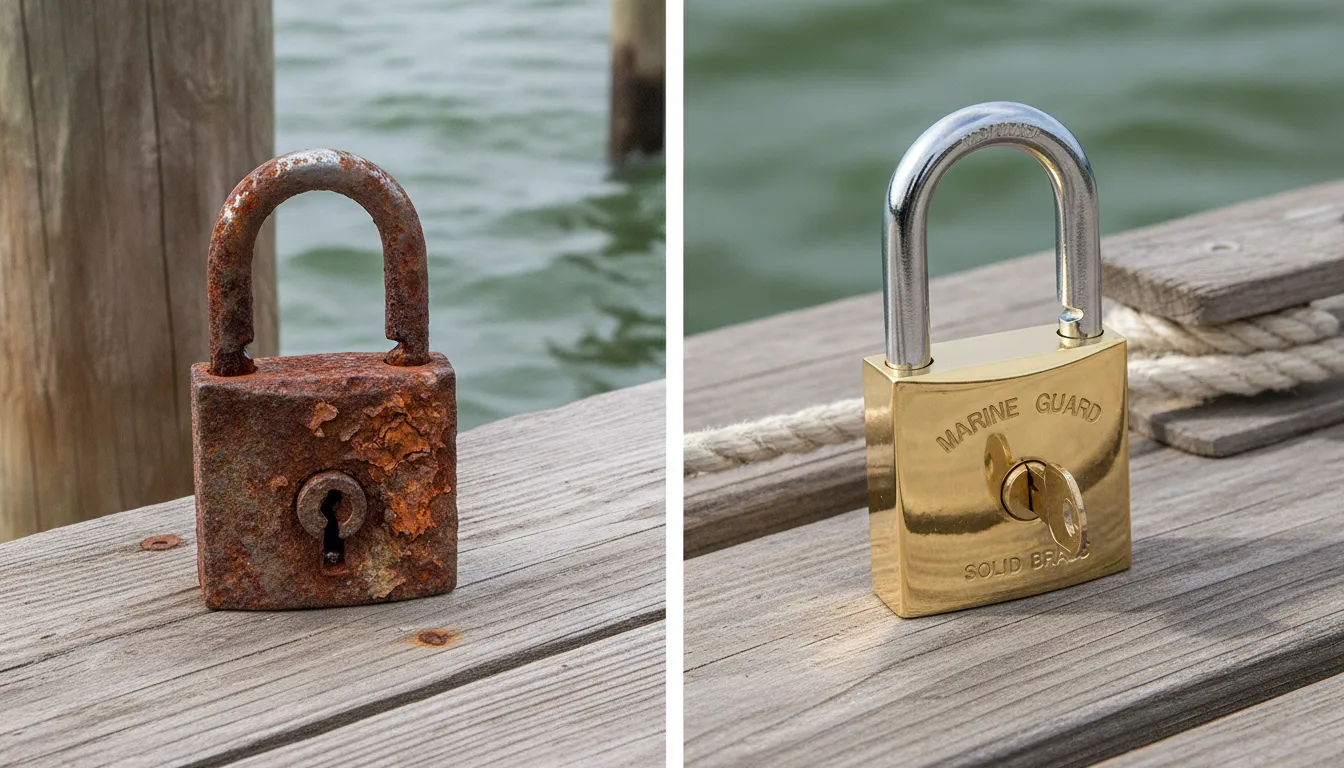
What Makes a True Marine Grade Padlock: Brass vs Stainless Steel vs Coated
A true marine grade padlock uses solid brass or stainless steel components that pass a 480-hour salt spray test. Brass offers the best corrosion resistance with medium cut strength. Stainless steel provides higher cut resistance but can cause galvanic corrosion against aluminum boat surfaces. Coated steel locks are not suitable for long-term saltwater use.
Picking a marine grade padlock means looking closely at the metal parts. Saltwater is harsh. It eats through standard steel in a few weeks. A lock that works on a backyard shed will often jam on a boat dock. You must choose a lock built with metals that can stop rust. A good lock keeps salt damage away from the very start.
Solid brass bodies
Solid brass is a top choice for boat owners. A brass body does not pull magnets. It will not rust even when it sits in wet, salty air. This makes it a great fit for use near the sea. Many experts say an all-brass build is the gold standard for rust defense. These locks use brass for the body and the shackle. They also use it for all the small parts inside the lock. This keeps the lock turning for years.
Brass bodies are tough against rust, but brass is not the hardest metal. A brass shackle is softer than a steel one. This means a thief might find it easier to cut with a hand tool. Still, for dock boxes or boat lockers, the rust defense of brass is a fair trade. You can find more tips in our guide to saltwater padlock protection.
Stainless steel shackles
For high security, a stainless steel shackle is a strong choice. Stainless steel is much harder to cut than brass. It still fights off rust well in wet spots. It can handle heavy use on a boat trailer or a main marina gate.
But using stainless steel comes with a risk called galvanic rust. This type of rust happens when you pair two different metals in a salty spot. If you put a stainless steel lock on an aluminum hatch, the salt water acts like a bridge. One metal will start to break down fast. This can ruin both the lock and the boat. To avoid this, try to match your lock metal to the metal on your boat. Proper material testing standards help experts find the best metal pairs for these tough spots.
Marine testing standards
Not every lock that looks silver is ready for the sea. Cheap locks often use zinc-coated or case-hardened steel. These look fine at first, but the thin coat can chip off fast. Once the steel is open to the air, it will rust and seize.
A true marine lock must pass a 480-hour salt spray test. This test proves the lock can handle a wet, salty setting for a long time. It is a benchmark for any lock used on the coast. You should also look for a shrouded shackle. This means the lock body wraps around the shackle to hide it from view. A shrouded shackle adds pry strength. It makes it hard for a thief to get a tool into the lock. You can see these features in our marine security collection.
| Lock Material | Rust Defense | Cut Strength | Best Use Case |
|---|---|---|---|
| Solid Brass | Excellent | Medium | Dock boxes and lockers |
| Stainless Steel | High | High | Boat trailers and gates |
| Coated Steel | Medium | High | Short-term or dry use |
What Features Should a Weatherproof Marine Padlock Have?
A weatherproof marine padlock should feature a shrouded shackle for pry resistance, a sealed or drained keyway to prevent water pooling. Drainage channels at the bottom, and a dust cover to keep salt and grit out of the internal mechanism. These features ensure the lock remains functional after months of coastal exposure.
Marine grade padlocks must survive settings that would destroy common hardware in weeks. Salt spray and wet air create a harsh, high-salt zone that eats through basic steel. To meet pro standards, a top weatherproof padlock collection must pass tough tests.
One top mark for these locks is the 480-hour salt spray test. This test proves the parts can handle long contact with salt mist without rust. Such corrosion testing is key to finding the best metals for tough sea uses.
Sealed Mechanisms and Drained Keyways
The inner core is often the first part of a lock to fail. Water that stays inside the keyway will soon cause pitting and lock failure. Real marine locks like the DoubleLock OSPREY use drained keyways and sealed inner parts to stop water from sitting in the lock body.
Many types also have a dust cover or keyway flap. This small part keeps salt, sand, and grit out of the lock works while it is not in use. It protects the pins and springs from the grime of the coast.
Shrouded Shackle Designs
The shackle is the most open part of the lock. In high-theft spots like docks, a shrouded shackle is a must. This design wraps the lock body around the shackle to leave very little metal showing. This setup gives great pry strength. It also makes it much harder for thieves to use cutters or saws. For sea use, these shackles often use solid brass or stainless steel to mix strength with rust safety.
Drainage Channels and Bottom Seals
Even with a sealed top, wet air can get into a lock. Bottom drainage holes let any trapped water out fast so the lock does not rot from the inside. This helps the lock stay dry between uses.
Top locks also use dual-ball locking. This system uses two set balls to hold the shackle. This design makes the lock more safe and keeps it useful even if salt or grime builds up on one side.
DoubleLock Marine Security: Built for the Harshest Conditions
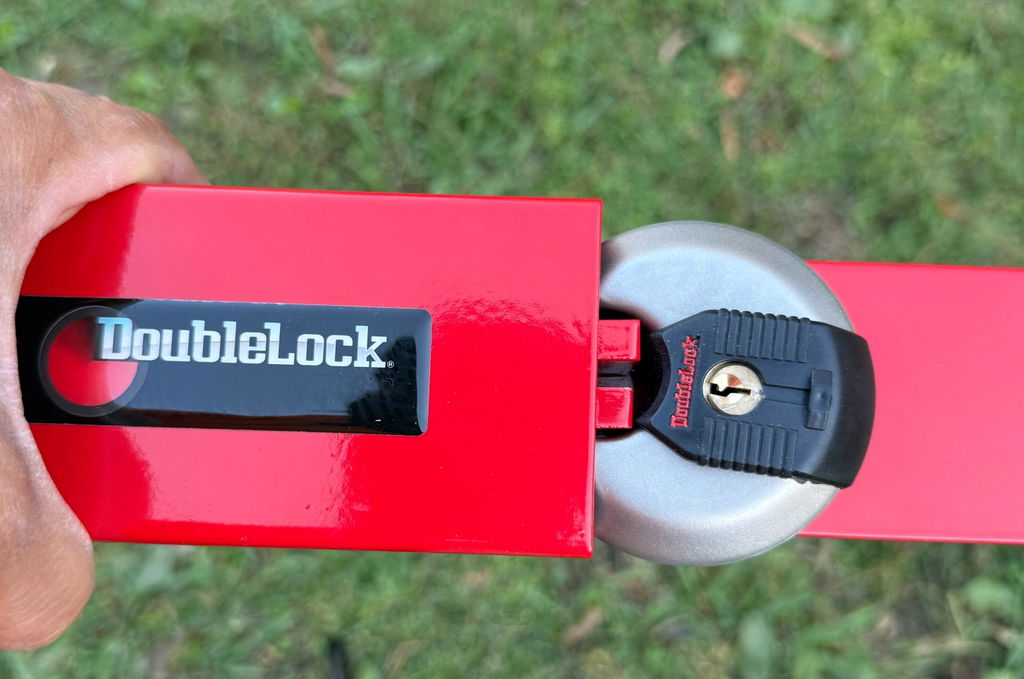
DoubleLock USA offers a purpose-built marine security line including the OSPREY marine grade padlock, the CROC dock lock, the BARRACUDA outboard motor lock, and the HAMMERHEAD equipment lock. Each lock uses solid brass or stainless steel components with drained keyways and shrouded shackle designs backed by 30 years of European engineering heritage.
Boat owners face a tough battle against salt and theft. Standard locks often fail in weeks due to rust. DoubleLock USA solves this with a line of heavy duty locks made for the sea. Our team uses 30 years of European security heritage to build gear that lasts in saltwater. We work with brass and stainless steel to stop the rust before it starts. This choice keeps our locks smooth in high humidity.
The OSPREY marine grade padlock
The OSPREY is our top marine grade padlock for boaters. It costs between $12.99 and $19.99. This price point makes it an easy choice for lockers, hatches, and dock boxes. The lock body resists pitting and salt spray. It keeps your gear safe without the risk of a seized keyway. Most users find it much more steady than standard retail locks. You do not have to worry about the key getting stuck after a storm.
The OSPREY is part of our wide range of 38 distinct security products. This padlock uses the same engineering that earned our brand a 4.88 out of 5 star rating. It gives an easy way to protect your deck gear. You can rely on its smooth action even after months in wet air. We use solid brass internals to make sure the lock opens every time.
Specialty boat and dock locks
Marine security goes past just padlocks. Thieves target motors and trailers as well. The BARRACUDA outboard motor lock costs $119.99 and helps stop the theft of expensive engines. For boat trailer and cleat safety, the HAMMERHEAD equipment lock sells for $199.99. These locks use heavy metal shells to stop power tools and pry bars. They fit tight to the boat to leave no room for a saw.
If you keep your boat at a marina, the CROC dock lock is a key tool. It costs $79.99 and secures your vessel to the dock. This is vital since federal maritime data shows that ship theft and piracy remain active threats. Our dock locks give you peace of mind when you leave your boat for the night. They are easy to set up and take off when you are ready to sail.
Industrial quality for boat owners
We do not just make consumer locks. Our products come from a background of industrial use. This means we use thicker metal and tighter seals. We know that a broken lock can mean a lost day on the water. Our goal is to give you a lock that works every time you use it. We test our gear in the worst weather to make sure it holds up.
DoubleLock USA brings pro-level security to every dock. Our animal-themed locks like the OSPREY and CROC are built to handle sun, salt, and rain. You get the same strength used to protect cargo ships for your own boat. We take pride in our no-nonsense approach to safety.
How to Choose the Right Marine Grade Padlock for Your Boat or Dock
Choose a marine grade padlock based on the specific application: solid brass for boat lockers and dock boxes where corrosion resistance matters most. Stainless steel for high-security gates and trailer applications, and purpose-built locks like the HAMMERHEAD or BARRACUDA for securing outboard motors and boat trailers against theft.
Choosing the best lock for a marine setting depends on its use. Saltwater and high humidity create a harsh air that can ruin a standard lock in weeks. You must match the lock metal and shape to the job to ensure long-term safety. Many boat insurance requirements ask for certain security steps to cover theft claims. If you manage a fleet, you can find bulk prices through our wholesale collection.
Matching locks to marine use cases
Boat lockers often need small locks with a low profile. A solid brass body is best here because it resists salt spray without adding much weight. For dock gates, a larger lock with a shrouded shackle gives more safety. Shrouds shield the lock from bolt cutters and prying tools. According to the NIST standards for marine hardware, these parts must withstand high salt to prevent breaks. Different jobs have different needs, which is why we offer a range of locks.
Securing boat trailers and motors
Trailer hitches and boat motors need specific types of locks. A standard padlock is often too easy to cut or bypass on a boat trailer. The HAMMERHEAD equipment lock is built to secure boat trailers against theft. Outboard motors are also high-value targets for thieves. Our BARRACUDA lock protects these motors from being taken. Marine grade padlocks for these uses must be tough enough to stop physical attacks while resisting the rust that comes from water.
Keyed vs combination lock choices
You should also think about how you want to open your lock. Keyed locks are simple but keys can rust or get lost. Combination locks remove the need for a key, but they can be more hard to use with wet hands. Keyed locks often have better seals to keep water out of the inner parts. Saltwater can get inside any lock and cause parts to stick over time. Regular care with a silicone spray can help any lock last longer.
How to Maintain Your Marine Padlock for Years of Reliable Service
To maintain a marine grade padlock, rinse it with fresh water after each saltwater exposure, dry it thoroughly. Apply a dry silicone lubricant to the keyway and shackle, inspect for wear annually, and store the lock indoors during off-season months. These simple steps prevent salt buildup and keep the internal mechanism moving freely for years.
A good marine grade padlock is built to last, but the sea is a harsh place. Even the best brass or steel locks need care to stay in top shape. Salt and grit can build up inside the lock and jam the parts. Setting up a simple care plan helps your gear work well for many years.
Keep the Lock Clean
Salt is the main foe for any lock used on the water. It can cause rust that stops the key from turning. To keep your lock smooth, you must wash off the salt after each trip.
- Rinse with fresh water. Wash the whole lock and the key hole with clean water after each day on the boat. This washes away salt and stops a crust from forming on the small parts.
- Dry the lock well. Use a cloth or a puff of air to get water out of the shackle and key hole before you put the lock away.
- Use a dry lube. Use a silicone spray or graphite on the shackle and in the key hole. Do not use oil or grease. Those can trap dirt and sand that will jam the lock.
- Check for wear. Look at the shackle and the lock body each year for signs of deep rust or cracks. If the shackle is loose or hard to turn, you may need a new lock.
- Store the lock inside. If you take your boat out of the water for the winter, bring your locks inside. Storing them in a dry spot keeps them away from cold, damp air.
Look for Smart Design
When you buy a lock, look for parts that help with care. Many top locks have holes that let water flow out instead of sitting inside. This simple choice makes it easy to keep the inner parts clean and dry. You can find these features in our marine security collection of locks and cables.
Good locks also go through tough tests to prove they can handle the sea. A top mark for a high-end lock is the 480-hour salt spray test which shows how well the metal resists rust. Choosing a lock that meets this test means it will stay strong on your boat or dock.
Lock care takes very little time but saves you money. A clean lock is a strong lock that will protect your gear for a long time. If you need a new lock, see our weatherproof padlock collection to find the best fit for your dock.
Frequently Asked Questions
How long do marine padlocks last in saltwater?
A good marine grade padlock can last for many years if you take care of it. These locks often pass a 480-hour salt spray test to show they resist rust. In contrast, a standard steel lock may fail or rust in just a few weeks near the ocean. Per tests by Practical Boat Owner, top marine locks work well even in salt spray and damp air. Monthly rinses with clean water will help your lock last much longer.
What is the strongest type of padlock for marine use?
The strongest marine padlock combines a stainless steel shackle with a solid brass or stainless steel body. Stainless steel offers the highest cut resistance while brass provides the best long-term corrosion protection. For maximum security against theft, look for a shrouded shackle design that prevents bolt cutters from reaching the shackle. The DoubleLock OSPREY and other marine security products combine these features in a weatherproof package.
Does insurance require a certain marine padlock?
Many marine insurance policies require that watercraft and storage areas are secured with locks that meet specific standards. While exact requirements vary by insurer, most ask for locks made from rust-resistant materials with weather-sealed mechanisms. Check your policy for specific language about lock grades or ask your agent whether a marine grade padlock meets their security requirements.
Can you use a combination lock for a boat?
Combination locks can be used on boats but they present unique challenges in marine environments. Salt and moisture can jam the dial mechanism over time. Keyed locks with sealed keyways generally provide better long-term reliability in saltwater conditions because they have fewer exposed moving parts that can corrode. If you prefer a combination lock for convenience, choose one with a sealed dial and rinse it regularly with fresh water.
What is the best lock for a boat trailer?
The best lock for a boat trailer is a high-security device designed specifically for trailer applications. The DoubleLock HAMMERHEAD equipment lock ($199.99) is built to secure boat trailers against theft. It uses a heavy metal shell that resists both corrosion and physical attacks. For additional trailer protection, pair it with a marine grade padlock for the trailer hitch coupler.
Ready to Secure Your Boat or Dock with a Marine Grade Padlock?
Saltwater will not wait for your lock to fail. Standard hardware store padlocks rust, seize, and leave your boat, motor, and dock gear exposed. DoubleLock USA marine grade padlocks like the OSPREY and the CROC dock lock are purpose-built with solid brass and stainless steel to survive the harshest coastal conditions. Whether you need a padlock for your dock box or a lock for your outboard motor, DoubleLock has the right hardware for the job. Shop the DoubleLock marine security collection today and get the saltwater protection your gear deserves. For fleet and wholesale orders, visit our wholesale page for bulk pricing.