
A hitch lock is a strong tool that keeps thieves from towing your trailer by blocking the coupler or securing the receiver pin. To find the best security, you must pick a lock that fits your gear while choosing tough steel that resists power tools like saws. Researchers at Purdue Extension say that these barriers are vital because they force criminals to spend more time trying to steal gear. By using industrial locks with European roots, you build a strong defense that stops most thieves who want a quick and easy score. Choosing the right lock for your trailer will help keep your pricey gear safe and secure on every jobsite or in any storage lot.
Understanding Hitch Lock Types: Receiver, Coupler, and Pintle
Choosing a hitch lock is a key part of trailer safety. These locks are physical blocks that stop a trailer from being moved. Using mechanical deterrents like hitch and wheel locks keeps your gear safe when you are not there. Most people think one lock fits all, but there are three main types you should know.
Each type of lock has a set job. Some stay on your truck, while others stay on the trailer. Buying the right one for your setup will help you avoid the stress of a stolen trailer. Whether you buy from a pro shop like Northern Tool or a large hardware store, you must know how these locks work.
Receiver locks for ball mount safety
A receiver lock is a simple tool with a big job. It holds the hitch part to the receiver on your tow vehicle. This stops a thief from simply pulling the pin and taking your whole ball mount. Without this lock, your costly hitch and anything joined to it are easy targets.
These locks take the place of the basic pin and clip. Using a top-grade locking hitch pin makes sure your ball mount stays with your truck. It gives you a solid link that resists theft and keeps your towing setup whole. Most of these locks use a key or a short code to stay closed.
You can find these in many sizes. It is key to match the pin to the size of your receiver. A loose fit might let a thief use a pry bar to break it. Always check the size before you buy to get the best fit for your vehicle.
Coupler locks to stop trailer theft
Coupler locks work in a different way. A coupler lock holds the trailer itself when it is not linked to a truck. It fills the space where the hitch ball usually goes. This hitch lock stops a thief from hooking your trailer to their own truck and driving away.
Based on safety guides, a coupler lock works by filling the coupler cavity to block a tow ball. This physical block makes it very hard to steal the trailer. It is the best way to keep a parked trailer safe in a driveway or on a job site. It creates a clear sign that your gear is not an easy target.
Most coupler locks use a heavy bar or a ball shape to block the hitch. Some types even cover the whole front of the coupler. This extra layer of steel makes it tough for anyone to use bolt cutters or other tools on the lock.
- Stops other people from hooking up.
- Holds trailers safe in open lots.
- Gives a strong sign to stay away.
Pintle hitch locks for heavy-duty needs
Pintle hitches are for heavy towing. They use a hook and a ring instead of a ball and coupler. These are common on job sites and for large farm gear. Because they are big, they need a special kind of hitch lock to stay safe.
A pintle lock blocks the ring on the trailer. This stops a hook from getting into the ring. These locks are often much larger and heavier than basic ball locks. They are built to handle the rough days on a job site or a dirt road.
Using these locks is part of a smart safety plan. When you leave a large trailer at a site, a pintle lock is your first line of defense. It shows that you care about safety and want to protect your gear. Using this with other tools like wheel locks gives you the best safety.
When you choose a pintle lock, look for one made of thick, hard steel. This metal is hard to cut with a saw or a grinder. A strong lock will give you peace of mind when you have to leave your gear out in the open at night.
SCORPION Pintle Hitch Lock: Security for Pintle Hitches
A pintle hitch uses a hook and ring system for heavy duty towing. You will often see them on large trucks, construction tools, and big trailers. They handle more weight and offer more movement than a standard ball hitch. Because they are different, a normal locking hitch pin will not fit. You need a tool made for the pintle ring.
How the SCORPION lock works
The SCORPION Pintle Hitch Lock secures the ring of the trailer. It blocks the open space so the pintle hook cannot enter. This keeps a thief from hooking up your gear and driving away. These locks are vital for expensive tools like wood chippers or air compressors left at a job site. Using mechanical deterrents like this is a good way to stop trailer theft.
The lock uses hardened steel to stop attacks. This material resists cutting and prying better than soft metals. The design is also made to last in bad weather. Rain, mud, and snow will not stop the lock from working. It protects your assets in the harshest outdoor spots.
Professional grade lock cylinders
A strong lock body needs a great core. The SCORPION lock features a pro grade cylinder. This part of the lock stops people from using picks or drills to get inside. It is a key part of industrial security. High quality cylinders ensure the lock stays shut until you use your key.
Thieves look for easy targets they can bypass fast. A tough lock makes them move on to something else. Adding this layer of physical security is a smart move for any fleet. It reduces risk and keeps your work on track.
Comparing SCORPION and standard locks
Choosing the right security depends on your hitch type. Pintle hitches need specialized gear that standard ball hitches do not use. You can find general tools at shops like Lowe's, but heavy duty gear needs a more focused design.
| Feature | SCORPION Pintle Lock | Standard Receiver Lock |
|---|---|---|
| Hitch Type | Pintle ring and hook | Standard ball receiver |
| Material | Hardened solid steel | Cast steel or zinc |
| Security Level | Industrial grade | Light duty consumer |
| Attack Resistance | Resists drills and saws | Resists basic prying |
| Environment | Full weather proofing | Basic rust coating |
LION Kingpin Lock: Protecting Fifth-Wheel and Gooseneck Trailers
Fifth-wheel and gooseneck trailers are big assets for fleet owners and boaters. These trailers use a kingpin to link to a tow truck. A kingpin is a thick metal pin that sits under the front of the trailer. When you unhook your trailer, that pin stays out in the open. A thief with a matching truck can simply back up and hitch onto your trailer. Without a lock, your trailer is an easy target for theft.
How a kingpin lock stops theft
The LION Kingpin Lock works as a firm block for your trailer. It builds on a 30-year European roots of strong engineering. The lock fits over the kingpin and stays in place. Once the lock is on, no one can couple their truck to the pin. This type of mechanical deterrent is a key tool for keeping parked trailers in place. It stops wrong moving by making the pin useless for towing.
Most thieves look for a quick job. They want to get in and out fast. A heavy lock makes that very hard to do. Using a high-grade hitch lock on your fifth-wheel protects your gear from being driven away. These locks use tough steel to resist tools like saws or drills. This means a thief would need a lot of time and loud tools to break it. High-grade locks are a smart way to lower your risk.
The power of visual deterrents
Good security is not just about strength. It is also about how the lock looks to a thief. Many trailer thefts are opportunistic. This means the thief did not plan to steal your trailer until they saw it was an easy mark. A bright or large lock shows that you take security very much. This visual deterrent can make a thief move on to a less protected trailer. It signals that your trailer is a high-risk target for them.
The LION lock has a bold shape and a clean finish. It is easy to see from a far way off. When you park in a public lot or at a jobsite, this look helps. It tells anyone watching that the trailer is secure. You can find more tools for trailer security in our full list. Using a mix of locks helps you cover every weak spot on your rig.
Creating a layered security plan
One lock is good, but two or more are better. A single lock can slow a thief down, but it might not stop a career crook. Top experts suggest a layered security plan for high-value loads. This means you use many types of locks and tracking tech as one. By adding more layers, you make the job much harder for any thief.
You might use a kingpin lock along with wheel locks or GPS tools. Each layer adds a new hurdle. If a thief gets past one, they still have to deal with the next. This plan cuts the risk of loss for your fleet or own gear. While no lock is perfect, adding layers gives you the best chance to keep your gear safe. You should check your locks often for any signs of wear from the weather.
How Hitch Locks Fit Into a Layered Trailer Security Strategy
No one lock can make a trailer safe from all theft. A strong plan uses many tools to create roadblocks for a thief. This is called a layered approach. By using a hitch lock with other barriers, you make the job hard and slow for anyone who tries to take your property.
Types of trailer thieves
Research from Purdue Extension shows three main types of trailer thieves. These are the casual thief, the career thief, and the internal threat. Most thefts are done by casual thieves who look for easy targets. A bright hitch lock acts as a clear sign that your trailer is safe. This often makes these thieves look for a target that is not locked.
Career thieves have more skill and may carry tools like bolt cutters or saws. While no lock can stop every thief, adding more layers of trailer security forces a thief to spend more time in one spot. Each extra minute they spend trying to cut a lock raises the chance they will get caught. A layered plan helps stop even skilled thieves by raising the risk of their work.
Essential security layers
A good plan uses many mechanical deterrents at once. While a hitch lock stops someone from hooking up your trailer, other locks protect other parts. You should use a hitch lock with wheel locks to stop the trailer from rolling. Tongue locks and coupler locks add more safety to the front, while kingpin locks are for fifth-wheel trailers.
You can also use locking cables and heavy chains to tie the trailer to a post. The goal is to make a thief use many tools to get away. Experts at MIT say that the best way to stop theft is to use physical locks and tracking tools. This way, you have a physical wall and a way to find your property if someone does move it.
Visual and physical deterrence
Visible locks do two things. First, they provide a physical wall made of tough steel that resists tools like bolt cutters. Second, they act as a mental wall. When a thief sees a well-locked trailer, they know it will be hard work. Many will decide the job is not worth the prize. This is why using high-quality, tough gear is a key part of your safety plan.
To learn more about how to pick the right gear, read our guide on trailer hitch lock options. By picking the right mix of locks, you can build a wall that protects your gear from all threats. Always keep in mind that the best safety is the one that makes a thief look for an easier target somewhere else.
Key Features to Look for in a High-Security Hitch Lock
Choosing a good hitch lock is the first step in keeping your trailer safe. A strong lock acts as a real block that stops thieves from hitching your gear to their truck.
Not all locks offer the same level of safety. You need to look for clear traits that make a lock hard to cut, pick, or bypass. By looking at build and European roots, you can lower the risk of loss and keep your gear safe.
Strong Build Quality
The stuff used to make a lock is its first line of defense. Cheap locks often use soft metal that bolt cutters can snap in seconds. A high-grade choosing a hitch lock pin starts with the right build. Look for locks made of heavy steel that can stand up to power tools and harsh force.
Thieves often use tools like angle grinders or hacksaws to get through a lock. If the metal is soft, they can finish the job in a few minutes.
Heavy steel makes their work much harder. It forces them to spend more time and make more noise. A lock that resists cutting will often make a thief look for an easier target.
Better Locking Parts
A thick body is only half the battle. The lock core inside must also be strong. Many thieves try to pick or drill out the center of a lock.
If the core is weak, the rest of the lock does not matter. You want a lock that uses a complex key way and tough internal pins. This makes it much harder for someone to open the lock without the right key.
- Hardened steel build. A lock made from hardened steel is a must for any trailer owner. This type of steel goes through a heat process that makes it very tough. Hardened steel parts help the lock resist prying and cutting from common hand tools.
- Top-grade lock cores. The core of your lock should be built to stop drilling and picking. High-security locks use special designs that make it hard for a thief to use a pick. This ensures that the lock stays shut even if someone tries to bypass the key.
- Weather-proof coating. Since a hitch lock stays outside, it must handle rain, snow, and road salt. Look for a lock with a good finish or a cap that keeps dirt out of the key hole. This stops rust from making the lock stick or fail over time.
- Proper fit and size. A lock must fit your trailer coupler or hitch pin hole well. If the lock is too loose, a thief can use a tool to pry it off. Always check your hitch size before you buy to make sure the fit is tight and secure.
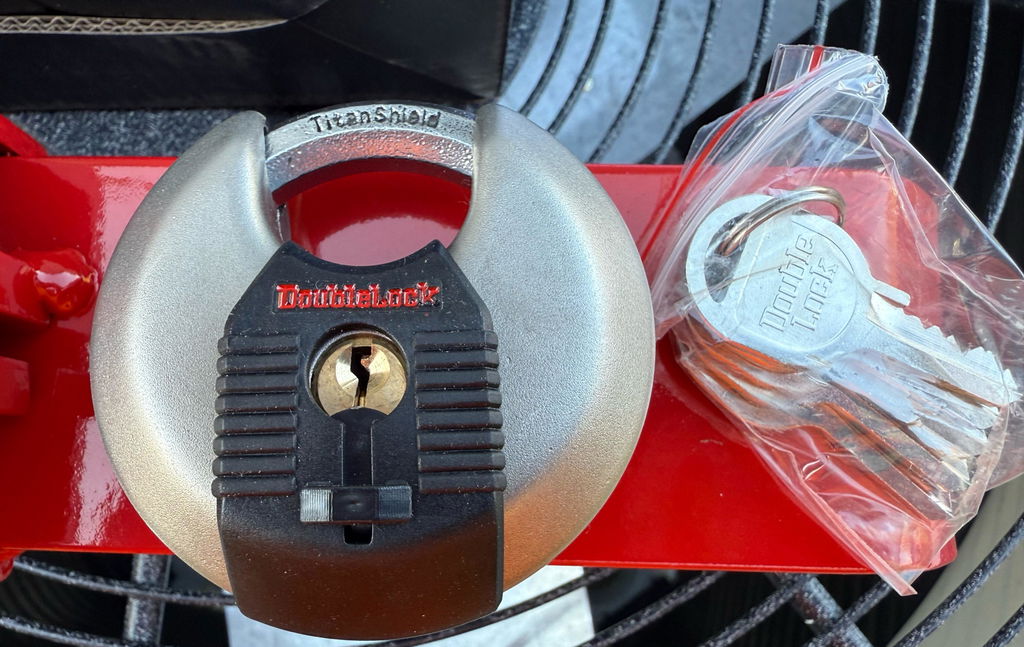
- Bright visual warning. A lock that is easy to see can stop a crime before it starts. Bright colors show that you take safety seriously. As noted by experts at Purdue University, bright locks are very good at scaring off thieves.
Even the best lock needs a little care to stay in top shape. You should clean your lock and add a bit of oil to the key hole now and then. This keeps the parts moving well and stops rust from forming.
Also, check your lock for any signs of damage or marks from tools. Catching these signs early helps you stay ahead of any threats and ensures your lock is always ready to do its job.
How to Choose the Right Hitch Lock for Your Trailer Setup
Finding the best tow hitch locks for your needs starts with your trailer and truck. Not all locks fit every setup. You must look at your hitch class, the size of your coupler, and how you use your trailer. A good lock acts as a physical barrier. It keeps thieves from taking your gear when you are not there.
Find Your Hitch Class and Size
Hitches come in five main classes. These range from Class I for light loads to Class V for heavy duty towing. Each class has a different receiver size. You must buy a lock that matches the pin hole on your hitch. If the lock is too small, it will rattle and could break. If it is too large, it will not fit at all.
You also need to check your coupler size. Most trailers use a 2 inch or 2 5/16 inch ball. According to DoubleLock guide specs, you must match the lock to your coupler size exactly. A loose lock is easy for a thief to move or break. Check your trailer manual or look at the coupler stamp to find the right size before you buy a lock.
Pick a Lock for Your Trailer Type
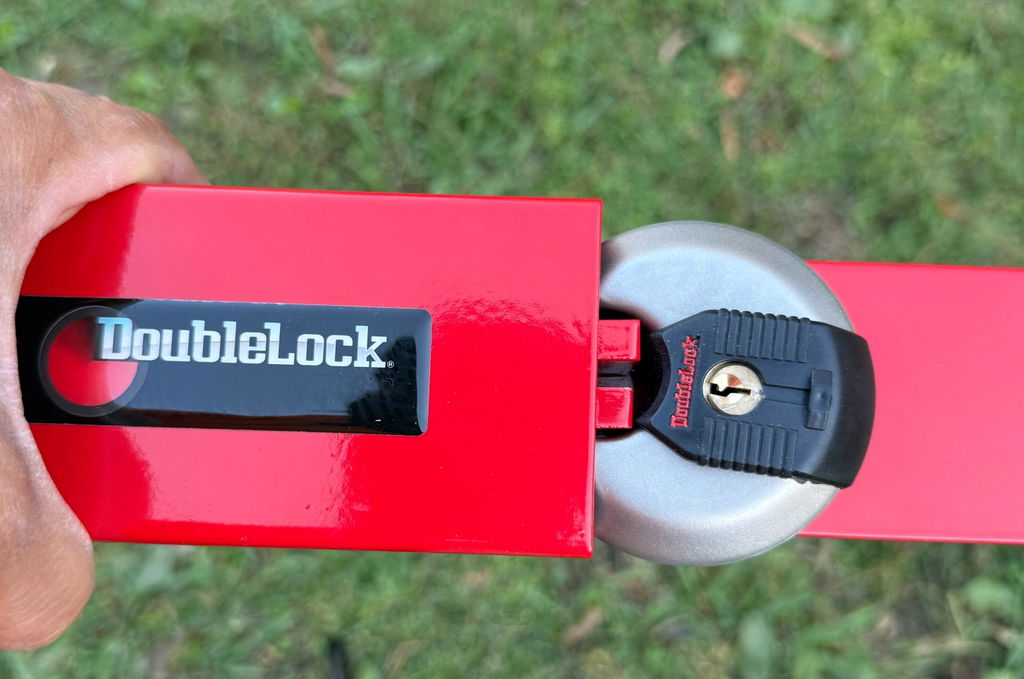
The type of trailer you own tells you which lock you need. A standard utility trailer or boat trailer usually needs a coupler lock. A hitch lock works by filling the coupler cavity. This stops anyone from latching the trailer onto another tow ball. It is a simple but effective way to keep your gear safe in a parking lot or driveway.
If you have a fifth wheel or a gooseneck trailer, a standard hitch lock will not work. These trailers use a kingpin. You will need a kingpin lock like the LION to secure the front of the trailer. For heavy gear like a wood chipper or a large generator, you might use a pintle hitch. These hitches use a ring instead of a ball. In those cases, a special pintle lock like the SCORPION is the best choice.
Think About Your Risk and Weather
Where you store your trailer matters. If you live where it rains or snows, look for a lock made of hardened steel with a weather cover. Rust can make a cheap lock hard to open. It can also weaken the metal over time. High quality locks use special coatings to stop rust and keep the lock turning smoothly for years.
You should also think about the risk of theft in your area. Physical tools like hitch locks are key for stopping people from moving parked trailers. If you park in a high risk spot, use a lock with a high security cylinder. These cylinders resist drilling and picking. While no lock is perfect, a strong lock makes a thief look for an easier target elsewhere.
Frequently Asked Questions
Can I use a hitch lock while towing?
You can use receiver locks while you tow to keep the hitch pin in place. These locks hold the hitch to your truck so it does not fall out. However, do not use a coupler lock while the trailer is in motion. A coupler lock stops the ball from fitting into the socket. This means you can only use it when the trailer is parked. Always check your lock type before you drive to stay safe on the road.
Are trailer hitch locks worth it?
Yes, hitch locks are a key part of trailer safety. As stated by Purdue Extension, these real tools are vital for locking parked trailers. Most thieves look for quick and easy targets. No lock is perfect, but a high-quality DoubleLock makes theft much harder. It forces thieves to use loud tools or move on to the next trailer. For a small price, you can protect your gear and get peace of mind.
How do I choose the right size hitch lock?
You must match the lock to the size of your trailer coupler. Most couplers use a two-inch ball or a larger size for heavy loads. A lock that is too loose will not work well. Thieves can pry a loose lock off with ease. You should also check the width of your coupler latch. Some latches are wider and need a longer pin. Measure your parts first so you get a tight fit. Snug locks provide the best safety for your trailer.
How do I maintain a hitch lock in wet weather?
You should clean and oil your lock every few months. Road salt and dirt can get inside the lock and make it rust. Use a dry lube or light oil to keep the parts moving. Check the lock for signs of wear or damage after every trip. If you see rust, clean it off right away. Keeping your lock in good shape ensures it will work when you need it. This simple step helps your gear last for many years.
Ready to shop the DoubleLock USA hitch lock collection?
Leaving your trailer without a lock makes it an easy target for thieves who look for quick wins. This risk can lead to the loss of your valuable tools and expensive equipment, which hurts your bottom line and halts your work. By choosing a high-quality lock now, you put a strong physical barrier in place that stops most theft attempts before they can start. You will gain peace of mind and protect your property by getting the right security for your receiver or coupler today. Our industrial-grade hardware provides the tough defense you need for your fleet or personal trailer.
Ready to shop the collection? Call +1 561-289-4865 to request a fleet or wholesale quote.