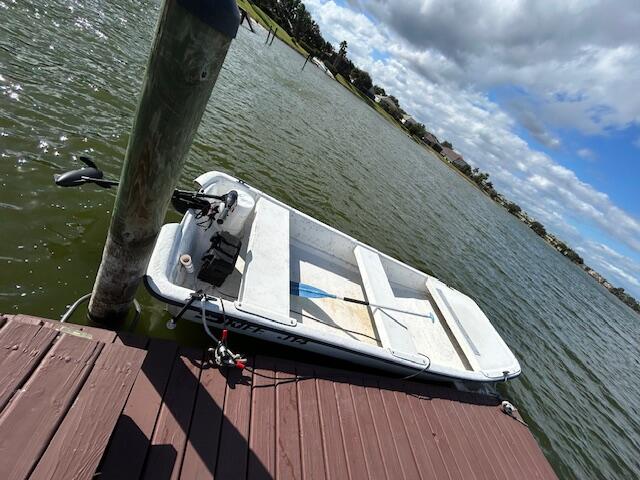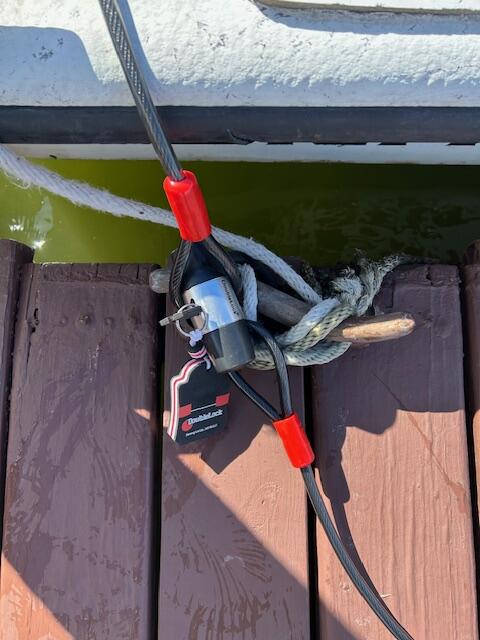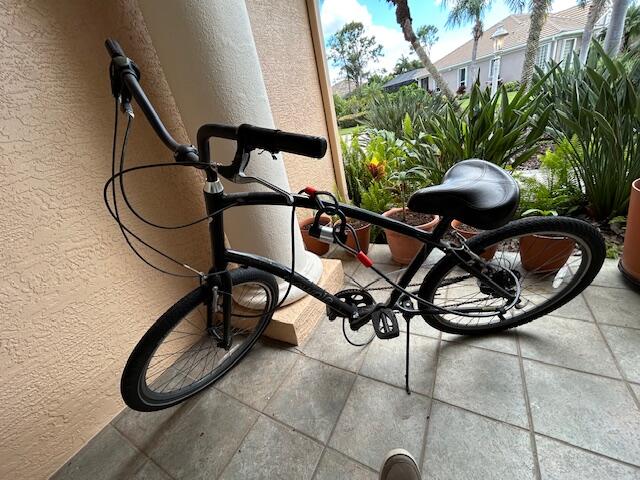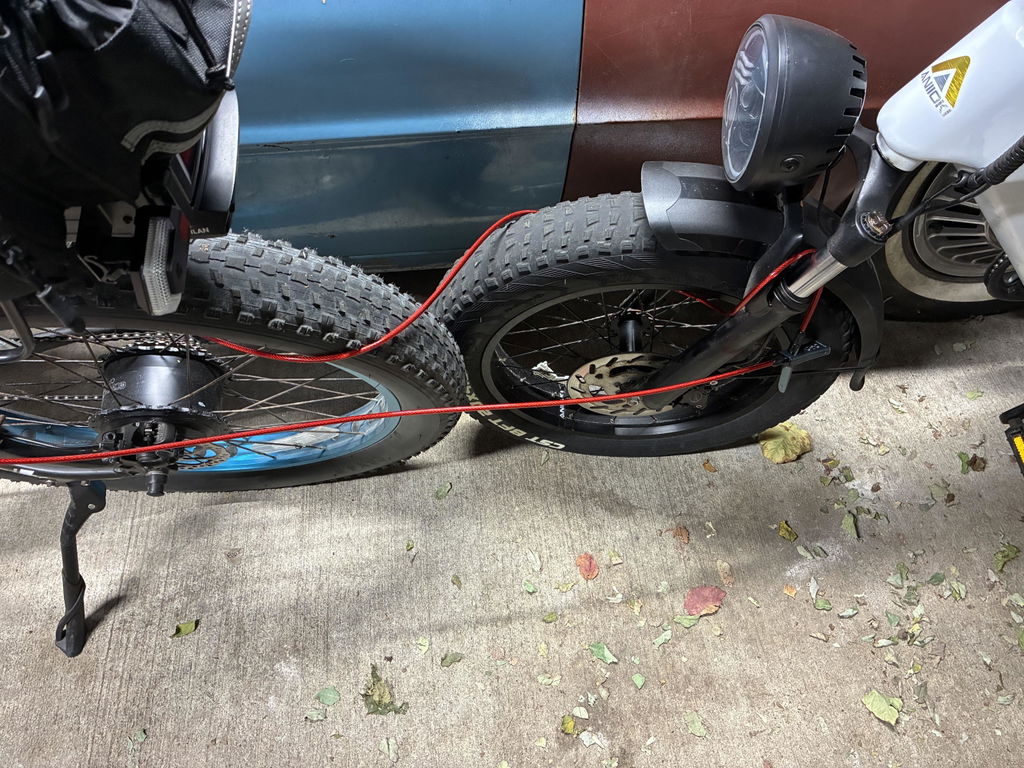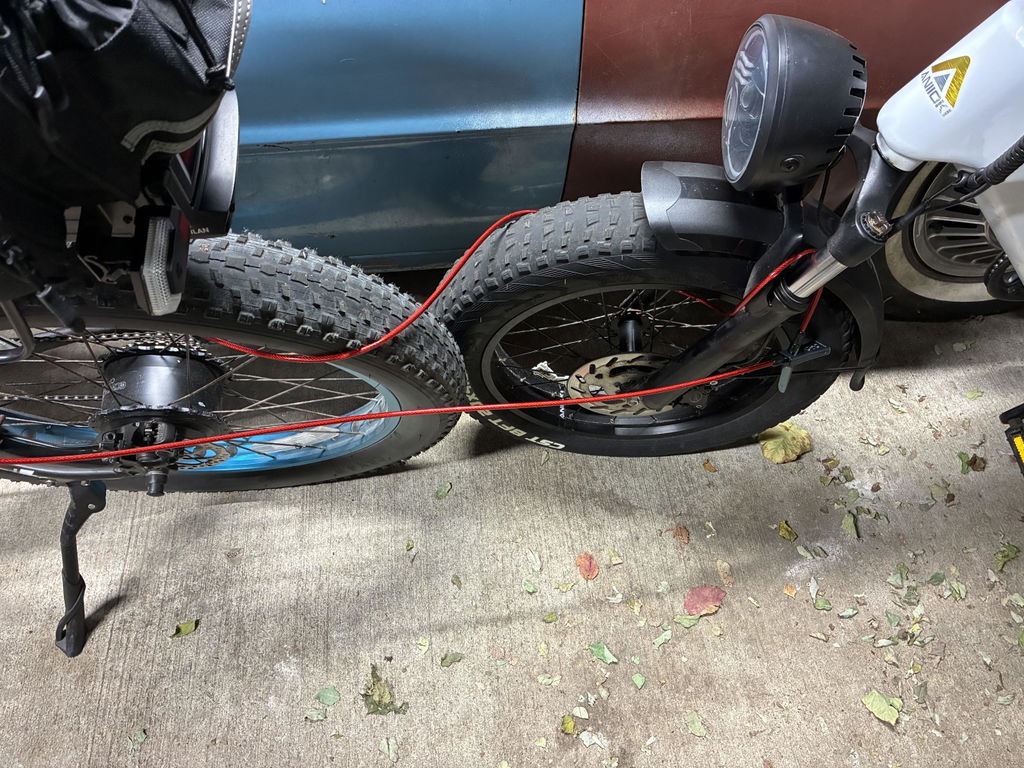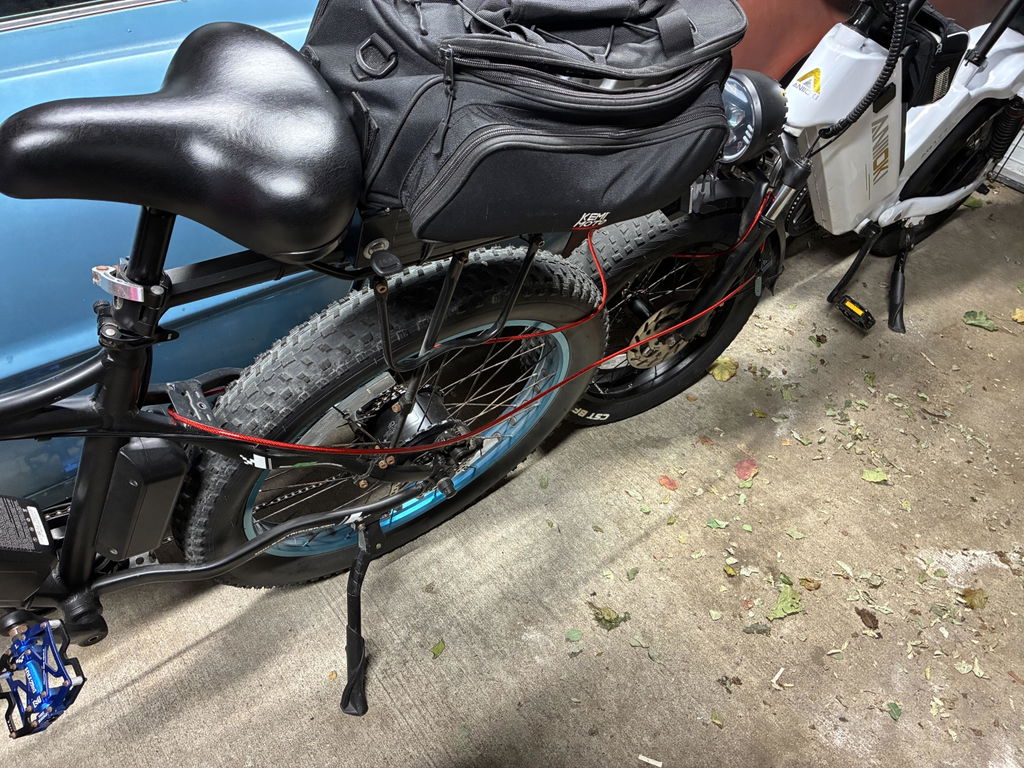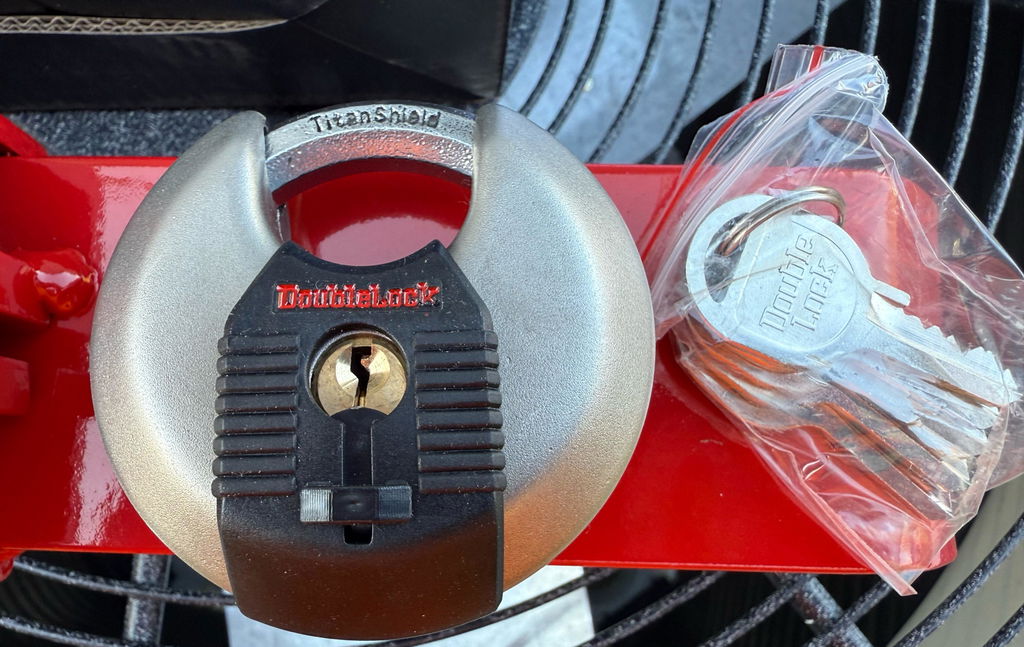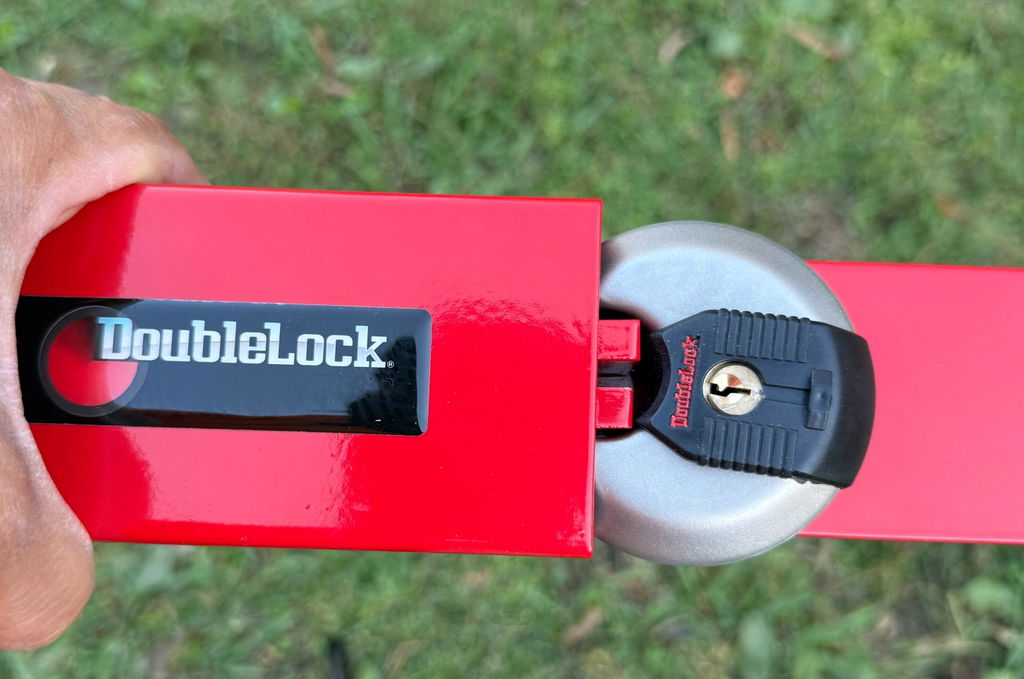

A lock’s greatest challenge isn't always a pair of bolt cutters. For assets stored outdoors, the weather can be just as destructive. Rain, dust, and ice can cause an ordinary lock to seize, leaving you locked out when you need access most. A lock you can't open is as useless as a broken one. While a heavy-duty padlock is built for durability, adding a protective cover takes security to another level. A lock shield padlock combination not only guards the shackle from cutting tools but also protects the lock’s most vulnerable parts from the elements.
Key Takeaways
- Evaluate a lock's core components: A heavy-duty padlock is defined by its construction, so look for a hardened steel body, a thick and protected shackle, a complex pick-resistant cylinder, and features that resist weather.
- Match the lock to its specific use: Before you buy, consider the environment where the lock will be used and what it will secure. Measure your hardware to ensure the shackle fits correctly and choose features appropriate for your level of risk.
- Think of security as an investment: The best value comes from a lock that provides reliable, long-term protection. A quality padlock is a small upfront cost compared to the potential expense of replacing stolen or damaged assets.
What Makes a Protective Device Truly Tough?
When you see the term "heavy-duty," it’s more than just a label. It signifies a padlock built to a higher standard of strength and resilience. These locks are specifically designed to protect valuable assets in demanding environments, from construction sites to storage containers. Understanding the key features that define a heavy-duty padlock will help you choose the right protection and gain true peace of mind. It all comes down to the materials, the design, and the internal mechanics working together to create a formidable barrier against theft and damage.
Why Superior Materials Are the Foundation
The foundation of any great padlock is the material it’s made from. A heavy-duty lock isn't built from just any metal. Look for a solid steel or boron alloy body, which provides a strong first line of defense. These materials are chosen for their ability to withstand brute force attacks like hammering and prying. The shackle, which is the U-shaped part of the lock, should also be made of hardened steel. A construction site, for example, demands a lock with these robust materials to defend against force and protect expensive equipment. A weaker material can be compromised quickly, but hardened steel makes a thief's job much harder.
Why a Thick, Shielded U-Bar Is Crucial
A padlock is only as strong as its most vulnerable point, which is often the shackle. For a lock to be considered heavy-duty, its shackle needs two things: thickness and protection. A thicker shackle is inherently more difficult to cut with bolt cutters. For instance, a high-security .50-inch thick hardened shackle presents a serious challenge to would-be thieves. Beyond thickness, look for a design with a "high shoulder" or a "shrouded" shackle. This means the body of the padlock extends upward to shield the shackle, leaving very little of it exposed and making it nearly impossible for cutting tools to get a grip.
Understanding the Separate Protective Device Shield
Sometimes, even the most robust padlock can benefit from a little backup. For situations where a security device is exposed and highly vulnerable, a protective shield adds another formidable layer of defense. This simple but effective accessory is designed to work with your existing padlock to physically block the tools a thief would use. Think of it as armor for your security setup, reinforcing the entire system against attack. It’s an easy way to increase protection for your most valuable assets, especially when they are stored in remote or unmonitored locations where criminals might have more time to attempt a break-in without interruption.
What is a Protective Device Shield?
A protective device shield is a heavy-gauge steel housing that fits over your padlock and the hardware it secures. Its primary job is to cover the padlock's shackle and body, making it incredibly difficult for bolt cutters, saws, or grinders to get a grip. By denying access to the padlock’s most vulnerable points, the shield stops a brute-force attack before it can even start. The beauty of the shield is its simplicity. It isn’t a complex mechanism but rather a solid piece of hardened metal that makes the act of cutting or breaking the security device impractical, if not impossible. This extra step can be the difference between a failed attempt and a successful theft.
Common Applications for Shields
While these shields are a common sight on self-storage unit doors, their usefulness extends to many other areas relevant to construction and hardware. You can use them to secure large job boxes on a worksite, protect valuable equipment inside a storage container, or add security to outdoor sheds. Any application where a padlock and hasp are exposed to potential attack is a great candidate for a shield. The key is to confirm the shield will fit the specific latching hardware you’re using before you commit, ensuring you get the tight, secure fit needed for maximum protection against tampering.
How to Ensure a Proper Fit
A protective shield is only effective if it fits correctly, as a loose or ill-fitting shield can be bypassed. To get it right, you need to check for compatibility with your padlock. Most shields are designed to accommodate padlocks with a body up to two inches thick, which covers many standard heavy-duty models. Before purchasing, measure your padlock’s body and the hardware it will be attached to. This simple step ensures the shield will cover everything snugly, leaving no gaps for a thief to exploit. Many of our high-security padlocks are built to standard dimensions, making them a great match for this type of added protection.
Select a Tamper-Resistant Internal Core
While the body and shackle protect against force, the internal locking mechanism is what guards against tampering and picking. Standard padlocks can often be bypassed by skilled thieves. High-security padlocks, however, feature complex pin-tumbler systems or disc-detainer mechanisms that are incredibly difficult for thieves to manipulate. An 8-pin tumbler cylinder, for example, offers significantly more security than a basic 4-pin lock. These advanced systems are engineered to resist picking, drilling, and bumping, ensuring that the only way to open the lock is with the correct key. This internal complexity is a critical feature of any true heavy-duty padlock.
Will It Withstand the Elements?
A heavy-duty padlock must perform reliably no matter the conditions. Exposure to rain, snow, salt, and dust can cause a lesser lock to rust and seize, rendering it useless when you need it most. That’s why superior weather and corrosion resistance is essential. Look for locks with stainless steel components, protective rubberized shrouds, and internal engineering designed for durability. A lock built to secure high-value equipment outdoors should be just as functional after a storm as it was on a clear day. This resilience ensures your lock provides consistent, long-term security without failing due to environmental factors.
What Defines a Trustworthy Protection Brand?
Choosing the right padlock goes beyond the product itself. The brand behind the lock matters just as much, providing confidence and peace of mind. Here’s what to look for to ensure you’re choosing a brand that truly has your back.
A Proven Track Record of Strength
A trustworthy brand is constantly thinking about how to stay one step ahead of threats. They invest in sophisticated designs, like complex pin-tumbler systems or disc-detainer mechanisms, which are tough for thieves to bypass. This commitment is often woven into a brand's history and mission. They don’t just sell locks; they sell genuine security, and that dedication shows in the engineering of every product.
A Legacy of Proven Longevity
A brand’s reputation is built over time, through consistent performance in the real world. A legacy of longevity means the company has a history of producing locks that don't just look tough, but actually stand up to years of use and abuse. They’ve had decades to refine their materials, like using solid steel and corrosion-resistant components, ensuring their products withstand everything from determined thieves to harsh weather. This dedication to lasting quality is often part of a company's founding principles. When you choose a brand with a proven history, you're not just buying a piece of metal; you're investing in a security solution that has been tested and trusted for years, offering protection that endures.
Prioritizing Quality Materials and Design
The best security brands don’t cut corners on materials. Look for locks made from solid steel or boron alloy with thick, hardened shackles that resist cutting and prying. For outdoor use on a construction site or boat trailer, weather-resistant coatings are essential to prevent rust and ensure the lock works smoothly. When you browse high-quality locks, you’ll notice the emphasis on robust construction, a clear sign of a brand that prioritizes strength.
A Strategy of Focused Excellence
A brand that tries to be everything to everyone often masters nothing. True excellence comes from focus. In the security world, this means a brand understands its specific niche and builds products to meet those unique challenges. A company specializing in marine and construction security, for example, knows that its products must withstand saltwater, dust, and extreme temperatures. This specialized knowledge is reflected in their choice of materials, like corrosion-resistant steel, and in their designs, which prioritize durability and resilience against both environmental wear and determined thieves. This dedication to a clear mission is a strong indicator of quality. It shows the brand has invested time and resources into solving specific problems, resulting in a more reliable and effective product for the people who need it most.
What Do Reviews and Experts Say?
What other people say about a brand can tell you a lot. Check for positive customer reviews and see if the brand is carried by major stores you trust. When a company like The Lowe's describes a product as a "premium, heavy-duty padlock engineered for maximum security," it speaks volumes. Industry trust is earned, not given. Seeing a brand's products on respected retail shelves is a strong indicator of a reliable choice.
Our Mission for Your Peace of Mind
A great brand often starts with a simple goal: to solve a real problem. Many are founded by people who needed better protection for their own assets and couldn't find it. They understand the feeling of wanting to secure valuable equipment on a job site or protect a boat at the marina. This personal connection drives a brand's mission to create products that offer true peace of mind. When you choose a brand with a clear purpose, you’re trusting a partner in protection.
High-Strength vs. Standard Devices: A Comparison
When you place a standard padlock next to a heavy-duty one, the differences in size and weight are obvious. But the real distinctions go far beyond appearances. A standard lock might be fine for a school locker or a garden shed, but for protecting valuable assets on a construction site, securing a boat, or locking up a storage unit, the gap in performance becomes critical. Understanding how they stack up in key areas will help you see why choosing the right level of security is so important.
Comparing Resistance to Force and Tampering
A standard padlock is designed to be a deterrent, but it often can't withstand a determined attack. Its softer materials and simpler design make it vulnerable to bolt cutters, saws, and basic lock-picking tools. A heavy-duty padlock, on the other hand, is built for resistance. High-security padlocks often feature complex pin-tumbler systems or disc-detainer mechanisms that are incredibly difficult for thieves to bypass. These advanced locks also incorporate features like anti-drill plates and shielded shackles, creating multiple layers of defense that frustrate and defeat attempts at forced entry.
Which One Is Built to Last?
The materials used in a padlock directly impact its strength and lifespan. Standard locks typically use brass or unhardened steel, which can be compromised with enough force. A construction site demands a lock with a solid steel or boron alloy body and a hardened shackle to defend against force. For example, a premium, heavy-duty padlock like the DoubleLock Red Hawk is engineered for maximum security and durability from the inside out. This commitment to quality materials ensures the lock not only resists attacks but also holds up to the daily wear and tear of a demanding environment.
Is the Higher Price Worth the Investment?
It can be tempting to grab the cheapest padlock on the shelf, but this approach often proves costly in the long run. You should avoid choosing a lock based on price alone; instead, select a professional-grade padlock with features like anti-drill plates and complex cylinders to properly protect high-value tools and equipment. Think of it as an investment. The slightly higher upfront cost of a heavy-duty lock is minimal compared to the potential cost of replacing stolen gear or the downtime that results from a break-in. True value comes from the peace of mind that your assets are genuinely secure.
How Do They Perform in Extreme Weather?
A lock that fails due to weather is just as useless as one that's been broken. Standard padlocks can easily rust, freeze up in the cold, or get clogged with dust and grime, leaving you locked out when you need access. Heavy-duty locks are designed to perform reliably in harsh conditions. The DoubleLock Crab 2.0, for instance, features a hardened stainless steel body that resists cutting, prying, and tampering while also standing up to the elements. Weather-resistant coatings, sealed shackle openings, and rust-proof internal components ensure your lock operates smoothly, whether it’s facing rain, snow, or salty sea air.
How Are High-Strength Protective Devices Rated?
When you’re looking for a heavy-duty padlock, you’ll find they are often grouped by their intended use and security features rather than a single, universal rating system. Understanding these categories is the key to matching a lock to your specific needs. Think of it less like a formal grade and more like a guide to help you determine if a lock is built for maximum security, commercial use, or harsh weather. By looking at how a lock is designed and what it protects against, you can confidently choose the right level of security for your property, equipment, or job site.
Maximum-Grade for High-Risk Applications
Maximum security padlocks are designed to protect high-value assets in places where the risk of a targeted attack is significant. These aren't your average locks; they are engineered to withstand serious attempts at forced entry and manipulation. High-security padlocks often feature complex pin-tumbler systems or disc-detainer mechanisms that are incredibly difficult for thieves to bypass. You should also look for features like anti-drill plates and reinforced bodies. When you need to protect expensive tools or critical equipment, you should invest in security that matches your risk. Don’t choose a lock based on price alone; a professional-grade padlock is a small investment for securing assets worth thousands.
What Does a Commercial Grade Mean?
Commercial-grade padlocks are built to handle the daily demands of a busy work environment. A construction site demands a lock with a solid steel or boron alloy body and a hardened shackle to defend against force. These locks also need weather-resistant coatings and seals to ensure they operate reliably in harsh conditions. This category balances robust security with the durability needed for frequent use on gates, storage containers, and machinery. When you need to outfit your entire site, commercial-grade locks provide a dependable solution that keeps your operations secure without causing unnecessary hassle for your team. They are the workhorses of the security world.
Choosing a Grade for Outdoor Protection
If your padlock will be exposed to the elements, weather resistance is a non-negotiable feature. Rain, snow, salt spray, and dust can all cause a standard lock to rust, corrode, and eventually fail. Weather-resistant padlocks are made from materials like stainless steel and feature protective coatings to ward off moisture and grime. Many also include shackle seals and keyway covers to protect the internal locking mechanism from debris and ice. This level of protection is essential for marine applications, construction sites, and any outdoor storage. A lock’s ability to withstand the environment is a core part of its long-term reliability and performance.
How to Find the Right Value for Your Needs
True value in a padlock isn’t about finding the lowest price; it’s about getting the right amount of security for your money. A cheap lock that fails under pressure or seizes up after one season is no bargain at all. Instead, prioritize physical strength and all-weather durability. When you’re choosing a lock, focus on four key areas: the body, the shackle, its weather resistance, and the internal locking mechanism. By evaluating these features, you can find a lock that offers dependable protection that lasts. To make the best choice, take the time to explore a full range of locks and compare their features against your specific security requirements.
Security in Commercial and Industrial Settings
On a busy job site or in a large facility, security is about more than just preventing theft. It’s also about ensuring operational safety and managing access efficiently. The protective devices you choose play a critical role in maintaining a secure and orderly environment. From safeguarding dangerous machinery to controlling who can enter certain areas, the right hardware needs to be tough enough for the job and reliable enough for daily use. This is where specialized features designed for commercial and industrial applications become essential.
The Importance of Lockout Tagout Procedures
In an industrial setting, safety often depends on lockout tagout (LOTO) procedures, which ensure dangerous machinery is properly shut off during maintenance. The security device used in a LOTO system is a critical safety component. It must be completely reliable. Exposure to rain, snow, salt, and dust can cause a lesser device to rust and seize, rendering it useless and potentially compromising the safety of the entire procedure. A high-strength protective device designed for all-weather performance ensures it will function correctly every time, providing the dependability that safety protocols demand. When you need to protect your team, you need hardware that will not fail.
Managing Access with Master Keyed Systems
Controlling access across a large site can be a challenge. A master keyed system provides a practical solution, allowing site managers to use a single key to open every security device, while individual workers have keys that only open specific ones. This simplifies access for supervisors without giving everyone unrestricted entry. However, the system is only as strong as the hardware it uses. A heavy-duty protective device must perform reliably no matter the conditions. Look for security hardware with stainless steel components and internal engineering designed for durability, ensuring the entire system remains secure and functional for years to come. Businesses looking to implement these systems should prioritize robust, long-lasting hardware.
Exploring Alternative Security Solutions
While a traditional keyed security device is a versatile tool, some situations call for a different approach. The best security strategy involves matching the solution to the specific challenge you're facing. Whether you need to manage keys for a team, secure assets in a unique environment, or provide access without distributing physical keys, there are alternative and specialized options available. Understanding these solutions can help you create a more comprehensive and effective security plan for your property or business.
Modern Electronic and Keyless Options
While keyless technology is becoming more common, the peak of physical security often still lies in advanced mechanical engineering. High-security protective devices feature complex internal mechanisms, like multi-pin tumbler systems or disc-detainer designs, that are incredibly difficult for thieves to bypass. These advanced mechanical devices also incorporate features like anti-drill plates and shielded shackles, creating multiple layers of defense that frustrate and defeat attempts at forced entry. This focus on mechanical resilience is part of a long tradition of security innovation, where sophisticated design provides a powerful defense against both brute force and covert attacks.
Secure Key Storage Boxes
When multiple people need access to a secured area, a key storage box can be an excellent solution. These small, durable safes allow you to store keys at the point of use, accessible via a combination code. However, the storage box itself must be as tough as the security devices it holds keys for. A storage unit that fails due to weather is just as useless as one that's been broken. Heavy-duty key storage boxes are designed to perform reliably in harsh conditions, with weather-resistant seals and strong bodies that protect the keys inside from both the elements and unauthorized access. If you have questions about the best way to manage keys, you can always reach out to security experts for guidance.
Specialized Devices for Specific Needs
Sometimes, a general-purpose security device isn't the right fit. Unique environments and specific use cases demand hardware with specialized features. From the corrosive salt spray of a marine setting to the high-traffic turnover of a shared equipment cage, choosing a device designed for the task is crucial for reliable, long-term security.
Marine-Grade Security Devices
Marine-grade security devices are designed for one of the harshest environments imaginable. Constant exposure to moisture, salt, and sun can quickly destroy ordinary hardware. These specialized devices are built to withstand the elements and prevent rust and corrosion, making them ideal for securing boats, trailers, and equipment at the marina or on coastal properties. They often use materials like stainless steel for their internal components and bodies to ensure they remain functional even after years of exposure to wet conditions. This specialization is a core part of our mission to solve real-world security challenges.
High-Use Combination Devices
In settings where many different people need access and issuing keys is impractical, a high-use combination device is the perfect solution. Think of a tool crib on a construction site or a shared equipment locker. These security devices are built tough for places where they are used frequently every day. The focus is on durability and ease of use, with robust dials and internal mechanisms that can withstand constant turning and handling. They provide a balance of convenient access and the physical strength needed to keep assets secure in a busy environment.
What Should You Consider Before Buying?
Choosing the right heavy-duty padlock is about more than just picking the biggest one on the shelf. To get security you can truly rely on, you need to match the lock to your specific situation. This means thinking about what you're protecting, where you're using the lock, and how you'll manage access. By considering a few key factors before you buy, you can find a padlock that provides real peace of mind and lasting value. Let's walk through what you need to look for.
Understand the Ratings and Certifications
Your investment in security should always match your level of risk. While it can be tempting to choose a lock based on price, a low-cost option may not offer the protection you actually need. Instead, look for professional-grade padlocks with features designed to stop determined thieves. Components like anti-drill plates and complex cylinders are hallmarks of a high-quality lock built to protect high-value tools and equipment. Taking the time to understand these features ensures you get security that is appropriate for your assets, rather than just a symbolic deterrent.
Measure for the Right U-Bar and Clearance
One of the most common and easily avoidable mistakes is buying a padlock that doesn’t fit. Before you purchase, take a moment to measure the hardware you’ll be locking. You need to check two things: the diameter of the hole the shackle must pass through and the clearance required for the shackle to close around the object. A shackle that is too thick won’t fit, while one that is too short won’t close. Checking these simple measurements beforehand will save you a return trip to the store and ensure your new lock works perfectly right out of the package.
Match Your Device to the Environment
Where you use your padlock is just as important as what it protects. A lock used on a construction site or boat trailer faces very different challenges than one used indoors. For outdoor applications, you need a lock made from materials that can handle the elements. Look for a solid steel or boron alloy body and a hardened shackle to defend against force. Additionally, weather-resistant coatings and internal seals are critical for preventing rust and ensuring the lock operates smoothly in rain, dust, and salty air. A lock built to withstand harsh conditions will provide reliable security for years to come.
Have a Plan for Access and Replacements
Think about who will need access and how you’ll manage the keys. If you’re securing multiple points on a job site or property, you might want to consider keyed alike padlocks. These are sets of locks that all open with the same key, which is incredibly convenient for business owners or site managers who don’t want to carry a large, confusing key ring. For individual applications where unique security is paramount, a standard "keyed different" lock is the better choice. Either way, it’s a good idea to know the process for getting replacement keys before you need them.
Which Attack-Resistance Features Do You Need?
The features that make a padlock "heavy-duty" are all designed to resist physical attacks. The most critical component is a thick, hardened steel shackle that is difficult to cut with bolt cutters or saws. For even greater protection, look for high-security padlocks with a shrouded or high-shouldered design. This feature adds a protective barrier around the shackle, leaving very little of it exposed to cutting tools. Other important features include anti-drill plates that shield the locking mechanism and ball-bearing locking systems that resist prying and pulling. These elements work together to create a formidable defense against forced entry.
How to Set or Reset a Combination Device
Setting your personal code on a new combination device is a straightforward process. Most units arrive preset to 0-0-0 or 0-0-0-0. To create your own combination, first open the device using the factory code. The next step typically involves rotating the U-bar 90 or 180 degrees and pressing it down into the body. This engages the reset function, allowing you to turn the dials to your desired numbers. Once you’ve set your code, pull the U-bar back up to its original position. Because the exact method can vary, it's always best to follow the manufacturer's specific instructions, as clear guidance reflects a brand's commitment to its customers.
Choosing the Right Number of Digits
The number of digits on your combination device directly relates to its security level. A standard three-digit unit provides 1,000 possible combinations. Stepping up to a four-digit unit increases that number to 10,000, making it significantly more difficult for an unauthorized person to guess the code. While more digits mean more security, you should also think about convenience. A longer combination is harder to guess but also takes more time to enter, which might be a factor in situations where you need quick access. For protecting high-value equipment, the added protection of a four or five-digit mechanism is a worthwhile investment. You can explore a variety of security options to find the right balance for your needs.
Where to Find High-Strength Protective Devices
Once you’ve identified the features you need, the next step is finding the right place to buy your padlock. High-quality security locks are more accessible than you might think. You can find them at local hardware stores, directly from manufacturers online, or through specialized suppliers, depending on your needs.
Why You Might Start at Major Retailers
Shopping at major retailers lets you see and handle locks in person. Stores like The Lowe's, Lowe's, and Northern Tools carry a solid selection of security hardware. For example, you can often find robust options like the DoubleLock RED HAWK padlock right on the shelf. This is a great way to quickly get the security you need for a job site or personal property without waiting for shipping. Plus, you can ask store associates for their recommendations if you're weighing a few different models.
How to Effectively Compare Your Options Online
If you want to see the full range of what a brand offers, shopping online is your best bet. You can easily compare specifications and prices from home. Many brands, including DoubleLock USA, feature their entire product collection on their website, showcasing specialized models you might not find in a physical store. This allows you to explore everything from container locks to shielded padlocks, ensuring you find the perfect fit for your specific security risk. Reading customer reviews online also provides deeper insight before you buy.
Need More Than One? Ask About Bulk Pricing
For businesses or anyone needing to secure multiple assets, buying one lock at a time is not always practical. If you need several heavy-duty padlocks, it’s worth asking about bulk pricing. Many suppliers offer discounts for larger orders, which can lead to significant savings without sacrificing quality. You can often find a wholesale program by contacting the manufacturer directly to discuss your needs. This approach ensures you get consistent, top-tier security across all your high-value equipment and job sites.
Check for Favorable Shipping and Return Policies
Even after doing all your homework, a padlock might not be the perfect fit once it’s in your hands. Maybe the shackle is just a fraction too wide for your hasp, or it doesn’t feel as substantial as you expected. This is where a clear and fair return policy becomes part of your security. A good policy shows that a company stands behind its products and protects your investment. It gives you the confidence to know that if the lock doesn't meet its advertised standards for durability or weather resistance, you have a straightforward way to address it. This is a key part of the brand's promise and ensures your purchase truly delivers the peace of mind you were looking for.
Time Your Purchase with Seasonal Promotions
A little planning can help you get top-notch security for a better price. Many companies run seasonal promotions, especially around holidays or the start of busy seasons for construction and marine activities. These sales are a great opportunity to purchase ultra-duty locks for things like rental equipment or storage containers. To stay informed, consider following your favorite security brands on social media or signing up for their email newsletters. This way, you’ll be the first to know when a discount is available, helping you invest in premium protection while managing your budget.
Related Articles
Frequently Asked Questions
If I can only focus on one thing, what makes the biggest difference in a heavy-duty padlock? While the internal mechanism is important, the shackle is your first and most critical line of defense against a physical attack. Look for a shackle made from thick, hardened steel. Even better is a "shrouded" or "high-shouldered" design where the lock's body extends up to protect the shackle. This leaves very little metal exposed, making it extremely difficult for cutting tools to get a grip.
Why should I spend more on a heavy-duty padlock when a standard one is so much cheaper? Think of a heavy-duty padlock as an investment in protecting your assets. The higher cost reflects stronger materials, more complex engineering, and better weather resistance. A standard lock might deter a casual thief, but it won't stand up to a determined one. The small price difference is minimal when you compare it to the cost of replacing stolen equipment or the project delays that follow a break-in.
Does the environment where I use the lock really matter that much? Yes, it absolutely does. A padlock used outdoors is constantly exposed to rain, dust, and humidity, which can cause a lesser lock to rust and seize. For marine use or coastal areas, salt in the air is especially corrosive. A true heavy-duty lock is built with weather-resistant materials like stainless steel and often includes seals to protect the internal components, ensuring it works reliably when you need it to.
I bought a padlock but the shackle doesn't fit. How can I avoid this? This is a very common and frustrating experience. The best way to prevent it is to take two quick measurements before you shop. First, measure the diameter of the opening the shackle needs to pass through. Second, measure the distance the shackle needs to span to close properly. With these two numbers, you can confidently choose a lock with the right shackle thickness and clearance.
What are "keyed alike" padlocks, and when would I need them? Keyed alike means you have a set of multiple padlocks that all open with the same, single key. This is incredibly convenient for business owners or site managers who need to secure several points, like multiple gates, storage units, or tool chests on a job site. It eliminates the need to carry and sort through a large, confusing ring of different keys.