
End-dump owners use the phrase “fifth wheel lock” for two different jobs: stabilizing the fifth wheel during dumping and securing an uncoupled trailer against unauthorized coupling. A no-tilt or blocking system addresses operating stability. A dedicated kingpin lock addresses parked-trailer security. The distinction matters because one device does not automatically solve both problems.
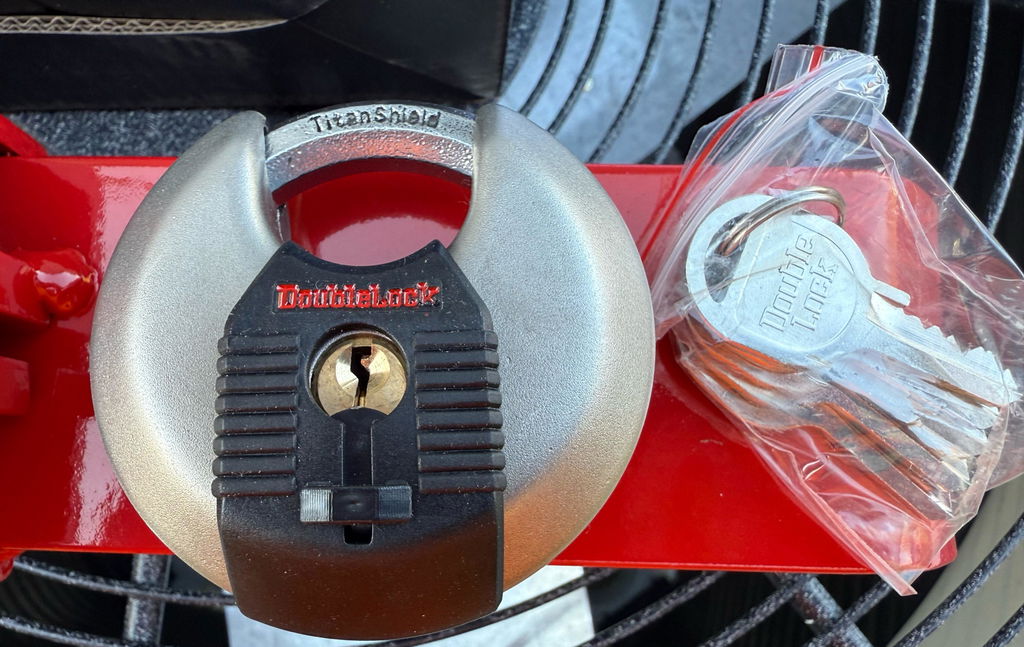
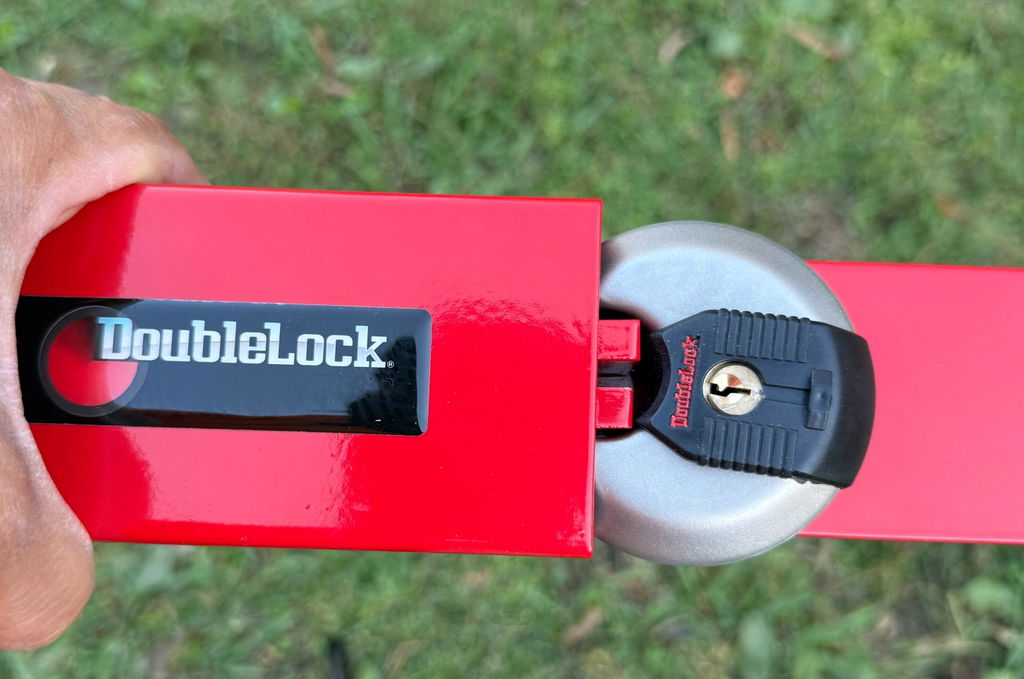
Shop the DoubleLock LION kingpin trailer lock for parked-trailer security
The best fifth wheel lock for an end dump depends on the job: a dedicated kingpin lock protects an uncoupled trailer from unauthorized coupling while it is parked, while a no-tilt or blocking system stabilizes the fifth wheel during dumping. Buyers who need both operating stability and parked security should follow the equipment manufacturer’s instructions and add a purpose-built kingpin lock.
What Is the Best Fifth Wheel Lock for an End Dump Trailer?
For parked security, choose a dedicated kingpin lock that fits the trailer’s kingpin and blocks a tractor from coupling. For dumping operations, use the no-tilt or blocking equipment specified for the trailer and fifth-wheel assembly. If your operation needs both functions, treat them as separate layers rather than choosing one device as a substitute for the other.
Start with the condition you need to control. If the trailer is uncoupled at a yard, jobsite, staging area, or storage location, the exposed kingpin is the connection point an unauthorized tractor would use. A kingpin lock covers that point and prevents normal coupling until an authorized person removes it. The lock acts as a physical barrier and a visible deterrent, but no physical lock makes a trailer undefeatable.
If the trailer is connected and preparing to dump, the issue changes. Some end-dump configurations require a rigid or no-tilt fifth-wheel arrangement during specific maneuvers. That operating system controls articulation and helps the combination behave as the trailer manufacturer designed. It is not a parked anti-theft lock, and a kingpin lock is not a replacement for operating equipment or manufacturer procedures.
Separate the security question from the operating question
- Parked and uncoupled: Ask how the exposed kingpin will be blocked against unauthorized coupling.
- Connected and dumping: Ask which no-tilt, pinning, or blocking procedure the trailer and fifth-wheel manufacturer approves.
- Changing states: Remove the kingpin lock before coupling and follow the required inspection and release sequence before operating the trailer.
- Shared equipment: Document who controls keys, who verifies the lock, and who confirms that the operating system is ready.
This separation prevents a common buying mistake: selecting a product because its name includes “fifth wheel” without checking whether it protects a parked trailer or controls a dumping maneuver.
Is Pinning the Fifth Wheel the Same as Security?
Pinning or blocking the fifth wheel for a dump operation is not the same as securing an uncoupled trailer. Pinning addresses movement and stability in an operating setup. A kingpin lock covers the exposed coupling point when the trailer is parked. Use each only for the purpose and equipment configuration it is designed to support.
Jobsite language often makes “blocking,” “pinning,” and “locking” sound interchangeable. They are not. A blocking or pinning procedure may keep a fifth wheel from tilting during a dump cycle. That can be an important operational requirement for a particular trailer design. Once the trailer is uncoupled, the same procedure does not necessarily prevent another tractor from lining up with the kingpin.
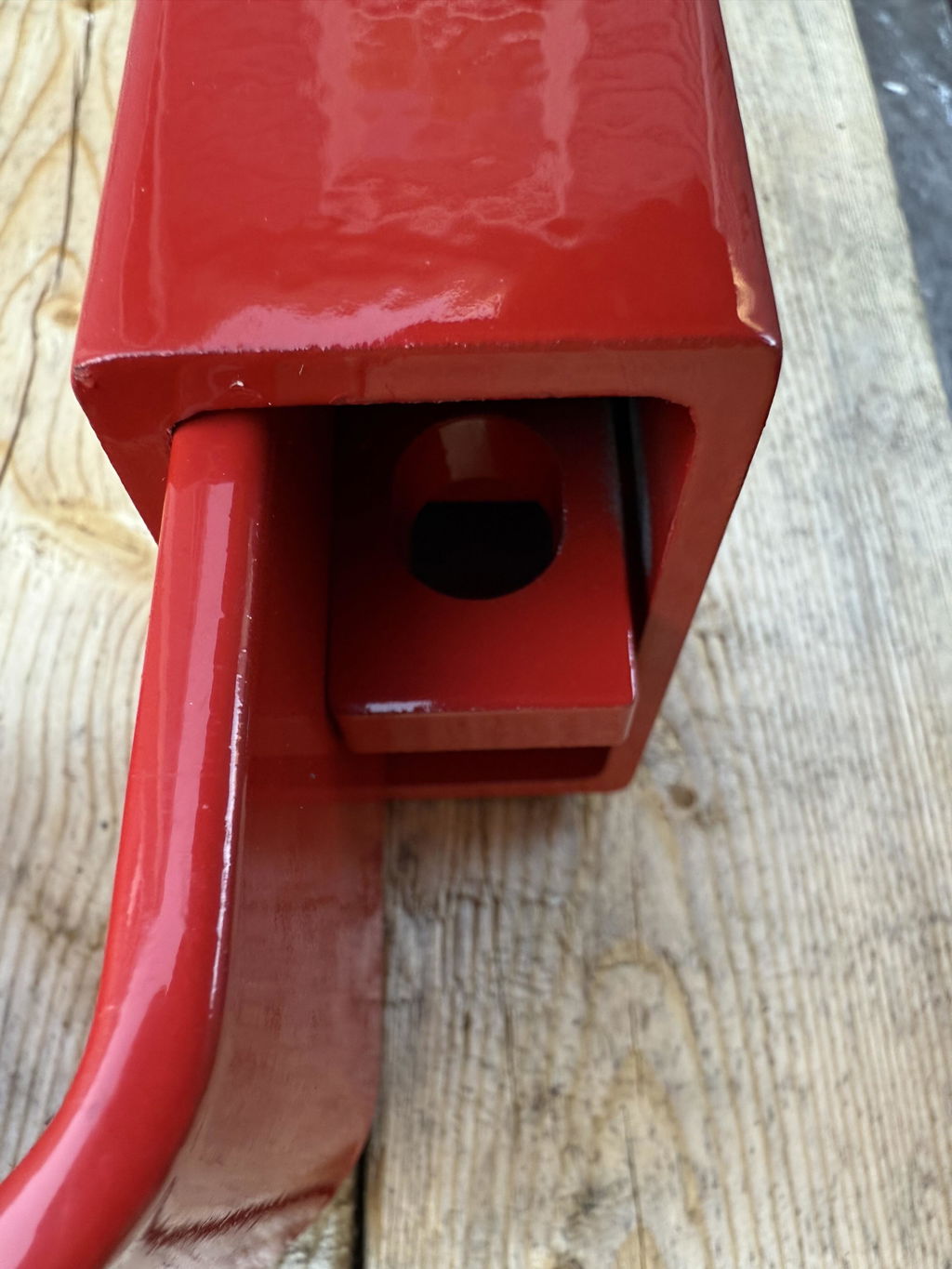
Security starts at the point of unauthorized access. When a trailer is detached, inspect the kingpin, the coupling plate area, and the available space around them. A dedicated kingpin lock is designed to occupy that connection point. The correct installation makes normal hookup unavailable until an authorized operator unlocks and removes the device.
What a kingpin lock protects
A kingpin lock protects an uncoupled trailer from the ordinary coupling path. It does not secure every component of a trailer, stop every form of tampering, or replace site controls. Pair the lock with a sensible parking location, controlled keys, lighting, inspection, and any fleet procedures that apply to your operation.
What a no-tilt system protects
A no-tilt or blocking system protects the operating behavior of the fifth-wheel connection during the approved dumping process. The exact procedure depends on the trailer, tractor, fifth-wheel assembly, load, ground conditions, and manufacturer’s instructions. Never improvise a pinning method based on a security product description.
Do You Need a Kingpin Lock and a No-Tilt System?
You may need both when the trailer requires a no-tilt or blocking system during dumping and also remains unattended while uncoupled. The no-tilt system supports the operating procedure; the kingpin lock supports parked security. Confirm the operating requirement with the trailer and fifth-wheel manufacturers, then choose a kingpin lock that matches the exposed kingpin.
Think of the two devices as time-specific tools. The no-tilt system belongs to the operating phase and must be engaged, used, and released according to the equipment instructions. The kingpin lock belongs to the parked, uncoupled phase. Before coupling, remove the kingpin lock and store it under the key-control procedure. Before dumping, complete the required inspection and prepare the no-tilt or blocking system.
An end-dump fleet may move through both phases several times in one day. That makes a repeatable handoff more valuable than a vague belief that “the fifth wheel is locked.” Write the state change into the driver’s or yard team’s checklist. The person who removes the security lock should verify that the kingpin is clear. The person who prepares the dump operation should verify the manufacturer’s operating sequence.
A practical two-layer checklist
- Park the uncoupled trailer on stable ground and apply the site’s parking controls.
- Inspect the kingpin and nearby coupling area for damage, dirt, or interference.
- Install the dedicated kingpin lock and confirm that it is fully engaged.
- Control the key or access method so an unauthorized person cannot remove the lock.
- Before coupling, remove the kingpin lock and inspect the coupling area again.
- After coupling, follow the tractor, trailer, and fifth-wheel inspection procedure.
- Before dumping, use only the approved no-tilt or blocking procedure for that equipment.
This checklist does not replace a manufacturer’s manual or an employer’s safe-work procedure. It gives buyers and operators a clear way to keep anti-theft hardware from being confused with dump-operation hardware.
Compare DoubleLock truck and trailer security hardware for your operating setup
How Does a Kingpin Lock Fit an End Dump Trailer?
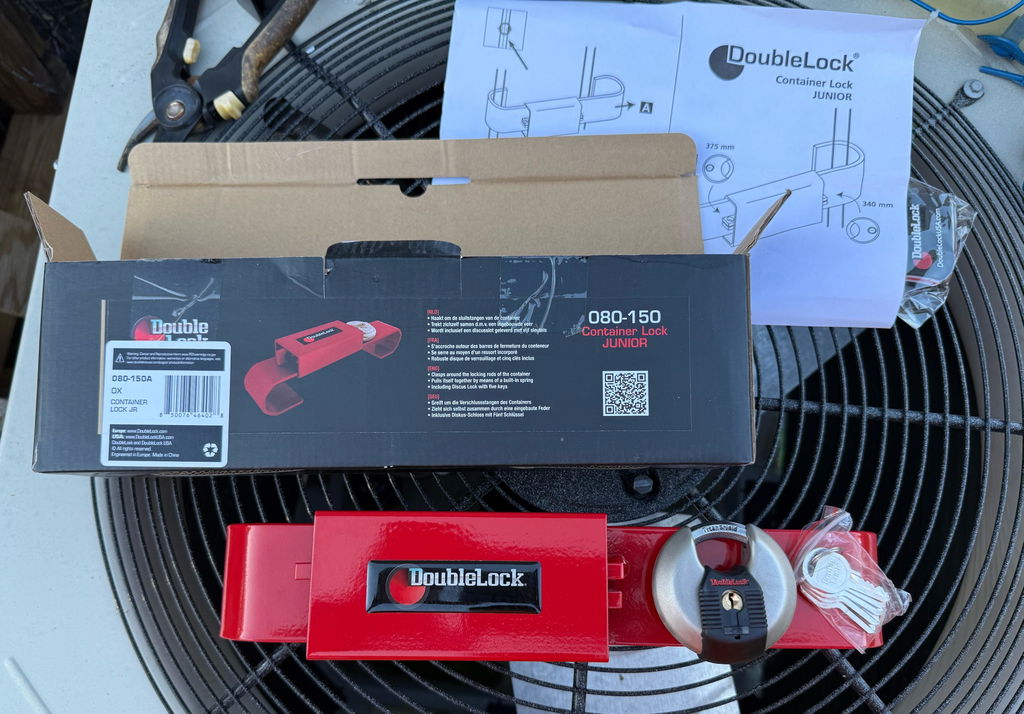
A kingpin lock should sit securely over the exposed kingpin, close fully, and remain clear of the trailer’s surrounding coupling hardware. Confirm the kingpin dimensions and the lock’s application before ordering. Test installation on level, stable ground, and never force a lock that binds, rocks, or interferes with the kingpin.
Fit is the first buying decision. Start with the trailer’s actual kingpin and the space around it, not a product photo or a generic fifth-wheel label. Check the kingpin diameter, collar or flange shape, available clearance, and condition of the surface the lock must cover. If the trailer uses a nonstandard coupling arrangement, ask DoubleLock for application guidance before placing an order.
The lock should cover the coupling point without leaving an obvious path for a normal fifth-wheel plate to engage. It should close and lock without excessive force. The body should not collide with adjacent brackets, air lines, landing-gear components, or other hardware. A good fit supports reliable use and prevents the operator from leaving the trailer unsecured because the device is awkward to install.
Check the kingpin before you compare locks
- Clean away heavy grease, dirt, and debris that could prevent full seating.
- Look for damage, unusual wear, cracks, or deformation around the kingpin and mounting area.
- Measure the relevant diameter and note nearby clearance before ordering.
- Confirm the lock’s intended application and dimensions on the product page.
- Ask for fit guidance when the trailer configuration does not match the published application.
Do not modify the kingpin, lock, or surrounding equipment to force compatibility. A security device must not create a coupling hazard or interfere with the equipment’s approved operation.
What Should You Check Before Buying a Fifth Wheel Lock?
Before buying, verify the trailer’s kingpin fit, the lock’s construction and weather exposure, installation and removal steps, key control, storage, and the exact time the device will be used. Match the lock to the parked trailer, not to the no-tilt hardware used during dumping, and ask for help when the fit is uncertain.
Fit and application
Put fit ahead of weight or appearance. A heavy lock that does not seat properly is a poor security choice. Record the trailer make and configuration, the kingpin measurements, and the clearance around the coupling point. If several trailer models share a yard, do not assume one lock fits every unit without checking the range and application.
Construction and exposure
End-dump trailers work around dust, mud, rain, road spray, and temperature changes. Choose a product whose published construction and weather information suit the storage environment. Weather-resistant construction supports outdoor use, but it does not remove the need to wipe down the device, inspect the keyway, and respond to corrosion or stiffness.
Installation and handling
The best lock is one that operators can install correctly every time. Consider how the device is carried, where it rests while the trailer is moving, and how the operator confirms that it is locked. Train the team on the actual model. A lock that is left in a toolbox because it is difficult to handle cannot protect the parked trailer.
Key management
Decide who may remove the kingpin lock and where spare keys will live. Fleet operators should assign the device to a trailer or asset record and create a replacement process for lost or damaged keys. Do not leave the key inside the parked trailer or in an unsecured cab. A visible lock with uncontrolled keys creates a preventable gap in the security routine.
Layered site security
A kingpin lock reduces the opportunity for normal coupling, but it is one layer of a broader plan. Park in a controlled area when possible, use lighting and access procedures, inspect the trailer at handoffs, and record unusual damage or tampering. No lock eliminates every risk, so combine physical security with the operating controls your site can enforce.
When Should You Use a Fifth Wheel Lock?
Use a dedicated fifth wheel or kingpin lock whenever an end-dump trailer is uncoupled and exposed to unauthorized access, including overnight parking, yard storage, jobsite staging, and trailer handoffs. Remove it before coupling and store it under a controlled key procedure. Do not use it as a substitute for approved dump-operation equipment.
The right time to use the lock is the parked phase, when the trailer’s kingpin is exposed and the trailer is not connected to an authorized tractor. Include that moment in the same checklist used for landing gear, wheel chocks, doors, and site access. A clear trigger makes protection consistent across shifts.
Overnight and weekend parking
Long unattended periods increase the value of a simple, visible control. Install the lock after the trailer is positioned and inspected. Record the trailer location and key custodian if your operation uses a yard log. On return, check the lock and surrounding coupling area before removal.
Jobsite and temporary staging
Construction and aggregate jobsites often change layout, staffing, and access during a project. Treat a staged end dump like any other unattended commercial asset. Secure it when uncoupled, communicate the key process to the crew, and inspect it at the start of the next shift.
Fleet and rental handoffs
At a handoff, identify whether the trailer is arriving secured, being coupled, or entering storage. The receiving operator should not assume that a lock is installed correctly or that a no-tilt procedure has been completed. Verify the physical state and document who is responsible for the next step.
How Should You Choose and Maintain the Lock?
Choose a lock by verified kingpin fit, construction, exposure, handling, and key-control needs, then maintain it with routine inspection and cleaning. Remove mud and road salt, keep the locking area free of debris, use only suitable lubricant for the mechanism, and replace a device that no longer closes or operates reliably.
Maintenance protects both security and usability. A dirty or stiff lock may be difficult to install, and an operator who cannot close it fully may leave the trailer exposed. Build a short inspection into the parking routine instead of waiting for the key to bind or the mechanism to seize.
Inspect the body and locking mechanism
Look for corrosion, cracks, deformation, missing parts, and unusual movement. Confirm that the body seats evenly over the kingpin and that the locking mechanism closes completely. Do not continue using a device that has suffered impact damage or no longer matches the kingpin’s condition.
Clean after harsh exposure
Wipe away mud, dust, and road spray before storage. Pay attention to the keyway and moving areas, but do not pack debris deeper into the mechanism. If the trailer operates near saltwater or winter road treatment, inspect more often and follow the product instructions for cleaning and lubrication.
Store it where the crew will use it
Keep the lock in a dry, controlled location when it is not installed. Store the key through the approved access process. The goal is not merely to own a lock; it is to make the correct security step easier than leaving the kingpin exposed.
Explore DoubleLock wholesale options for fleet, rental, and bulk trailer-security needs
Fifth Wheel Lock for End Dump FAQs
Is pinning the fifth wheel the same as using a kingpin lock?
No. Pinning or blocking can refer to an operating procedure that limits fifth-wheel movement during dumping. A kingpin lock covers the exposed coupling point on an uncoupled trailer. One addresses operating stability; the other addresses parked anti-theft security.
Does a no-tilt system replace a kingpin lock?
No. A no-tilt system supports the approved dumping setup and is not automatically designed to prevent an unauthorized tractor from coupling to a parked trailer. Use a dedicated kingpin lock for the uncoupled security phase when the application and fit are correct.
How do I confirm that a kingpin lock will fit?
Measure the kingpin and the available clearance, then compare those measurements with the product’s published application and dimensions. The lock should seat fully without rocking, binding, or interfering with nearby coupling hardware. Contact DoubleLock when the configuration is unusual or the published fit information does not answer the question.
When should I remove the lock?
Remove the kingpin lock before an authorized tractor couples to the trailer. Inspect the coupling area after removal, then follow the normal coupling and fifth-wheel inspection procedure. Never attempt to couple through an installed security lock.
How do I maintain an end-dump kingpin lock?
Inspect it regularly for corrosion, damage, stiffness, and debris. Clean the body and keyway after dusty, wet, or salty exposure, and use the product instructions for suitable lubrication. Replace a damaged or unreliable device rather than treating a partial lock as secure.